

Superior Conveyor Components: Enhancing Efficiency & Sustainability in Material Handling
Understanding Superior Conveyor Components: The Backbone of Efficient Material Handling
In today’s industrial landscape, where efficiency and reliability dictate success, superior conveyor components are quietly but powerfully shaping operations worldwide. These components aren't just metal and plastic parts; they're vital cogs in the global distribution chain, manufacturing lines, and humanitarian logistics. Understanding them is key not only to improving productivity but also to ensuring safety, sustainability, and adaptability in a variety of environments.
Why Superior Conveyor Components Matter Globally
The global conveyor systems market size was valued at several billion USD in recent years, with forecasts pointing towards continued growth—driven by automation, e-commerce, and industrial expansion. According to data from the International Organization for Standardization (ISO) and industrial market analyses, conveyor systems improve material handling efficiency by up to 40%, reducing labor costs and human error. However, the true challenge centers on the quality and durability of the components used – which can mean the difference between costly downtime and seamless operation.
Think about industries ranging from mining operations in remote Australia to fast-paced fulfillment centers in the US and even disaster-relief operations where quick material movement means lives saved. Each scenario demands superior conveyor components tailored to meet unique challenges, whether it be harsh environments, sheer volume, or rapid redeployment.
What Are Superior Conveyor Components?
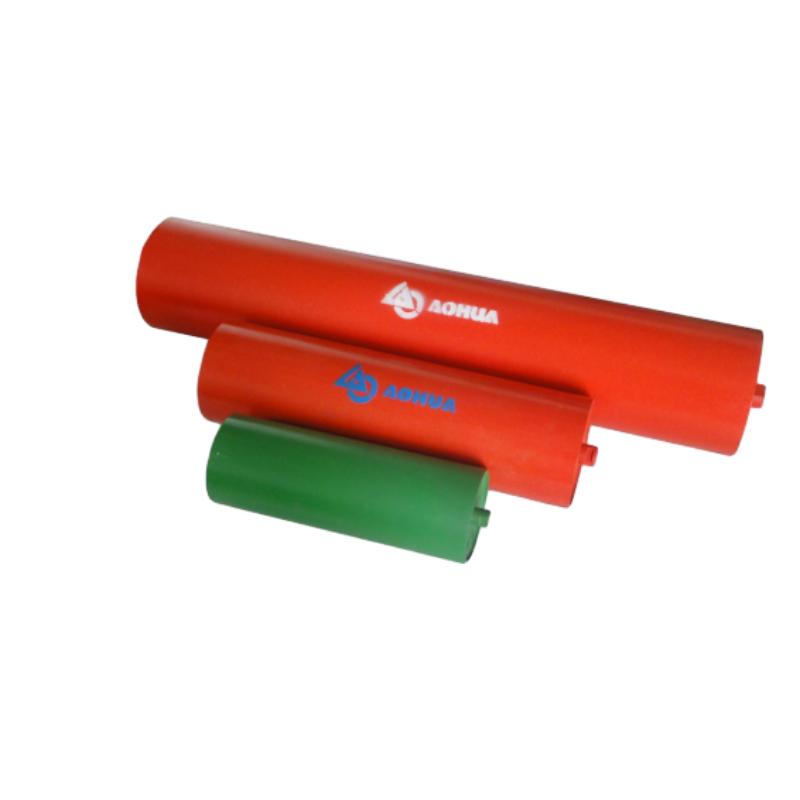
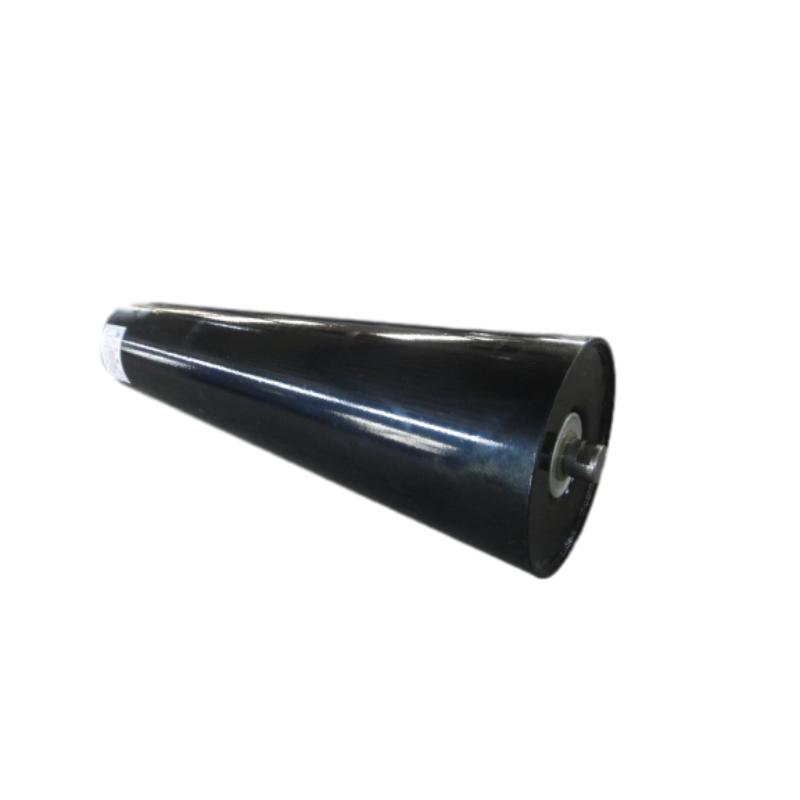
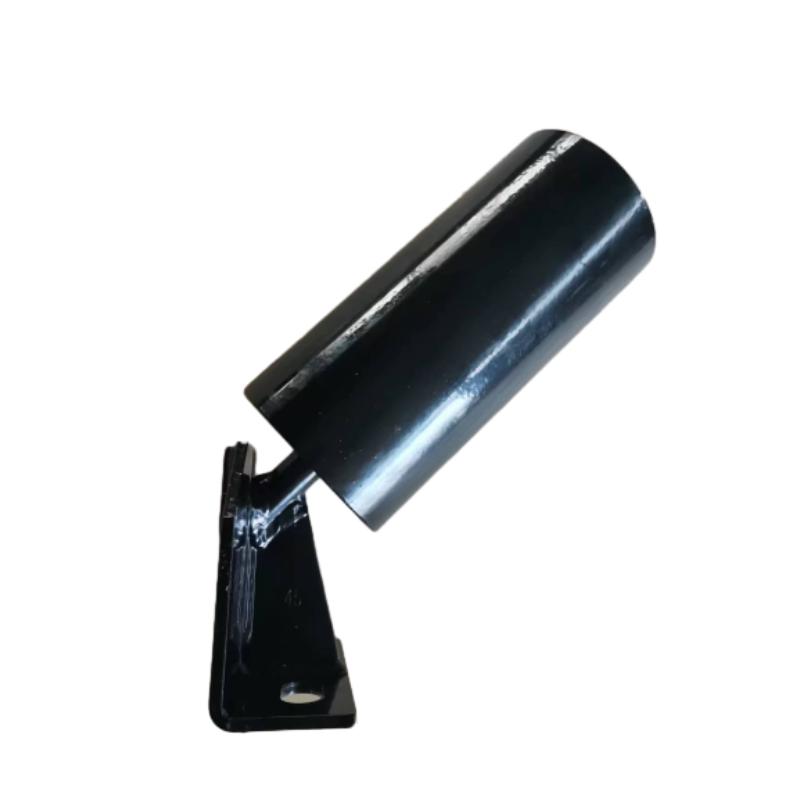
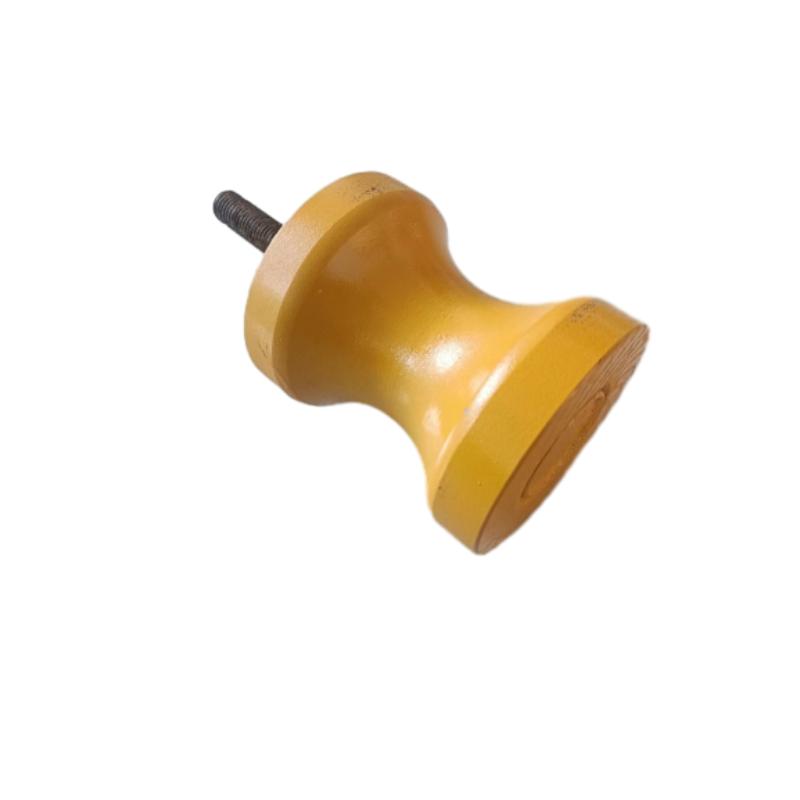
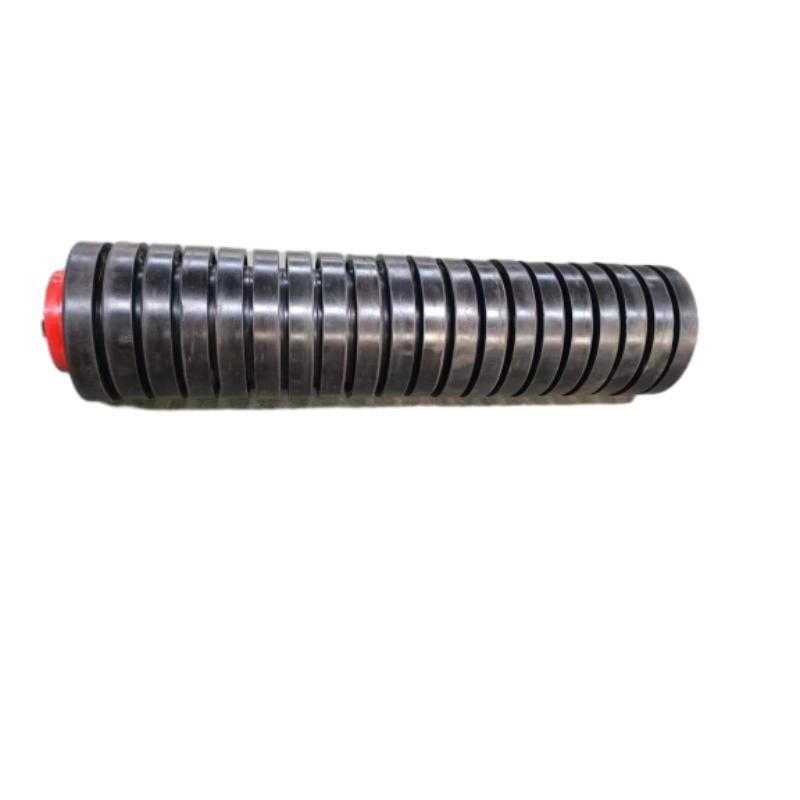
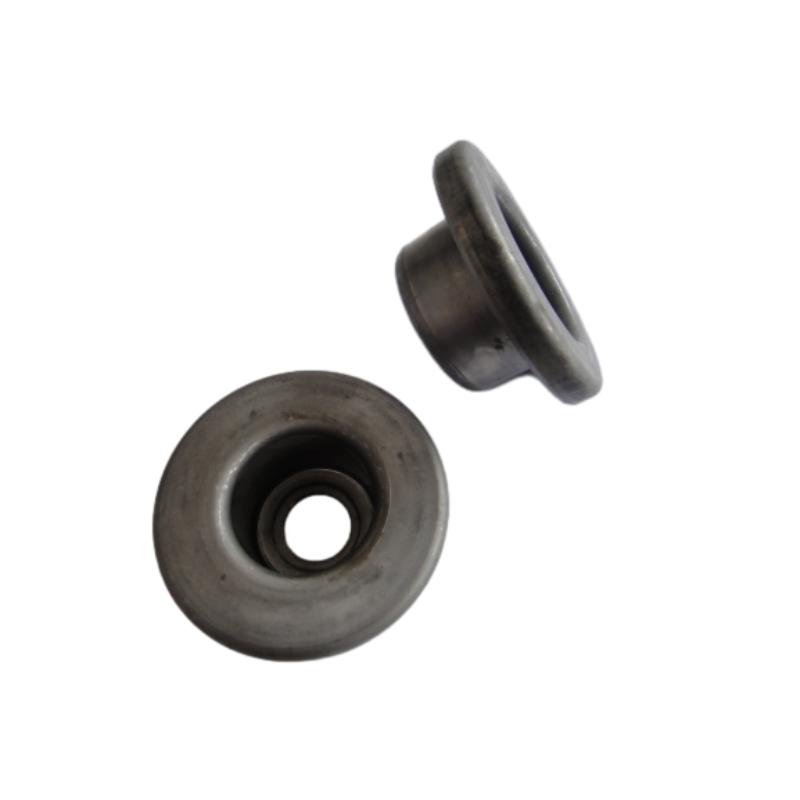
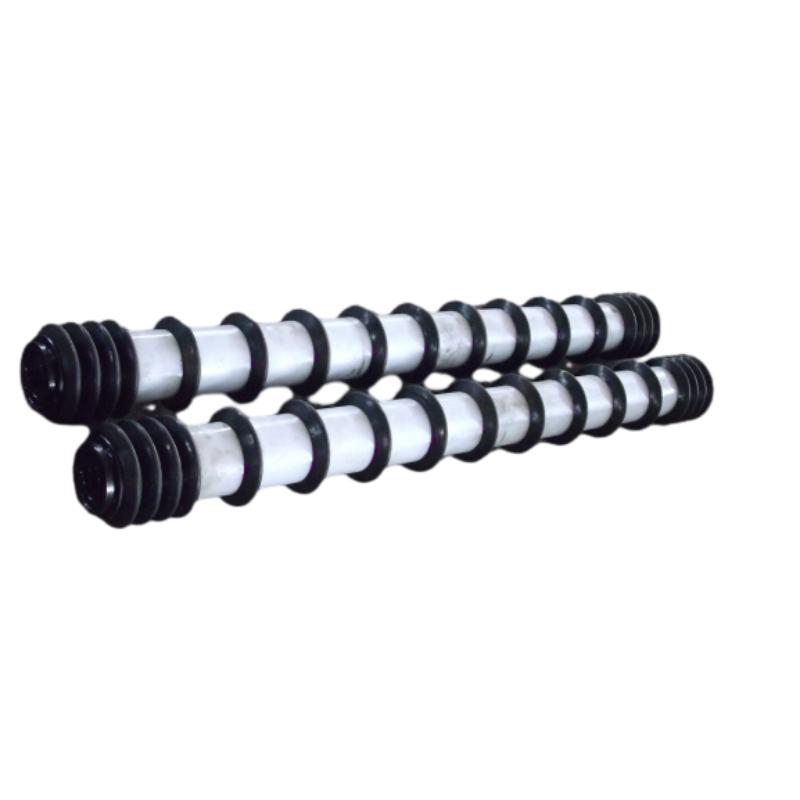
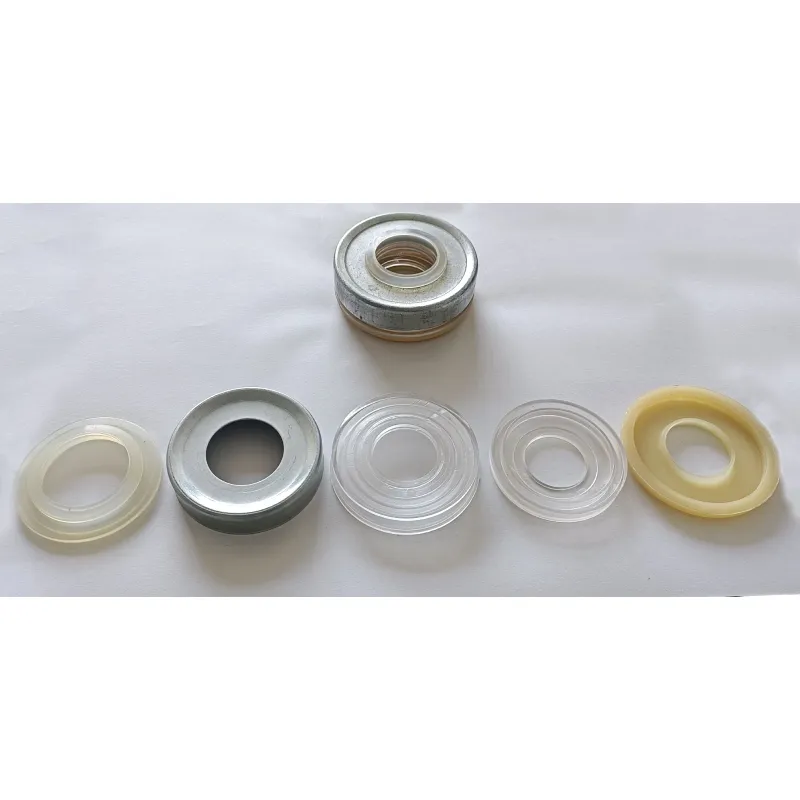
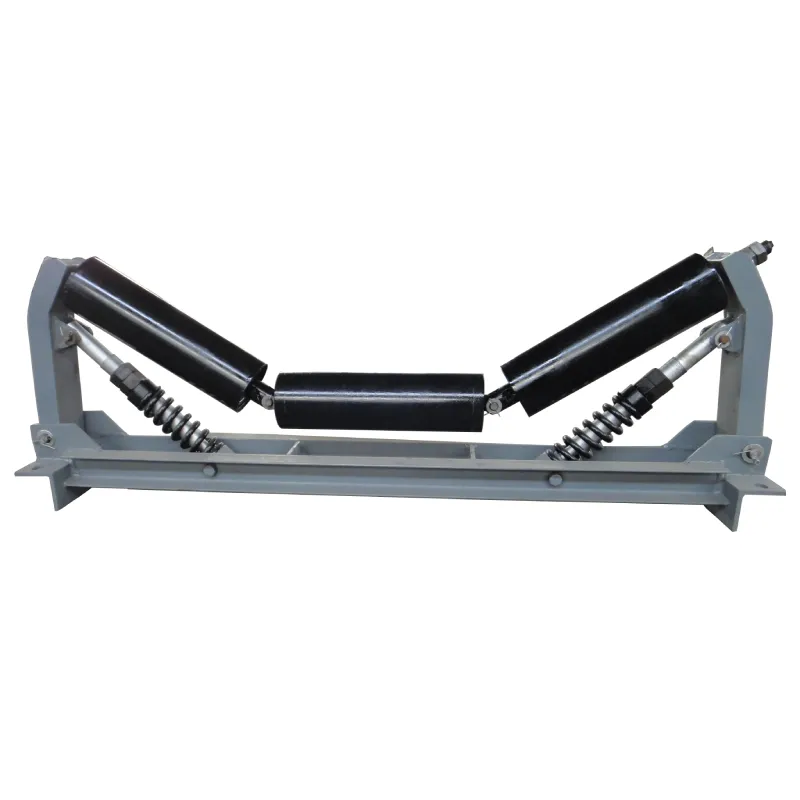
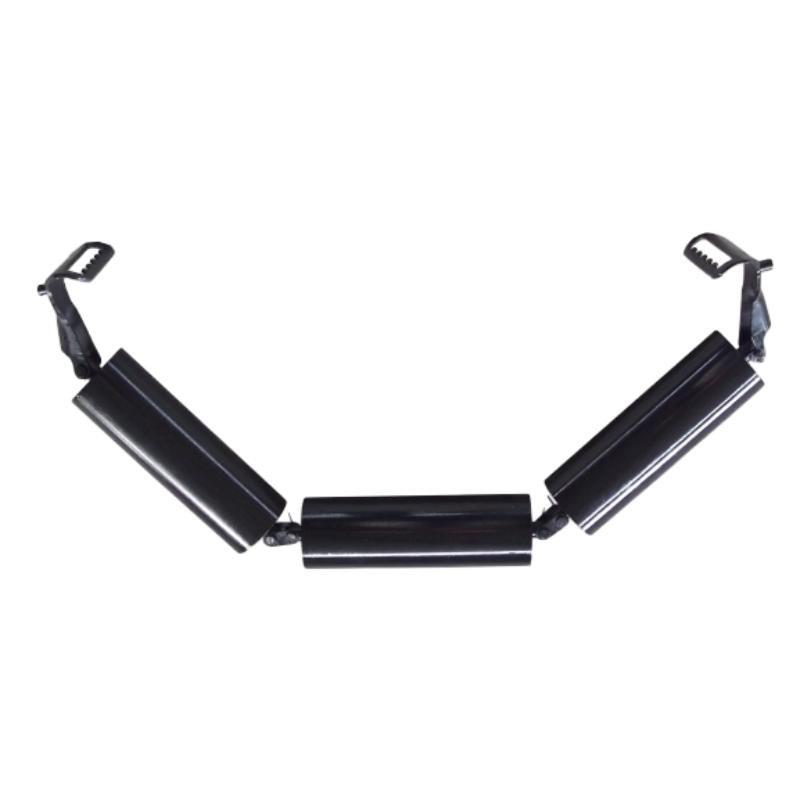
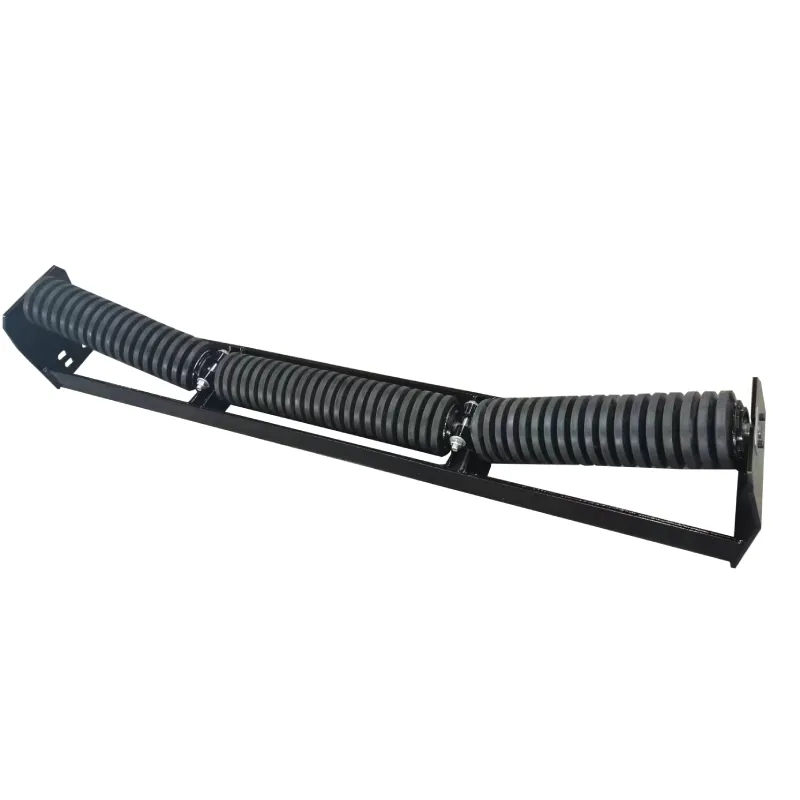
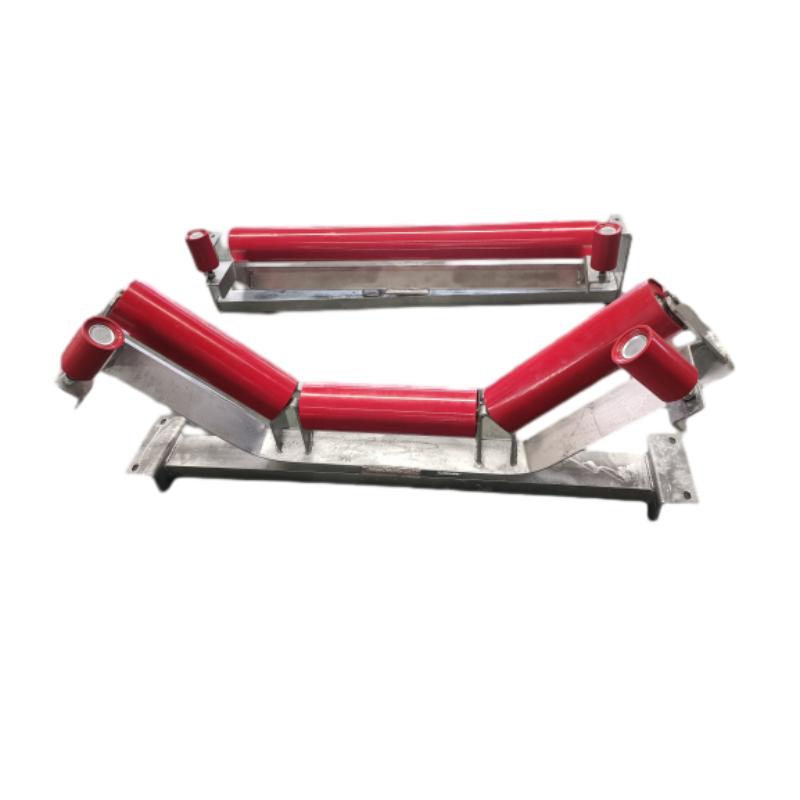
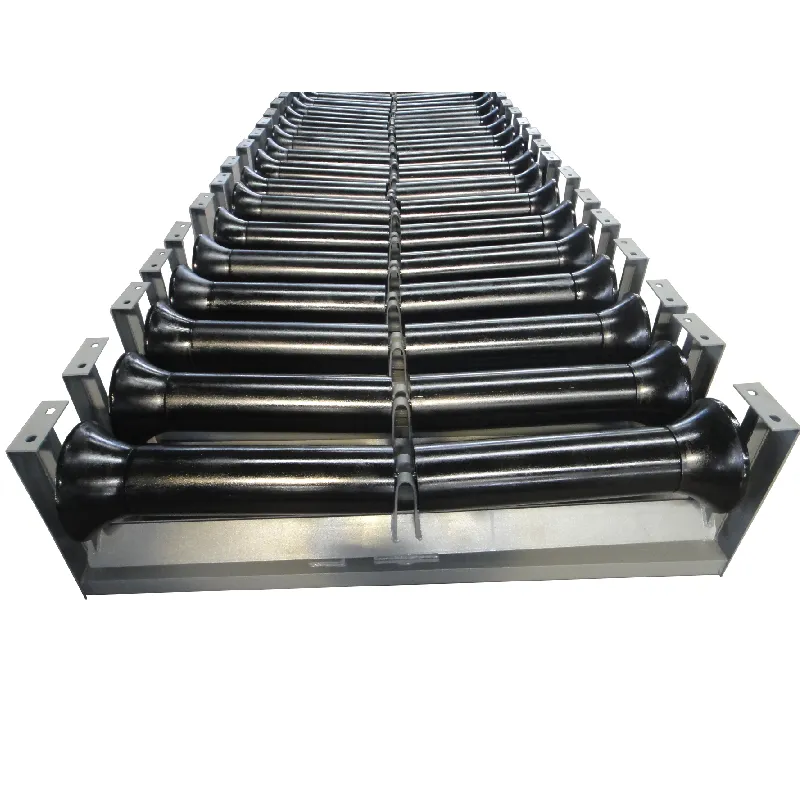
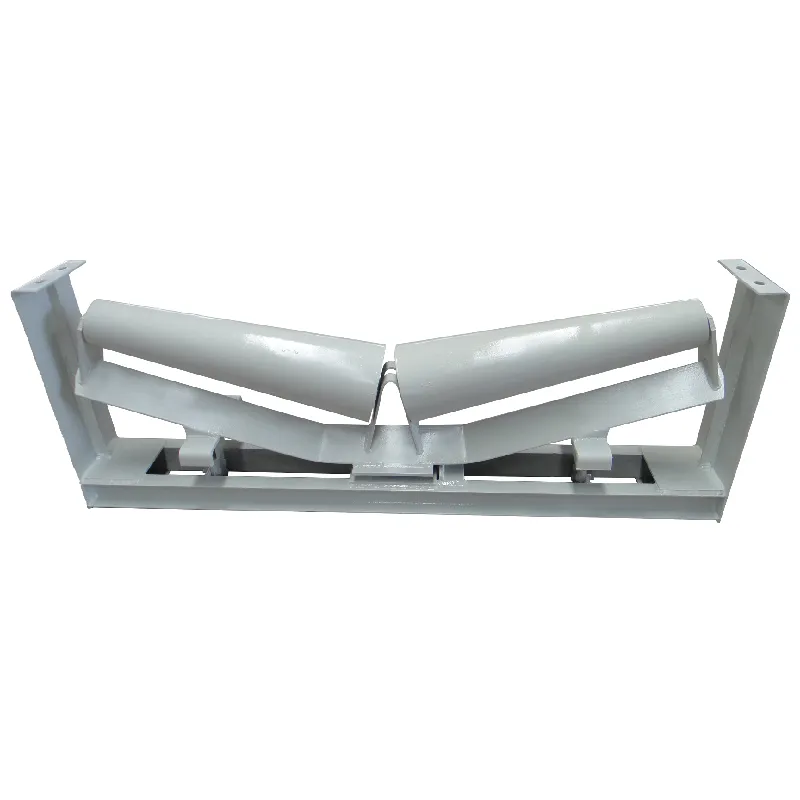
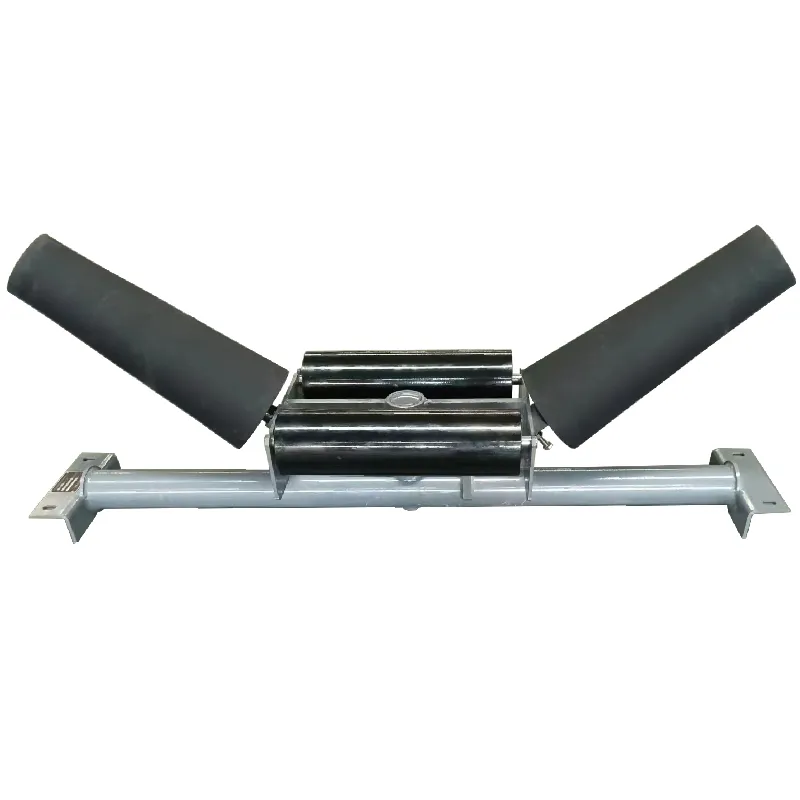
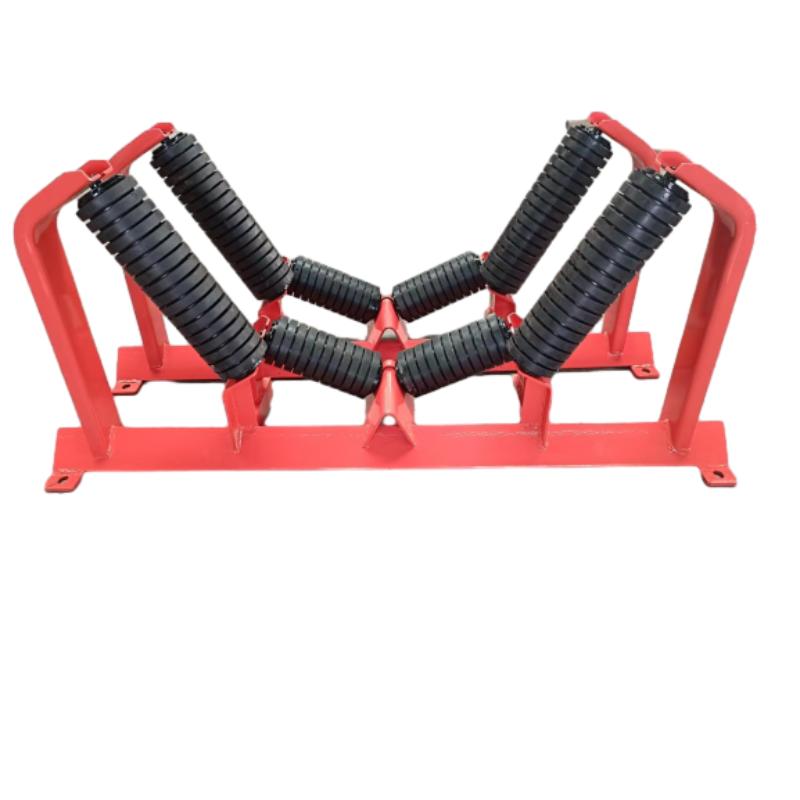
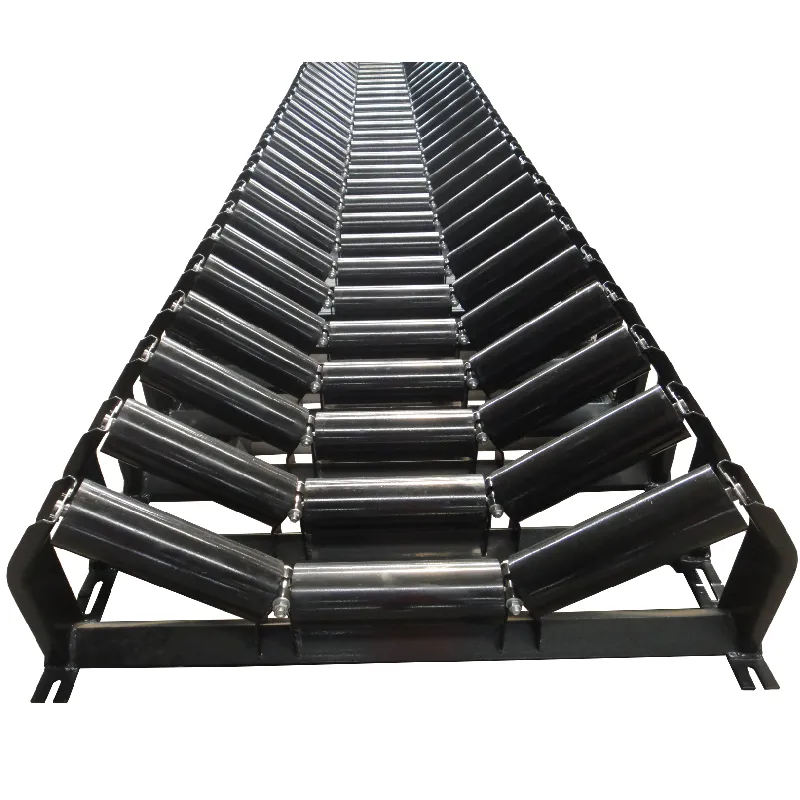
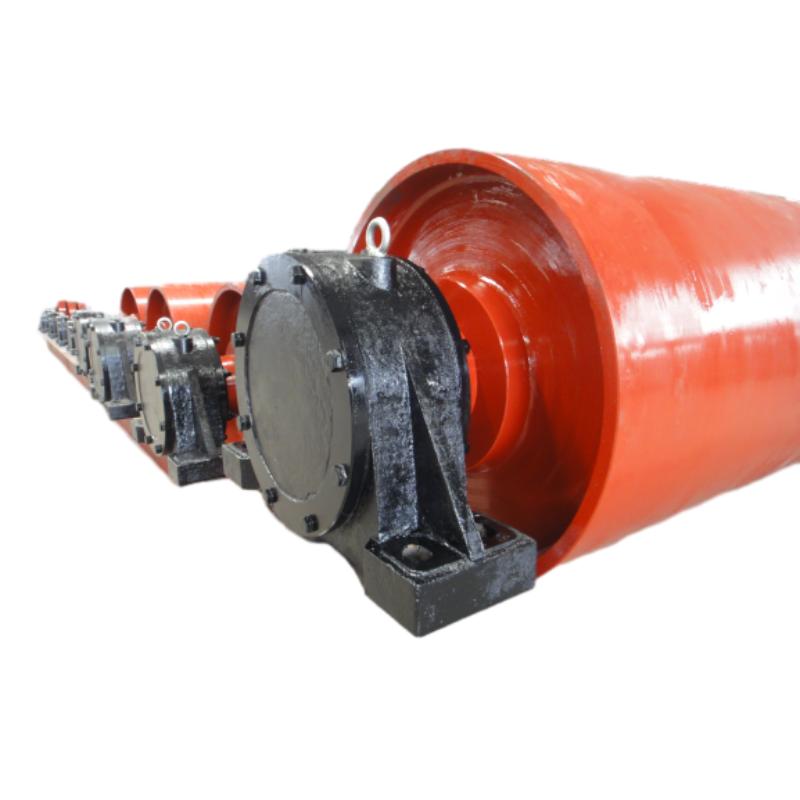
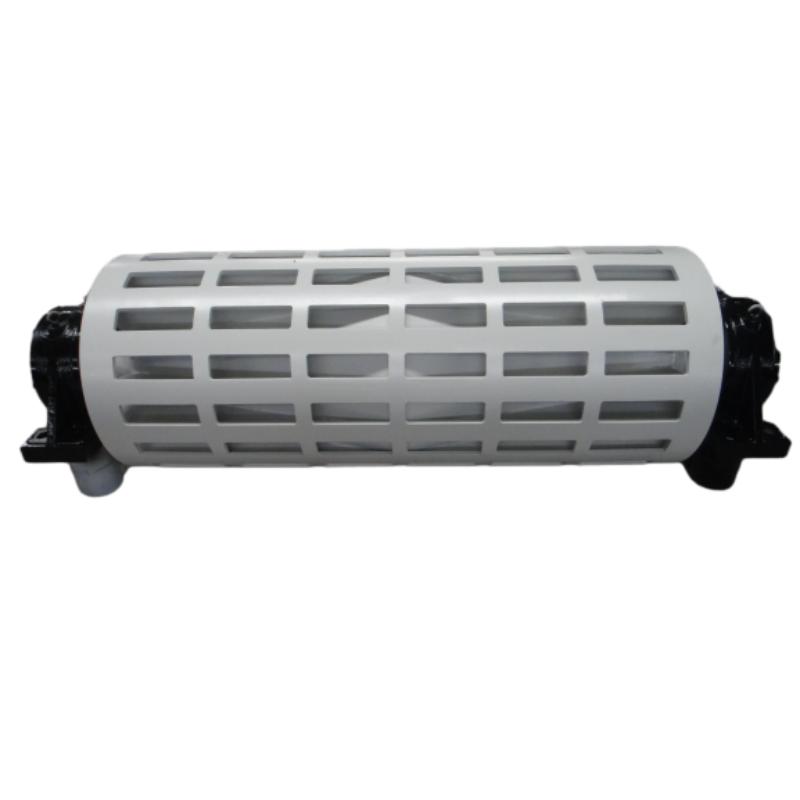
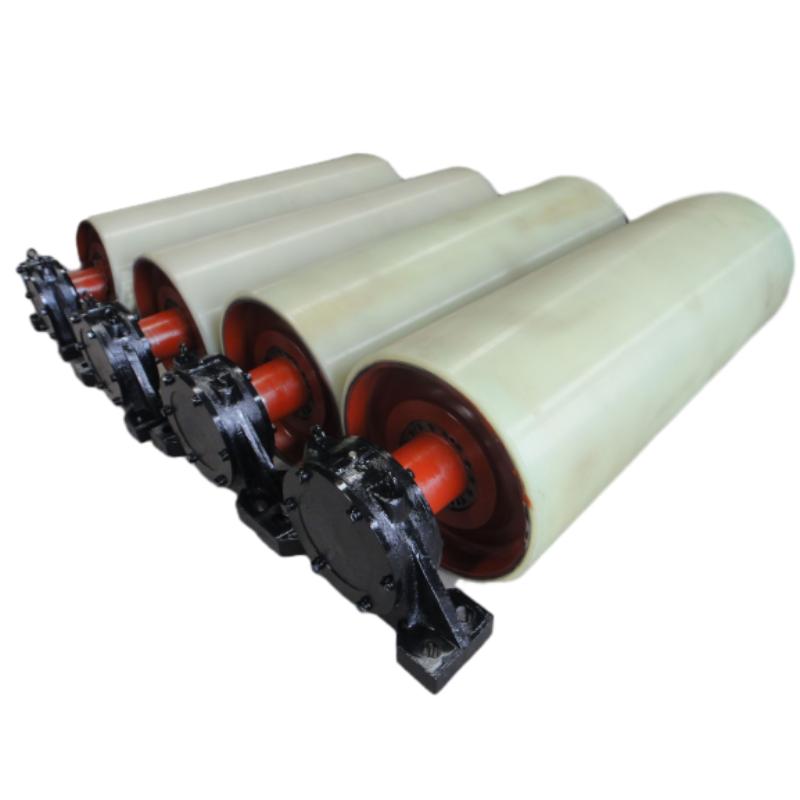
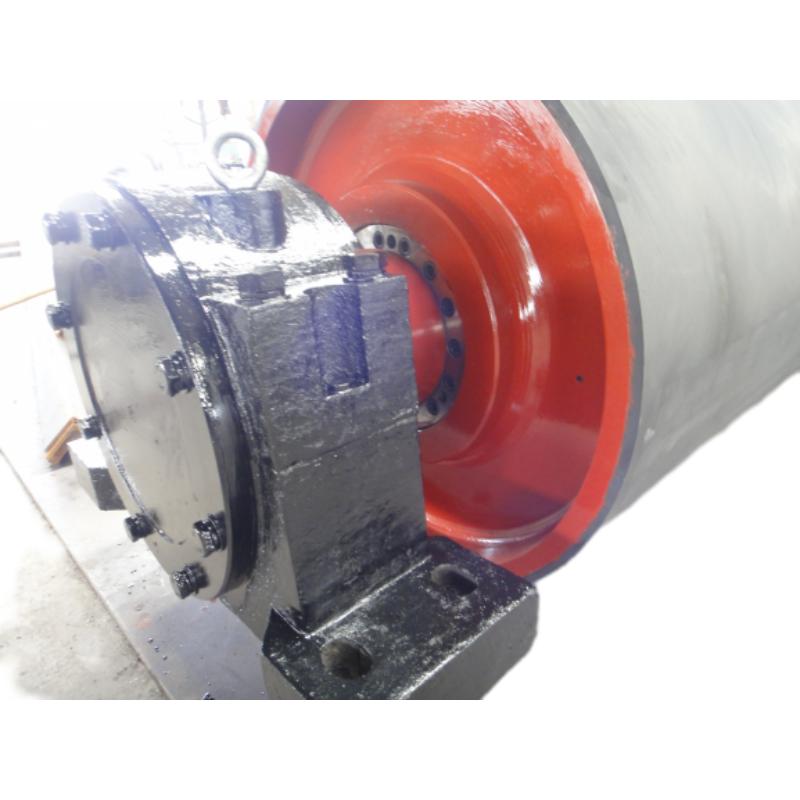
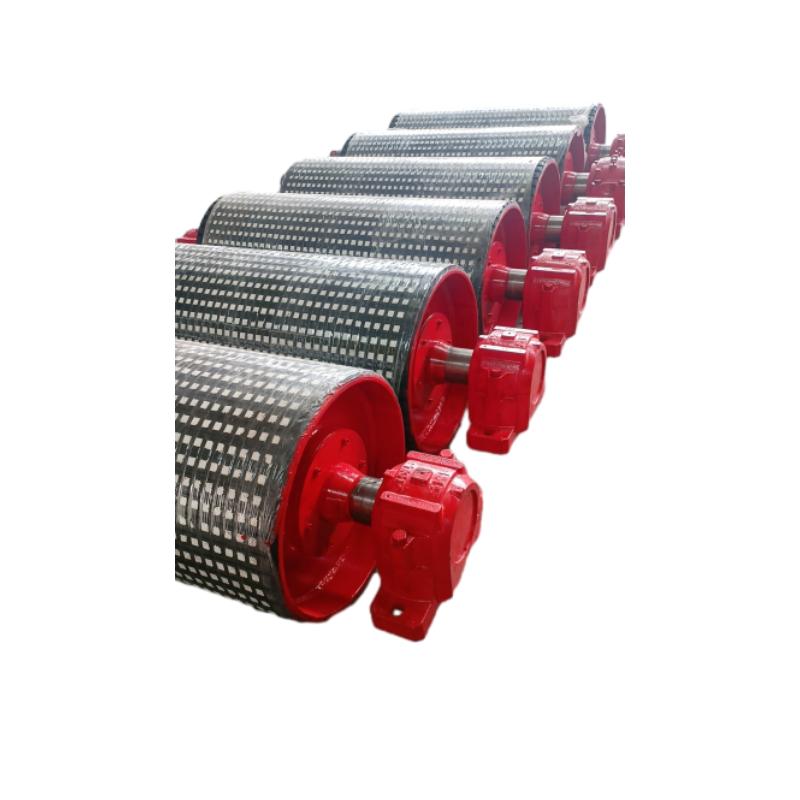
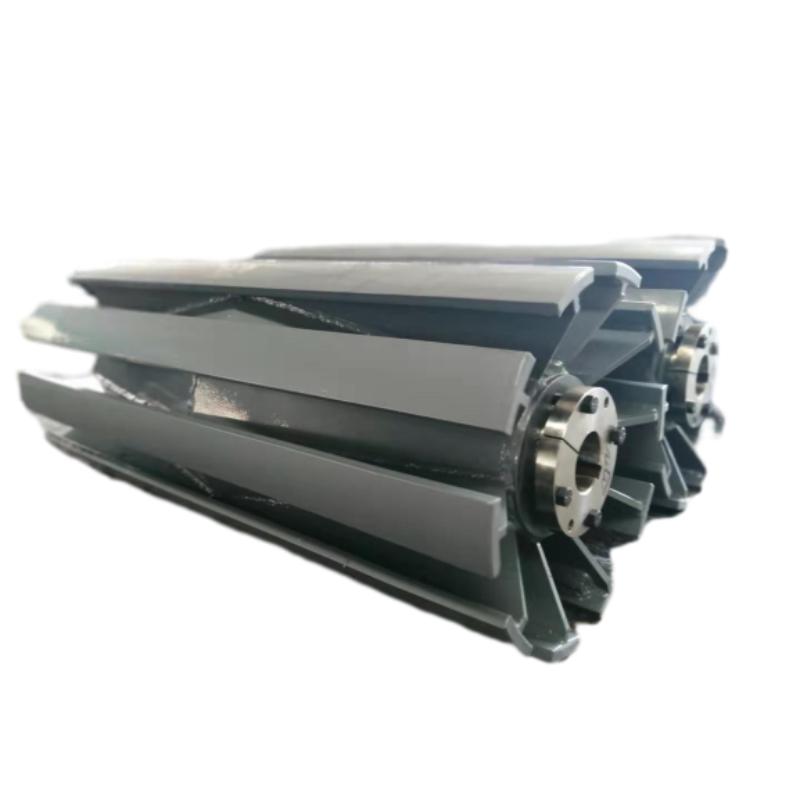
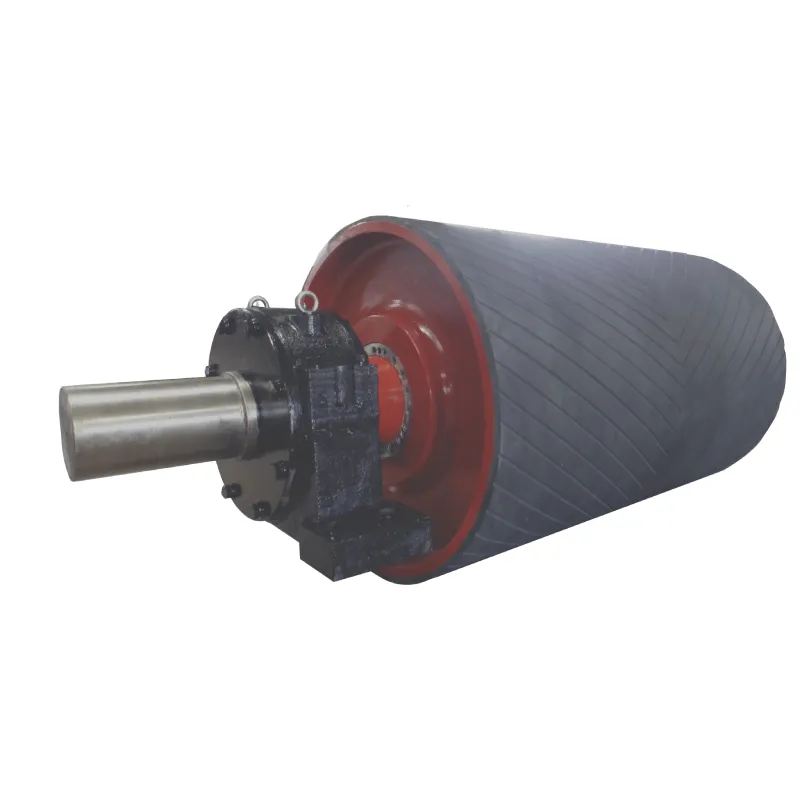
Put simply, superior conveyor components are high-grade parts used in conveyor systems that ensure optimal performance, longevity, and adaptability. They include belts, rollers, pulleys, motor drives, and sensors designed with advanced materials and engineering precision. These components help machinery move goods, raw materials, or products smoothly and reliably.
More than just industrial parts, these superior components are central to modern supply chains and even humanitarian aid – such as moving relief supplies efficiently through challenging terrains or facilitating recycling operations critical to sustainability efforts.
Key Components and Their Characteristics
Durability
High-quality conveyor parts are built to withstand abrasive materials, extreme temperatures, and continuous usage without frequent failures. This not only lowers maintenance costs but also maximizes uptime.
Scalability
Systems with modular, easy-to-install components allow businesses to expand or modify their conveyor lines according to changing demands—critical in fast-growing sectors like e-commerce logistics.
Energy Efficiency
Modern conveyors leverage smart motors and lightweight materials to reduce energy consumption, aligning with global efforts toward sustainability and cost reduction.
Precision and Control
Sophisticated sensors and variable speed drives embedded in superior components offer precise control, minimizing errors and product damage.
Safety Features
A top-notch conveyor component integrates safety mechanisms such as emergency stops and overload protections to protect both operators and goods.
Mini Takeaway:
Superior conveyor components combine durability, scalability, and smart technology to improve efficiency and safety across various industries.
Global Applications and Use Cases
One of the most impressive things about superior conveyor components is how widely they’re used. In logistics hubs across Europe, they keep e-commerce shipments moving at breakneck speed. In mining regions of Africa, they handle massive, abrasive loads day and night. Humanitarian NGOs deploy conveyor systems with specialized components to swiftly transport aid in disaster-stricken zones, minimizing human labor and speeding recovery.
In the Asia-Pacific manufacturing belt, incorporating superior conveyor components has led to significant reductions in downtime and scrap rates, proving critical as just-in-time production models gain ground.
Advantages and Long-Term Value
- Cost Savings: Fewer breakdowns mean lower maintenance and replacement costs.
- Sustainability: Energy-efficient parts reduce carbon footprints and operational expenses.
- Reliability: Consistent performance fosters trust from customers and stakeholders.
- Safety & Dignity: Well-maintained conveyors protect workers from accidents, enhancing workplace morale.
- Innovation Readiness: Modular design supports smooth integration of future technologies.
When you think about it, these benefits aren't just financial – they contribute to a culture of reliability and respect within industries and communities alike.
Product Specification Table: Typical Superior Conveyor Components
| Component | Material | Durability (Hours MTBF) | Energy Consumption | Typical Use |
|---|---|---|---|---|
| Heavy-Duty Rollers | Galvanized Steel + Polyurethane | 20,000+ | Low | Mining, Bulk Handling |
| Modular Belts | Reinforced Polymer | 15,000+ | Medium | Food Processing, Packaging |
| Variable Frequency Drives | Electronic Copper Alu | 40,000+ | Very Low | All Industries |
Comparing Top Vendors of Superior Conveyor Components
| Vendor | Product Range | Customization | Warranty | Global Reach |
|---|---|---|---|---|
| ConveyPro | Full line, modular systems | High | 5 years | Global |
| RollTech | Focus on rollers, belts | Medium | 3 years | Americas, EU |
| Global Conveyance Inc. | Heavy industrial parts | Custom orders only | 7 years | APAC, Africa |
Future Trends & Innovations
Looking ahead, the conveyor industry is shifting towards smart, green, and flexible solutions. The integration of IoT sensors with conveyor components enables predictive maintenance—catching issues before they cause downtime. Materials science is pushing the boundaries with ultra-lightweight composites that still deliver extraordinary durability, lowering energy use even further.
At the policy level, increasing emphasis on sustainability mandates greener manufacturing processes for components, something our industry must reckon with rather promptly. Automation and AI-driven control systems promise conveyors that self-optimize based on load and demand—a real game changer for warehouses.
Challenges & Solutions
Of course, no technology is without hurdles. Challenges include balancing cost with quality—premium components are an investment, but cheaper alternatives risk frequent failures. Supply chain disruptions can delay critical replacements, impacting operations.
Experts suggest investing in modular, interoperable parts to reduce dependency on proprietary systems. Building strong vendor relationships and maintaining adequate inventory buffers, especially of consumables like belts and rollers, also mitigate risk. Oddly enough, transparent communication across departments about maintenance needs often foresees problems — something frequently overlooked.
FAQ: Frequently Asked Questions About Superior Conveyor Components
- What makes superior conveyor components worth the higher initial cost?
- They offer longer service life, greater reliability, and reduced downtime, which cumulatively result in lower total cost of ownership over time. Their advanced materials and precision engineering minimize wear and tear under tough conditions.
- How can conveyor components be tailored for harsh environments?
- By using corrosion-resistant materials, reinforced seals, and high-temperature rated components, manufacturers can customize conveyor parts suitable for environments such as mines, chemical plants, or outdoor logistics depots.
- Are superior conveyor components energy efficient?
- Yes, many come equipped with variable frequency drives and lightweight designs, reducing electrical consumption compared to older systems—key for sustainability efforts and operational savings.
- How quickly can customized conveyor components be sourced?
- Lead times vary by vendor and complexity, but modular designs often shorten procurement times. Many suppliers now offer expedited options and local stock to minimize delays.
- Can conveyor components be integrated with automation systems?
- Absolutely. Modern superior conveyor components often have embedded sensor technology and digital interfaces compatible with automation platforms, enabling smarter and safer operations.
Conclusion + Call to Action
To sum up, superior conveyor components are more than just a technical necessity — they’re a strategic asset in modern industry’s quest for efficiency, safety, and sustainability. Investing in them means fewer headaches, smoother operations, and a greener footprint. If you’re ready to explore high-quality options tailored for your specific needs, visit https://www.idleraohua.com for detailed insights and expert guidance.
Sometimes, it feels like the components beneath the surface are the real heroes of industry — quietly keeping the world moving, piece by piece.
References
-
Maximize Conveyor Life with a High Performance impact bedNewsApr.16,2026
-
Maximize Conveyor Efficiency Using a v plow belt scraperNewsApr.09,2026
-
Comprehensive Guide to Understanding Different Types of Belt CleanersNewsApr.07,2026
-
Enhancing Conveyor Efficiency with an Effective Scraper Belt CleanerNewsApr.04,2026
-
Optimizing Conveyor Systems with Advanced Cleaning Equipment SolutionsNewsMar.31,2026
-
Effective Conveyor Belt Scraper Adjustment for Optimal System PerformanceNewsMar.28,2026