

Self Cleaning Roller: High-Efficiency Industrial Solutions | IDLERAO HUA
Understanding the Self Cleaning Roller: Why This Small Innovation Matters Globally
At first blush, the humble self cleaning roller may not sound like headline news. But when you dig a little, it’s clear that these clever components keep industries humming, equipment cleaner, and processes more efficient worldwide. For sectors spanning mining, manufacturing, and environmental tech, understanding and choosing the right self cleaning rollers can save downtime, reduce maintenance costs, and even bolster worker safety — factors that ripple from local plants all the way to global supply chains.
So what exactly is a self cleaning roller, why is it increasingly sought after around the world, and is it worth keeping an eye on? Let’s unpack this industrial workhorse — you might be surprised how pivotal it is.
The Big Picture: Why Self Cleaning Rollers Are a Global Focus
In a world increasingly driven by automation and precision, minor inefficiencies can pile up. According to the International Labour Organization (ILO), equipment maintenance can account for almost 15% of total operational expenses in heavy industries. And that’s partly because rollers — the components that literally carry material forward — get dirty, clogged, or jammed, slowing down or stopping lines altogether.
Moreover, UN data on sustainable industrialization (Goal 9) stresses efficient infrastructure and resilient innovation must be enhanced globally. Enter the self cleaning roller, an answer to reducing manual cleaning interventions, boosting uptime, and supporting long-term sustainability. Oddly enough, these rollers quietly support everything from large-scale mining in Australia to food packaging in Europe and urban waste recycling in South America.
Mini takeaway: Self cleaning rollers respond to a universal headache in industrial production — cleanliness and continuous operation — making them a key player worldwide.
Defining the Self Cleaning Roller: What You Really Need to Know
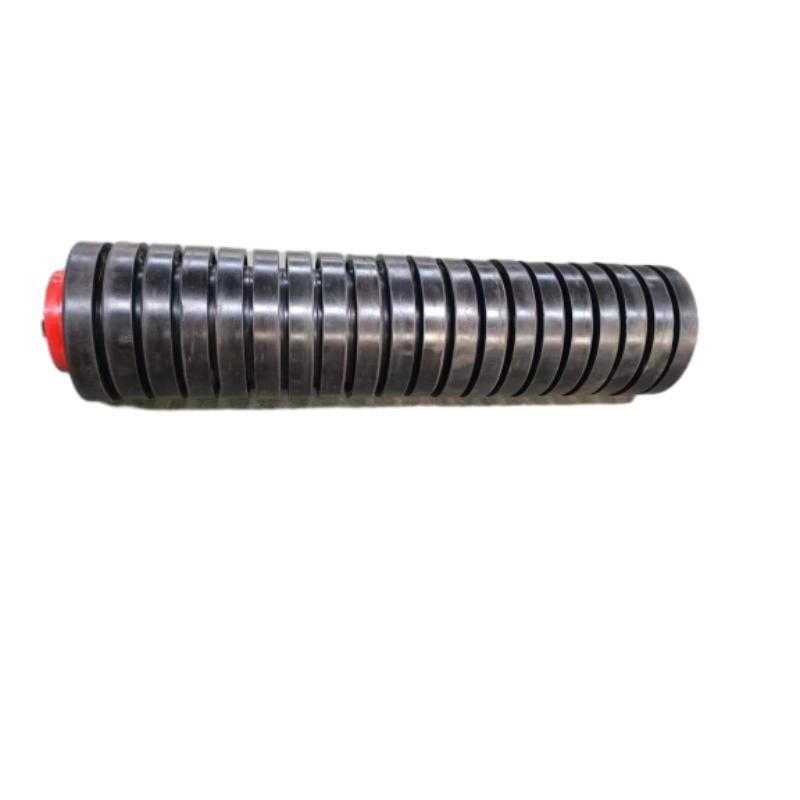
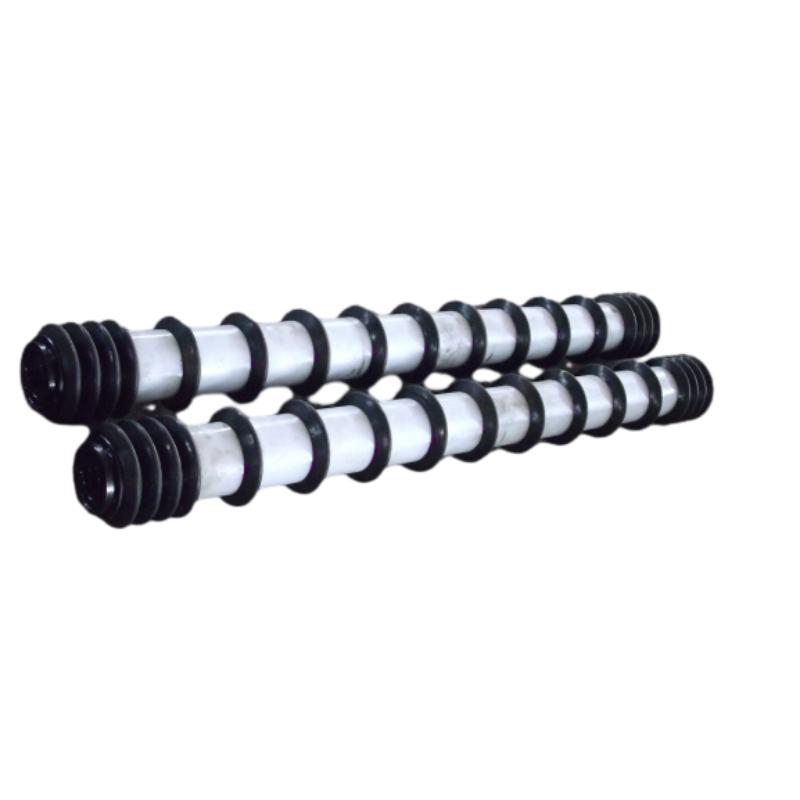
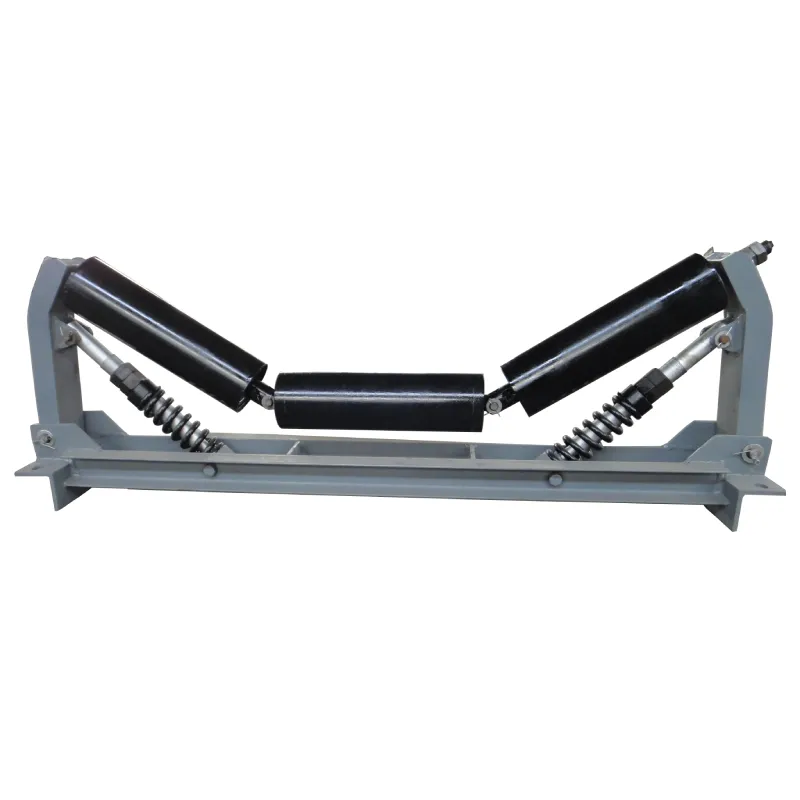
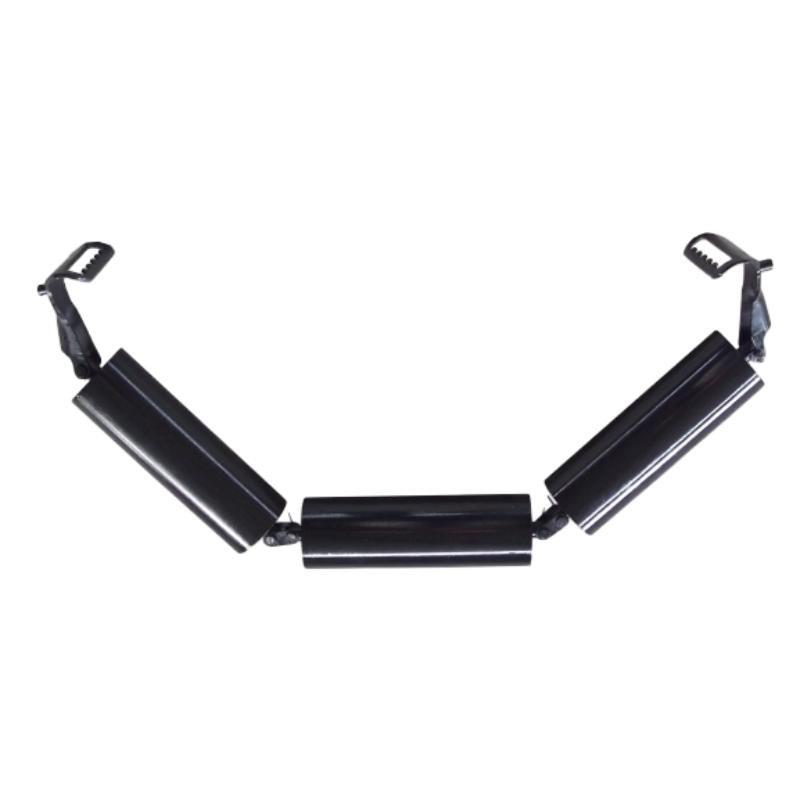
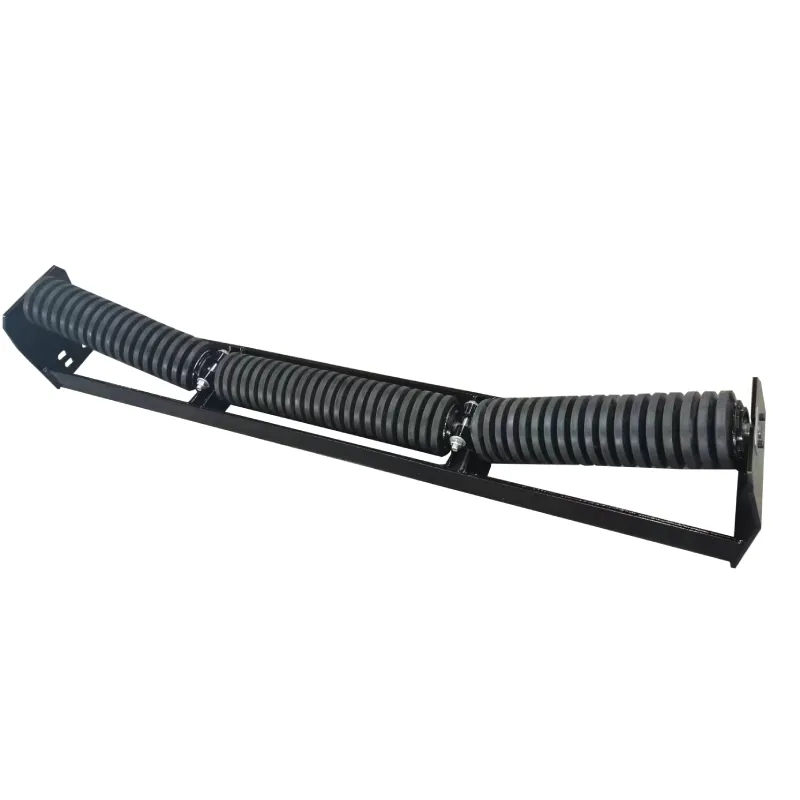
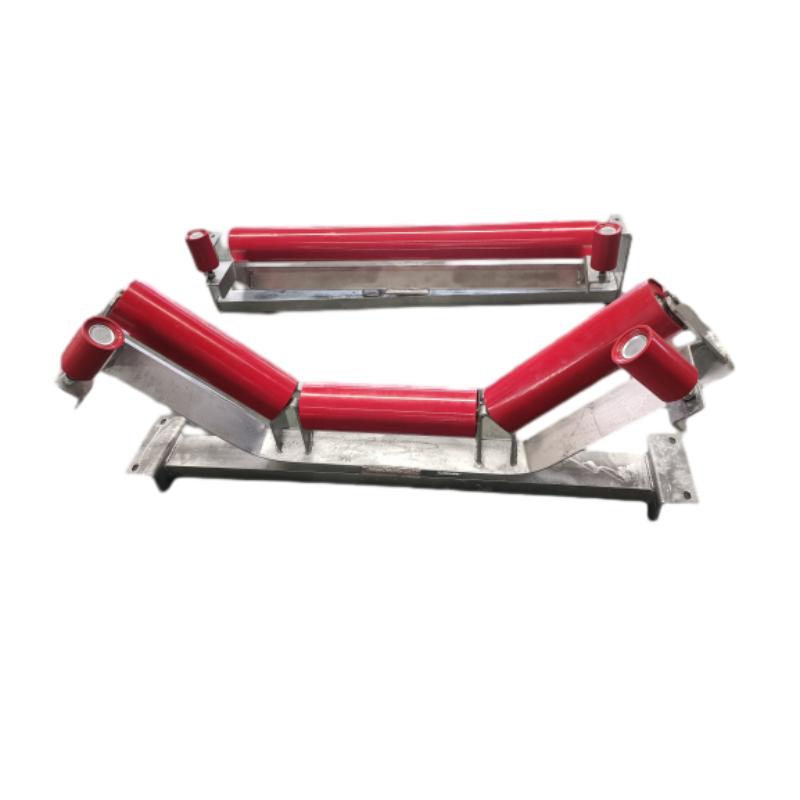
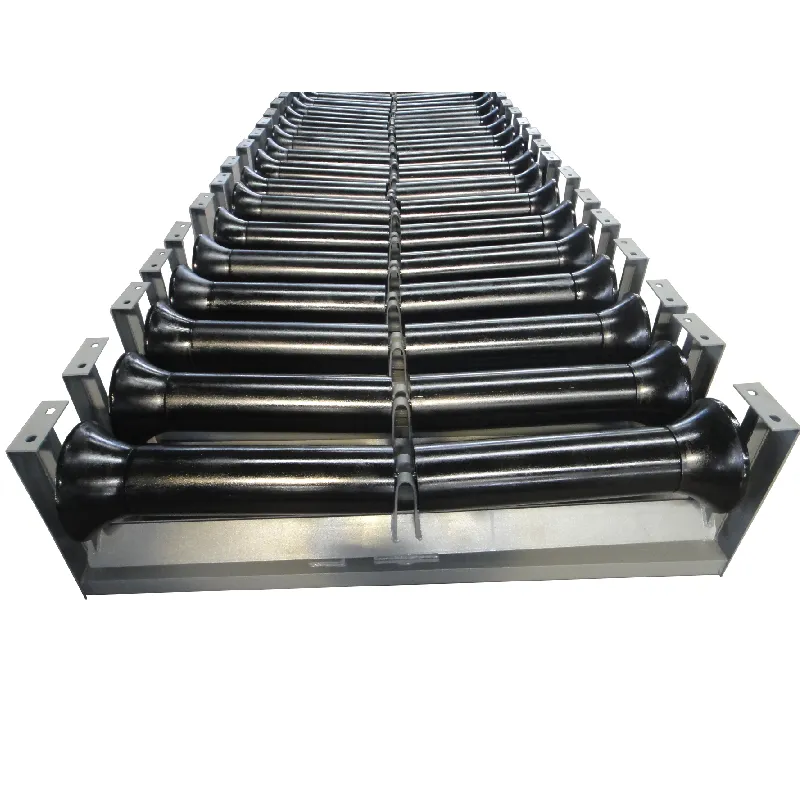
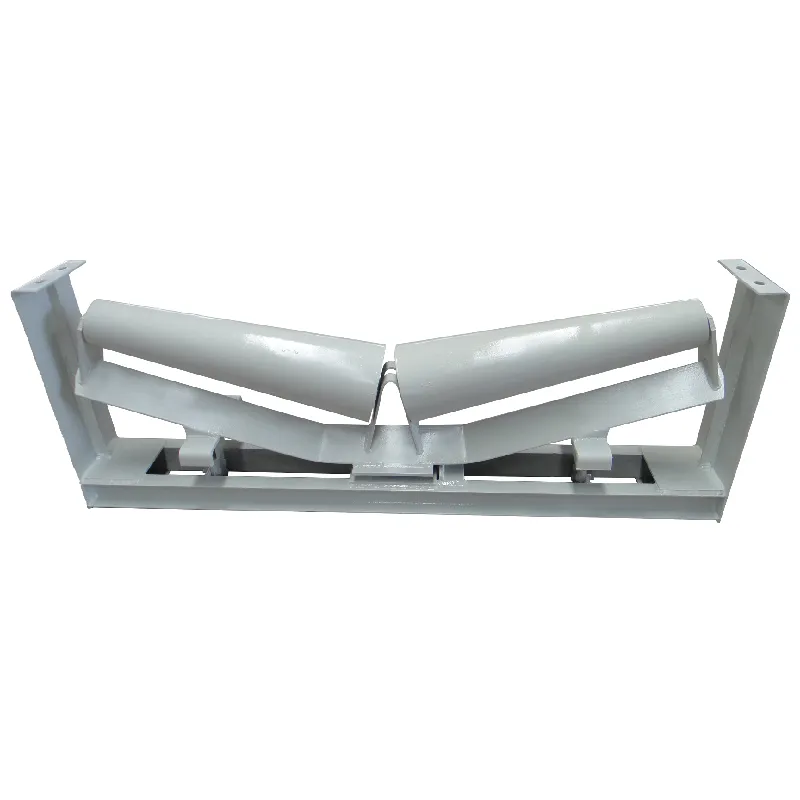
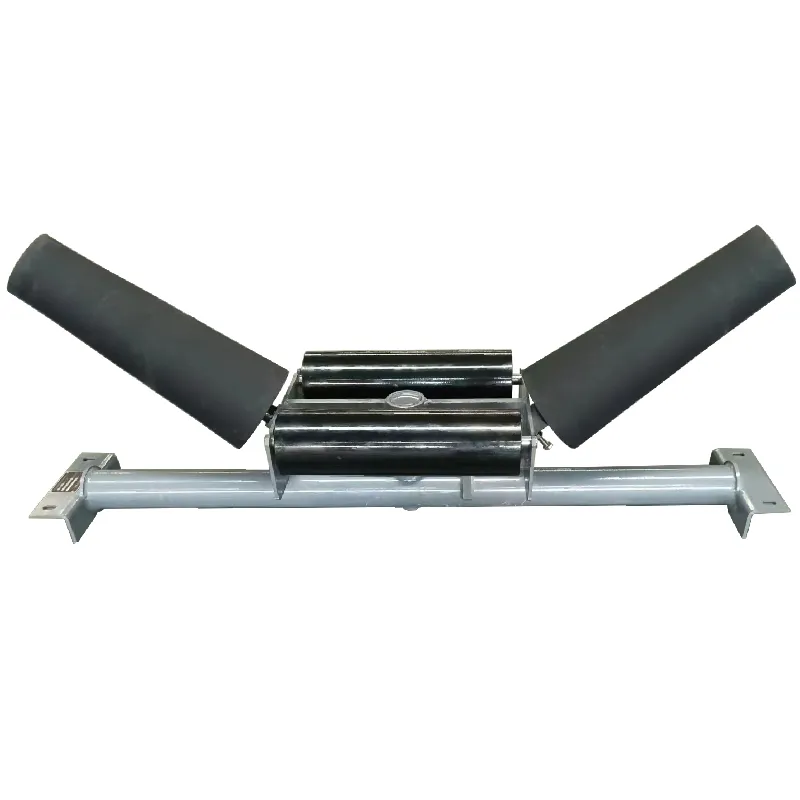
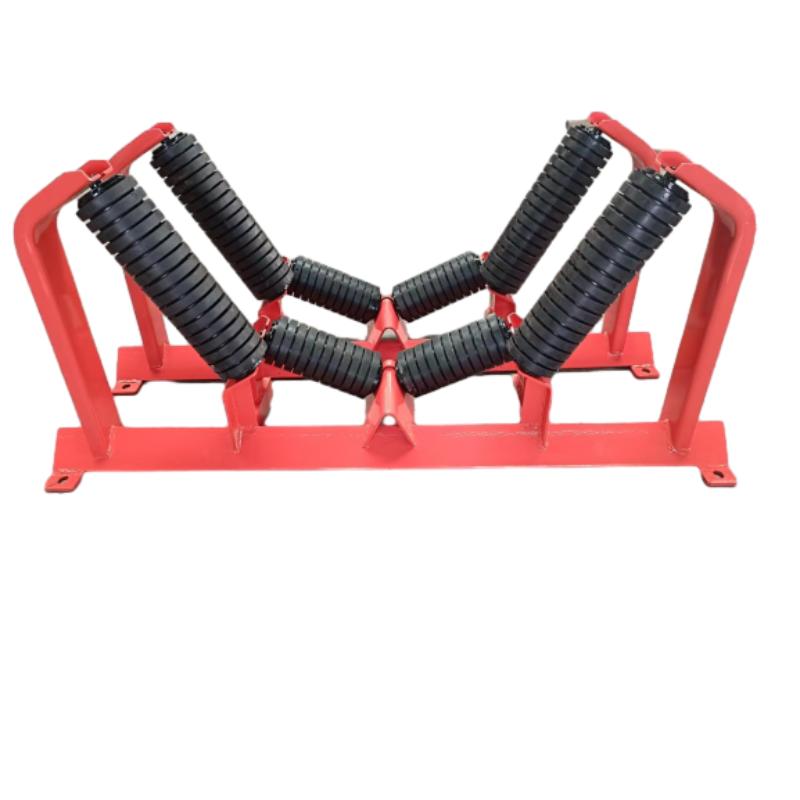
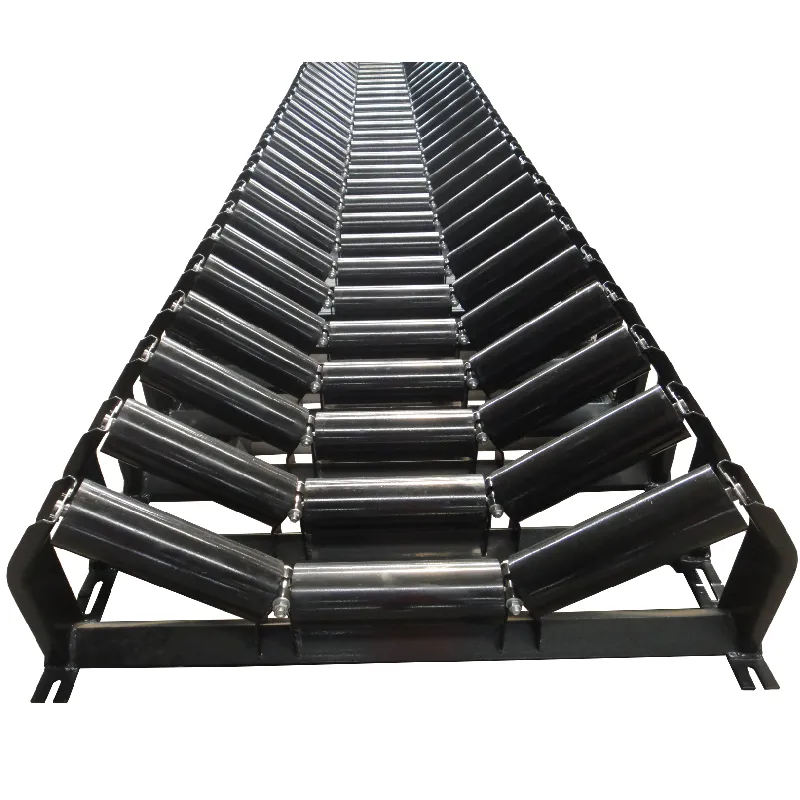
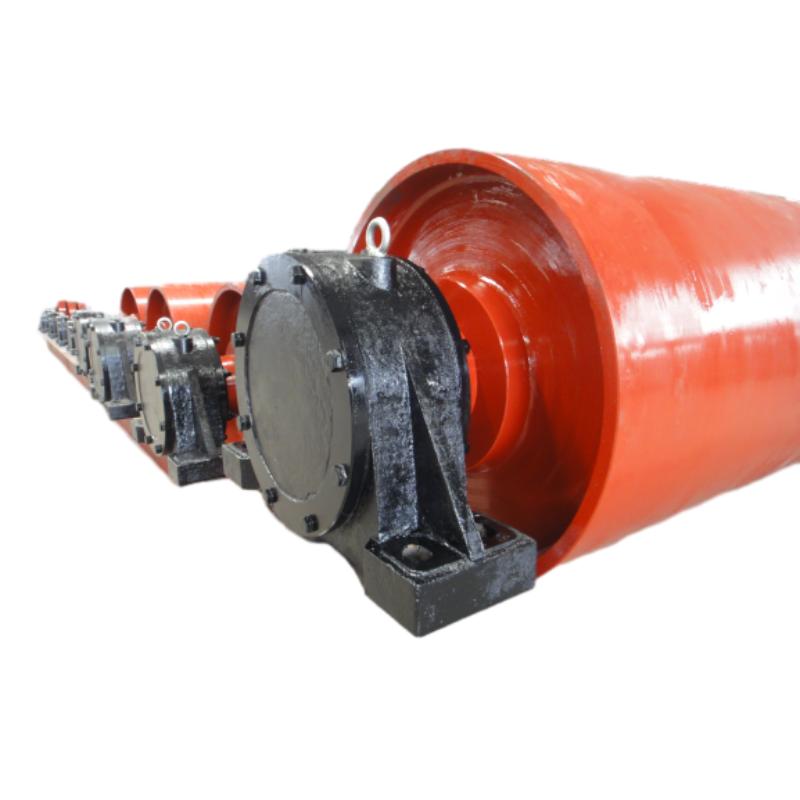
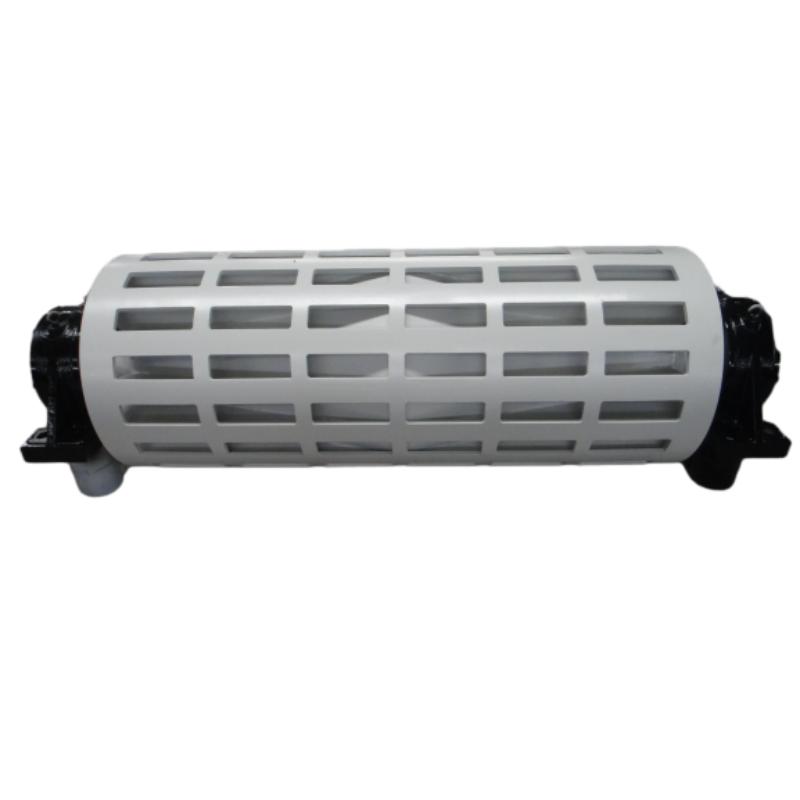
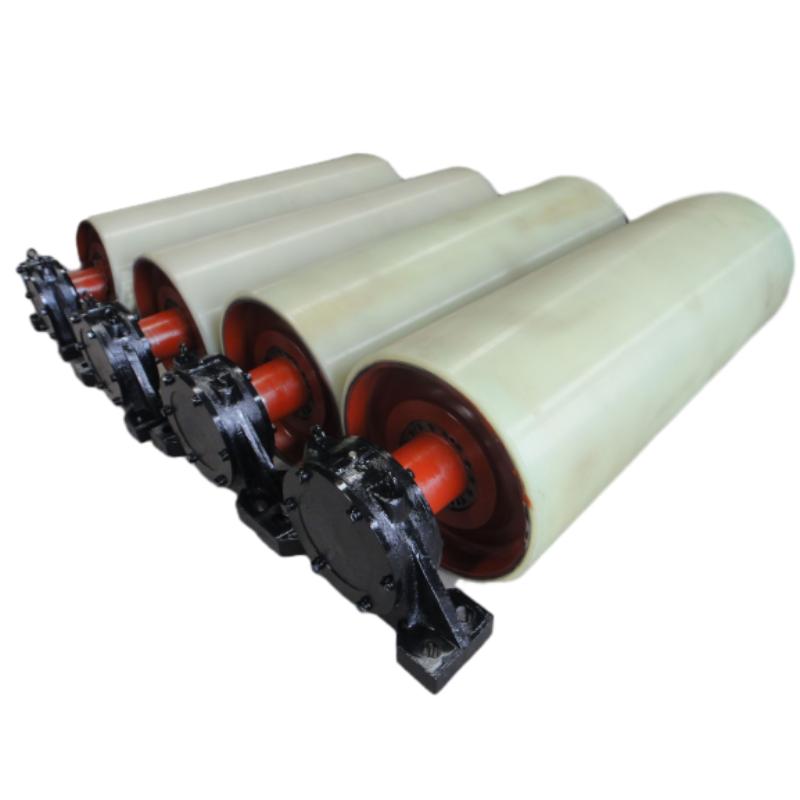
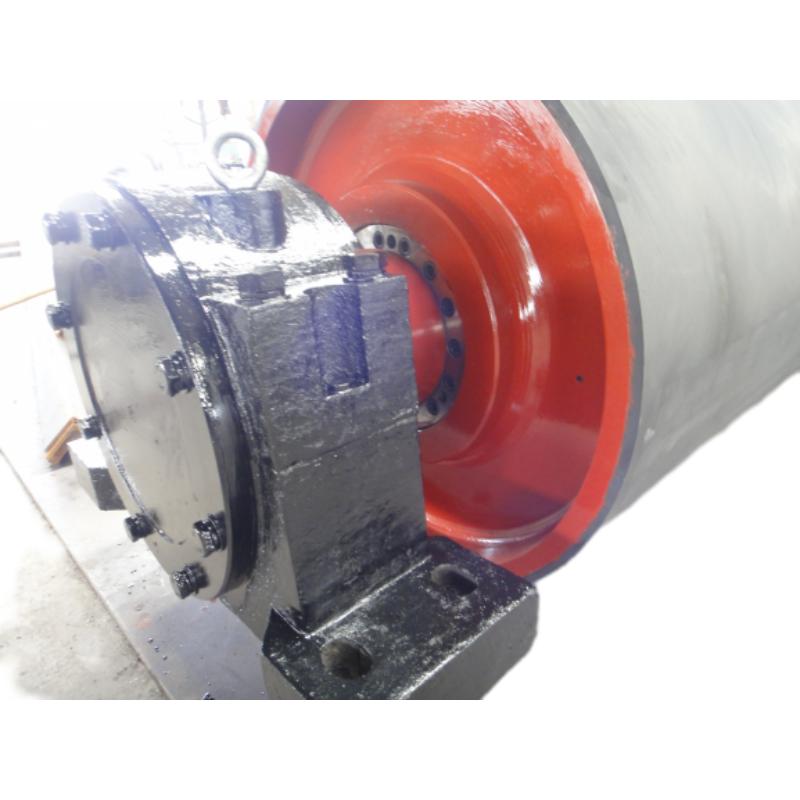
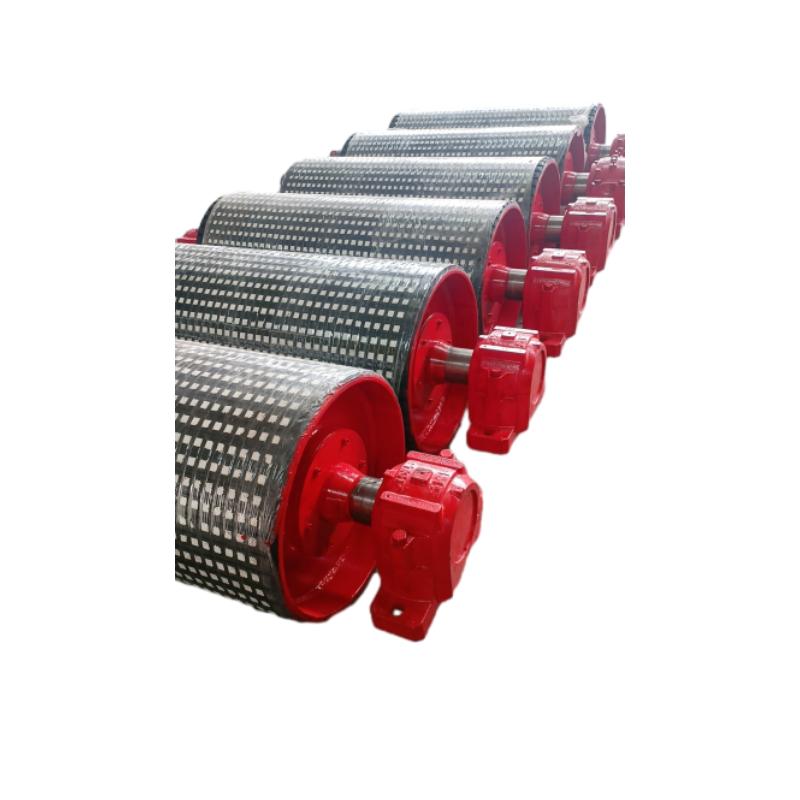
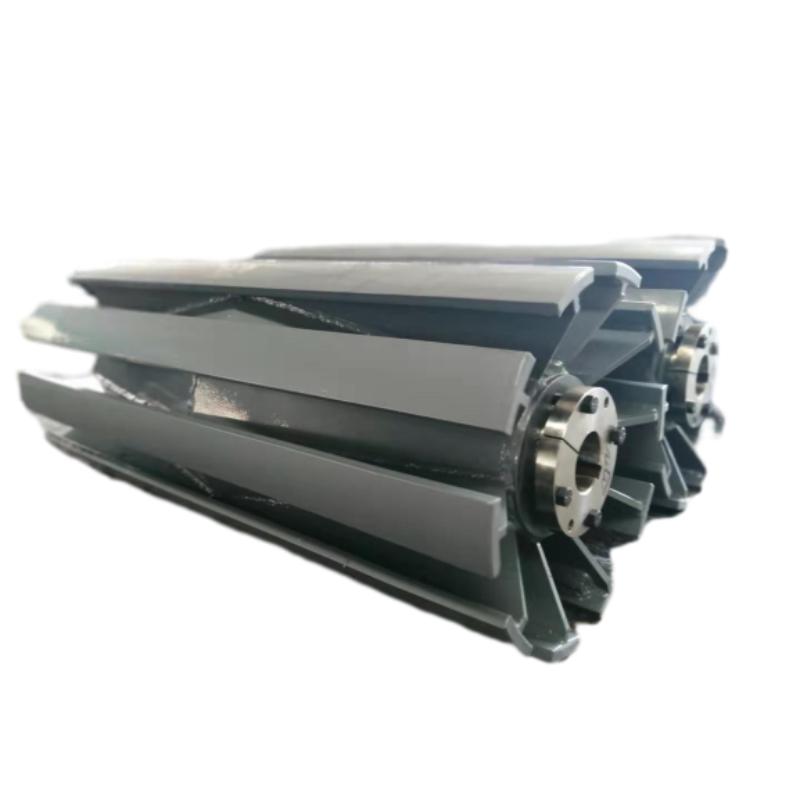
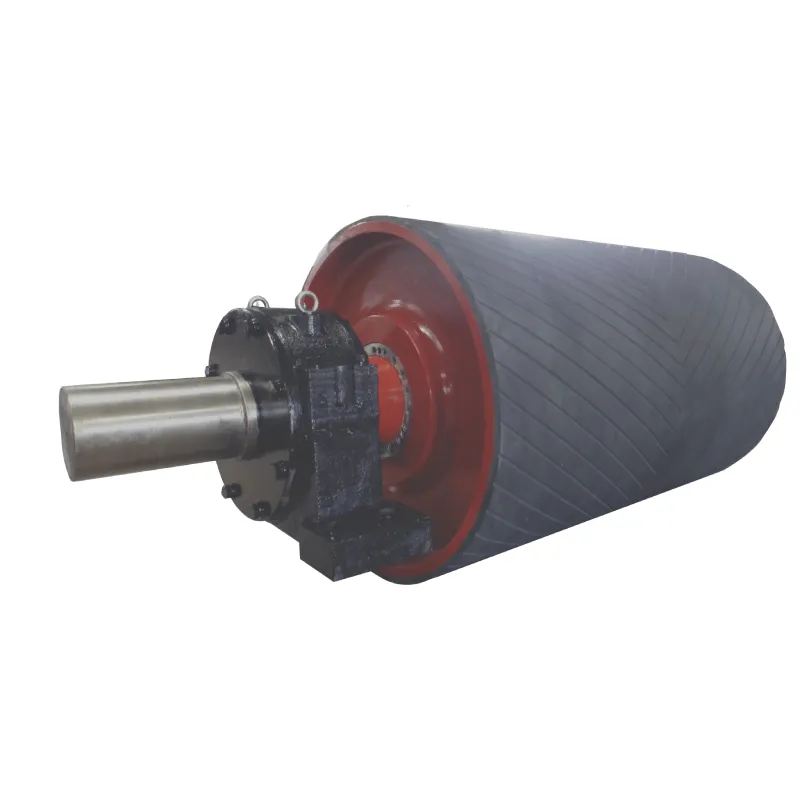
Simply put, a self cleaning roller is a roller designed with specific features or coatings that minimize the accumulation of dust, dirt, or materials during operation. These rollers actively prevent buildup by integrating brushes, scrapers, or special surface treatments that “clean themselves” as they rotate.
This innovation is vital in conveyor systems, where unclean rollers mean jams, poor material flow, and workforce downtime for cleaning. It’s a neat solution marrying mechanical design with material science, helping industries cut waste and improve performance.
Think of it as the “janitor” of conveyor lines — quietly working in the background, but without needing a coffee break.
Core Components That Make a Self Cleaning Roller Work
1. Material Selection and Surface Treatment
The kind of steel, rubber, or polyurethane used matters — many engineers opt for corrosion-resistant alloys or polymers with hydrophobic coatings. This helps materials slide off naturally rather than sticking. I’ve noticed newer rollers sometimes feature nano-coatings, which push grime away better than older, painted designs.
2. Integrated Scraping Mechanisms
Many self cleaning rollers are paired with scrapers or brushes positioned strategically. These attachments work against the roller’s surface to remove buildup without damaging the roller or the belt. It’s a delicate balance — too abrasive and they wear out quickly, too soft and they don’t clean well.
3. Durability and Resistance to Harsh Conditions
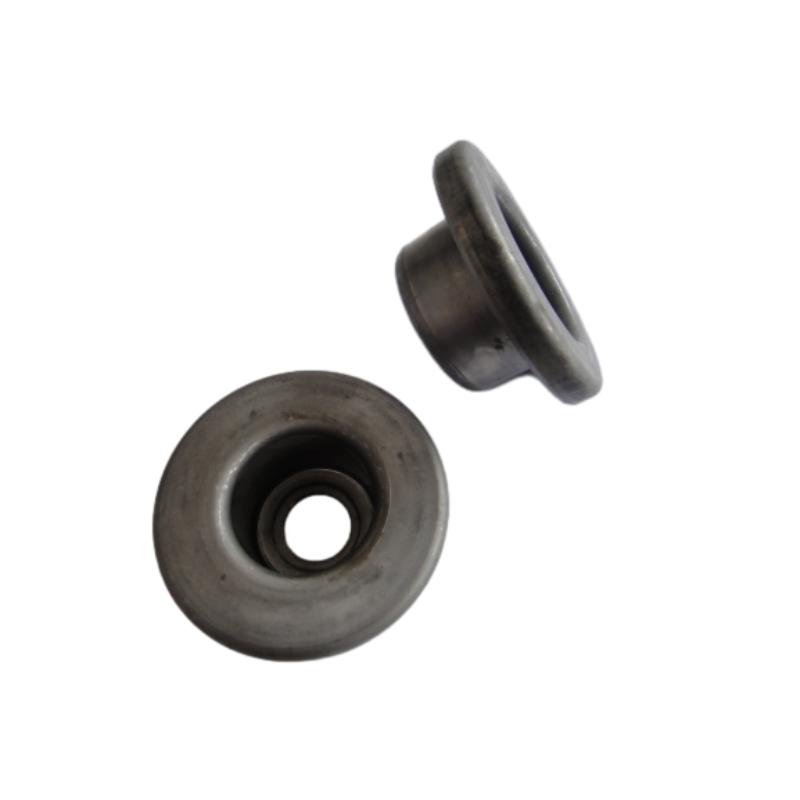
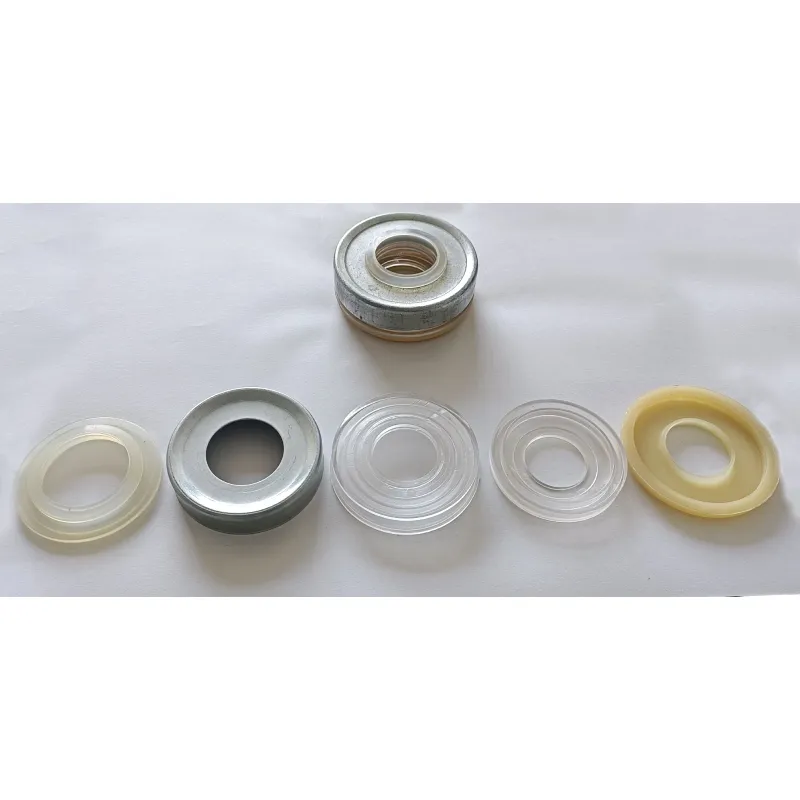
Since these rollers often operate in dusty environments (think mining or agriculture), they must withstand abrasive particles, moisture, and temperature swings. Robust seals and bearings are critical to extend service life.
4. Size and Scalability
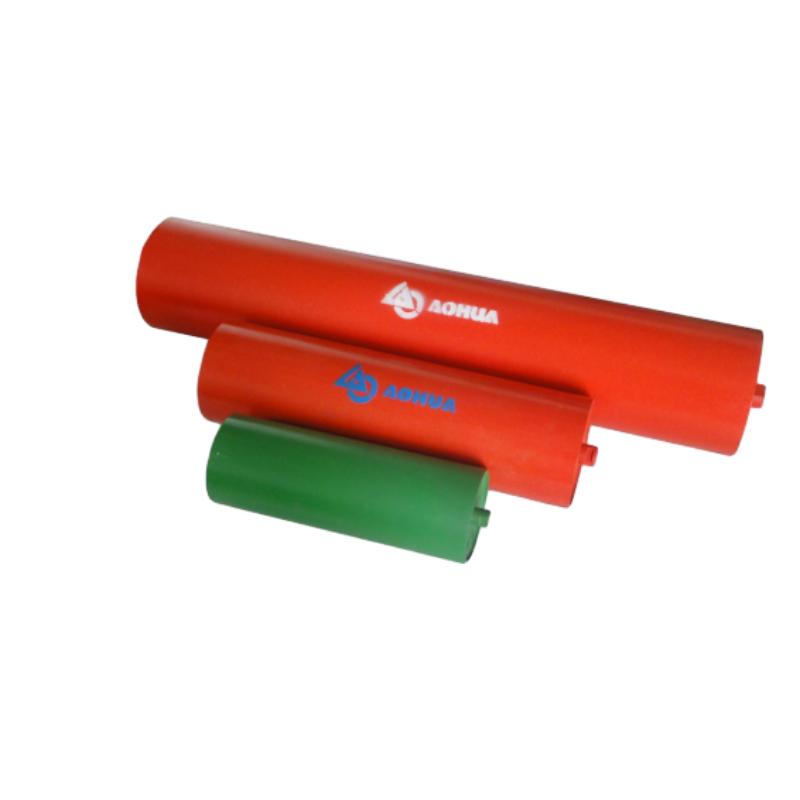
No one size fits all. Self cleaning rollers come in different diameters, lengths, and load capacities. This scalability allows them to serve industries from light food processing lines to heavy bulk material handling.
Mini takeaway: It’s the combination of worn-resistant materials, smart mechanical cleaning features, and tailored sizing that makes these rollers valuable across a variety of applications.
Where in the World Do Self Cleaning Rollers Make an Impact?
One thing I find interesting is how applications vary globally, reflecting local demands:
- Australia and South Africa: Mining operations rely heavily on self cleaning rollers to reduce downtime caused by sticky ores.
- Europe: Automated packaging lines use these rollers to ensure cleanliness for food safety standards.
- South America: Recycling and waste management facilities benefit from reduced manual cleaning labor needed on conveyor belts.
- Asia: Rapid industrial zones deploy rollers in heavy manufacturing, balancing high-speed needs with unexpected dust generation.
In fact, large NGOs organizing disaster relief have experimented with conveyor systems outfitted with these rollers to ensure steady supply chain flow in temporary setups, minimizing manual interventions under pressure.
Advantages Worth Exploring
Beyond just preventing downtime, self cleaning rollers offer these tangible benefits:
- Cost savings: Less manual cleaning means labor-saving, plus fewer replacements due to damage.
- Environmental impact: Improved efficiency reduces energy waste and material spillage.
- Worker safety and morale: Reducing greasy clean-ups and jams lowers accident risks and frustration.
- Reliability: These rollers add trust to critical operations, which is crucial for industries like food, pharma, and mining.
It’s a mix of financial, social, and practical factors that make the self cleaning roller’s impact greater than one might expect.
Innovation on the Horizon: What’s Next for Self Cleaning Rollers?
Looking ahead, I’m excited about several trends shaping the next generation of these rollers:
- Smart sensors: Integrated diagnostics that tell you when rollers need replacement or extra cleaning.
- Eco-friendly materials: Biodegradable polymers or recycled composites reducing environmental footprint.
- Advanced coatings: Graphene-infused or UV-reactive surfaces that repel dust and microbes better.
- Automation: Combined with AI, systems can adapt conveyor speed or self clean intensity depending on buildup detected.
These developments might turn a “set and forget” component into a key asset in Industry 4.0 setups.
Common Challenges & Smart Solutions
Of course, no technology is perfect. A few issues often crop up:
- Initial cost: Self cleaning rollers can be pricier upfront compared to standard rollers.
- Design complexity: Adding scrapers or special coatings can increase wear points.
- Customization lag: Manufacturers may struggle to fit rollers perfectly into older machines.
Experts suggest working closely with vendors who offer tailored solutions and warranties, plus scheduling predictive maintenance with sensor tech to catch issues early. Sometimes, a hybrid approach of manual plus self cleaning rollers balances cost and performance well.
Product Specification Table: Typical Self Cleaning Roller Model
| Feature | Specification | Details |
|---|---|---|
| Diameter | 89 mm | Standard heavy-duty size |
| Length | 1000 mm | Fits most modular conveyors |
| Material | Stainless steel with polyurethane coating | Corrosion resistant, low friction |
| Cleaning Mechanism | Integrated scraper blade | Removes material buildup on rotation |
| Operating Temperature | -20°C to 80°C | Suitable for most environments |
| Bearing Type | Sealed ball bearings | Dust resistant, low maintenance |
Vendor Comparison Table: Leading Self Cleaning Roller Manufacturers
| Vendor | Price Range | Customization Options | Lead Time | Warranty |
|---|---|---|---|---|
| RollerTech Industries | $$$ | Full sizing, coatings, scrapers | 4-6 weeks | 2 years |
| CleanRollers Inc. | $$ | Standard sizes + coatings | 3-5 weeks | 1 year |
| EcoRoll Solutions | $$$ | Emphasis on eco-materials, custom designs | 6-8 weeks | 3 years |
FAQ: Your Quick Guide to Self Cleaning Rollers
Q1: How does a self cleaning roller reduce conveyor maintenance costs?
A: By automatically removing material buildup, these rollers minimize manual cleaning interruptions and reduce wear caused by debris accumulation. This lowers labor needs and extends component life, saving costs over time.
Q2: Are self cleaning rollers suitable for food processing lines?
A: Absolutely. Many rollers feature hygienic coatings and non-toxic materials designed for food contact. They help maintain cleanliness and comply with food safety regulations.
Q3: Can I retrofit existing conveyor systems with self cleaning rollers?
A: In most cases, yes. Many vendors offer custom sizing and mounting options designed to fit older systems, though a consultation is recommended to ensure compatibility.
Q4: Do self cleaning rollers work in extreme environments?
A: Many models are built to operate in temperatures from -20°C to 80°C and resist dust, moisture, and corrosion, making them reliable in tough industrial settings.
Q5: How do these rollers impact sustainability targets?
A: By improving operational efficiency and reducing waste and energy use, self cleaning rollers contribute positively to environmental goals outlined by ISO 14000 standards and the UN sustainable development agenda.
Conclusion: Why Investing in Self Cleaning Rollers Pays Off
In a nutshell, self cleaning rollers might seem simple, but their effect on industrial productivity, environmental responsibility, and workplace safety is quite profound. Companies that have integrated these components report fewer stoppages, cleaner lines, and happier teams. It’s a small piece with a big punch in the complex puzzle of manufacturing and supply chains.
If you’re curious to explore reliable self cleaning roller options or want to learn more about how they can streamline your operations, visit our website. It’s definitely worth a look!
References
- International Labour Organization (ILO) – Industrial Maintenance and Productivity
- United Nations Sustainable Development Goal 9
- ISO 14000 Environmental Management Standards
-
Maximize Conveyor Life with a High Performance impact bedNewsApr.16,2026
-
Maximize Conveyor Efficiency Using a v plow belt scraperNewsApr.09,2026
-
Comprehensive Guide to Understanding Different Types of Belt CleanersNewsApr.07,2026
-
Enhancing Conveyor Efficiency with an Effective Scraper Belt CleanerNewsApr.04,2026
-
Optimizing Conveyor Systems with Advanced Cleaning Equipment SolutionsNewsMar.31,2026
-
Effective Conveyor Belt Scraper Adjustment for Optimal System PerformanceNewsMar.28,2026