

Roller Lagging: Enhance Conveyor Efficiency & Sustainability | IdlerAohua
Understanding Roller Lagging: Why This Simple Component Has Global Impact
If you’ve ever watched a conveyor system in action—from mining sites in Australia to manufacturing plants in Germany—you might not realize how crucial roller lagging really is. It’s one of those uncelebrated heroes, quietly improving efficiency, extending equipment life, and reducing downtime across industries worldwide. In a rough nutshell, roller lagging refers to the rubber or polyurethane covers applied to conveyor rollers that grip belts, prevent slippage, and protect against wear. But why does this matter globally? Because as industries scale and sustainability concerns heighten, optimizing every element like roller lagging directly adds value—not only financially but also environmentally and operationally.
Mini Takeaway: Roller lagging is the unseen key to smoother operations and longer belt life everywhere conveyors run.
A Global Look at Why Roller Lagging Matters Today
Conveyor belts transport roughly 90% of bulk materials worldwide according to the International Organization for Standardization (ISO). If those belts or their rollers slip or fail, entire supply chains can jam up—think of delays in mining coal in South Africa or shipping grain in Canada. Roller lagging steps in by maximizing roller grip and durability, reducing energy usage and unscheduled maintenance. Oddly enough, even with automation and digital factories rising, basic mechanical parts like roller lagging remain pivotal.
Challenges in harsh conditions—extreme temperatures, abrasive materials, high humidity—mean that not all lagging solutions are equal. Industrial sectors are seeking lagging that balances toughness with cost efficiency and environmental friendliness. This balance is part of global sustainability goals as industries aim to cut waste and energy consumption (United Nations Environmental Program data backs this push).
What Exactly Is Roller Lagging?
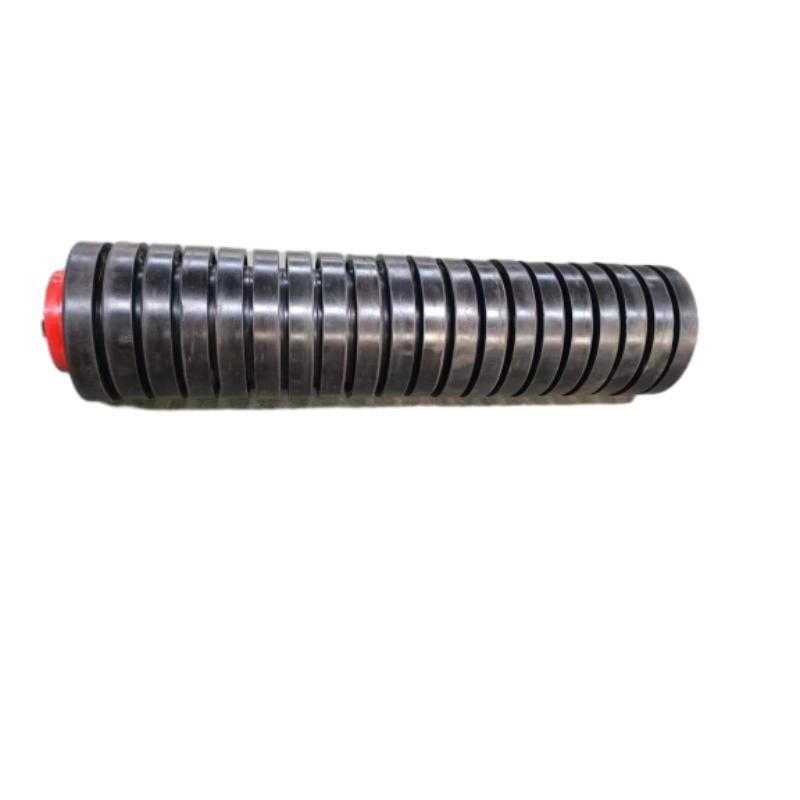
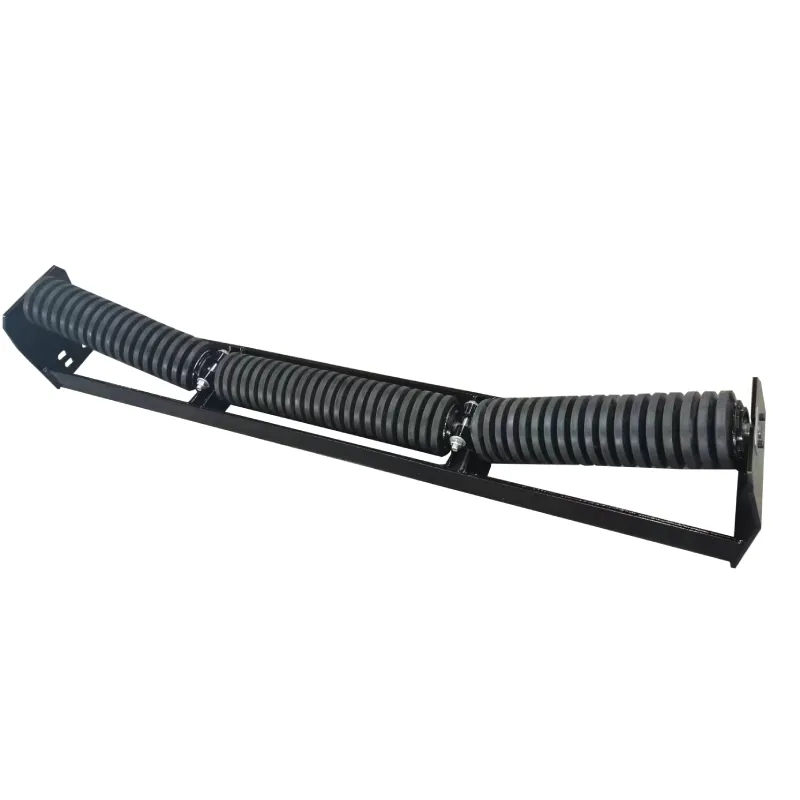
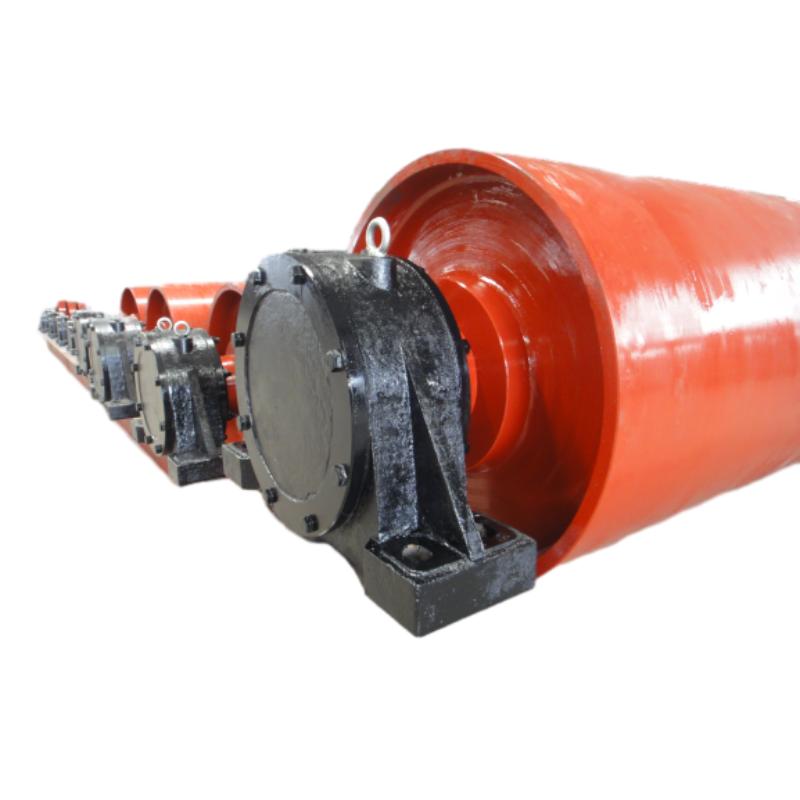
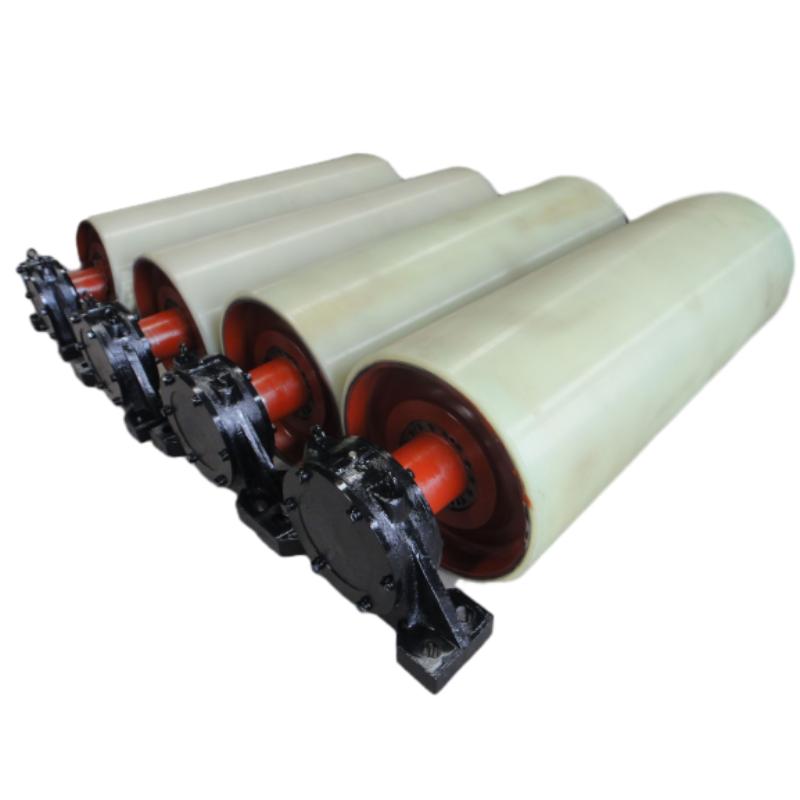
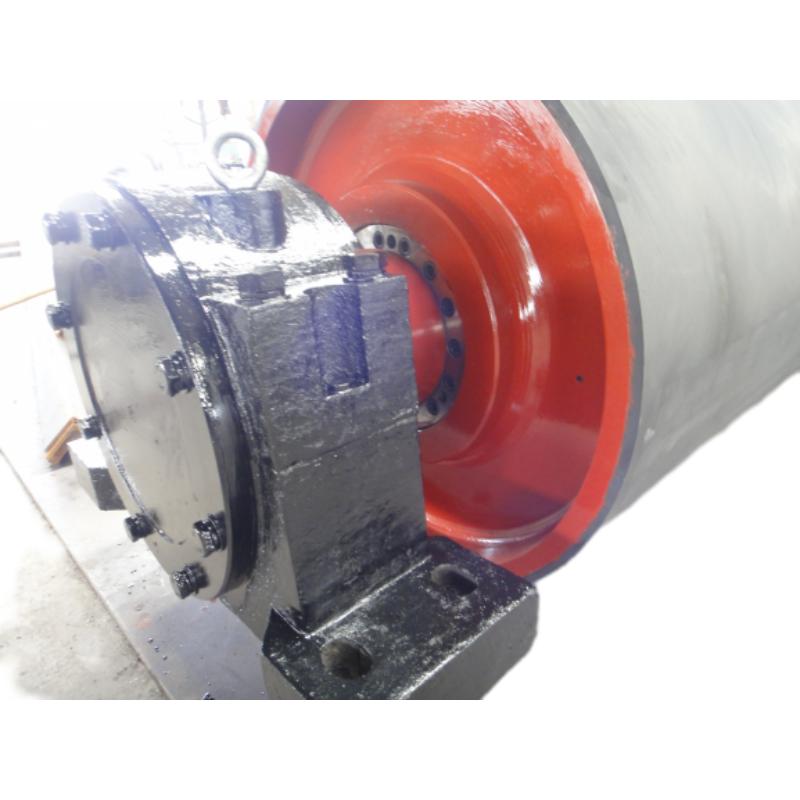
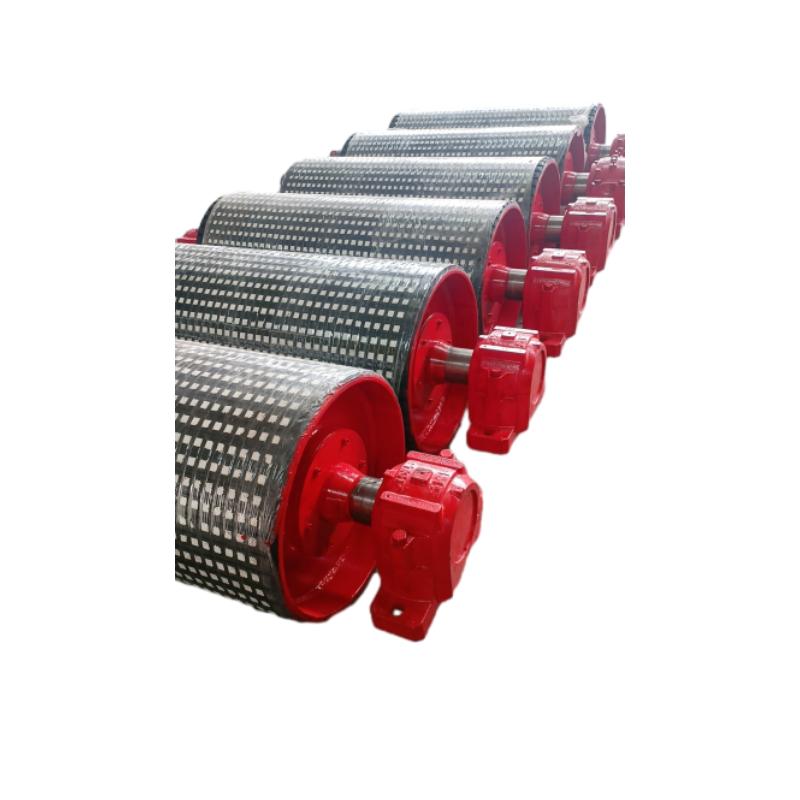
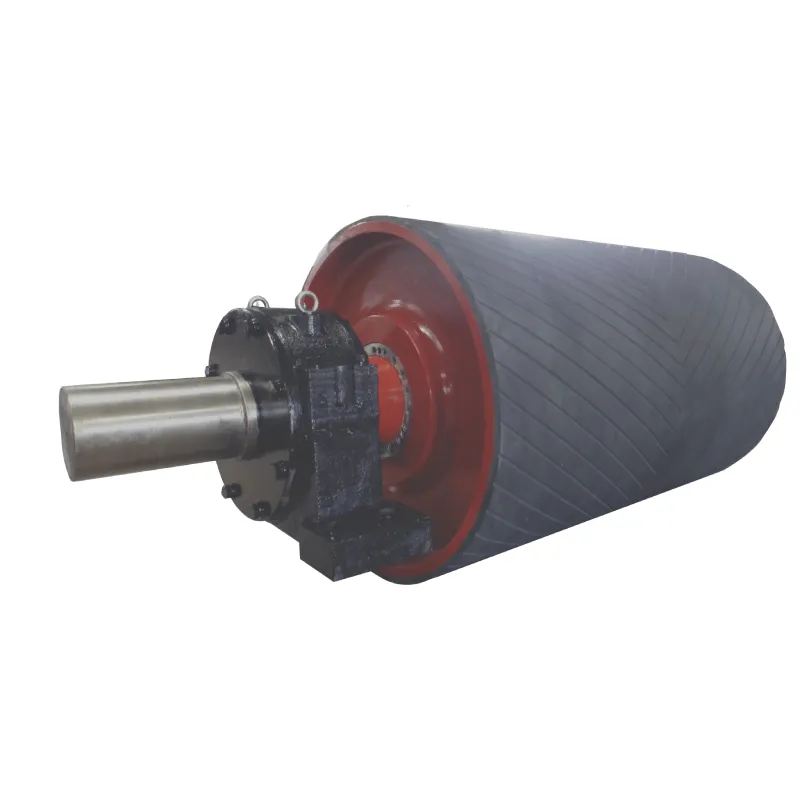
Simply put, roller lagging is a protective rubber or polymer coating applied to conveyor rollers to enhance friction between the roller and belt, preventing slippage and wear. It’s typically made from natural or synthetic rubber, polyurethane, or mixtures with fabric reinforcements. Think of it as the ‘grip tape’ for industrial rollers.
In humanitarian contexts—say, rapid deployment of conveyor systems post-disaster for debris clearing—or in high-capacity mining operations, roller lagging ensures conveyors perform reliably under demanding conditions. Without it, conveyors might fail, causing costly interruptions or even safety hazards.
Core Components and Key Factors of Roller Lagging
Durability and Abrasion Resistance
One primary factor engineers look for is resistance to abrasion. Conveyors handle abrasive material constantly rubbing against rollers. A lagging with high-abrasion resistance ensures rollers last longer, reducing downtime and replacement costs.
Grip and Traction
The right lagging increases friction so belts don’t slip under heavy loads. Slippage not only wastes energy but speeds up component wear. Patterns, thickness, and material composition all influence grip.
Heat and Weather Tolerance
Industries operating in extreme climates need lagging that withstands scorching heat or freezing cold without cracking or deforming. UV resistance is another plus, especially outdoors.
Ease of Maintenance and Installation
Lagging must be easy to install or replace since conveyors are often critical infrastructure running 24/7. Some materials allow faster application methods—a small but practical advantage.
Cost Efficiency
Balancing upfront cost with longevity and performance is always a puzzle. Some lagging materials cost more but save money by extending roller life and improving energy use.
Global Applications & Real-World Use Cases
Roller lagging spans industries and continents. In mining hubs like Western Australia, lagging endures rough boulders and dust. In food processing, it combats moisture and food-grade requirements.
For example, in post-earthquake relief in Nepal, mobile conveyors fitted with optimized roller lagging enabled faster debris removal, letting aid reach affected regions quicker. In remote Siberian logging operations, tough lagging learned to survive bitter winters and heavy use for months without replacement.
Whether it’s handling coal in Appalachia or recycled materials in Scandinavia, roller lagging’s role remains surprisingly consistent—improving belt speed, reducing downtime, and lowering operational costs.
Advantages and Long-Term Value of Quality Roller Lagging
Obviously, better roller lagging means fewer mechanical failures and smoother operation. But beyond mechanics, it influences:
- Sustainability: Reduced energy wastage and less frequent part replacement translate to smaller carbon footprints.
- Safety: Less slippage lowers accident risk in fast-moving industrial systems.
- Operational Trust: Reliable equipment encourages confident planning and improved productivity.
Many engineers I spoke with noted that investing in premium roller lagging "pays for itself many times over"—a saying that strangely echoes across different fields.
Product Specification Table: Typical Roller Lagging Properties
| Property | Natural Rubber | Polyurethane | Fabric-Reinforced |
|---|---|---|---|
| Abrasion Resistance | Good | Excellent | High |
| Temperature Range (°C) | -20 to 70 | -40 to 90 | -30 to 80 |
| Grip Quality | Moderate | High | Very High |
| Typical Thickness (mm) | 5 - 10 | 3 - 8 | 6 - 12 |
| UV Resistance | Moderate | Good | Excellent |
Top Roller Lagging Vendors Compared
| Vendor | Material Options | Customization | Lead Time | Global Reach |
|---|---|---|---|---|
| LagTech Inc. | Natural & Synthetic Rubber, PU | High | 2-4 weeks | Americas, Europe, Asia |
| ConveyR Solutions | Polyurethane, Fabric-Reinforced | Medium | 3-5 weeks | Europe, Asia |
| GlobalRoller Inc. | Natural Rubber, PU, Hybrid | High | 1-3 weeks | Worldwide |
Emerging Trends and Innovations in Roller Lagging
Frankly, the roller lagging world is quietly buzzing with innovation. Companies are exploring eco-friendly formulations using recycled rubber and bio-based polymers. Digital sensors embedded within lagging layers — yes, smart roller lagging! — are enabling predictive maintenance by tracking wear in real time. With Industry 4.0’s rise, these “connected” lagging solutions are gaining traction.
Plus there’s a growing trend around automation in lagging installation and replacements, making it faster, safer, and more consistent. And as green energy projects scale, conveyors with optimized lagging minimize energy loss, supporting sustainability efforts indirectly.
Challenges and How Industry Experts Are Tackling Them
No product is perfect. Roller lagging can deteriorate unevenly under heavy loads, adhesion to rollers can weaken, and some materials swell in wet environments. Availability of custom materials can be limited in certain regions too.
However, many techniques are improving this: using adhesion primers, hybrid composite materials, or modular lagging segments for easy swap-out. Some vendors even offer on-site fitters to ensure proper installation. The goal is clear — minimize downtime and maximize service life.
FAQ: Frequently Asked Questions About Roller Lagging
- How often should roller lagging be replaced?
- Replacement frequency depends on industry conditions, material abrasiveness, and lagging quality. Typically, lagging can last anywhere from 2 to 5 years with proper maintenance, but inspections every 6–12 months are recommended.
- Can roller lagging reduce conveyor energy consumption?
- Yes, by improving friction and reducing belt slippage, effective lagging decreases the power needed to move conveyor belts, contributing to overall energy savings.
- Are there eco-friendly roller lagging options?
- Absolutely. More manufacturers now offer lagging with recycled rubber compounds or bio-based polymers, improving environmental impact without sacrificing performance.
- Is custom roller lagging available for specialized industries?
- Many vendors provide customization services including specialized thickness, surface patterns, and material blends tailored to application requirements.
- How do I choose the right roller lagging for harsh climates?
- Look for materials with high UV resistance, temperature tolerance, and abrasion resistance. Often polyurethane or fabric-reinforced types excel in extreme conditions.
Conclusion: Why Roller Lagging Remains a Foundation of Efficiency
While it might not be glamorous, roller lagging is critical to countless industrial operations worldwide. Its impact stretches beyond machinery — touching sustainability, safety, and operational trust. As technologies and materials improve, roller lagging will only become smarter and more essential.
If you’re interested in upgrading your conveyor systems or simply want to explore the latest innovations in roller lagging, don’t hesitate to visit our website. Optimizing these small but mighty components can transform your entire operation.
Mini Takeaway: Roller lagging is a small gear in a giant machine—neglect it, and things grind down faster than you think.
References
-
Maximize Conveyor Life with a High Performance impact bedNewsApr.16,2026
-
Maximize Conveyor Efficiency Using a v plow belt scraperNewsApr.09,2026
-
Comprehensive Guide to Understanding Different Types of Belt CleanersNewsApr.07,2026
-
Enhancing Conveyor Efficiency with an Effective Scraper Belt CleanerNewsApr.04,2026
-
Optimizing Conveyor Systems with Advanced Cleaning Equipment SolutionsNewsMar.31,2026
-
Effective Conveyor Belt Scraper Adjustment for Optimal System PerformanceNewsMar.28,2026