

Roller Conveyor Parts: Essential Components Powering Global Industry Efficiency
Understanding Roller Conveyor Parts: The Backbone of Efficient Material Handling
Roller conveyor parts might not be the flashiest components you think about, but honestly, they’re the unsung heroes of modern industries worldwide. From sprawling warehouses to busy ports, these parts keep goods moving smoothly. Why does this matter globally? Well, in today’s fast-paced supply chains—which, by the way, handle billions of tons of freight each year—optimizing every step is crucial for cutting costs and reducing delays. Roller conveyor parts play a key role in ensuring this efficiency.
Introduction: The Global Context of Roller Conveyor Parts
In an interconnected world, where more than 80% of global goods trade relies on efficient logistics (World Bank, 2023), roller conveyor parts have become integral in speeding up workflows. Factories in Asia, distribution centers in Europe, and even humanitarian relief hubs in Africa depend on flawless conveyor mechanisms to manage high throughput. The challenge, though, lies in durability and adaptability—especially where conditions are harsh or demand spikes unexpectedly.
Imagine a disaster relief center trying to process incoming supplies swiftly—any delay in conveyor performance can cascade into bigger problems. That’s why understanding roller conveyor parts isn’t just for engineers, but anyone involved in manufacturing, warehousing, or logistics.
What Are Roller Conveyor Parts?
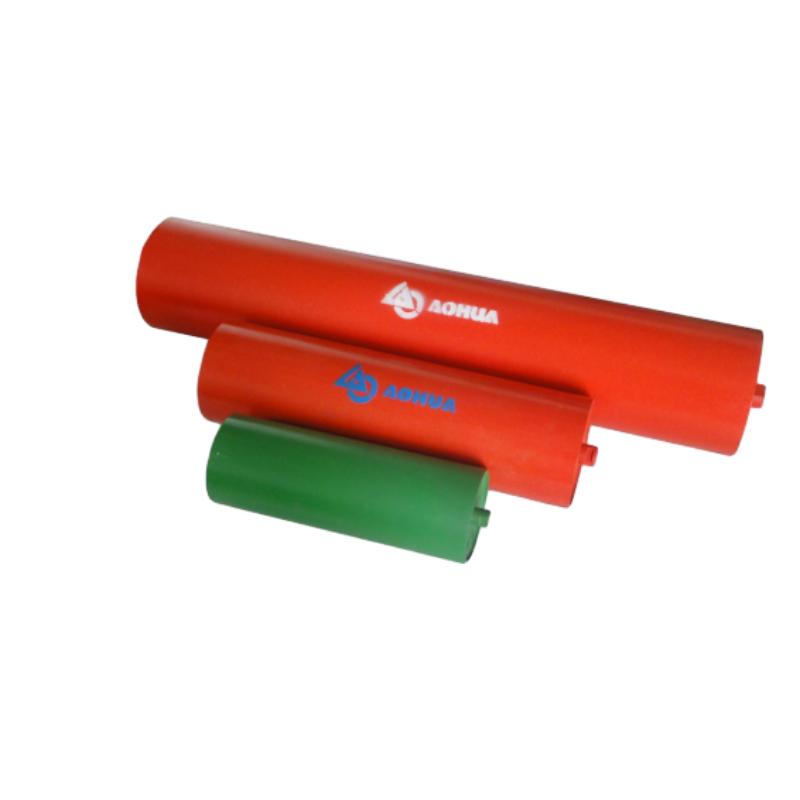
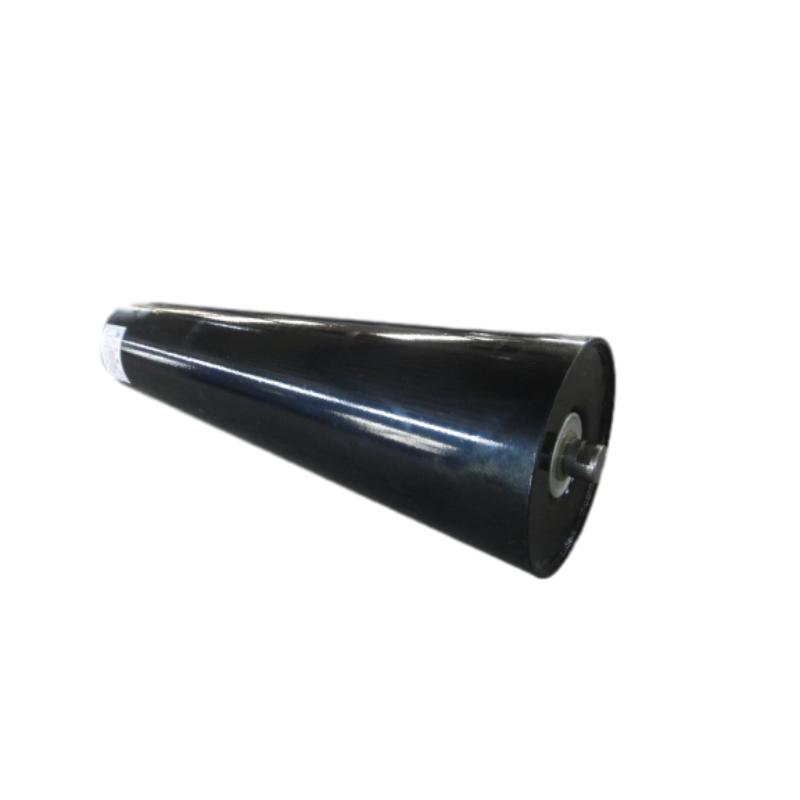
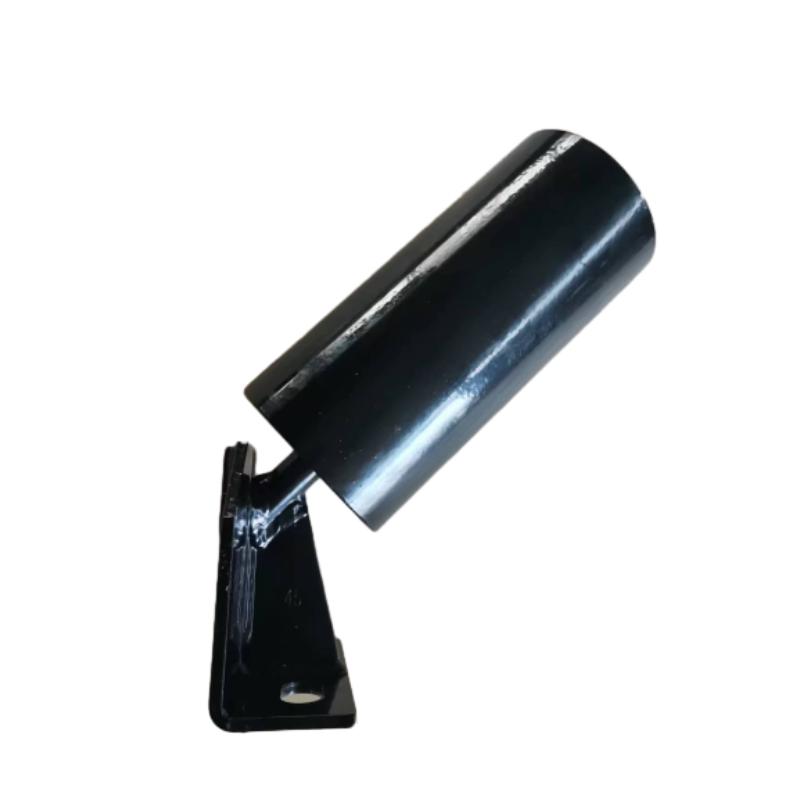
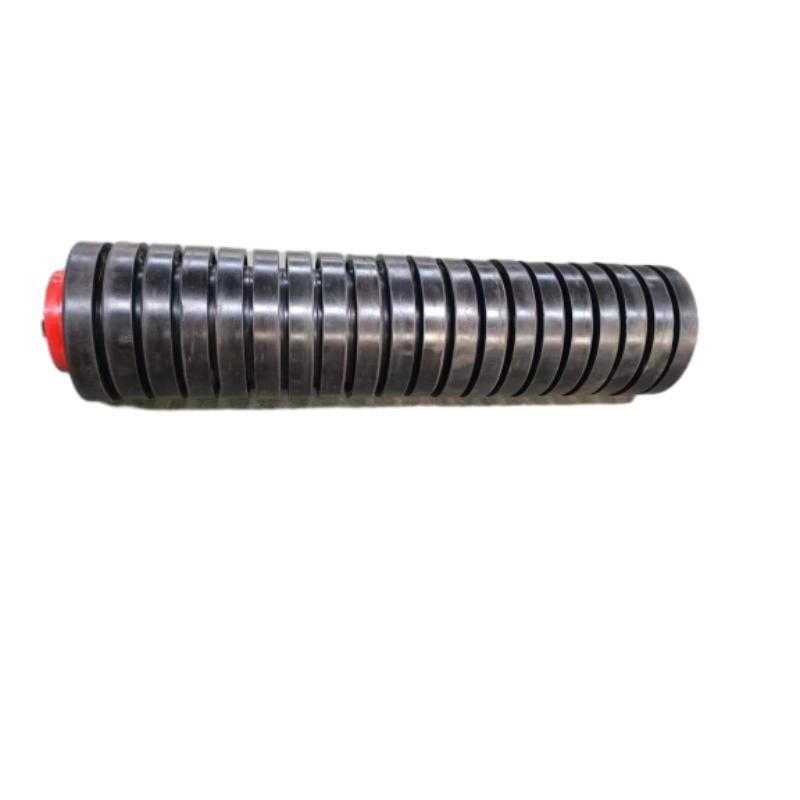
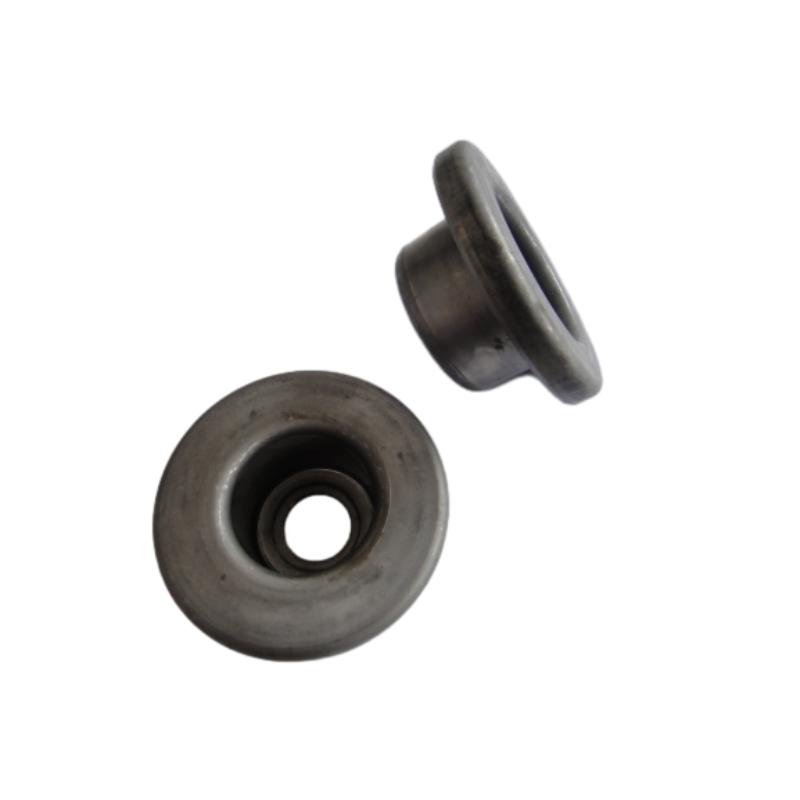
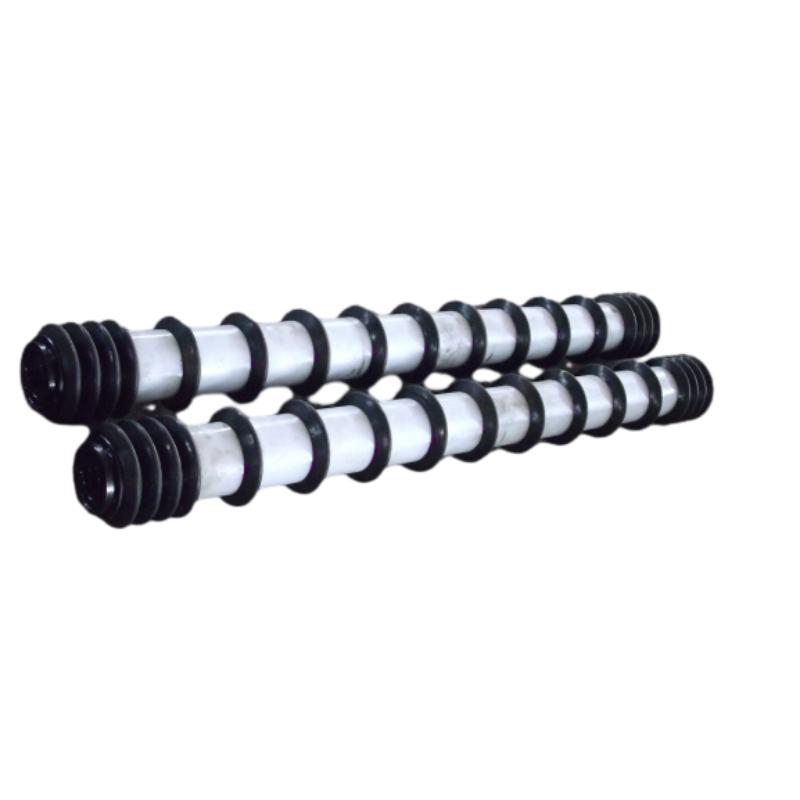
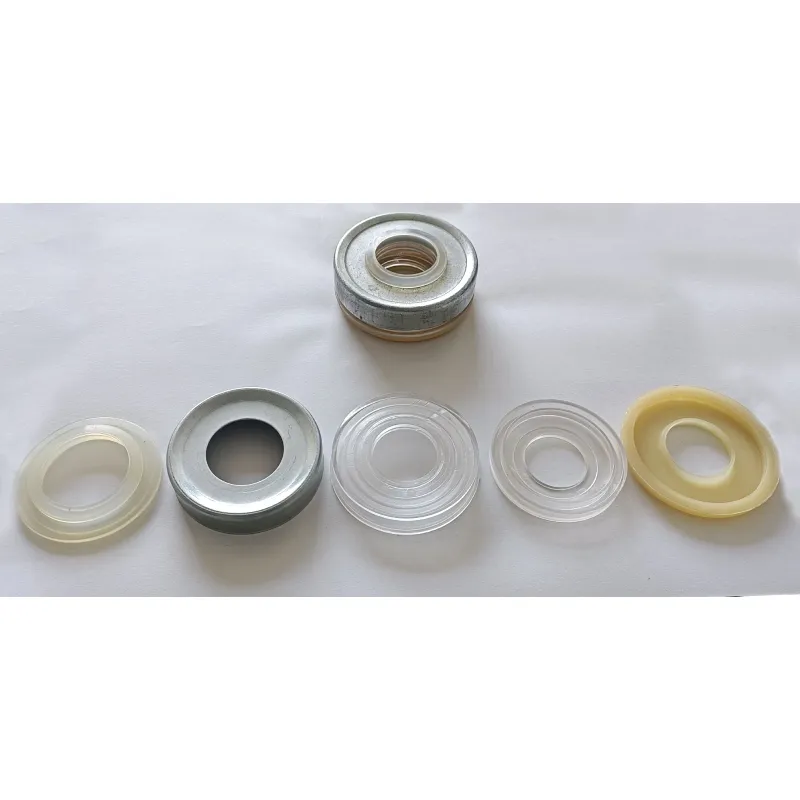
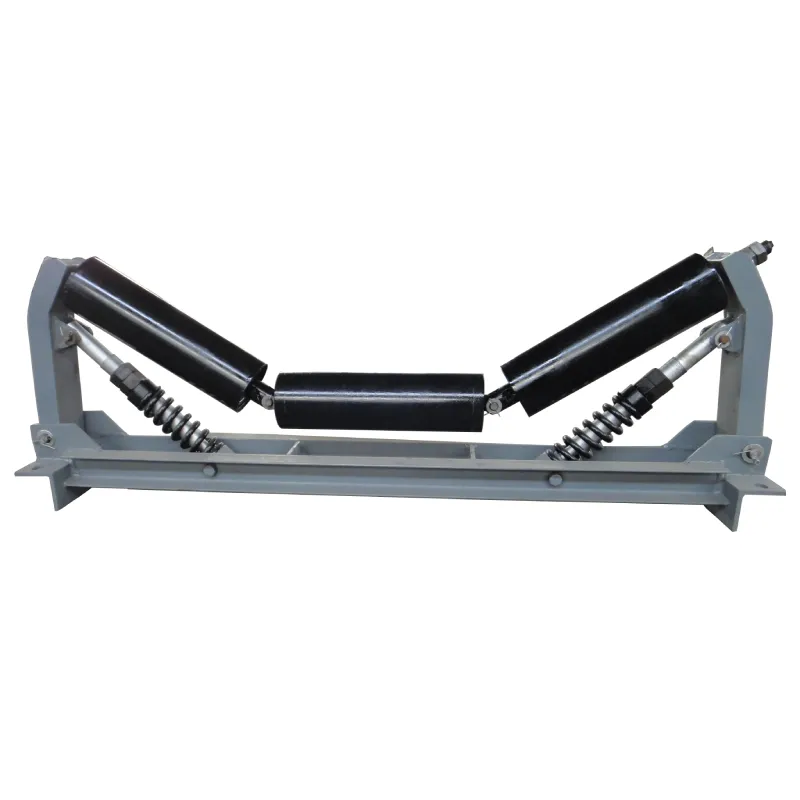
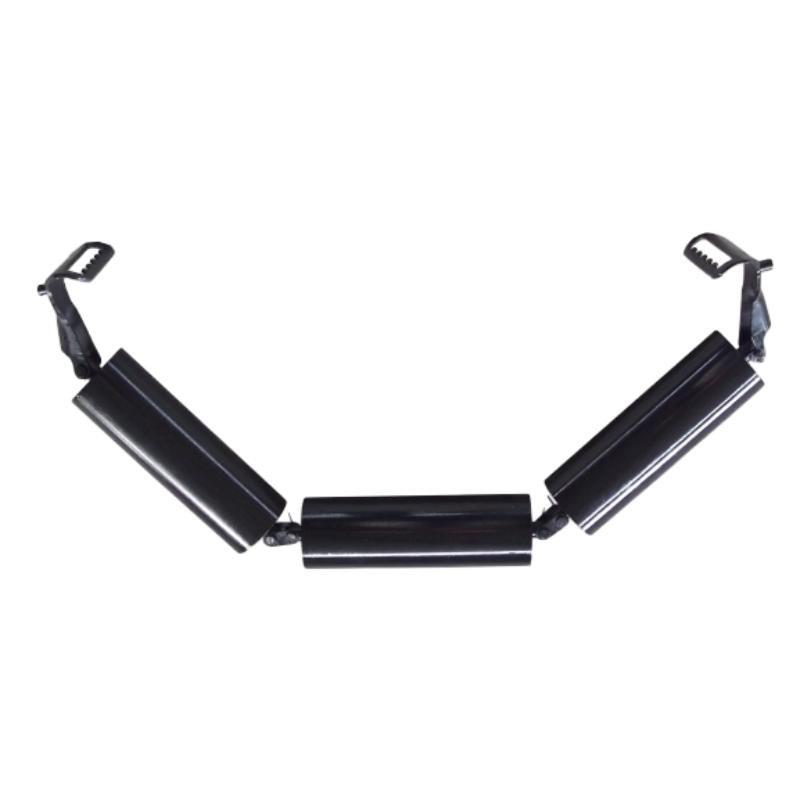
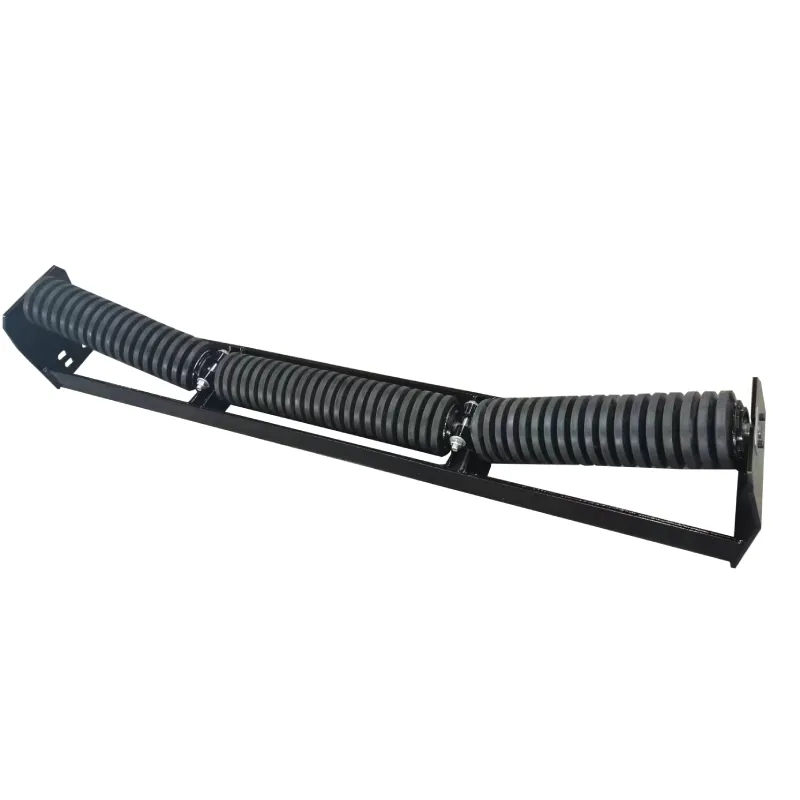
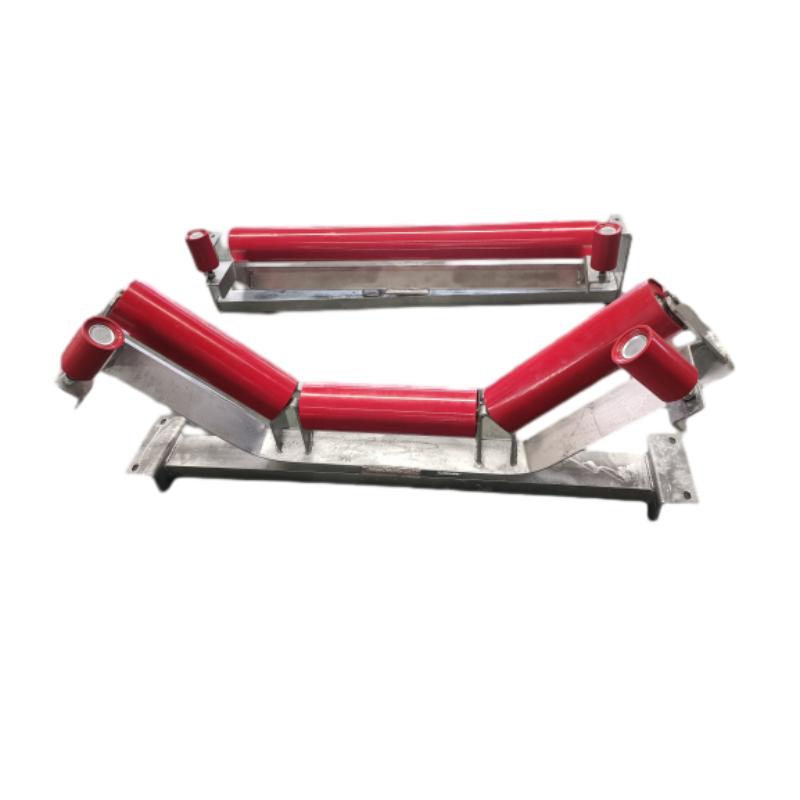
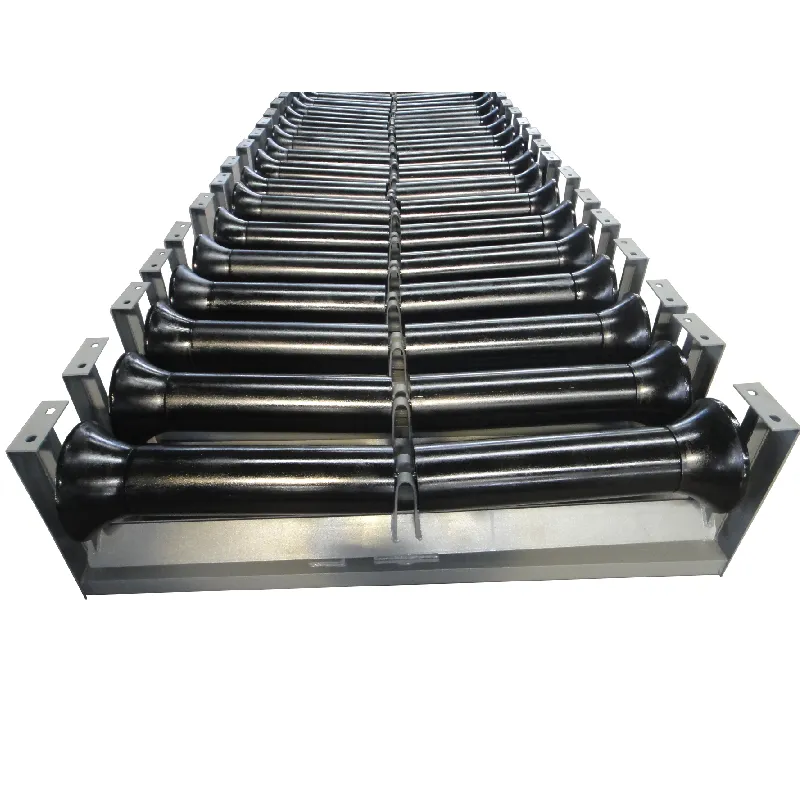
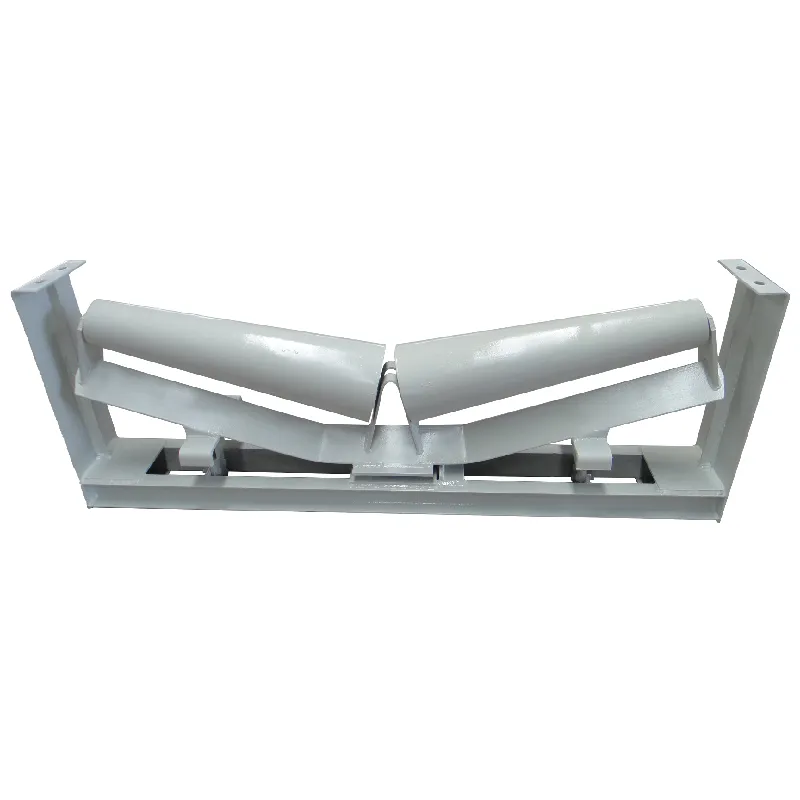
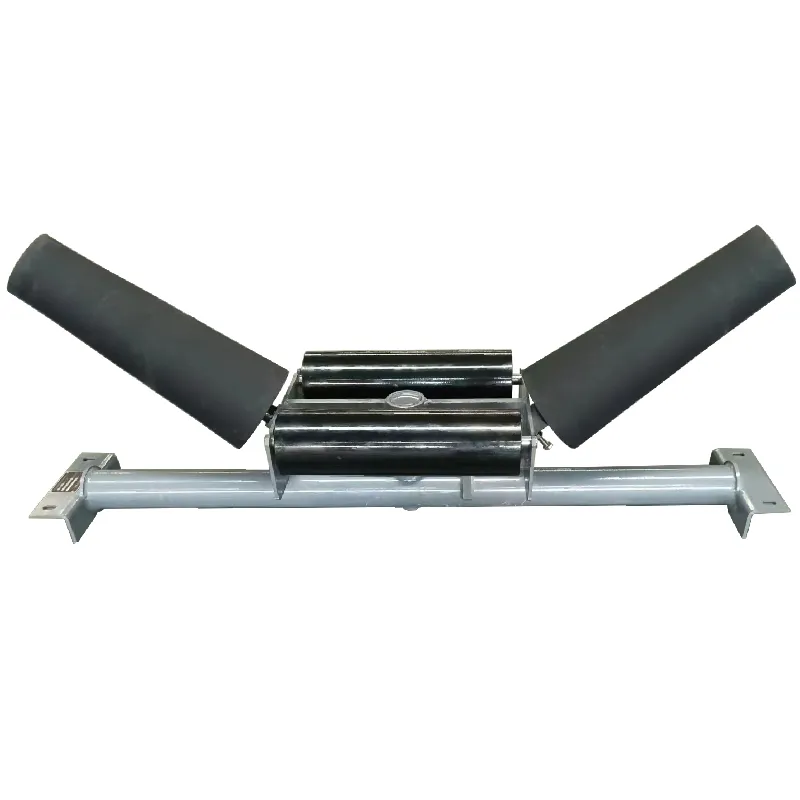
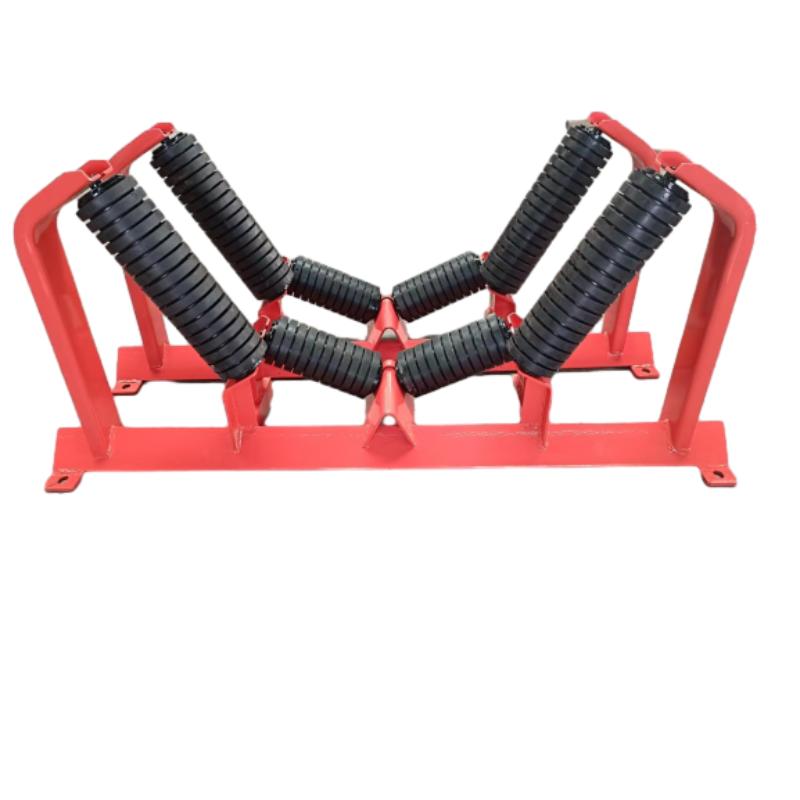
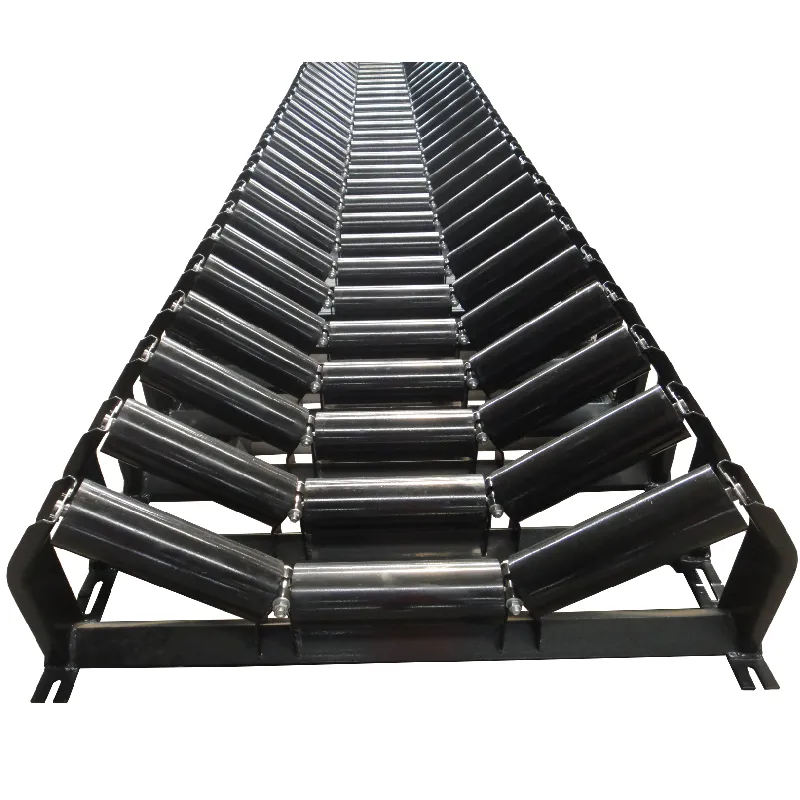
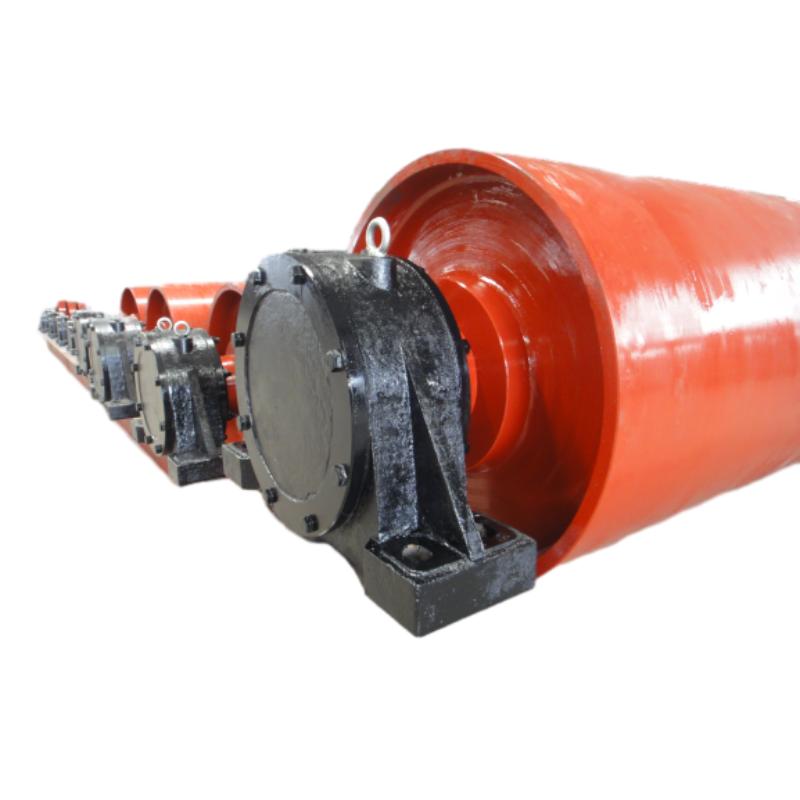
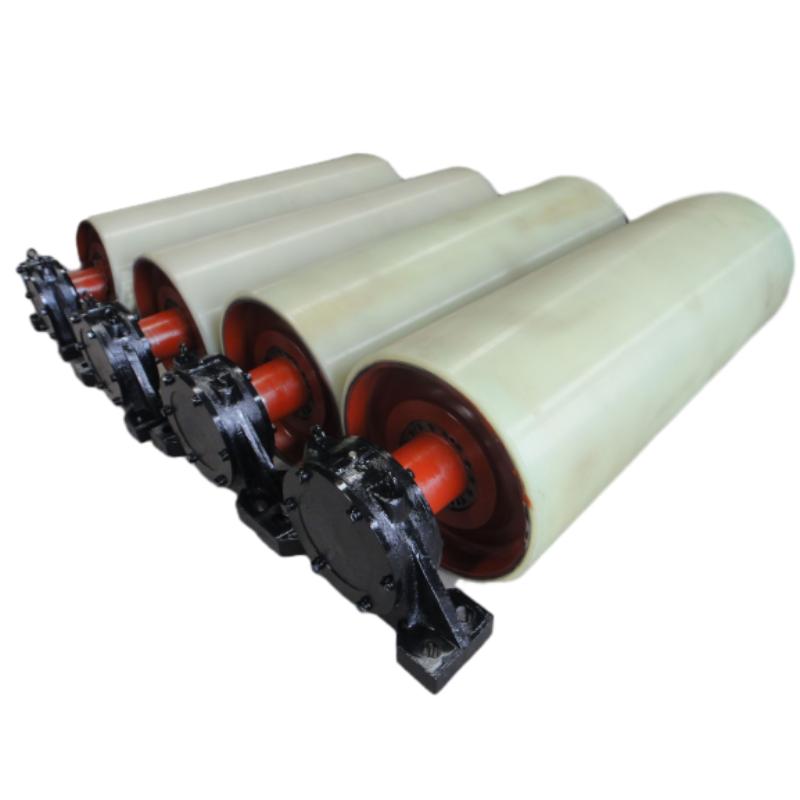
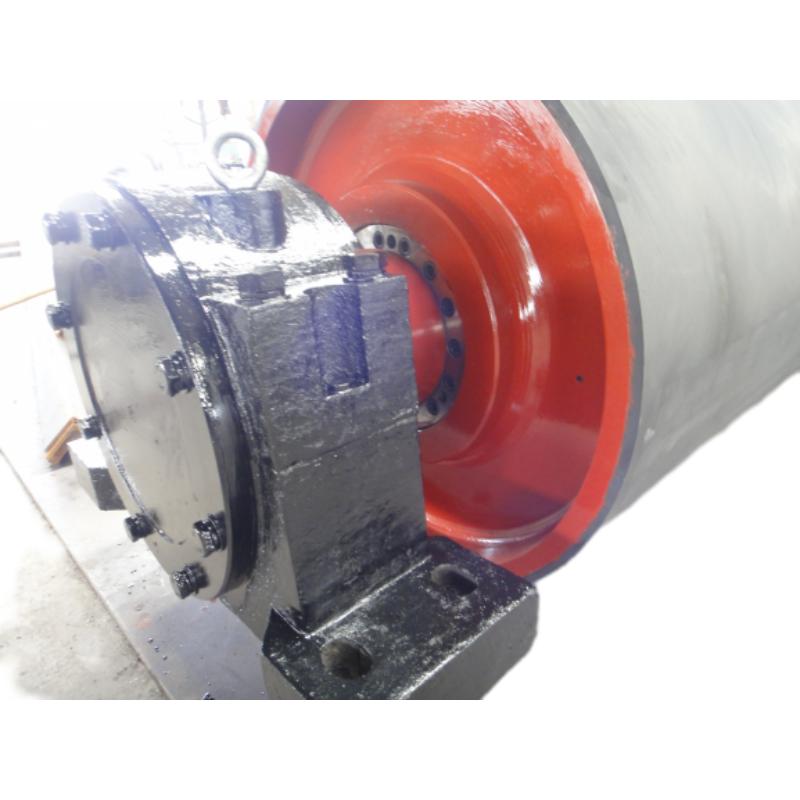
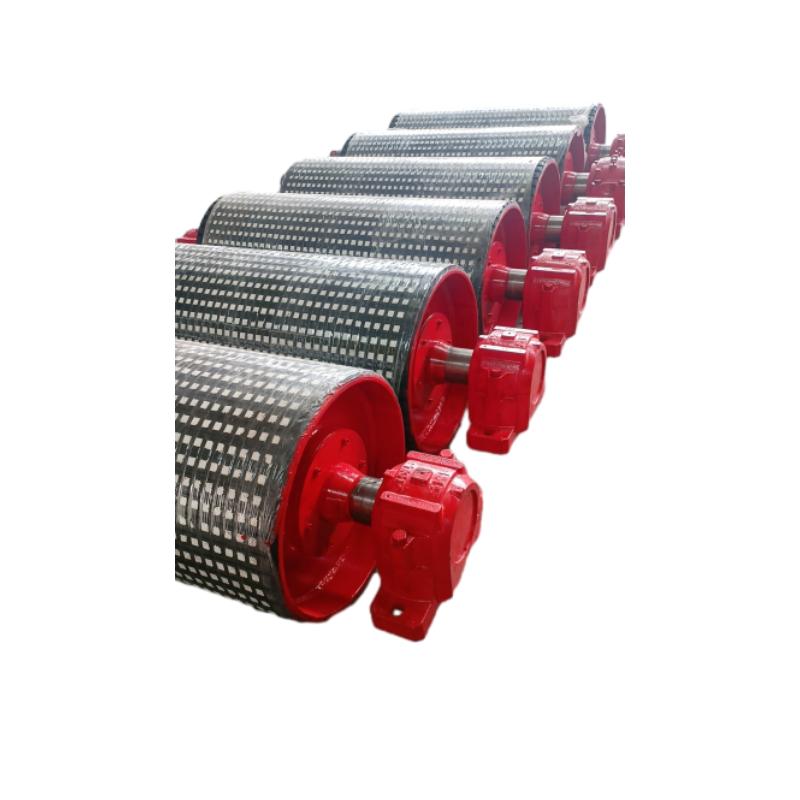
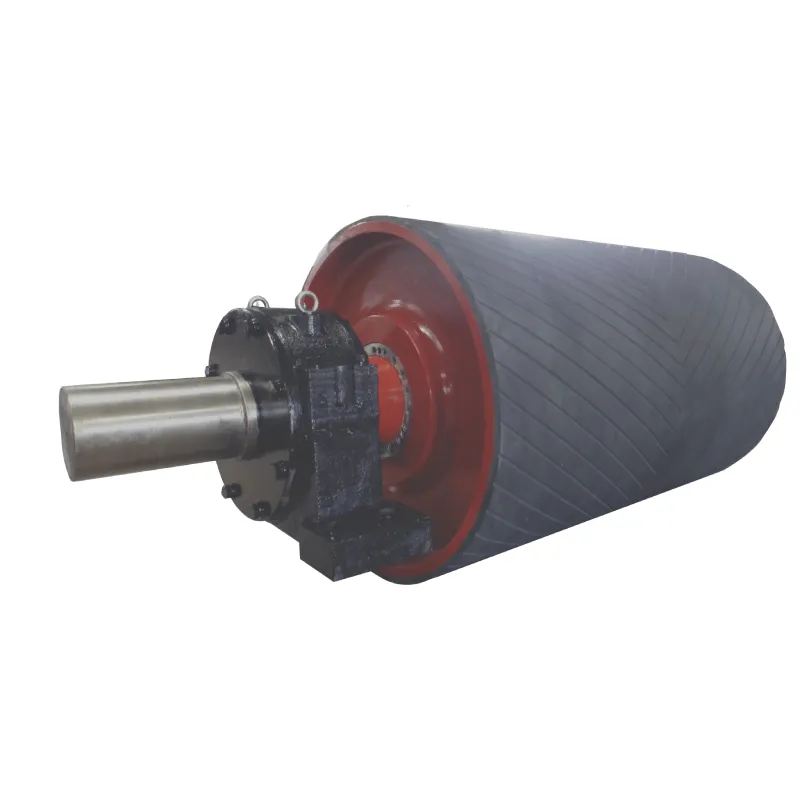
At its simplest, roller conveyor parts are the components that make up roller conveyors—a series of rotating cylinders (rollers) supporting and moving items along a path. These parts include rollers themselves, frames, bearings, shafts, and support brackets. Together, they create an effective mechanism to transport goods with minimal human effort.
Beyond factories, these sturdy assemblies are crucial for humanitarian needs, moving medical supplies or food quickly across aid stations. They embody a practical solution bridging industrial efficiency with social good.
Key Components and Factors of Roller Conveyor Parts
Durability
Roller conveyor parts must withstand constant motion, heavy loads, and often harsh environments. Materials like galvanized steel or stainless steel provide corrosion resistance and longevity. Frankly, a conveyor that needs constant fixing is a nightmare for any operations manager.
Scalability
Flexibility in conveyor design is vital. Modular parts allow companies to expand or reconfigure systems easily as their needs evolve. This scalability means businesses can adapt rather than rebuild—a big cost and time saver.
Cost Efficiency
Balancing quality and price is always tricky. High-quality parts might seem expensive initially but often lead to lower maintenance costs and reduced downtime. This plays into the total cost of ownership, which savvy managers carefully track.
Maintenance & Ease of Replacement
Parts designed for straightforward replacement reduce operational hiccups. Bearings and rollers that can be swapped independently without dismantling entire sections save hours of labor.
Compatibility
With many vendors offering various standards, ensuring that roller conveyor parts fit existing systems avoids costly retrofits or operational disruptions.
Global Applications & Real-World Use Cases
Roller conveyor parts find homes in diverse settings—from automotive assembly lines in Germany, to fruit packing plants in South America, to electronics sorting centers in China. One interesting application is in remote mining operations in Australia, where conveyors must perform reliably under dusty, rugged conditions for months without interruption.
In post-disaster relief efforts, for example, conveyor systems facilitate the rapid sorting and distribution of supplies—a life-saving logistical edge. Similarly, e-commerce fulfillment centers worldwide heavily rely on conveyor systems for fast parcel handling, exemplifying the global importance of reliable roller conveyor parts.
Advantages & Long-Term Value
- Cost Savings: Reducing downtime and maintenance costs over time.
- Environmental Impact: Durable parts mean fewer replacements, less waste.
- Operational Safety: Ensures smooth material flow, reducing worker strain and accidents.
- Innovation Integration: Compatibility with automation tech enhances future-proofing.
Emotionally, knowing your conveyor system won’t let you down adds peace of mind—especially during peak times when every minute counts.
Roller Conveyor Parts: Product Specifications
| Component | Material | Diameter (mm) | Weight Capacity (kg) | Typical Use |
|---|---|---|---|---|
| Steel Roller | Galvanized Steel | 50-100 | 150-300 | Package Transport |
| Plastic Roller | High-Density Polyethylene | 40-80 | 80-120 | Food Industry |
| Stainless Steel Roller | Stainless Steel 304 | 60-110 | 200-400 | Pharmaceuticals |
Vendor Comparison: Leading Roller Conveyor Parts Suppliers
| Vendor | Product Range | Material Quality | Customization | Price Range | Lead Time |
|---|---|---|---|---|---|
| Idlera Ohua | Wide, industrial-grade | High (Galv & SS) | Full Custom Options | Mid-range | 2-4 weeks |
| Tekcon Conveyors | Standard Industrial | Medium | Limited | Budget | 1-3 weeks |
| Global Rollers Inc. | Extensive Intl Lines | High | Moderate | Premium | 3-6 weeks |
Looking Ahead: Future Trends & Innovations
Oddly enough, roller conveyor parts are now intersecting with smart tech. Sensors embedded in rollers can track wear and alert maintenance teams before failures occur—predictive maintenance 101. The push for sustainability means more eco-friendly materials are entering the market, like recycled plastics and lower-energy manufacturing processes.
Digital transformation is also encouraging modular, quick-to-install parts that align with Industry 4.0 standards, allowing better integration with automated logistics robots and AI-driven inventory systems.
Overcoming Challenges in Conveyor Systems
Problems? Sure, conveyors sometimes jam, rollers fail, or compatibility causes headaches. But industry experience shows that investing early in quality parts, paired with well-trained maintenance staff, drastically reduces unplanned downtime.
Innovative coatings, better bearing designs, and smarter modularity help too. Experts recommend regular audits paired with digital tracking systems—sort of a conveyor doctor check-up.
FAQs: Your Roller Conveyor Parts Questions Answered
- Q: How can I ensure the roller conveyor parts I buy will fit my existing system?
A: Always check vendor specifications and request compatibility charts. Modular parts designed to international standards typically fit most systems, but custom adapters may be needed for older conveyors. - Q: What’s the average lifespan of a steel roller in a high-use conveyor?
A: With proper maintenance, steel rollers generally last 5-10 years, depending on load and environment. Corrosive settings may reduce this, so stainless steel is preferred in those cases. - Q: Are plastic rollers suitable for heavy industrial loads?
A: Plastic rollers are generally for lighter loads and environments requiring corrosion resistance. For heavy loads, steel or stainless steel rollers are safer and more durable. - Q: Can roller conveyor parts be customized for unique applications?
A: Yes, many suppliers offer tailored sizes, materials, and bearing types to fit special needs. It’s best to communicate your exact requirements early in the procurement process. - Q: How do roller conveyors impact workplace safety?
A: By automating material movement, they reduce manual lifting and help lower injury rates. Well-maintained parts also minimize accidents caused by jams or breakages.
Conclusion
Roller conveyor parts might seem like small pieces of a much bigger puzzle, but they are vital cogs that keep global industries running smoothly. The right parts bring reliability, adaptability, and safety to material handling solutions across the world. For anyone managing logistics or manufacturing, understanding and investing in quality roller conveyor parts is more than cost-saving—it’s about trust and future readiness.
If you want to explore quality solutions tailored to your needs, visit roller conveyor parts and see what modern, efficient options await your business.
Takeaway: Investing thoughtfulness in roller conveyor parts today is investing in your operational success tomorrow.
References
-
Maximize Conveyor Life with a High Performance impact bedNewsApr.16,2026
-
Maximize Conveyor Efficiency Using a v plow belt scraperNewsApr.09,2026
-
Comprehensive Guide to Understanding Different Types of Belt CleanersNewsApr.07,2026
-
Enhancing Conveyor Efficiency with an Effective Scraper Belt CleanerNewsApr.04,2026
-
Optimizing Conveyor Systems with Advanced Cleaning Equipment SolutionsNewsMar.31,2026
-
Effective Conveyor Belt Scraper Adjustment for Optimal System PerformanceNewsMar.28,2026