

Reliable Urethane Rollers Suppliers for Industrial Applications | Idle Raohua
Choosing the Right Urethane Rollers Suppliers for Industrial Success
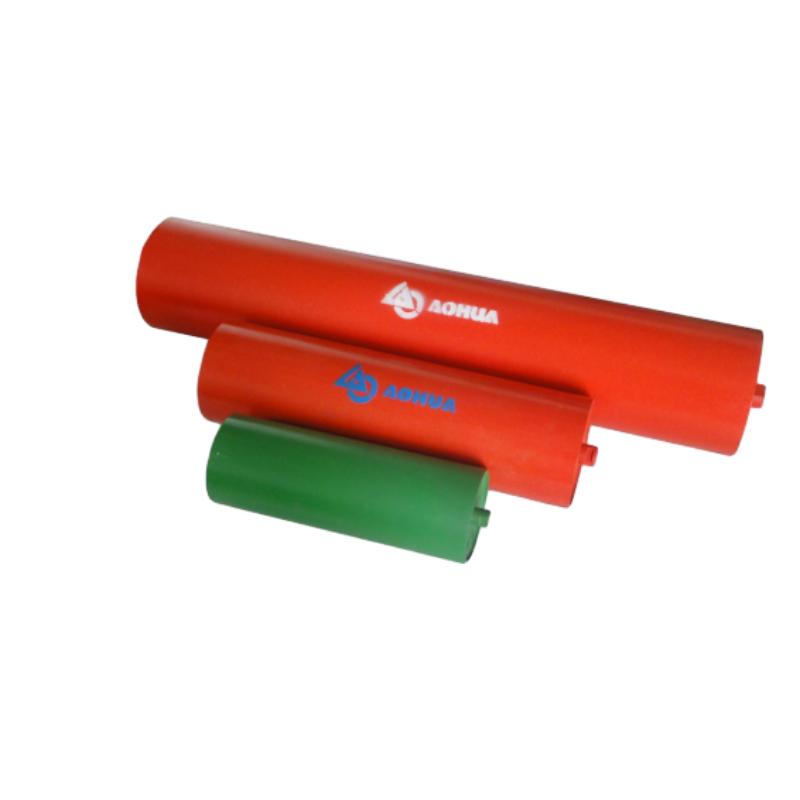
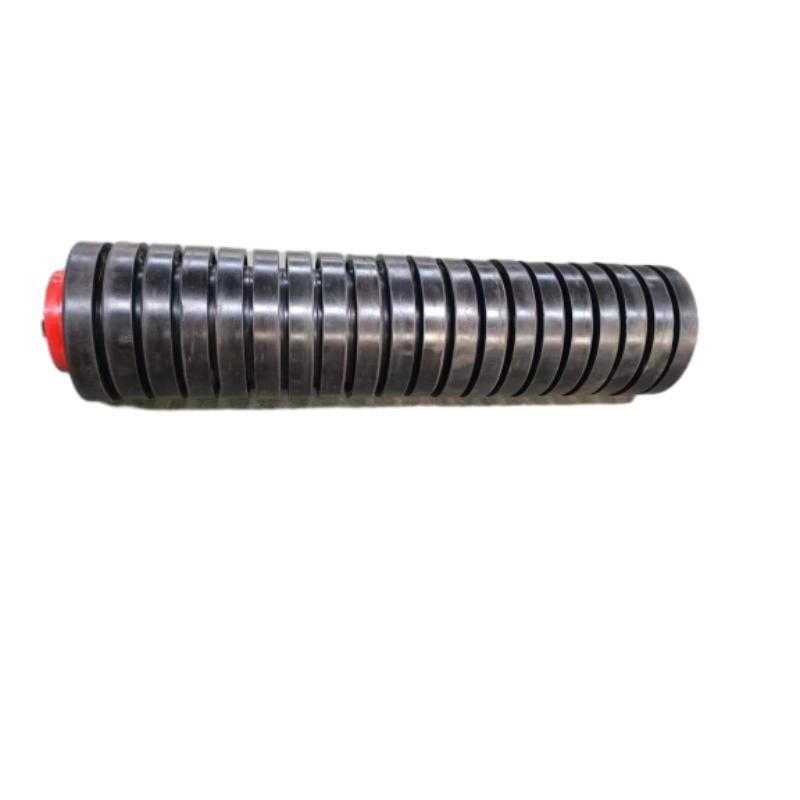
Having spent a good chunk of my career around industrial equipment, I’ve learned that the simplest components often deliver the biggest impact. Urethane rollers suppliers fit neatly into that category. They might not grab headlines like robotics or AI, but these rollers quietly power a surprising amount of heavy lifting — literally and figuratively — in manufacturing lines worldwide.
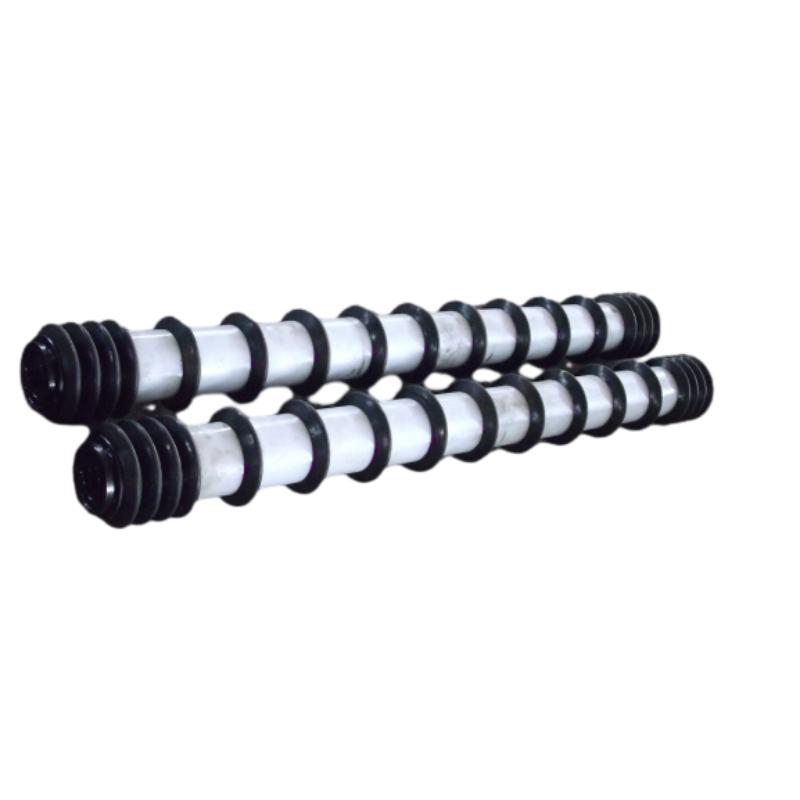
Now, urethane rollers aren’t just rubber wheels; their material composition and the supplier’s craftsmanship make a world of difference. In real terms, choosing the wrong roller can bring your production lines grinding to a halt or cause uneven wear, costing you precious maintenance time and money. I suppose that’s why many engineers I’ve talked to tend to favor suppliers who not only offer quality consistency but also a depth of customization.
Talking materials, the polyurethane used in these rollers is a sort of industrial magic — combining toughness with flexibility. It resists abrasion, handles impact well, and generally outlasts alternatives like rubber or metal in many environments. But oddly enough, the formulation can vary greatly between suppliers, affecting everything from shore hardness to chemical resistance. So, verifying these details upfront feels more critical than ever.
Something else you don’t often hear about on marketing pages is how testing plays a huge role. When I was at a plant in Ohio, I noticed one supplier’s rollers went through extensive tensile and tear testing, along with real-world abrasion simulations before shipping. Those rollers stuck around for years, even under high-stress conveyor conditions — a real testament to knowing your specs.
Speaking of specs, here’s a quick snapshot of typical urethane roller characteristics for your reference:
| Specification | Typical Range | Benefits |
|---|---|---|
| Shore Hardness (A) | 60 – 95 | Balance between flexibility and durability |
| Tensile Strength | 2500 – 7000 psi | Resistance to stretching and tearing |
| Abrasion Resistance | Low % volume loss in Taber test | Long life under frictional wear |
| Chemical Resistance | Good to excellent | Suitable for oils, solvents, some acids |
| Operating Temperature Range | -40°C to 80°C (-40°F to 175°F) | Versatility in diverse environments |
Of course, not all suppliers are equal. Some specialize in standard sizes, while others excel in custom manufacturing. Here’s a quick comparison of a few well-known urethane roller vendors I’ve dealt with or researched:
| Supplier | Customization Options | Lead Time | Typical Industries Served | Price Range |
|---|---|---|---|---|
| Idle Raohua | Extensive (sizes, hardness, cores) | 2-4 weeks | Packaging, conveyor, automotive | Mid-range |
| PolyRoll Solutions | Standard & some customization | 3-6 weeks | Printing, packaging | Competitive |
| FlexiRoll Manufacturing | Limited customization | 1-3 weeks | Food, pharma, light industry | Higher-end |
One thing I’ve personally admired about Idle Raohua (and I’m not just saying this) is their hands-on approach to meeting client needs. I recall a case where a packaging client urgently required rollers with a very specific shore hardness and chemical resistance profile. The supplier not only delivered but also shared application advice that improved the roller lifespan by 40%. That kind of partnership truly sets apart the best suppliers in my experience.
Ultimately, selecting urethane rollers comes down to knowing your operational demands and working with a supplier who understands them. Pay close attention to material specs, testing protocols, and be candid about your production environment. And of course, expect your supplier to be a partner, not just a vendor.
That said, the moment I valued urethane rollers most was during a line shutdown caused by roller failure. Switching to a quality supplier cut downtime drastically — a quiet but powerful win. So here’s a takeaway: invest in quality, and your rollers will keep your line moving smoothly, often without you even noticing.
Sources I found useful over the years include industry handbooks, supplier datasheets, and direct experience from plant floors. If you’re diving into urethane rollers procurement, it’s worth reviewing these materials personally too.
1. “Polyurethane Rollers – Technical Guide,” RollerTech Publications, 2022
2. “Industrial Conveyor Systems,” Manufacturing Weekly, April 2023 Edition
3. Idle Raohua Product Specifications (www.idleraohua.com)
Sometimes, it’s the things that quietly keep factories running that deserve the most attention.
-
Maximize Conveyor Life with a High Performance impact bedNewsApr.16,2026
-
Maximize Conveyor Efficiency Using a v plow belt scraperNewsApr.09,2026
-
Comprehensive Guide to Understanding Different Types of Belt CleanersNewsApr.07,2026
-
Enhancing Conveyor Efficiency with an Effective Scraper Belt CleanerNewsApr.04,2026
-
Optimizing Conveyor Systems with Advanced Cleaning Equipment SolutionsNewsMar.31,2026
-
Effective Conveyor Belt Scraper Adjustment for Optimal System PerformanceNewsMar.28,2026