

Polyurethane Pipe Rollers: Durable, Efficient Solutions for Pipeline Support Systems
Understanding Polyurethane Pipe Rollers: The Unsung Heroes of Industrial Infrastructure
If you're wondering what exactly polyurethane pipe rollers are or why they're slowly becoming essential in industries from oil and gas to water management, you’re in the right place. These small but mighty components support and guide pipelines efficiently, reducing friction and wear — a vital factor in maintaining infrastructure that we often take for granted. Globally, the demand for dependable pipeline systems is skyrocketing, thanks to urbanization, expanding energy needs, and water security challenges. Grasping the role and benefits of polyurethane pipe rollers means appreciating a quiet engineering marvel that helps keep our world flowing smoothly.
The Global Context: Why Polyurethane Pipe Rollers Matter Industry-wide
Polymers in mechanical components have a remarkable growth trajectory, with polyurethane-based parts gaining ground due to their durability. According to the International Organization for Standardization (ISO), pipeline infrastructures experience significant mechanical stress and environmental exposure. Polyurethane pipe rollers help counter these forces, enhancing operational lifespan while minimizing maintenance. And here’s a stat to chew on: global pipeline construction is expected to grow by nearly 5% annually through 2028, highlighting the rising importance of components like polyurethane rollers.1
Yet, with this surge comes challenges – friction, corrosion, and weight-bearing capacities that older materials often can’t handle. Polyurethane pipe rollers address these issues by balancing resilience with flexibility. So, it’s not just about holding pipes; it's about making systems safer, more efficient, and, oddly, kinder on the environment too.
Mini takeaway: The combination of growing pipeline infrastructure and harsh operating conditions worldwide positions polyurethane pipe rollers as critical players in industrial reliability.
What Are Polyurethane Pipe Rollers?
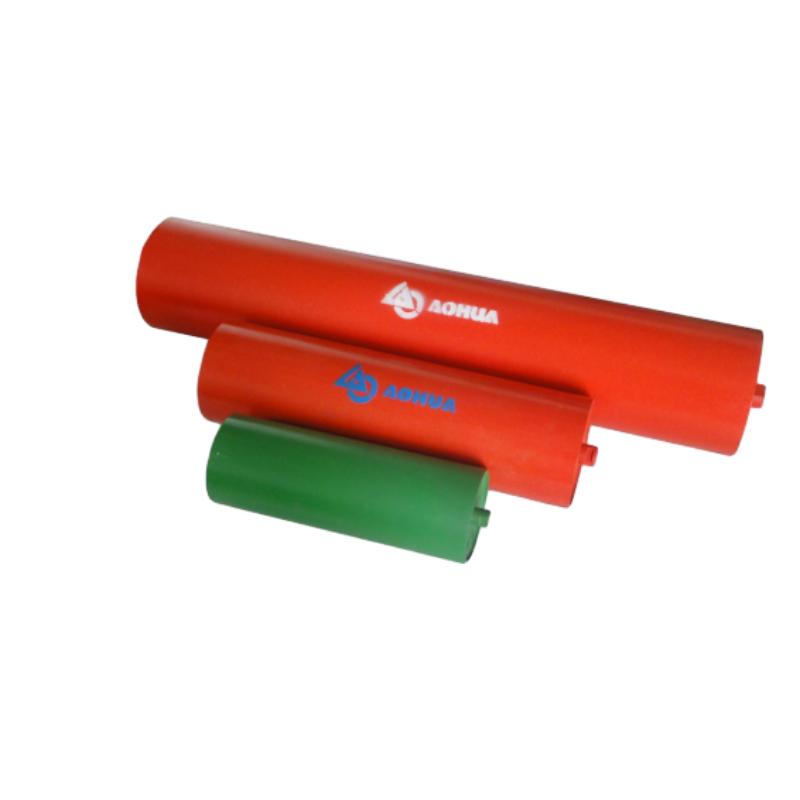
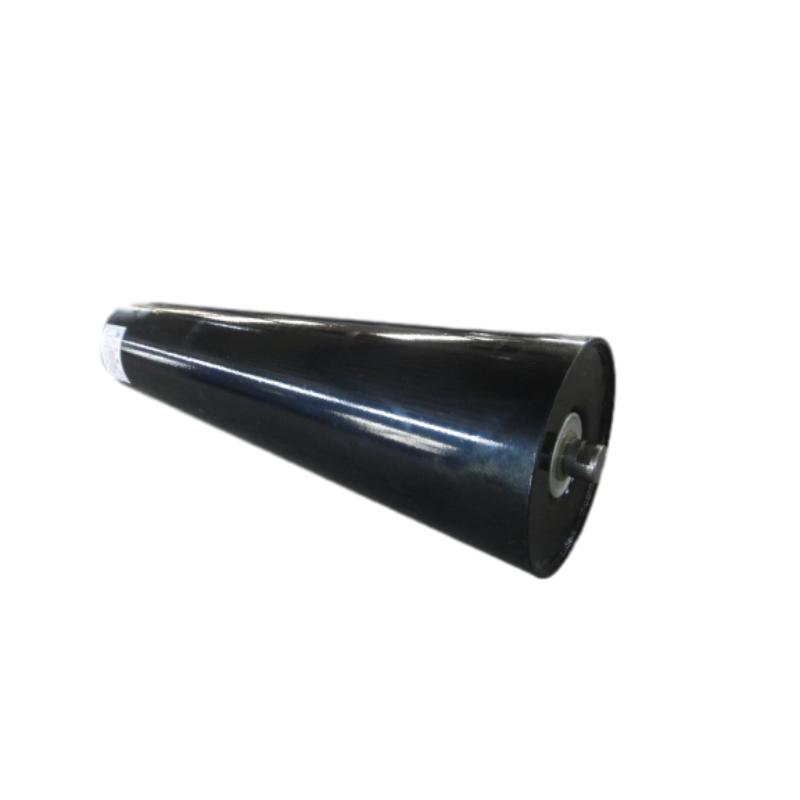
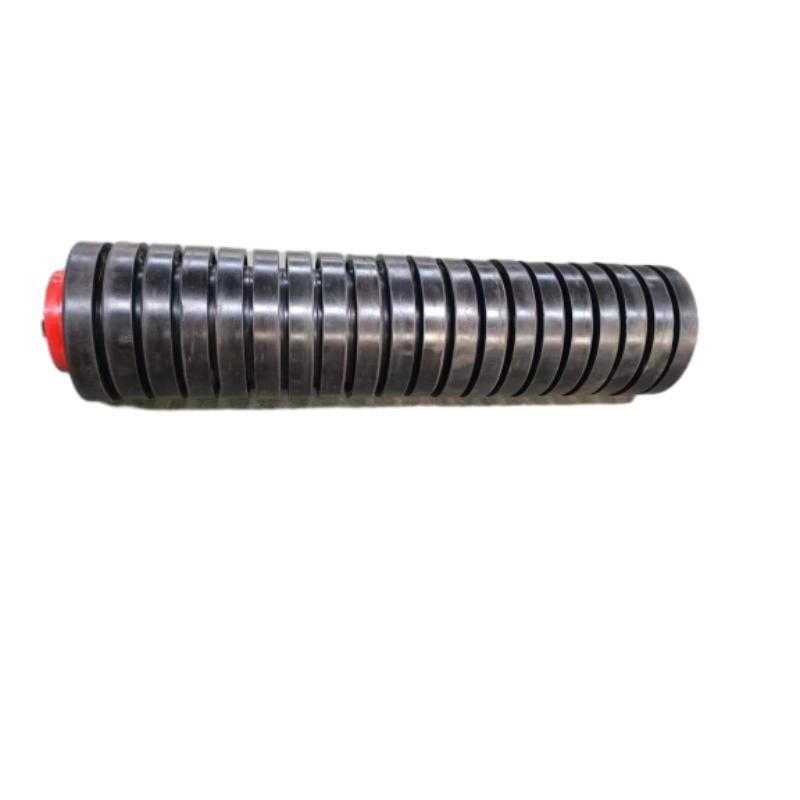
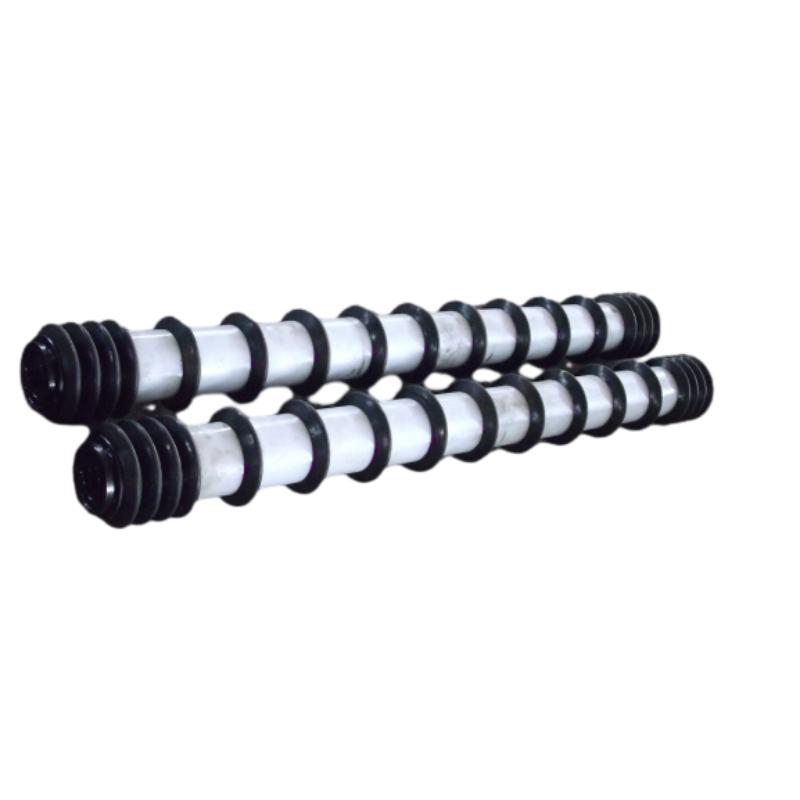
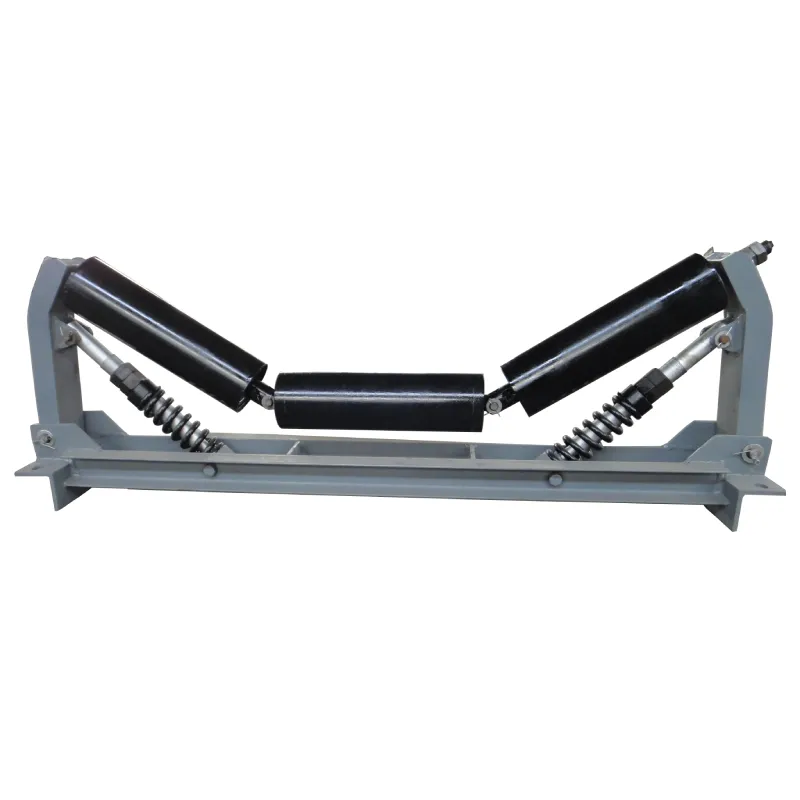
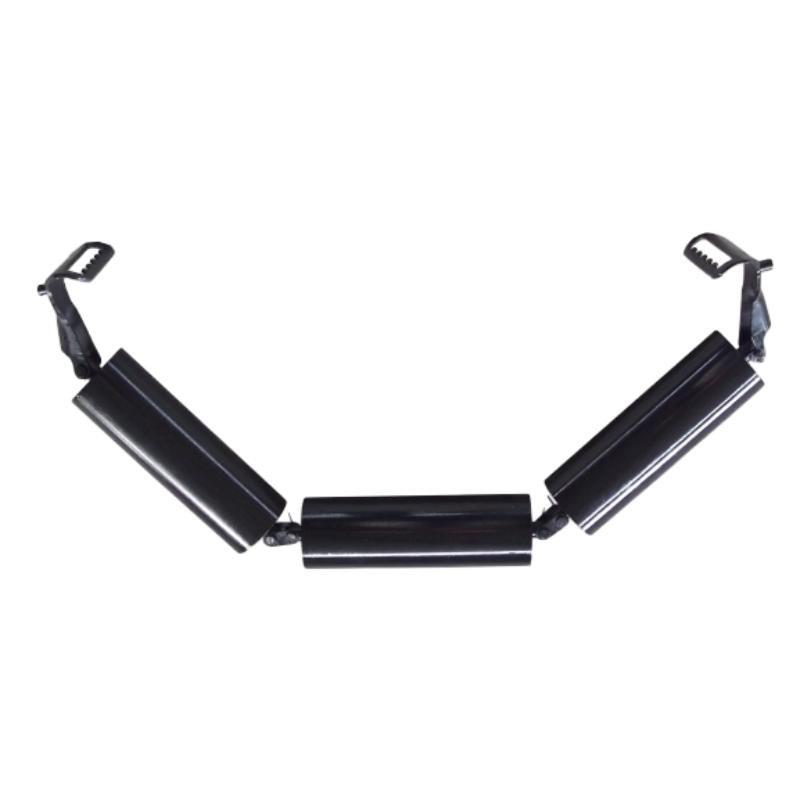
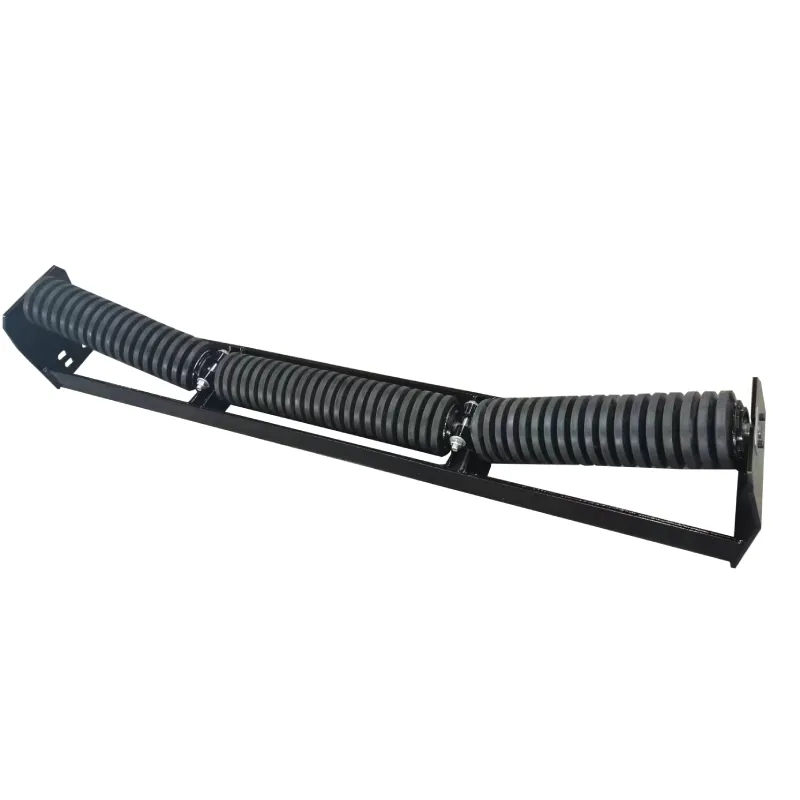
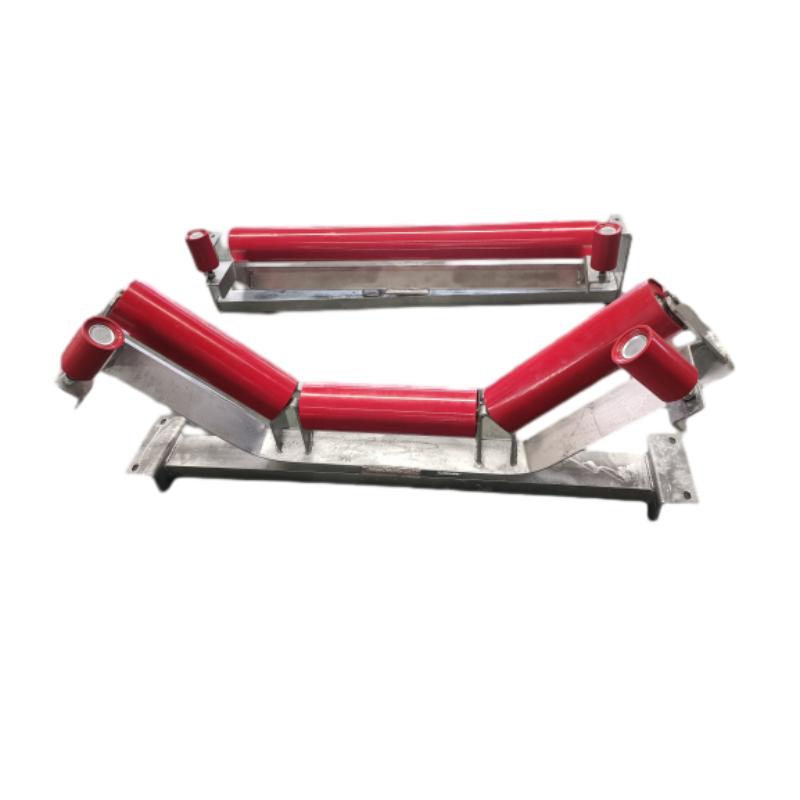
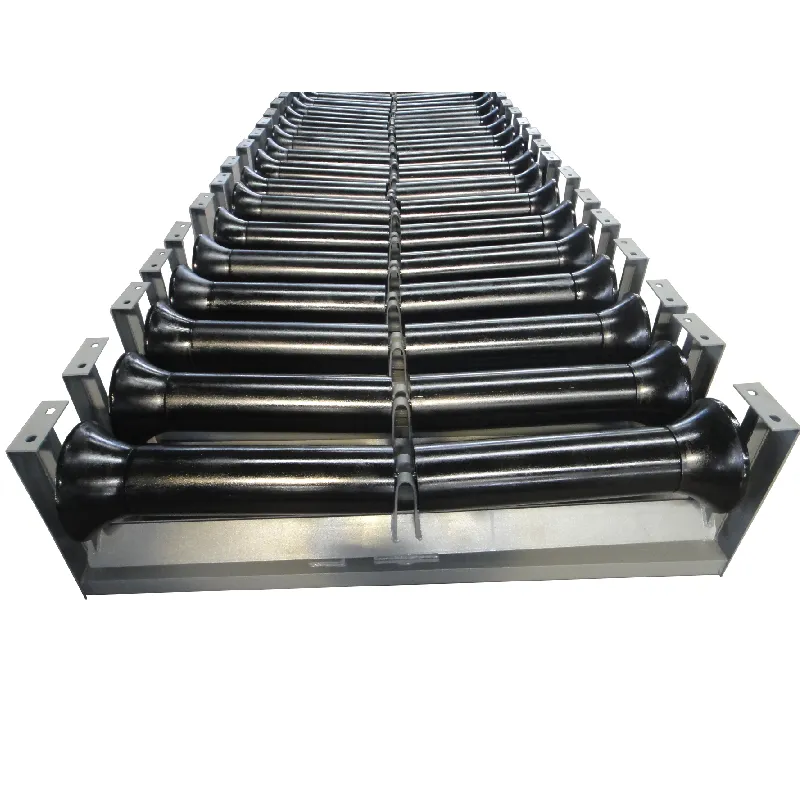
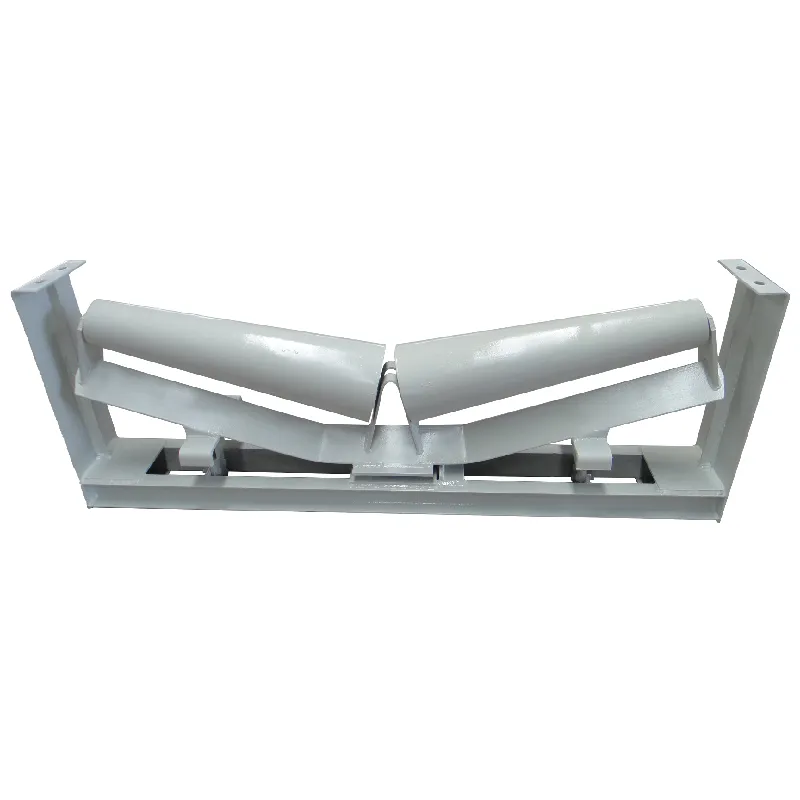
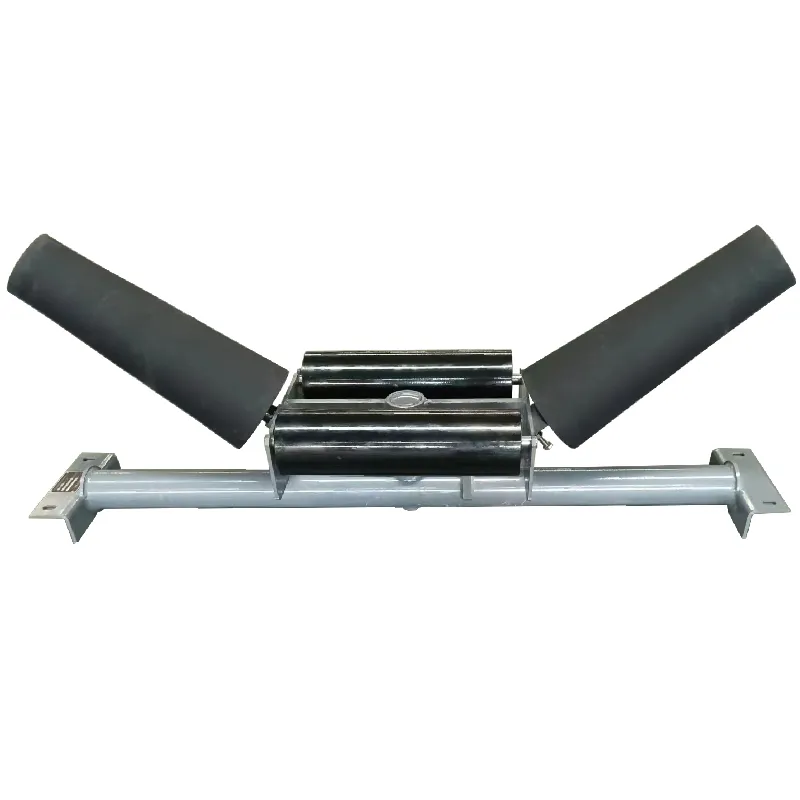
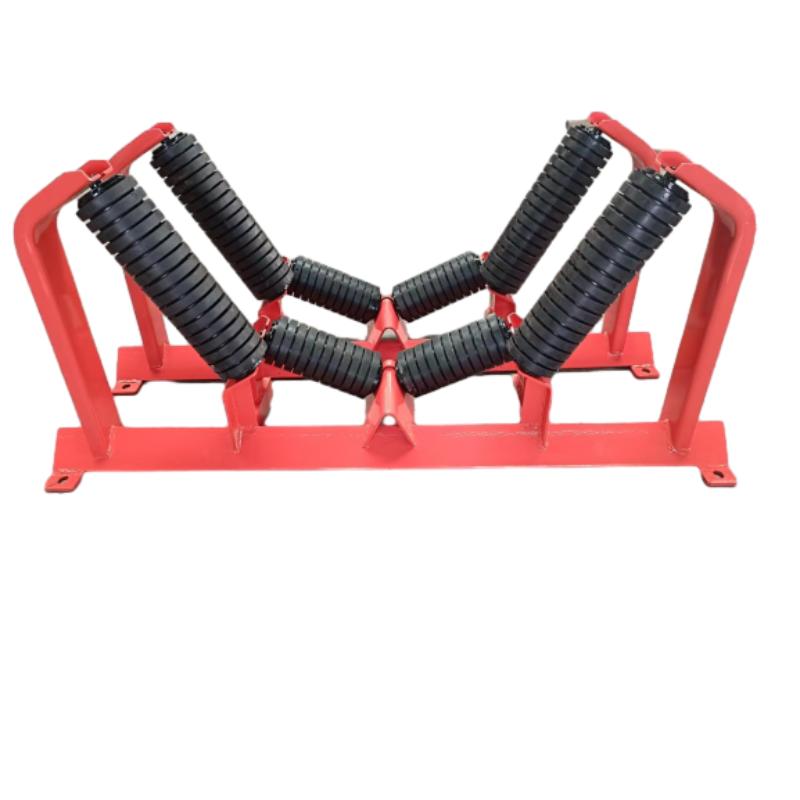
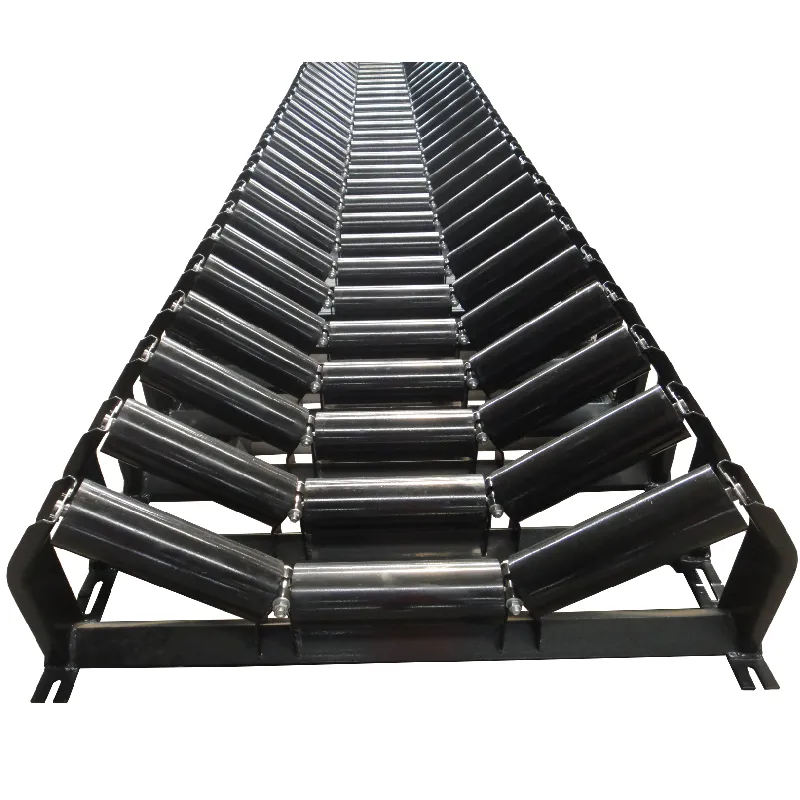
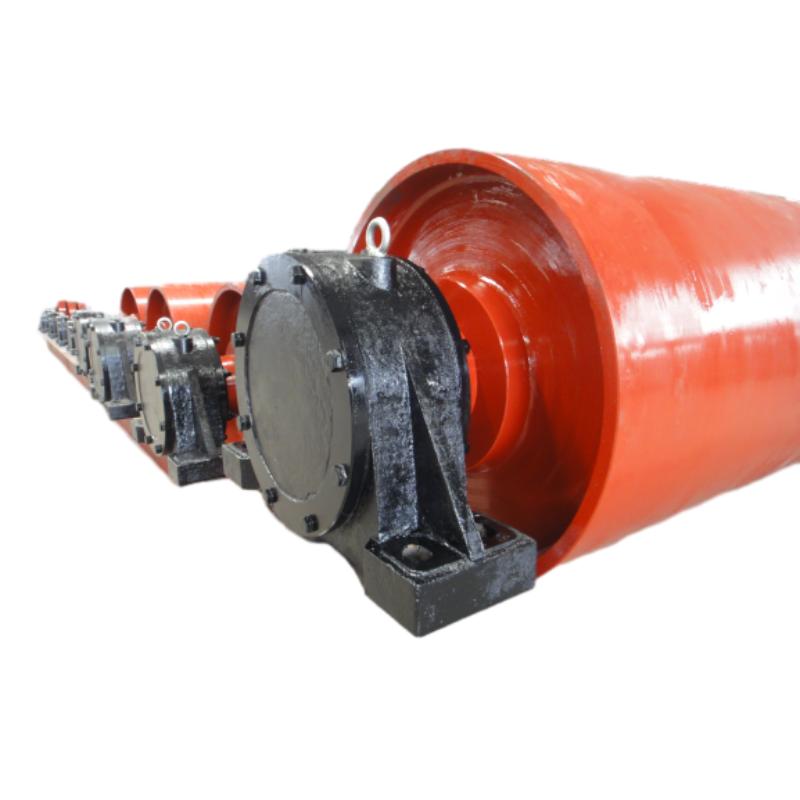
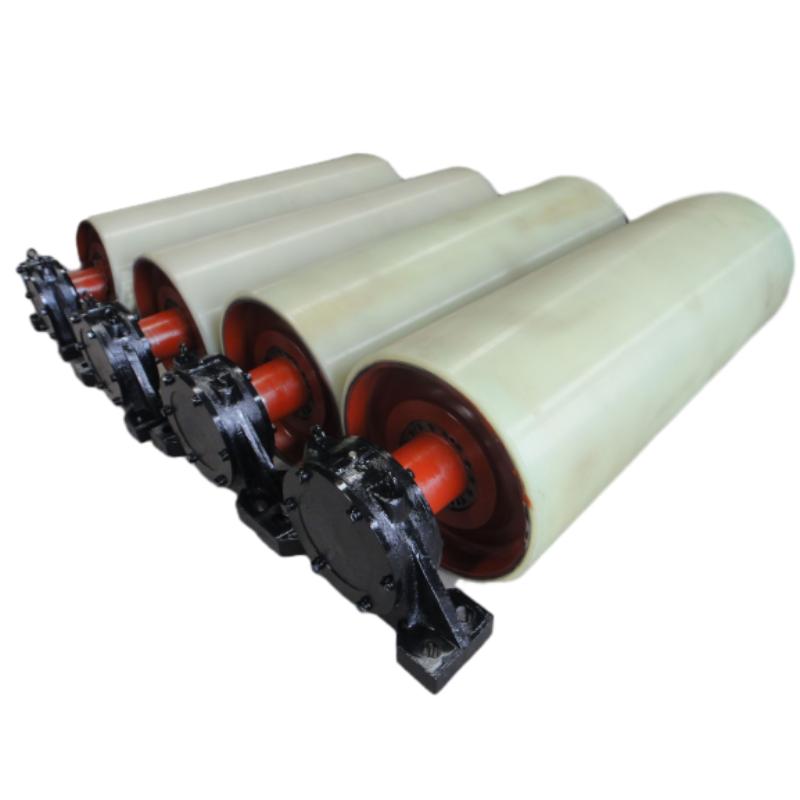
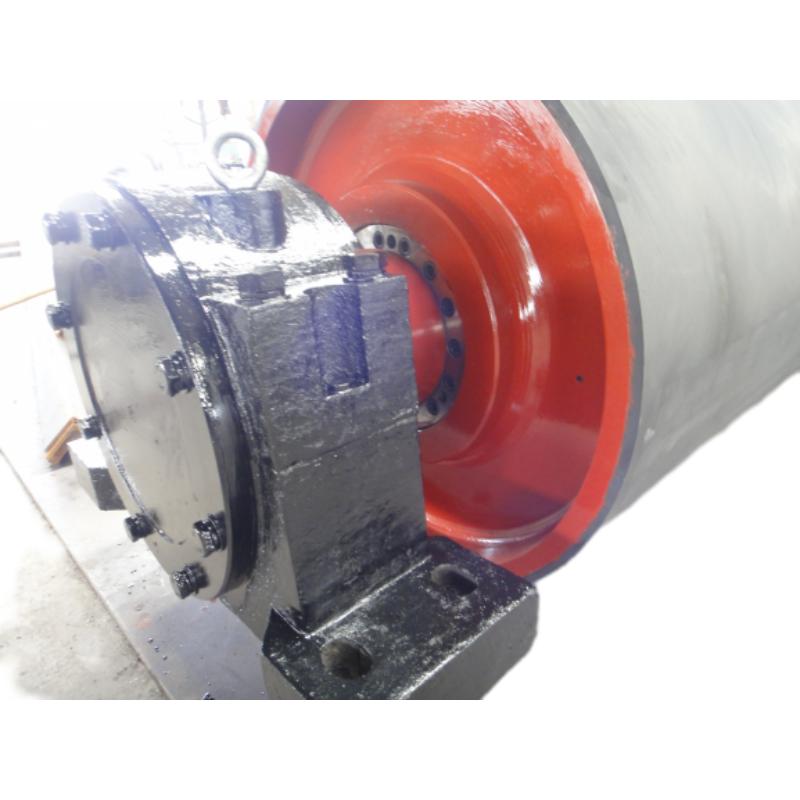
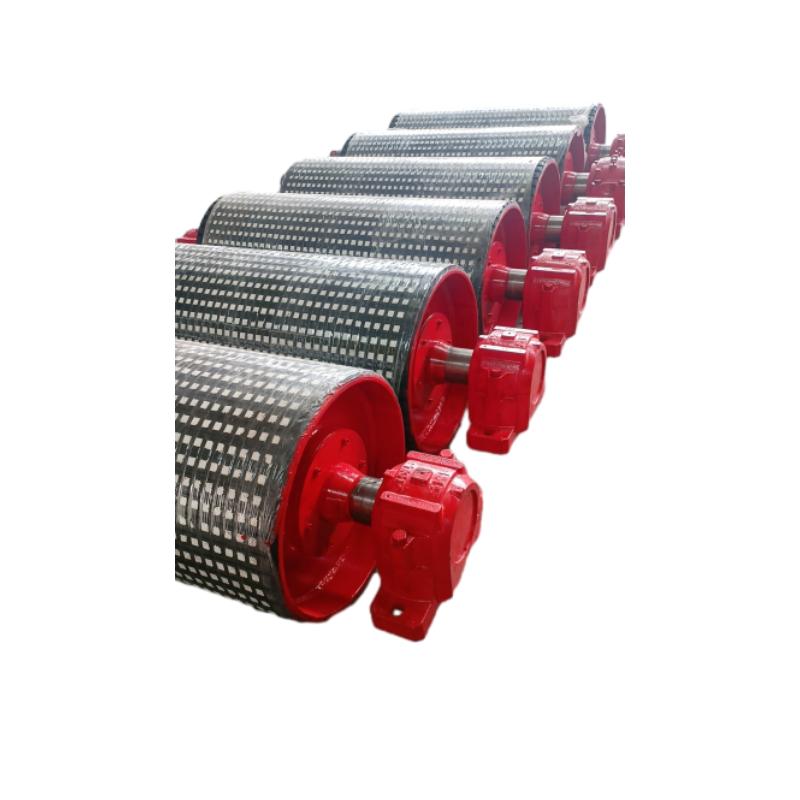
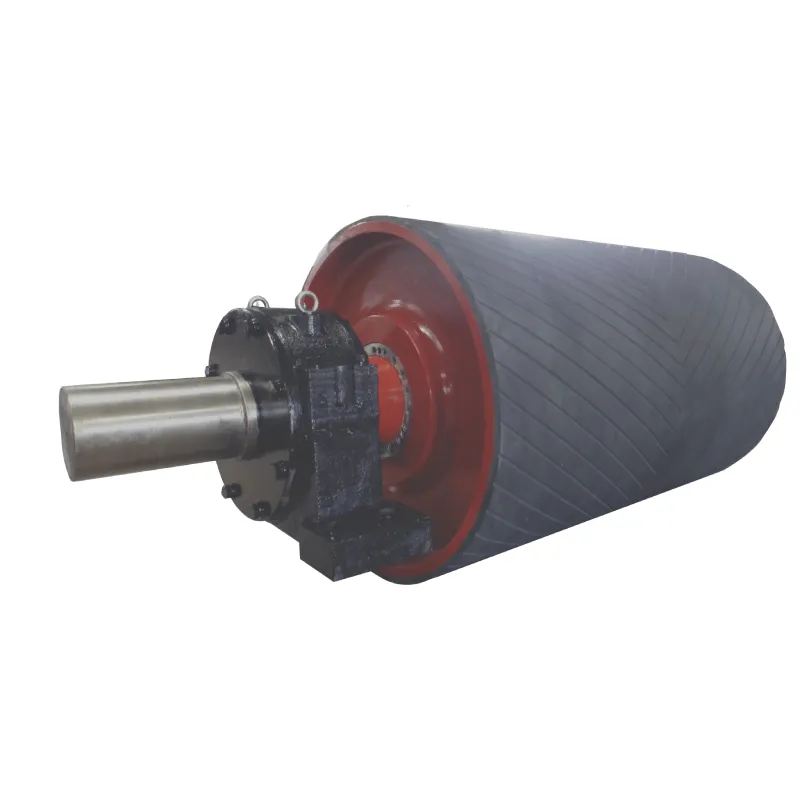
In basic terms, polyurethane pipe rollers are cylindrical components made primarily of polyurethane elastomer bonded to a metal core, designed to support and guide pipelines on their route. Think of them as the rollers on a conveyor belt — they bear the load and reduce friction between the pipe and the supporting structure. Unlike traditional steel rollers, polyurethane offers enhanced wear resistance, shock absorption, and chemical resistance.
Why does this matter beyond industry? For example, safe and continuous water supply or oil transportation cuts down disruptions that can affect millions. So in a roundabout way, these rollers are part of larger societal needs too, from ensuring clean water access to enabling industry-driven economic growth.
Key Features of Polyurethane Pipe Rollers
1. Durability and Wear Resistance
Polyurethane's molecular structure gives these rollers high abrasion resistance — meaning they literally outlast steel in many harsh environments. Whether exposed to sand, chemicals, or temperature fluctuations, they stay strong, lowering replacement frequency and downtime.
2. Load-Bearing Capacity
Despite their rubbery feel, polyurethane rollers support heavy pipe sections easily. The core is typically steel, offering robust strength, while the polyurethane layer distributes loads evenly, preventing damage to pipes.
3. Chemical Resistance
Given pipelines often carry corrosive substances, rollers must resist degradation. Polyurethane resists oils, fuels, and many chemicals, ensuring longevity in industrial settings where traditional materials corrode easily.
4. Noise and Vibration Reduction
These rollers help absorb shocks and dampen vibrations along the pipeline route — critical for operational safety and minimizing structural stress.
5. Customizability
Polyurethane comes in various hardness levels and colors, and rollers can be tailored to specific diameters, widths, and load requirements. This versatility means engineers can design solutions for unique environments without one-size-fits-all compromises.
Mini takeaway:
This blend of toughness, flexibility, and chemical resistance makes polyurethane pipe rollers a preferred choice across industries where pipelines are the veins of critical infrastructure.
Applications Around the Globe: Real Use Cases for Polyurethane Pipe Rollers
From Scandinavian oil rigs to African water treatment plants, polyurethane pipe rollers find use everywhere pipelines matter. Let’s quickly look at some scenarios:
- Oil and Gas Pipelines in the Middle East: Operators turn to polyurethane rollers because they withstand desert heat and reduce costly maintenance stops.
- Water Supply Systems in Asia: Here, durability against waterborne chemicals and rough terrain ensures steady supply lines.
- Post-disaster Relief Efforts: Fast deployment infrastructure uses lightweight yet strong rollers to transport emergency pipelines quickly and safely.
- Remote Mining Sites: Challenging environments demand rollers that can bear heavy loads and resist abrasive dust and debris.
It’s worth noting how diverse industries increasingly see these rollers not as accessories, but as indispensable elements of operational continuity.
Polyurethane Pipe Rollers: Advantages & Long-Term Value
On a practical level, switching to polyurethane pipe rollers translates into measurable savings:
- Reduced Maintenance & Replacement Costs: Their resistance to wear prolongs service intervals.
- Energy Efficiency: Lower friction means less pump power needed to push fluids.
- Sustainability: Longer-lasting materials reduce waste and environmental impact.
- User Safety & Reliability: Absorbing vibration and shocks enhances personnel safety and pipeline integrity.
And frankly, if you think about the human side, robust pipelines mean fewer leaks or failures — critical for human health and preserving natural resources. Trust in industrial solutions like these instills confidence among workers and communities alike.
Product Specification Table: Typical Polyurethane Pipe Roller Features
| Feature | Specification | Units |
|---|---|---|
| Roller Diameter | 150 - 400 | mm |
| Material Hardness (Shore A) | 85 - 95 | Scale |
| Load Capacity | Up to 5,000 | kg per roller |
| Operating Temperature | -40 to +90 | °C |
| Chemical Resistance | Excellent (oil, fuel, water) | N/A |
Vendor Comparison: Leading Suppliers of Polyurethane Pipe Rollers
| Vendor | Product Range | Customization Options | Delivery Time | Price Level |
|---|---|---|---|---|
| RollTech Inc. | Standard & heavy-duty rollers | Yes, up to custom specs | 3-5 weeks | Mid-range |
| PolyCore Solutions | Wide range from light to heavy | Extensive customization | 4-6 weeks | Premium |
| EcoRollers Ltd. | Eco-friendly polyurethane rollers | Limited | 2-4 weeks | Competitive |
The Road Ahead: Trends and Innovations in Polyurethane Pipe Rollers
Over the next few years, polyurethane pipe rollers will likely evolve in tandem with green manufacturing initiatives and digital transformation waves. For starters, manufacturers are exploring bio-based polyurethane to reduce environmental footprints.
Moreover, embedding sensors into rollers to monitor wear in real-time seems promising. Imagine predictive maintenance becoming the norm — fewer shutdowns, and more informed decisions. Automation in production is also improving consistency and lowering costs, making these rollers even more accessible.
Plus, customization will become laser-focused, with 3D printing of components for bespoke rollers that meet hot-spot demands on specific pipelines. It feels like the humble roller is getting a tech upgrade.
Challenges & How We’re Tackling Them
No material is a magic bullet. Polyurethane pipe rollers can be vulnerable to extreme UV exposure, and in very high-temperature scenarios, their performance can degrade. Also, selecting the right hardness is a balancing act: too soft, and they wear out faster; too hard, and they lose shock absorption.
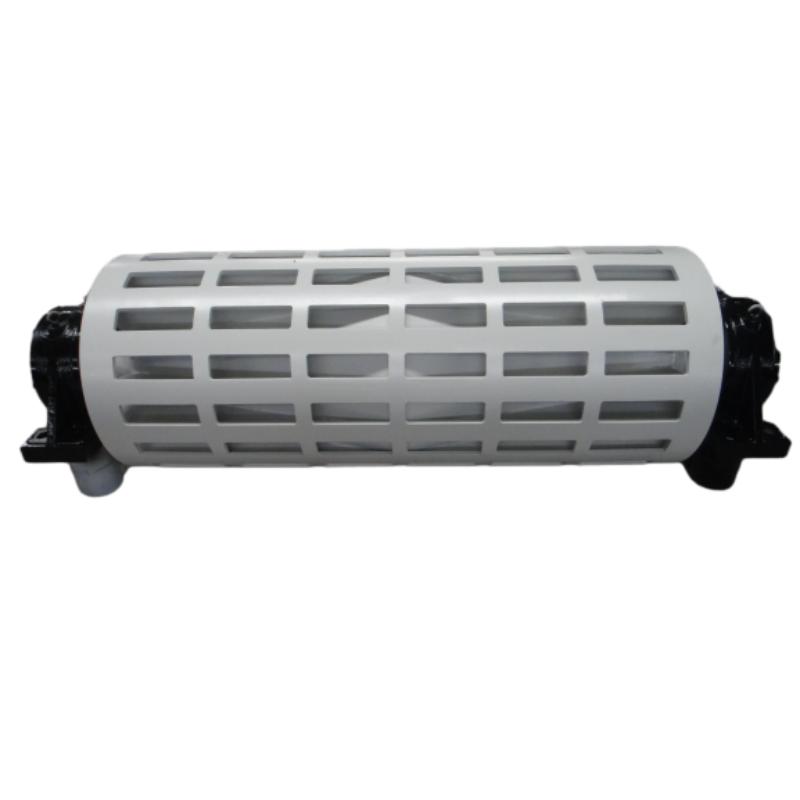
Industry experts recommend combining polyurethane with surface treatments or protective housings in tough environments. Regular inspections and adopting new polymer blends also help mitigate issues. Frankly, ongoing R&D and field feedback loops push vendors to innovate quickly.
FAQ: Your Quick Guide to Polyurethane Pipe Rollers
- Q: How do polyurethane pipe rollers reduce pipeline maintenance?
- A: Their abrasion and chemical resistance minimizes wear on pipes and components, leading to fewer breakdowns and less downtime — which saves money and extends system life.
- Q: Can these rollers be customized for specific industrial needs?
- A: Absolutely. Polyurethane rollers come in various sizes, hardness levels, and can be designed to handle different load capacities. Tailoring ensures they suit your unique environment.
- Q: Are polyurethane pipe rollers eco-friendly?
- A: While traditional polyurethane is petroleum-based, newer bio-polyurethane materials are emerging. Plus, longer service life reduces waste compared to frequent replacements.
- Q: What industries benefit most from these rollers?
- A: Oil and gas, water treatment, mining, and disaster relief operations rely heavily on their properties for robust pipeline management.
- Q: Where can I find reliable polyurethane pipe roller suppliers?
- A: Trusted suppliers include RollTech Inc., PolyCore Solutions, and EcoRollers Ltd. – referenced in our vendor table. You can also check industry platforms like polyurethane pipe rollers.
Wrapping It Up: Why Polyurethane Pipe Rollers Are a Long-Term Investment
To me, it feels like polyurethane pipe rollers are the quiet workhorses of modern industry. They blend tech, science, and practical engineering into components that keep vital systems running. From cost savings to environmental benefits, the advantages pile up.
If you’re involved in pipeline design or maintenance, consider diving deeper into these rollers’ specs and suppliers. After all, the next big logistical headache you avoid might start with selecting the right roller.
Curious to learn more or ready to upgrade? Visit our website here and explore all the options awaiting you.
References
-
Maximize Conveyor Life with a High Performance impact bedNewsApr.16,2026
-
Maximize Conveyor Efficiency Using a v plow belt scraperNewsApr.09,2026
-
Comprehensive Guide to Understanding Different Types of Belt CleanersNewsApr.07,2026
-
Enhancing Conveyor Efficiency with an Effective Scraper Belt CleanerNewsApr.04,2026
-
Optimizing Conveyor Systems with Advanced Cleaning Equipment SolutionsNewsMar.31,2026
-
Effective Conveyor Belt Scraper Adjustment for Optimal System PerformanceNewsMar.28,2026