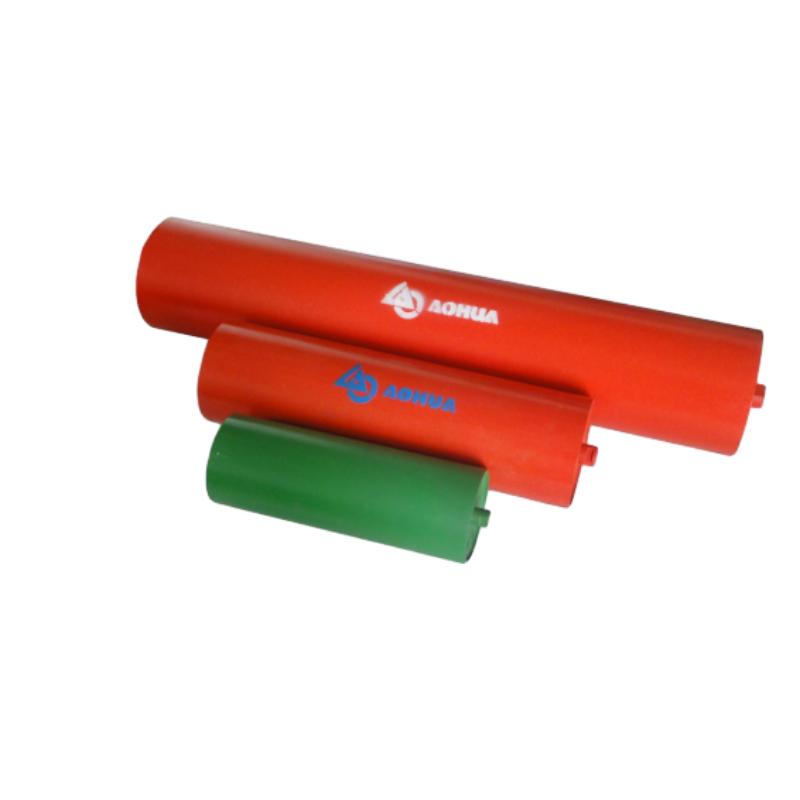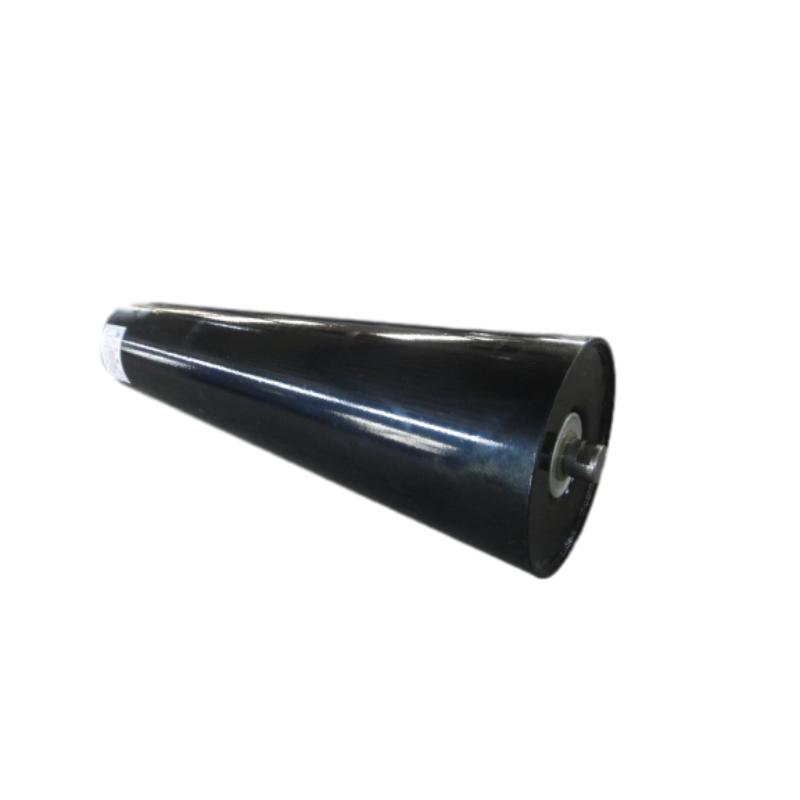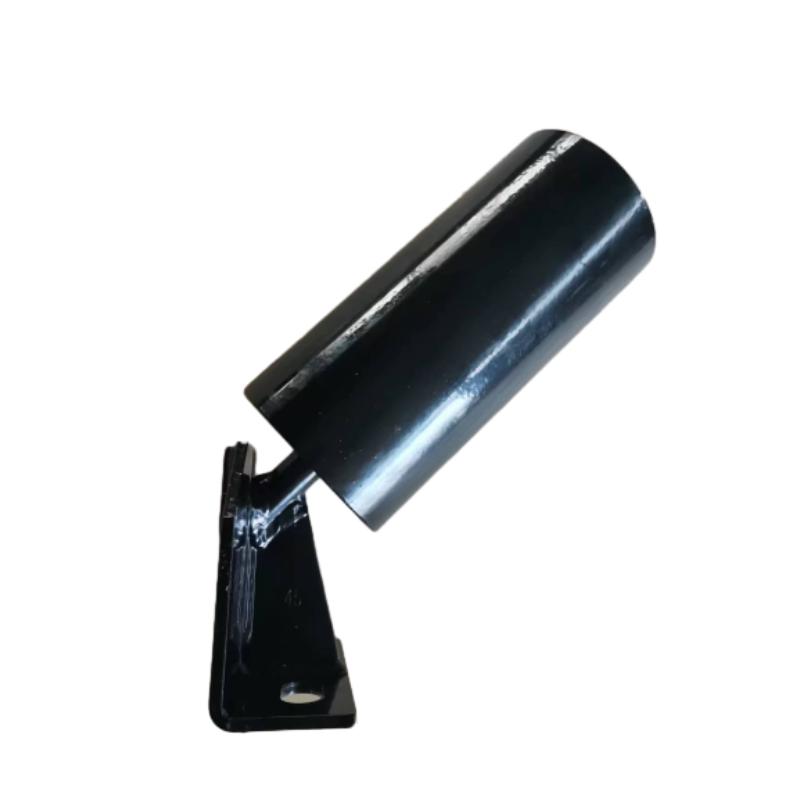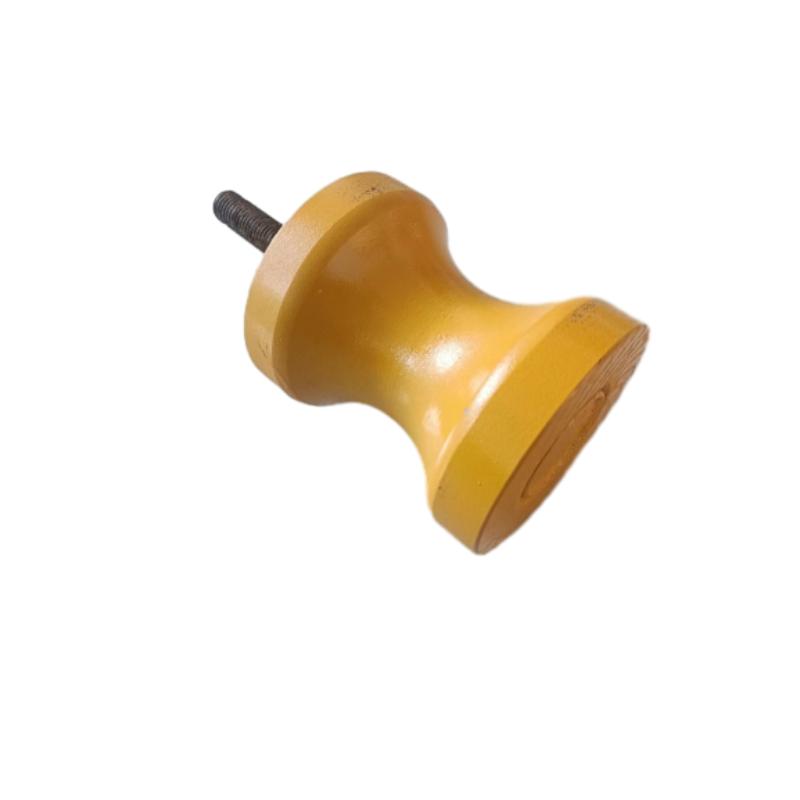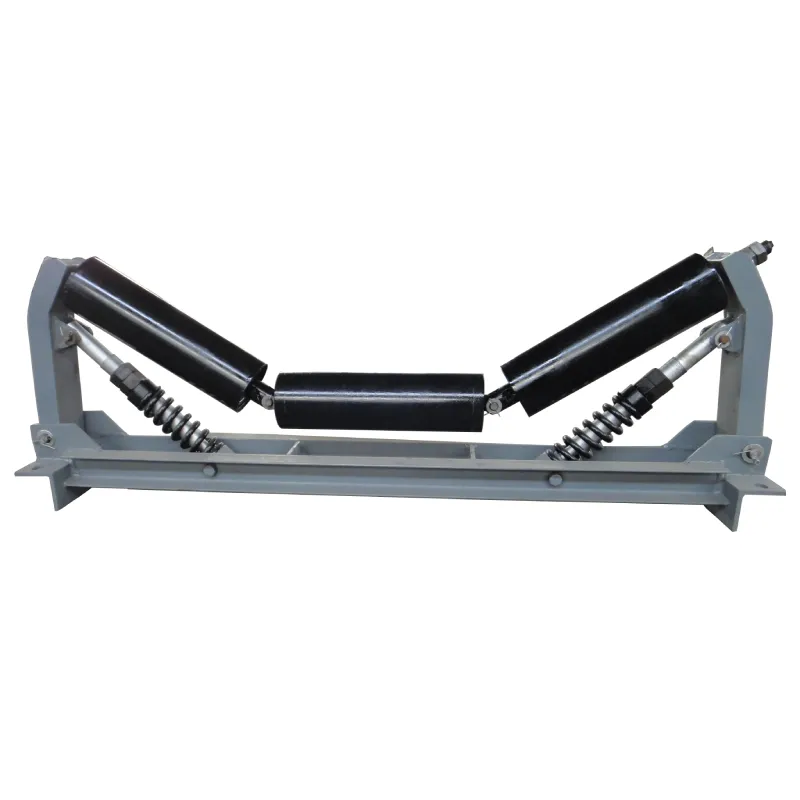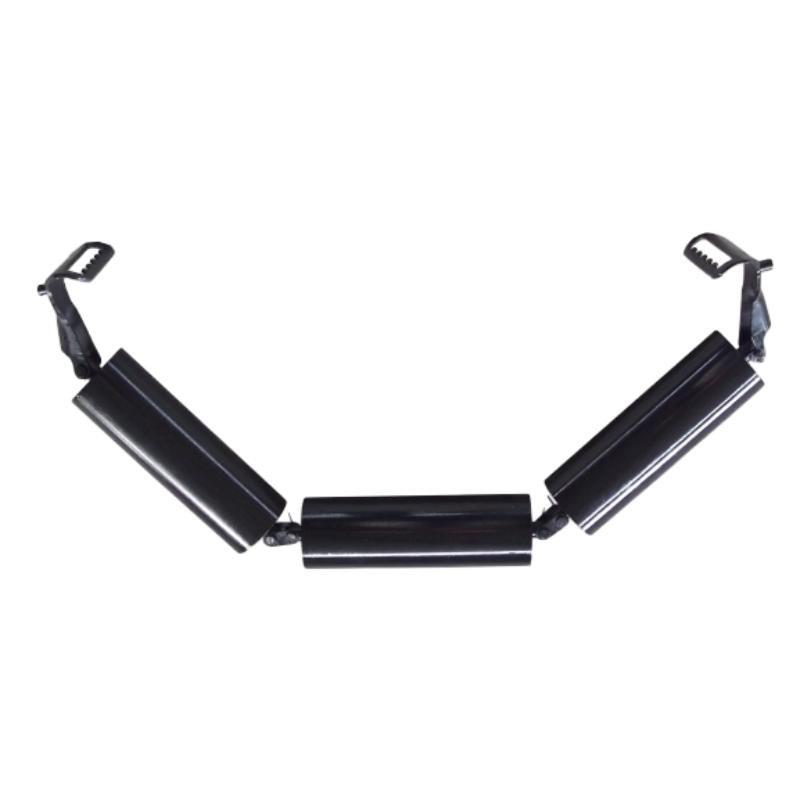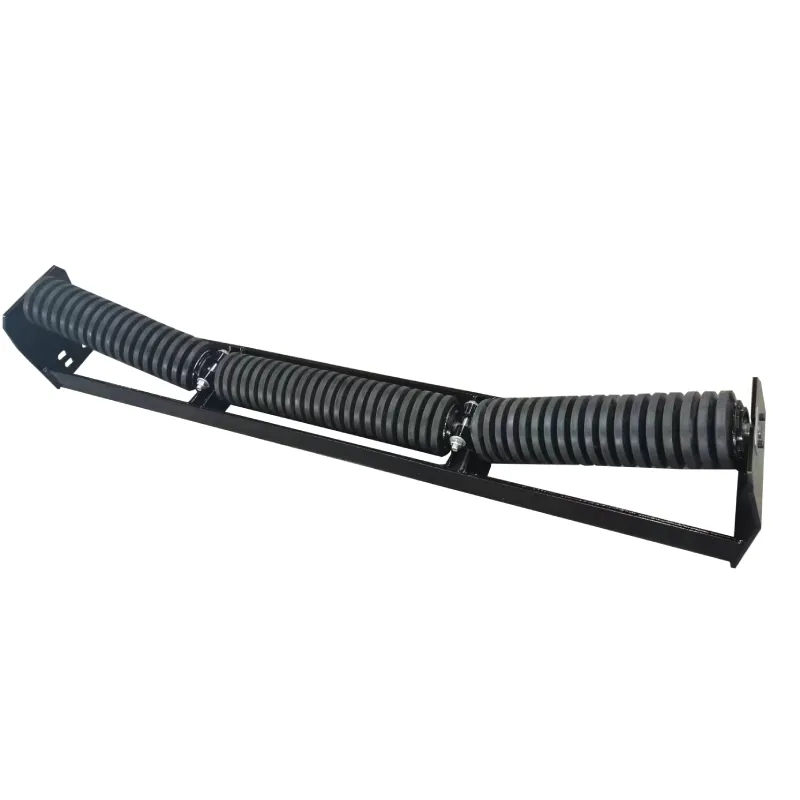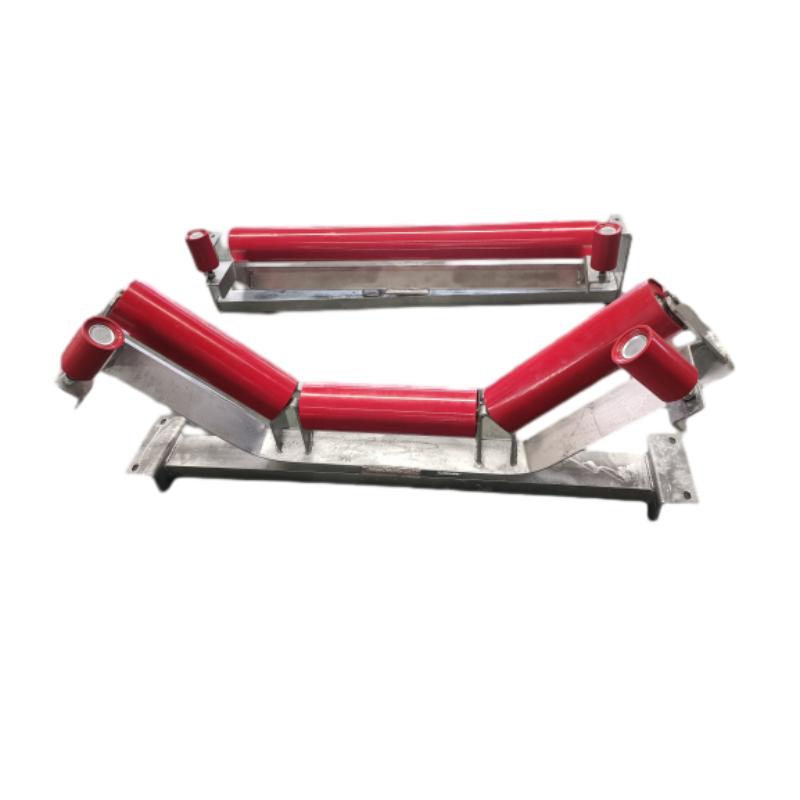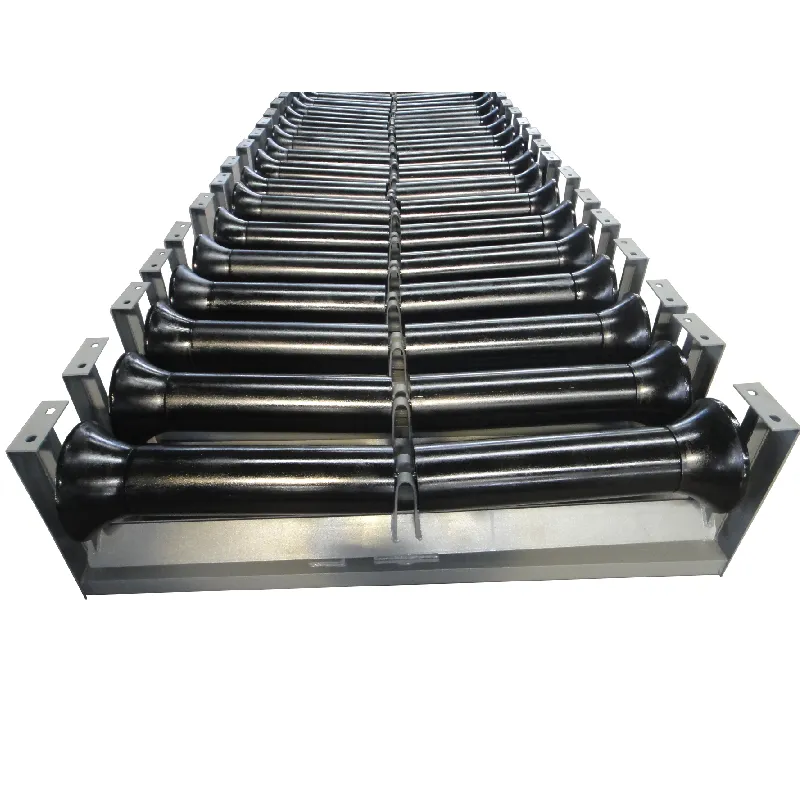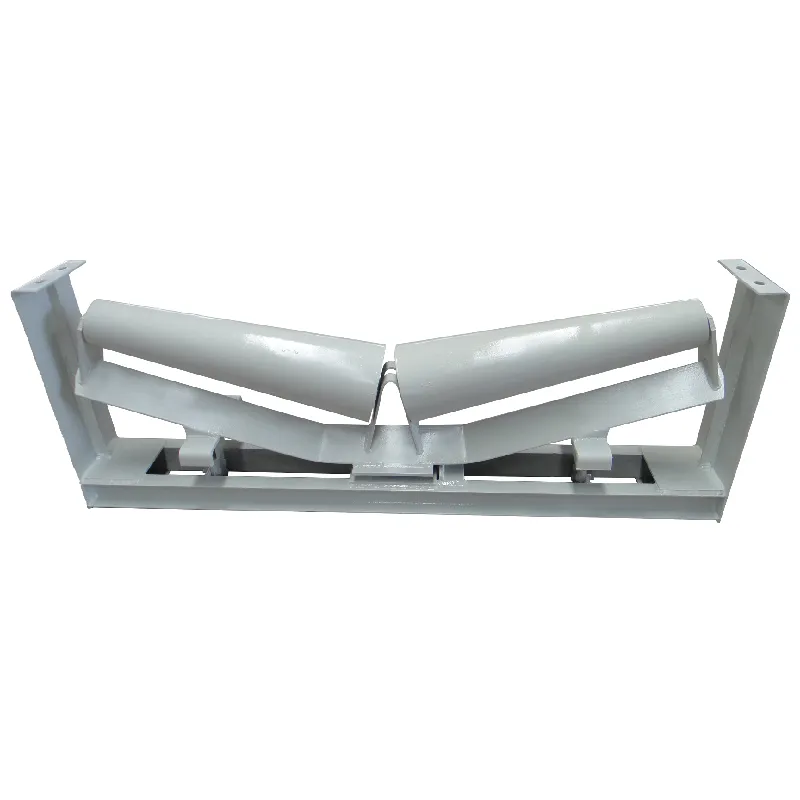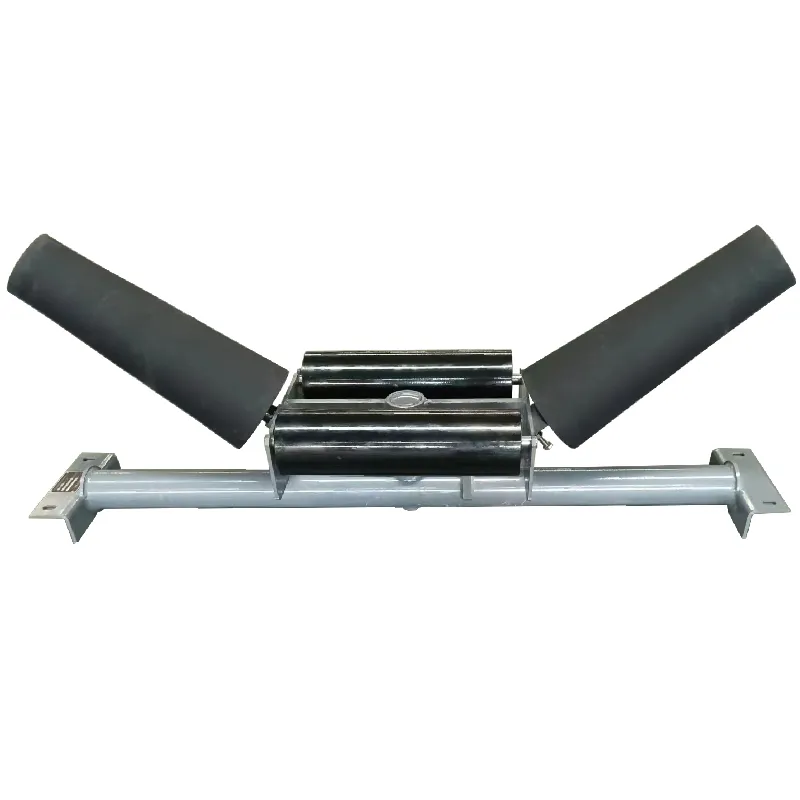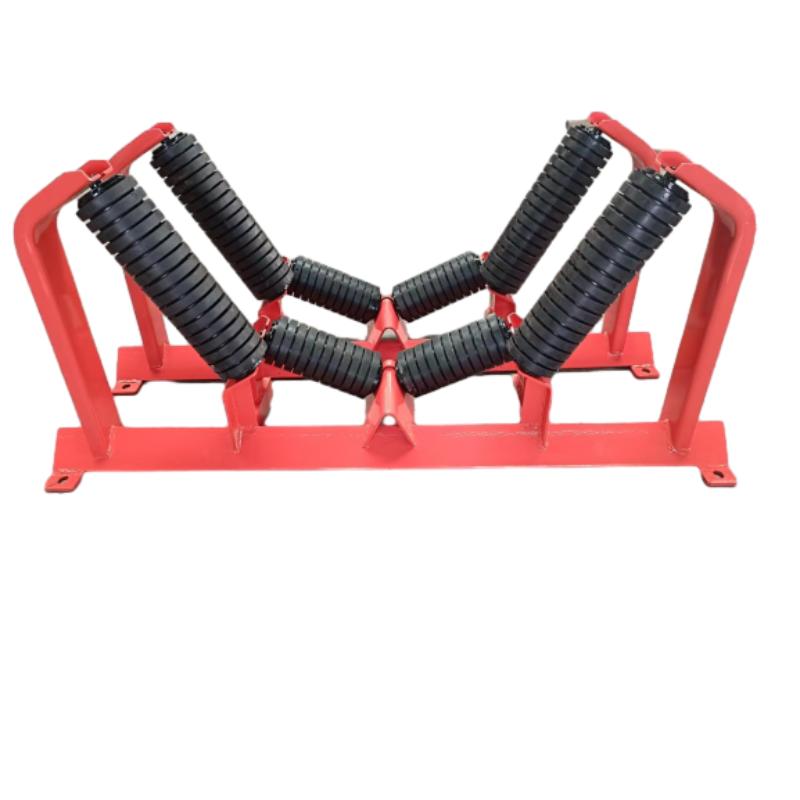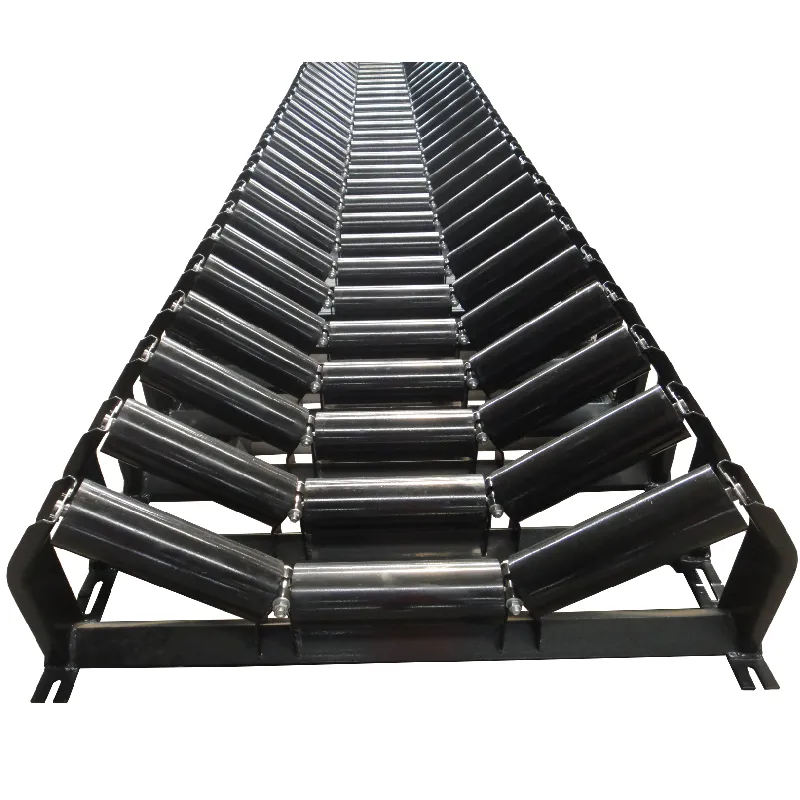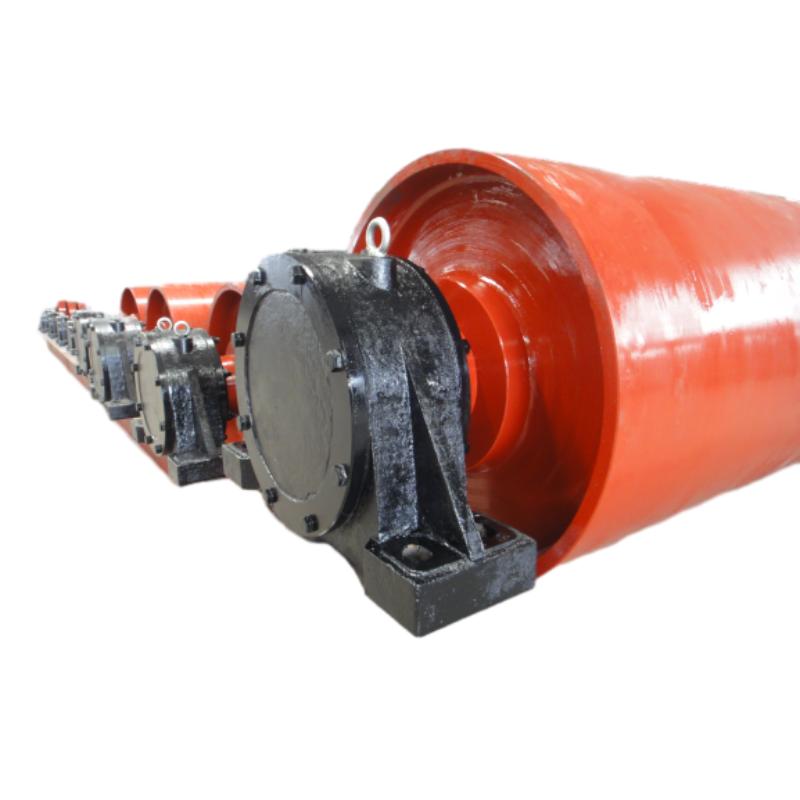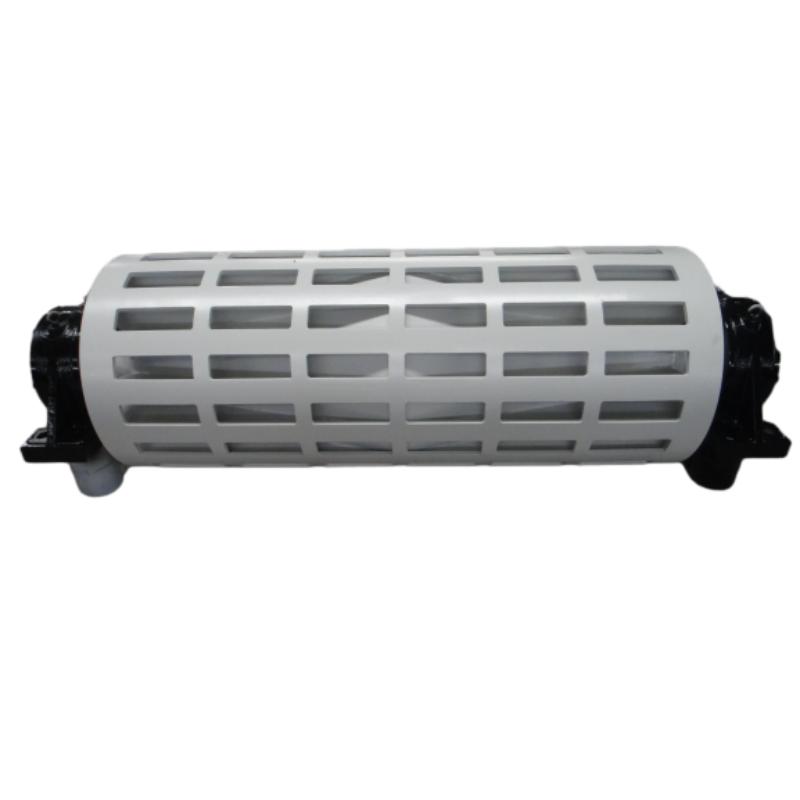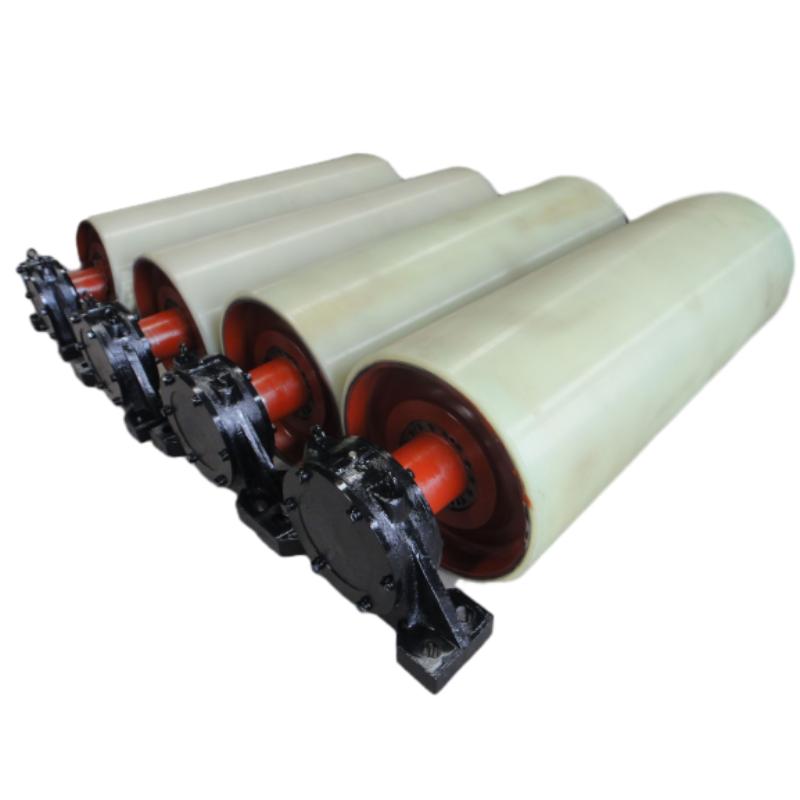


Polyurethane Drive Rollers – Durable, Efficient Solutions for Industrial Conveyors
Polyurethane Drive Rollers: The Unsung Heroes of Modern Industry
Ever paused to wonder what keeps conveyor belts humming smoothly in factories, warehouses, or airports? Polyurethane drive rollers play a pivotal role, and though they’re rarely in the spotlight, their impact is global and multifaceted. Understanding these seemingly simple mechanical components can unlock insights into efficiency, sustainability, and technological innovation across sectors.
At their core, polyurethane drive rollers help move goods and materials reliably—whether it's sorting parcels, transporting raw materials, or serving intricate production lines. And in today’s fast-paced world, mastering their design and application can make a significant difference in cost-saving and environmental impact.
Mini takeaway: Polyurethane drive rollers are critical industrial components that enhance efficiency and sustainability worldwide, deserving a closer look.
The Global Footprint of Polyurethane Drive Rollers
Manufacturing, logistics, and processing industries are the backbone of global trade—and polyurethane drive rollers are essential cogs in these heavy machinery ecosystems. According to the World Bank, global manufacturing accounts for roughly 16% of world GDP, and within that vast network, material handling efficiency can make or break operational costs.
But it’s not just about economics. ISO standards emphasize the importance of durability and safety for conveyor components, pushing innovation in roller materials. The challenge? Conventional rollers faced wear and tear relentless enough to cause frequent downtime, inefficient energy consumption, and frequent replacements—in short, headaches for operators worldwide.
Polyurethane solutions emerged as an answer. Thanks to their toughness and unique physical properties, they help reduce operational hiccups and push industries to new heights of reliability.
Mini takeaway: Polyurethane drive rollers resolve critical industry challenges such as wear, downtime, and efficiency, enabling global manufacturing and logistics to run smoother.
What Exactly Are Polyurethane Drive Rollers?
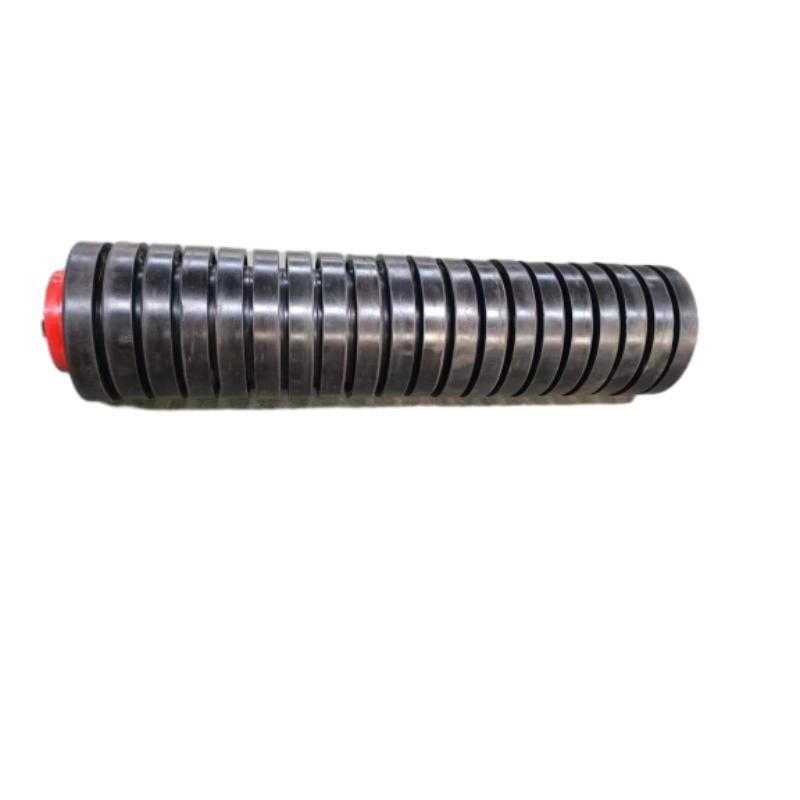
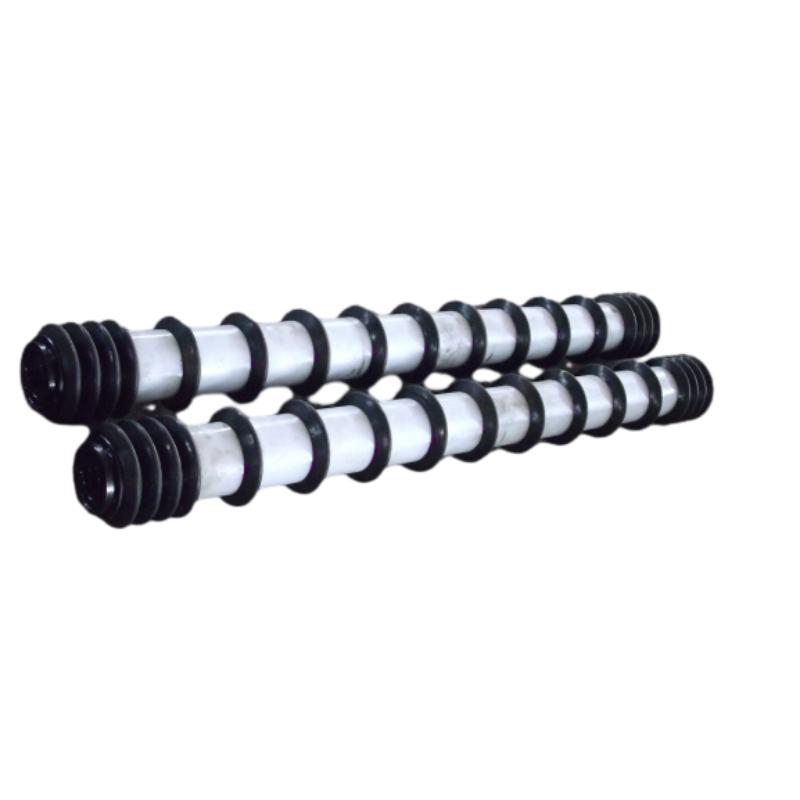
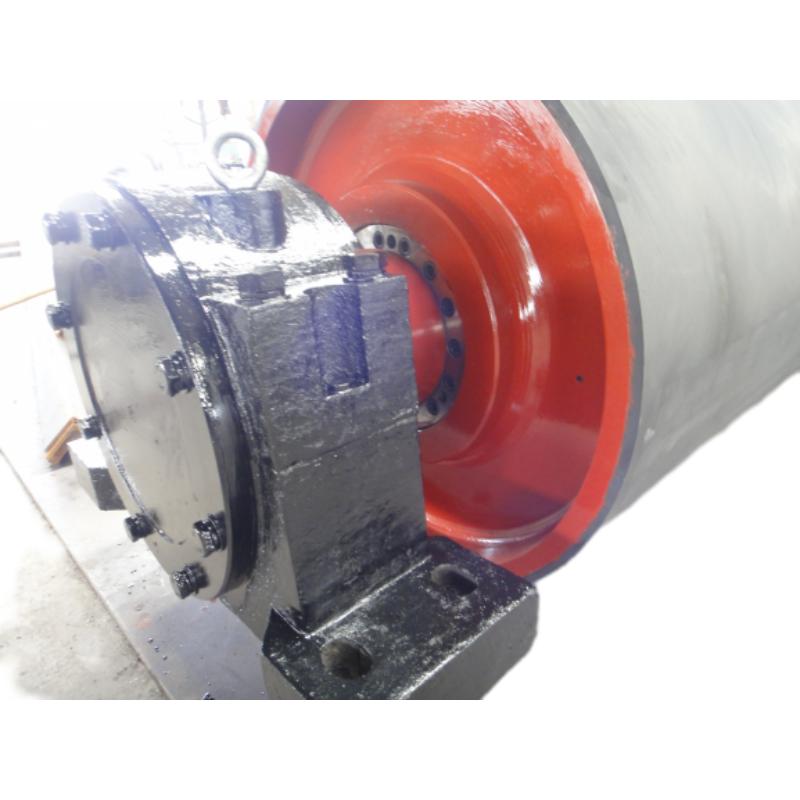
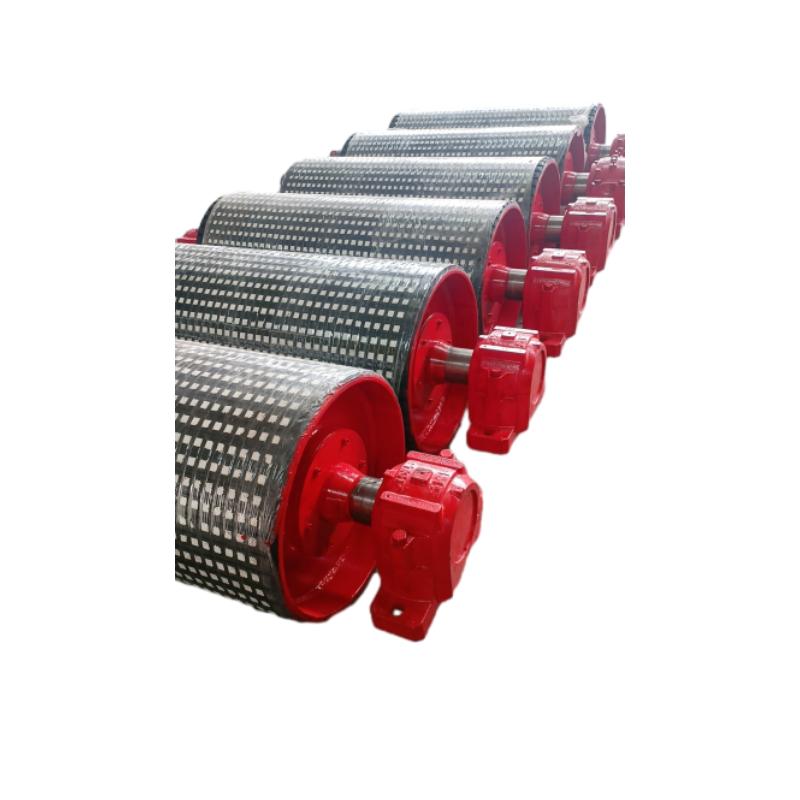
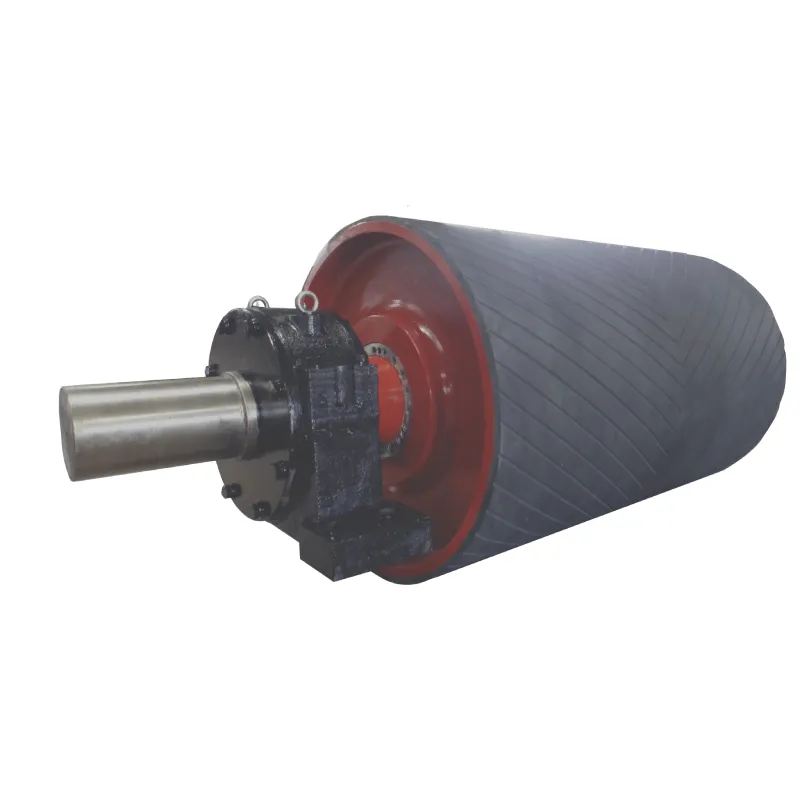
Simply put, these rollers are cylindrical components covered or constructed from polyurethane—a versatile elastomer known for its toughness and elasticity—that transmit mechanical force to move conveyor belts. Unlike metal or rubber rollers alone, polyurethane combines resilience to both physical stress and chemical damage.
Their significance can’t be overstated: in modern automated systems or humanitarian logistics, these rollers ensure the non-stop flow of goods or relief supplies. It’s no exaggeration to say they support complex supply chains and even disaster-response operations where reliability is paramount.
Key Features That Make Polyurethane Drive Rollers Stand Out
Durability & Wear Resistance
Polyurethane’s molecular structure allows it to endure abrasive materials, resist cuts, and avoid deformation. For example, in mining conveyor belts moving rough ores, these rollers can last months longer than rubber alternatives.
Energy Efficiency
Thanks to lower friction coefficients, polyurethane rollers reduce the motor’s workload, subtly lowering power consumption. Over thousands of operating hours, that adds up to meaningful savings.
Customization & Scalability
They come in various hardness grades and sizes, customizable to convey light packages or heavy industrial loads. This flexibility caters well to sectors from e-commerce warehouses to automotive assembly lines.
Chemical & Environmental Resistance
Resisting oils, solvents, and UV exposure means these rollers maintain performance in harsh outdoor conditions or chemical plants without rapid degradation.
Low Noise Operation
Not a headline feature, but polyurethane rollers produce less noise than metal ones—something appreciated in indoor facilities looking to improve worker comfort.
Mini takeaway: Polyurethane drive rollers pack durability, energy savings, customization, and chemical resistance in one package ideal for varied industrial uses.
Global Applications: From Industry to Humanitarian Aid
You’ll find these rollers across continents and industries:
- Europe & North America: Automotive factories use them in high-speed lines to transport parts smoothly. Warehouses rely on them for automated sorting freeing human labor.
- Asia-Pacific: Electronics manufacturing plants benefit from precise, contamination-resistant rollers.
- Africa & Latin America: Agricultural processing often demands rollers that handle organic materials with durability despite exposure to moisture and dirt.
- Humanitarian Efforts: In disaster zones like post-flood relief operations, conveyors equipped with these rollers help swiftly move supplies—speed and reliability can literally save lives.
One case study showed a Southeast Asian textile plant reduced maintenance downtime by 40% after switching to polyurethane rollers, boosting overall yields.
Advantages & The Long-Term Value of Polyurethane Drive Rollers
The benefits run well beyond the obvious:
- Cost-effectiveness: Though upfront costs might be slightly higher, longer lifespan plus reduced energy and maintenance translate to lower total cost of ownership.
- Sustainability: Improved durability means fewer replacements and less waste. Also, many polyurethanes can be formulated to be recyclable or bio-based.
- Safety & Trust: Smoother operation reduces accidents from belt slippage or sudden stoppages—both vital in busy factory floors.
- Innovation: As industries automate, dependable materials like polyurethane rollers become critical components within smart factory ecosystems.
Oddly enough, when you think how something so small can influence productivity, worker safety, and environmental impact over years, it feels almost poetic.
Looking Ahead: Innovations Shaping the Future of Polyurethane Drive Rollers
Emerging trends include:
- Green Materials: Research into bio-based polyurethanes promises rollers with reduced carbon footprints.
- Smart Rollers: Embedded sensors to monitor wear and temperature, feeding data into predictive maintenance systems.
- Enhanced Coatings: New surface treatments improve resistance to even harsher chemicals and extreme temperatures.
- Customization via 3D Printing: Rapid prototyping and tailored designs reduce downtime and lead times.
Digital transformation isn’t just for software; it goes all the way down to the rollers.
Challenges and How Industry Leaders Are Tackling Them
No solution is perfect, of course. Polyurethane rollers sometimes face:
- Initial Cost Barrier: Smaller companies may hesitate to invest upfront.
- Specialized Maintenance: Requires informed technicians to replace or maintain correctly.
- Environmental Limits: Extreme cold can sometimes stiffen polyurethane unexpectedly.
Innovations like modular roller systems and training programs help reduce these obstacles. Plus, partnerships with vendors offering tailored warranties add confidence.
Product Specification Table: Typical Polyurethane Drive Roller Specs
| Specification | Typical Value | Notes |
|---|---|---|
| Diameter | 50 mm - 220 mm | Varies by load and belt type |
| Length | 100 mm - 1200 mm+ | Customizable to conveyer width |
| Shore Hardness | 75A - 95A | Balances flexibility and wear |
| Max Operating Temp | -30°C to 80°C | Depends on polyurethane formulation |
| Load Capacity | Up to 3000 N | Based on diameter and core material |
Vendor Comparison: Leading Suppliers of Polyurethane Drive Rollers
| Vendor | Product Range | Customization | Warranty | Lead Times |
|---|---|---|---|---|
| RollTech Inc. | Standard & custom rollers | High – tailored hardness & size | 24 months | 4-6 weeks |
| PolyRoll Solutions | Focus on food-grade rollers | Medium – limited shapes | 18 months | 3-5 weeks |
| EcoMotion Ltd. | Eco-friendly & recycled material rollers | High – customizable formulations | 12 months | 6-8 weeks |
FAQs About Polyurethane Drive Rollers
Q1: How do polyurethane drive rollers compare to rubber ones in lifespan?
A: Polyurethane rollers typically last 1.5 to 3 times longer than rubber under comparable conditions, thanks to their superior abrasion and chemical resistance. This means fewer replacements and less downtime, which many facility managers appreciate.
Q2: Can polyurethane rollers be used in food processing environments?
A: Absolutely. Many polyurethane grades meet FDA and EU food safety standards, making them suitable for conveyor belts in food packaging and processing, especially when coated with food-safe formulations.
Q3: What maintenance is required to keep these rollers in good shape?
A: Routine inspections for wear, cleaning to avoid residue buildup, and lubrication of bearings are standard. Polyurethane’s durability generally reduces frequency, but proper care extends service life drastically.
Q4: Are customized roller sizes expensive or available on short notice?
A: Custom sizes can slightly increase costs depending on complexity, but most suppliers offer flexible production runs. Shorter lead times are possible with larger orders or local manufacturing partnerships.
Q5: How environmentally friendly are polyurethane drive rollers?
A: While historically petroleum-based, advances in biopolymer polyurethanes and recycling methods are making these rollers greener. Choosing eco-certified vendors enhances sustainability profiles.
Wrapping Up: Why Polyurethane Drive Rollers Matter Now and Tomorrow
In a world increasingly driven by automation, sustainability, and efficiency, polyurethane drive rollers quietly pave the way. Their blend of strength, adaptability, and eco-conscious potential means they’ll keep powering industries and humanitarian efforts with reliability and care. If you’re looking to upgrade or innovate, diving deeper into the options of these rollers could well be the nudge your operations need.
Curious to learn more or find the right polyurethane drive roller for your project? Visit us at https://www.idleraohua.com – because every great machine deserves a great roller underneath.
References:
1. ISO 5048:2007 Conveyor Belts — Guidelines for Drive Rollers;
2. World Bank, Global Manufacturing Data, 2023;
3. Wikipedia contributors, "Polyurethane," Wikipedia, The Free Encyclopedia,
https://en.wikipedia.org/wiki/Polyurethane
-
Maximize Conveyor Life with a High Performance impact bedNewsApr.16,2026
-
Maximize Conveyor Efficiency Using a v plow belt scraperNewsApr.09,2026
-
Comprehensive Guide to Understanding Different Types of Belt CleanersNewsApr.07,2026
-
Enhancing Conveyor Efficiency with an Effective Scraper Belt CleanerNewsApr.04,2026
-
Optimizing Conveyor Systems with Advanced Cleaning Equipment SolutionsNewsMar.31,2026
-
Effective Conveyor Belt Scraper Adjustment for Optimal System PerformanceNewsMar.28,2026