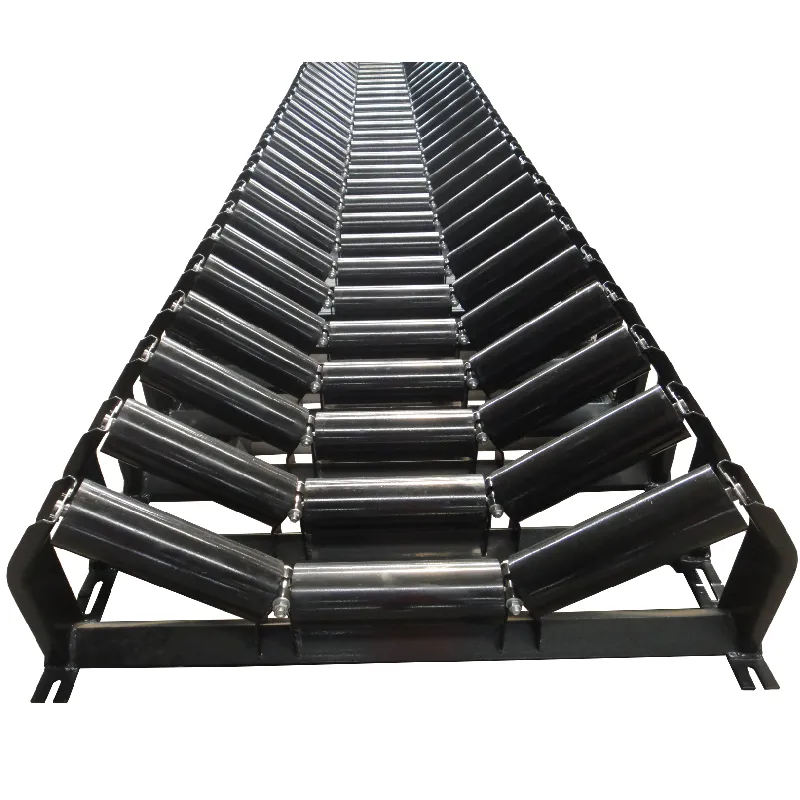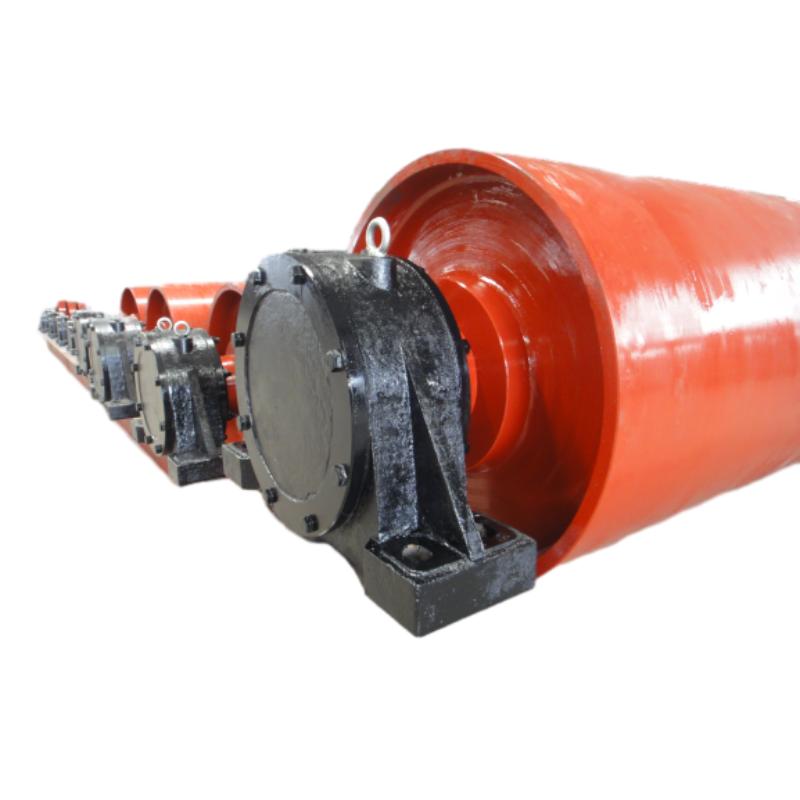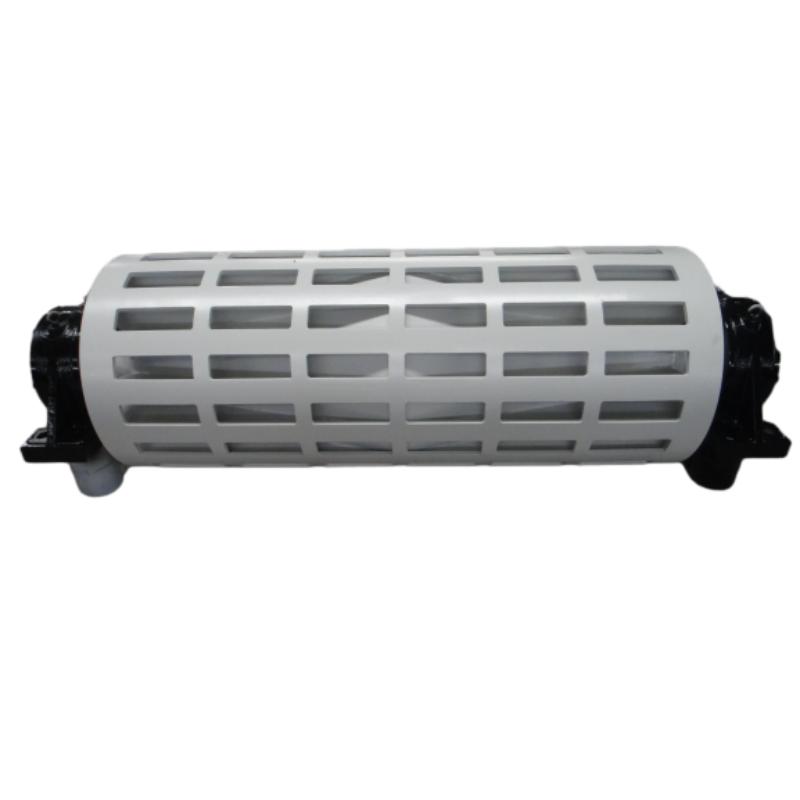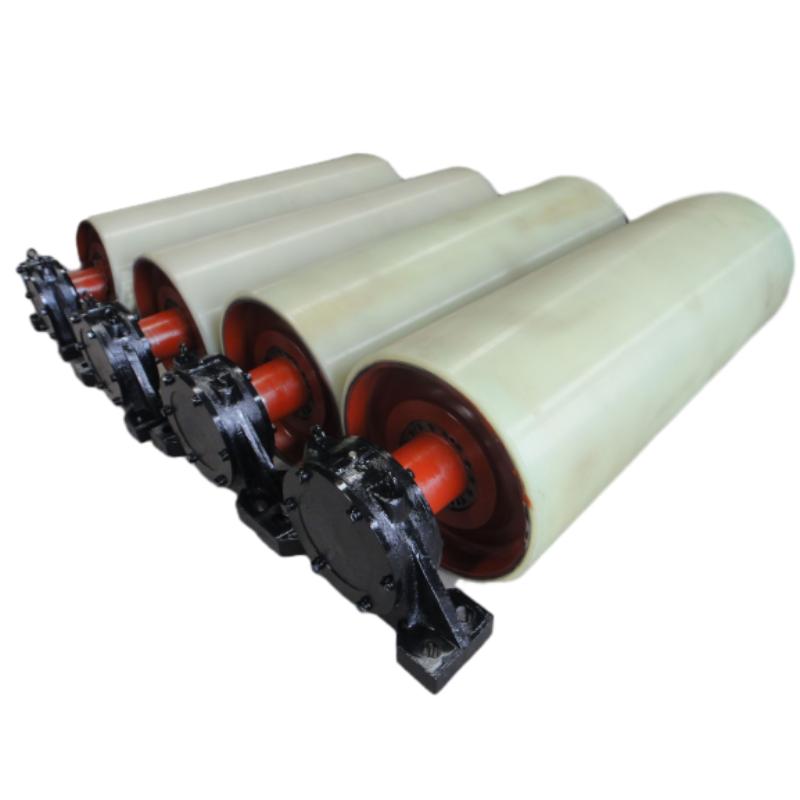


Polyurethane Conveyor Rollers – Durable & Efficient Solutions for Industrial Conveyors
Polyurethane Conveyor Rollers are a key solution in the industry, specifically within material handling and manufacturing sectors. This article explores how https://www.idleraohua.com supports professionals with durable, high-performance products, and explains why this product is an ideal choice for businesses in these sectors.
Table of Contents
- Polyurethane Conveyor Rollers Overview
- Benefits & Use Cases of Polyurethane Conveyor Rollers
- Cost, Maintenance & User Experience
- Sustainability & Market Trends
Polyurethane Conveyor Rollers Overview
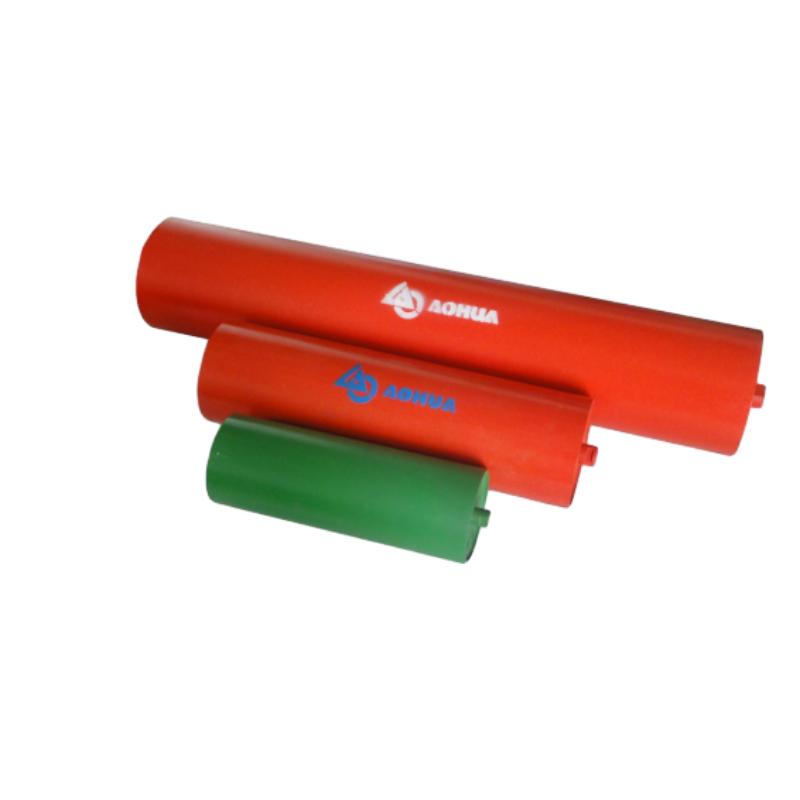
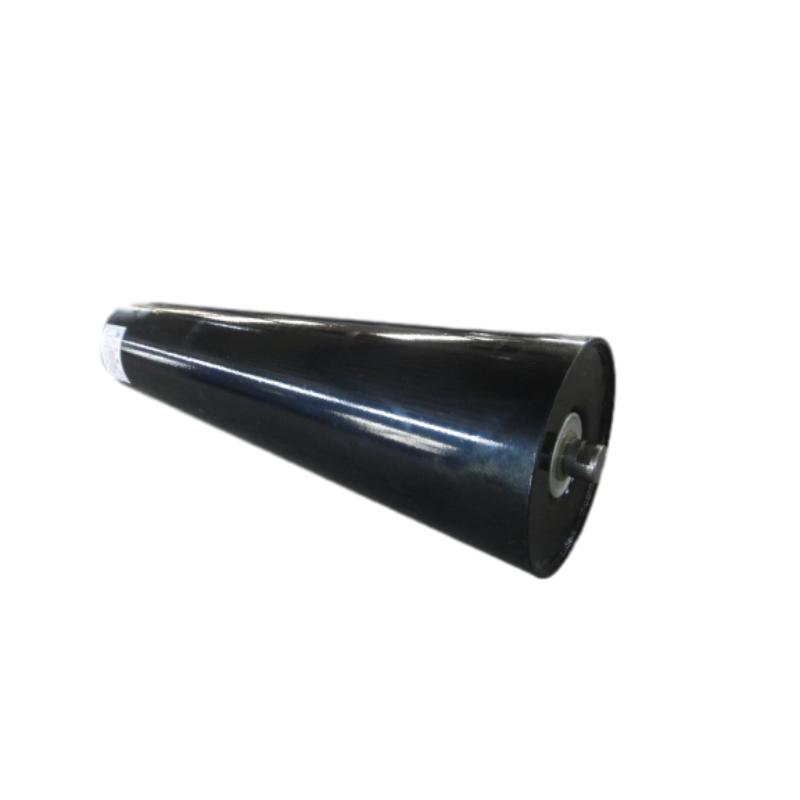
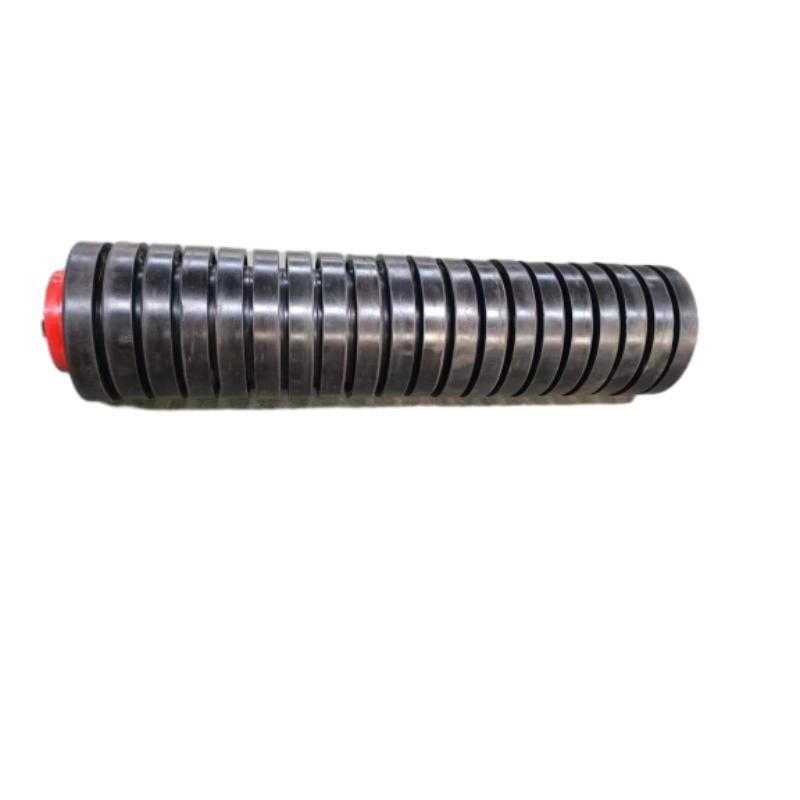
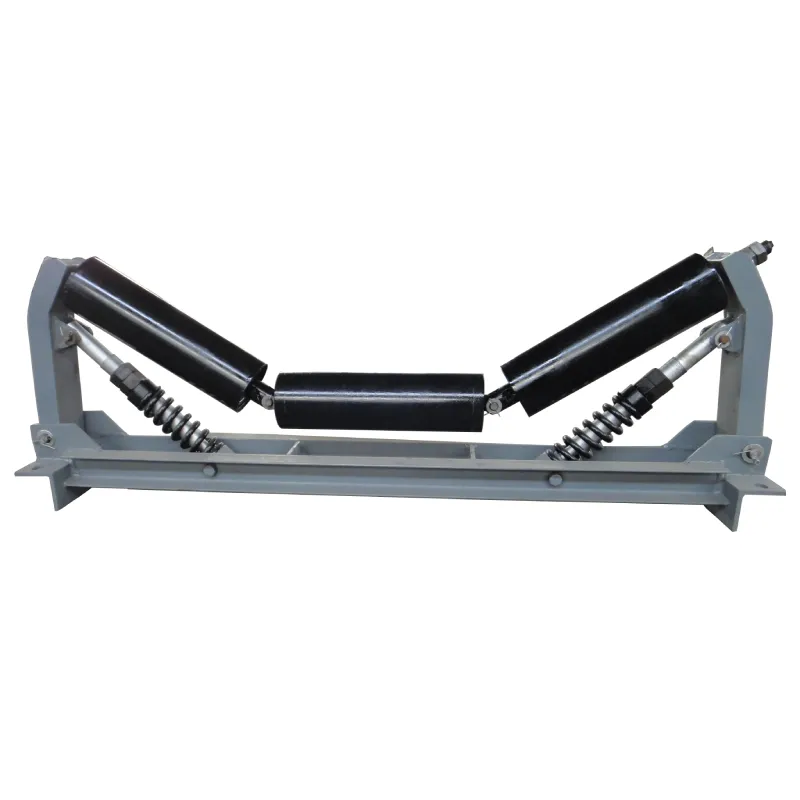
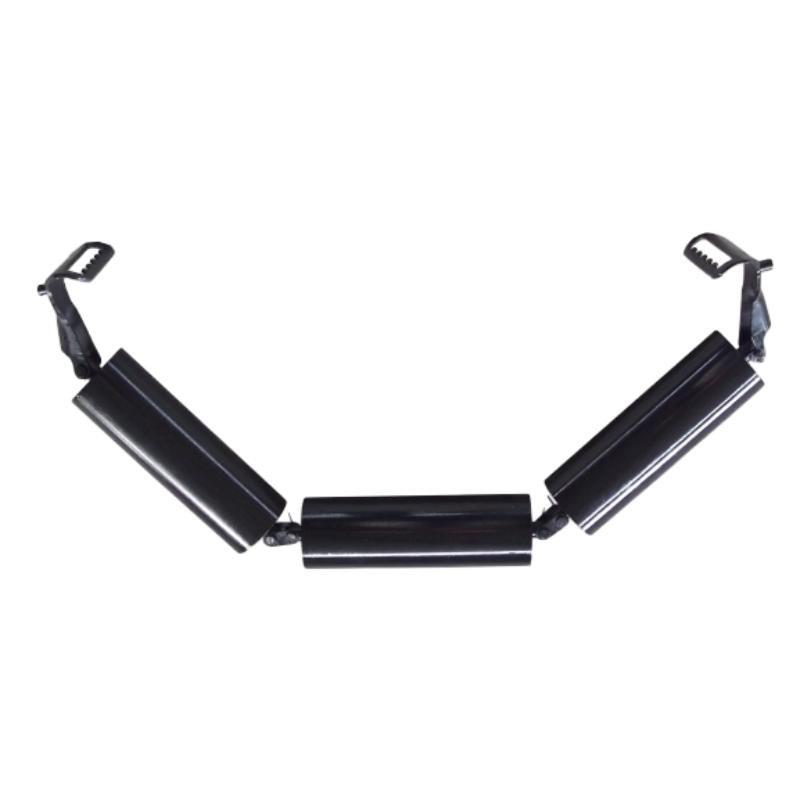
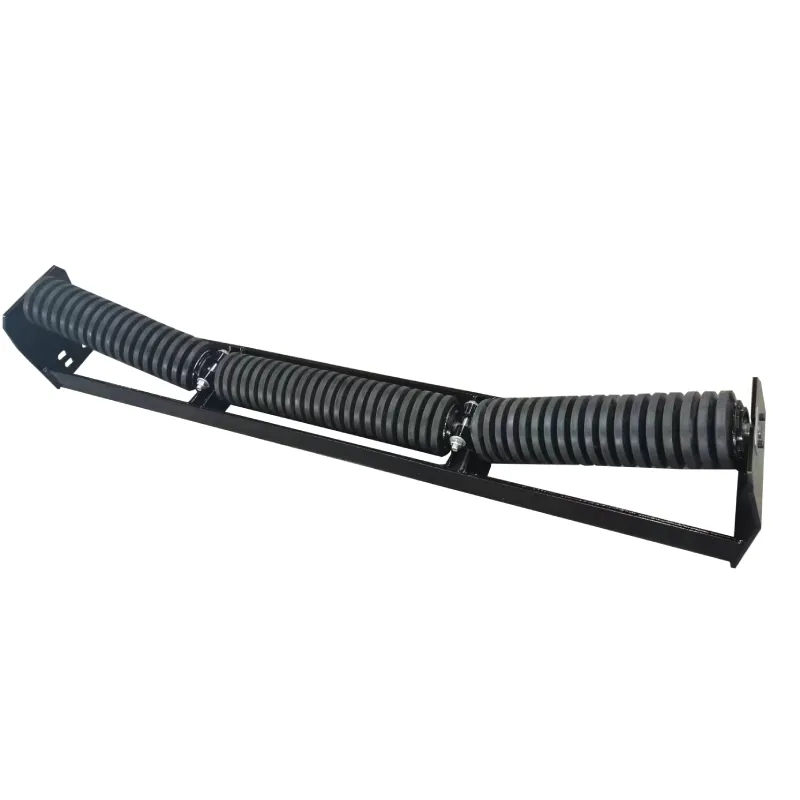
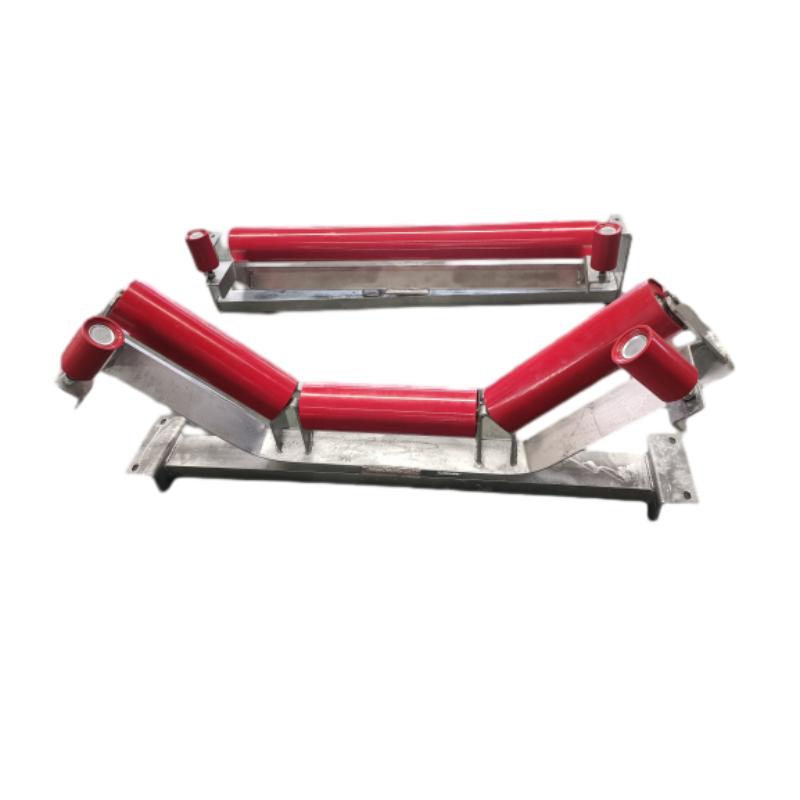
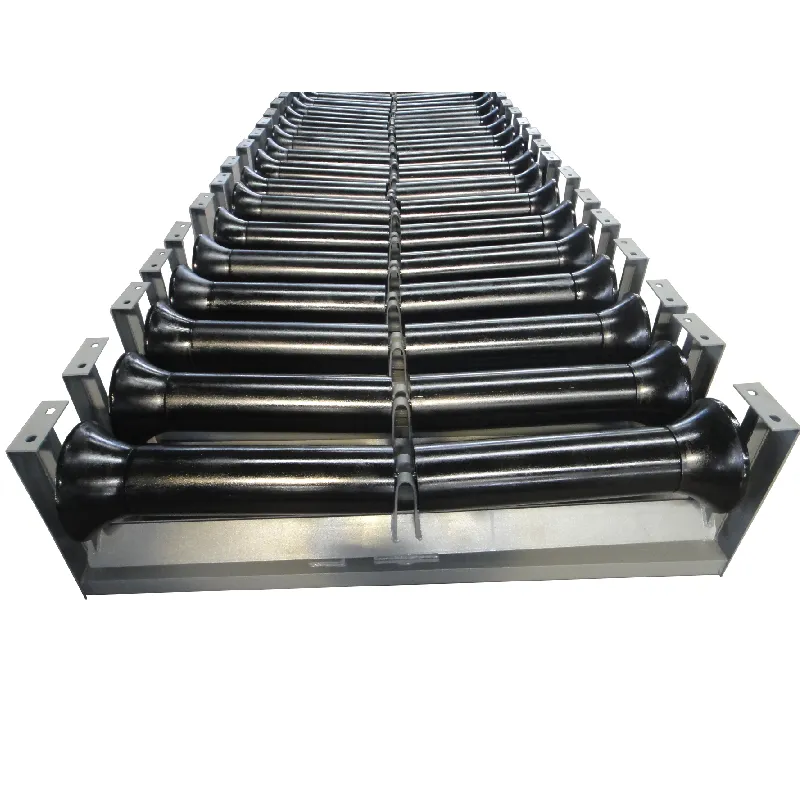
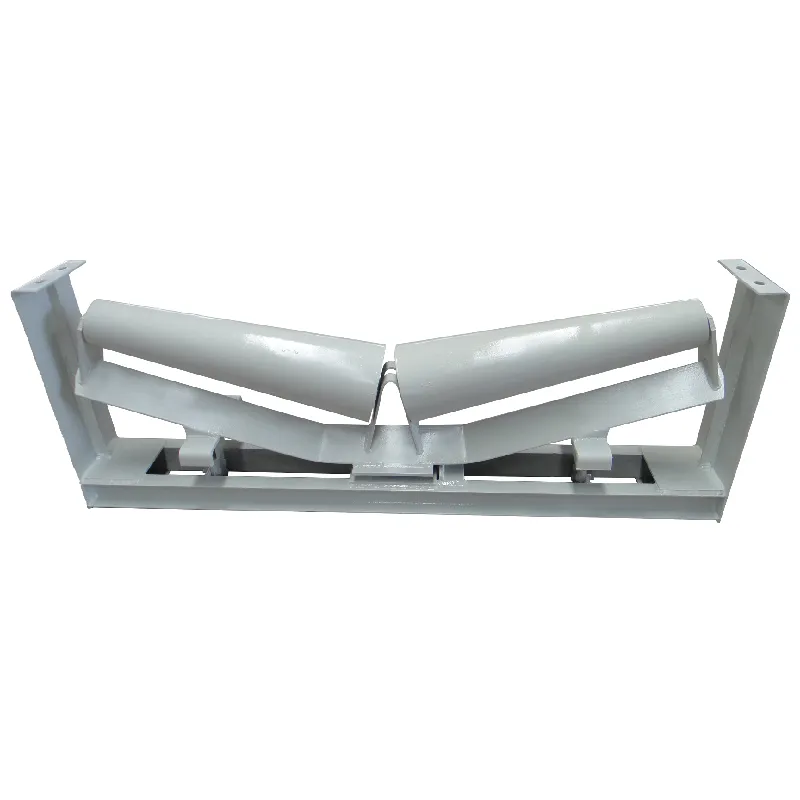
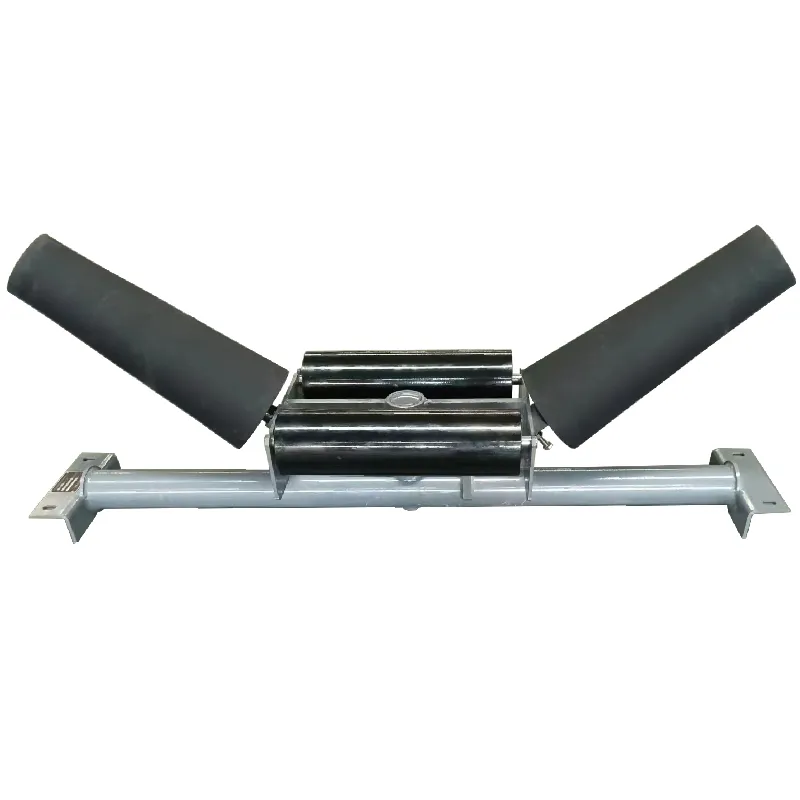
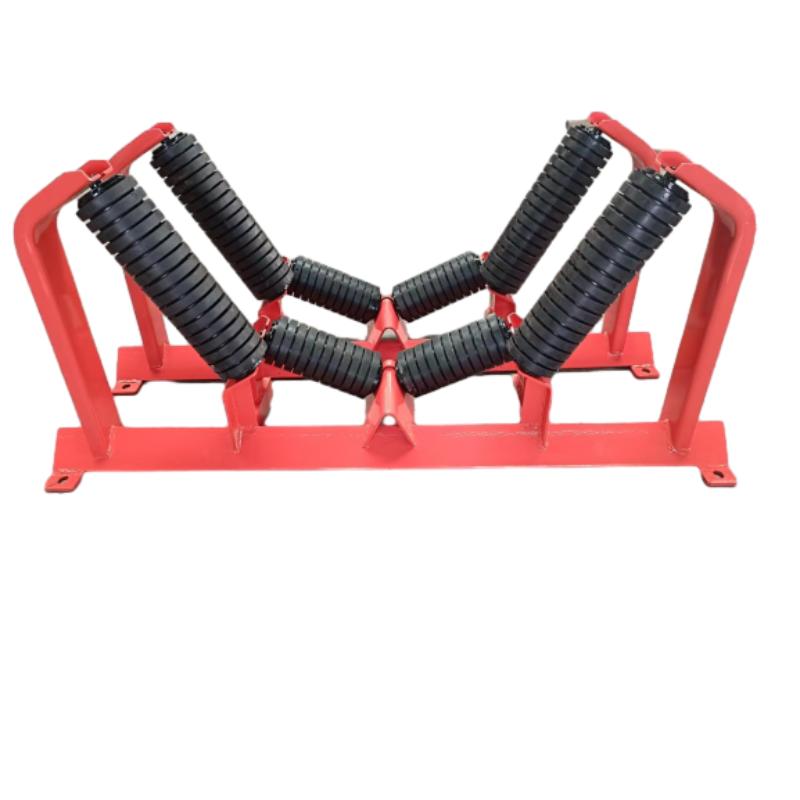
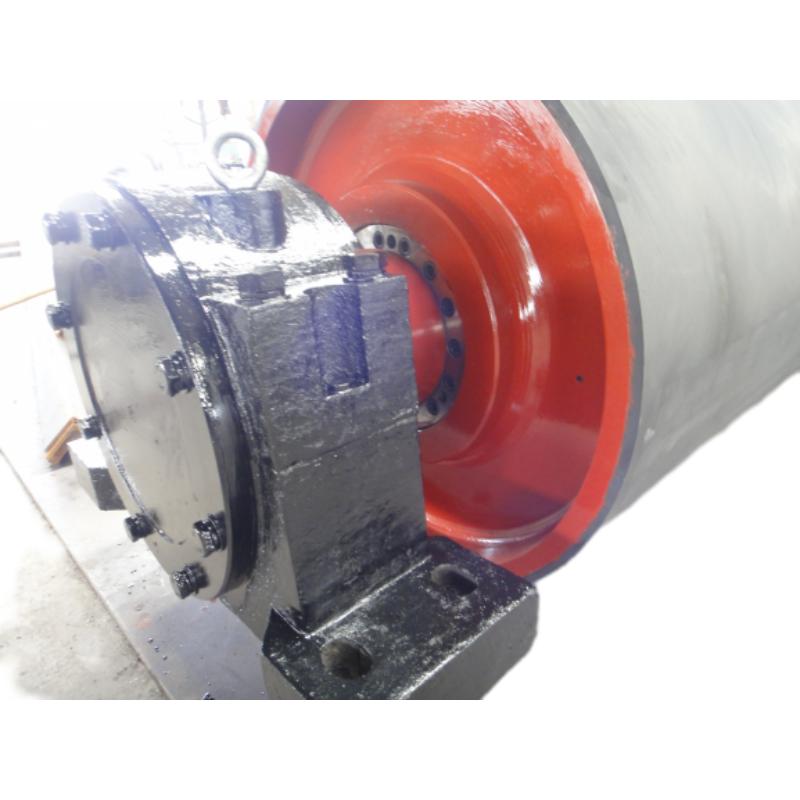
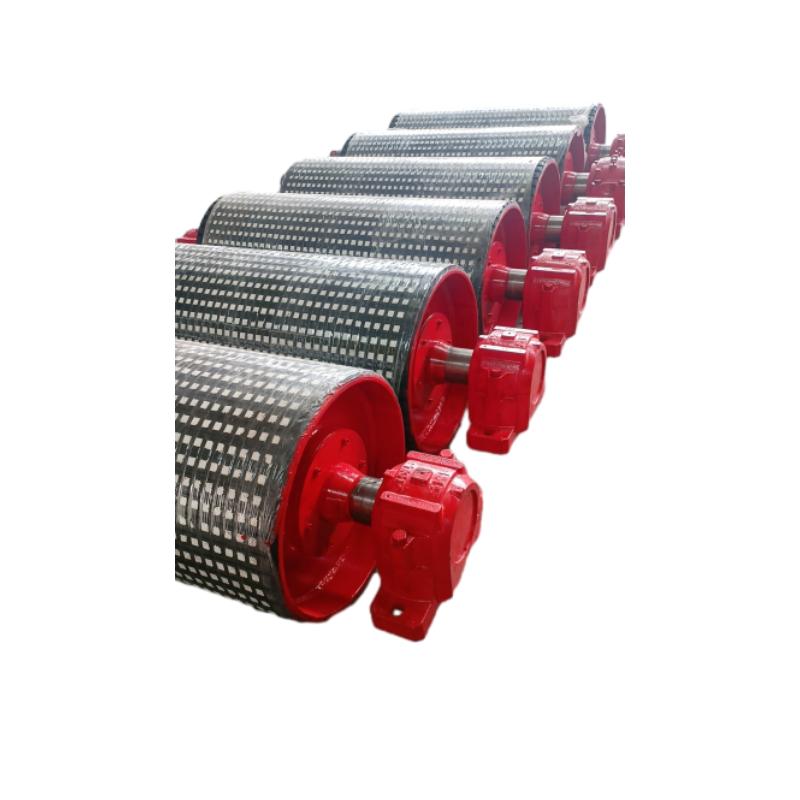
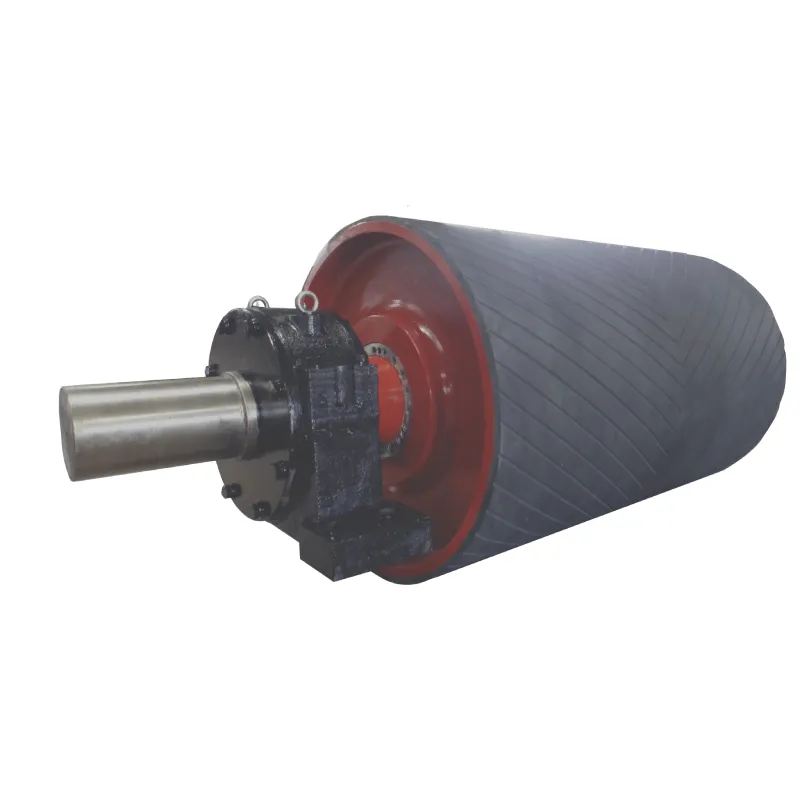
At their core, polyurethane conveyor rollers are specialized rollers coated or constructed with a polyurethane material to enhance durability, grip, and resistance to wear. They play a pivotal role in conveyor systems — those unseen but crucial machines moving goods across warehouses, factories, and distribution centers. What’s fascinating is how this polyurethane coating offers resistance against chemicals, abrasion, and noise, factors that can otherwise degrade or disrupt operation. For instance, companies dealing with food packaging or automotive parts rely heavily on rollers that won’t degrade quickly or cause contamination.
- Made mainly from a rigid metal core with a polyurethane outer layer, these rollers come in diameters ranging from 50mm up to 200mm and lengths tailored to conveyer width.
- A case study from an electronics manufacturer using polyurethane rollers reported a 30% reduction in downtime and a visible drop in noise pollution on their lines.
Benefits & Use Cases of Polyurethane Conveyor Rollers
I suppose many B2B decision makers find the benefits particularly compelling—these rollers significantly extend conveyor lifespan because polyurethane resists cracking and impact far better than rubber or bare metal rollers. They also improve grip on conveyed materials, which means fewer product jams and higher throughput.
- Industries like food processing, automotive assembly, and logistics see gains in both speed and reliability.
- The rollers' chemical resistance allows them to withstand harsh cleaning agents required in hygiene-sensitive operations.
- Competitive advantage comes from reduced downtime, quieter operation, and less need for costly replacements.
| Specification | Details |
|---|---|
| Material | High-grade polyurethane on steel core |
| Diameter Range | 50mm - 200mm |
| Length | Customizable (up to 1500mm) |
| Hardness | Shore A 70-95 (typical) |
| Operating Temperature | -40°C to +90°C |
Cost, Maintenance & User Experience
If you’re thinking about the total cost of ownership, polyurethane conveyor rollers are quite sensible. Sure, the upfront cost can be a bit higher than standard rubber rollers, but they tend to outlast alternatives by a wide margin — which means less downtime, fewer replacements, and ultimately better ROI.
- Many customers note how maintenance intervals stretch longer due to polyurethane’s durability and less susceptibility to environmental damage.
- One logistics firm I heard from claimed their new polyurethane rollers cut noise in their warehouse by 40%, which oddly enough boosted employee satisfaction.
Sustainability & Market Trends
Sustainability is quite the buzzword these days — and for good reason. Polyurethane conveyor rollers, when produced responsibly, align pretty well with progressive manufacturing goals. Their long service life means less waste, and modern production techniques lower environmental impact.
- Regulations around workplace noise and chemical usage often favor the implementation of polyurethane rollers.
- Market research signals continued growth in sectors like e-commerce and food processing, where conveyor uptime and hygiene standards push demand higher for robust roller solutions.
| Feature | IDLER A (idleraohua.com) | Competitor X | Competitor Y |
|---|---|---|---|
| Customization | Wide range, tailored specs | Limited options | Standard sizes only |
| Lead Time | 2-3 weeks | 4-6 weeks | 3-5 weeks |
| Warranty | 2 years | 1 year | 1.5 years |
| Material Quality | Premium-grade polyurethane | Mid-grade | Basic grade |
Frequently Asked Questions about Polyurethane Conveyor Rollers
- What is Polyurethane Conveyor Rollers and how does it work?
- Put simply, these are rollers used in conveyor belts, with a polyurethane layer that provides extra toughness and grip compared to plain metal or rubber rollers. The polyurethane coating allows the roller to support and move a variety of goods smoothly while resisting wear, impacts, and chemicals.
- What are the main benefits of using Polyurethane Conveyor Rollers in industrial applications?
- Benefits include enhanced durability, reduced noise, improved product grip, chemical and abrasion resistance, and ultimately lower downtime and maintenance costs — all making them cost-effective and reliable in challenging conditions.
- How does Polyurethane Conveyor Rollers compare to traditional alternatives?
- Compared to rubber or metal rollers alone, polyurethane rollers last longer, handle heavier impacts, resist chemicals better, and operate quieter — an obvious upgrade for high-demand conveyor systems.
- What industries can benefit most from Polyurethane Conveyor Rollers implementation?
- Leading industries include food & beverage, automotive manufacturing, pharmaceuticals, logistics, and electronics assembly — basically anywhere products must move safely and efficiently on conveyors.
Conclusion on Polyurethane Conveyor Rollers from china
To sum up, Polyurethane Conveyor Rollers represent a smart investment for businesses looking to enhance conveyor reliability, boost efficiency, and reduce maintenance overhead. Their balance of durability, efficiency, and cost-effectiveness makes them a go-to for sectors demanding tough, high-performing components.
- IDLER Raohua’s range confidently supports these needs with tailored options and competitive lead times.
- Visit our website: https://www.idleraohua.com
Oddly enough, when you dig into the specs and user feedback, it feels like a product designed with real-world challenges in mind – clearly not your average conveyor roller.
- Industry case studies, IDLER Raohua customer reports, 2023.
- Material handling market analysis, 2023.
- Engineering durability studies, published journals 2022-23.
-
Maximize Conveyor Life with a High Performance impact bedNewsApr.16,2026
-
Maximize Conveyor Efficiency Using a v plow belt scraperNewsApr.09,2026
-
Comprehensive Guide to Understanding Different Types of Belt CleanersNewsApr.07,2026
-
Enhancing Conveyor Efficiency with an Effective Scraper Belt CleanerNewsApr.04,2026
-
Optimizing Conveyor Systems with Advanced Cleaning Equipment SolutionsNewsMar.31,2026
-
Effective Conveyor Belt Scraper Adjustment for Optimal System PerformanceNewsMar.28,2026