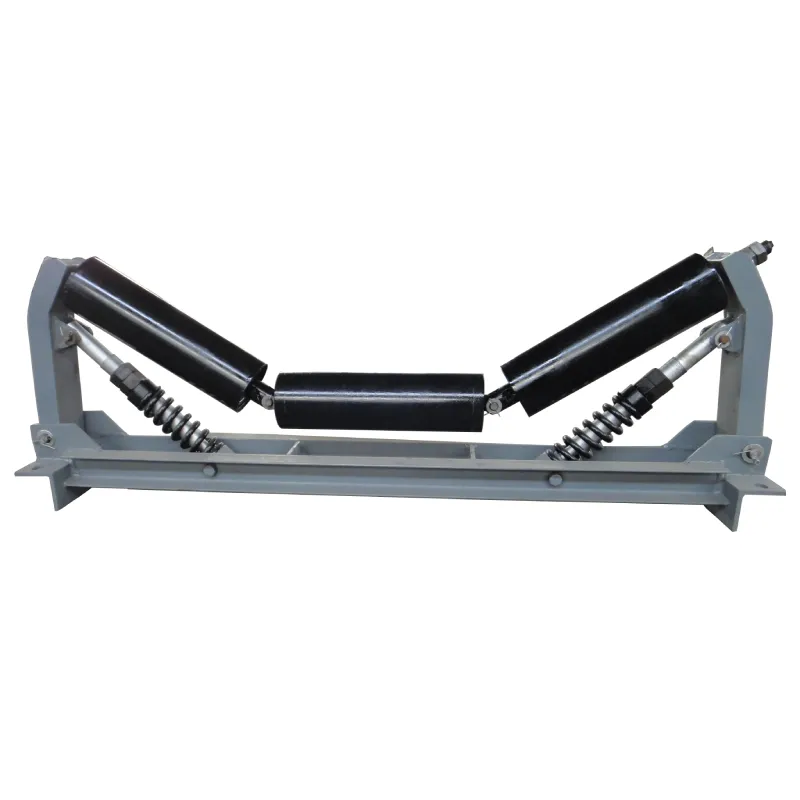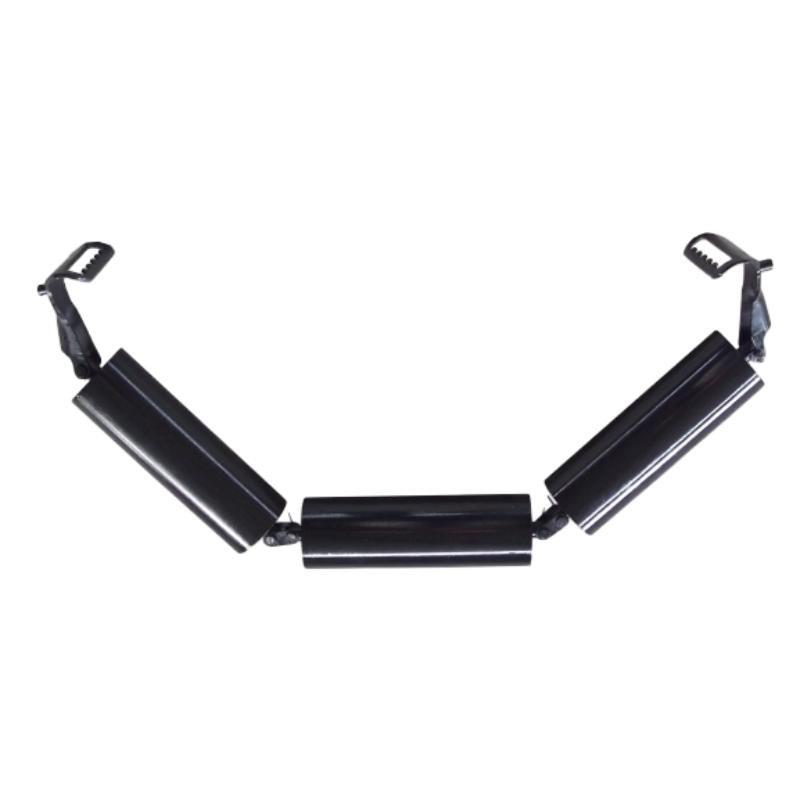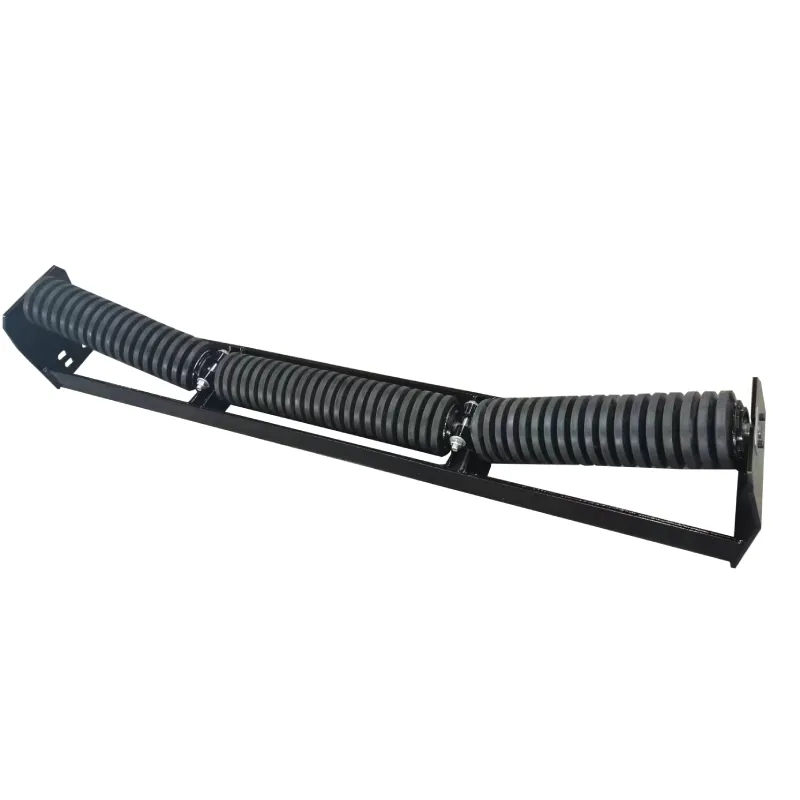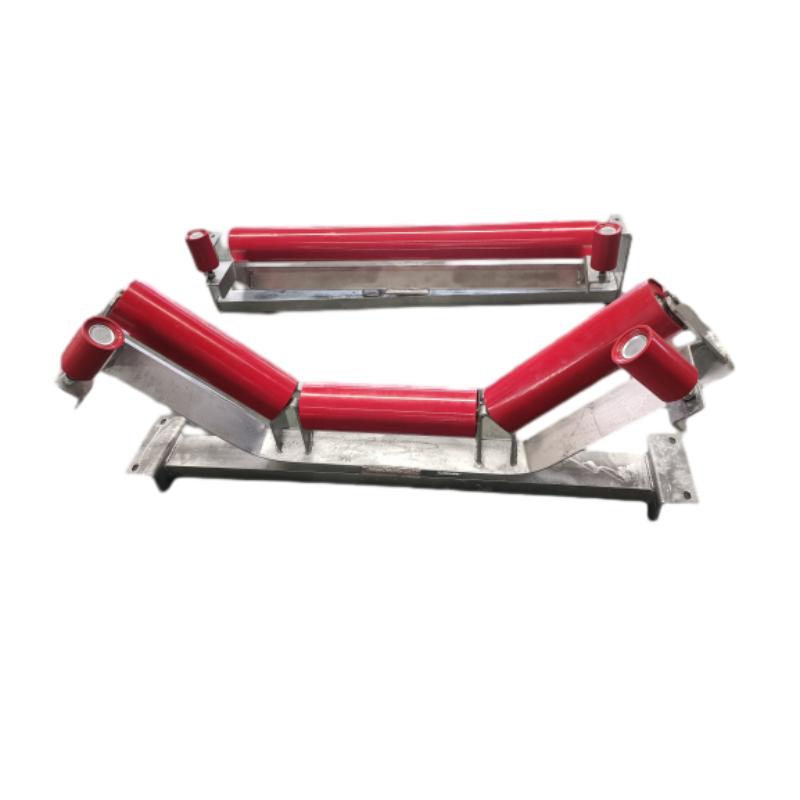


Polyurethane Coated Rollers – Durable, Sustainable Solutions for Modern Industry
Polyurethane Coated Rollers: The Unsung Heroes of Modern Industry
Polyurethane coated rollers might sound like something tucked away in a factory corner, but odds are they’re quietly powering a surprising amount of our everyday industry. Why does this matter? Because understanding these rollers unlocks a key to durability, efficiency, and sustainability in global manufacturing and beyond. They’re essential for countless conveyor systems, printing presses, and heavy machinery that drive the backbone of modern economies – and by extension, countless livelihoods worldwide.
Global Context: Why Polyurethane Coated Rollers Matter
In real terms, the manufacturing sector accounts for roughly 16% of global GDP, according to the World Bank — and a large chunk of that depends on smooth material handling equipment where rollers play a pivotal role. But here’s the challenge: traditional rollers made from steel or rubber can wear down quickly or damage delicate surfaces. Enter polyurethane coated rollers, which are engineered to tackle problems like abrasion, impact, and chemical exposure. They extend equipment life, cut maintenance costs, and improve productivity. With industries everywhere racing towards greener and more efficient tech, these rollers can’t be overlooked.
Learn more about polyurethane coated rollers here.What Are Polyurethane Coated Rollers?
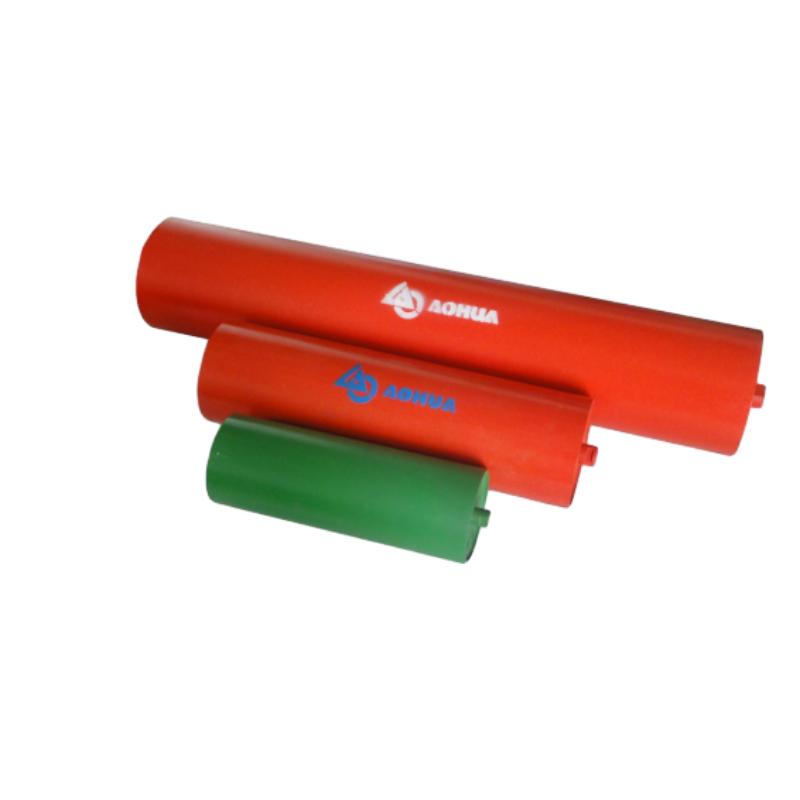
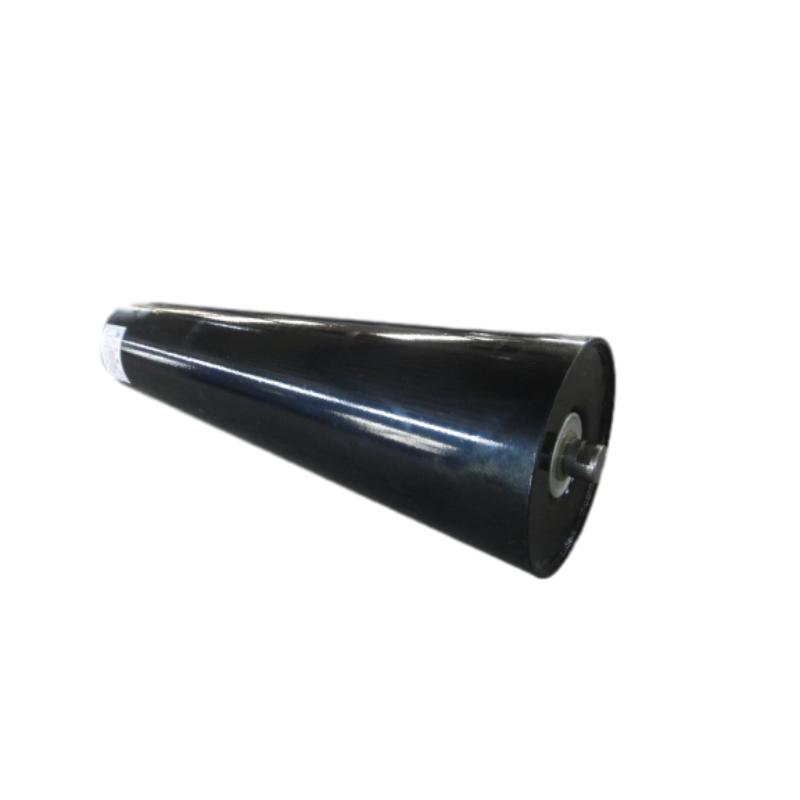
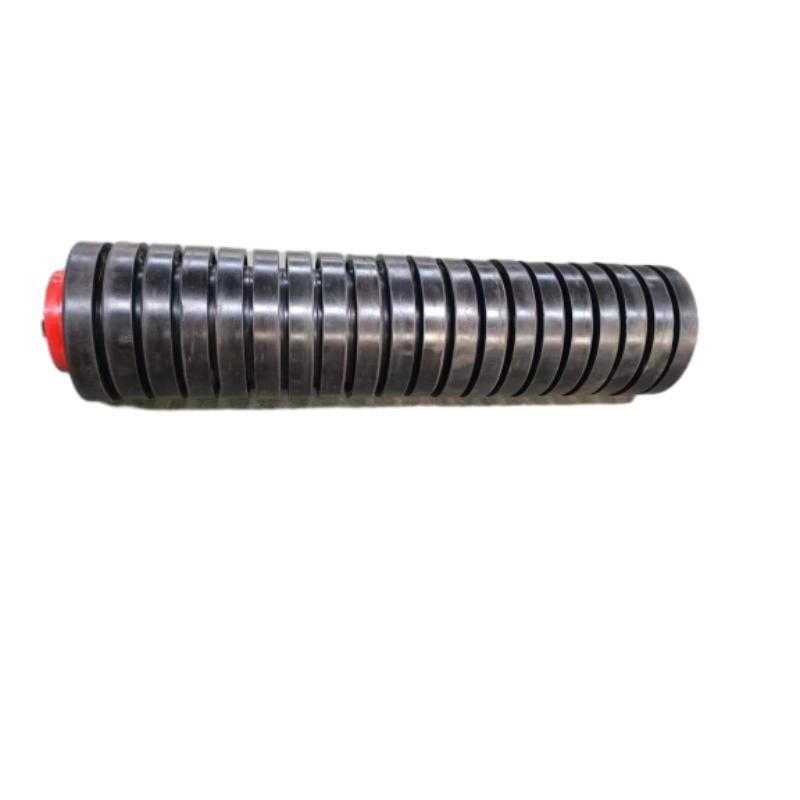
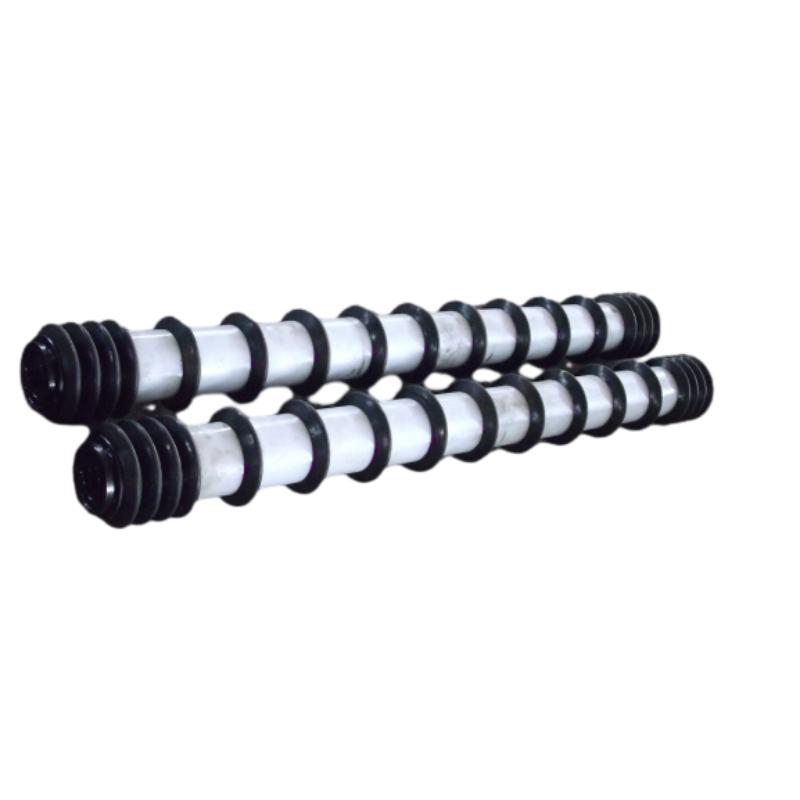
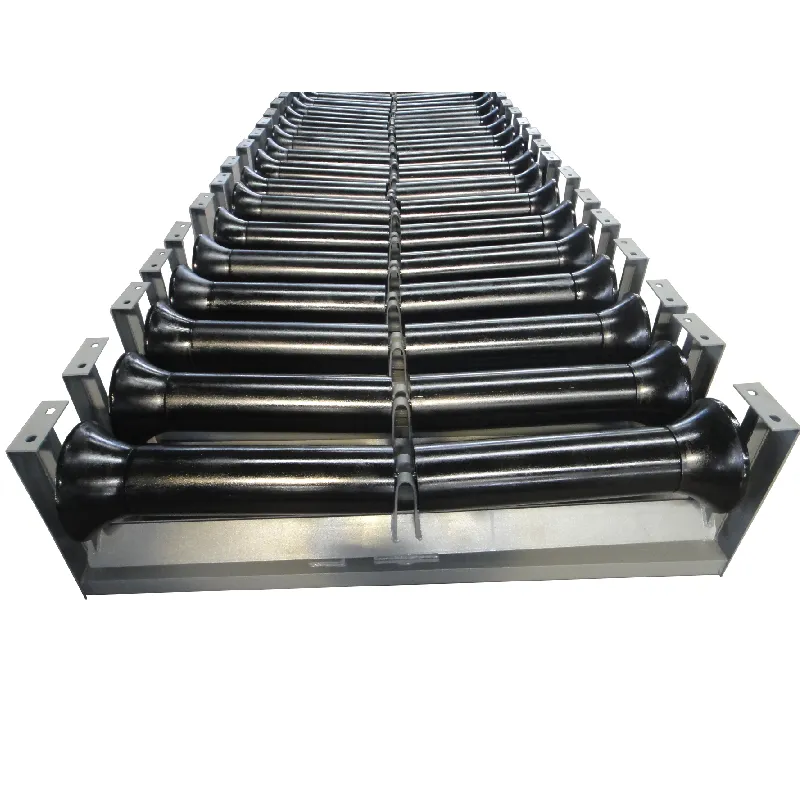
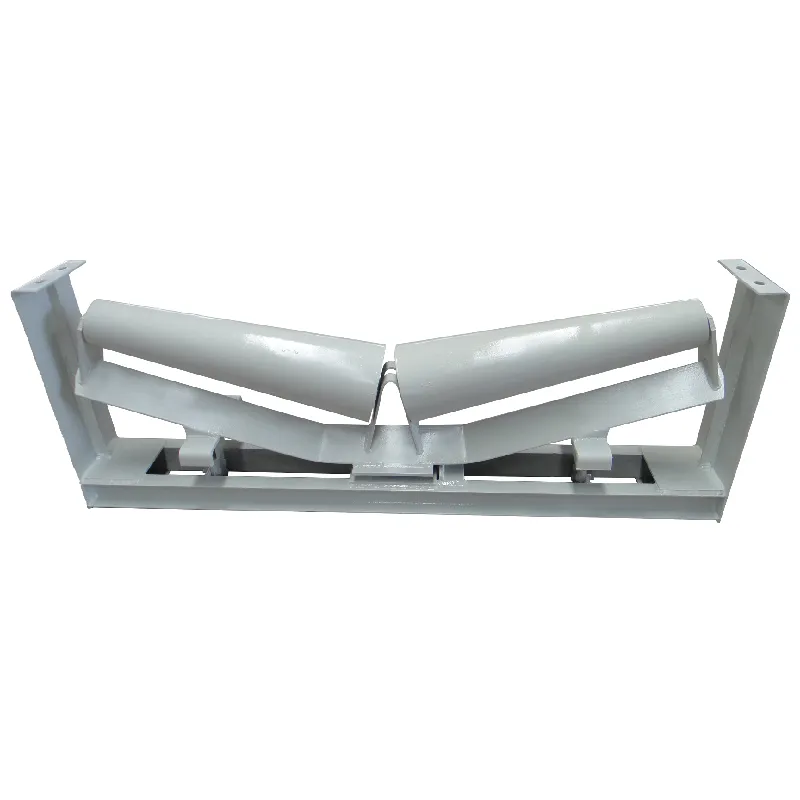
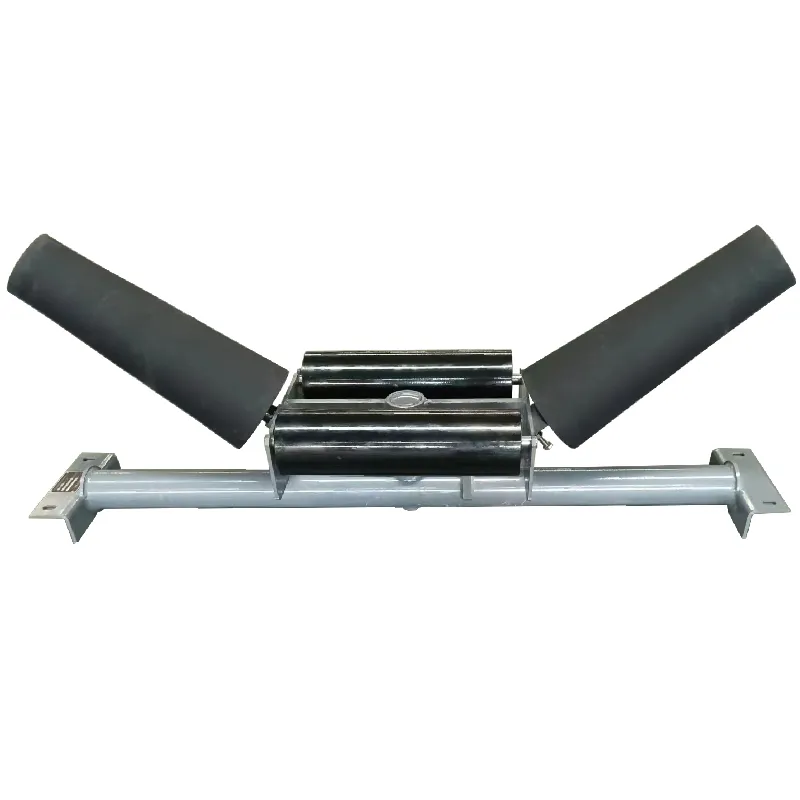
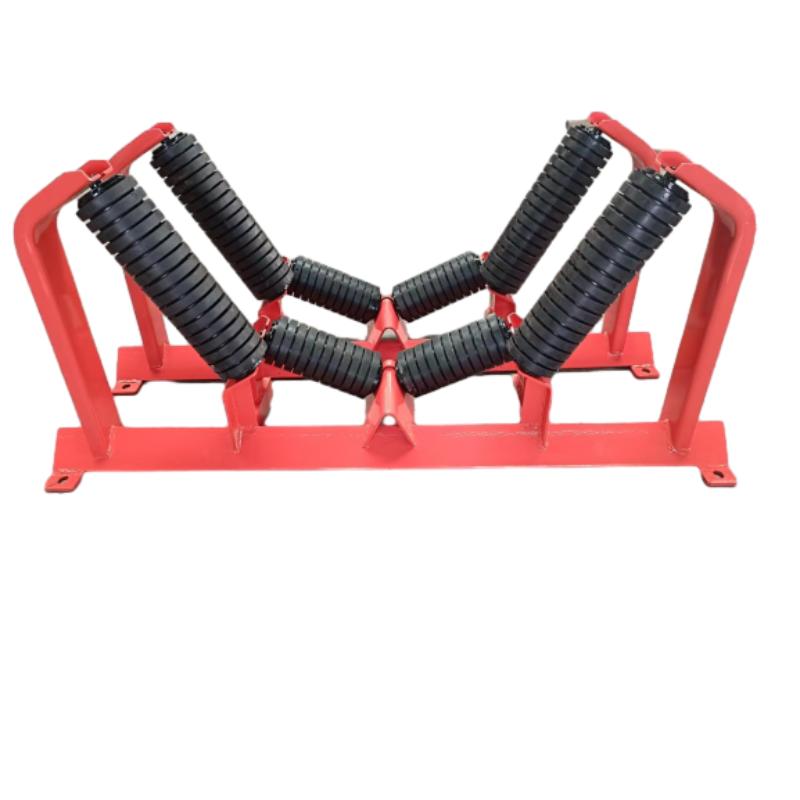
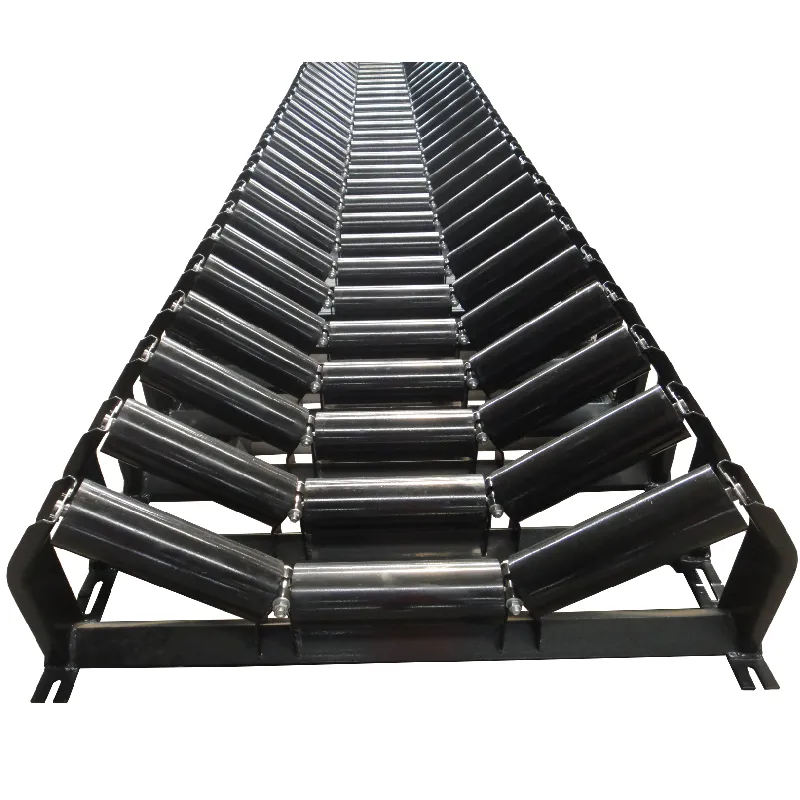
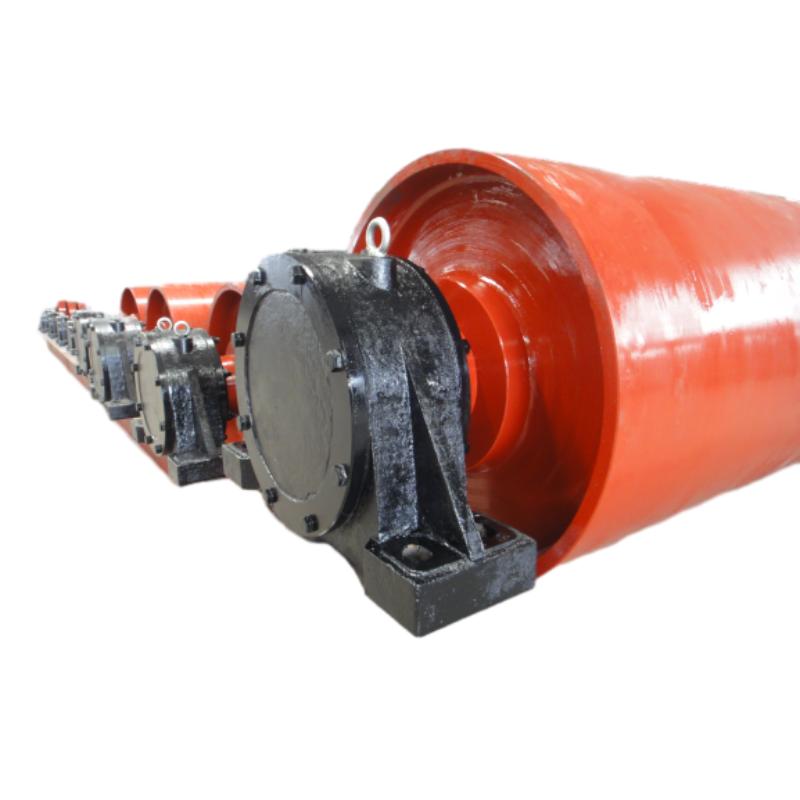
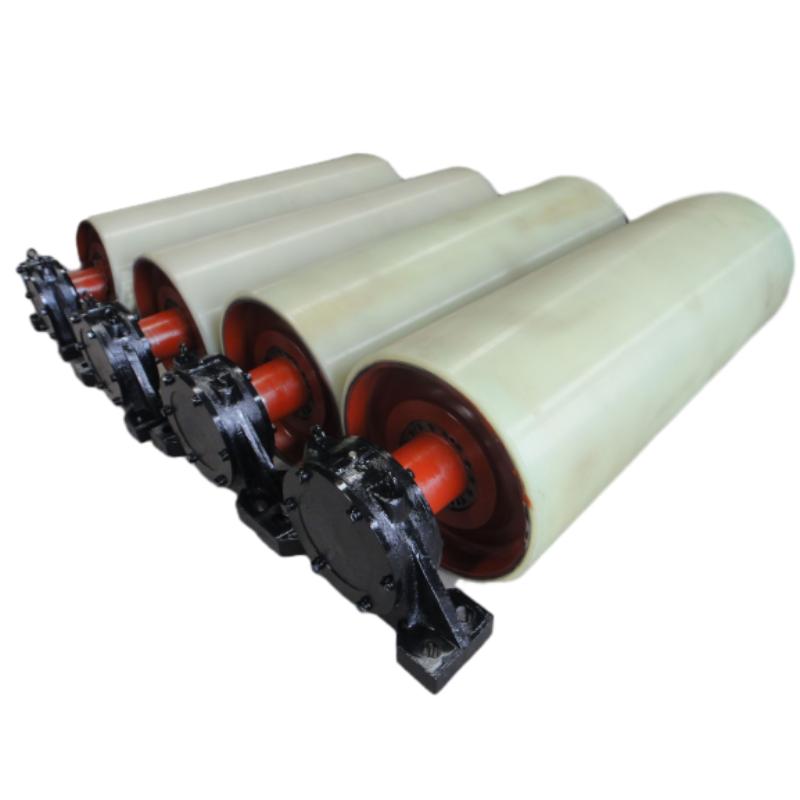
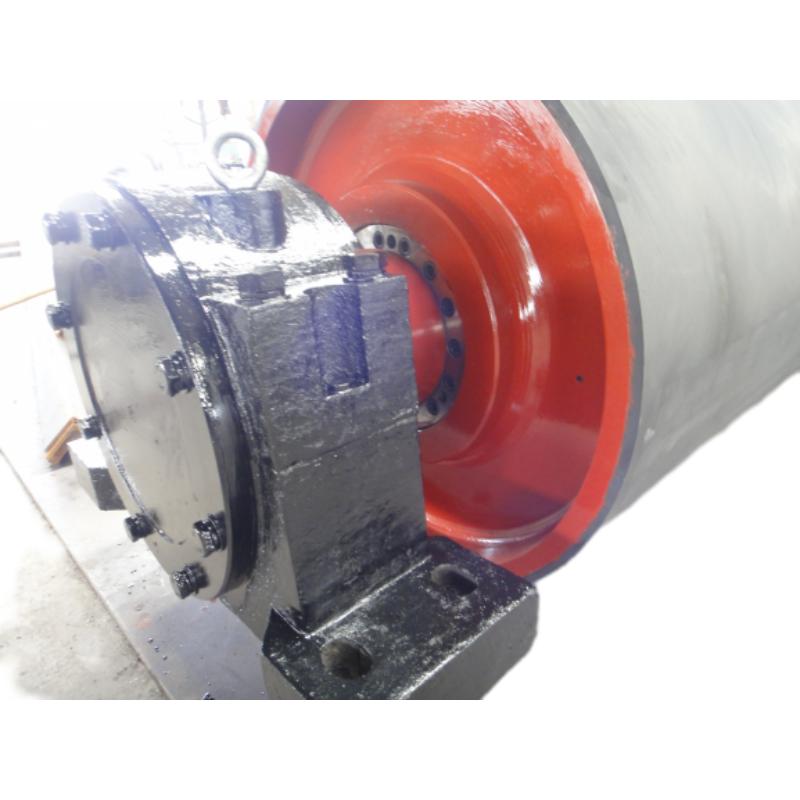
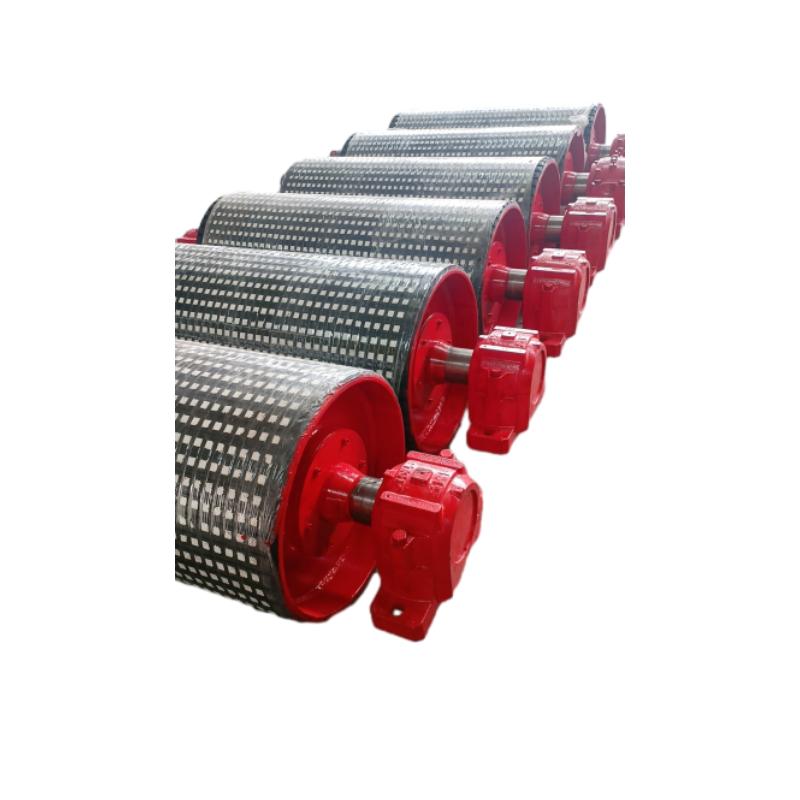
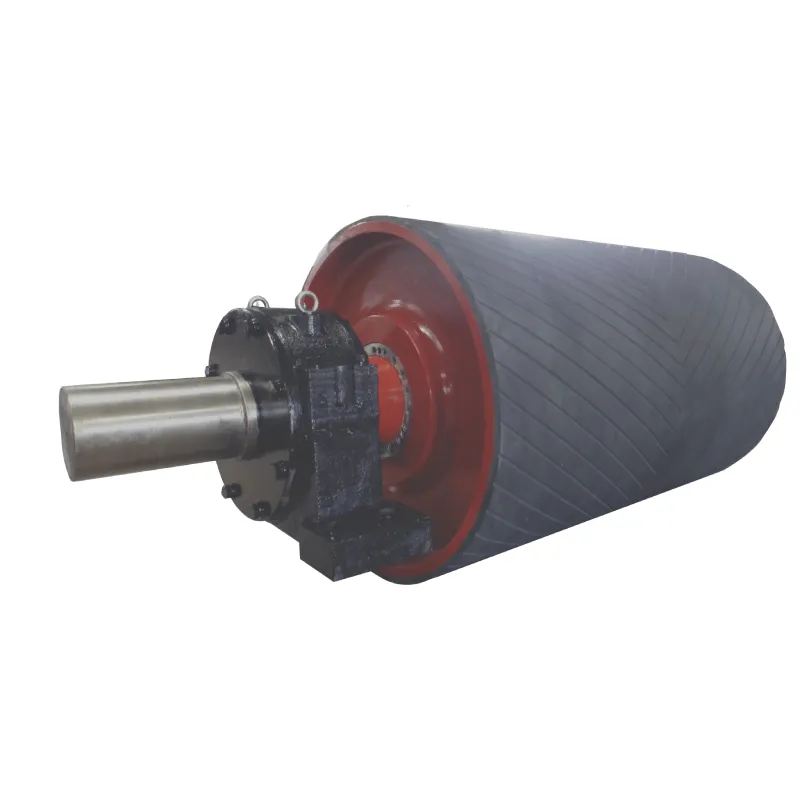
Simply put, a polyurethane coated roller is a metal roller core covered with a layer of polyurethane, a versatile polymer known for toughness and elasticity. This coating provides a durable yet gentle surface that can grip, cushion, and resist wear better than many alternatives. They're vital in industries ranging from packaging to textiles, where protecting both the roller and the materials handled matters a lot. Oddly enough, polyurethane's roots trace back to the 1930s, but its application in rollers has only surged as manufacturing demands have gotten more specialized.
Core Components of Polyurethane Coated Rollers
1. Durability
Polyurethane coatings stand up exceptionally well to abrasion and tearing, prolonging roller life. This is crucial in high-speed or high-load environments where failure means downtime and revenue loss.
2. Chemical Resistance
These rollers resist oils, solvents, and water, making them suitable for industries like food processing or pharmaceuticals where contamination risk is critical.
3. Elasticity & Shock Absorption
The coating’s ability to flex and cushion reduces noise and vibration, protecting machinery and boosting worker comfort.
4. Cost Efficiency
Though more expensive upfront than rubber rollers, polyurethane’s longevity and performance lead to less frequent replacements and lower maintenance costs — a classic win in lifecycle thinking.
5. Customizability
Manufacturers can tailor hardness, texture, and thickness to specific operational needs, essentially tuning rollers like an instrument for optimal performance.
Product Specifications at a Glance
| Parameter | Typical Range | Notes |
|---|---|---|
| Coating Hardness (Shore A) | 65 - 90 | Adjustable to match grip or cushioning needs |
| Core Material | Steel, Aluminum | Selected for strength and weight considerations |
| Operating Temperature | -30°C to 80°C | Wide enough range for most industrial tasks |
| Coating Thickness | 1 - 15 mm | Varies by application for protection vs. flexibility |
Global Applications & Use Cases
Polyurethane coated rollers aren’t limited to a few niches; their versatility makes them a staple worldwide. In Asia’s booming electronics sector, delicate component handling depends heavily on them. In Europe’s printing industry, they ensure high-quality, smudge-free outputs. The food industry in North America prizes their easy-to-clean, sanitary surfaces.
One vivid example: In disaster relief efforts, conveyor lines for packing and distributing supplies rely on rollers that can endure abrasive debris and constant exposure to cold or wet conditions. Polyurethane coated rollers help keep goods moving efficiently, ultimately accelerating aid delivery.
Vendor Comparison: Leading Polyurethane Coated Rollers Suppliers
| Vendor | Product Range | Customization Options | Typical Lead Time | Geographic Reach |
|---|---|---|---|---|
| Idlera Ohua | Standard & Custom Rollers | Hardness, texture, thickness | 3-5 weeks | Global |
| PolyCoat Systems | High-Torque Rollers | Limited customization | 4-6 weeks | North America, Europe |
| GlobalRoller Inc. | Wide industrial line | Custom sizes & coatings | 6-8 weeks | Worldwide |
Advantages & Long-Term Value
- Cost Savings: Reduced downtime and maintenance hassle translate to better ROI.
- Sustainability: Longer life means less waste—an environmental win aligned with ISO 14001 guidelines.
- Reliability: Consistent performance boosts trust among operators and engineers.
- Safety & Comfort: Quieter operations with less vibration improve workplace conditions.
These benefits combine to create not just a product, but a relationship between manufacturers and their equipment. It feels like the roller is... well, part of the team.
Future Trends & Innovations
Looking ahead, there’s growing interest in bio-based polyurethanes that reduce reliance on petrochemicals. Automation and smart factories also push demand for rollers embedded with sensors to monitor wear and performance in real time—helping address issues before they cause failures. Plus, more companies are adopting circular economy principles, so expect rollers engineered for easier refurbishing or recycling.
Challenges & Solutions
Polyurethane coated rollers aren’t a silver bullet. Challenges include cost barriers for smaller businesses, compatibility issues with extreme temperatures beyond their typical range, and environmental concerns around raw material sourcing. However, specialists are working on formula tweaks to enhance thermal resistance and on collaborative manufacturing models to reduce costs. Partnering with trusted vendors who can tailor products precisely often solves many problems.
FAQ: Common Questions about Polyurethane Coated Rollers
- What industries benefit most from polyurethane coated rollers?
- They’re widespread, but especially valuable in packaging, food processing, printing, electronics, and logistics sectors where durability and surface protection matter.
- How long do polyurethane coated rollers typically last?
- Depending on use and environment, they can last 3-5 times longer than rubber rollers, often several years under normal industrial conditions.
- Can rollers be customized to handle delicate materials?
- Absolutely. Polyurethane’s elasticity and hardness can be adjusted so rollers grip gently yet firmly, protecting fragile goods during transport or processing.
- Are polyurethane coated rollers eco-friendly?
- While traditional polyurethanes are petrochemical-based, emerging bio-based alternatives and longer lifecycle support sustainability goals.
- How can I source quality polyurethane coated rollers globally?
- Working with experienced vendors like Idlera Ohua ensures access to tailored solutions with global shipping and support.
Conclusion
All things considered, polyurethane coated rollers represent a vital intersection of material science, industrial need, and sustainability. They help industries run smoother, last longer, and do so with less environmental impact—keeping the wheels of global commerce turning quietly and efficiently. Curious to see what they can do for your operations? Visit our website to discover tailored solutions: https://www.idleraohua.com.
Mini takeaway: Polyurethane coated rollers quietly power millions of industrial processes worldwide, blending durability with adaptability in a way few components do.
References
-
Maximize Conveyor Life with a High Performance impact bedNewsApr.16,2026
-
Maximize Conveyor Efficiency Using a v plow belt scraperNewsApr.09,2026
-
Comprehensive Guide to Understanding Different Types of Belt CleanersNewsApr.07,2026
-
Enhancing Conveyor Efficiency with an Effective Scraper Belt CleanerNewsApr.04,2026
-
Optimizing Conveyor Systems with Advanced Cleaning Equipment SolutionsNewsMar.31,2026
-
Effective Conveyor Belt Scraper Adjustment for Optimal System PerformanceNewsMar.28,2026