

Polyurethane Application Roller: Key Industrial Uses, Benefits & Innovations
Understanding the Polyurethane Application Roller: An Industrial Mainstay
In the sprawling world of industrial manufacturing and coatings, the polyurethane application roller quietly plays a pivotal role. This specialized roller is a go-to tool for applying coatings, paints, and adhesives with precision and durability. But beyond just being a component in paint shops or assembly lines, its impact is global—helping industries from automotive to construction to deliver quality finishes efficiently.
Why bother understanding this tool? Well, in a world increasingly focused on sustainability, cost-efficiency, and production quality, choosing and using the right application roller can save money, reduce waste, and improve end products. Plus, with polyurethane materials evolving, it’s a hot topic in industrial innovation right now.
Global Context: Why Polyurethane Application Rollers Matter
Globally, the coatings market—which relies heavily on application technologies—is projected to reach over $160 billion by 2025 (source: Statista). Efficient application methods are critical in minimizing raw material waste and improving finish consistency, directly impacting both industrial performance and environmental footprints.
Interestingly, polyurethane application rollers address several persistent challenges in this sector:
- Ensuring uniform coating thickness
- Resisting chemical degradation over time
- Adapting to different coating viscosities
Defining the Polyurethane Application Roller
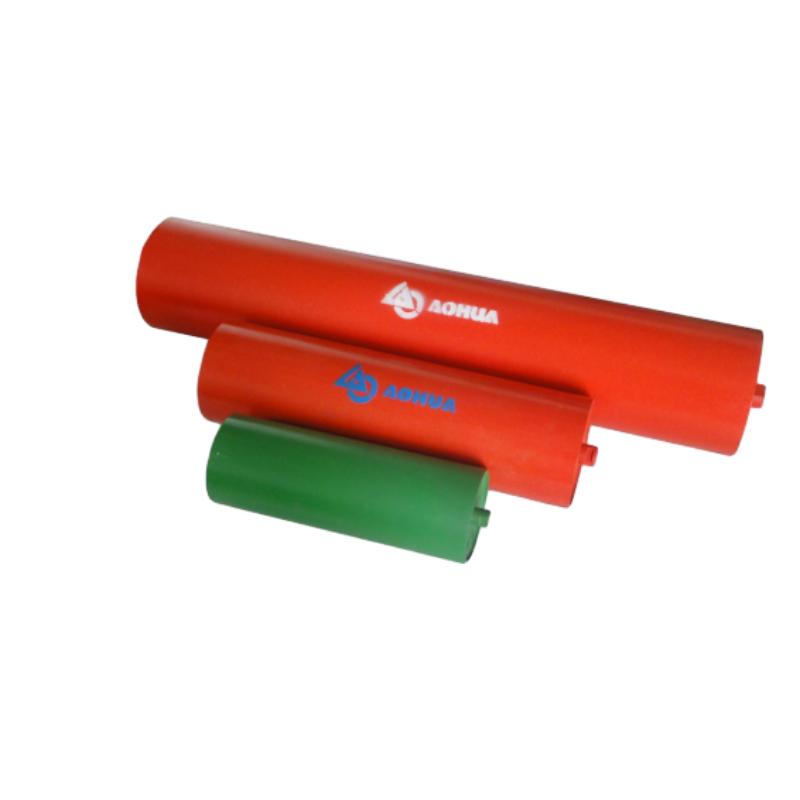
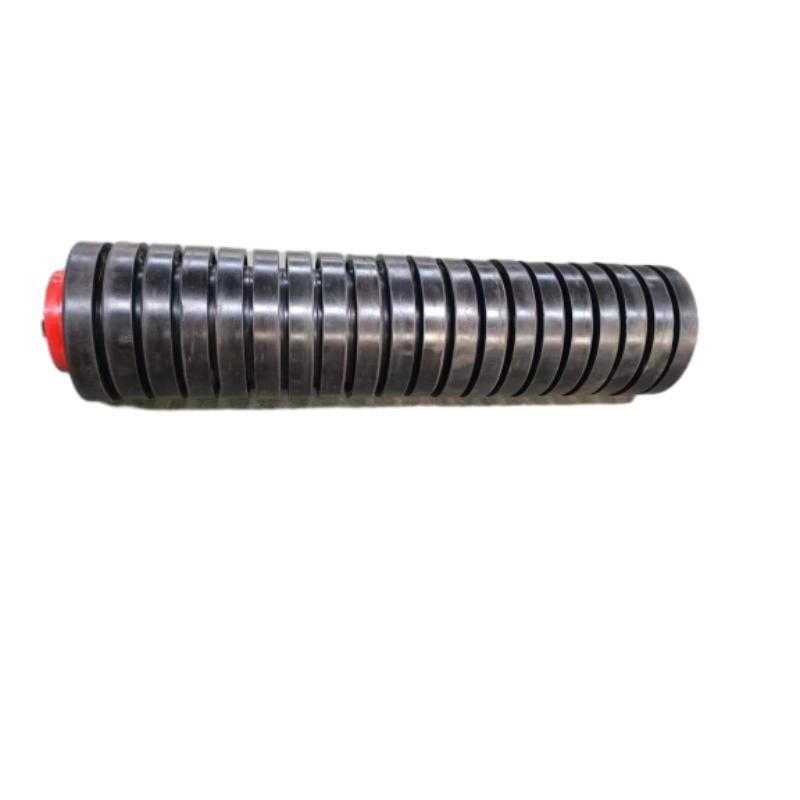
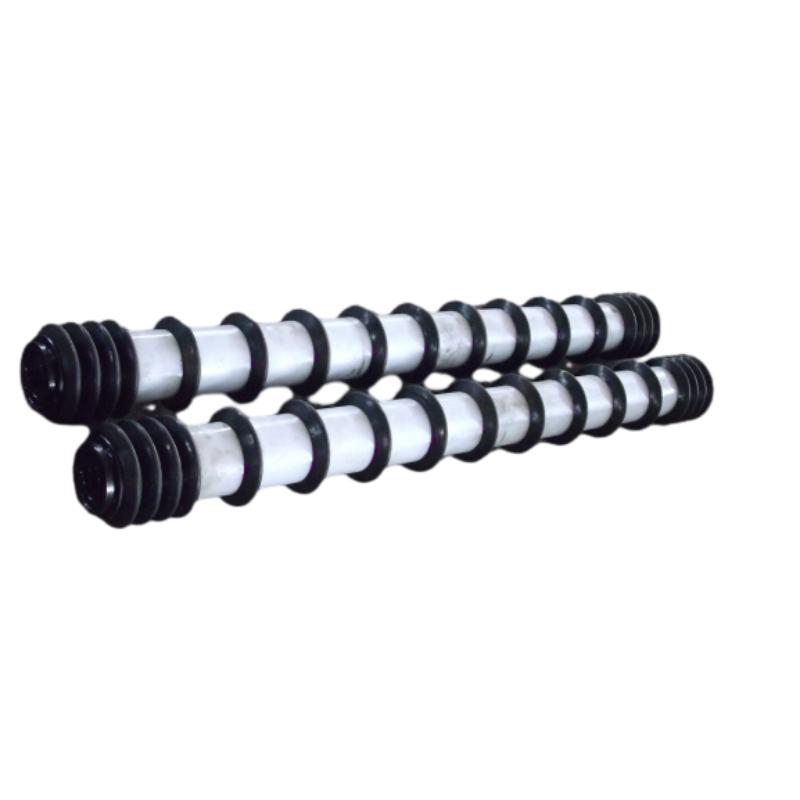
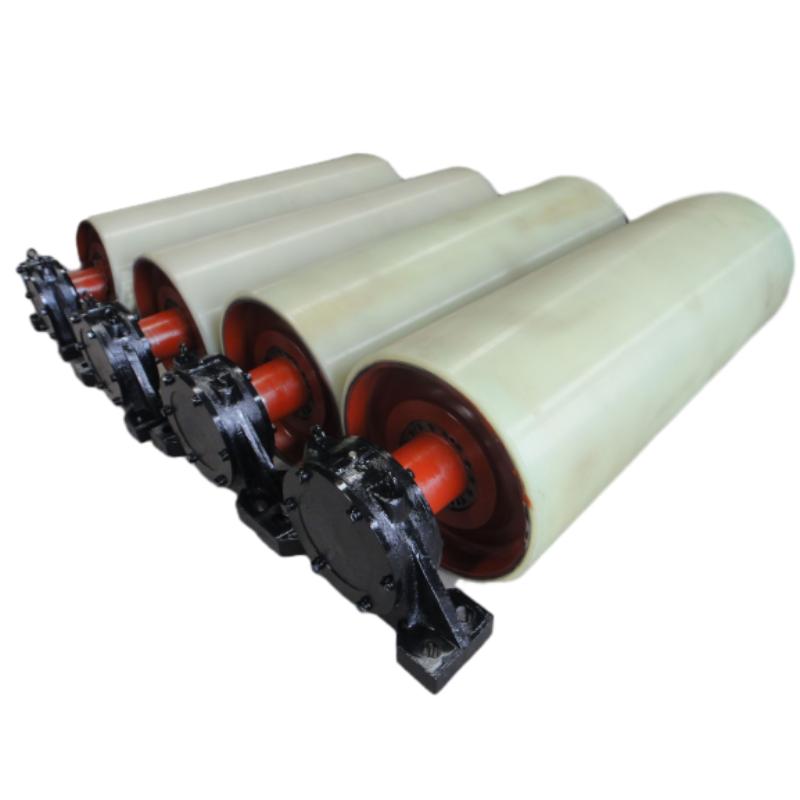
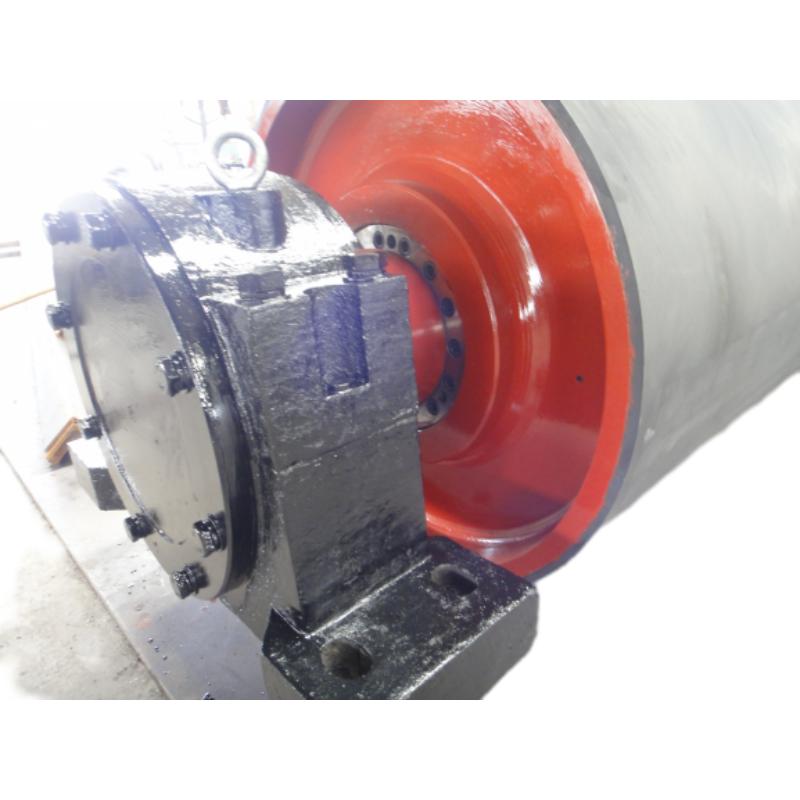
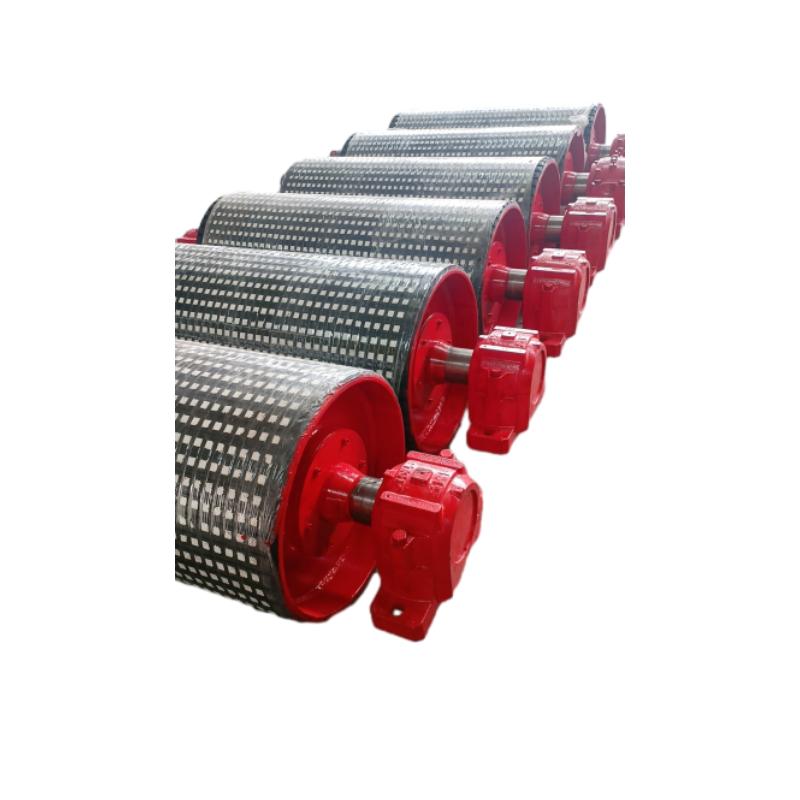
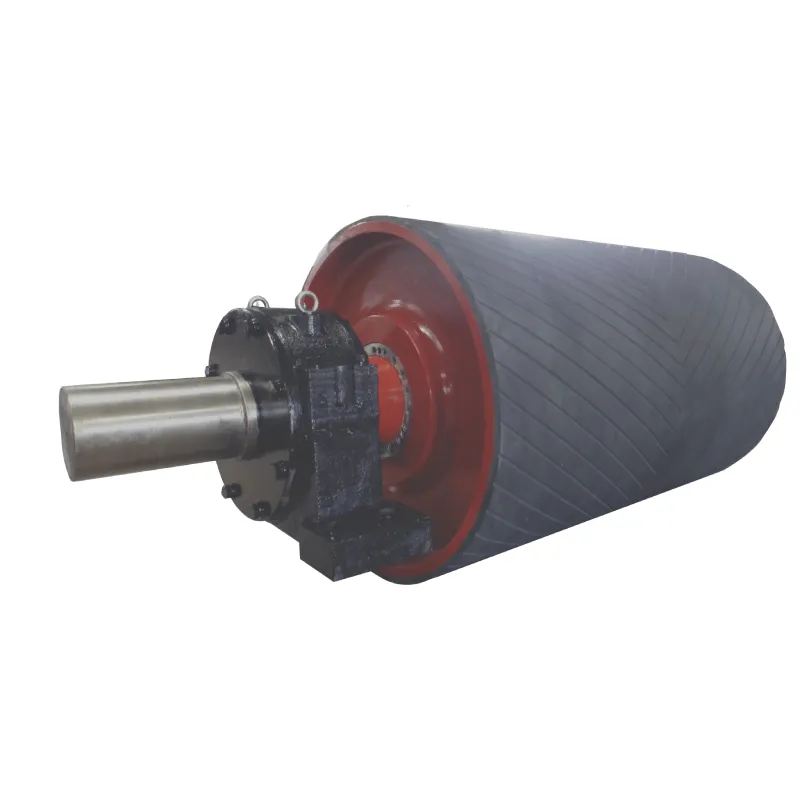
Simply put, a polyurethane application roller is a cylindrical tool covered in a polyurethane layer designed to apply coatings evenly onto surfaces. The polyurethane covering provides excellent mechanical and chemical resistance, meaning the roller can withstand harsh solvents, rough surfaces, and repeated use without degradation.
This product bridges traditional craftsmanship and modern industrial automation. Behind the scenes, it's essential in industries where surface quality isn't just aesthetic but can affect safety and performance—think automotive bodies, electronics, or even large-scale packaging operations.
Core Components and Key Characteristics
Durability
Polyurethane rollers are known for remarkable toughness. The material helps resist cuts, abrasions, and chemical attack, which means they outlast rubber or foam rollers in many scenarios. This translates to fewer replacements and lower downtime.
Versatility
They can handle a range of coatings—from water-based paints to solvent-based lacquers and adhesives—making them suitable for diverse industries and applications.
Precision
Thanks to polyurethane’s stable elasticity, these rollers deliver consistent pressure and thickness, which means fewer defects and better surface finish quality.
Cost Efficiency
While initial costs might be higher than less durable alternatives, the long-term savings on replacement, cleanup, and waste often justify the investment.
Ease of Maintenance
Cleaning polyurethane rollers is generally straightforward because of the non-porous surface, helping avoid contamination and color shifts in multi-product lines.
Product Specifications for a Typical Polyurethane Application Roller
| Specification | Typical Values |
|---|---|
| Roller Diameter | 50 - 150 mm |
| Roller Length | 100 - 600 mm |
| Polyurethane Hardness (Shore A) | 60 - 90 |
| Operating Temperature | -30°C to 80°C |
| Chemical Resistance | Excellent against solvents and oils |
| Lifespan (Typical) | 6-12 months depending on use |
Global Applications & Use Cases
Polyurethane application rollers find their place everywhere precise coating matters. For instance:
- Automotive manufacturing: Used on assembly lines to apply lacquers and sealants, especially across factories in Japan, Germany, and the U.S.
- Packaging Production: In China and India, rollers help apply adhesives for food-safe packaging materials.
- Construction material finishing: In Europe and the U.S., coatings on wood paneling or metal components rely heavily on these rollers for consistency.
- Post-disaster rebuilding: Oddly enough, mobile coating units using polyurethane rollers expedite protective coatings on temporary shelters in disaster zones.
Many manufacturers and organizations gravitate to specialized polyurethane application roller models tailored to their coating chemistry and volume demands, which underscores how adaptable these tools really are.
Vendor Comparison: Leading Polyurethane Application Roller Manufacturers
| Brand | Core Strength | Customization Options | Typical Price Range |
|---|---|---|---|
| RollTech Co. | High durability with chemical-resistant formulations | Extensive length and hardness options available | $150 - $450 |
| PolyCoat Systems | Specializes in eco-friendly polyurethane blends | Custom surface textures for specific coatings | $200 - $600 |
| MaxRoll Industries | Low-cost options with quick turnaround | Limited customization but fast delivery | $100 - $300 |
The Advantages and Long-Term Value of Polyurethane Application Rollers
From a practical standpoint, the combination of toughness and adaptability in polyurethane application rollers means:
- Lower operational downtime due to fewer replacements and maintenance needs.
- Consistent quality control through uniform coating distribution and thickness.
- Environmental benefits from efficient material usage and reduced waste.
- Cost savings over a roller’s lifetime despite a slightly higher initial investment.
On an emotional level, these tools inspire trust within industries that highly value reliability and innovation. They enable finishes that protect vehicles, buildings, and products—ultimately safeguarding consumers and environments alike.
Future Trends in Polyurethane Application Rollers
The industry isn’t standing still. There’s an increasing focus on developing rollers with:
- Eco-friendly polyurethanes that reduce volatile organic compounds (VOCs) in manufacturing processes.
- Smart sensors embedded into rollers to measure coating thicknesses in real-time, integrating with automation systems.
- Advanced surface textures tailored for next-gen adhesives and bio-based coatings.
These innovations align with broader trends like green manufacturing and Industry 4.0, making the polyurethane application roller a surprisingly high-tech piece of equipment.
Challenges & Expert Solutions
Not everything is perfect, of course. Limitations include:
- Cost barriers for small manufacturers who find premium polyurethane rollers pricey.
- Compatibility issues when switching dramatically between coating chemistries.
- Wear from extreme abrasion when rolling heavily textured surfaces.
Experts suggest:
- Using modular roller designs that allow just the polyurethane sleeve to be swapped out.
- Working closely with suppliers to specify the right hardness and surface finish.
- Implementing regular cleaning and conditioning routines to extend roller life.
FAQ: Polyurethane Application Roller
- What are the main advantages of polyurethane rollers over rubber?
- Polyurethane rollers offer superior chemical resistance, durability, and mechanical strength, which means they last longer and perform better in demanding environments.
- Can polyurethane application rollers be used with water-based paints?
- Yes, polyurethane rollers are versatile enough to work effectively with both water-based and solvent-based coatings.
- How often should a polyurethane roller be replaced?
- Replacement depends on usage but typically ranges from 6 months to a year, depending on exposure to chemicals and abrasion levels.
- Are custom sizes and hardnesses available?
- Absolutely, many suppliers offer tailored solutions to match specific industrial requirements.
- Is it possible to clean and reuse polyurethane rollers?
- Yes, their non-porous surfaces make cleaning straightforward, extending roller life when done properly.
Conclusion & Call to Action
Ultimately, the polyurethane application roller is more than just a piece of industrial equipment—it's a critical enabler of quality, efficiency, and sustainability in coatings application worldwide. Whether you're a large factory automating paint lines or a packaging producer wanting better adhesive results, understanding these rollers pays off in tangible ways.
Curious to learn more or select the ideal roller for your needs? Visit https://www.idleraohua.com for detailed product info and expert advice.
Reference notes:
1. Global Coatings Market Overview, Statista
2. Polyurethane Material Properties, Wikipedia
3. Industry 4.0 Trends, ISO
Reflecting on this topic, it's clear the humble application roller carries impact far beyond its size—a fascinating example of how materials science and practical engineering converge for everyday industrial success.
-
Maximize Conveyor Life with a High Performance impact bedNewsApr.16,2026
-
Maximize Conveyor Efficiency Using a v plow belt scraperNewsApr.09,2026
-
Comprehensive Guide to Understanding Different Types of Belt CleanersNewsApr.07,2026
-
Enhancing Conveyor Efficiency with an Effective Scraper Belt CleanerNewsApr.04,2026
-
Optimizing Conveyor Systems with Advanced Cleaning Equipment SolutionsNewsMar.31,2026
-
Effective Conveyor Belt Scraper Adjustment for Optimal System PerformanceNewsMar.28,2026