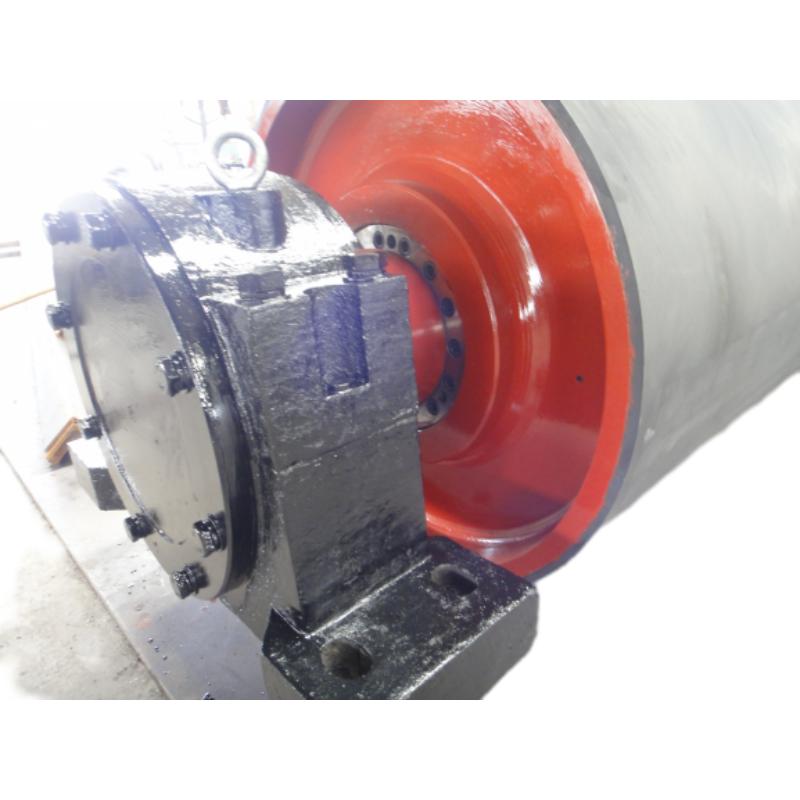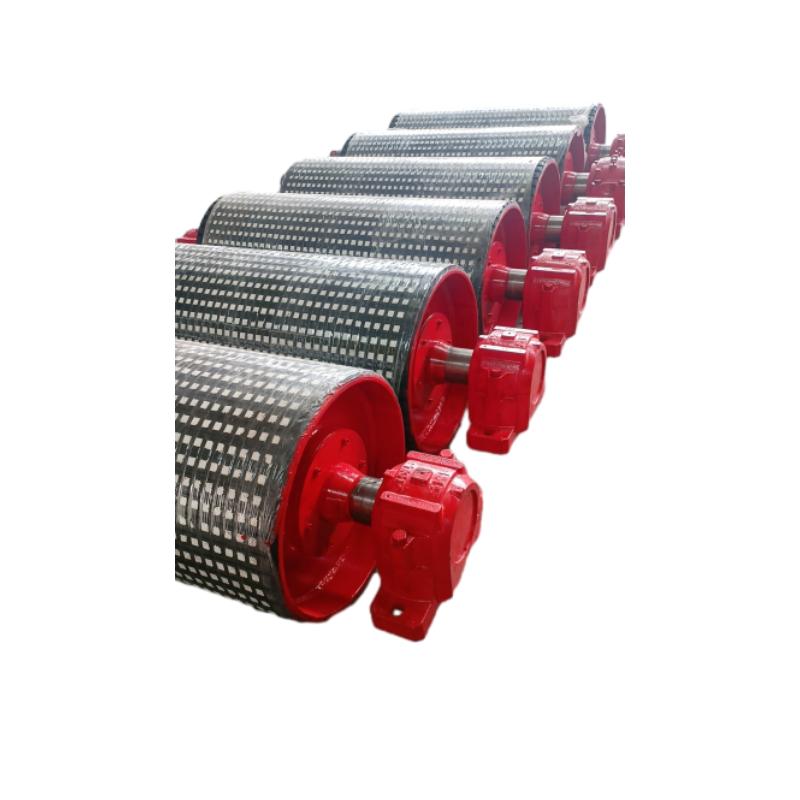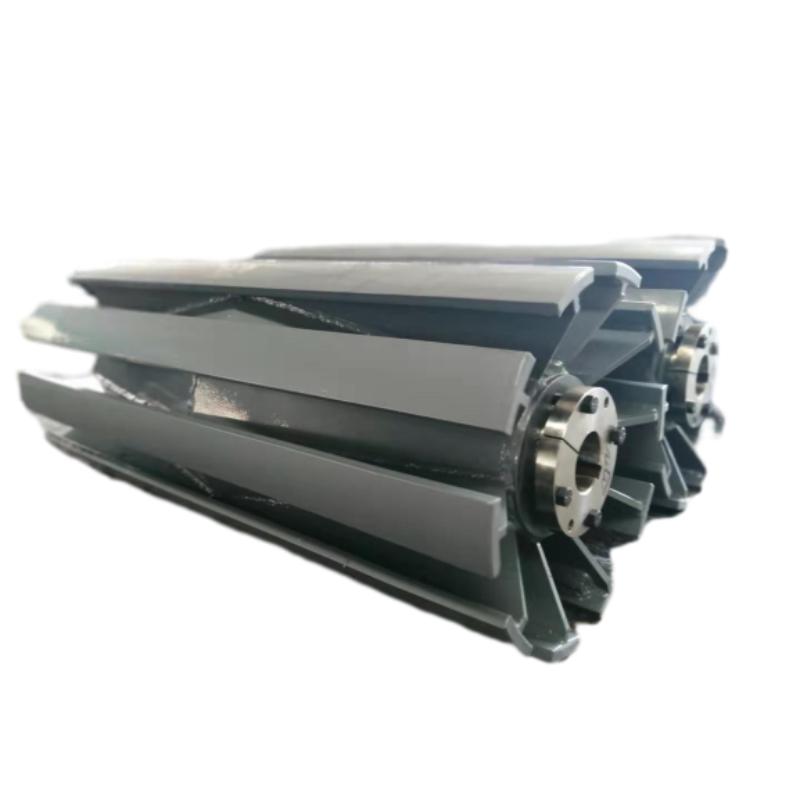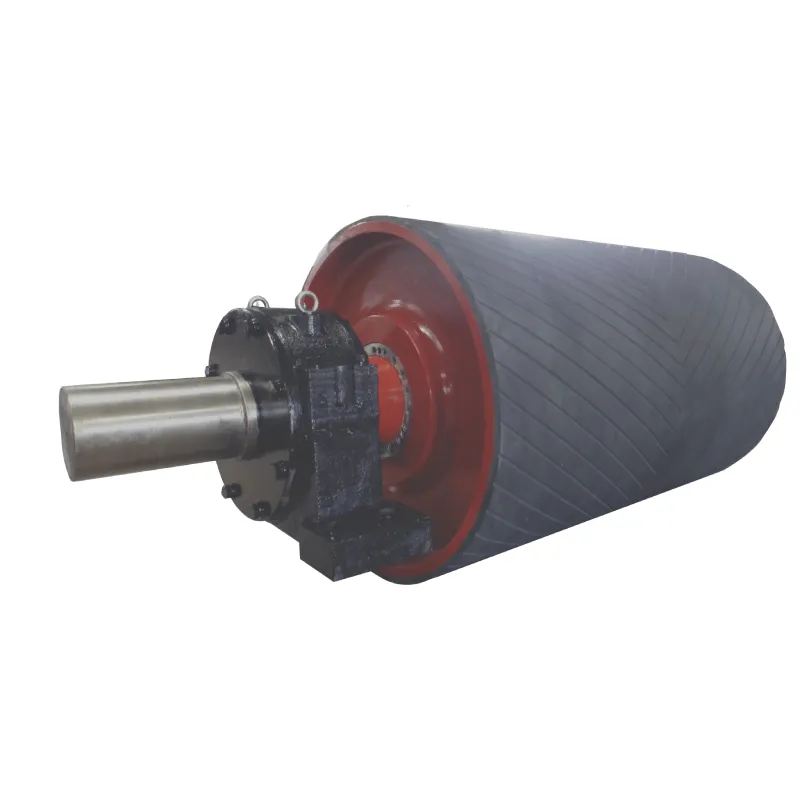


Polyethylene Roller: Durable & Efficient Rollers for Modern Conveyor Systems
The Polyethylene Roller: A Quiet Engine Powering Modern Industry
In the vast machinery of industrial manufacturing and materials handling, few components quietly shape efficiency as much as the polyethylene roller. It may sound mundane to the untrained ear, but these lightweight, durable rollers help billions of products navigate conveyor belts, minimize downtime, and boost productivity worldwide. It's fascinating to consider how such a simple part can carry such weight — literally and figuratively — across supply chains and production floors globally.
Understanding polyethylene rollers matters because they blend innovation in materials science with hard industrial practicality. Knowing their benefits helps engineers and plant managers select the right roller for their unique needs, ensuring smoother operations, longer equipment life, and often cost savings. So yes, these rollers deserve a closer look — especially for anyone involved in manufacturing, warehousing, or logistics.
The Global Relevance of Polyethylene Rollers: More Than Just a Component
Globally, conveyor systems move over 2 billion tons of material daily, according to the International Conveyor Manufacturers Association. Polyethylene rollers form an essential part of these systems by providing low-friction surfaces that resist wear and corrosion, making them indispensable in diverse environments — from food processing plants in Europe to mining operations in Australia.
But the challenge is real: traditional steel rollers tend to rust, wear unevenly, or cause material damage, leading to costly maintenance or downtime. Polyethylene rollers offer an elegant solution by combining longevity with safety and efficiency. The environmental push for sustainable manufacturing only ups the ante for such durable yet low-impact components.
What Exactly is a Polyethylene Roller?
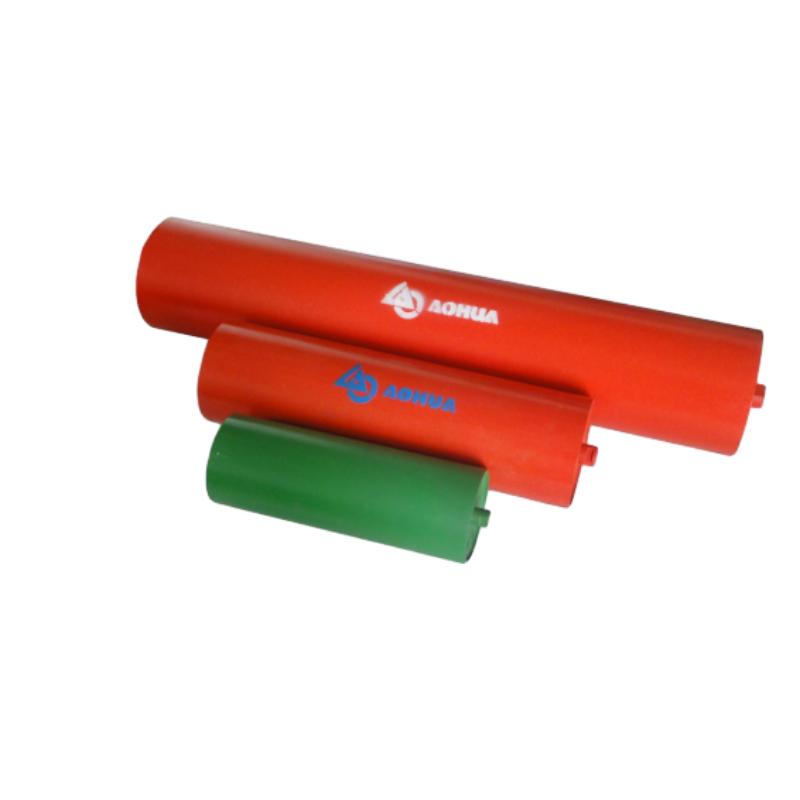
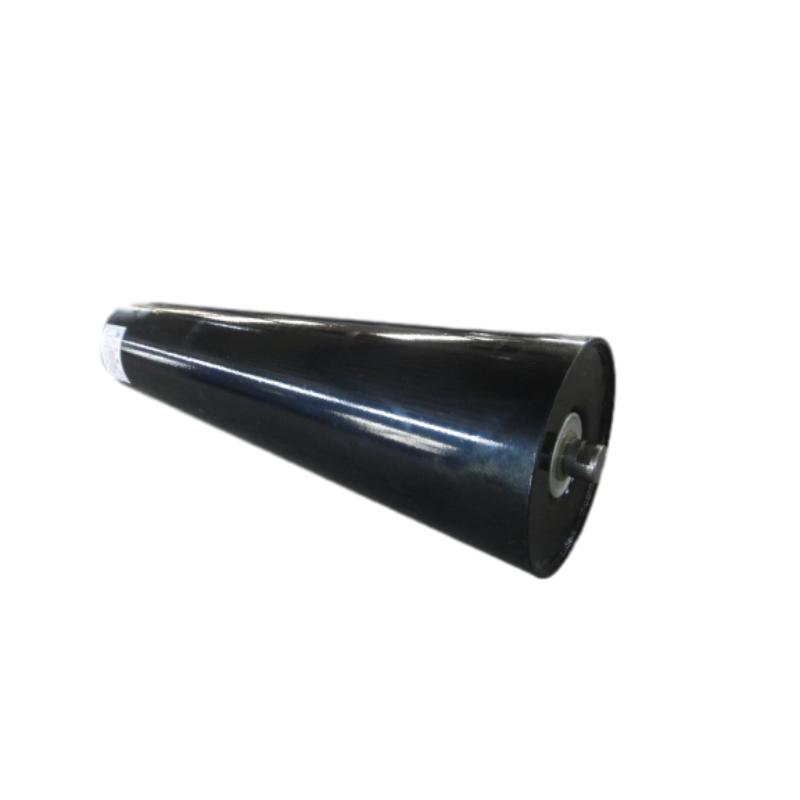
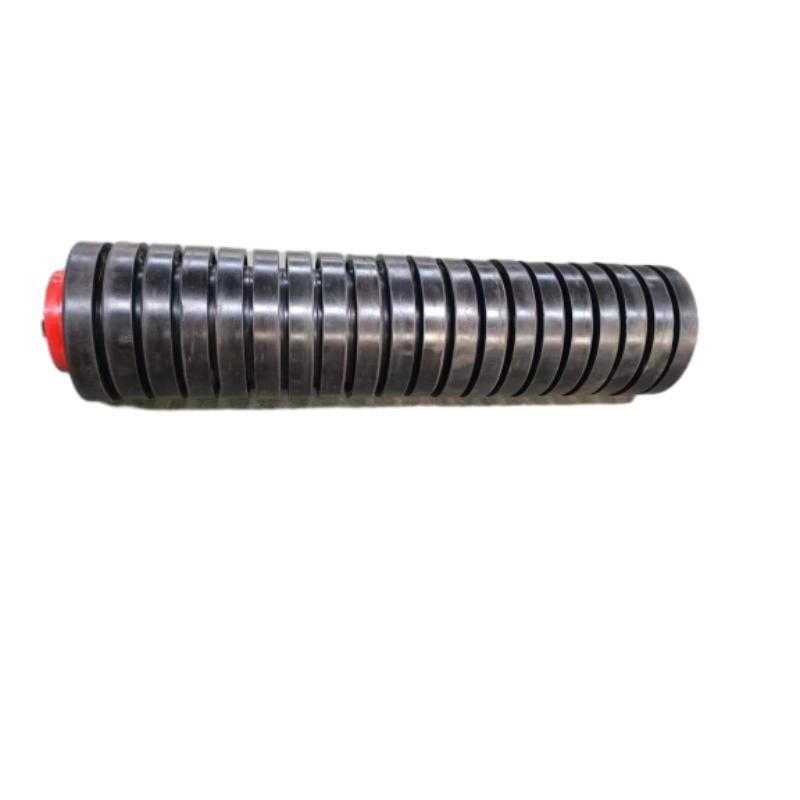
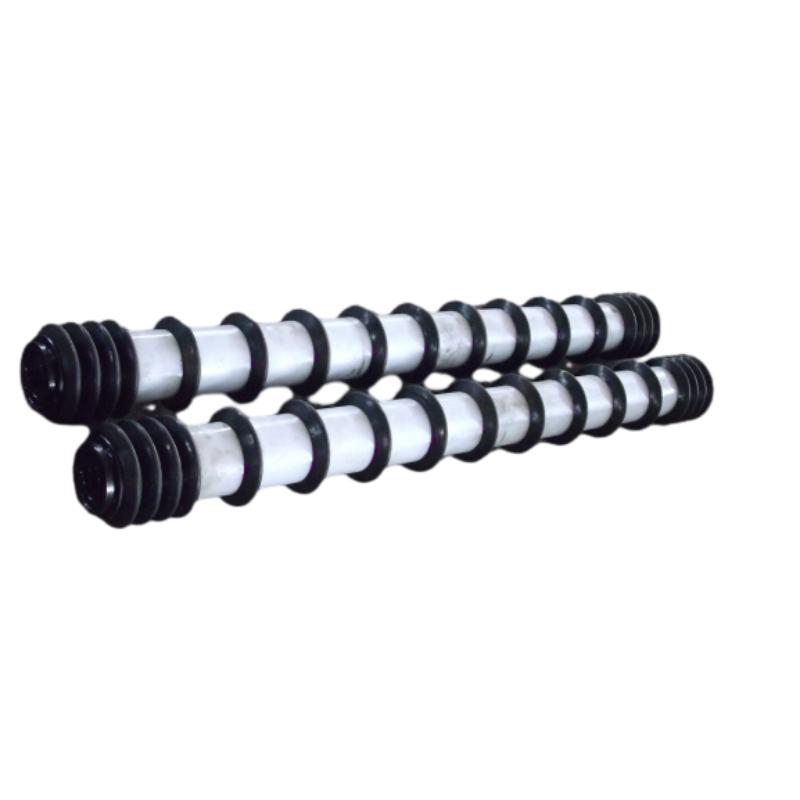
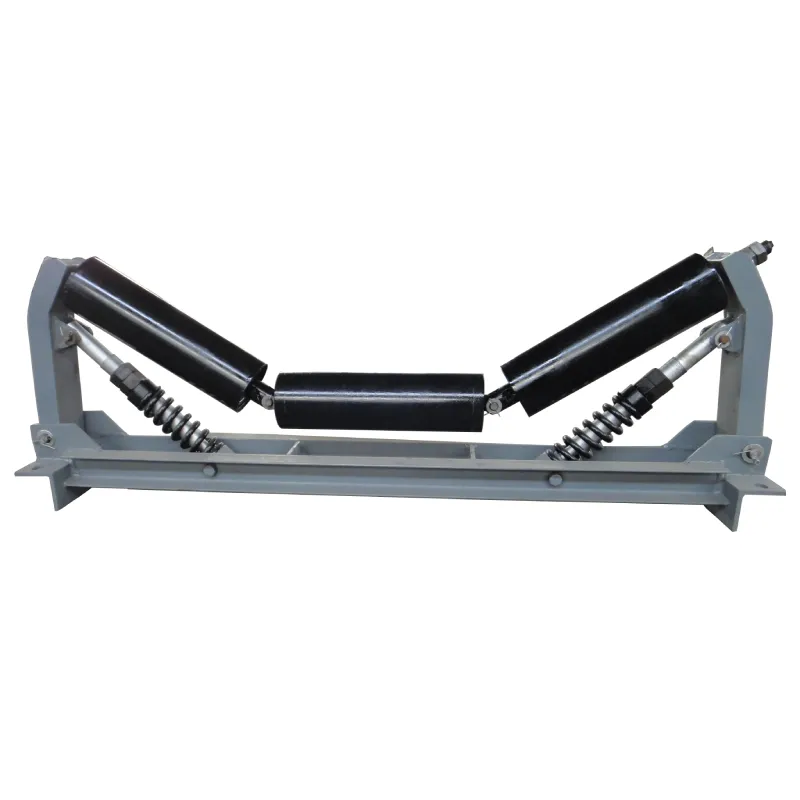
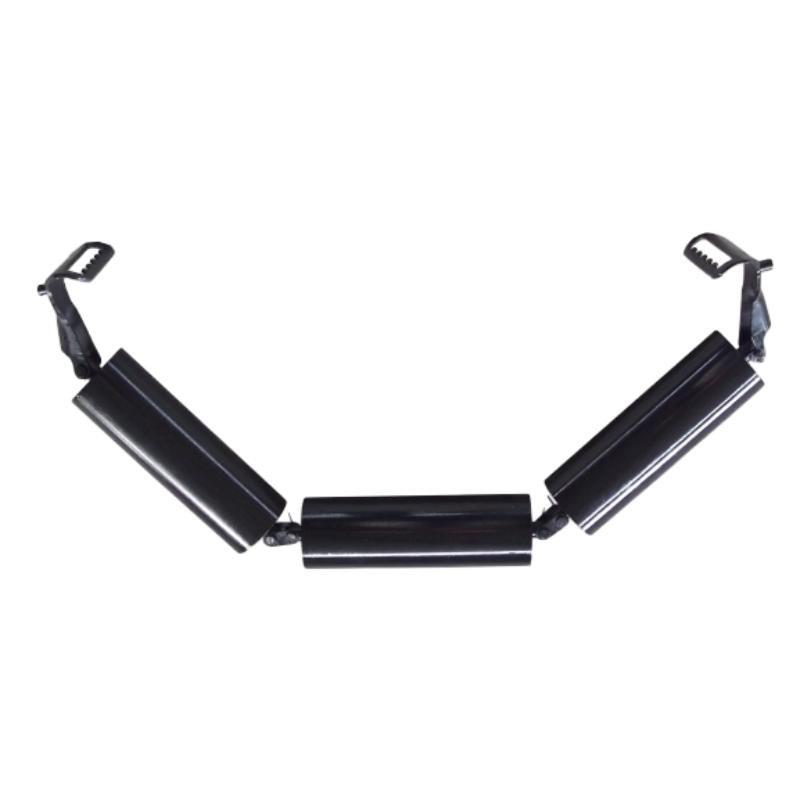
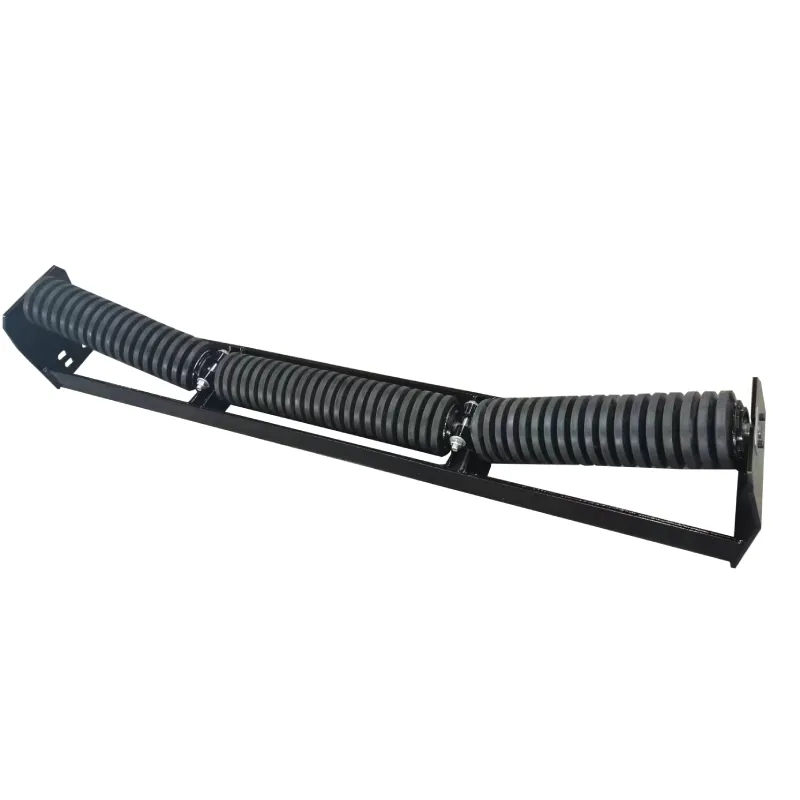
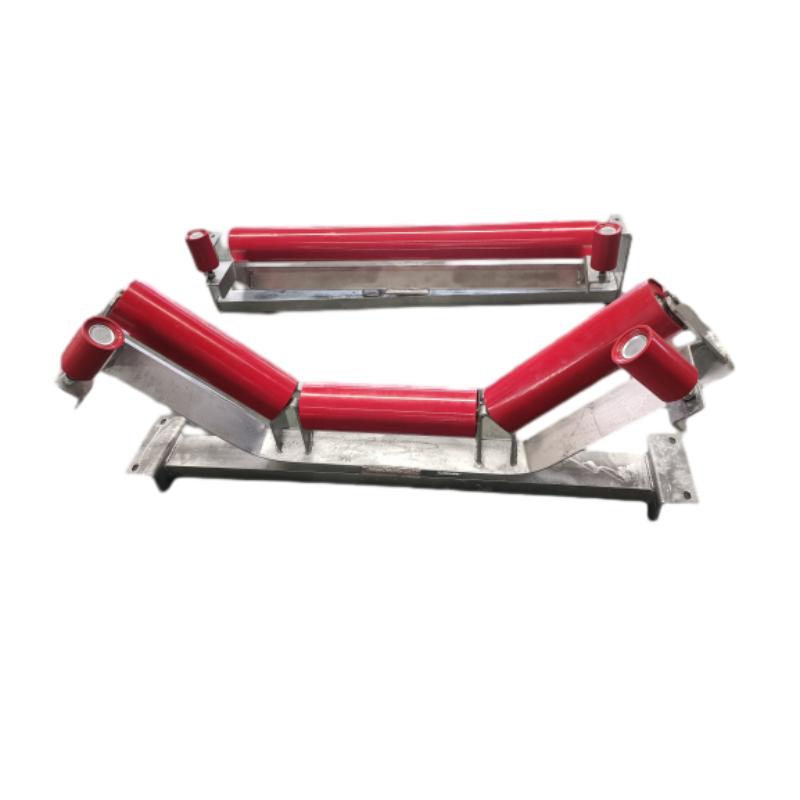
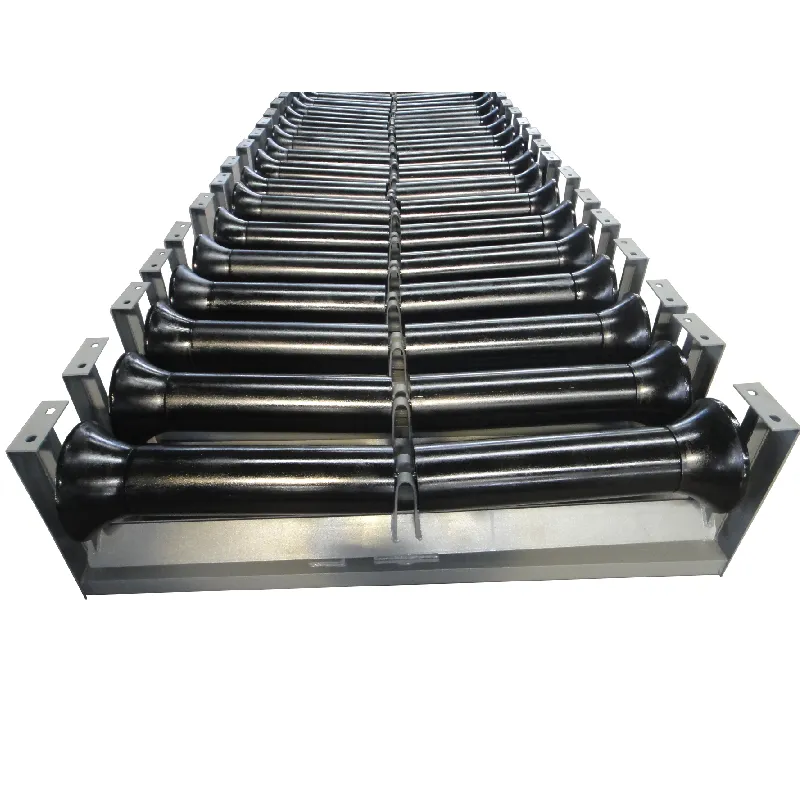
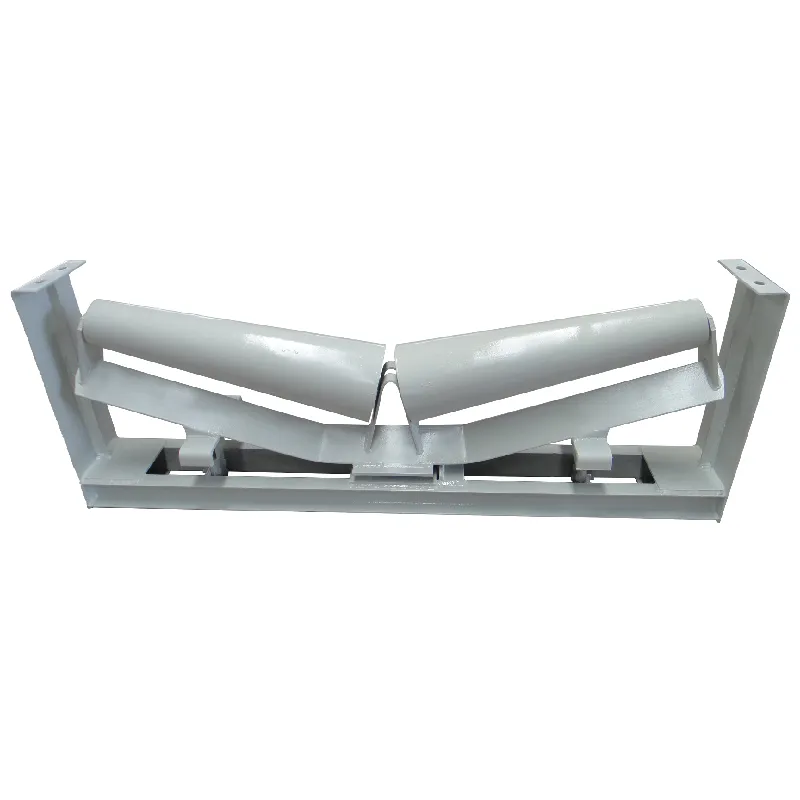
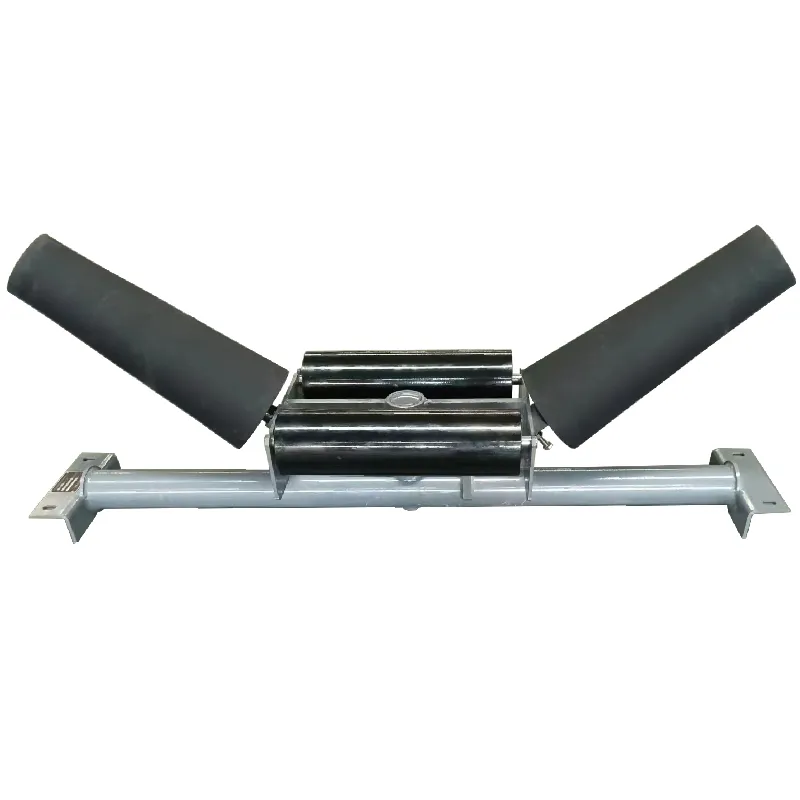
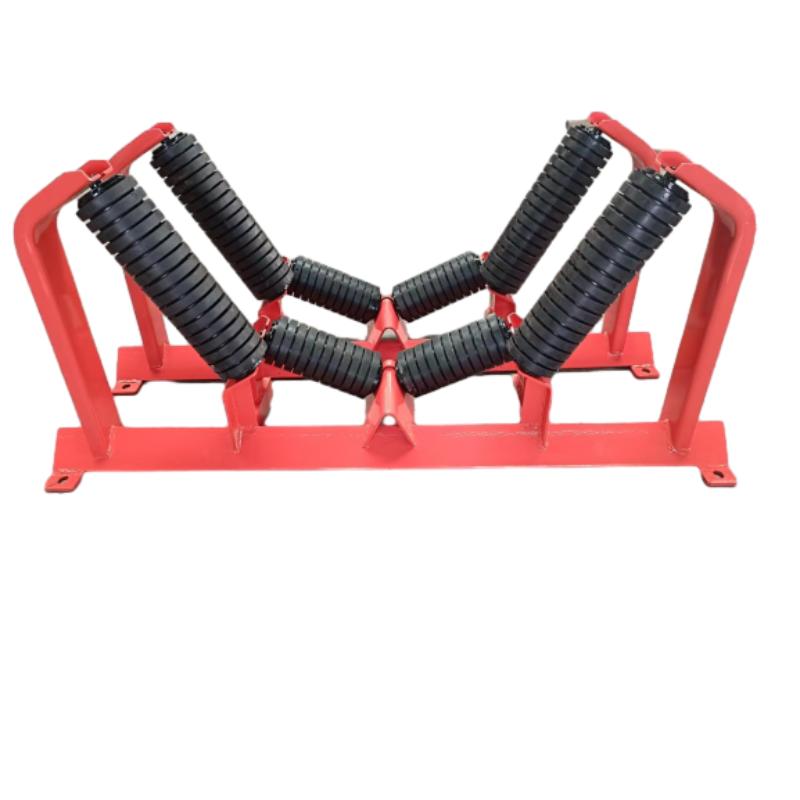
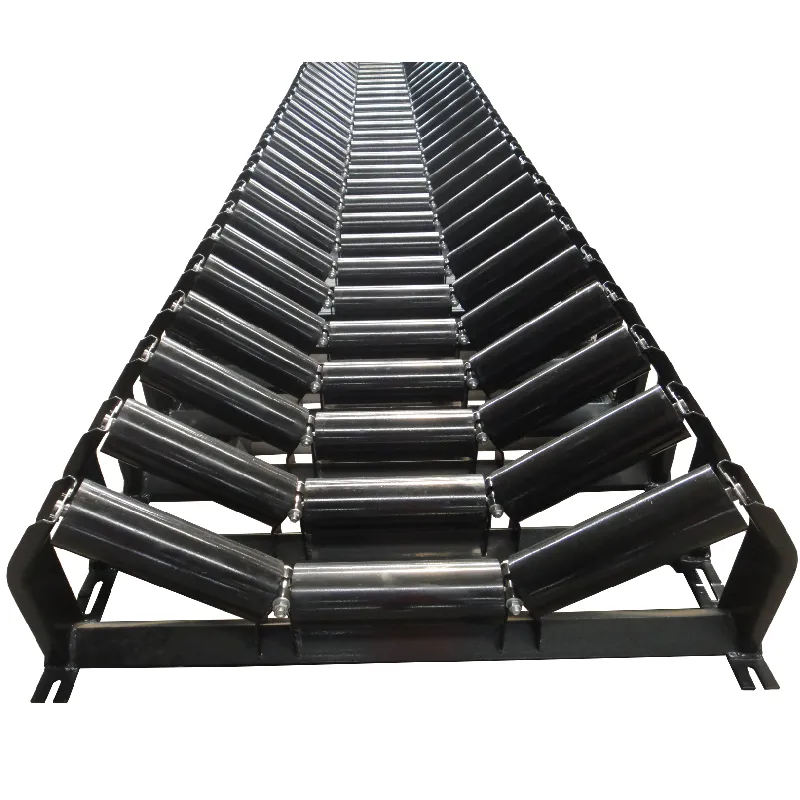
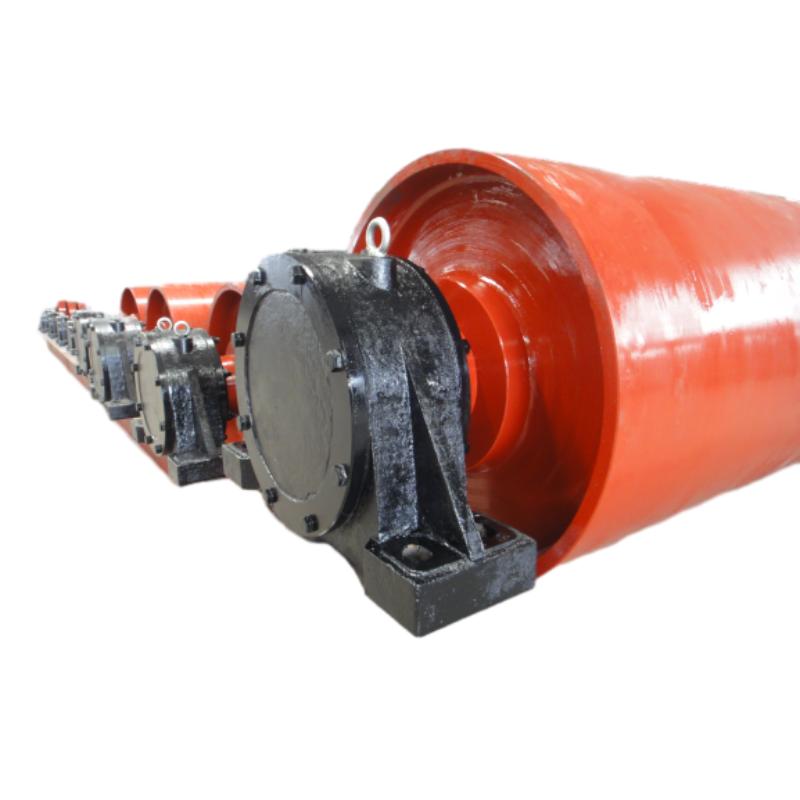
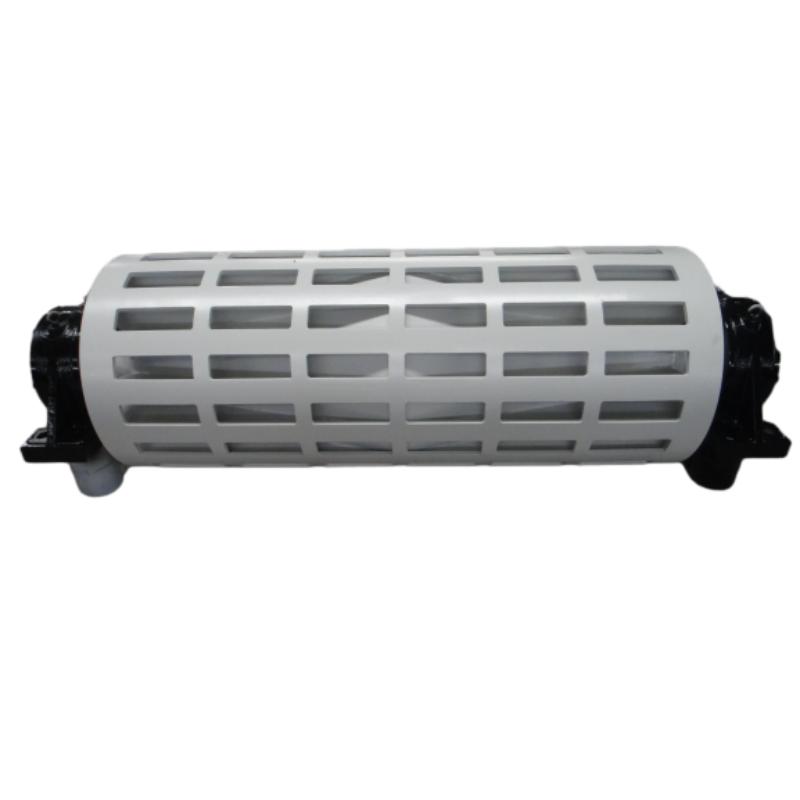
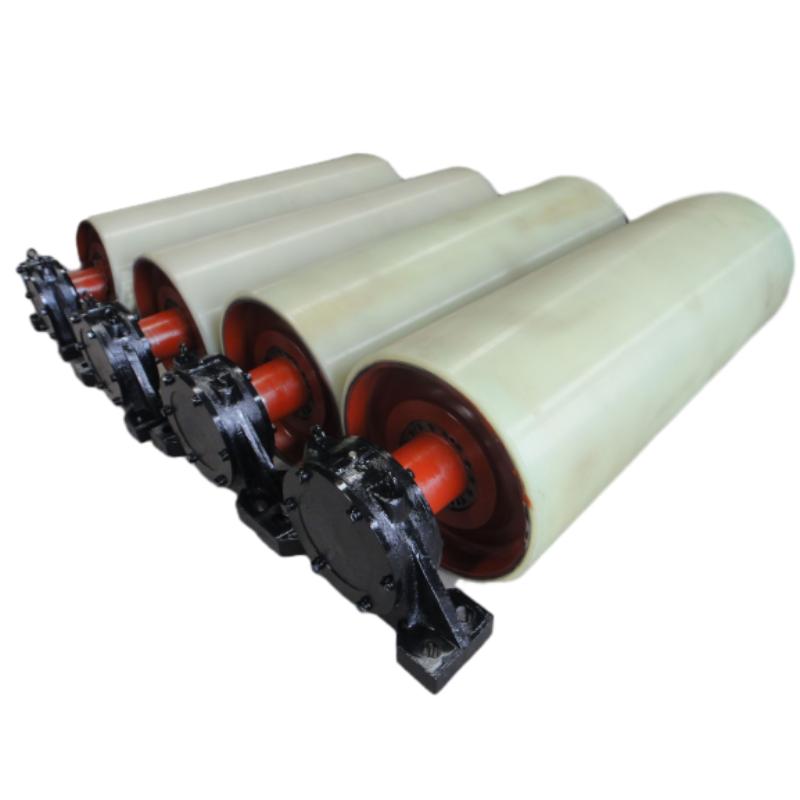
Simply put, a polyethylene roller is a cylindrical component, usually a hollow or solid tube, made from high-density polyethylene (HDPE) or ultra-high-molecular-weight polyethylene (UHMW-PE). This roller is mounted on conveyor belts or machinery to help goods glide smoothly during processing or transport.
What makes these rollers special is their exceptionally low coefficient of friction and outstanding resistance to abrasion, chemicals, and impact. These properties make polyethylene rollers a go-to in industries ranging from food and pharma (where hygiene is paramount) to heavy-duty mining operations where mechanical wear is brutal.
Connection to Modern Industry and Humanitarian Needs
Oddly enough, polyethylene rollers are even critical in humanitarian logistics — shipping vital supplies across rough terrains or expediting packaging in remote disaster zones. Their durability reduces equipment failure, meaning relief efforts can reach affected populations faster.
Key Features That Make Polyethylene Rollers Stand Out
1. Durability & Wear Resistance
The material’s molecular structure provides exceptional resistance to abrasion and impact, making the rollers last longer even under heavy loads and dusty or corrosive environments.
2. Low Maintenance Needs
Polyethylene rollers don’t rust like metal alternatives and are less prone to surface damage. This means fewer replacements and less downtime—always a priority in manufacturing.
3. Chemical & Moisture Resistance
They perform well in wet or chemically harsh conditions, which is why they are often used in food processing or chemical plants where exposure to fats, oils, or acids can be common.
4. Noise Reduction
Polyethylene rollers provide quieter operation compared to metal ones — a boon for workplaces aiming to improve employee comfort.
5. Cost Efficiency
Manufacturers report not just initial savings but longer-term cost-effectiveness due to their lifespan and reduced servicing.
Practical Specifications That Matter
| Specification | Typical Values | Comments |
|---|---|---|
| Material Type | UHMW-PE / HDPE | Ultra-high molecular weight variant preferred for heavy wear |
| Diameter | 50mm to 200mm | Custom sizes available |
| Length | 100mm to 2000mm | Based on conveyor width |
| Surface Finish | Smooth or knurled | For better grip or minimal wear |
| Operating Temperature Range | -40°C to +80°C | Suits refrigerated and heated environments |
Where Are Polyethylene Rollers Making an Impact?
- Mining & Quarrying: Heavy material handling conveyor systems rely on polyethylene rollers for abrasion resistance.
- Food & Beverage Industry: Hygiene-conscious plants use polyethylene rollers for their chemical resistance and ease of cleaning.
- Packaging and Sorting: Warehouses and logistics centers appreciate their low noise and smooth operation.
- Disaster Relief Logistics: Operators mount them on portable conveyors to speed up shipments during emergencies, because they’re lightweight and durable.
- Marine Applications: Boats and port conveyors benefit from rollers that withstand moisture and salt corrosion.
One interesting case is a large European logistics hub that switched to polyethylene rollers on their sorting conveyors. They noted a 30% reduction in roller replacements and fewer stoppages, which is nothing to sneeze at when processing tens of thousands of packages daily.
Why Invest in Polyethylene Rollers? Benefits That Endure
Beyond functionality, these rollers provide peace of mind. The lower failure rate and resistance to chemical and physical damage mean safer work environments — fewer pinch points, less exposure to broken parts. They also reduce energy consumption as the low friction demands less motor power, marrying efficiency with sustainability goals.
On a human level, quieter operations and reliable machinery contribute to healthier and more motivated teams — a subtle but real social dividend. And if you’re sourcing these rollers from reputable vendors, you often get customization options that fit exactly your production lines. That’s innovation serving both business and people.
Emerging Trends Shaping the Future of Polyethylene Rollers
It’s not all static. The introduction of recycled polyethylene materials and bio-based polymers aims to reduce the carbon footprint of these rollers, aligning with global sustainability targets like those outlined by ISO and the UN’s Global Compact.
Digital transformation also creeps in. Some conveyor manufacturers integrate sensors inside rollers — yes, inside! — offering real-time monitoring of wear and stress to predict failures before they happen. Imagine a roller that talks back to maintenance teams. Plus, automation in manufacturing runs smoother with better materials integration, reducing shutdowns.
Challenges and How Innovators Are Tackling Them
There are hurdles, of course. Polyethylene rollers, while durable, can deform under constant heavy loading in extreme heat, and their UV resistance is limited unless treated. Also, custom sizes can take lead times longer than standard steel rollers. But clever engineering — like composite cores or protective coatings — address these issues progressively.
Some vendors emphasize collaborative design processes, tailoring rollers while maintaining delivery schedules. The key seems to be matching the polyethylene roller grade with the exact operating environment rather than a one-size-fits all solution.
Comparing Leading Polyethylene Roller Vendors
| Vendor | Material Grades | Customization | Typical Lead Time | Notable Clients/Industries |
|---|---|---|---|---|
| PolyGlide Solutions | UHMW-PE, HDPE | High (custom lengths, finishes) | 2-3 weeks | Mining, Food Processing |
| RollerTech Incorporated | UHMW-PE (recycled options) | Medium (standard sizes, some finishes) | 1-2 weeks | Packaging, Logistics |
| Omega Rollers | HDPE, Composite Core | High (including embedded sensors) | 3-4 weeks | Automation, Smart Factories |
Frequently Asked Questions About Polyethylene Rollers
- What makes polyethylene rollers better than steel rollers for conveyor belts?
- Polyethylene rollers have a lower coefficient of friction, reducing wear on belts and products. They resist corrosion, don't rust, and often operate quieter than steel rollers. This makes them suitable for wet or chemical environments and reduces maintenance costs over time.
- Can polyethylene rollers handle heavy industrial loads?
- Yes, especially ultra-high-molecular-weight polyethylene (UHMW-PE) rollers are designed for heavy loads and abrasion resistance. However, extreme heat or continuous heavy loading can cause deformation, so matching the right grade and design to load requirements is crucial.
- Are polyethylene rollers eco-friendly?
- Many manufacturers now offer rollers made from recycled polyethylene or bio-based polymers, reducing environmental impact. Plus, their durability means fewer replacements and waste, contributing to sustainability goals.
- How quickly can custom polyethylene rollers be manufactured?
- Lead times vary by vendor and customization level. Typically, standard sizes can ship in 1–2 weeks, while fully customized rollers may take 3–4 weeks. Early communication with suppliers helps align expectations.
- Is maintenance easier with polyethylene rollers?
- Generally, yes. Their resistance to rust and abrasion means less frequent replacements and simpler cleaning procedures. This leads to reduced downtime and operational costs.
Mini takeaway: Whether you’re designing a new conveyor or upgrading an existing line, considering polyethylene rollers as part of your setup offers long-term reliability, cost savings, and adaptability to future innovations.
Wrapping It Up: Why Polyethylene Rollers Matter More Than You Think
These humble rollers quietly put the wheels in motion, connecting raw materials to finished goods, factories to customers, and disaster relief to communities in need. Their blend of durability, low maintenance, and environmental friendliness means they play a crucial role in modern industry — even if most people never notice.
For businesses aiming to improve efficiency while staying sustainable, exploring the options with polyethylene rollers is a smart move. Dive deeper into product ranges and custom solutions by visiting polyethylene roller suppliers online.
References:
-
Maximize Conveyor Life with a High Performance impact bedNewsApr.16,2026
-
Maximize Conveyor Efficiency Using a v plow belt scraperNewsApr.09,2026
-
Comprehensive Guide to Understanding Different Types of Belt CleanersNewsApr.07,2026
-
Enhancing Conveyor Efficiency with an Effective Scraper Belt CleanerNewsApr.04,2026
-
Optimizing Conveyor Systems with Advanced Cleaning Equipment SolutionsNewsMar.31,2026
-
Effective Conveyor Belt Scraper Adjustment for Optimal System PerformanceNewsMar.28,2026