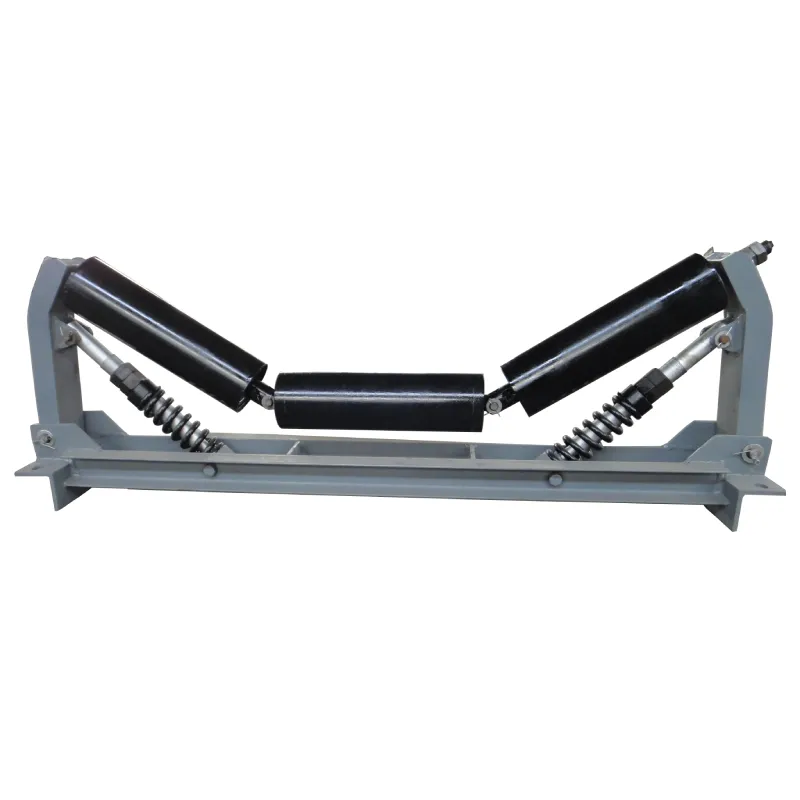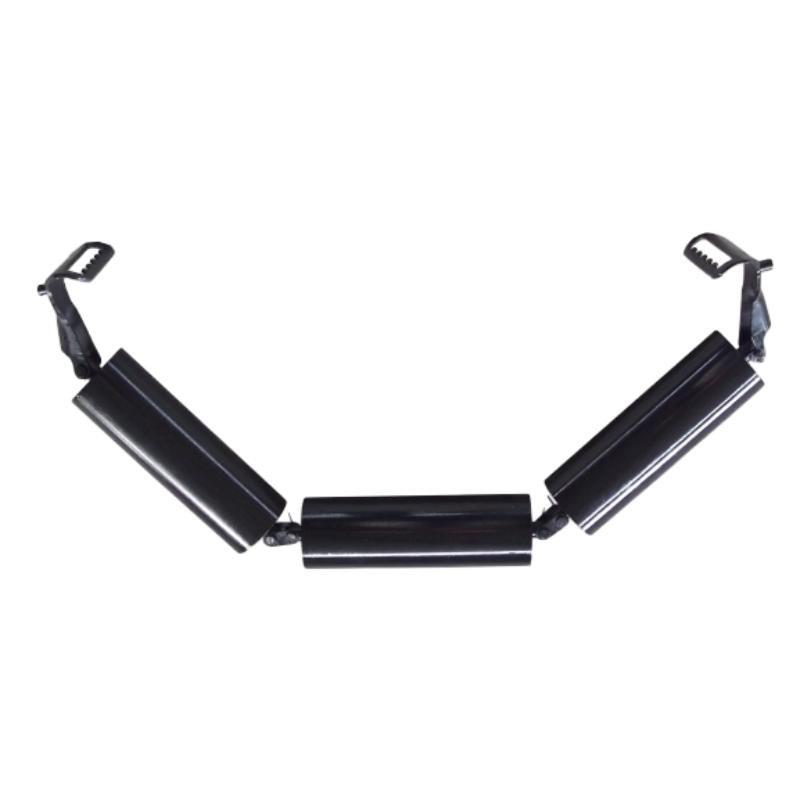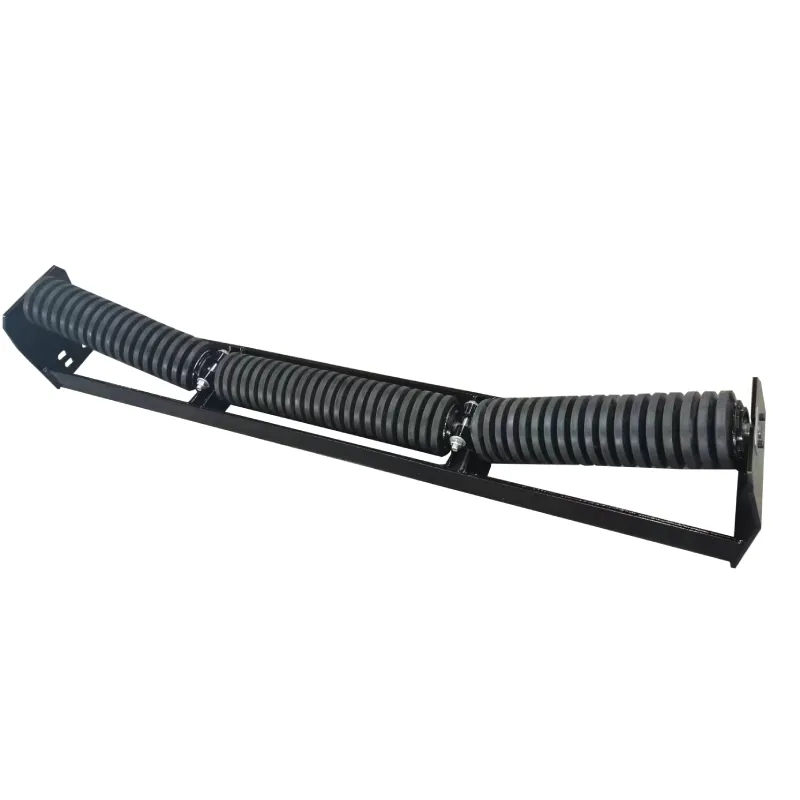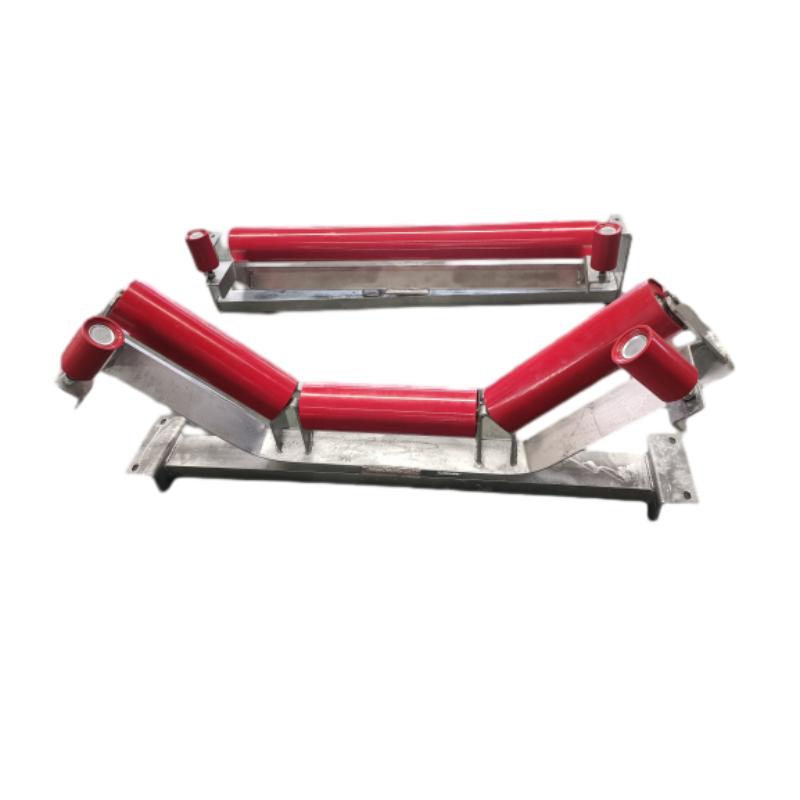


Optimizing Industrial Processes with the Right Cushion Roller Selection
Choosing the Right Cushion Roller: A Comprehensive Guide
Selecting the appropriate cushion roller is essential for achieving optimal results in various industrial applications, from printing and packaging to laminating and coating. This article delves into the types of cushion rollers available, their key features, material considerations, and how to choose the best option for your specific needs. Investing in a high-quality cushion roller can significantly enhance product quality, reduce downtime, and improve overall efficiency. We will explore factors such as durometer, surface finish, and compatibility with different inks and adhesives.
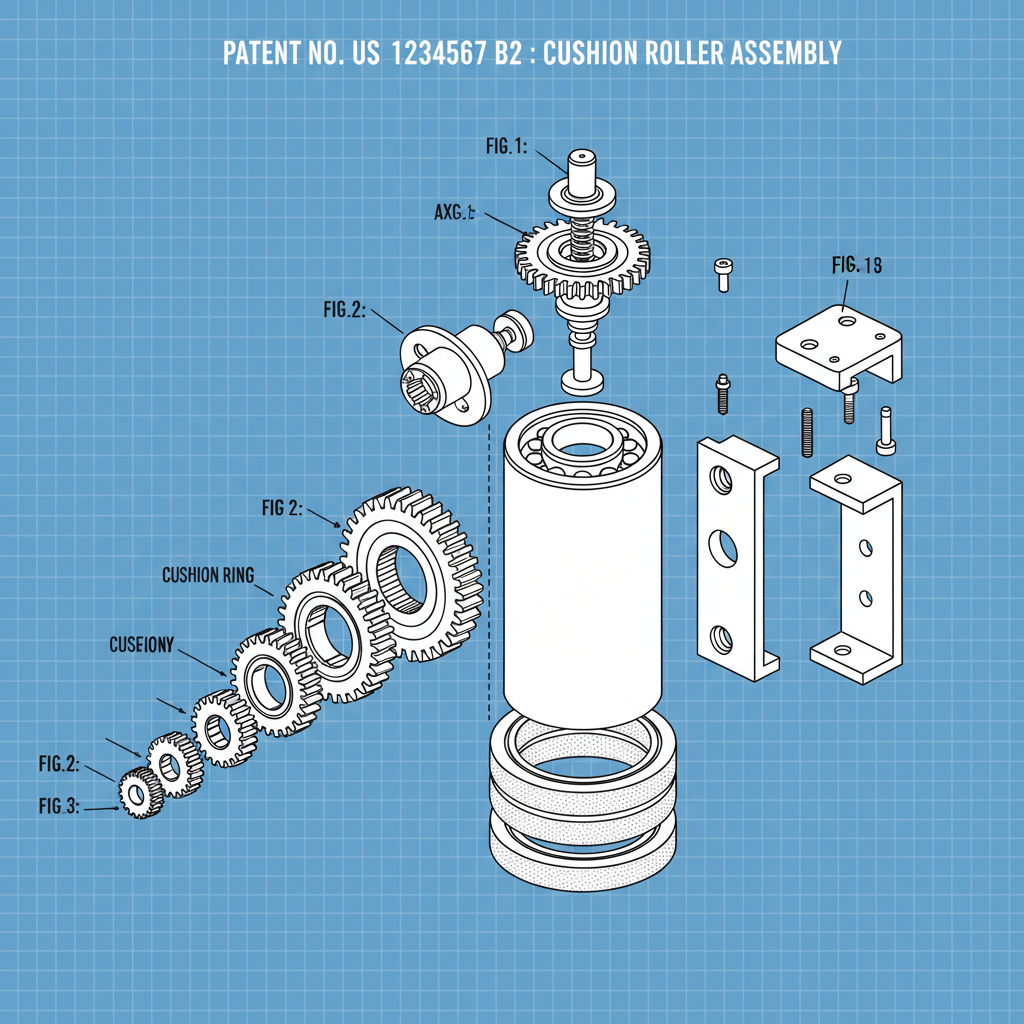
Understanding Cushion Rollers: A Core Component
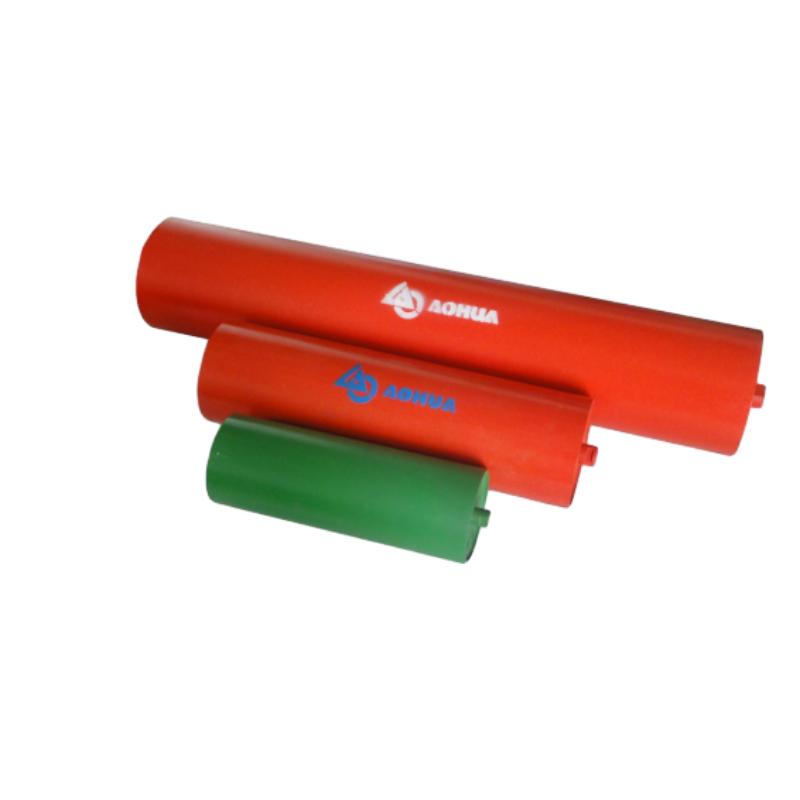
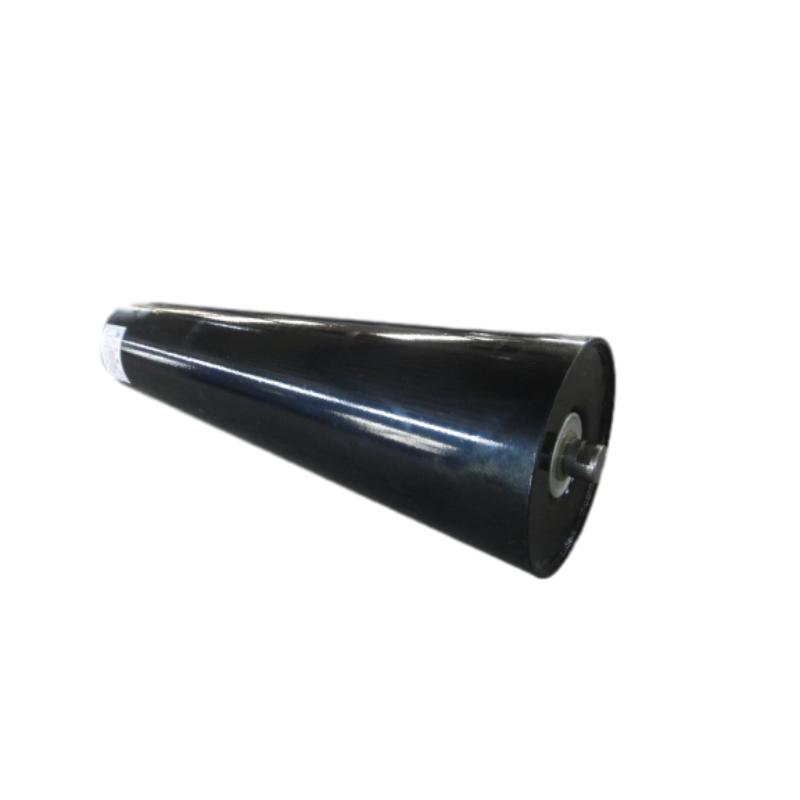
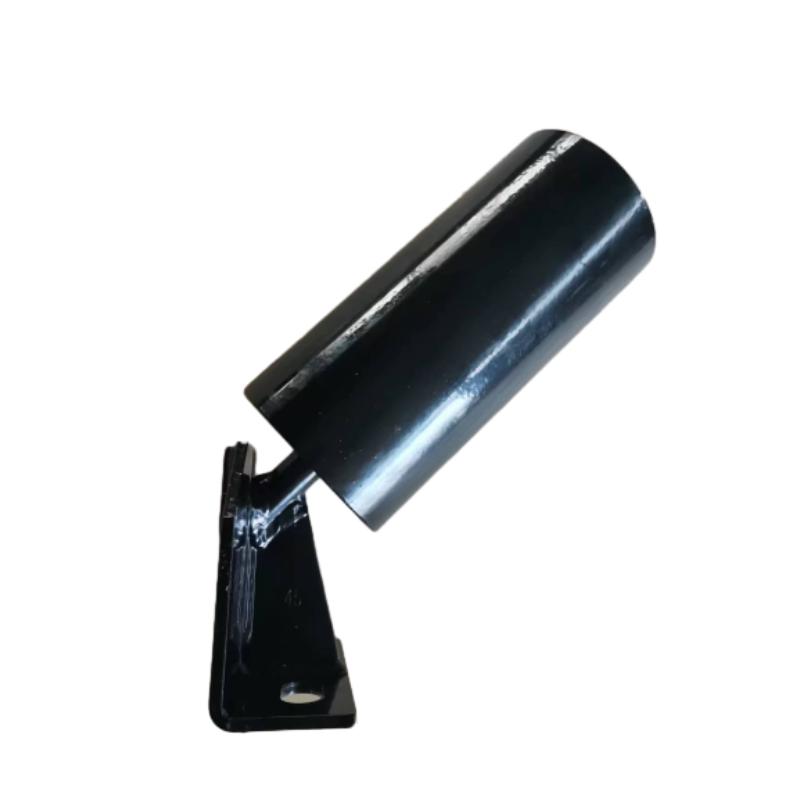
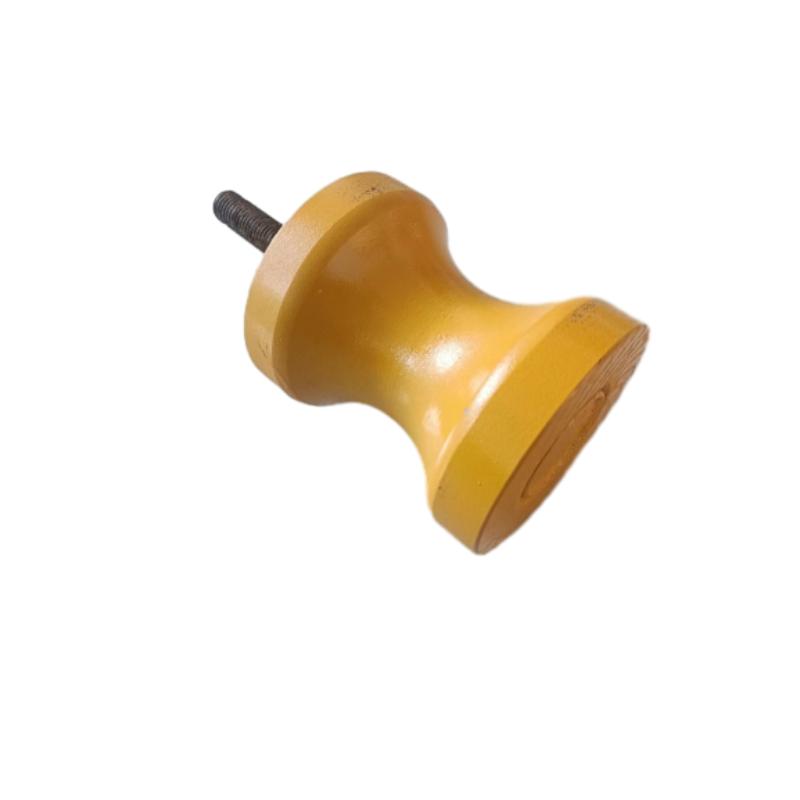
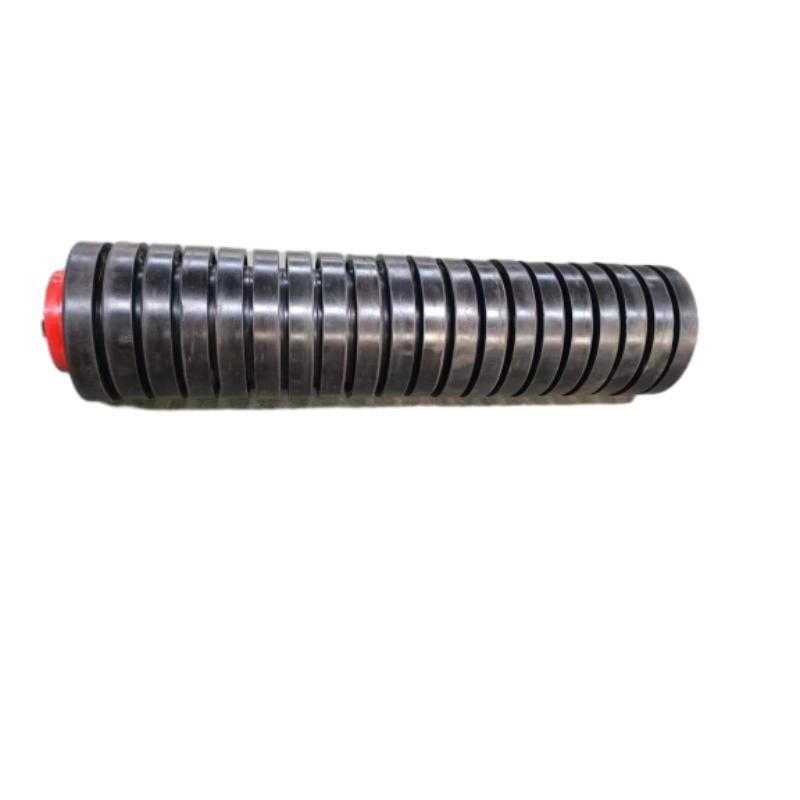
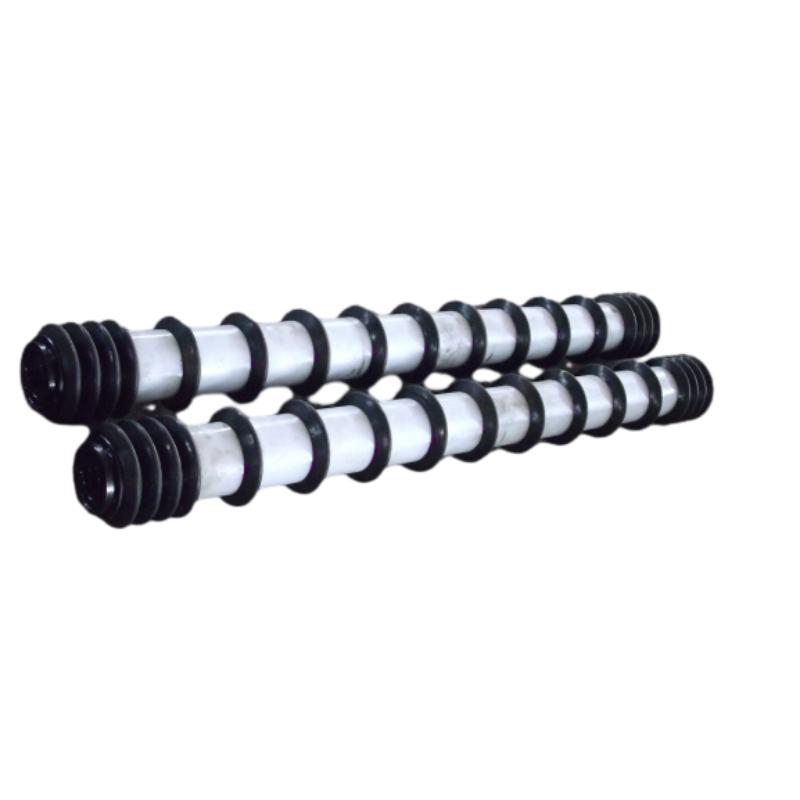
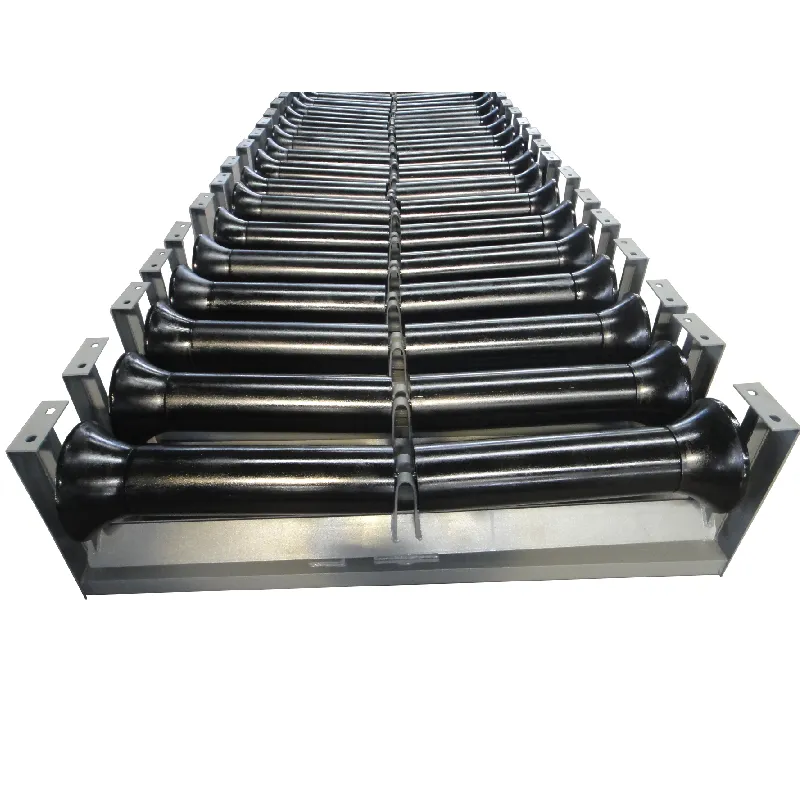
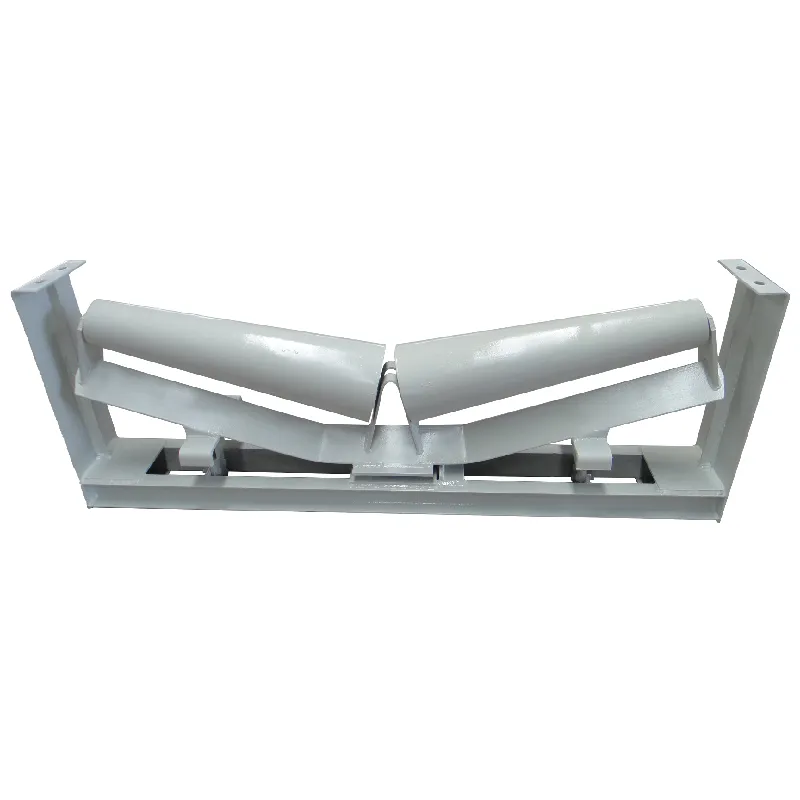
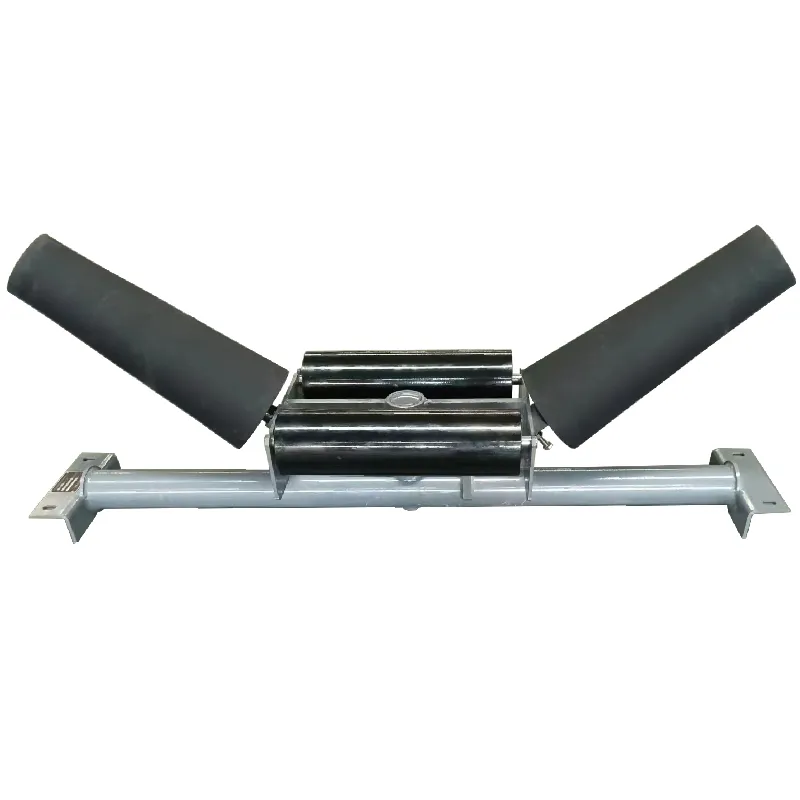
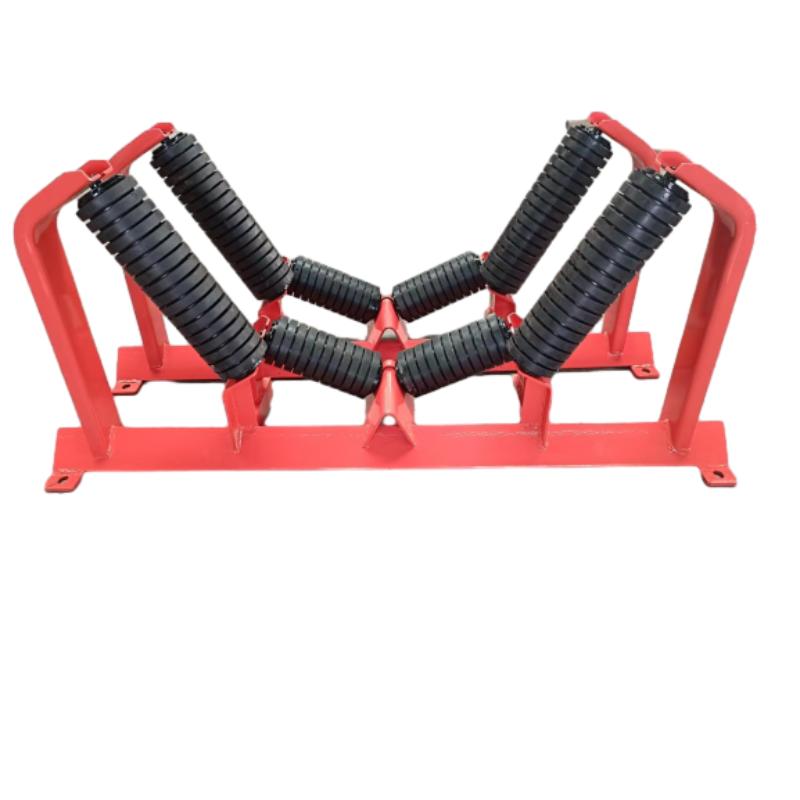
Cushion rollers are vital components in many converting processes. They serve as a critical interface between the printing plate or coating applicator and the substrate. Their primary function is to provide a uniform pressure distribution, ensuring consistent ink or adhesive transfer. Without a properly selected and maintained cushion roller, issues like uneven coating, poor print quality, and substrate damage can occur. Choosing the correct cushion roller depends heavily on the application – considering factors like substrate type, ink viscosity, and the desired level of pressure. IdleraoHua offers a wide range of options tailored to diverse industrial requirements.
Key Benefits: Uniform pressure distribution, consistent transfer of ink/adhesive, improved print quality, reduced substrate damage, enhanced efficiency.
Different Types of Cushion Rollers
Cushion rollers come in a variety of materials and constructions, each suited for specific applications. Common types include:
- EPDM Rollers: Excellent resistance to oils, solvents, and abrasion. Ideal for water-based inks and adhesives.
- Nitrile Rollers: Good chemical resistance and durability. Suitable for solvent-based inks and coatings.
- Polyurethane Rollers: Offers a wide range of hardness and excellent abrasion resistance. Versatile for various applications.
- Silicone Rollers: Superior heat resistance and non-stick properties. Used in applications involving high temperatures or sensitive substrates.
Material Selection Guide:
• Water-Based Inks: EPDM
• Solvent-Based Inks: Nitrile or Polyurethane
• High-Temperature Applications: Silicone
• General Purpose: Polyurethane
Cushion Roller Durometer and its Importance
The durometer of a cushion roller—measured on the Shore A scale—indicates its hardness. A lower durometer (e.g., 40A) signifies a softer roller, providing greater conformity to the substrate and better ink transfer on uneven surfaces. A higher durometer (e.g., 70A) means a harder roller, offering greater durability and resistance to wear, suitable for high-speed applications. Selecting the correct durometer is crucial for achieving optimal print quality and longevity of the roller.
Factors to Consider When Choosing a Cushion Roller
Beyond material and durometer, several other factors influence your cushion roller selection:
- Substrate Type: Porous substrates may require softer rollers for better ink absorption.
- Ink/Adhesive Viscosity: Higher viscosity fluids may necessitate a harder roller for efficient transfer.
- Operating Speed: High-speed applications demand rollers with superior abrasion resistance.
- Chemical Compatibility: Ensure the roller material is compatible with the inks, adhesives, and cleaning solvents used.
- Surface Finish: A smooth surface finish is crucial for consistent ink transfer and prevents substrate damage.
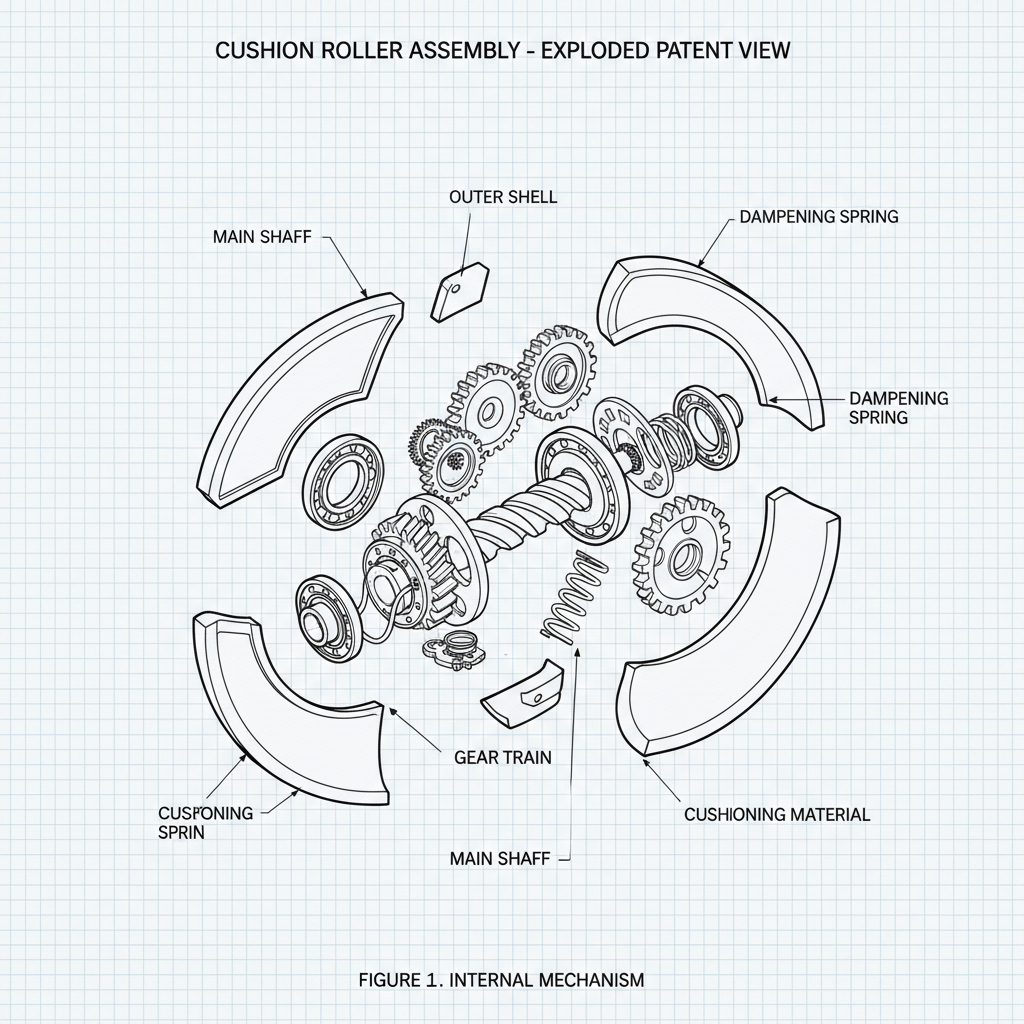
Maintaining Your Cushion Roller for Optimal Performance
Proper maintenance is critical for extending the life and performance of your cushion rollers. Regularly clean the roller with compatible solvents to remove ink and adhesive buildup. Avoid abrasive cleaners that can damage the surface. Inspect the roller for signs of wear, such as cracks, swelling, or unevenness. Replace the roller when it shows significant signs of deterioration. Following these simple maintenance practices will maximize your return on investment and ensure consistent print quality. IdleraoHua also provides expert advice on roller maintenance and care.
Conclusion: Selecting the Right Cushion Roller for Your Needs
Choosing the right cushion roller is a crucial decision that impacts the efficiency and quality of your printing or coating process. By carefully considering the factors discussed in this article – material, durometer, application, and maintenance – you can ensure optimal performance and longevity. Invest in quality rollers from a trusted supplier like IdleraoHua and experience the difference a well-selected cushion roller can make.
Frequently Asked Questions (FAQs)
What is the expected lifespan of a cushion roller?
The lifespan of a cushion roller varies depending on several factors, including the material, durometer, operating conditions, and frequency of use. Generally, EPDM rollers can last from 6 months to 2 years with proper maintenance. Nitrile and polyurethane rollers typically have a slightly longer lifespan. Regular inspection for wear and tear, as well as adherence to recommended cleaning procedures, are essential for maximizing longevity. It's crucial to replace rollers when they exhibit signs of cracking, swelling, or loss of conformity.
How do I determine the correct durometer for my application?
Determining the correct durometer involves considering the substrate's surface characteristics and the ink/adhesive viscosity. Softer rollers (lower durometer) are ideal for uneven surfaces and flexible substrates, providing better ink transfer. Harder rollers (higher durometer) are more suitable for smooth surfaces, high-speed applications, and abrasive inks. Consulting with a roller specialist or conducting test runs with different durometers can help you identify the optimal choice. IdleraoHua’s team can provide expert guidance.
What cleaning solvents are safe to use on cushion rollers?
The appropriate cleaning solvent depends on the roller material and the type of ink or adhesive used. Always refer to the roller manufacturer's recommendations. Generally, water-based inks can be cleaned with mild detergents and water. Solvent-based inks require compatible solvents, such as isopropyl alcohol or specialized ink removers. Avoid using harsh chemicals or abrasive cleaners that can damage the roller surface. Thoroughly rinse the roller after cleaning to remove any residual solvent.
How often should I replace my cushion roller?
The replacement frequency depends on usage and the roller’s condition. As a general guideline, inspect rollers weekly for signs of wear, such as cracking, swelling, or unevenness. Replace the roller immediately if any damage is detected. Even without visible damage, rollers should be replaced every 6-12 months for optimal performance. Consistent quality control checks will help determine the optimal replacement schedule for your specific application.
-
Maximize Conveyor Life with a High Performance impact bedNewsApr.16,2026
-
Maximize Conveyor Efficiency Using a v plow belt scraperNewsApr.09,2026
-
Comprehensive Guide to Understanding Different Types of Belt CleanersNewsApr.07,2026
-
Enhancing Conveyor Efficiency with an Effective Scraper Belt CleanerNewsApr.04,2026
-
Optimizing Conveyor Systems with Advanced Cleaning Equipment SolutionsNewsMar.31,2026
-
Effective Conveyor Belt Scraper Adjustment for Optimal System PerformanceNewsMar.28,2026