

Impact Roller Explained: Durable Solutions for Modern Conveyor Systems
Understanding the Impact Roller: Why It Matters Globally
If you've ever watched an industrial machine at work, you might not have noticed one tiny but crucial part doing its job silently—the impact roller. Although often overlooked, impact rollers are fundamental in industries ranging from mining to manufacturing, helping to absorb shocks and reduce wear on conveyor belts. Globally, these components carry the heavy lifting of transporting goods efficiently and safely, preventing costly downtime and environmental waste. Understanding impact rollers unlocks a small but mighty piece of the industrial puzzle with ripple effects in sustainability, cost savings, and operational safety.
The Global Context: Why the Impact Roller Is More Relevant Than Ever
The conveyor belt system industry is projected to grow by over 5% annually, driven largely by increased mechanization worldwide, according to reports from the International Organization for Standardization (ISO). As global trade expands and infrastructure grows, the demand for resilient impact rollers that can withstand harsh conditions while protecting conveyor belts also spikes. Interestingly, in harsh mining environments like those in Australia or Canada, impact rollers can reduce belt damage by up to 40%—a statistic worth pondering when we assess how raw materials reach the market. Yet, operators face challenges with frequent replacements and downtime, linking directly to the need for innovative impact roller solutions.
Mini takeaway: Impact rollers are quietly behind smoother, safer global supply chains and industrial efficiency, especially where heavy loads and rough conditions exist.
What Exactly Is an Impact Roller?
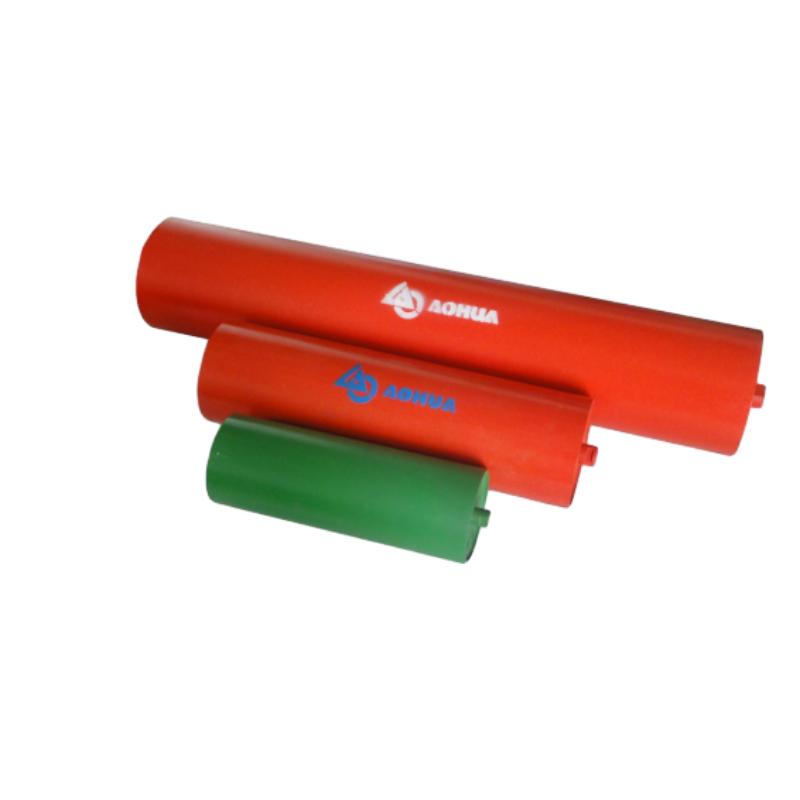
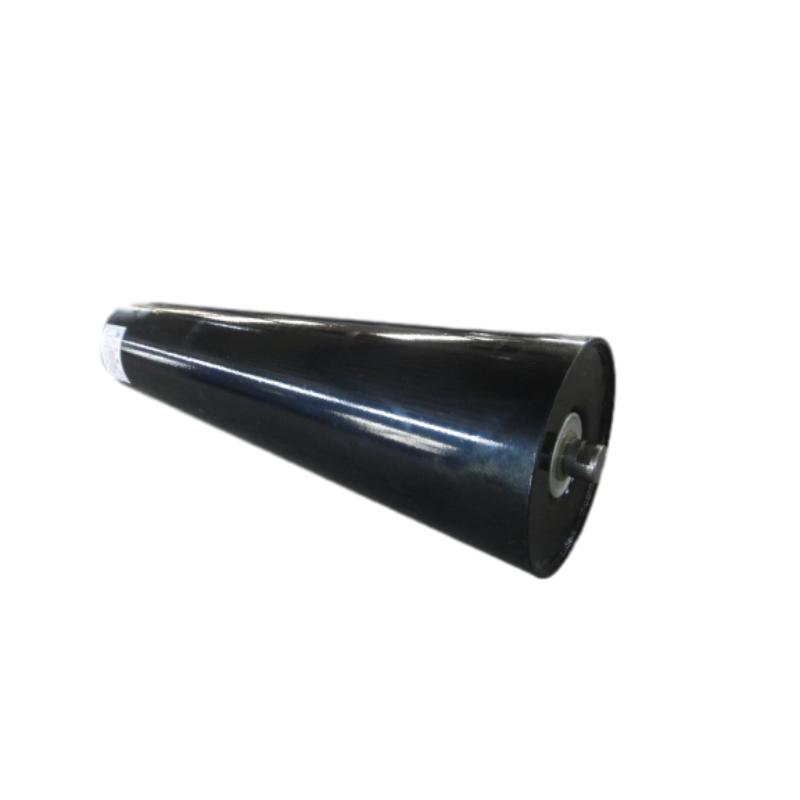
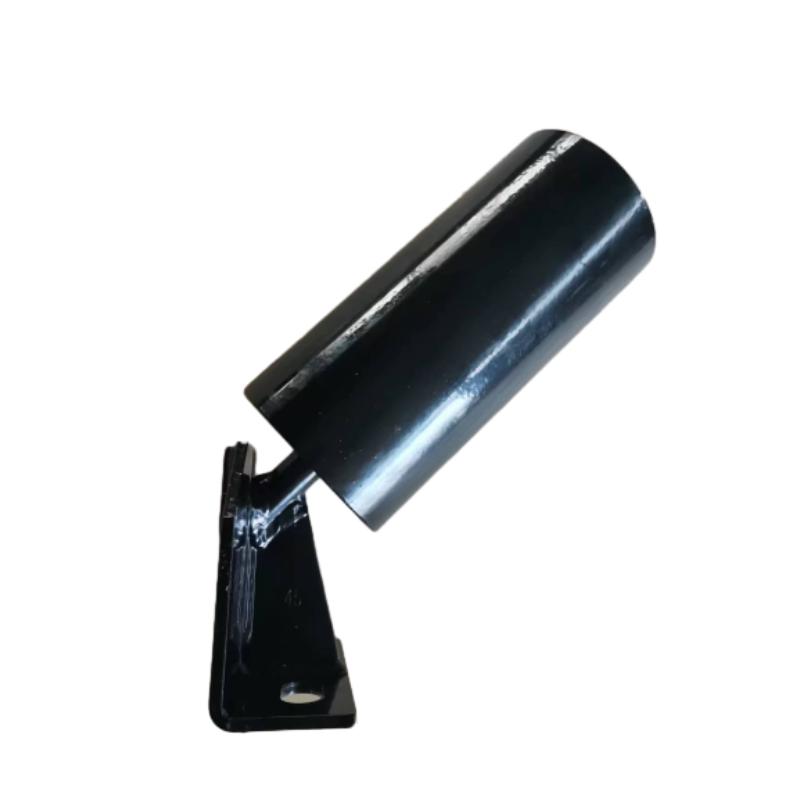
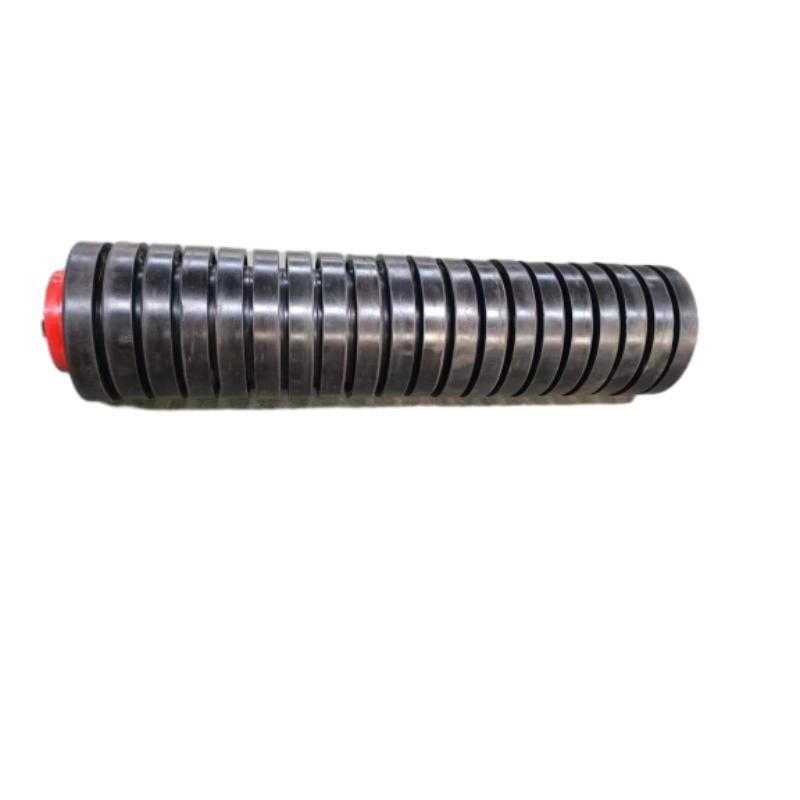
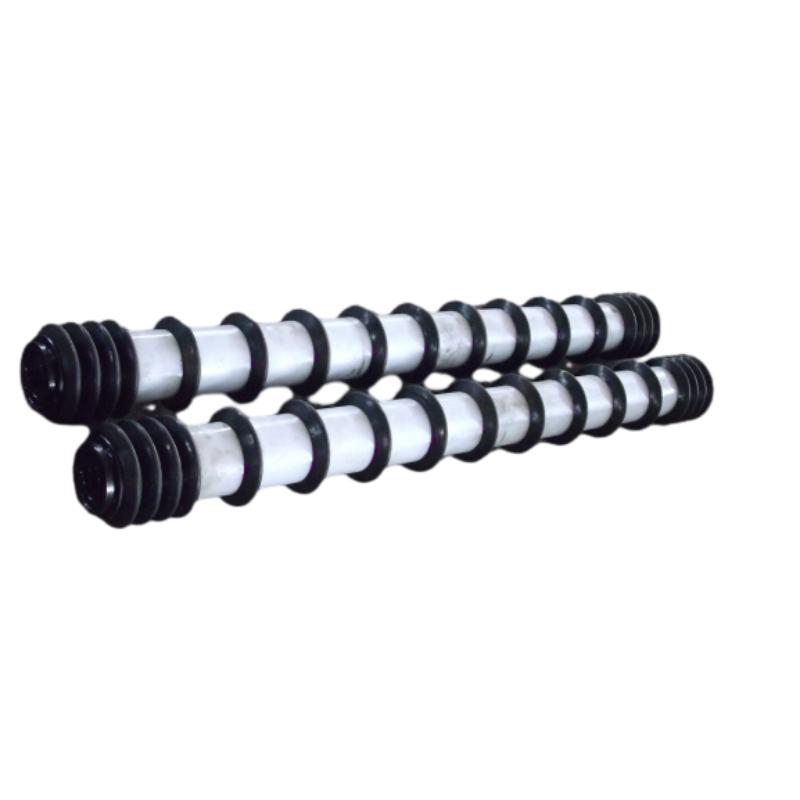
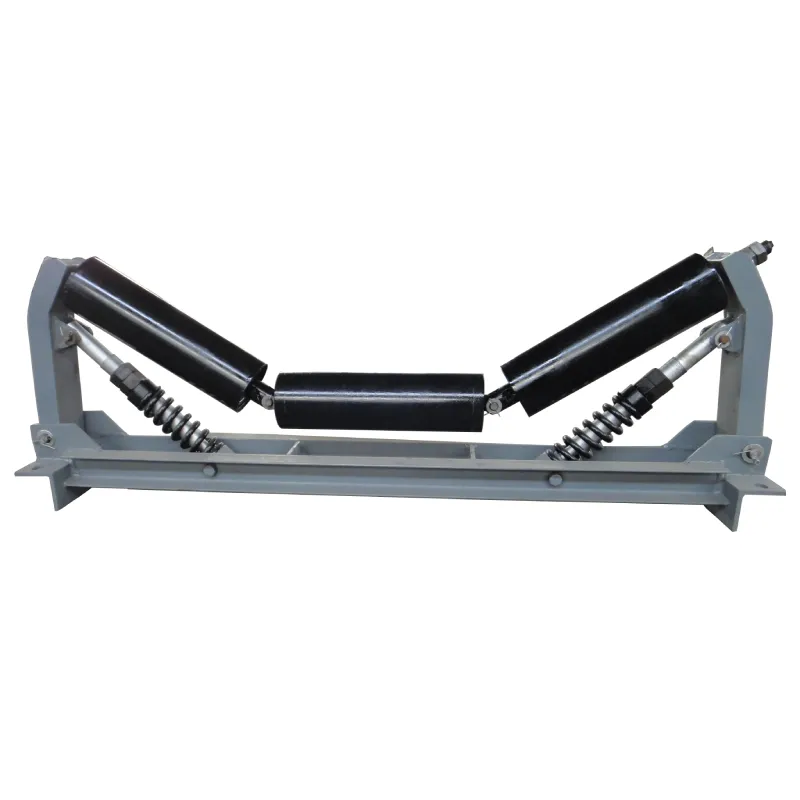
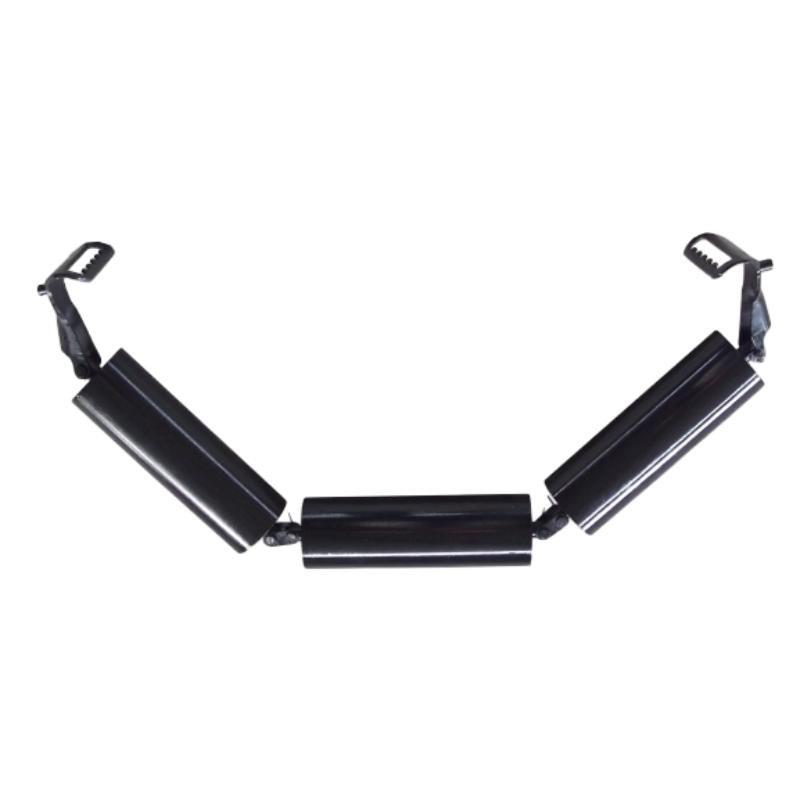
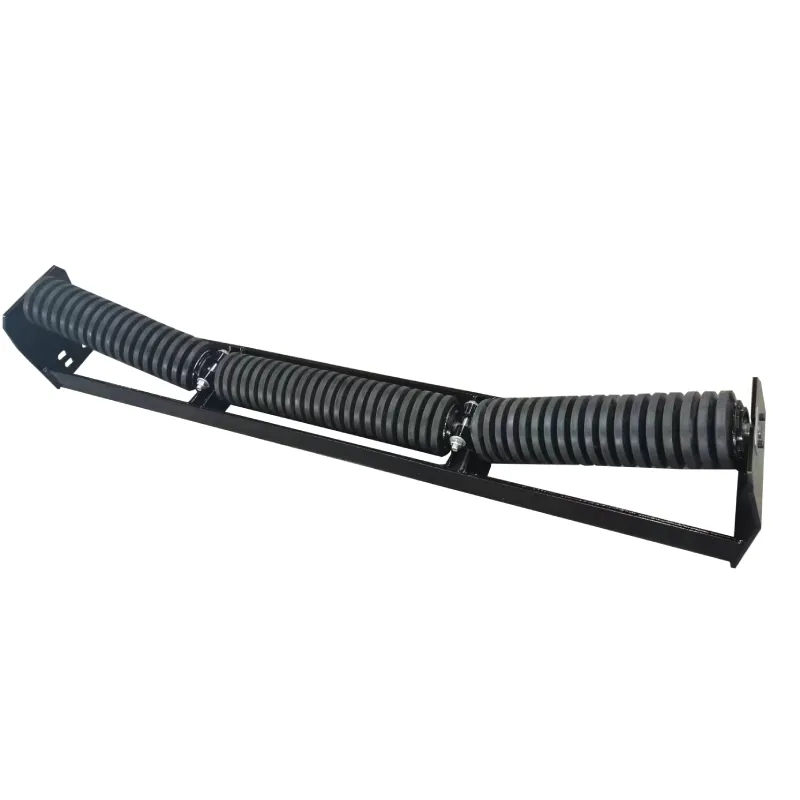
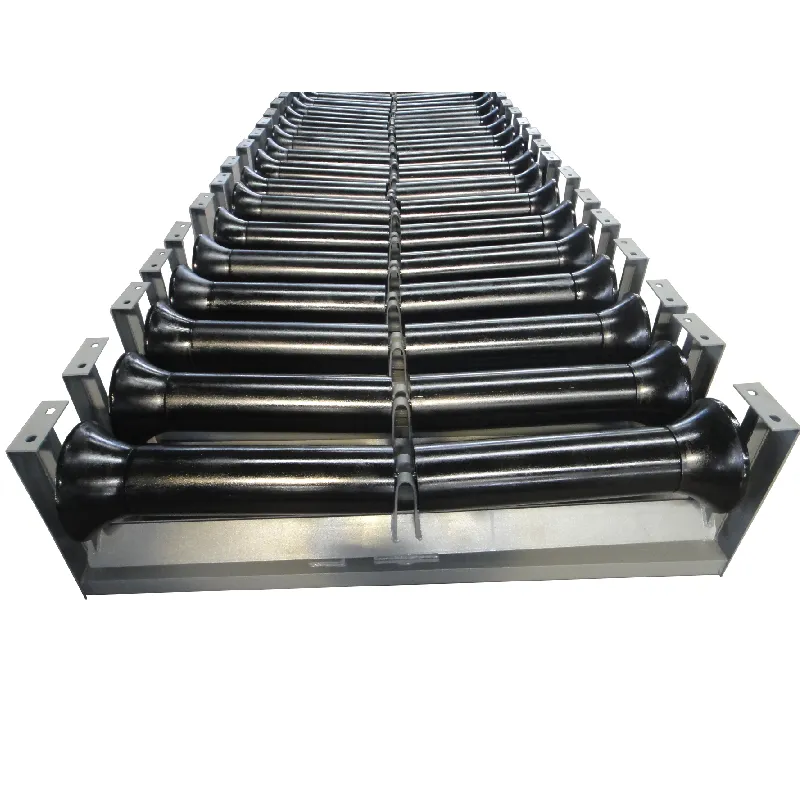
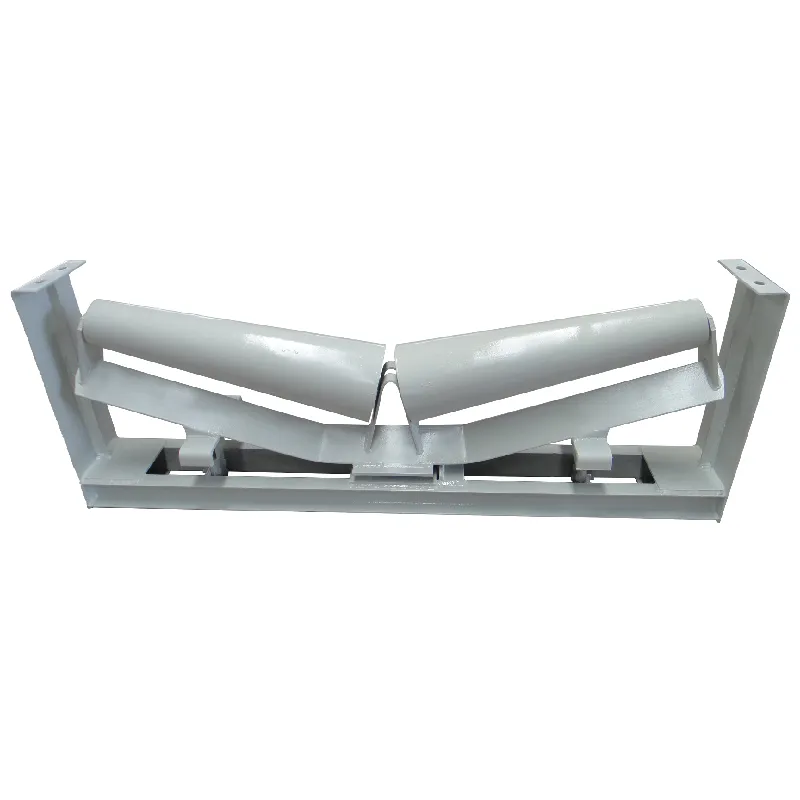
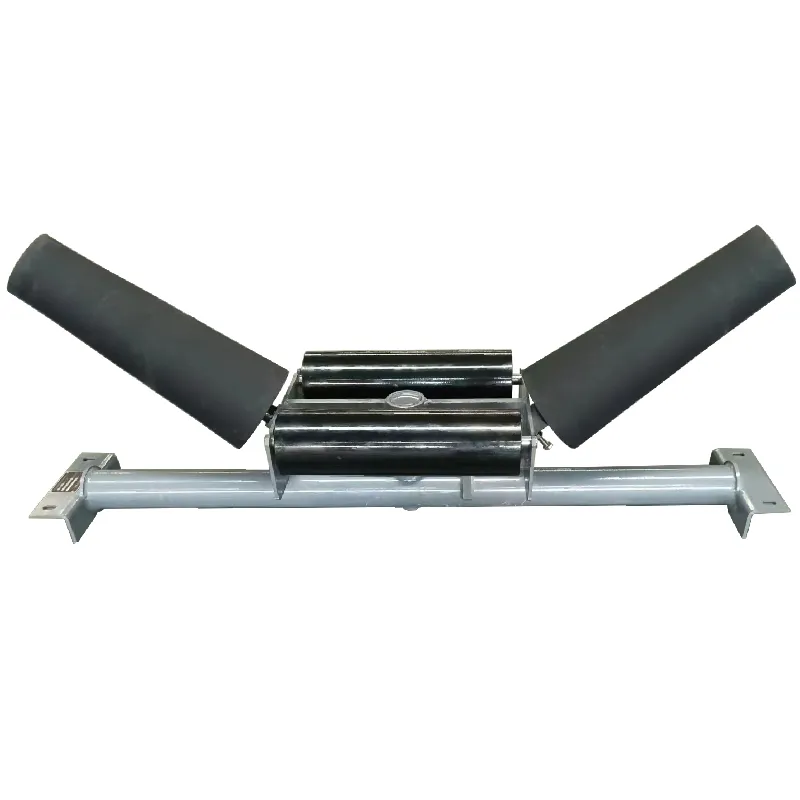
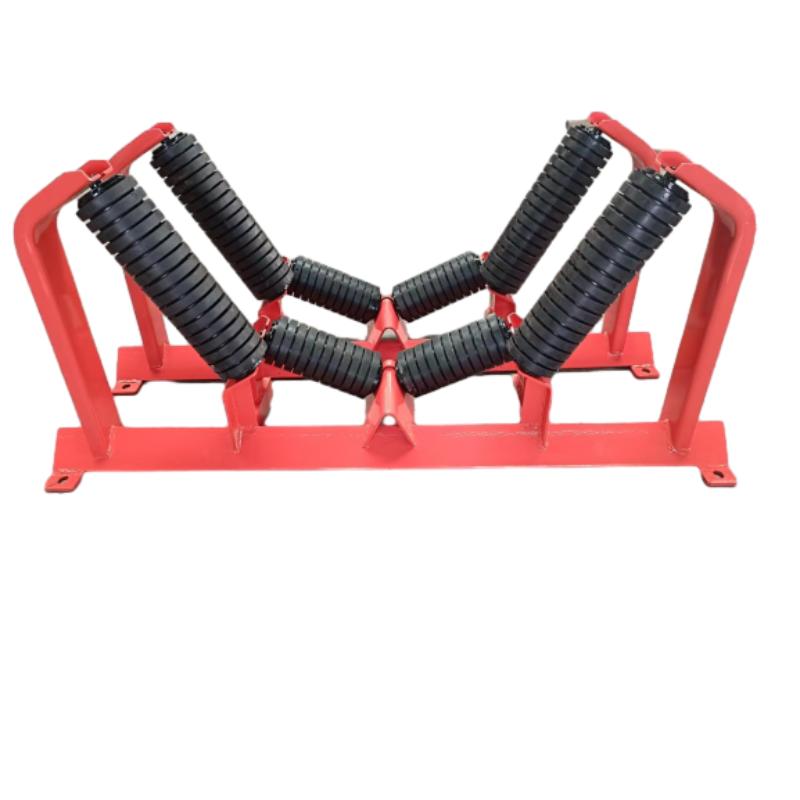
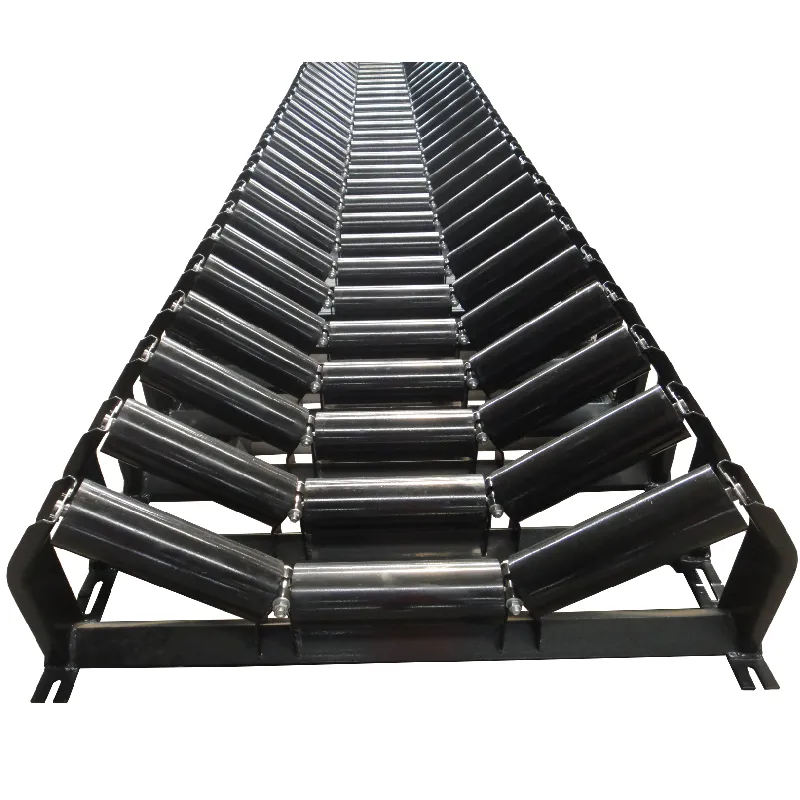
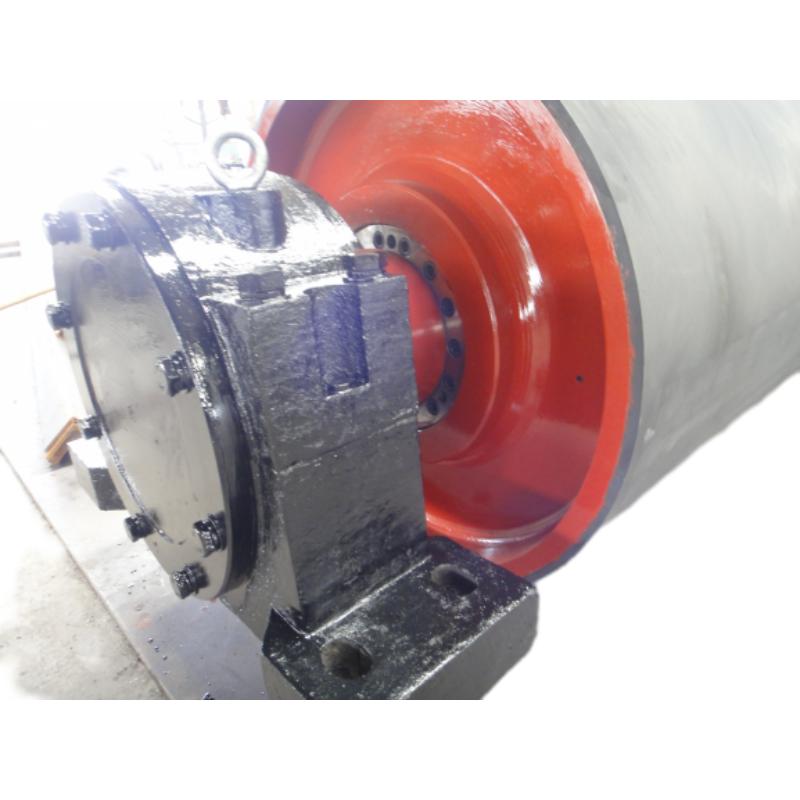
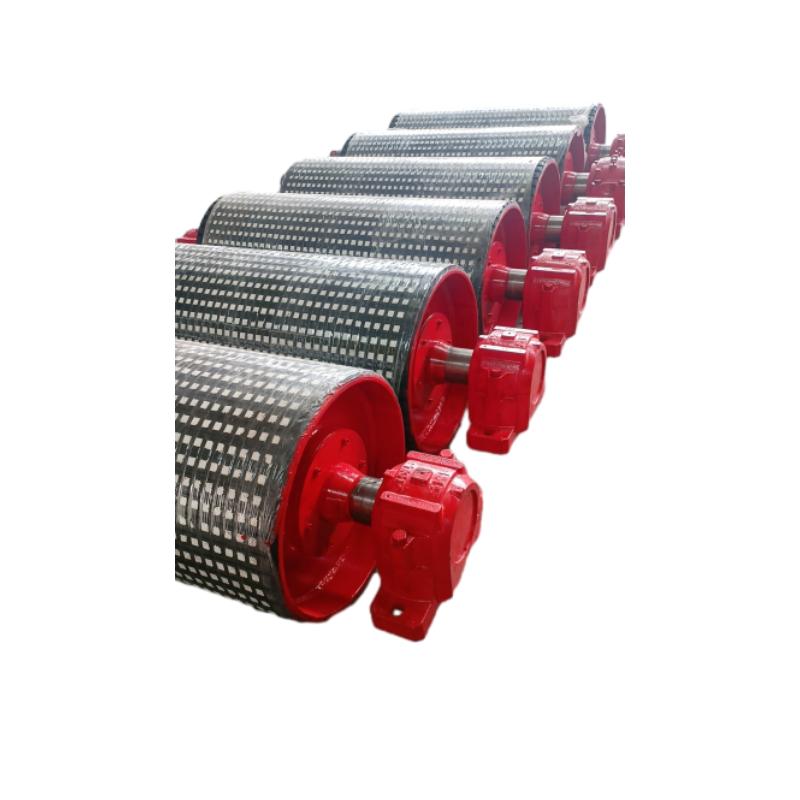
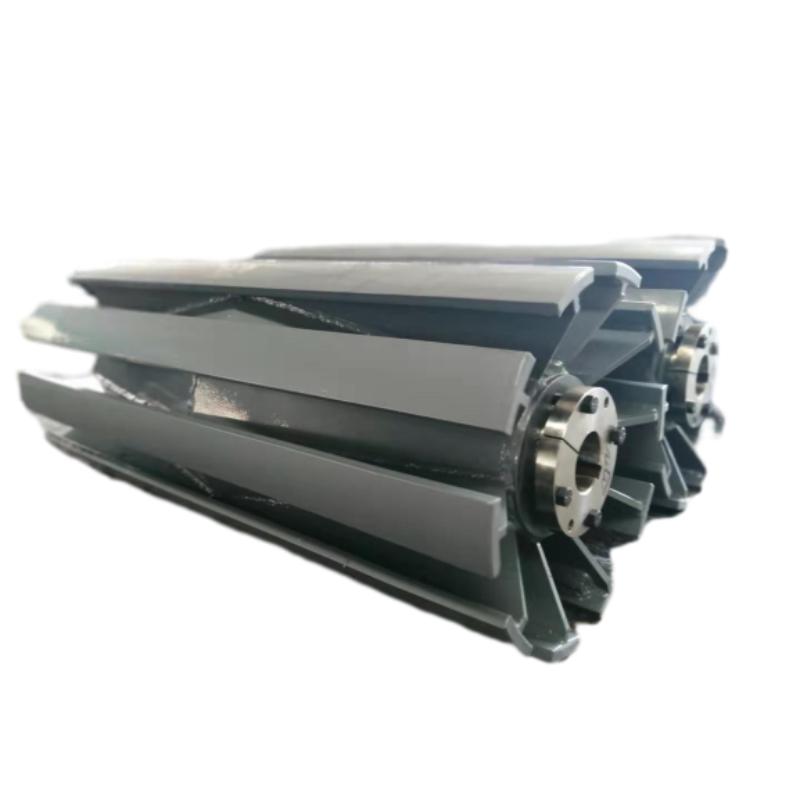
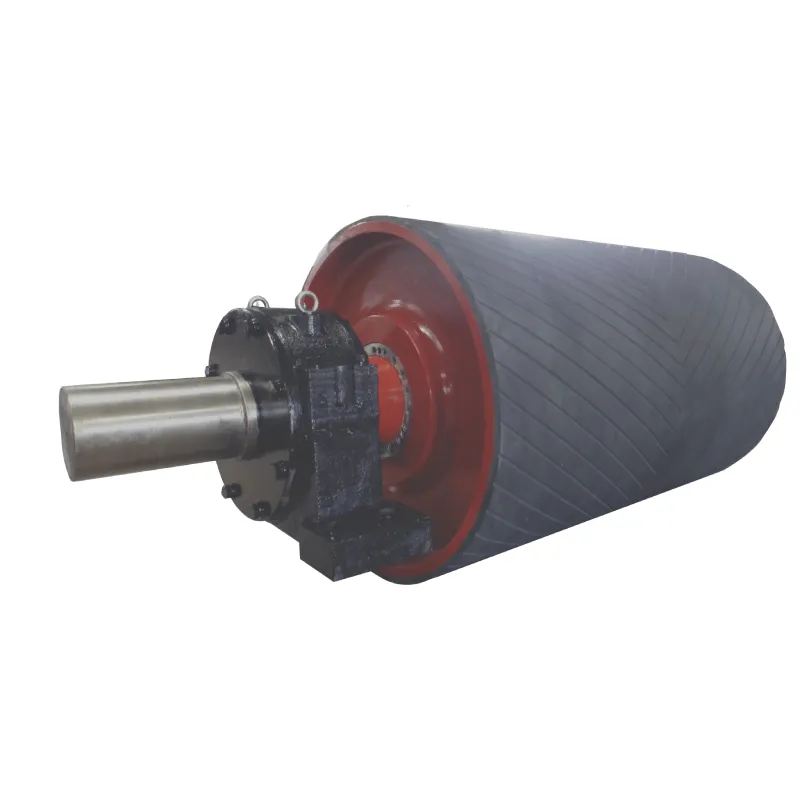
Simply put, an impact roller is a support roller designed to absorb and reduce the impact load on conveyor belts—particularly where materials are loaded onto the belt. Imagine dropping a heavy box on a table that's cushioned with a rubber mat versus a bare wooden surface. The impact roller’s rubberized or polymer-coated exterior cushions the sudden shock, preventing conveyor belts from tearing or degrading. This is absolutely vital in modern industry, where downtime is costly and safety standards are strict. Plus, with conveyors spanning hundreds of meters, without something to protect belts at heavy loading points, those belts would wear out in no time.
Connection to bigger themes? Besides industrial use, impact rollers also aid disaster relief logistics and large-scale construction projects by ensuring materials flow reliably and safely.
Core Components and Key Factors of Impact Rollers
1. Durability
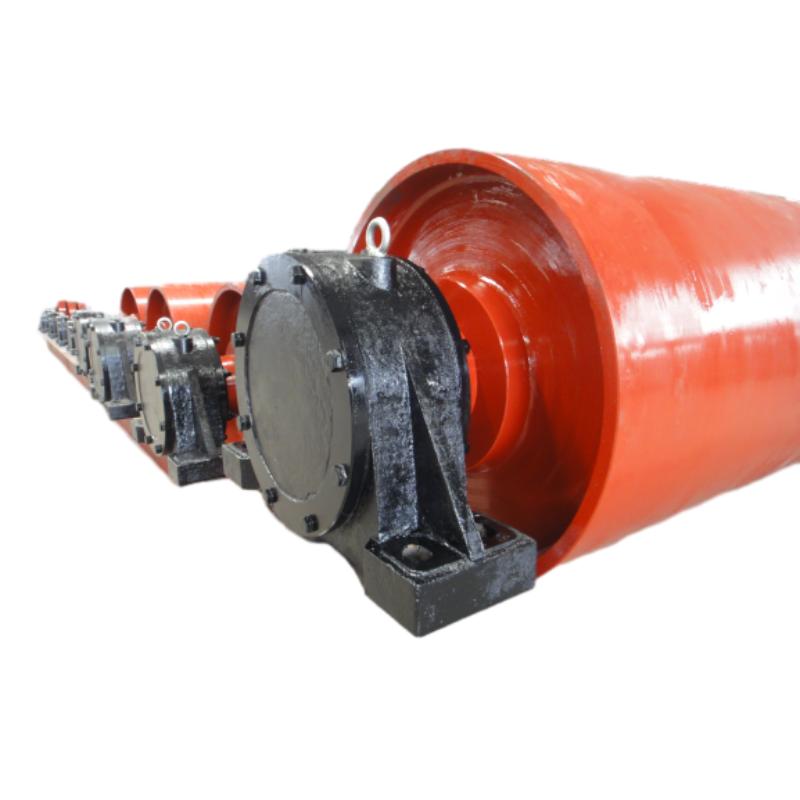
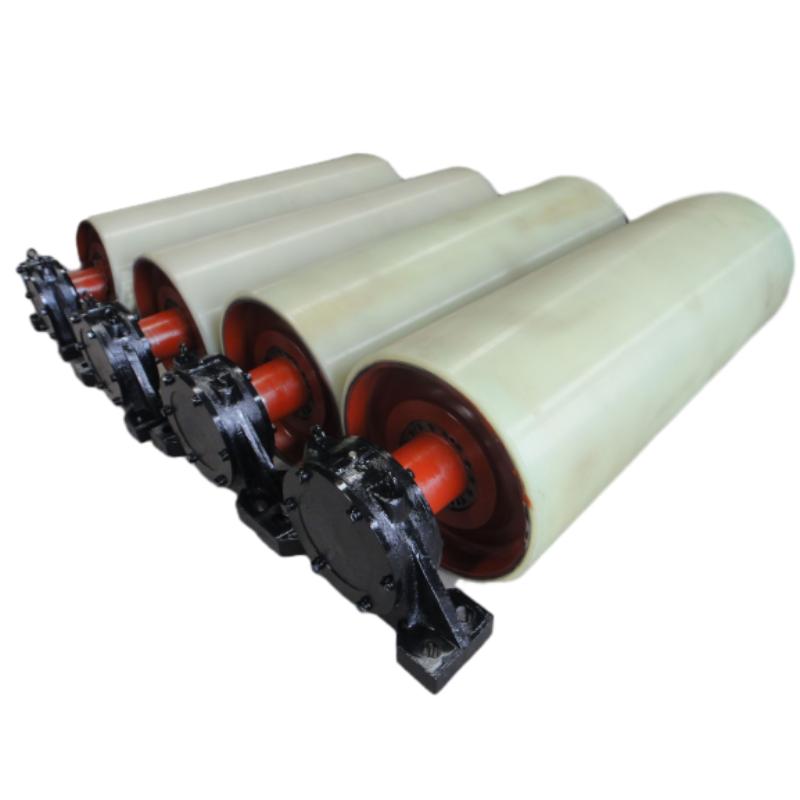
Impact rollers often operate in gritty, gritty environments—from coal mines to steel mills. Their durability depends largely on materials like high-grade steel shafts combined with abrasion-resistant rubber coverings. Many engineers say the better the rubber compound, the longer the service life—and fewer emergency repairs.
2. Shock Absorption
The hallmark of any good impact roller. It cushions heavy loads and sudden drops during material loading. Superior impact resistance helps reduce conveyor belt damage dramatically, which means lower maintenance costs and fewer stoppages.
3. Scalability & Size Options
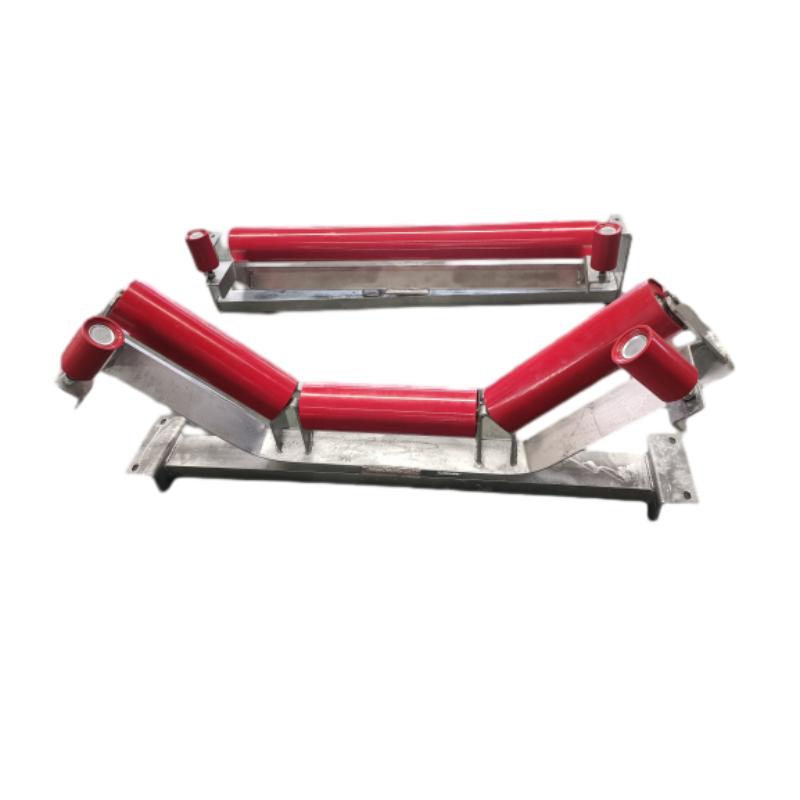
Impact rollers come in various diameters and lengths, tailored to different belt widths and load sizes. This scalability ensures they fit everything from light packaging lines to rugged mining conveyors.
4. Cost Efficiency
While some top-tier rollers might have a higher upfront cost, their longevity and energy savings often mean better ROI across their lifespan. After all, replacing a conveyor belt in a mine can cost thousands—and that doesn't even include lost production.
5. Ease of Maintenance
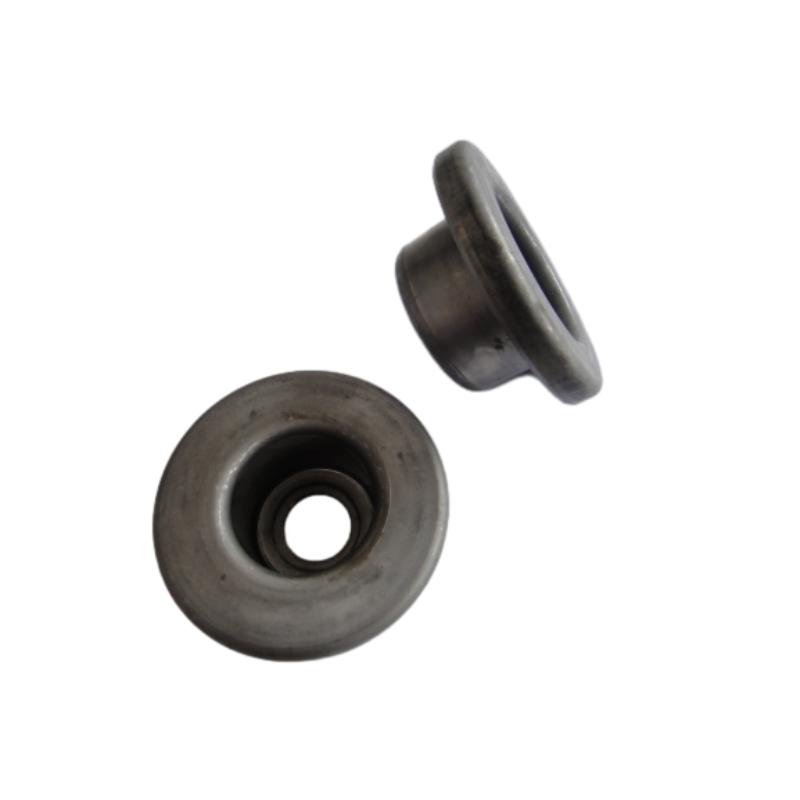
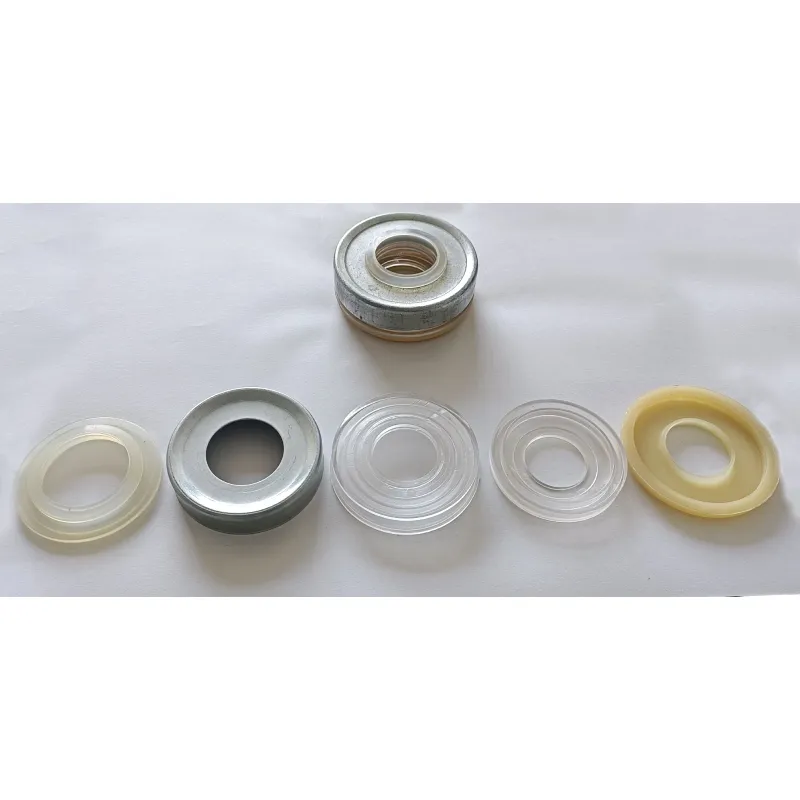
Many modern impact rollers come with sealed bearings or replaceable rubber sleeves, designed for quick swaps without dismantling the entire conveyor system. This detail alone sometimes saves teams hours or even days.
Mini takeaway:
When selecting impact rollers, durability, shock absorption, size compatibility, cost, and maintenance clearly stand out as must-consider factors.
Real-World Applications: Where Impact Rollers Shine
Industries worldwide rely on impact rollers constantly. In mining regions like South Africa and Brazil, rugged impact rollers help transport heavy ores without breakdowns. Manufacturing plants across Europe integrate these rollers to keep assembly line conveyors running smoothly. And oddly enough, in remote construction zones in the Middle East, impact rollers are crucial to maintain material flow despite extreme temperatures.
In post-disaster relief operations, swift and reliable material handling is critical. Impact rollers ensure that conveyor systems used to move building materials and food supplies withstand intense loading without failing—enabling aid organizations to operate efficiently.
Impact roller technology has even found its way into exotic applications, like renewable energy plants where conveyor belts transport equipment parts.
Advantages & Long-Term Value of Impact Rollers
- Cost Savings: Less belt damage means fewer replacements and lower maintenance expenses.
- Operational Reliability: Smooth material flow reduces downtime and improves productivity.
- Sustainability: Durable rollers extend conveyor life, resulting in less waste.
- Safety: Prevents dangerous belt failures that could cause accidents.
- Innovation Trust: Newer rollers incorporate advanced materials and design for optimized performance.
On an emotional level, plant managers often talk about the peace of mind that comes “knowing the rollers will hold up,” a subtle but powerful factor in daily operations.
Emerging Trends & Innovations in Impact Rollers
The sector isn’t static. Green energy is a buzzword everywhere, and impact roller manufacturers are exploring eco-friendly rubber compounds and recyclable metals. Digitalization also enters the scene, with smart rollers now under development. Sensors embedded within impact rollers are poised to monitor wear and impact loads in real-time, signaling maintenance needs before breakdowns happen. For conveyor systems embracing Industry 4.0, this is a perfect marriage of old-school durability and new-school tech.
Automation trends mean that modular impact roller designs allowing quick replacements by robots could soon be mainstream, especially in hazardous environments.
Challenges & How Experts Are Addressing Them
Despite their benefits, impact rollers face challenges: premature rubber wear, difficulties in extreme temperatures, and mismatched sizing with specific conveyors. In response, suppliers are focusing on customizable solutions with interchangeable parts, advanced polymer blends for greater temperature tolerance, and better technical support to match rollers exactly to application needs.
I noticed that many maintenance teams also appreciate downloadable CAD models and service life calculators provided by modern manufacturers—a small but helpful innovation.
Practical FAQ on Impact Rollers
- Q: How do impact rollers extend conveyor belt life?
- A: They absorb the shock at loading points, reducing belt damage caused by hard material drops and thus preventing tears and stretching.
- Q: Can impact rollers be used in extreme weather conditions?
- A: Yes, many impact rollers incorporate temperature-resistant rubber compounds suitable for freezing or hot environments, but proper selection is essential.
- Q: Are there standard sizes for impact rollers or are they custom-made?
- A: Both exist. Standard rollers fit the most common conveyor belts, but manufacturers offer custom sizes for specific industrial needs.
- Q: How often should impact rollers be inspected or replaced?
- A: Routine inspection is recommended at least quarterly. Replacement depends on wear but generally occurs every 1-3 years based on usage intensity.
- Q: What is the impact roller’s role in sustainable operations?
- A: By protecting conveyor belts and reducing waste, impact rollers contribute directly to sustainability goals, both economically and environmentally.
Impact Roller Specifications at a Glance
| Specification | Typical Range | Notes |
|---|---|---|
| Roller Diameter | 89 mm to 159 mm | Depends on conveyor belt width |
| Material | Steel shaft with rubber/polyurethane coating | Varies by application environment |
| Load Capacity | Up to 800 kg per roller | Assumes proper installation |
| Temperature Range | -30°C to +80°C | Polyurethane types may extend range |
| Bearing Type | Sealed ball bearings | Reduces maintenance frequency |
Vendor Comparison: Leading Impact Roller Manufacturers
| Manufacturer | Material Options | Custom Sizes | Lead Time | Special Features |
|---|---|---|---|---|
| RollerTech Inc. | Rubber, Polyurethane | Yes | 2-3 weeks | Built-in sensor options |
| ImpactRoll Systems | Rubber | Limited | 1-2 weeks | Quick-swap liners |
| FlexRoll Co. | Polyurethane | Yes | 4 weeks | Wear indicator design |
Wrapping Up: Why Impact Rollers Matter for the Long Haul
Frankly, impact rollers don’t grab headlines, but anyone who’s worked around conveyor belts knows exactly how essential they are. They save money, cut downtime, and boost sustainability efforts—all while quietly absorbing the harsh impacts of heavy material handling. With innovation accelerating, from smarter materials to sensor integration, these humble parts are poised to become even smarter and more dependable.
Curious? Dive deeper or find the perfect fit for your operations by visiting our impact roller page. I suspect that once you see the range and options available, you'll appreciate just how much impact rollers impact your bottom line and more.
References
-
Maximize Conveyor Life with a High Performance impact bedNewsApr.16,2026
-
Maximize Conveyor Efficiency Using a v plow belt scraperNewsApr.09,2026
-
Comprehensive Guide to Understanding Different Types of Belt CleanersNewsApr.07,2026
-
Enhancing Conveyor Efficiency with an Effective Scraper Belt CleanerNewsApr.04,2026
-
Optimizing Conveyor Systems with Advanced Cleaning Equipment SolutionsNewsMar.31,2026
-
Effective Conveyor Belt Scraper Adjustment for Optimal System PerformanceNewsMar.28,2026