

Impact Idlers: Essential Components for Reliable Conveyor Systems
Understanding Impact Idlers: The Unsung Heroes of Material Handling
If you’ve ever walked near a massive conveyor belt transporting heavy materials—think mining ore or recycled waste—you’ve likely come across impact idlers without knowing it. These deceptively simple components absorb the shock of falling bulk materials, protecting conveyor belts from damage and prolonging the system’s lifespan. While often overlooked, understanding impact idlers carries significant global relevance, especially as industries ramp up production and sustainability becomes key.
In this article, we’ll unpack what impact idlers are, their core components, global applications, and why they matter for efficiency and safety worldwide. We’ll also peek into emerging trends and answer common questions—because, frankly, impact idlers are more interesting than their name suggests.
Why Impact Idlers Matter on a Global Scale
Think about the global mining, construction, and materials industries—they’re massive. According to the International Organization for Standardization (ISO), conveyor belts are essential for efficient bulk handling. Moreover, the World Bank reports that infrastructure projects in developing regions depend heavily on reliable conveyor systems.
Enter impact idlers: designed to absorb shocks from heavy or irregular loads dumped onto the belt. Without them, conveyor belts tear quickly, causing costly downtime and maintenance headaches. Estimate-wise, conveyor belt damage accounts for roughly 15-20% of operational failures in mining, making impact idlers a vital investment for operational continuity worldwide.
Challenges like harsh environmental conditions, increasing throughput demands, and sustainability pressures mean that impact idlers must evolve too. How they deliver durability and cost-savings directly influences industries across continents.
What Exactly Are Impact Idlers?
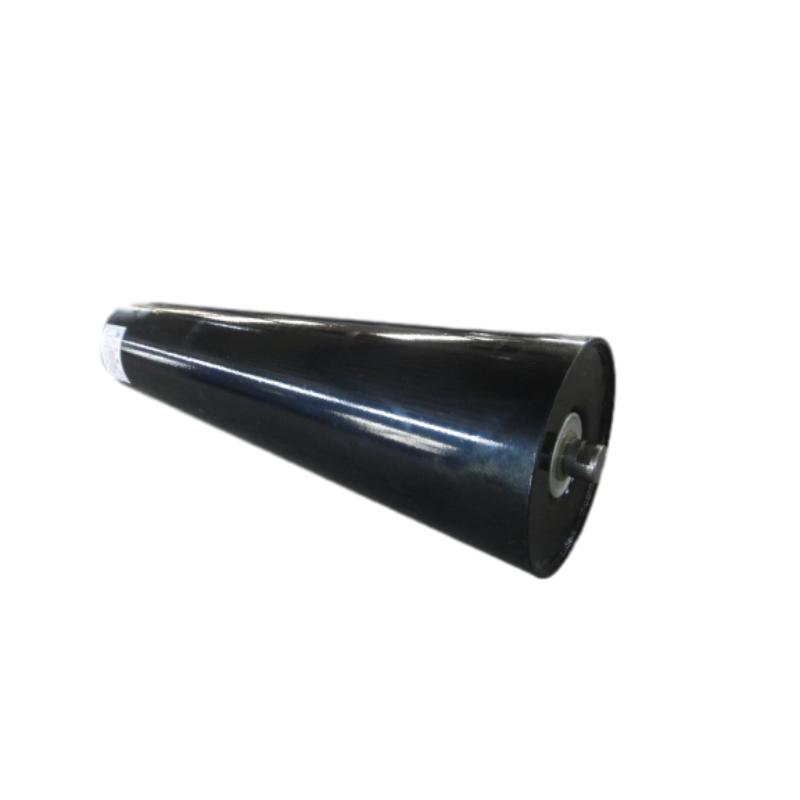
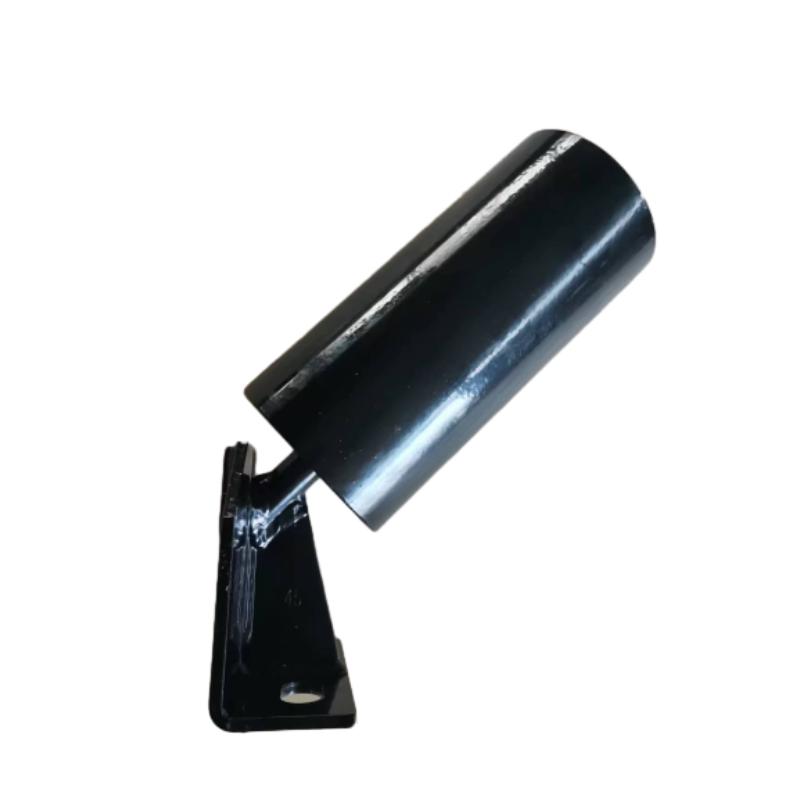
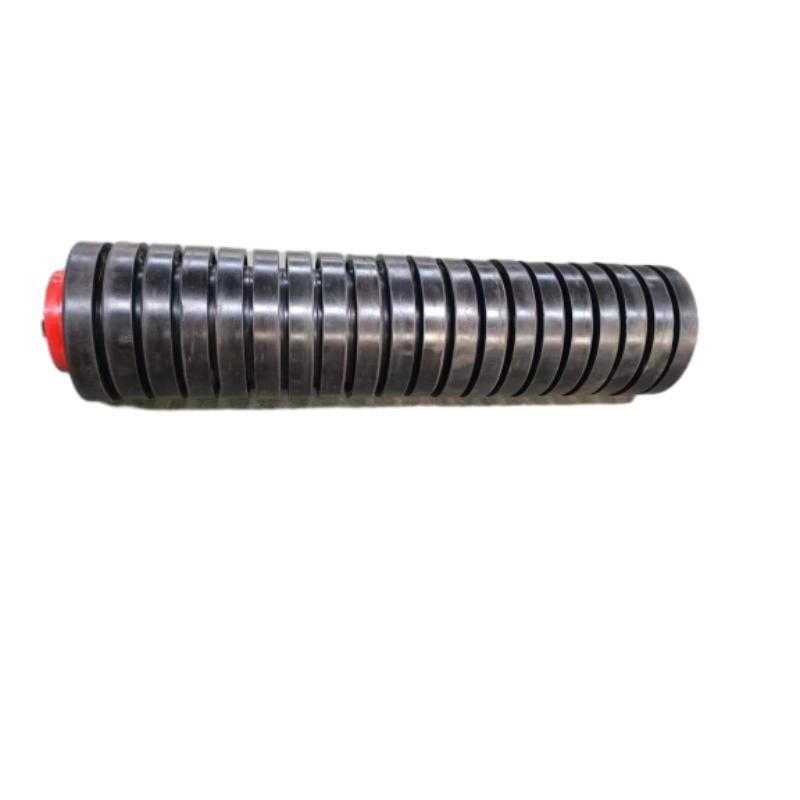
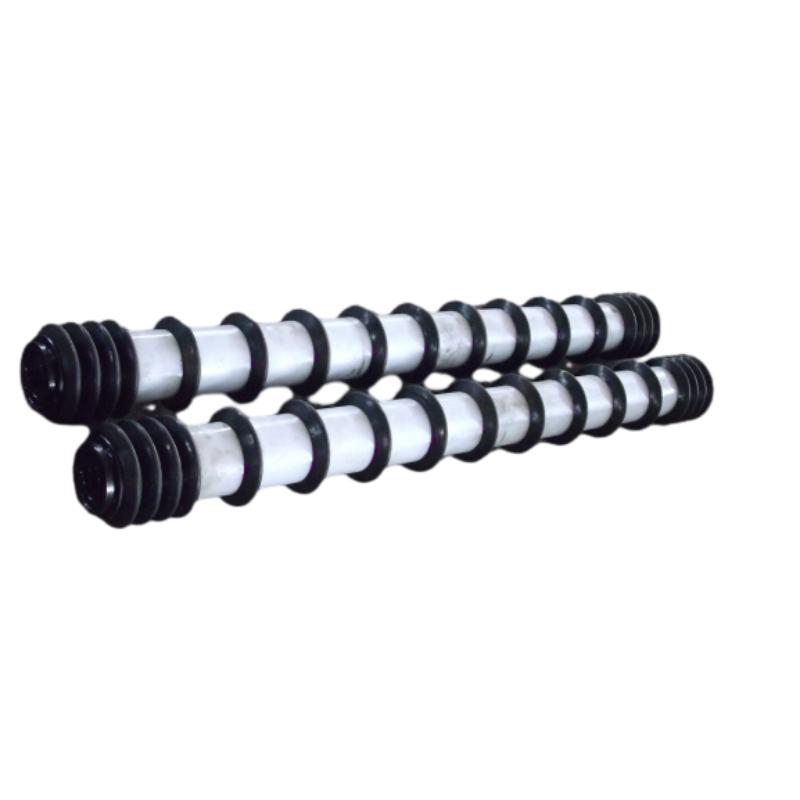
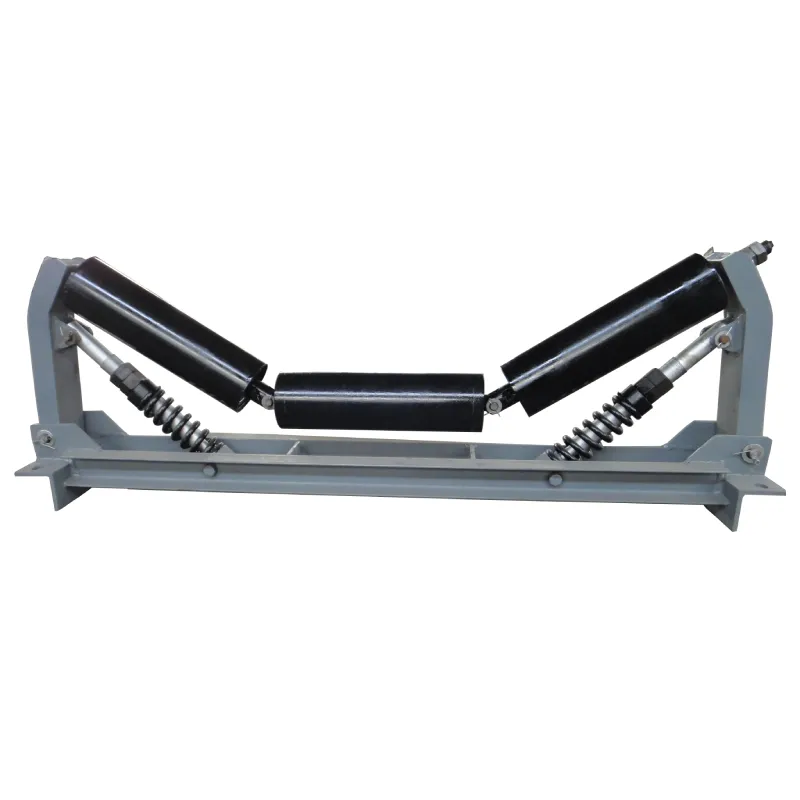
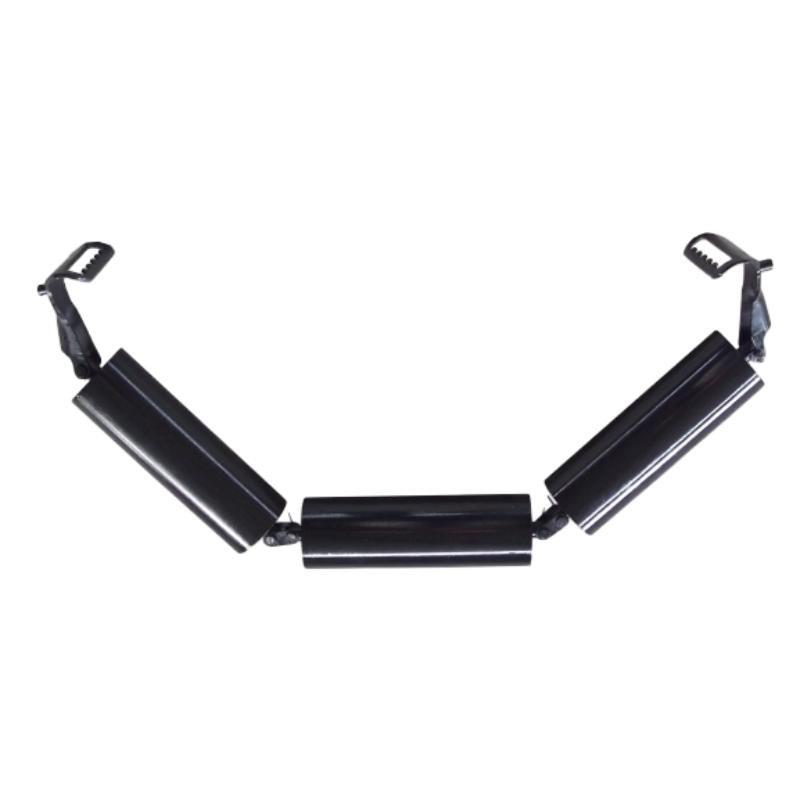
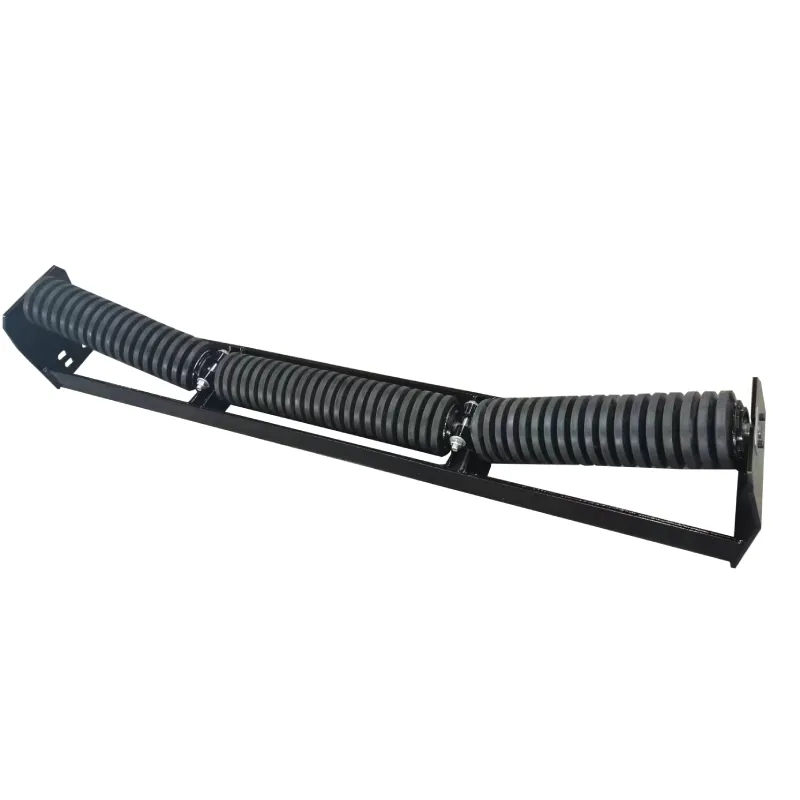
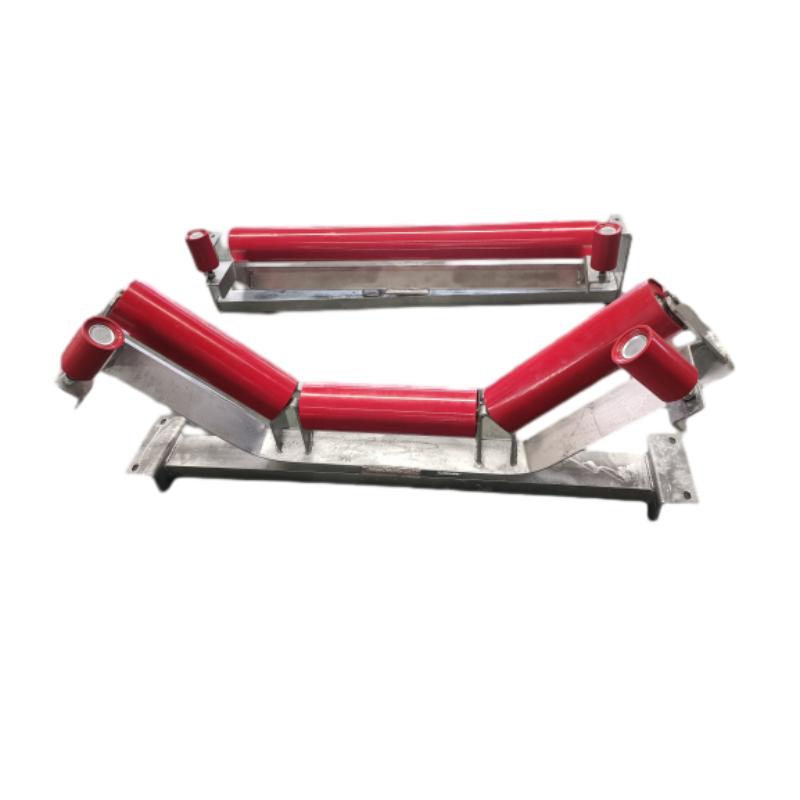
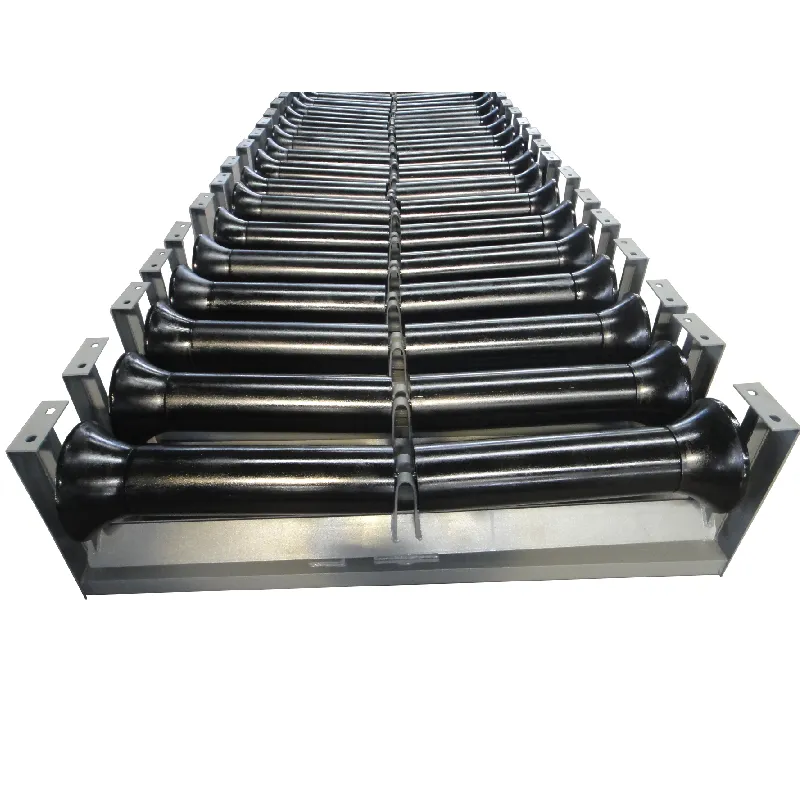
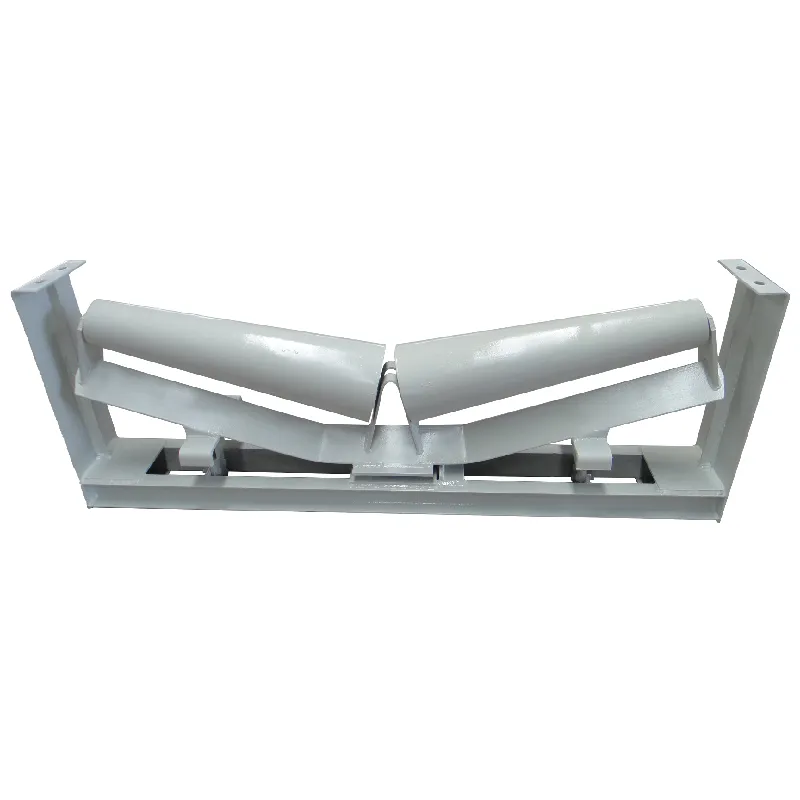
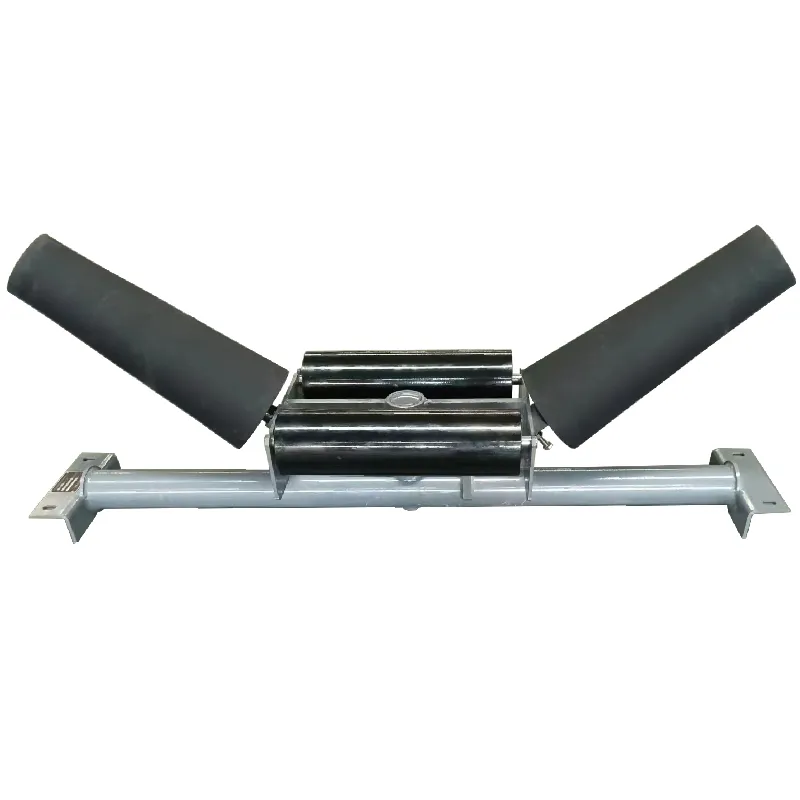
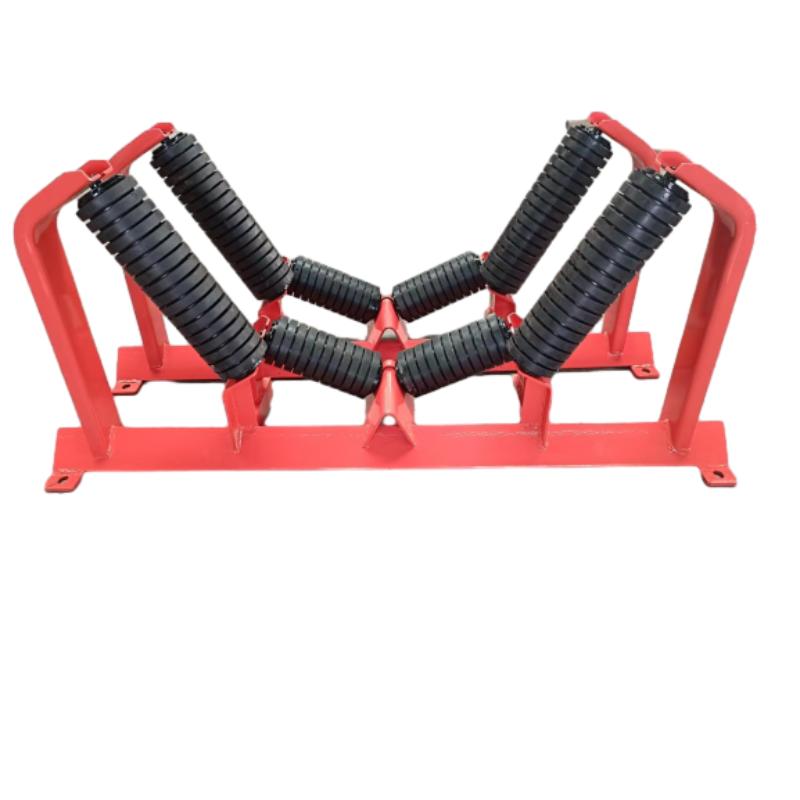
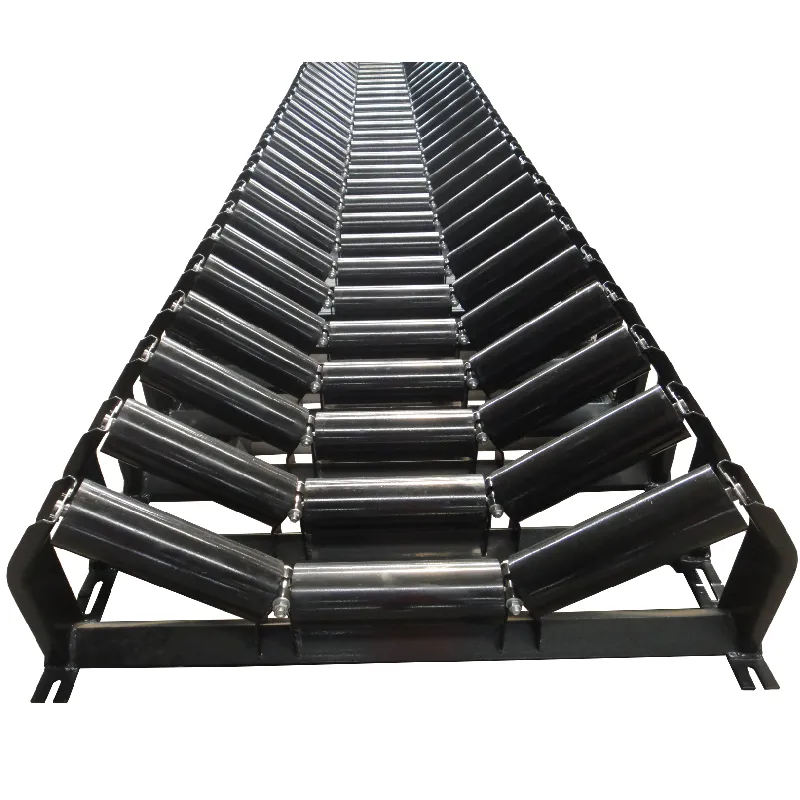
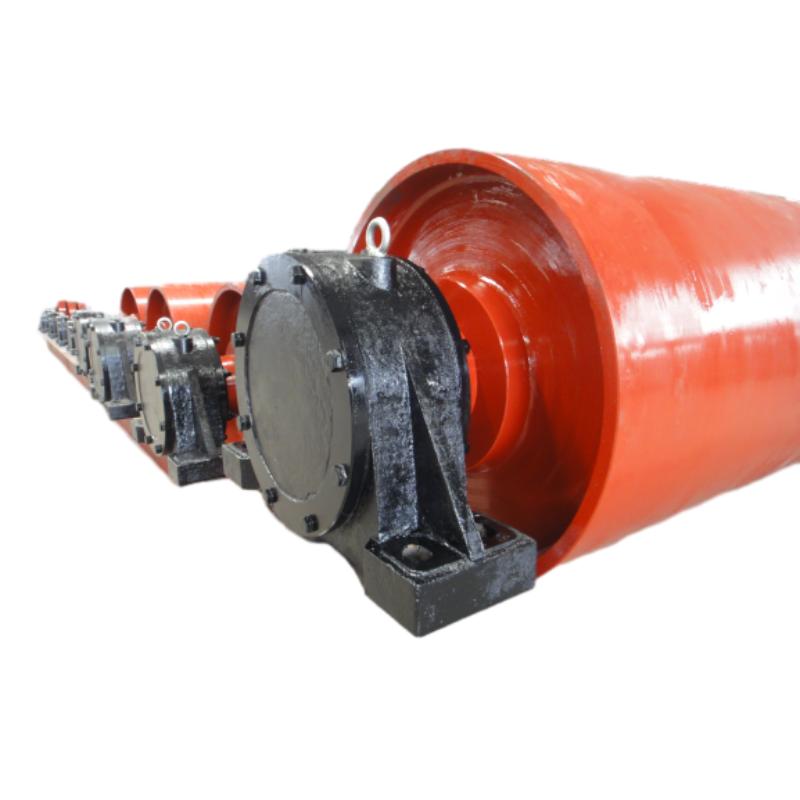
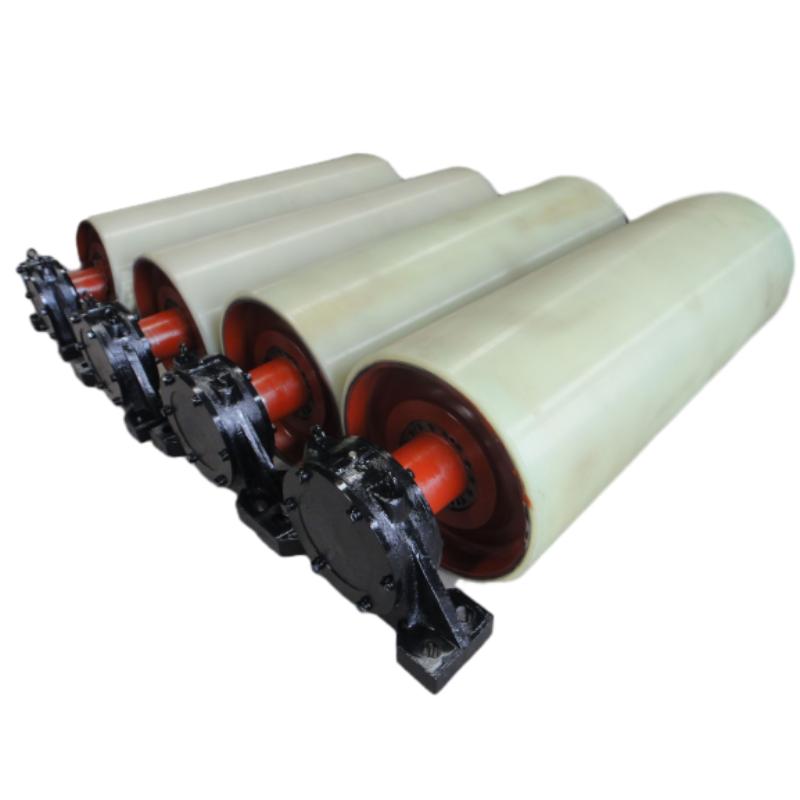
In plain terms, impact idlers are specialized rollers placed at loading points of conveyor belts. Their job? Cushion the initial shock and vibration produced when heavy materials slam down. Compared with standard idlers, impact idlers feature thicker rubber cushions or springs to absorb and dissipate energy, preventing premature belt wear.
They make the difference between a conveyor system that fails quickly and one that runs reliably for years. In contexts ranging from mines in Chile to waste processing plants in Germany, impact idlers keep things moving smoothly, reducing downtime and replacement costs.
Core Characteristics of Impact Idlers
1. Durability
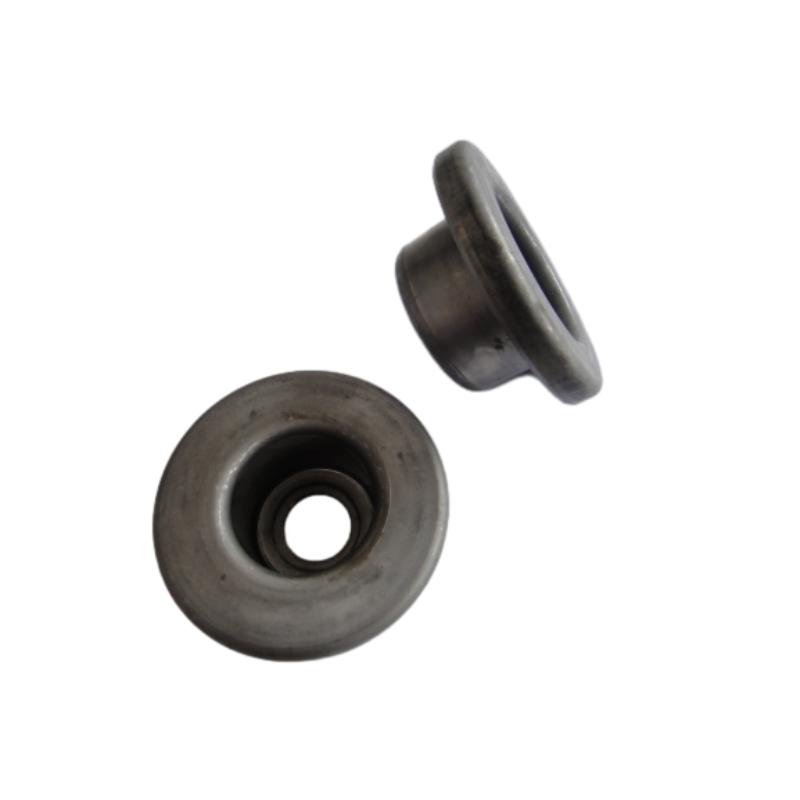
Impact idlers face constant pounding—rocks, gravel, and bulk materials hitting at high velocity. These idlers typically use heavy-duty steel frames and thick polyurethane or rubber cushions that resist abrasion and deformation. Many manufacturers test their idlers to ISO 5048 standards, ensuring robustness under repeated impacts.
2. Energy Absorption
The defining trait of impact idlers is their ability to absorb kinetic energy — achieved through thick cushions or spring assemblies. This minimizes belt damage and lowers noise levels, which can otherwise be disruptive in industrial settings.
3. Scalability & Size Options
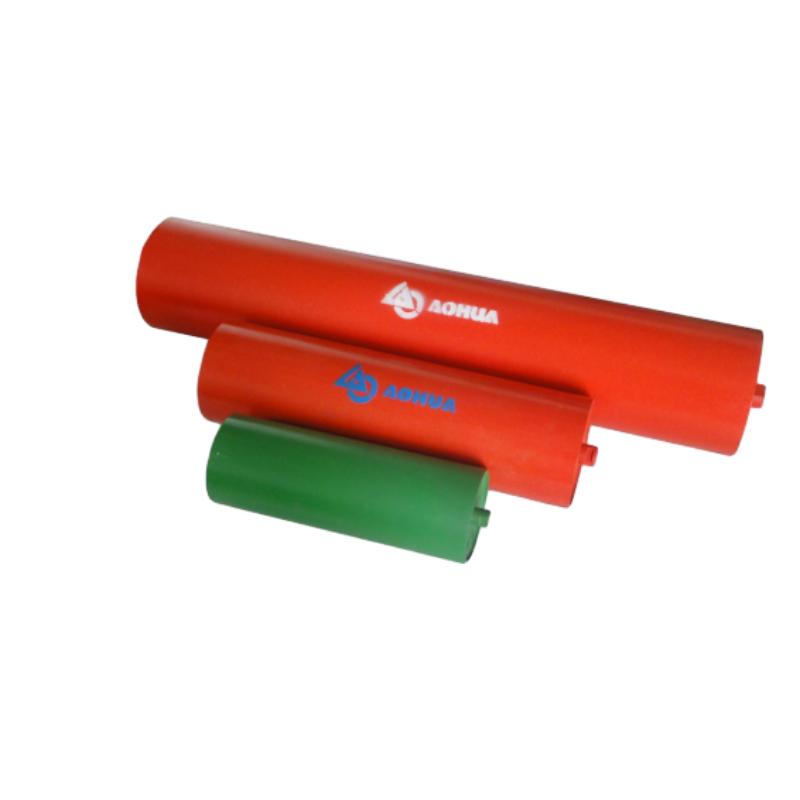
Impact idlers come in various diameters and lengths to fit conveyor belts from small-scale factories to massive mining operations. Scalability lets operators choose idlers that match their load characteristics for optimal protection without over-engineering.
4. Cost Efficiency
Though pricier than standard idlers, impact idlers offer savings over the long run by extending belt life and cutting maintenance costs. Investing upfront in quality impact idlers often leads to fewer unexpected shutdowns and repairs.
5. Ease of Maintenance
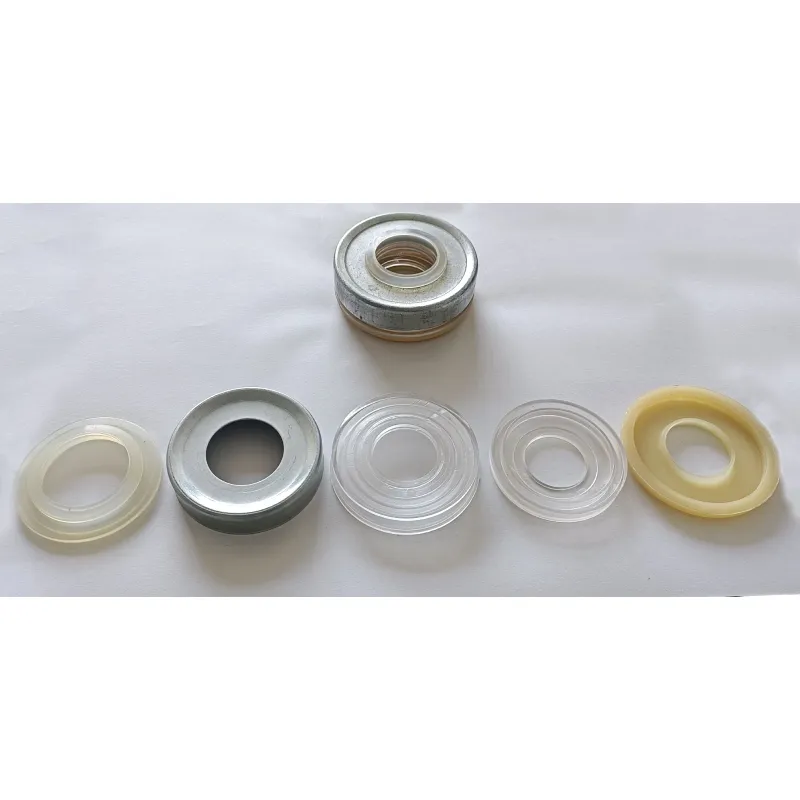
Many modern designs allow quick replacement of cushion rollers without dismantling the entire idler frame, which reduces downtime and labor costs during maintenance cycles.
Typical Specifications of a High-Performance Impact Idler
| Specification | Typical Range/Details |
|---|---|
| Roller Diameter | 76 mm – 160 mm (3" to 6.3") |
| Roller Length | 300 mm – 1500 mm (1' to 5') |
| Frame Material | Carbon Steel, Galvanized Steel |
| Cushion Type | Rubber, Polyurethane Pads or Springs |
| Operational Temperature | -20°C to +60°C (-4°F to +140°F) |
| Load Capacity | Up to 5000 N per roller |
How Impact Idlers Are Used Around the World
From Australian iron ore mines to the sprawling landfills of Europe, impact idlers find their place wherever bulk material handling is a priority. In ports, they protect belts transferring heavy aggregates; in energy plants, impact idlers reduce failures in coal conveyors.
In recent years, remote locations like African mining zones have increasingly benefited from modular impact idlers shipments designed for quick installation. NGOs working in disaster zones also rely on temporary conveyor setups to clear rubble, where soft yet durable cushioning idlers prove essential.
Oddly enough, these humble parts support not just big industry but humanitarian logistics too — you start to appreciate their quiet impact beyond the factory floor.
Comparing Top Impact Idler Vendors
| Feature | IdlerCorp | BeltTec | ConveyorSafe |
|---|---|---|---|
| Material Quality | High-grade steel and rubber | Galvanized frames, polyurethane | Carbon steel, mixed cushion pads |
| Customization Options | Wide range of sizes & cushioning | Standard sizes, limited cushioning | Custom fabrication available |
| Price Range | $$$ | $$ | $$$ |
| Typical Lead Time | 2-4 weeks | 1-3 weeks | 3-5 weeks |
| Warranty | 3 years | 1 year | 2 years |
Why Impact Idlers Are a Long-Term Asset
It feels like a simple detail, but in real terms, impact idlers save companies serious money by preventing conveyor belt damage and unscheduled downtime. They contribute to a safer work environment by reducing belt failures that can cause hazards.
From a sustainability angle, longer belt life means fewer raw materials consumed for replacements—aligning with global pushes for greener industry. Emergencies handled via temporary conveyor setups also underscore the social impact of these components—helping communities rebound faster.
Ultimately, investing in quality impact idlers builds trust with employees and stakeholders, delivering reliability, safety, and efficiency all at once.
The Future of Impact Idlers: Innovations on the Horizon
Technology advocates are pushing the envelope in materials and smart monitoring. Expect more impact idlers made with advanced composites and eco-friendly rubbers designed to perform under extreme conditions while reducing environmental footprints.
Digital transformation also brings “smart impact idlers” equipped with sensors that track wear and impact forces in real time, feeding data into predictive maintenance programs. This shift could cut costs while extending equipment life even further.
Automation in conveyor setups, including rapid installation modular idlers, will boost deployment speeds worldwide—good news for industries needing fast scaling.
Tackling Impact Idler Challenges
Of course, impact idlers face hurdles: materials degrade over time, leading to cushioning loss; mismatched idler sizes cause uneven wear; and harsh environments accelerate corrosion.
Experts recommend routine inspection, proper sizing, and investing in corrosion-resistant frames or coatings. Some companies have developed modular cushion inserts for quick onsite replacement, minimizing downtime—and honestly, these practical fixes go a long way.
Frequently Asked Questions About Impact Idlers
Q1: How do I know what size impact idler my conveyor needs?
A1: Consider your conveyor’s belt width, material type, and loading points. Larger bulk materials or higher fall heights require bigger and thicker-cushioned impact idlers. Manufacturers usually provide detailed sizing guides or consultation services to help pick the right fit.
Q2: Can impact idlers be used outdoors in extreme weather?
A2: Yes, many impact idlers are designed with weather-resistant materials and coatings, suitable for temperatures from -20°C to 60°C (and beyond with custom solutions). However, routine inspection is critical to catch wear caused by UV or moisture exposure.
Q3: What's the typical lifespan of an impact idler?
A3: Lifespan varies based on material quality, operational load, and maintenance but generally ranges from 3 to 7 years. Proactive maintenance and use of high-quality components can extend this.
Q4: Are impact idlers compatible with all conveyor belt types?
A4: Generally, yes. However, they are most commonly used with troughed belt conveyors handling heavy or abrasive materials. Some specialization may be needed for flat belts or unique installations.
Q5: How can companies source impact idlers internationally?
A5: Many global suppliers offer shipping and local support. It's wise to work with vendors experienced in export regulations and customs processes to ensure timely deliveries. Our platform connects buyers with trusted impact idler manufacturers worldwide.
Wrapping Up: The Quiet Backbone of Bulk Handling
Impact idlers may not headline industrial innovations, but their role is crucial in keeping heavy-duty conveyor systems alive and efficient. From mining to municipal waste, they enable safer, more sustainable, and economical operations worldwide.
If you want to learn more about selecting the right impact idler for your needs, or explore cutting-edge products, visit our website at https://www.idleraohua.com. Investing in the right component today could mean fewer headaches tomorrow.
Quick Summary Takeaways:
- Impact idlers reduce damage and downtime by cushioning heavy bulk loads.
- Durability, energy absorption, and ease of maintenance are key.
- Global usage spans mining, construction, waste management, and disaster relief.
- The future holds smart monitoring and eco-conscious materials.
References
-
Maximize Conveyor Life with a High Performance impact bedNewsApr.16,2026
-
Maximize Conveyor Efficiency Using a v plow belt scraperNewsApr.09,2026
-
Comprehensive Guide to Understanding Different Types of Belt CleanersNewsApr.07,2026
-
Enhancing Conveyor Efficiency with an Effective Scraper Belt CleanerNewsApr.04,2026
-
Optimizing Conveyor Systems with Advanced Cleaning Equipment SolutionsNewsMar.31,2026
-
Effective Conveyor Belt Scraper Adjustment for Optimal System PerformanceNewsMar.28,2026