

High-Quality Varnish Roller Sleeves for Precision Industrial Finishing | IdlerArohua
The silent workhorse of finishing: understanding the varnish roller sleeve
At first blush, a “varnish roller sleeve” might not be the star of industrial conversations. But if you glance inside any printing, coating, or laminating setup, you’d spot this humble component quietly ensuring every surface shines just right. Globally, industries handle billions of square feet of coated materials annually—whether it’s packaging that protects food, automotive parts requiring durable finishes, or decorative panels demanding a flawless gloss. A good varnish roller sleeve isn’t just a machine part; it’s a key element making consistency and quality economically viable worldwide.
Mini takeaway: The varnish roller sleeve might seem niche but mastering it opens doors to improved industrial efficiency and product quality on a global scale.
How varnish roller sleeves fit into today's global manufacturing landscape
Worldwide coating and finishing industries collectively represent multi-billion dollar markets. According to ISO, surface finishing standards have matured significantly, pressing manufacturers to adopt better tools for even, high-quality varnish application. The rise in consumer expectations and stricter environmental regulations push factories to find rollers that maximize material use while minimizing waste.
Though simple in concept, the varnish roller sleeve solves a persistent challenge: how to transfer coatings evenly at various speeds without defects. Poor roller performance leads to blotchy finishes, increased downtime, and higher operational costs, particularly in fast-paced commercial printing or packaging plants.
Mini takeaway: The varnish roller sleeve addresses essential industrial challenges: precision, speed, sustainability, and cost control.
What exactly is a varnish roller sleeve?
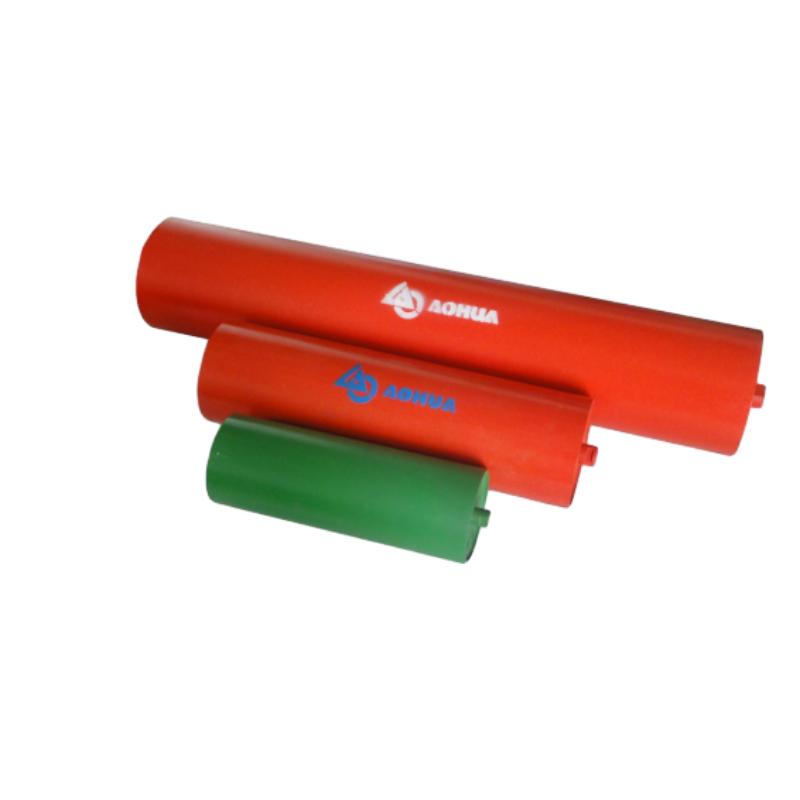
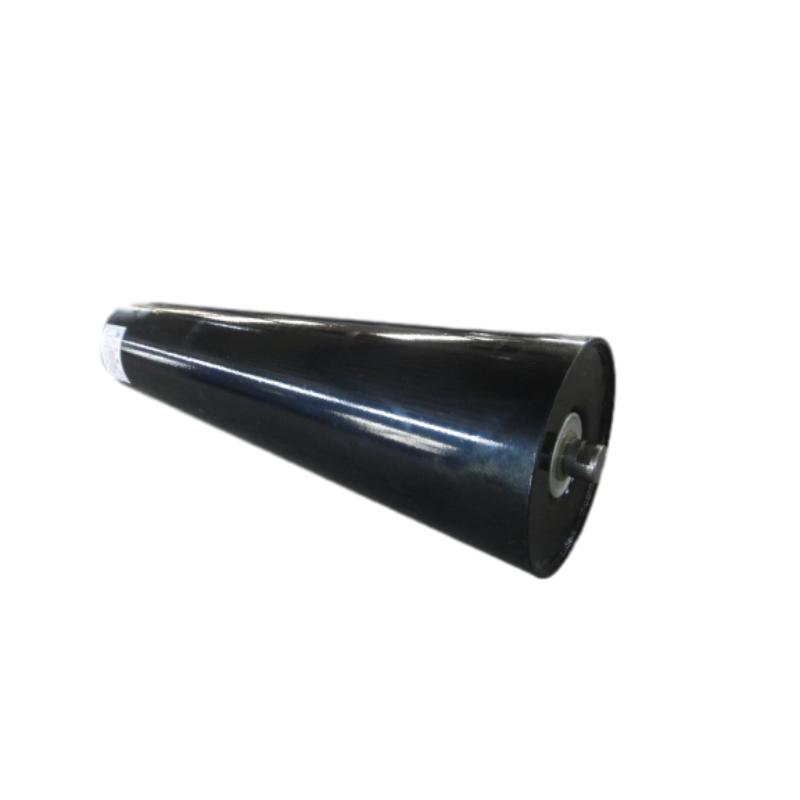
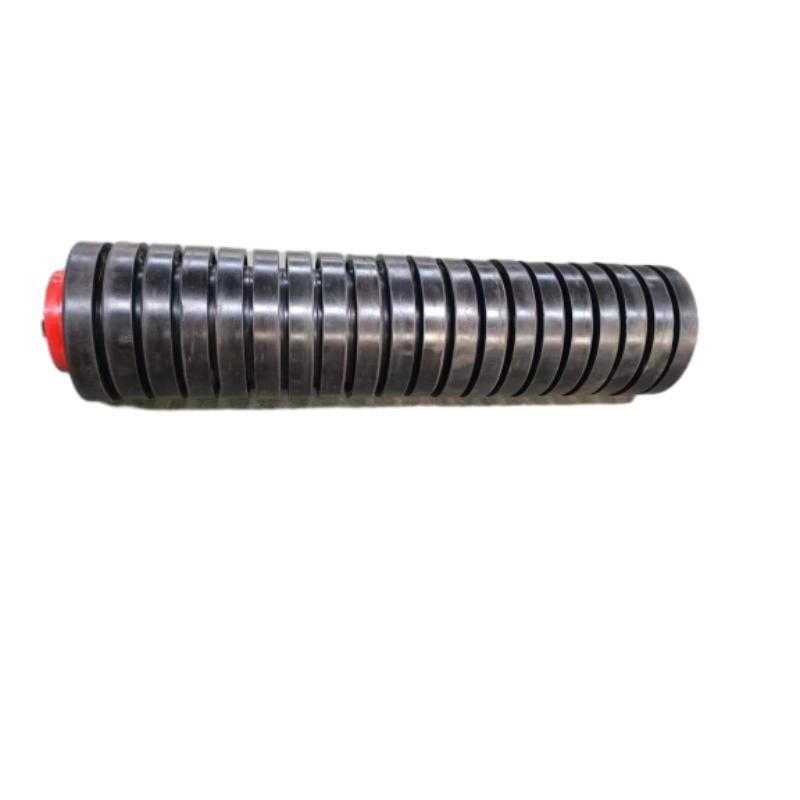
In straightforward terms, a varnish roller sleeve is a cylindrical covering mounted on a roller to apply or transfer varnish or coating materials uniformly onto substrates. Think of it as a “skin” that hugs a metal core, engineered to carry just the right amount of finish and spread it smoothly.
In industries such as printing, wood finishing, or even electronics, these sleeves play a pivotal role to ensure adhesion, durability, and aesthetics of coated surfaces meet specifications. Without the right sleeve, even the best varnish formula is wasted.
varnish roller sleeve products vary by materials, hardness, texture, and core size — factors tailoring them for specific roller machinery and finish demands.
Key features that make varnish roller sleeves tick
1. Durability – the longer it lasts, the better
Sleeves must resist abrasion, chemical attack, and heat generated during high-speed operations. Many use polyurethane or rubber composites crafted to preserve elasticity without degradation, which saves replacement costs and unexpected downtime.
2. Coating uniformity – the secret to a perfect finish
The sleeve’s surface texture and hardness are designed to balance absorption and release of varnish, avoiding streaks or uneven layers. Engineers use precise durometer (hardness) ratings and microscopic surface treatments here.
3. Compatibility with varnish types
Different varnishes—water-based, UV-curable, solvent—behave uniquely. Roller sleeves must be chemically compatible. Otherwise, swelling or cracking can occur, compromising process reliability.
4. Ease of maintenance
Because downtime is expensive, many varnish roller sleeves are designed for quick installation and cleaning, letting operators swap them or rinse coatings without special tools or complex procedures.
Putting varnish roller sleeves to work around the world
From Asia’s booming packaging factories in Vietnam to Europe's precision printing hubs in Germany and the USA’s furniture finishing lines, varnish roller sleeves are everywhere. In remote factories coping with inconsistent power or dust exposure, sleeves with enhanced durability keep production stable. In high-volume environments like magazine printing or luxury product packaging, these sleeves ensure flawless glazing that kind of wows the customer.
Case in point: a mid-sized packaging company in Poland reduced varnish waste by 15% just by upgrading to a premium roller sleeve with better solvent resistance—translating directly to savings and greener production.
Product specification highlights of a typical varnish roller sleeve
| Specification | Typical Value | Notes |
|---|---|---|
| Material | Polyurethane / Rubber Composite | Resistant to most varnishes and solvents |
| Core Diameter | 25mm or 38mm | Standardized sizes for fitting |
| Length | 100–3000mm | Customizable per machine |
| Hardness (Durometer) | 60–90 Shore A | Depends on finish requirements |
| Max Operating Temp. | 80°C (176°F) | Heat resistance for high-speed runs |
Choosing the right vendor: a quick comparison
| Vendor | Material Options | Customization | Lead Time | Price Range |
|---|---|---|---|---|
| IdlerArohua | Polyurethane, Rubber, Silicone | Fully Customizable Length & Hardness | 2-3 weeks | Mid-range |
| RollMaster Co. | Rubber & Polyurethane | Standard Sizes Only | 1-2 weeks | Budget |
| CoatRoll International | Silicone, Rubber | Custom Hardness & Texture | 3-4 weeks | Premium |
Why invest in quality varnish roller sleeves? The long game
Few investments bring both immediate and lasting returns like upgrading varnish roller sleeves. Less waste means raw materials stretch further; superior finishes boost product appeal and reduce rework; and a reliable sleeve minimizes costly machine downtime—especially valuable for 24/7 plants.
On a more human level, it’s about trust and pride in craftsmanship. Employees notice when their equipment performs well, consumers appreciate consistent quality, and stakeholders applaud sustainable, responsible production. It’s a small piece with outsized influence.
What does the future look like for varnish roller sleeves?
Innovation never sleeps. Expect eco-friendlier materials like bio-based polyurethane or recyclable silicone to take the stage, aligning with green manufacturing pushes worldwide. Plus, smart coatings combined with sensors could help monitor sleeve wear in real time, preempting failures before they happen.
Automation and AI-controlled application processes might soon tweak sleeve parameters on the fly for each product run, optimizing coverage and reducing waste further—kind of like giving sleeves a digital brain to match their physical function.
Common challenges and how to overcome them
Despite their importance, varnish roller sleeves face wear, chemical solvent exposure, and contamination risks. These often cause inconsistent finishes or premature sleeve failure, frustrating operators. Regular monitoring, specialized cleaning regimens, and working with vendors that offer tailored solutions (like reinforced composites) make a huge difference.
FAQ: All about varnish roller sleeves
Q1: How do I know if a varnish roller sleeve fits my machine?
Check the sleeve’s core diameter, length, and hardness specs against your roller assembly. Consult your machinery manufacturer or supplier, who can recommend standard sizes or customize sleeves. Varish roller sleeve vendors often provide charts or guidance for compatibility.
Q2: Can I use one sleeve for different varnishes?
Generally no. Different varnishes (e.g., UV, solvent-based) interact differently with sleeve materials. Using incompatible sleeves risks swelling, cracking, or poor transfer. It's best to select sleeves specifically tested for your varnish type.
Q3: How often should I replace my varnish roller sleeve?
Replacement frequency depends on material quality and usage intensity. As a rule of thumb, inspect sleeves monthly for wear, swelling, or coating unevenness. High-speed operations may require quarterly replacement, while lighter use might stretch to six months.
Q4: Is customizing roller sleeve hardness really necessary?
Yes, because hardness dictates how varnish transfers and spreads. Softer sleeves absorb more, which suits certain coatings, while harder ones are better for thin, even layers. Customization prevents defects and improves finish quality.
Q5: Where can I buy quality varnish roller sleeves?
Numerous vendors specialize in these products. IdlerArohua (click here) is known for customizable, durable sleeves with fast lead times and professional support.
Wrapping up: The small detail with big impact
When you pause and look deeper, the varnish roller sleeve emerges not as a simple component but as a vital enabler for modern manufacturing quality and sustainability. The right sleeve means saving money, protecting the environment, and making products customers love. If your goal is a flawless finish without the usual headaches, it’s all about paying attention here.
For a deeper dive into options or to source premium varnish roller sleeves, visit our website and get in touch with trusted experts.
References:
1. ISO Surface Coating Standards
2. Wikipedia: Industrial Coating Processes
3. World Bank Manufacturing Data
-
Maximize Conveyor Life with a High Performance impact bedNewsApr.16,2026
-
Maximize Conveyor Efficiency Using a v plow belt scraperNewsApr.09,2026
-
Comprehensive Guide to Understanding Different Types of Belt CleanersNewsApr.07,2026
-
Enhancing Conveyor Efficiency with an Effective Scraper Belt CleanerNewsApr.04,2026
-
Optimizing Conveyor Systems with Advanced Cleaning Equipment SolutionsNewsMar.31,2026
-
Effective Conveyor Belt Scraper Adjustment for Optimal System PerformanceNewsMar.28,2026