

Durable Return Idler Brackets: Key to Efficient Conveyor Systems Worldwide
What Is a Return Idler Bracket and Why Does It Matter Globally?
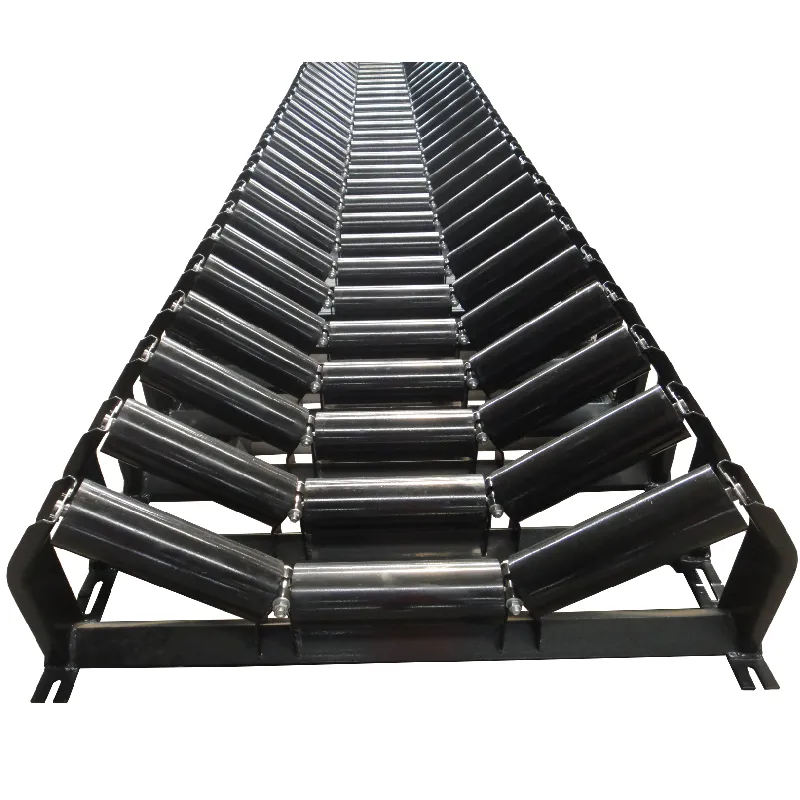
At first glance, a return idler bracket might sound like just another mechanical component lost in the vast conveyor belt ecosystem. But if you stop and think about it, this small yet vital piece plays a significant role in powering industries worldwide — from mining and logistics to manufacturing and beyond. Simply put, a return idler bracket supports the rollers that guide the conveyor belt's underside, where the belt returns back towards the loading point. Without it, the entire belt system could falter — leading to costly downtime and maintenance headaches.
In a global economy increasingly reliant on efficient material handling, understanding the return idler bracket — its design, durability, and applications — is more important than it seems. This article digs into what they are, why they matter worldwide, and how ongoing innovations are shaping their future role.
The Global Context: Where Does the Return Idler Bracket Fit In?
Worldwide, conveyor systems are essential in industries that move tons of materials daily — think minerals from mines in Australia, coal from China, or parcels in Europe’s vast logistics hubs. According to the International Organization for Standardization (ISO), conveyor belts are used in over 70% of bulk material handling worldwide. The return idler bracket quietly holds one part of that system together.
But here’s a little problem: harsh environments, extreme weather, heavy loads, and lousy maintenance can wreck those brackets quickly. Replacing them on time or upgrading to durable designs could save millions globally, especially in mining sectors and high-throughput warehouses. Not to mention the safety aspect — fewer failures mean fewer accidents.
Defining the Return Idler Bracket
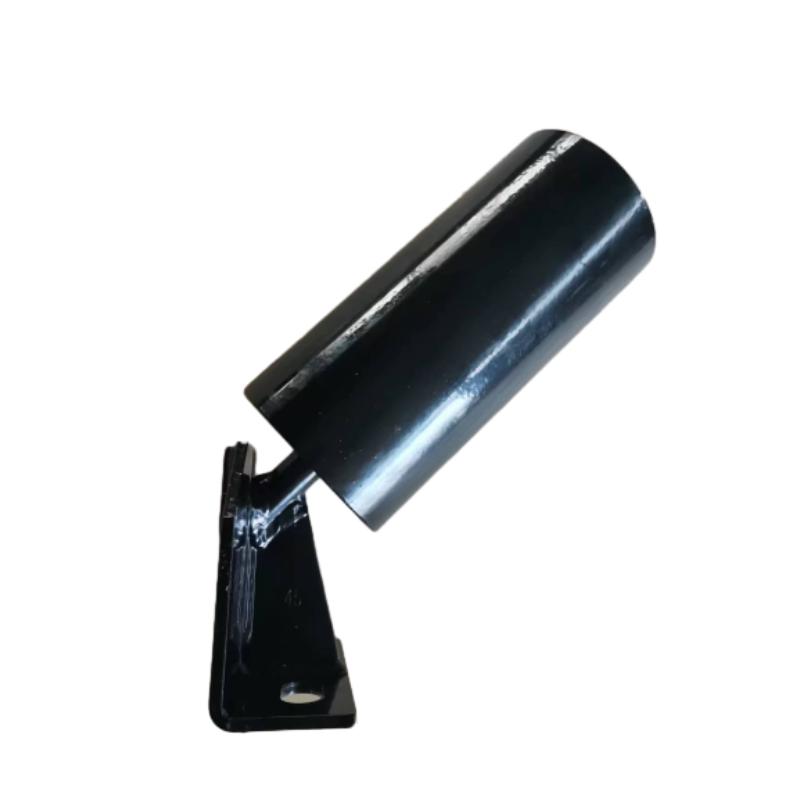
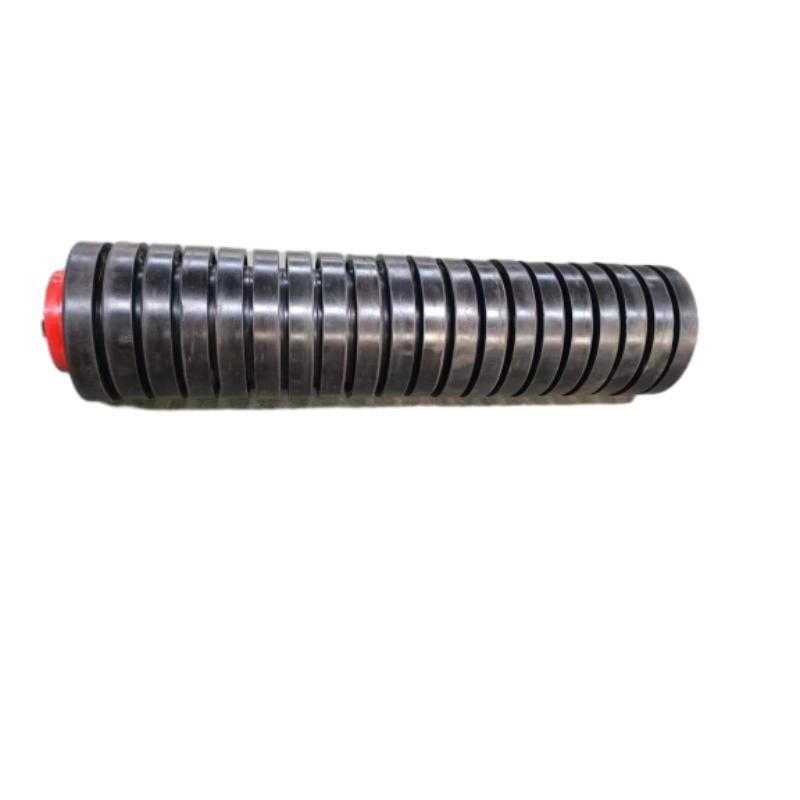
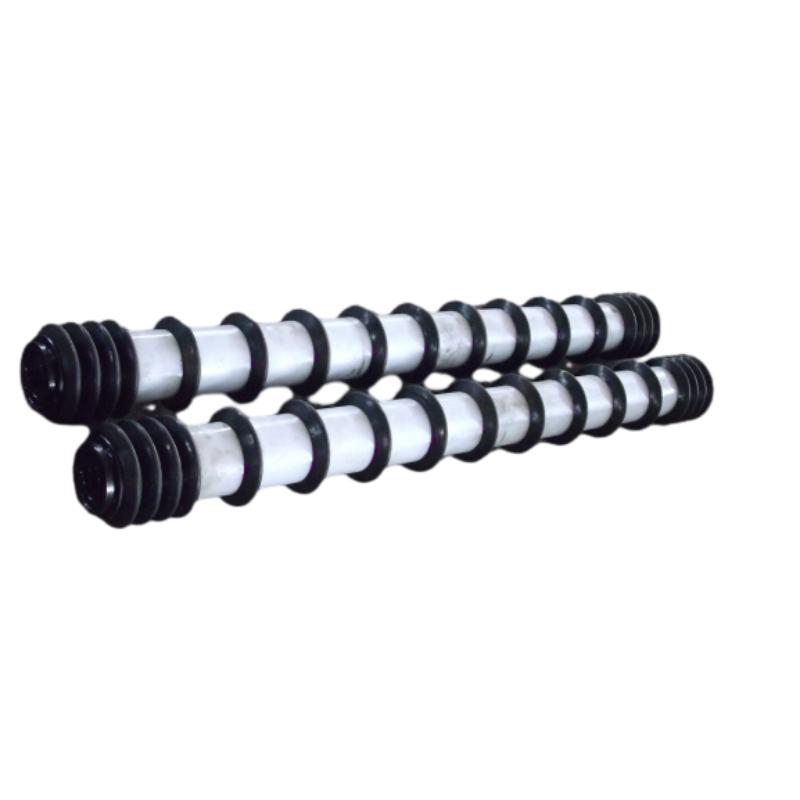
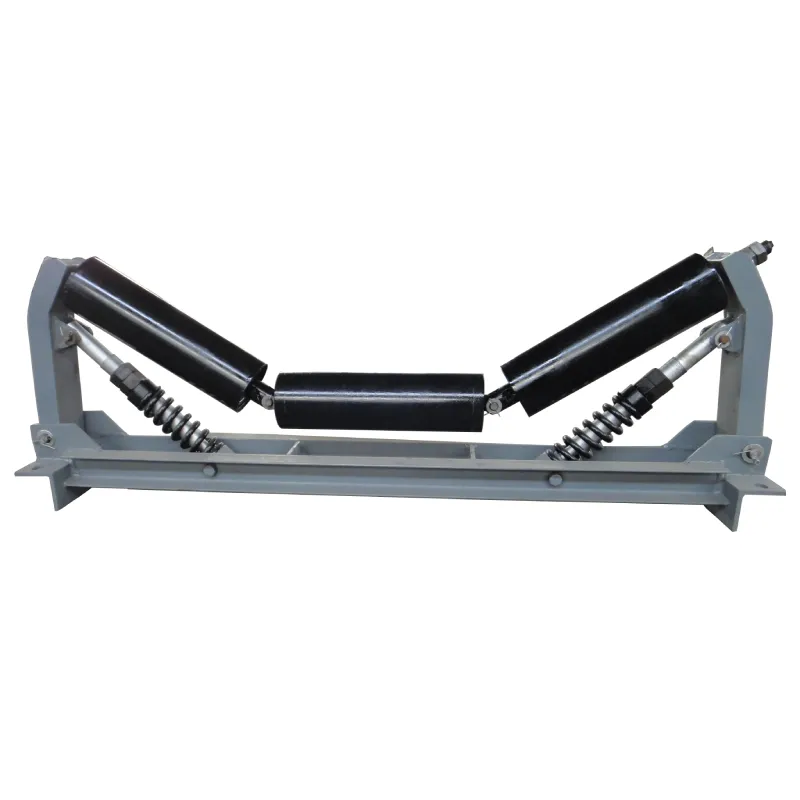
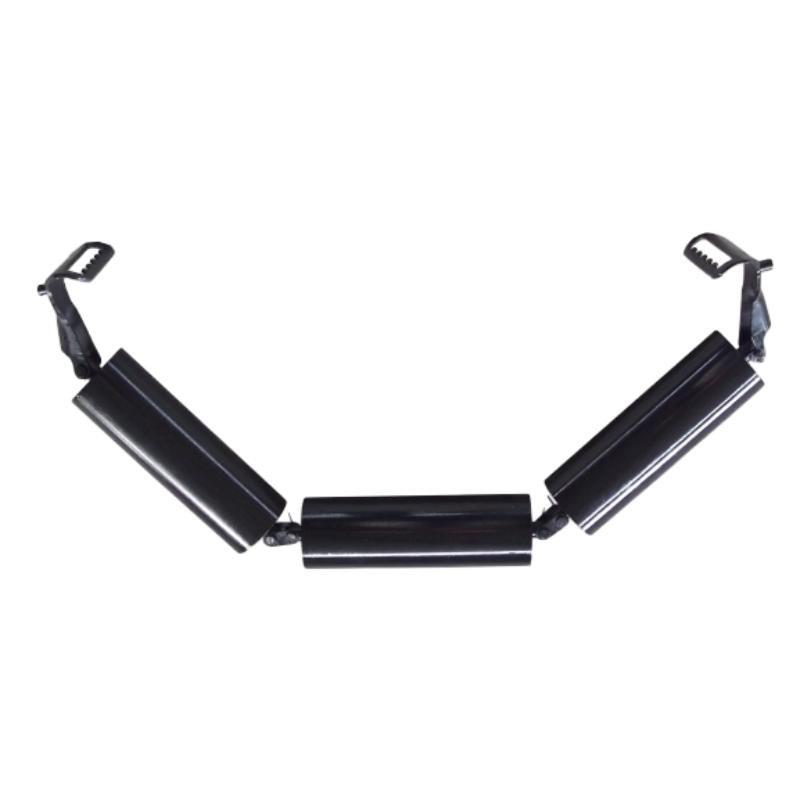
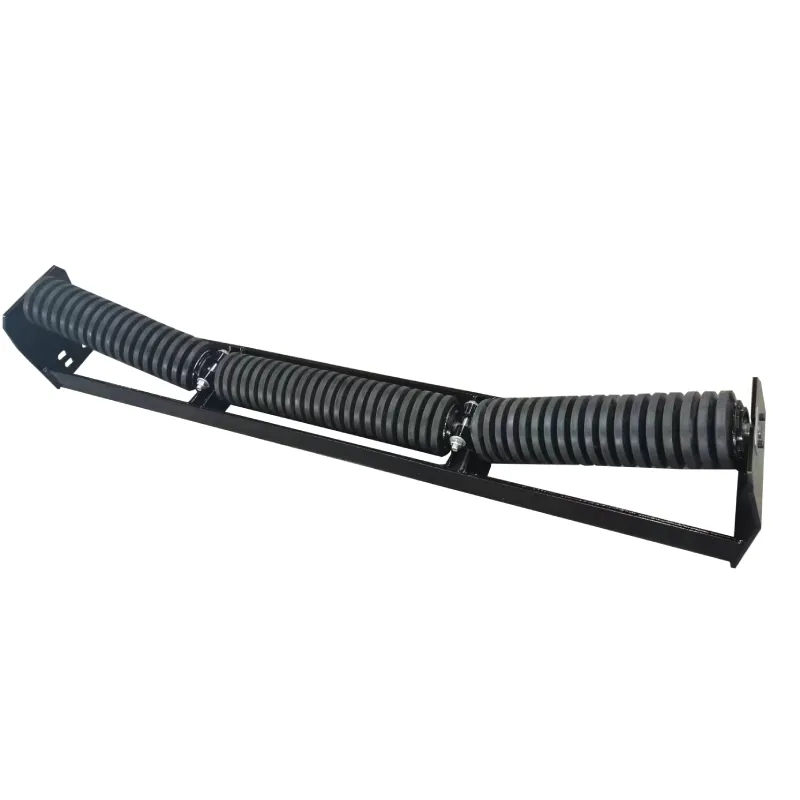
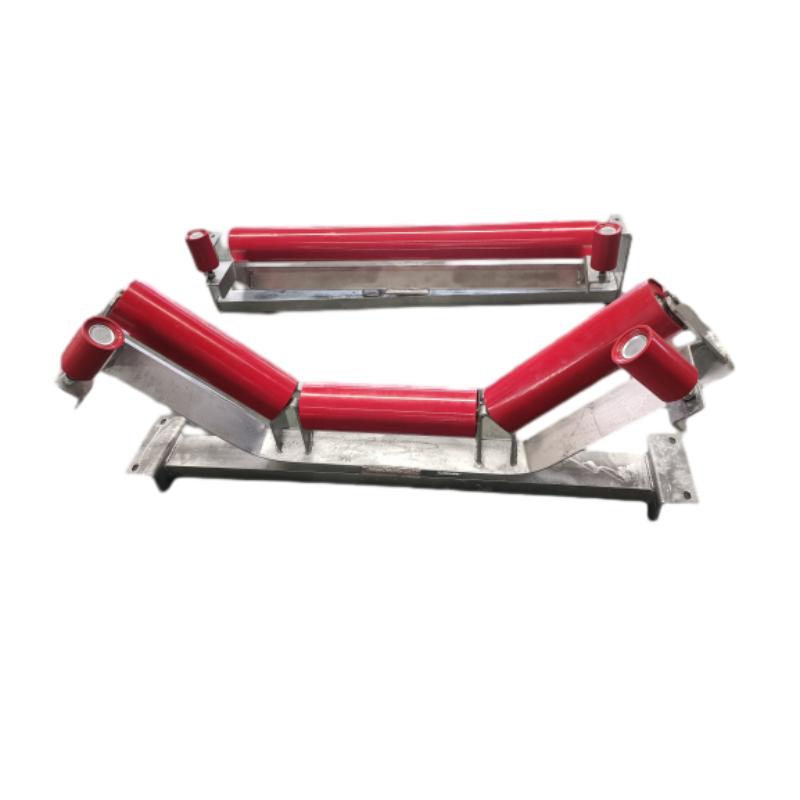
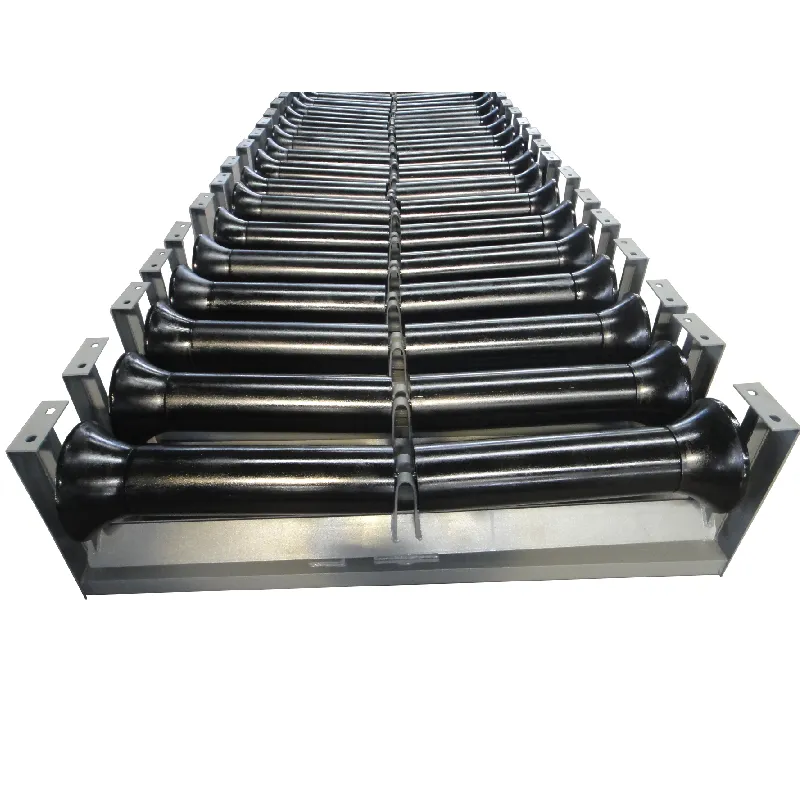
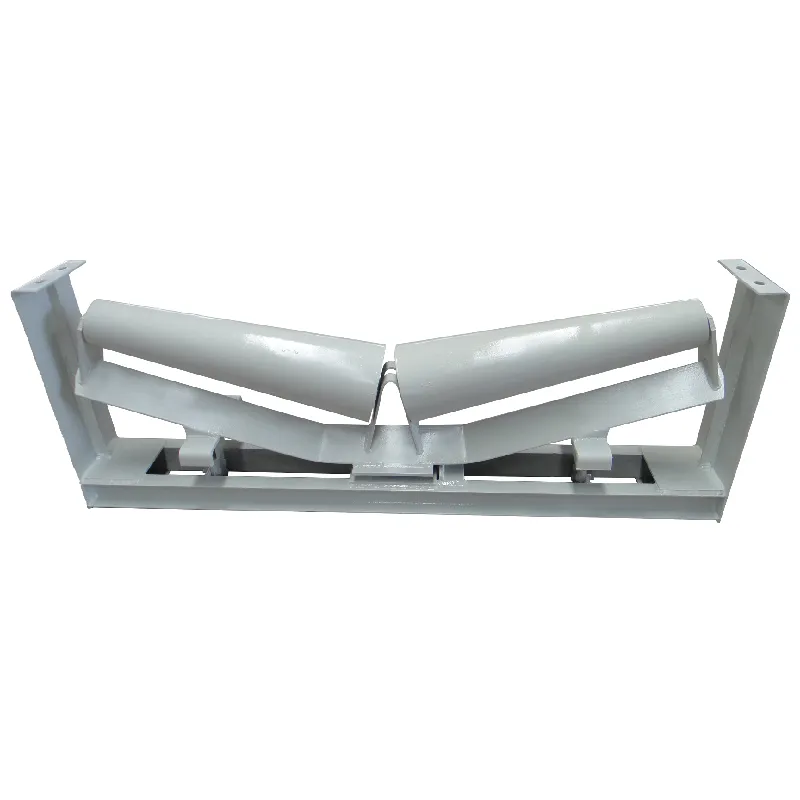
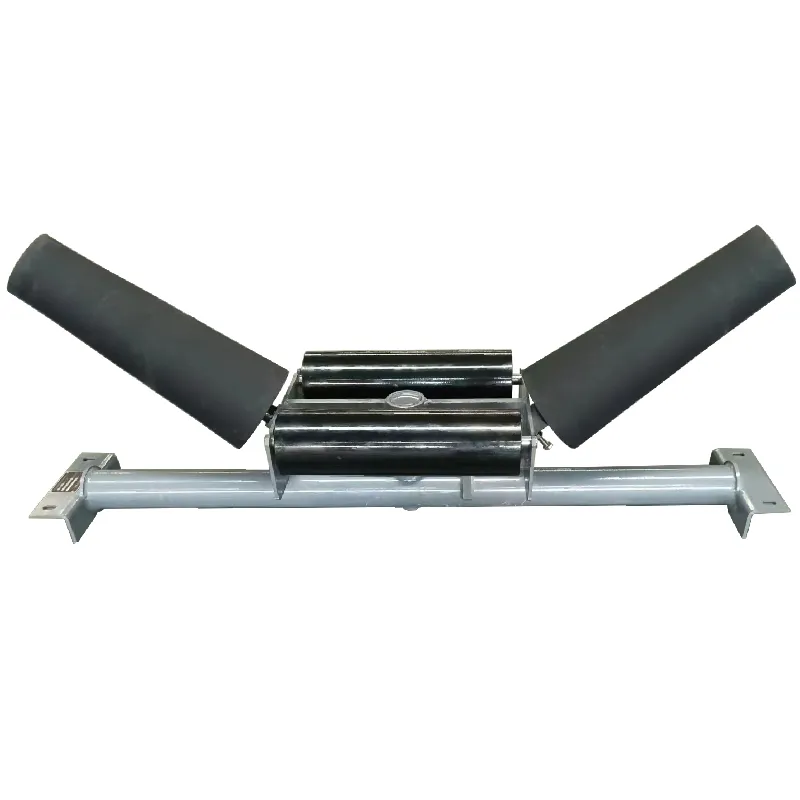
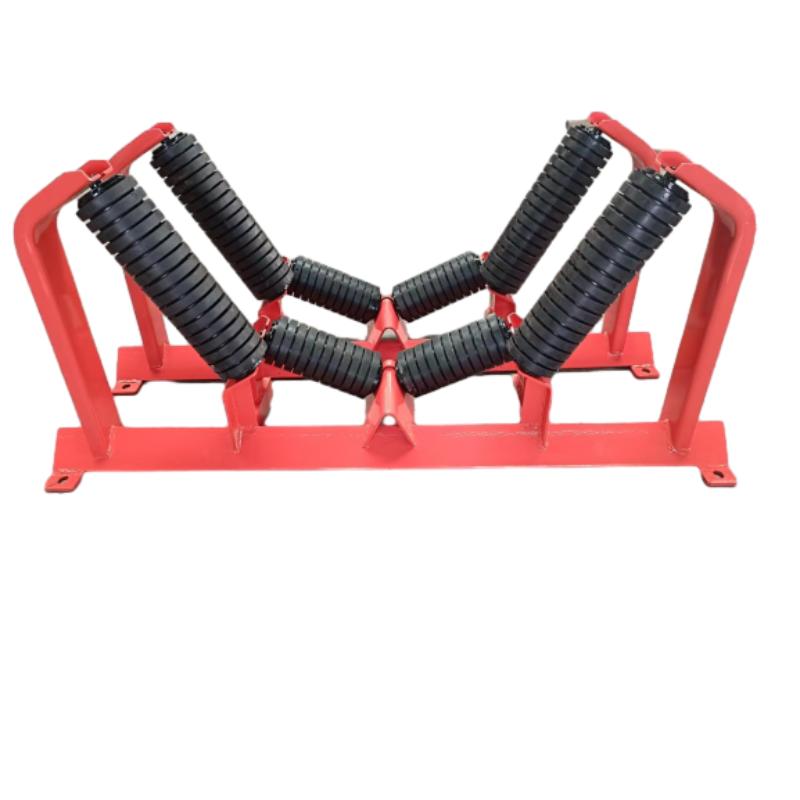
Put simply, the return idler bracket is the frame component that holds the return idler rollers, which support the underside of conveyor belts. Imagine a conveyor belt loop: the top section carries materials, and the bottom — the return side — loops back empty. The brackets securely hold rollers so that the belt doesn't sag or drift off track when returning.
These brackets can be made from steel, aluminum, or other alloys, and are designed to endure continuous wear and tear. In modern industrial applications, they're a small but critical cog in ensuring continuous, smooth conveyor operation — often behind the scenes but vital.
Core Components and Critical Aspects of Return Idler Brackets
1. Durability and Material Choice
The most demanding environments require brackets made of robust, corrosion-resistant steel or alloys. Many engineers stress that choosing quality materials can significantly reduce maintenance overhead. For example, zinc-plated or powder-coated brackets resist rust better, making them fit for wet or outdoor operations.
2. Precision Engineering and Fit
Return idler brackets must perfectly align with idler rollers and conveyor frames. Misalignment causes belt damage or premature wear on the bracket and rollers. Hence, manufacturing tolerances and design accuracy are critical.
3. Load Capacity and Scalability
These brackets are designed to handle specific loads, depending on belt width and material weight. They need to scale from small conveyor setups in packaging plants to massive mining conveyors carrying several tons per hour.
4. Ease of Installation and Maintenance
Many modern brackets are designed for quick bolt-in replacement. Maintenance crews appreciate when brackets can be swapped without dismantling large conveyor sections. Some vendors even offer modular brackets with preassembled rollers to speed up downtime repairs.
5. Cost Efficiency and Lifecycle Value
Choosing premium brackets may feel expensive upfront, but lower failure rates and longer lifespans often make them cost-effective in real terms. It's the kind of investment where paying now saves later headache and expense.
Product Specification Table: Typical Return Idler Bracket
| Specification | Details |
|---|---|
| Material | Galvanized Steel / Stainless Steel |
| Coating | Powder Coated / Zinc Plated |
| Typical Load Capacity | Up to 500 kg per bracket |
| Compatibility | Standard Idler Roller Sizes (89mm, 108mm, 133mm) |
| Mounting | Bolt-on / Weld-on Options |
| Weight | 2.5 - 6.0 kg (depending on size) |
Mini takeaway: Return idler brackets blend thoughtful material science and precision engineering, tailored to withstand heavy-duty industrial environments.
Who Uses Return Idler Brackets? Global Applications & Use Cases
Honestly, you'd find return idler brackets just about anywhere conveyor belts exist. But here are some prime examples:
- Mining Industry: In remote mining sites in Canada or Australia, brackets must survive dust, vibration, and irregular maintenance cycles.
- Logistics and Warehousing: Fast-paced package sorting centers across Europe rely on reliable brackets to reduce conveyor downtime.
- Construction & Aggregates: Quarries in Africa and Asia use heavy-duty brackets that can withstand dusty and wet conditions.
- Disaster Relief Operations: In post-disaster zones, temporary conveyor setups using modular return idler brackets help rapidly clear debris or transport supplies.
For instance, a recent project in a Southeast Asian mining operation saw a switch to high-grade galvanized brackets, which cut replacement time by nearly 30%. Small improvements ripple up quickly in large systems.
Comparing Vendor Options for Return Idler Brackets
| Vendor | Material Quality | Customization Options | Lead Time | Price Range |
|---|---|---|---|---|
| SteelPro Inc. | High-grade galvanized steel | Standard sizes, minor tweaks | 2-4 weeks | $$ |
| IdlerTech Solutions | Stainless steel with anti-corrosion coating | Full custom engineering | 3-6 weeks | $$$ |
| ConveyorWorks | Hot-dip galvanized steel | Modular bolt-on brackets | 1-3 weeks | $ |
Mini takeaway: Your choice depends on budget, lead times, and how bespoke your conveyor system needs to be.
Advantages of Using Quality Return Idler Brackets
- Increased Reliability: Fewer breakdowns mean more uptime and consistent production.
- Cost Savings: Less frequent replacements reduce overall maintenance spend.
- Safety Improvements: Properly supported belts lower the risk of accidents from slipping or derailed belts.
- Environmental Benefits: Durable brackets mean fewer discarded parts and materials — a small but meaningful sustainability win.
Future Trends: What’s Next for Return Idler Brackets?
Even the humble return idler bracket is not immune to evolving technologies. Here are a few trends to watch:
- Smart Brackets: Embedded sensors for real-time wear and alignment monitoring — imagine predictive maintenance that tells you exactly when to swap parts.
- Advanced Materials: Lightweight composites with corrosion resistance, potentially reducing overall conveyor weight.
- Sustainability Focus: Use of recycled steels and eco-friendly coatings.
- Automation-Friendly Designs: Components optimized for robotic installation and replacement.
Common Challenges & How Experts Tackle Them
One glaring issue with return idler brackets is failure due to corrosion or mechanical stress — which can cause unexpected conveyor stoppages. To combat this, manufacturers often employ rigorous testing standards (per ISO 5048 for conveyor belts) and recommend routine inspections.
Innovative companies are now offering modular designs that allow replacement of rollers and brackets without heavy machinery — thought of as “conveyor maintenance made agile.” Some even include quick-release pins or clamps to speed up service times.
FAQ: Frequently Asked Questions About Return Idler Brackets
Q1: How often should return idler brackets be inspected or replaced?
A: Generally, brackets should be inspected every 6 to 12 months, depending on workload and environment. Signs of wear, corrosion, or misalignment indicate replacement needs. Regular maintenance avoids costly surprises.
Q2: Can return idler brackets be customized for non-standard conveyor systems?
A: Absolutely. Many manufacturers offer custom sizes and finishes to fit unique belt widths, payloads, or environmental conditions. It’s worth consulting vendors early to ensure compatibility.
Q3: What materials are best for outdoor installations?
A: Galvanized or stainless steel brackets with anti-corrosion coatings are recommended. Some companies also use powder coatings or epoxy paints to enhance durability in wet or humid environments.
Q4: How do return idler brackets impact conveyor efficiency?
A: Well-maintained brackets help maintain proper belt alignment and tension, reducing friction and preventing belt damage — all of which translates to smoother operation and lower energy consumption.
Q5: Where can I purchase high-quality return idler brackets?
A: Reputable industrial suppliers and conveyor component specialists are your best bet. For a reliable source, visit return idler bracket specialists like IdlerAohua.
Conclusion: Why Investing in Return Idler Brackets Pays Off
To wrap things up, the return idler bracket is a quiet hero behind many conveyor systems that underpin global industry. From ensuring smooth operations in remote mines to speeding package delivery in urban mega-folders, its impact touches businesses big and small.
Choosing the right bracket means better reliability, safety, and cost savings — and that’s no small feat these days. As technologies evolve, expect smarter, more durable brackets to keep conveyors running with less hassle — a practical nod to both innovation and sustainability.
Looking to upgrade or source quality return idler brackets? Feel free to check out our offerings and equip your conveyors for the future.
References:
-
Maximize Conveyor Life with a High Performance impact bedNewsApr.16,2026
-
Maximize Conveyor Efficiency Using a v plow belt scraperNewsApr.09,2026
-
Comprehensive Guide to Understanding Different Types of Belt CleanersNewsApr.07,2026
-
Enhancing Conveyor Efficiency with an Effective Scraper Belt CleanerNewsApr.04,2026
-
Optimizing Conveyor Systems with Advanced Cleaning Equipment SolutionsNewsMar.31,2026
-
Effective Conveyor Belt Scraper Adjustment for Optimal System PerformanceNewsMar.28,2026