

Durable Mining Conveyor Roller Solutions | Industry Trusted
Mining Conveyor Roller: Toughness That Keeps the Industry Moving
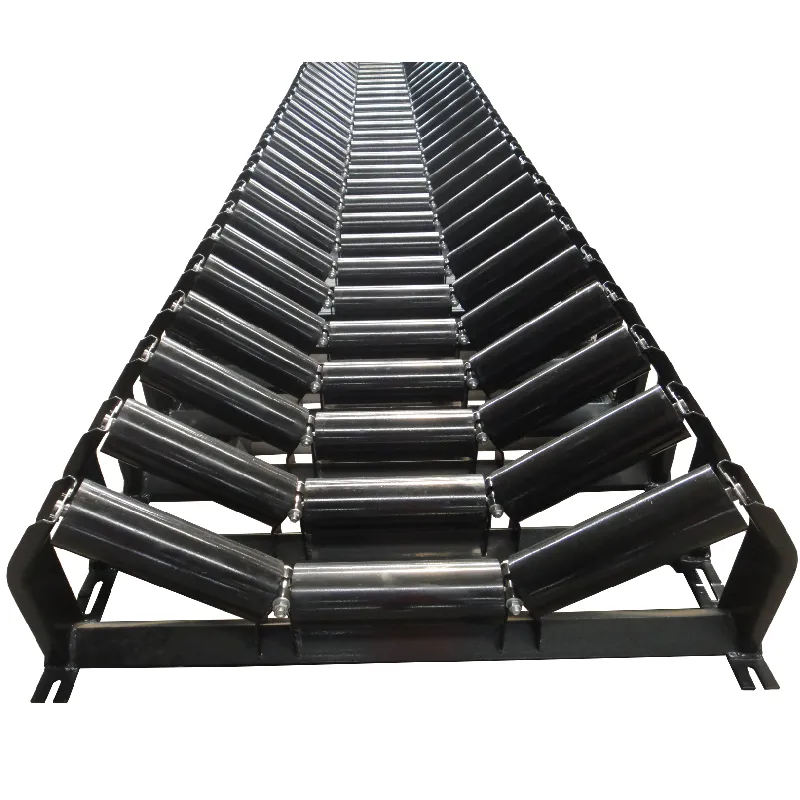
Having spent a fair share of years in the industrial equipment sector, I can tell you one thing for sure: conveyor rollers in mining environments have to be nothing short of bulletproof. When you’re talking about moving tons of earth and ore daily, mining conveyor roller technology isn’t just an afterthought — it’s the backbone of operational efficiency.
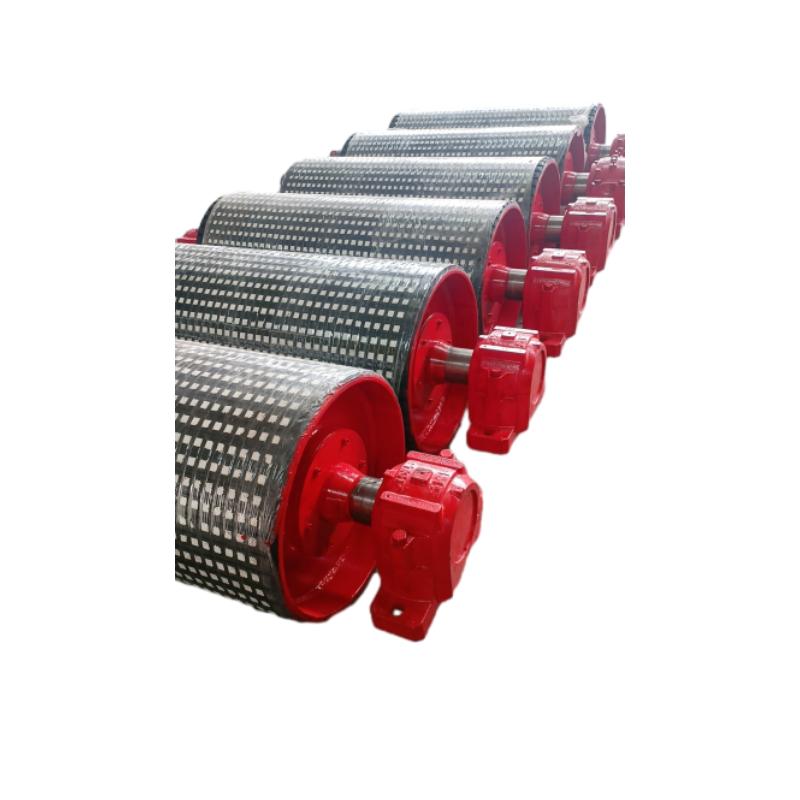
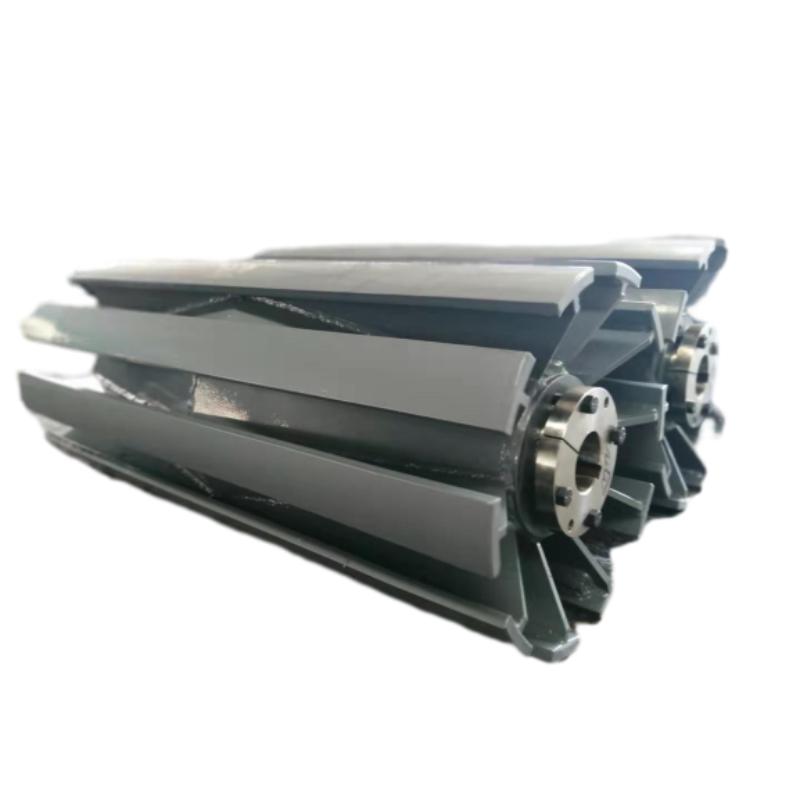
Now, you might think a roller is a roller, but oddly enough, there’s a lot that goes into picking the right one. From material selection to engineering design, these rollers need to withstand extreme wear, rust, and even harsh weather conditions. The difference between a cheap, generic roller and a high-quality, specifically engineered mining roller can mean weeks or months of uptime versus constant, costly maintenance stops.
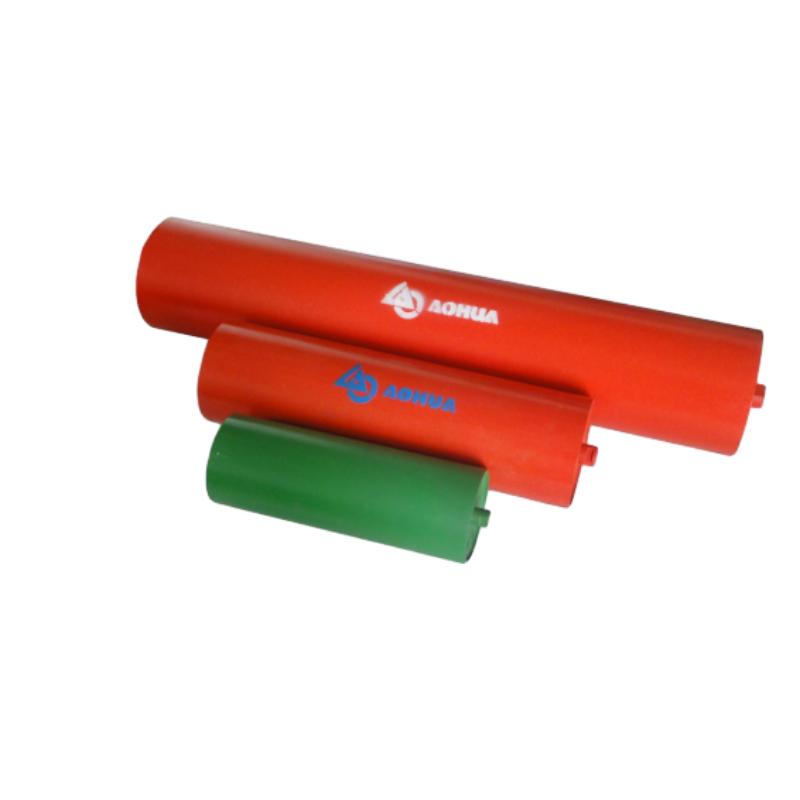
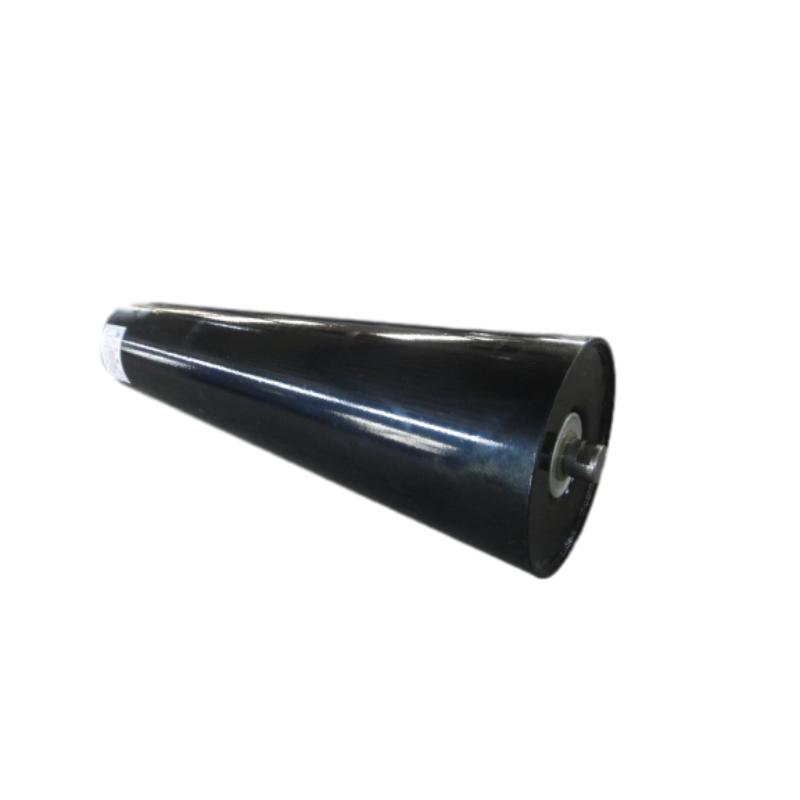
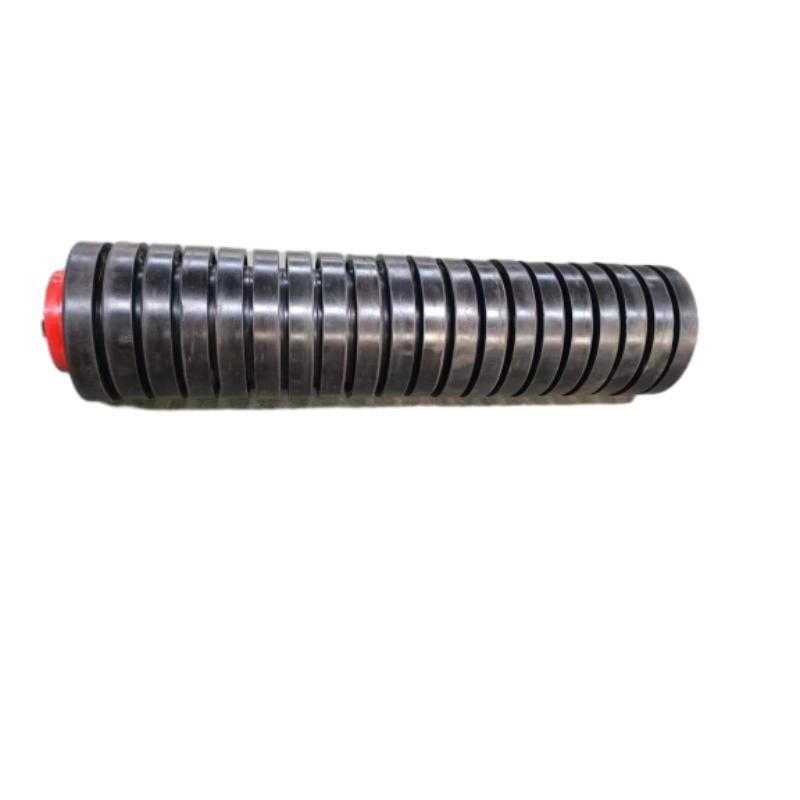
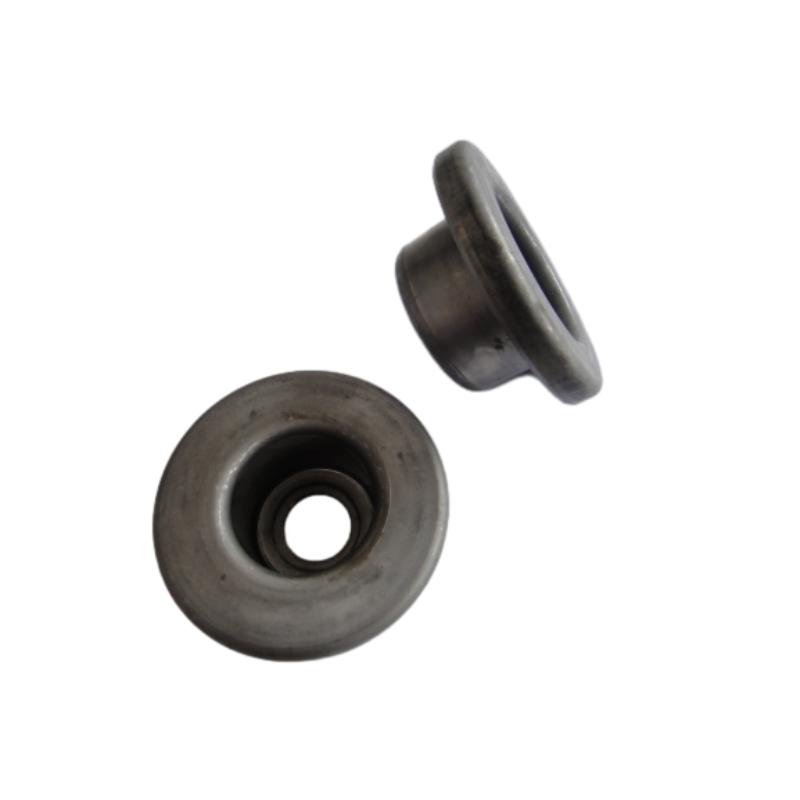
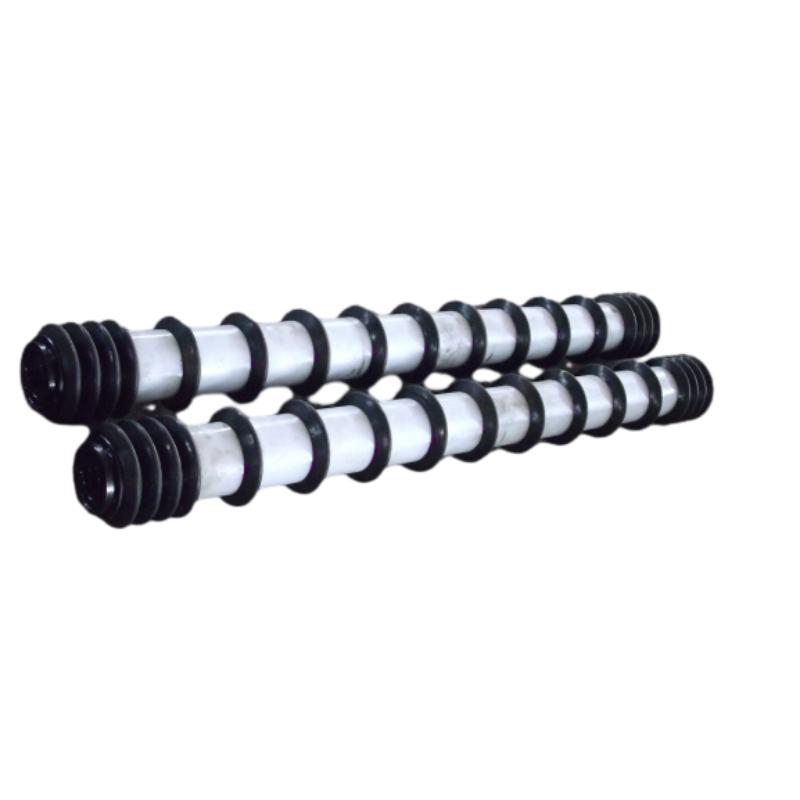
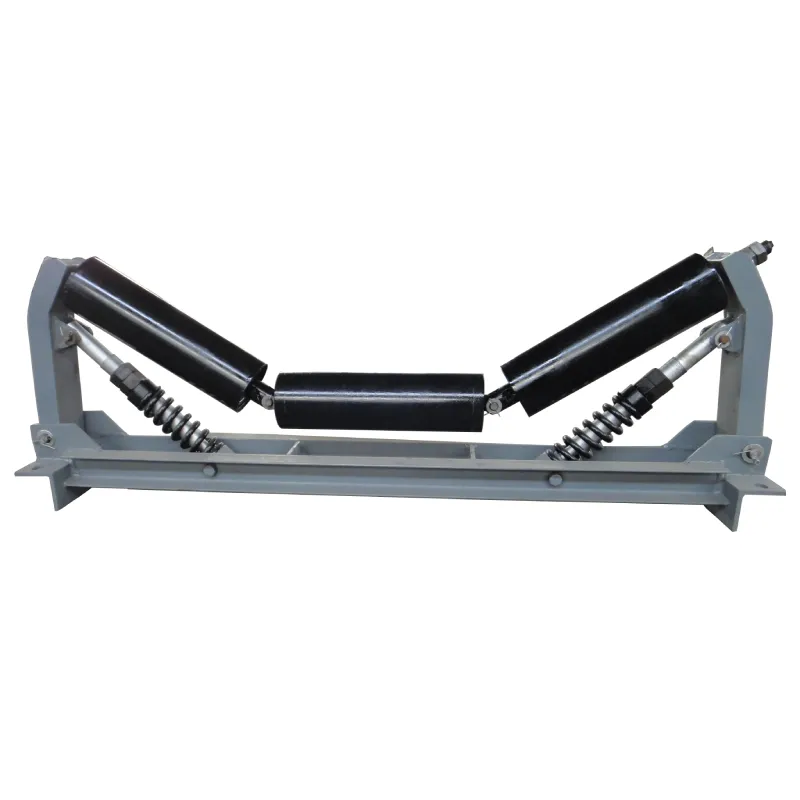
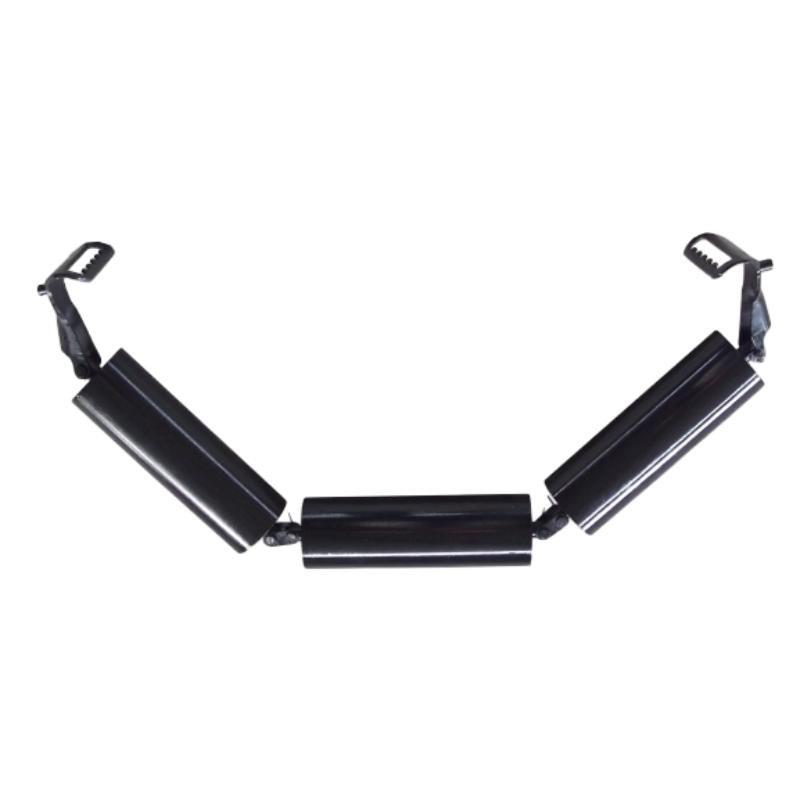
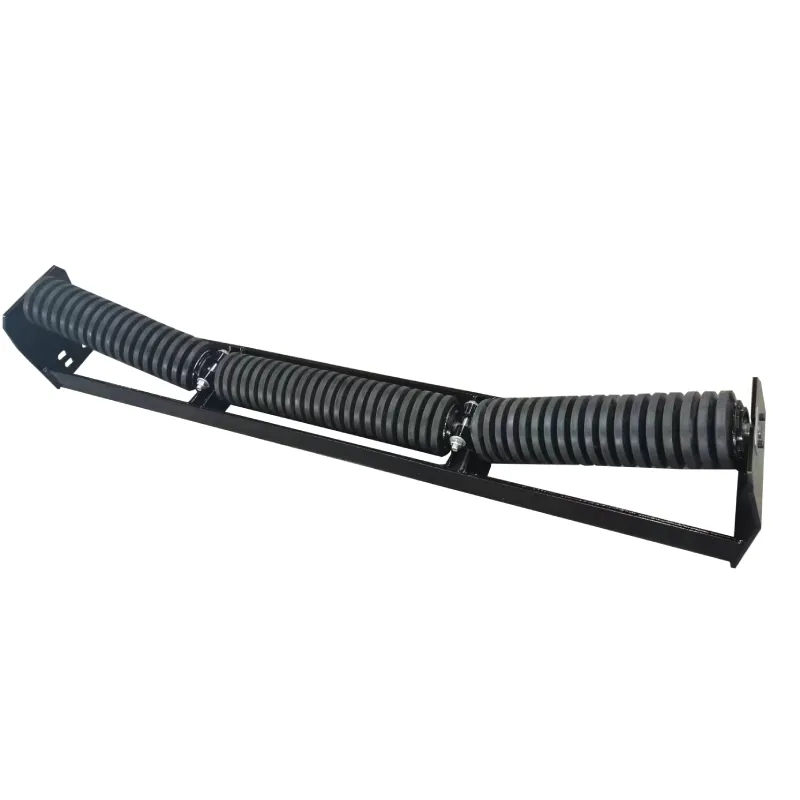
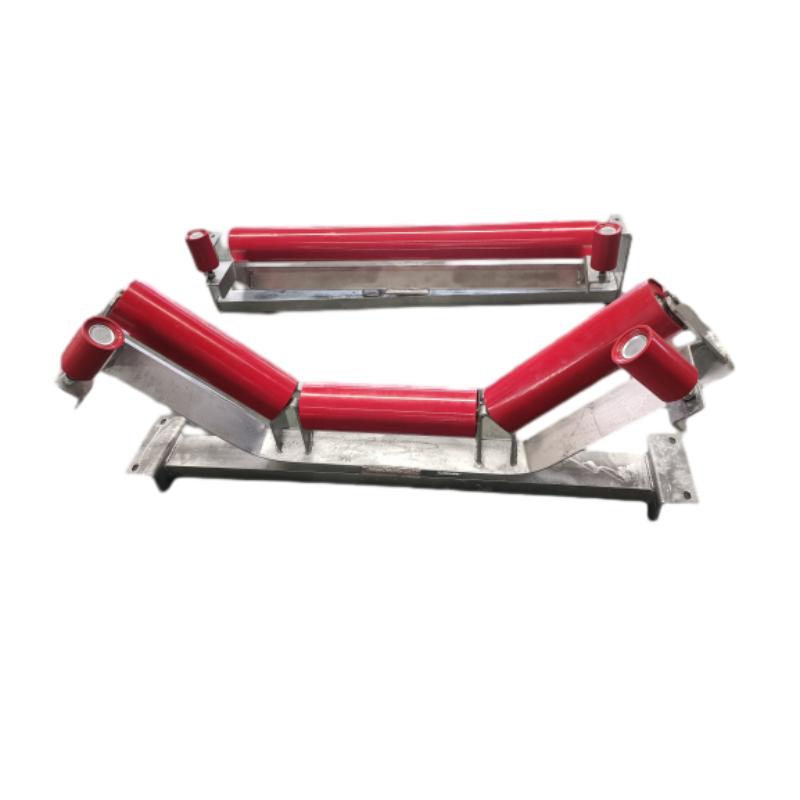
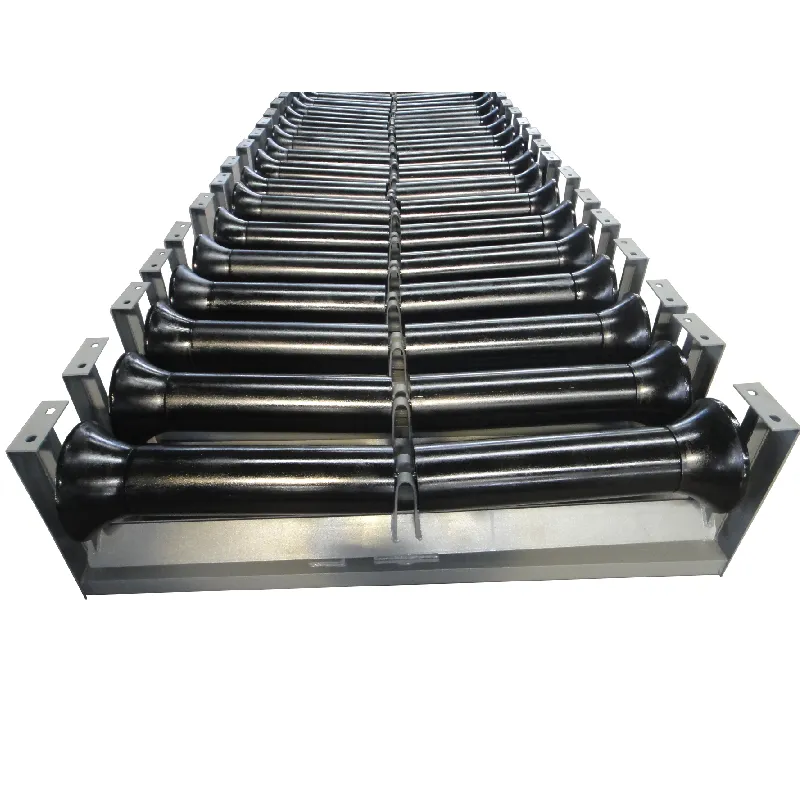
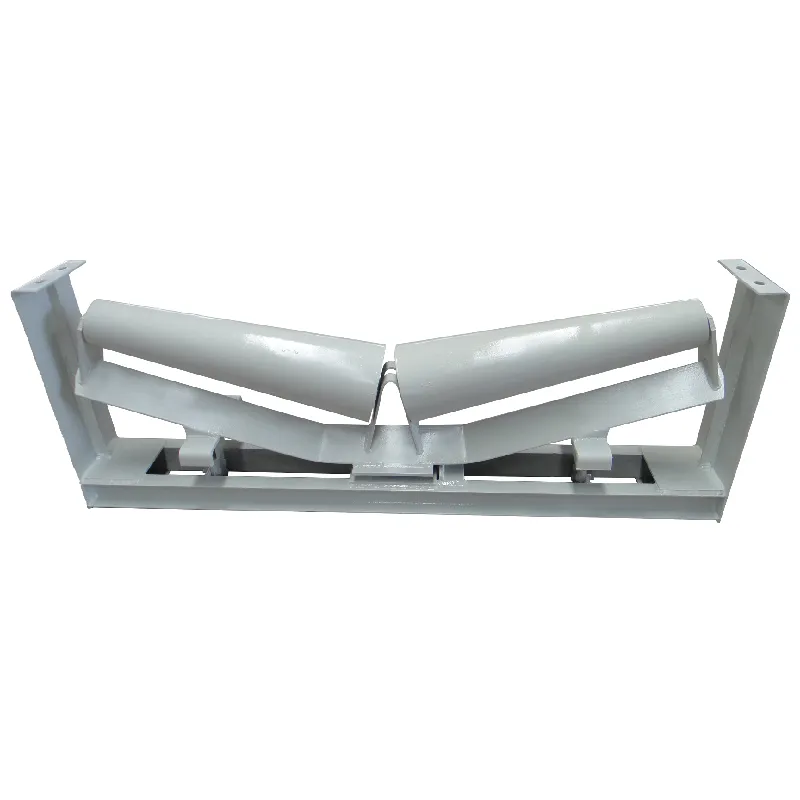
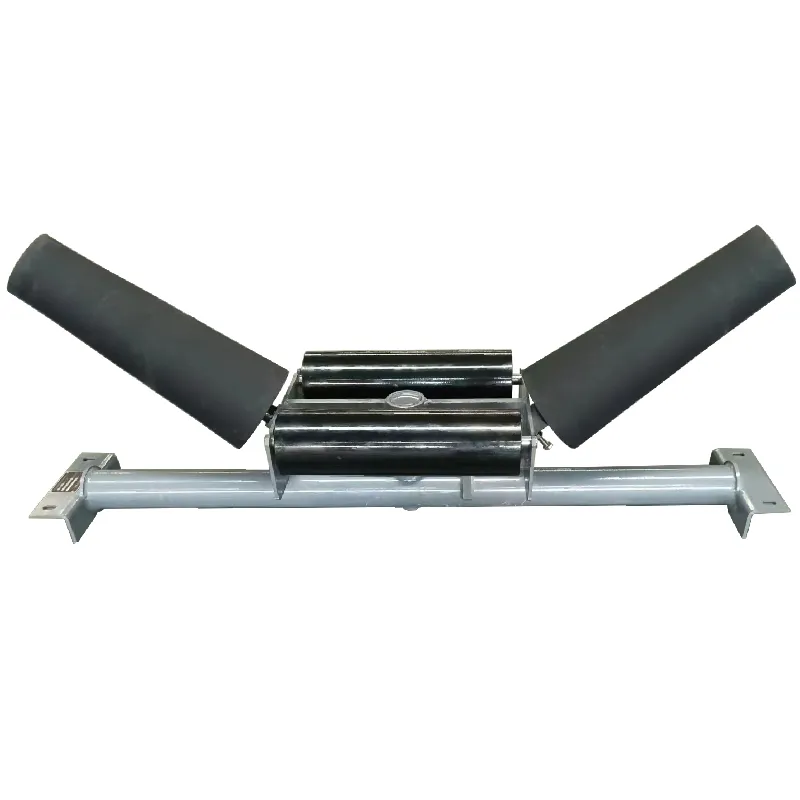
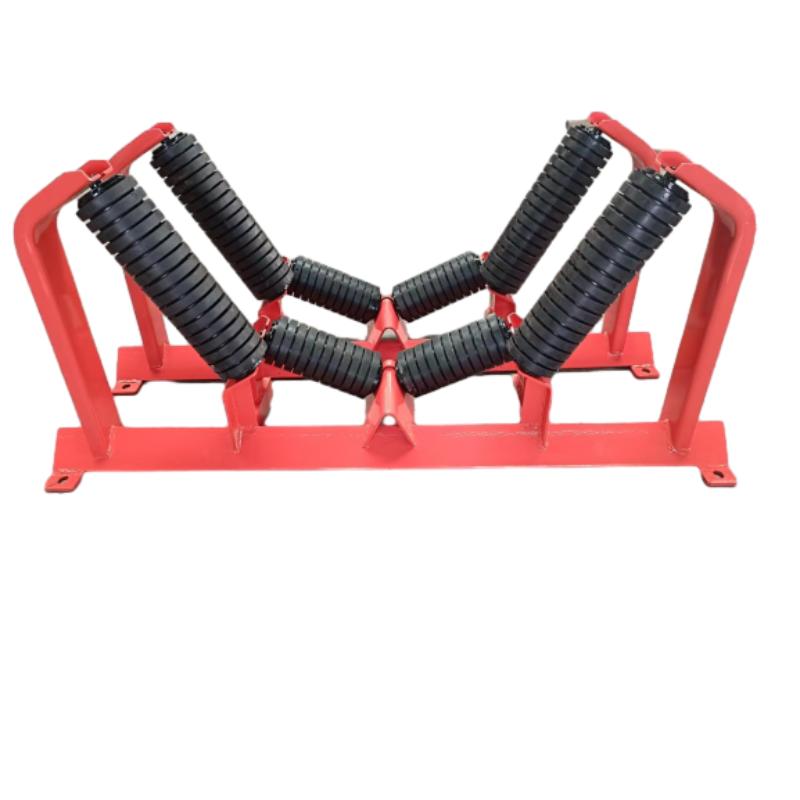
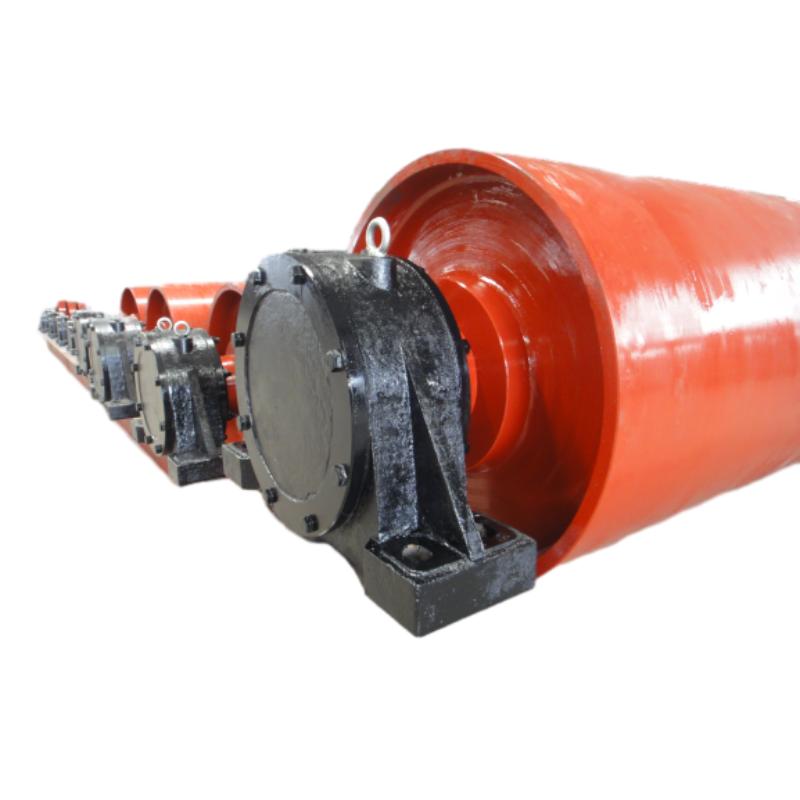
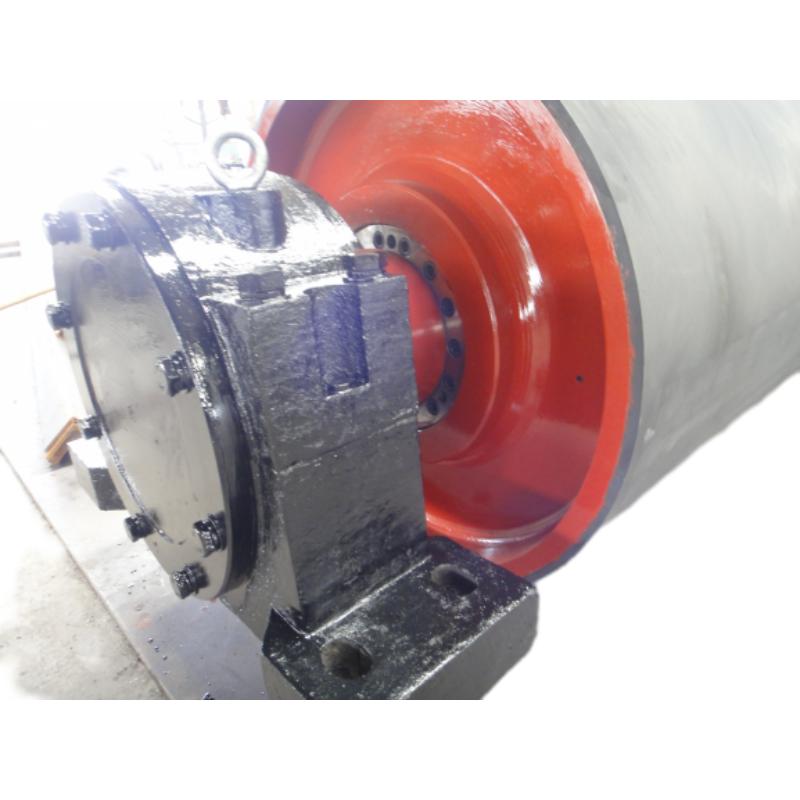
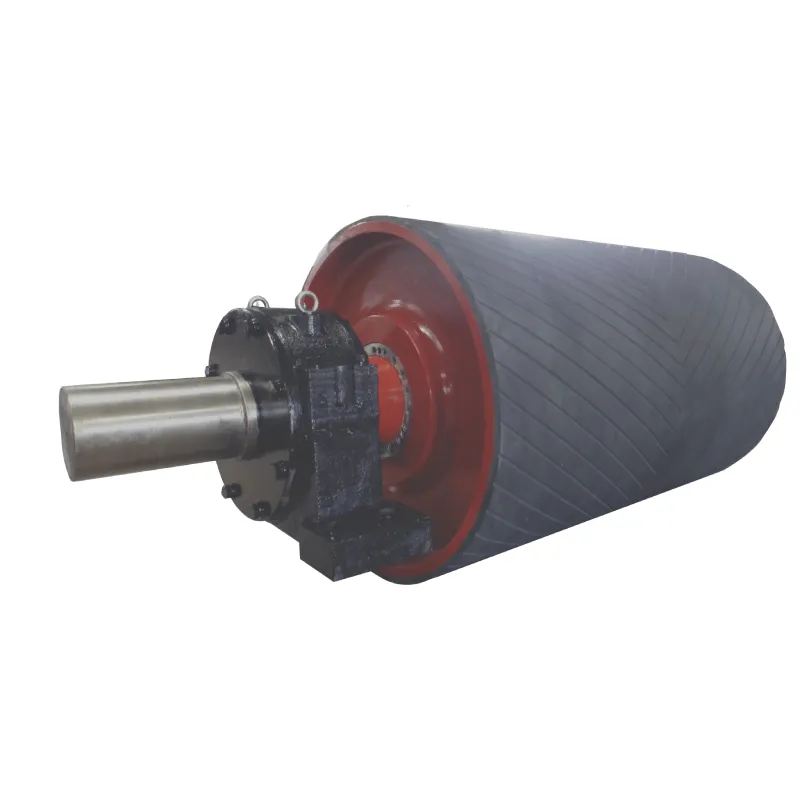
Take the typical steel pipe core conveyor roller, for instance. The diameter, wall thickness, bearing type, and protective finishes are all carefully chosen. Most of the rollers I’ve worked with have hardened steel shafts, corrosion-resistant seals, and heavy-duty bearings that can last well beyond their rated capacity. I remember a project in northern Canada where the temperature ranged down to -40°C — no joke — and the rollers still spun smoothly without freezing up.
| Specification | Typical Values |
|---|---|
| Roller Diameter | 76mm – 219mm |
| Tube Material | Galvanized or Carbon Steel |
| Shaft Diameter | 10mm – 25mm |
| Bearing Type | Sealed Deep Groove Ball Bearings |
| Temperature Range | -40°C to 80°C |
| Sealing | Double Sealed to Prevent Dust & Water |
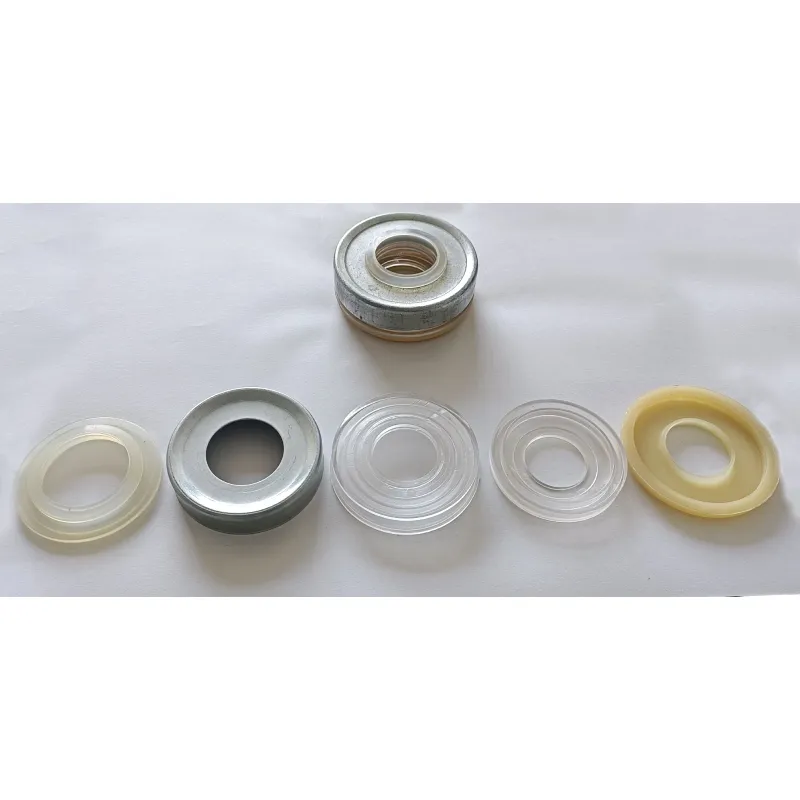
In real terms, reliability in these rollers comes down to how well they’re tested and customized for the application. For example, one mining operation I visited insisted on rollers with enhanced sealing because dust and mica particles were short-circuiting cheaper models every few weeks. So, switching to rollers with triple-lip seals made a world of difference.
I must say, many engineers I know prefer suppliers who back up their products with field testing data. Not just some fancy brochure stuff, but decades of running conveyors under punishing conditions. It builds trust when you know the product's performance is tried and proven.
| Feature | IdlerAohua | Competitor X | Competitor Y |
|---|---|---|---|
| Material Quality | High-grade galvanized steel | Standard carbon steel | Galvanized, mixed batches |
| Bearing Seals | Double sealed, dust-resistant | Single sealed | Double sealed, not dust-proof |
| Customization Options | Extensive | Limited | Moderate |
| Warranty Length | 18 months | 12 months | 12 months |
| Pricing | Competitive | Lowest | Mid-range |
One thing I’ve noticed is how important it is to think beyond just the specs. Service matters — can your vendor supply replacements quickly? Are they open to tailor-made solutions? For years, IdlerAohua has impressed me with the way they treat the client relationship as a partnership, not just a transaction. They listen, tweak designs, and deliver rollers built to last — which frankly makes my job easier.
So, if you’re knee-deep in the mining conveyor roller world like I have been, it feels reassuring to know there are trusted suppliers out there. Choosing the right roller isn’t just about the upfront price; it’s about the total cost of ownership, the downtime you avoid, and the smooth flow of your operation day in, day out.
In the end, a well-chosen conveyor roller might just seem like a small part, but it keeps massive machines humming — and that’s something every mining engineer knows is priceless.
Takeaway: Investing in quality mining conveyor rollers pays dividends in durability and uptime beyond what specs alone can tell you.
References:
- "Mining Equipment Reliability: Conveyor Roller Best Practices", Industrial Engineering Today, 2022.
- "Material and Design Trends in Conveyor Rollers", Mining Technology Insights, 2023.
- Personal field experience, multiple mining sites globally, 2010–2023.
-
Maximize Conveyor Life with a High Performance impact bedNewsApr.16,2026
-
Maximize Conveyor Efficiency Using a v plow belt scraperNewsApr.09,2026
-
Comprehensive Guide to Understanding Different Types of Belt CleanersNewsApr.07,2026
-
Enhancing Conveyor Efficiency with an Effective Scraper Belt CleanerNewsApr.04,2026
-
Optimizing Conveyor Systems with Advanced Cleaning Equipment SolutionsNewsMar.31,2026
-
Effective Conveyor Belt Scraper Adjustment for Optimal System PerformanceNewsMar.28,2026