

Durable & Efficient Urethane Drive Rollers for Industrial Conveyor Systems
Understanding Urethane Drive Rollers: Why They Matter More Than You Think
At first glance, urethane drive rollers might not sound like the headline of an industry breakthrough. But these humble components quietly hold up a vast ecosystem in manufacturing, logistics, and material handling worldwide. They keep conveyor belts rolling, facilitate smooth transport, and help industries run efficiently. In a global economy where speed, durability, and cost-efficiency rule, understanding urethane drive rollers unlocks insights about how goods move, factories operate, and even how humanitarian supplies get delivered to the furthest corners of the world.
In this article, we’ll explore why urethane drive rollers deserve your attention — and why anyone curious about industrial tech, engineering, or supply chain logistics should care.
Why Are Urethane Drive Rollers a Global Industrial Staple?
Conveyor systems are estimated to handle billions of tons of goods annually — and the global market for conveyor components is expected to hit over $14 billion by 2027 according to reports from Statista. Driven rollers form the core of these systems. Urethane-covered rollers specifically address persistent challenges like traction, wear resistance, and operational noise, leading to safer and more reliable workflows.
In an age when supply chains may be stretched thin by global crises or evolving trade demands, even small inefficiencies ripple across sectors. UN data underscores the need for resilient infrastructure to meet Sustainable Development Goals (SDGs), including reliable industrial materials handling. Urethane drive rollers, with their toughness and versatility, play a quiet but essential role in underpinning that resilience.
Quick takeaway:
- Urethane drive rollers power crucial infrastructure worldwide
- They help solve issues of durability, safety, and noise in conveyors
- Their role aligns with global efforts for efficient, reliable industry
What Exactly Are Urethane Drive Rollers?
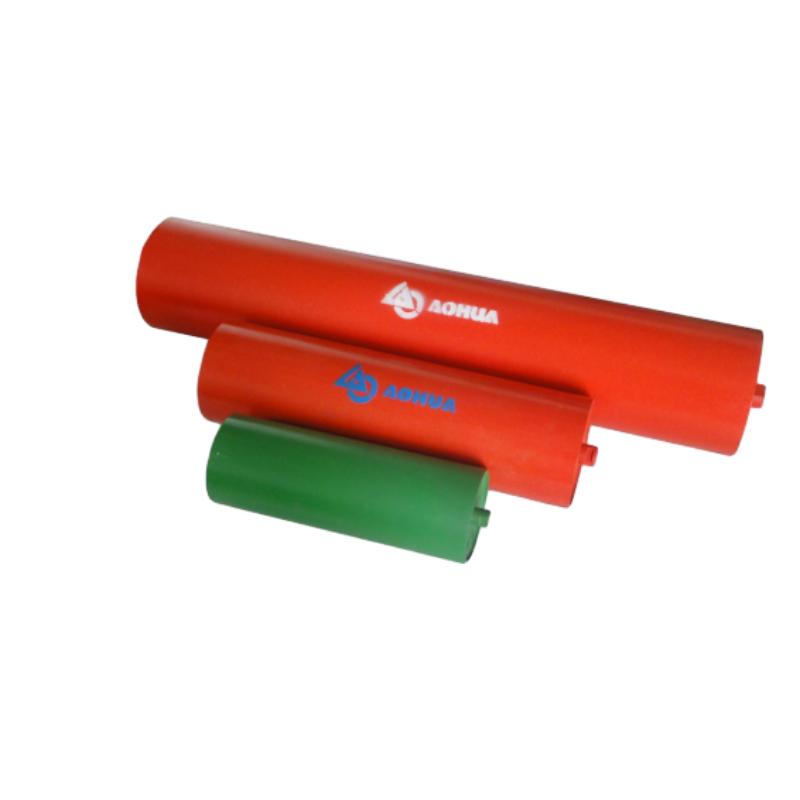
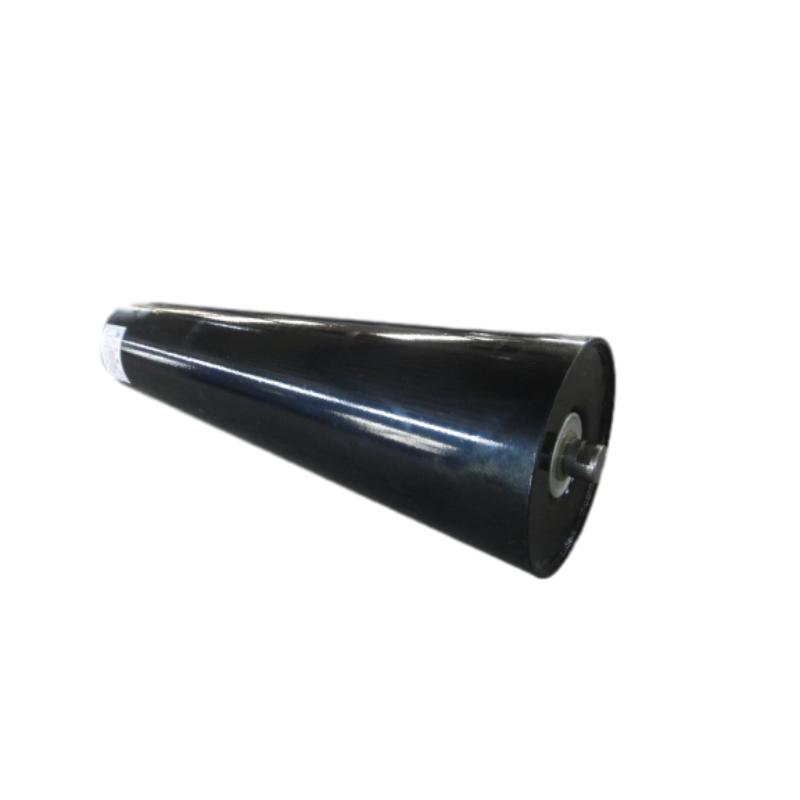
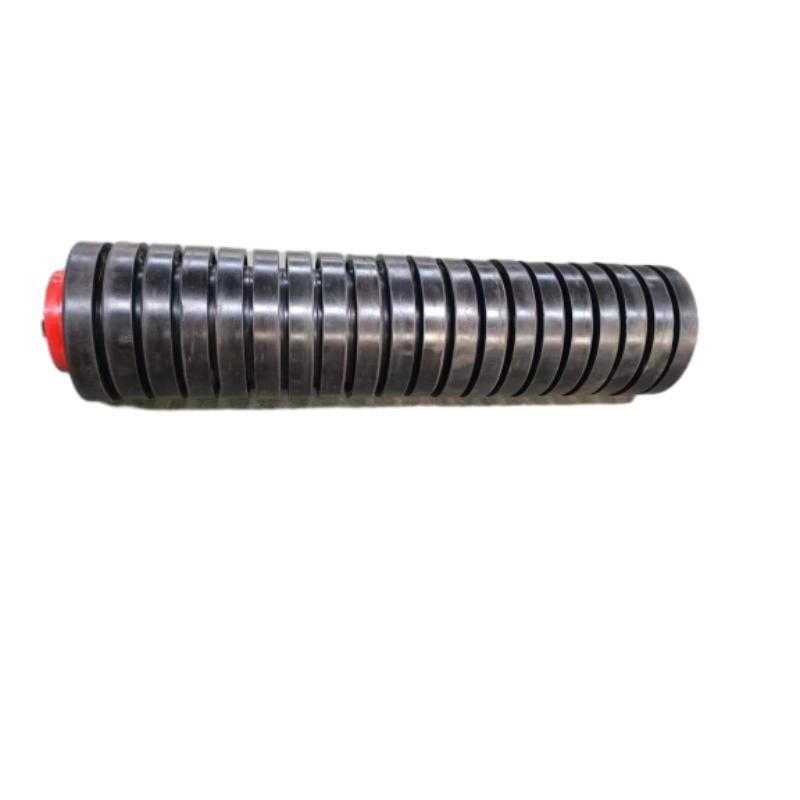
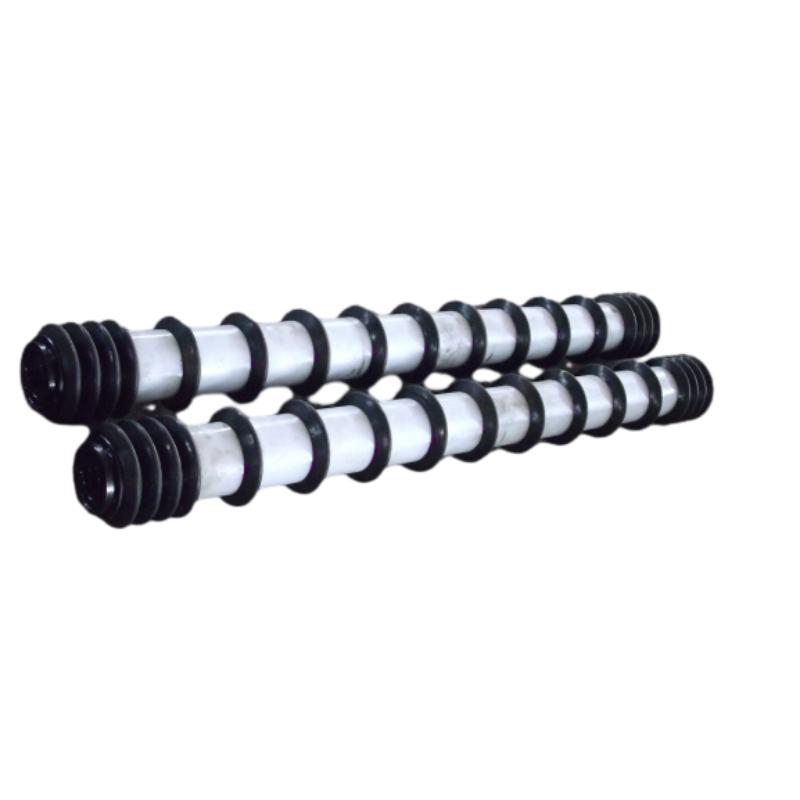
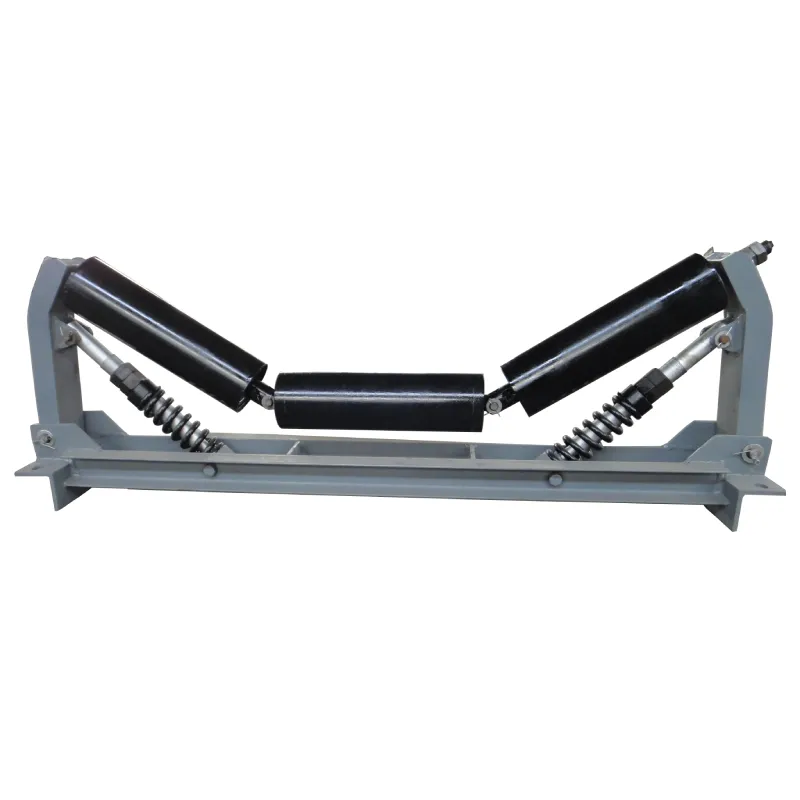
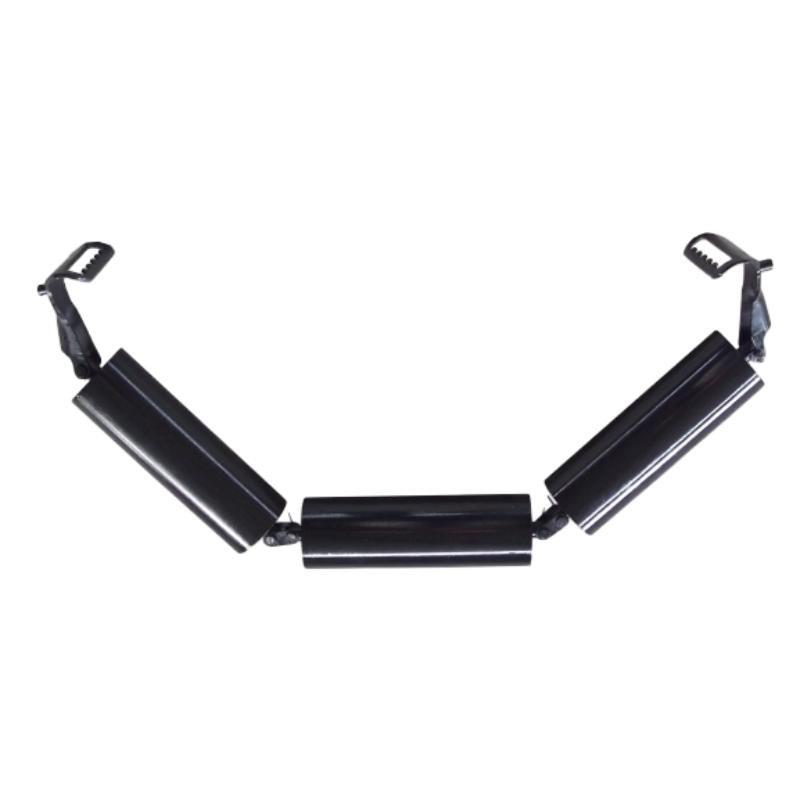
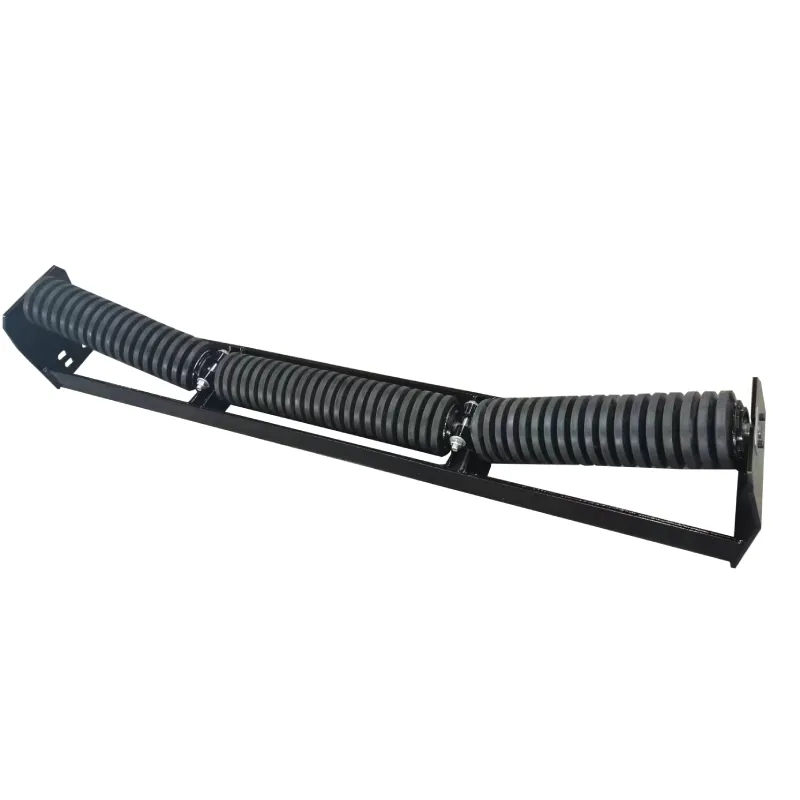
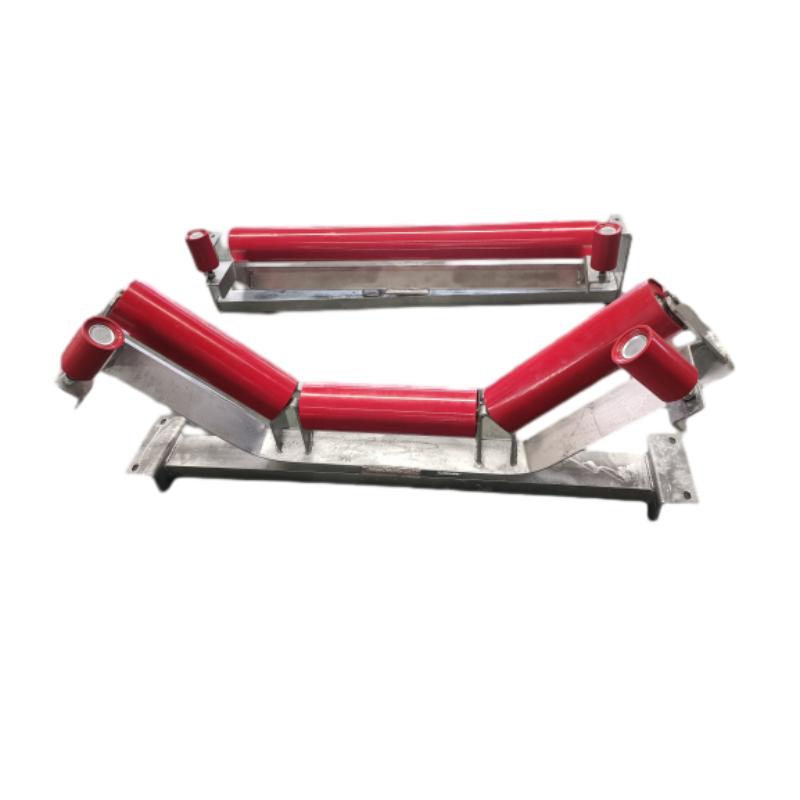
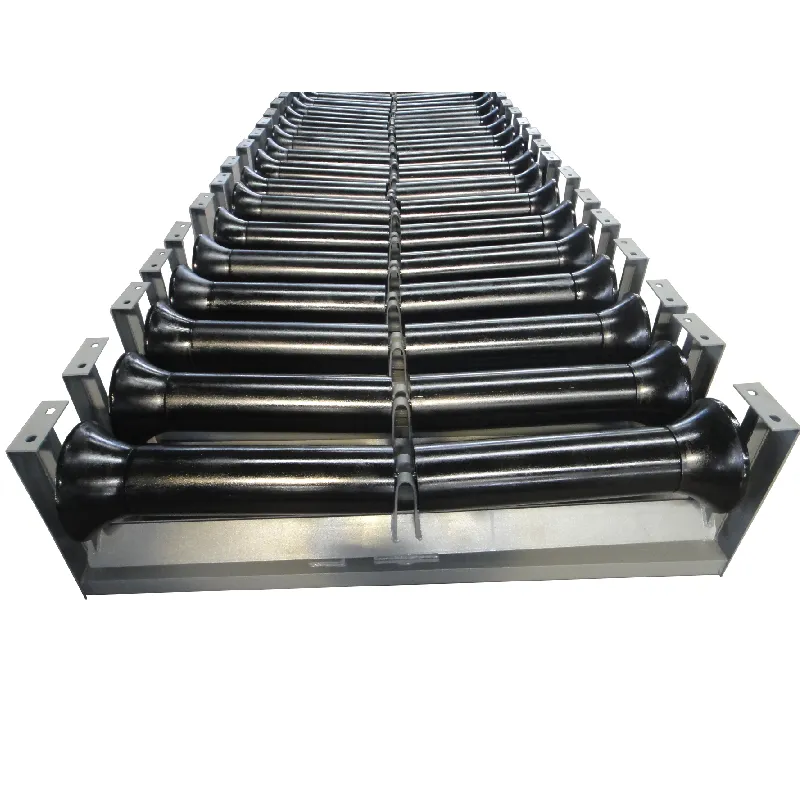
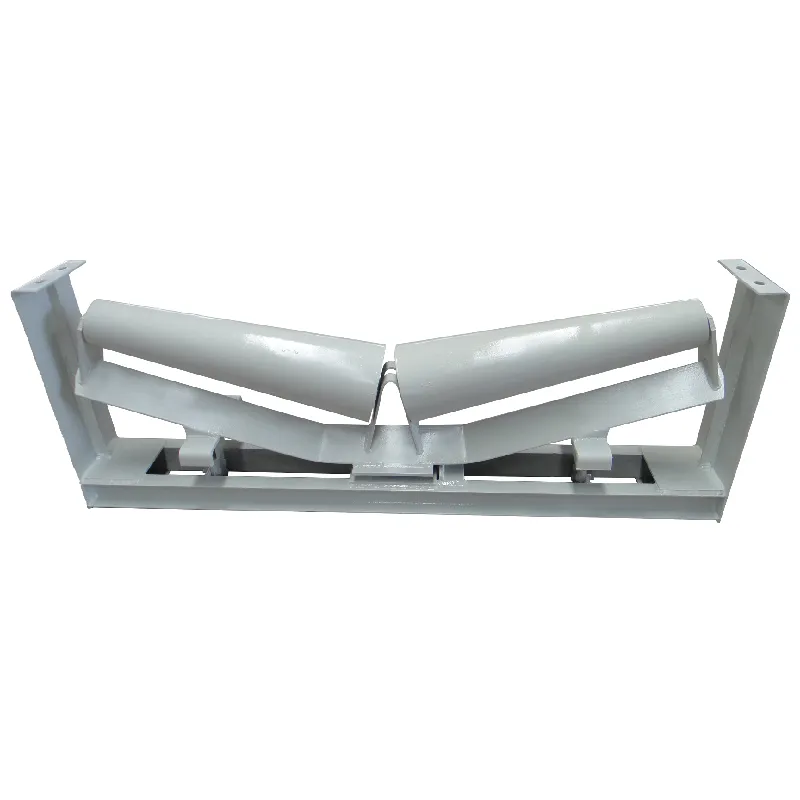
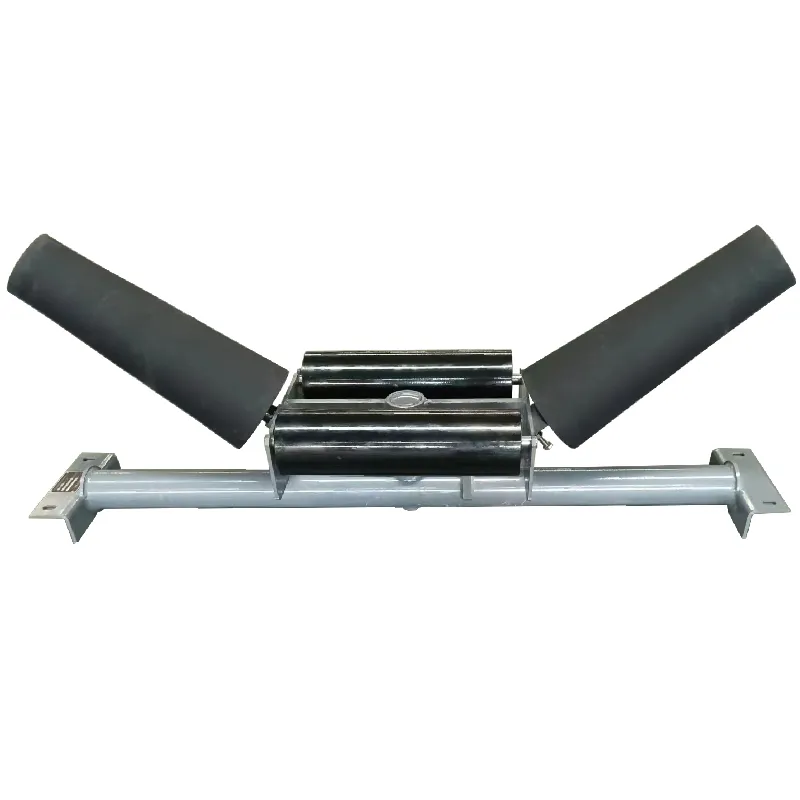
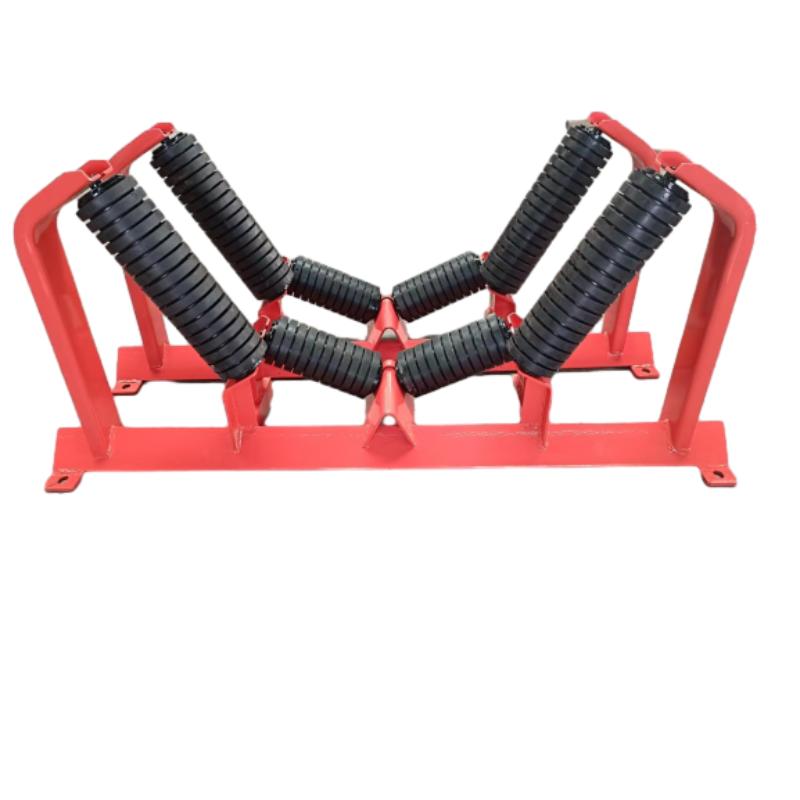
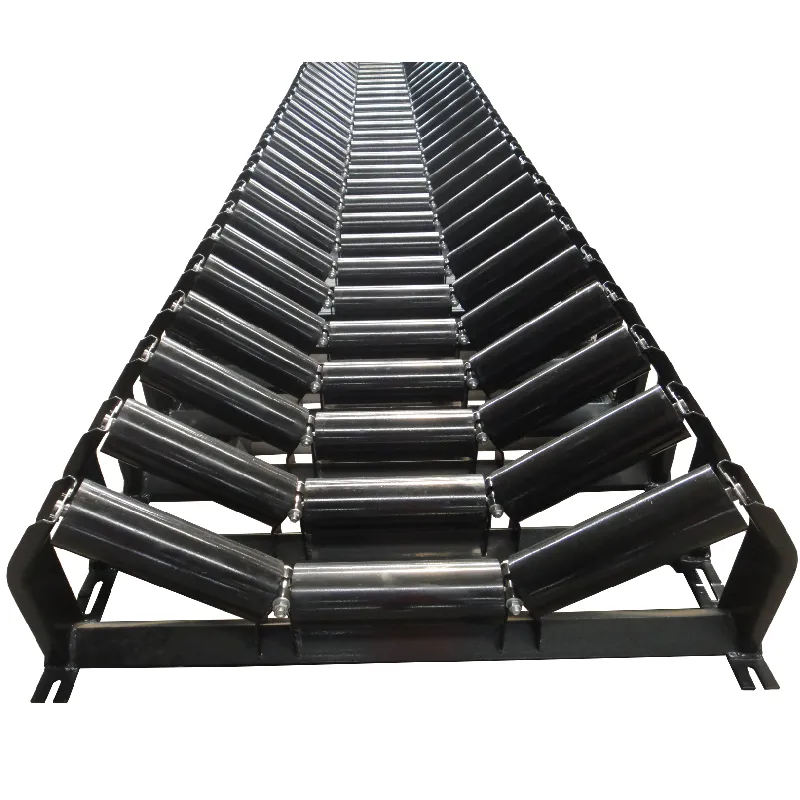
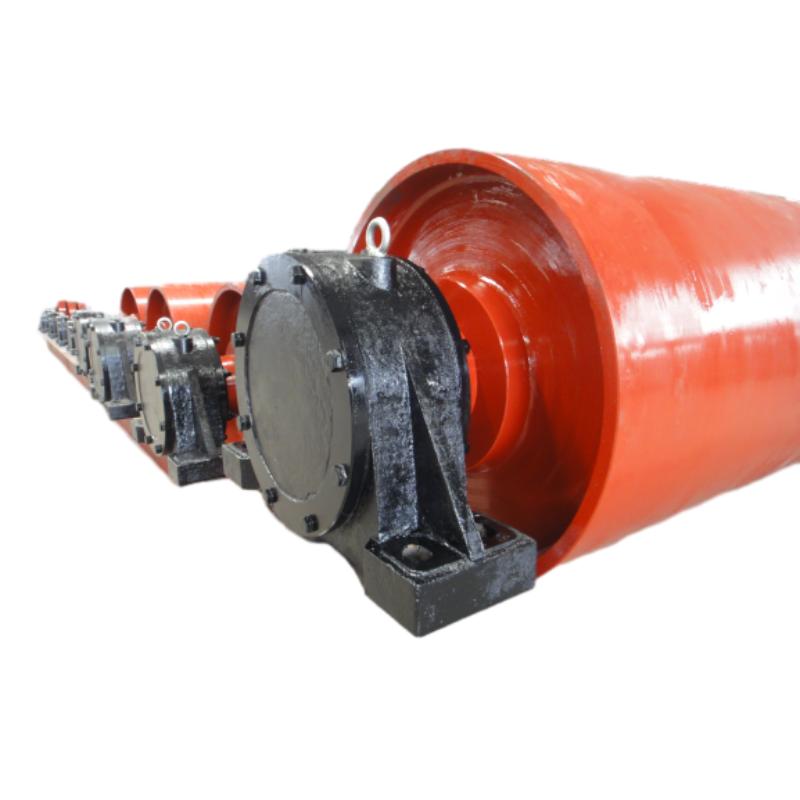
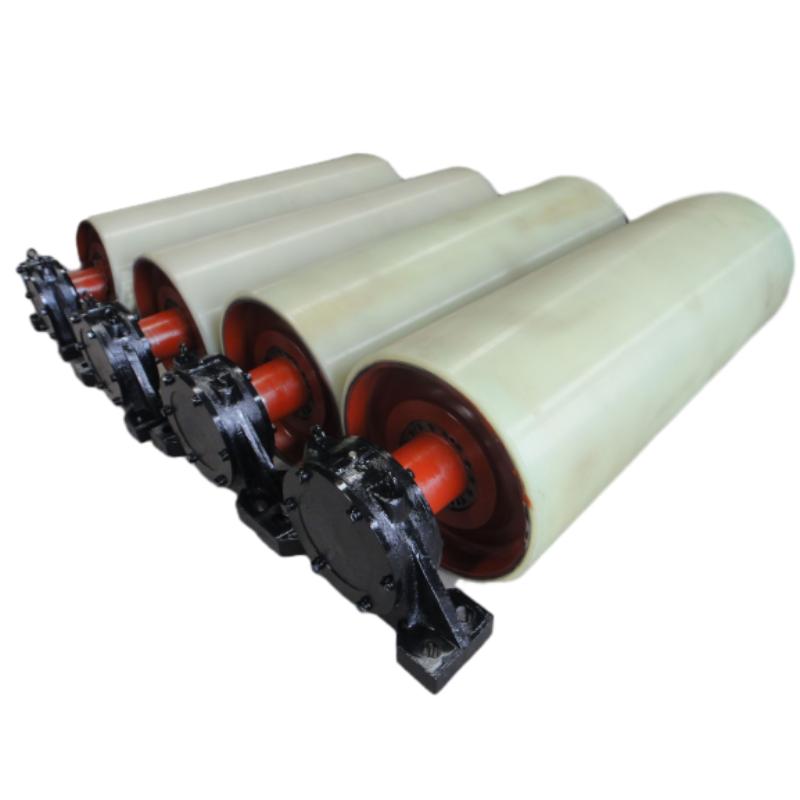
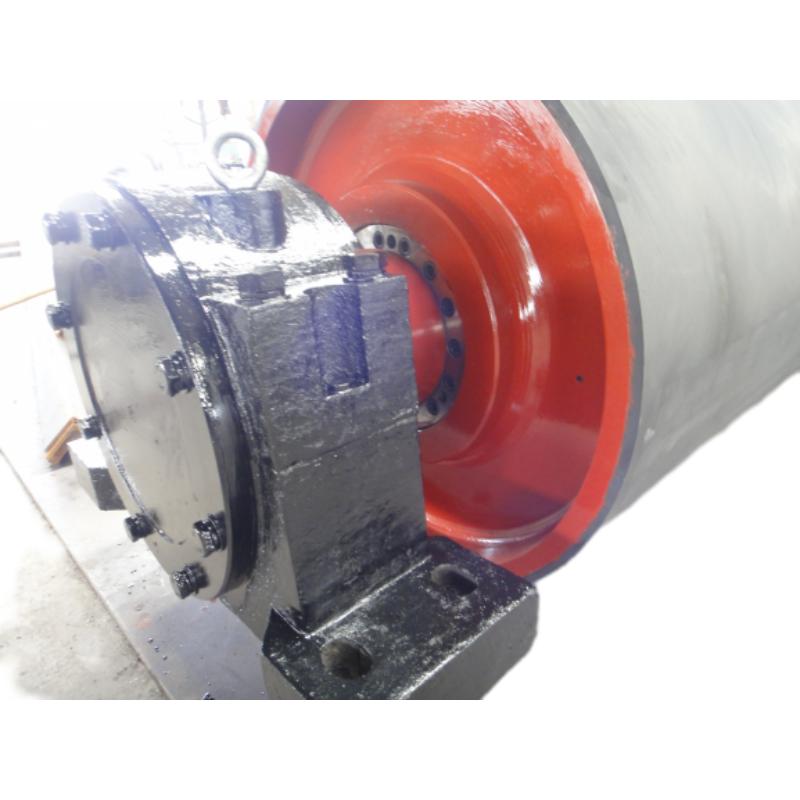
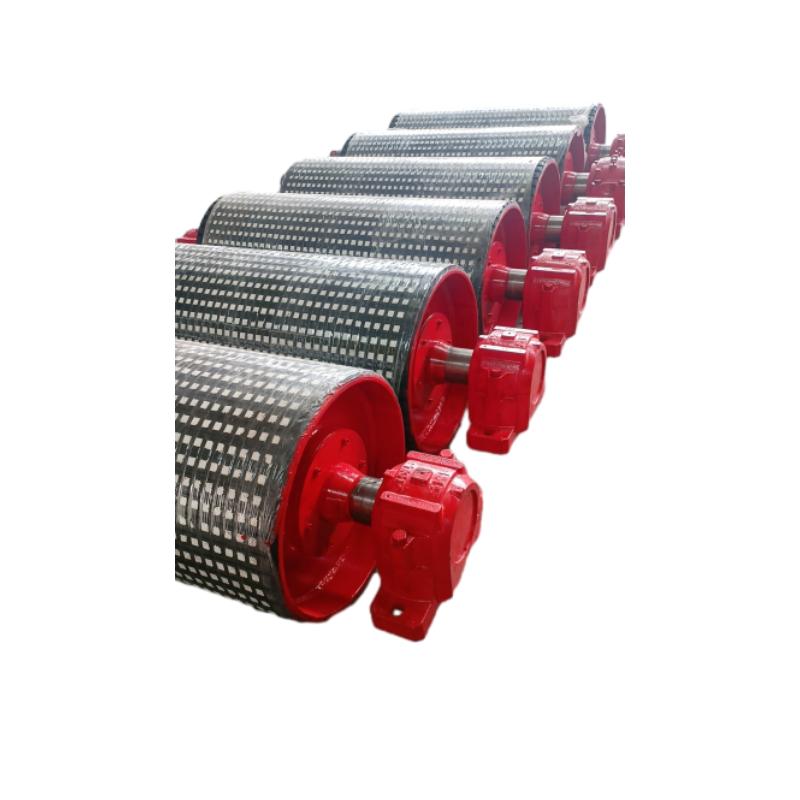
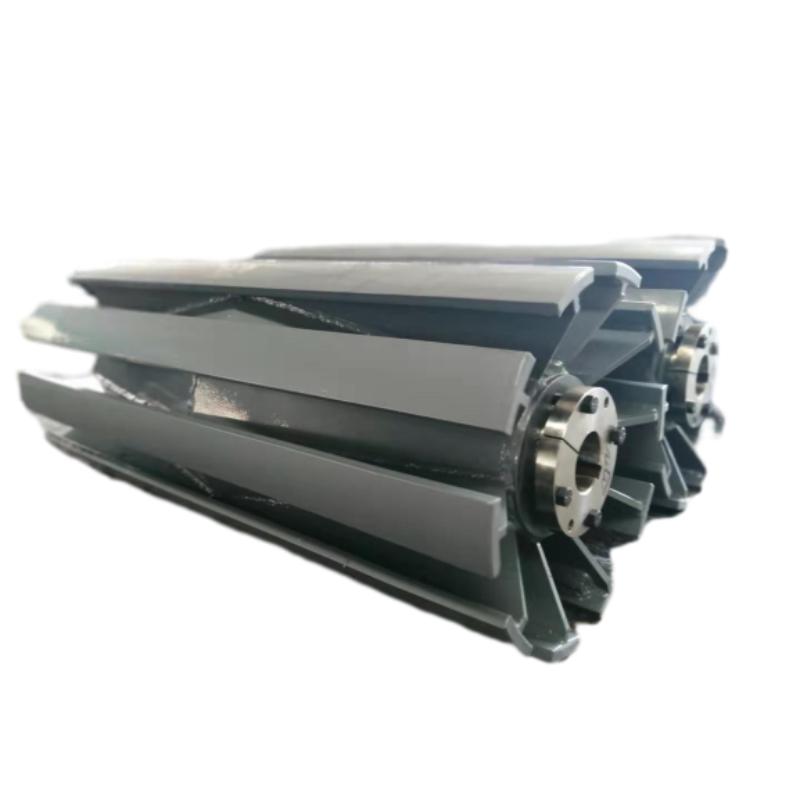
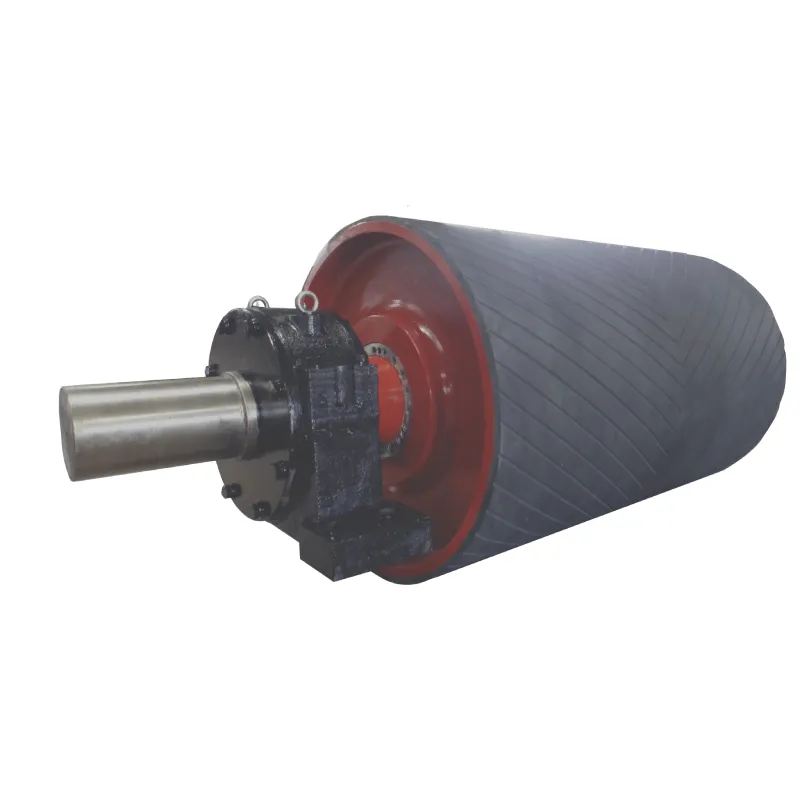
At their most basic, urethane drive rollers are cylindrical components coated or made entirely of polyurethane (urethane) that rotate to propel conveyor belts or other materials along a moving path. Unlike metal rollers, the soft but firm urethane covering ensures superior grip and cushioning. This reduces belt slippage, wear-and-tear, and mechanical shock.
The connection to modern industry is straightforward: almost any production line or bulk material transportation system uses rollers. Urethane's chemical properties — resistance to abrasion, oil, and temperature variance — mean these rollers thrive in harsh or precision-demanding environments, from electronics manufacturing to heavy logistics hubs.
Key features that define urethane drive rollers:
- Flexible yet durable polyurethane surface
- Metal core for strength and longevity
- Customized hardness levels to suit specific applications
- Resistance to chemicals, oils, and weathering
Main Aspects Impacting Urethane Drive Rollers' Effectiveness
Durability
Stacked against steel or rubber, urethane combines the best of both worlds — it outlasts rubber in abrasion resistance and is less prone to corrosion than metal. Many engineers say this makes it the logical choice for high-use environments where downtime is unacceptable.
Traction & Slip Prevention
Thanks to its slightly tacky yet firm nature, urethane provides excellent grip to drive belts without wearing them out prematurely. This is especially crucial in industries with heavy loads or inclined conveyors.
Noise Reduction
Urethane absorbs vibrations better than many hard materials, which means operations become quieter — something often overlooked but vital in worker safety and comfort.
Customization & Scalability
Rollers can be fine-tuned with specific urethane hardness (measured on Shore scales), sizes, and coatings, allowing them to fit everything from tiny electronics assembly lines to enormous mining conveyors.
Cost Efficiency
Though initially pricier than some alternatives, urethane's longevity means fewer replacements and maintenance stops — saving real money in the long haul.
User-friendly Maintenance
Urethane rollers' resistance to oils and chemicals reduces the frequency of cleaning and replacement, which fits well into lean manufacturing and just-in-time (JIT) models.
Mini takeaway:
- Durability and traction cut operational delays
- Noise and maintenance improvements benefit worker welfare
- Customization fits diverse industrial needs
Real-World Applications of Urethane Drive Rollers
Worldwide, urethane drive rollers make essential contributions in many sectors:
- Manufacturing hubs (e.g., Germany, Japan) use them in automated assembly to ensure tight quality control.
- Logistics and warehousing (notably in North America) rely on smooth conveyor operation to manage surges in e-commerce fulfillment.
- Mining and bulk material handling (Australia, South Africa) use rollers that withstand heavy abrasive loads.
- Disaster relief efforts have employed rapid-deployment conveyor systems utilizing urethane rollers to move supplies efficiently in challenging environments.
- Food and pharmaceutical industries benefit from urethane’s non-marking and cleanable surfaces, compliant with hygiene standards.
For companies or NGOs sourcing urethane drive rollers, partnering with trusted suppliers who offer local customization is often key to project success.
Mini takeaway:
- Urethane rollers serve a wide range of industries and geographies
- They adapt well to specific environmental and regulatory demands
Comparing Popular Urethane Drive Roller Options
| Specification | Standard Model A | Heavy-Duty Model B | Food-Grade Model C |
|---|---|---|---|
| Diameter | 100 mm | 150 mm | 120 mm |
| Urethane Hardness (Shore A) | 75 | 90 | 80 (FDA approved) |
| Max Load Capacity | 500 kg | 1200 kg | 700 kg |
| Chemical Resistance | Moderate | High | Certified Safe |
| Typical Use Case | Light manufacturing | Mining & heavy industry | Food processing |
Vendor Comparison: What to Look for When Buying
| Vendor | Customization Options | Lead Time | Global Reach | After-Sales Support |
|---|---|---|---|---|
| RollTech Systems | Wide (hardness, size, coatings) | 2–4 weeks | Global | 24/7 Phone & Email |
| PolyRoll Inc. | Moderate | 1 week | North America, Europe | Business Hours Support |
| Global Urethane Solutions | Extensive R&D-driven options | 3 weeks | Asia, Europe, South America | Dedicated Account Managers |
Advantages and the Long-Term Value of Urethane Drive Rollers
If you stop and think about it, investing in quality urethane rollers is really investing in reliability and peace of mind. Less downtime means faster production cycles, which means happier customers and stakeholders. There’s an emotional comfort too — fewer breakdowns mean less worker stress and a safer environment.
On the sustainability front, urethane rollers often last twice as long as alternatives, generating less waste over time. Some manufacturers now emphasize eco-friendly urethane blends, contributing to circular economy goals.
All in all, urethane rollers blend performance, cost savings, and safety — a trio that industry leaders value immensely.
Emerging Trends in Urethane Drive Rollers
Looking ahead, there’s a growing push to integrate smart sensors into rollers, enabling real-time monitoring of wear and performance — a true Industry 4.0 move. Also, innovations in bio-based polyurethane formulas are reducing petrochemical dependence, improving the environmental profile.
Automation demands more precise and quieter components. Urethane’s adaptability positions it well to remain a core material amid these shifts.
Challenges And How Experts Are Solving Them
Urethane drive rollers aren’t perfect. Extreme temperatures can still affect some formulations, and the initial cost is a barrier for small plants. But breakthroughs in material science continue to push limits — from high-temp resistant urethanes to modular roller designs that simplify repairs.
Many manufacturers combine urethane rollers with periodic lubrication and vibration damping technologies for optimum lifespan. It feels like the “art of maintenance” is evolving alongside the rollers themselves.
FAQ: Your Urethane Drive Rollers Questions Answered
Q1: How do urethane drive rollers improve conveyor efficiency?
A1: Urethane rollers offer higher traction and durability compared to traditional rubber or metal options. This reduces slippage and wear, preventing downtime and decreasing maintenance needs — which directly enhances conveyor reliability and throughput.
Q2: Can urethane drive rollers be customized for different industries?
A2: Absolutely. They come in various hardness levels, diameters, and coatings to fit applications from food-grade sanitation standards to heavy mining environments, making them very versatile tools in any sector.
Q3: Are urethane rollers environmentally friendly?
A3: While conventional urethane uses petrochemicals, newer bio-based blends and longer lifespans improve their sustainability profile. Plus, less frequent replacement means less waste overall, contributing positively to environmental goals.
Q4: What maintenance is required for urethane drive rollers?
A4: Routine cleaning and inspection for wear are typically sufficient. Many are designed to resist oils and chemicals, reducing maintenance demands. Implementing predictive monitoring further extends service life.
Q5: Where can I source high-quality urethane drive rollers internationally?
A5: Leading suppliers like IdlerAohua and global manufacturers offer customizable options with international shipping. Look for vendors offering good support and customization to ensure compatibility with your machinery.
In Conclusion: Rolling Smoothly Into the Future
Urethane drive rollers might be an unsung hero in the grand story of global industry, but their impact is undeniable. They combine longevity, efficiency, and adaptability — making them a smart investment for anyone serious about conveyor solutions.
Thinking about upgrading or expanding your conveyor system? Visit our website at https://www.idleraohua.com for expert guidance, product options, and tailored solutions.
Final thoughts:
Like many industrial components, urethane drive rollers represent a mix of material science, practical design, and real-world experience. As technology and sustainability trends evolve, so will these rollers — quietly enabling the economy’s unstoppable movement.
References:
-
Maximize Conveyor Life with a High Performance impact bedNewsApr.16,2026
-
Maximize Conveyor Efficiency Using a v plow belt scraperNewsApr.09,2026
-
Comprehensive Guide to Understanding Different Types of Belt CleanersNewsApr.07,2026
-
Enhancing Conveyor Efficiency with an Effective Scraper Belt CleanerNewsApr.04,2026
-
Optimizing Conveyor Systems with Advanced Cleaning Equipment SolutionsNewsMar.31,2026
-
Effective Conveyor Belt Scraper Adjustment for Optimal System PerformanceNewsMar.28,2026