

Conveyor Trough Rollers: Key Features, Global Applications & Future Trends
Understanding Conveyor Trough Rollers: The Backbone of Efficient Material Handling
Conveyor trough rollers might just sound like another piece of industrial jargon, but they play a surprisingly pivotal role in the global supply chain. Essentially, these rollers support conveyor belts designed with a trough shape, optimizing the transport of bulk goods — such as coal, ores, grains, or even recycled materials — with enhanced stability and reduced spillage. From mining operations in Australia to large-scale agriculture in the U.S. Midwest, conveyor trough rollers make a quiet yet profound impact on how efficiently we move resources around the planet.
Why is this so important globally? Well, the World Bank estimates that about 15 billion tons of bulk solids are transported annually by belt conveyors worldwide, and conveyor trough rollers are at the heart of that operation. If you think about it, every ton of grain or ore you see—whether destined for food production or steel manufacturing—traveled on these rollers at some point.
Mini takeaway: Conveyor trough rollers, though often overlooked, are essential for stable and efficient bulk material transport globally, underpinning multiple industries.
Introduction: The Global Context of Conveyor Trough Rollers
In an increasingly interconnected world, optimizing logistics and material handling equipment becomes a critical economic lever. According to ISO standards for conveyor belts and components (ISO 606), the design and maintenance of conveyor trough rollers directly affect the lifespan and safety of conveyor systems, which in turn impacts millions of dollars in operational expenses.
Increasing mining activities and industrial automation are driving demand for more durable, energy-efficient conveyor systems. However, challenges such as premature roller failure, environmental wear, and cost inefficiency often plague operations, leading to downtime and higher maintenance budgets. This is where well-designed conveyor trough rollers come into play — mitigating these issues and enabling smoother industrial workflows.
Mini takeaway: The demand for conveyor trough rollers is rising globally due to expansion in industries such as mining and manufacturing, but challenges like wear and cost remain.
What Are Conveyor Trough Rollers?
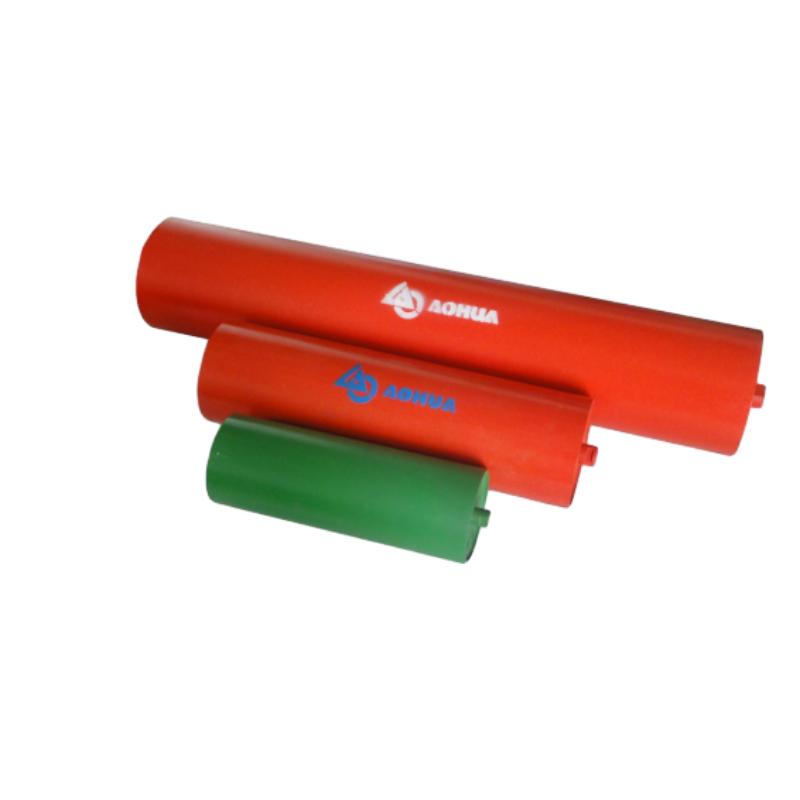
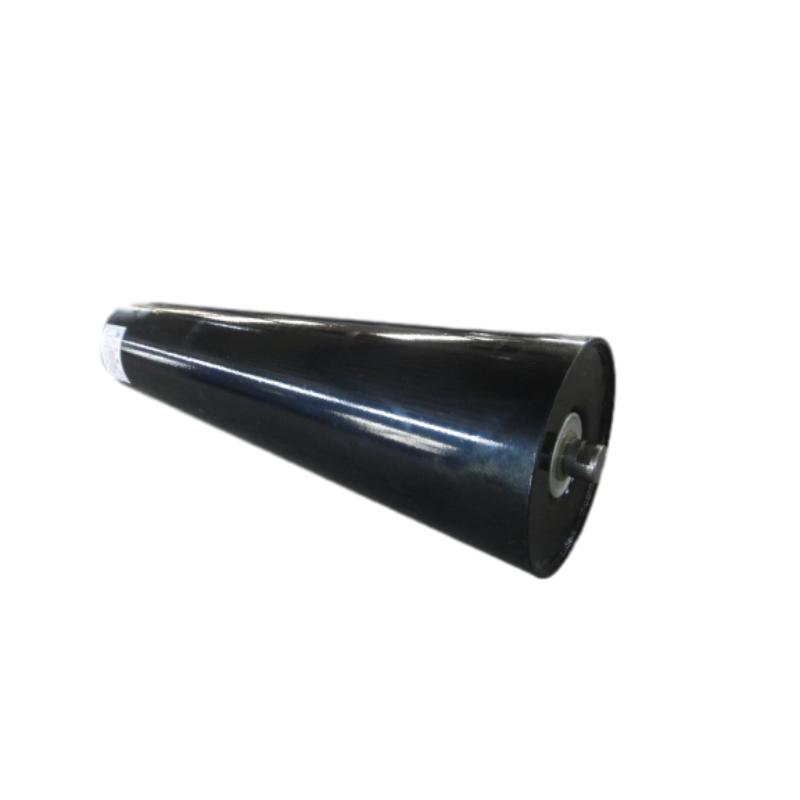
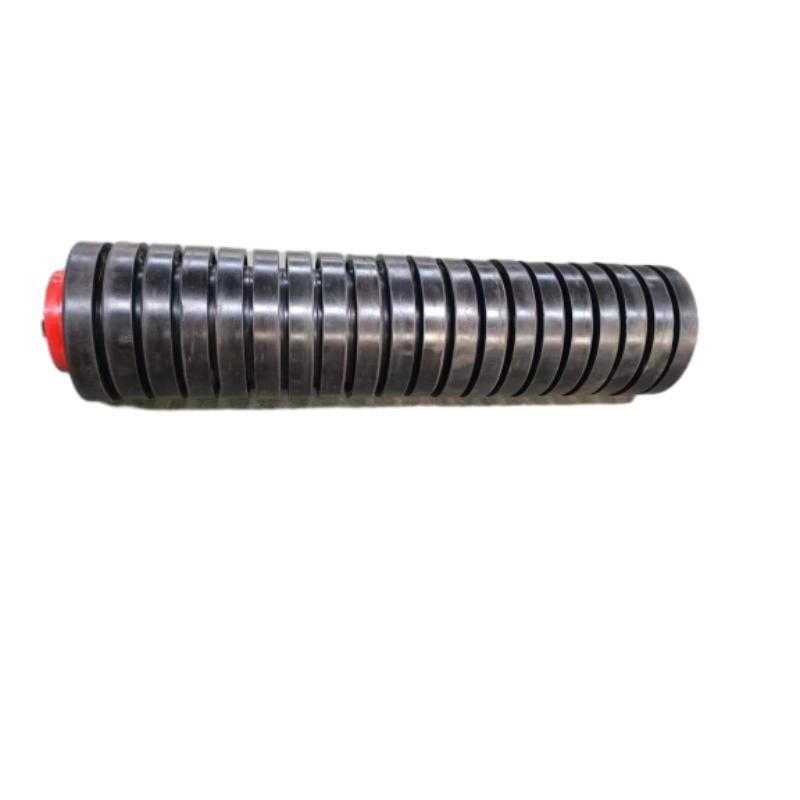
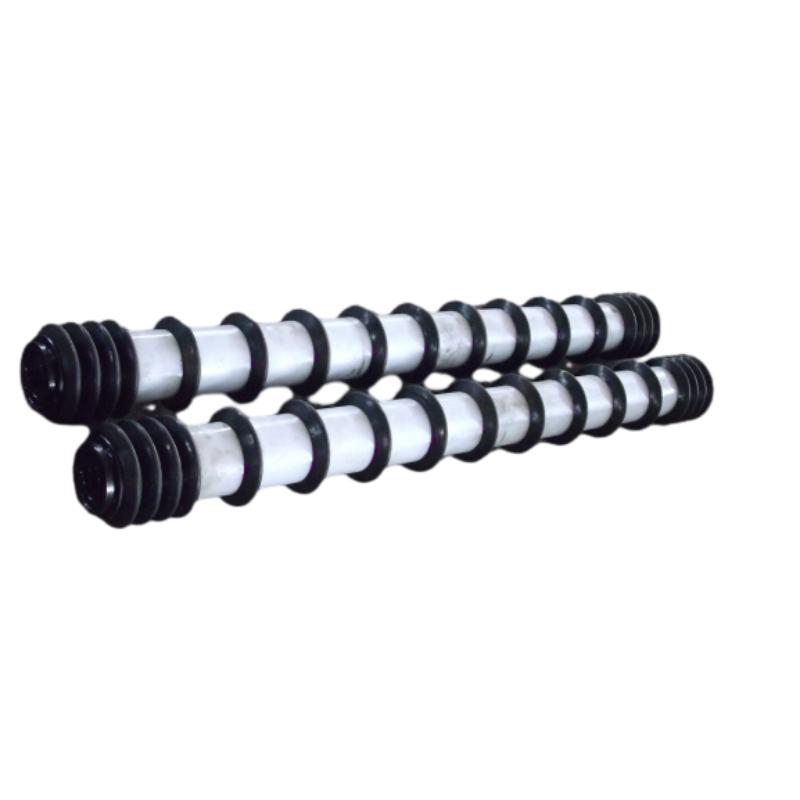
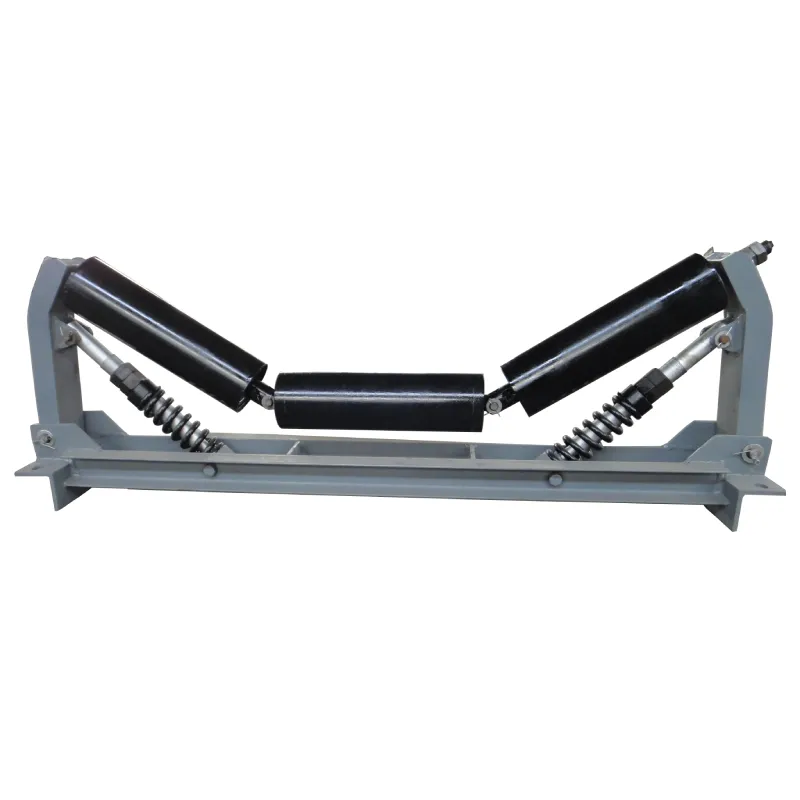
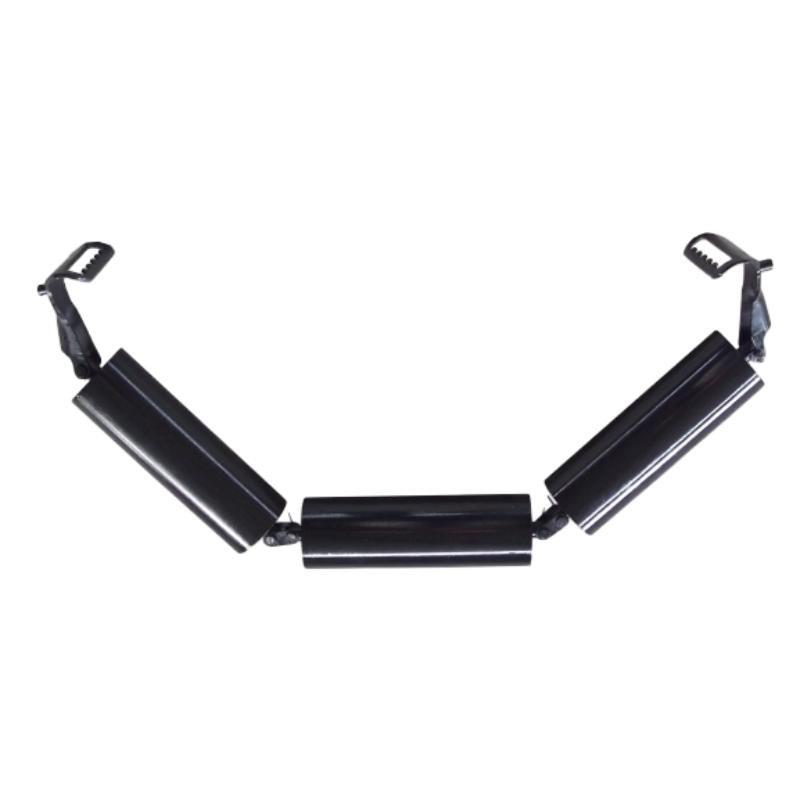
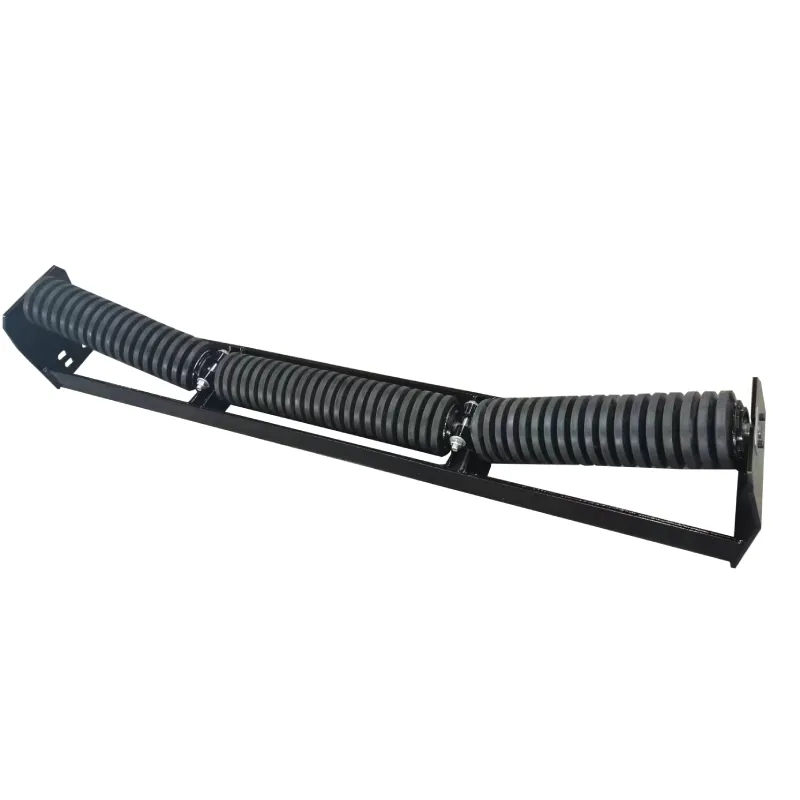
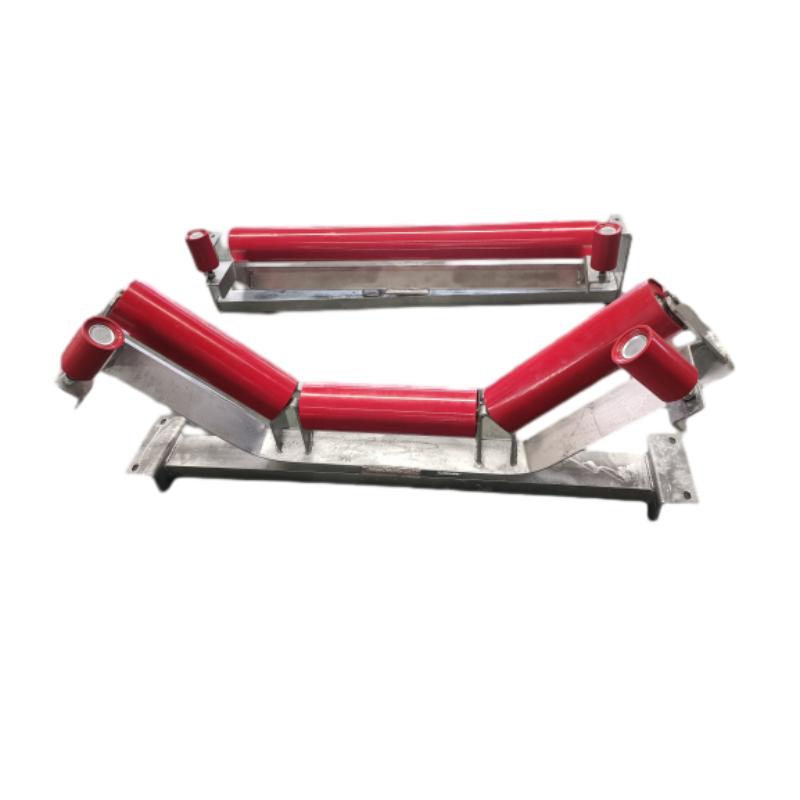
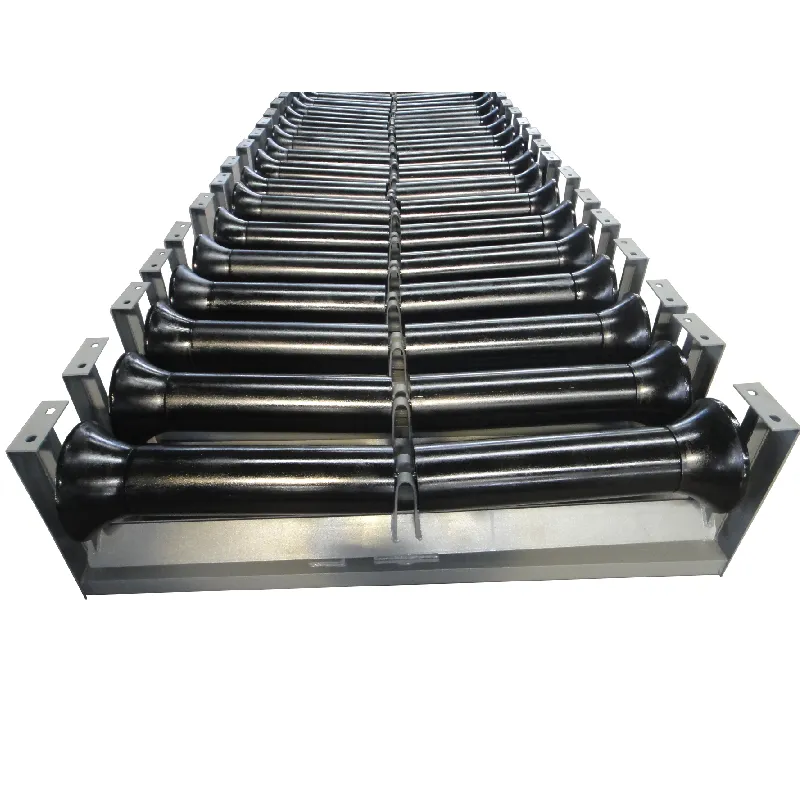
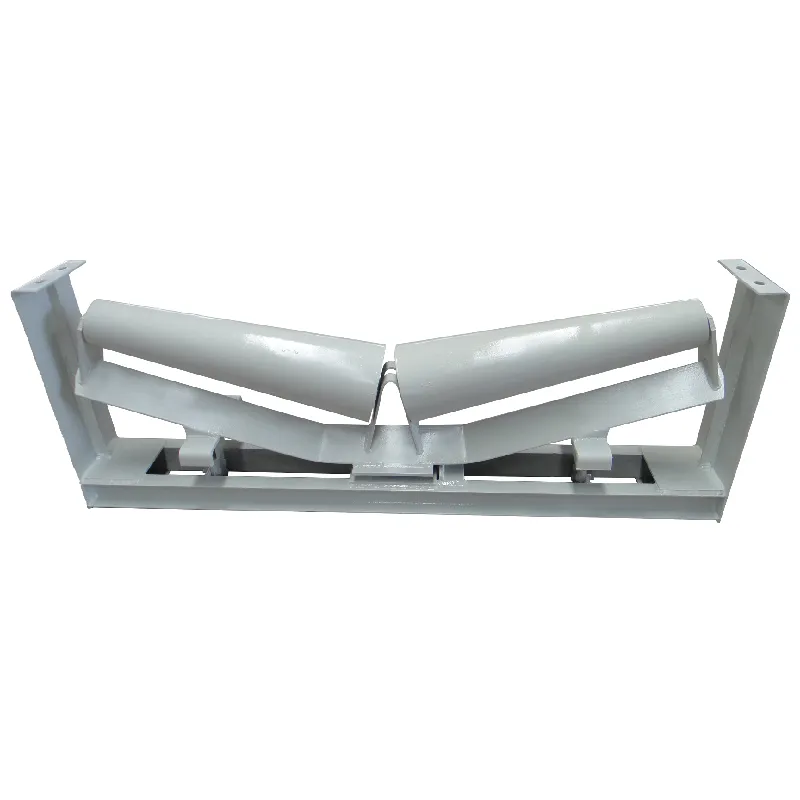
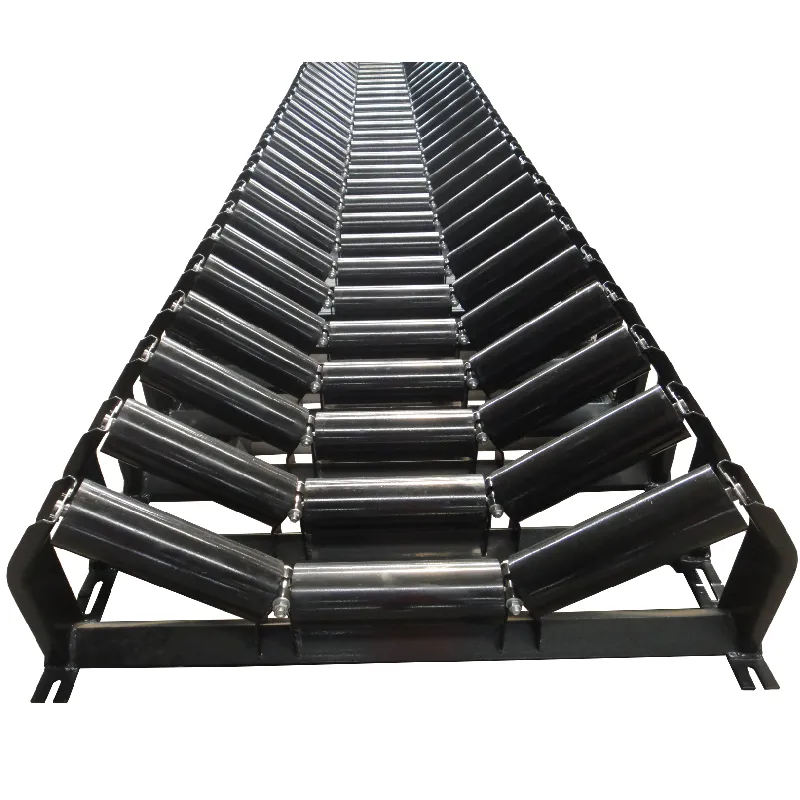
Simply put, conveyor trough rollers are sets of rollers that support the sides and center of a conveyor belt designed to cradle bulk materials, forming a trough shape. This shape helps keep loose materials secure during transport, preventing spillage and improving throughput.
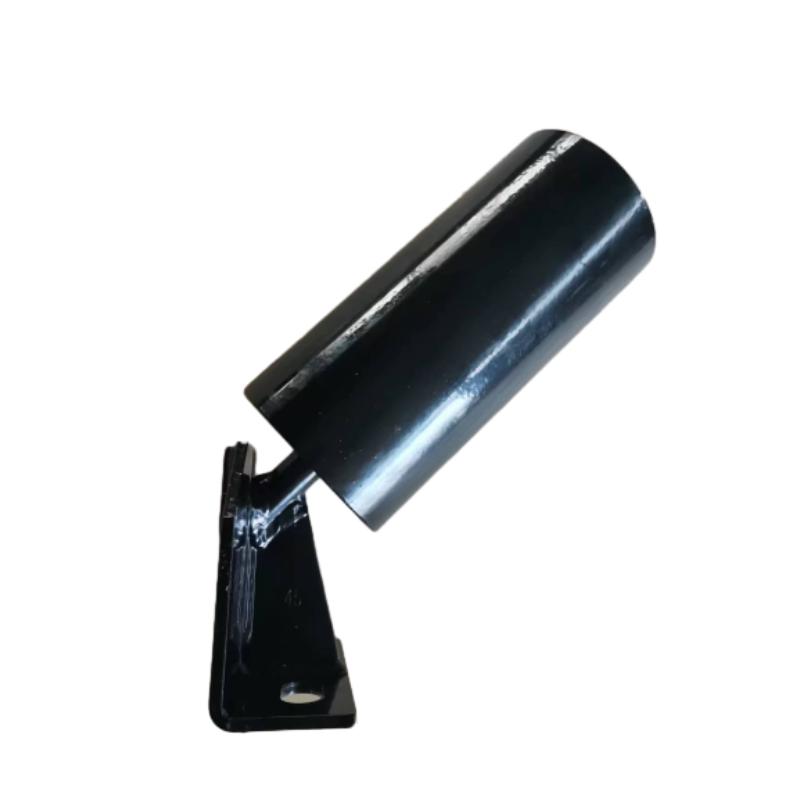
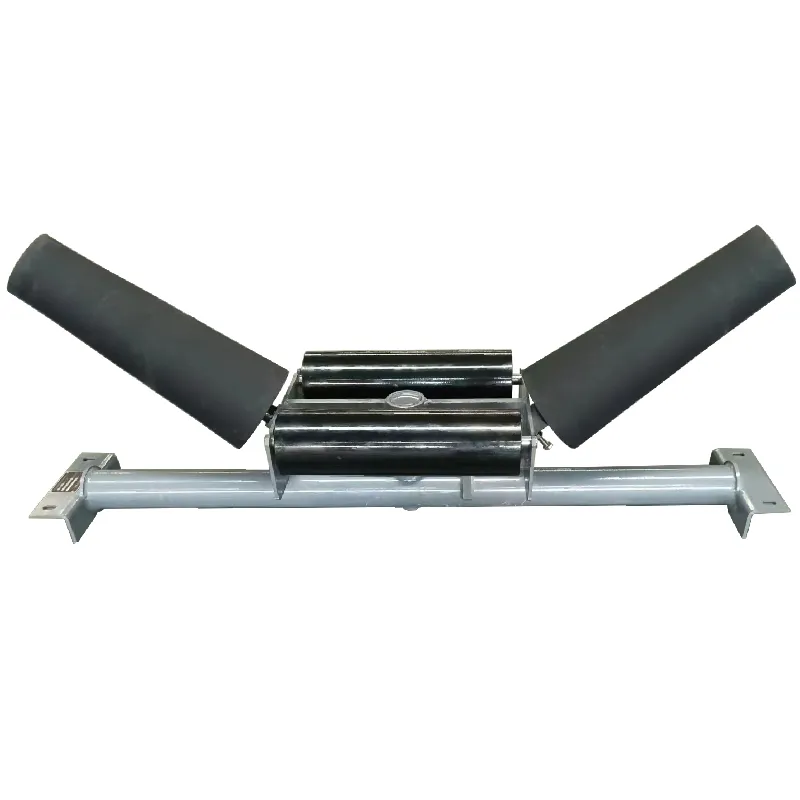
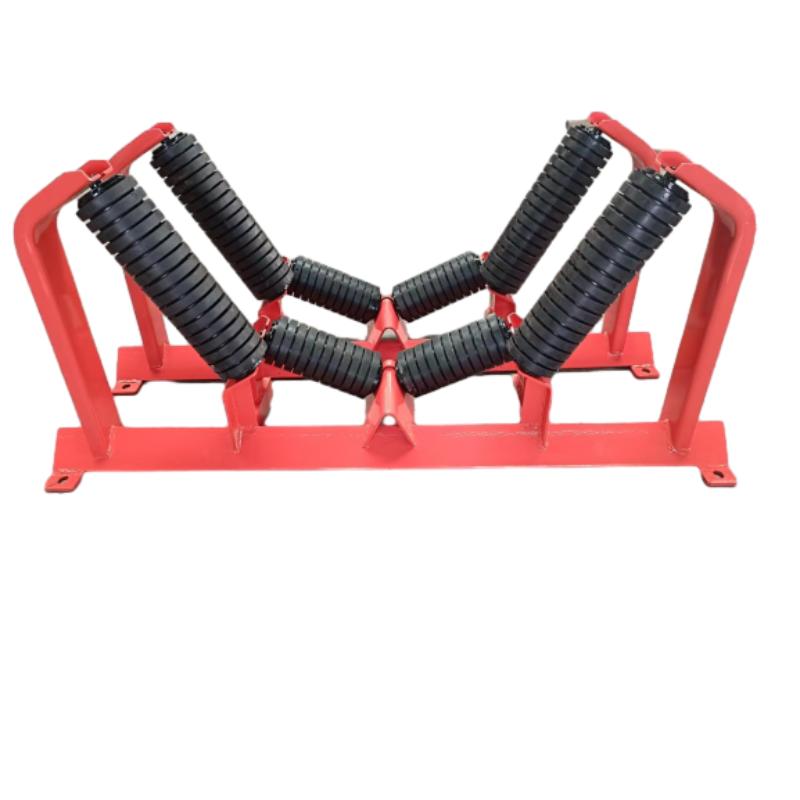
There are usually three rollers arranged in a set: two side rollers angled inwards and one flat-centered roller. These adjust the belt's shape to form the trough. The connection to modern industry is obvious — without these rollers, transporting loose or fragile bulk materials efficiently and safely would be near impossible, affecting everything from construction sites to humanitarian aid logistics in disaster zones.
conveyor trough rollers thereby enable large-scale material movement, key to feeding industries and communities alike.
Mini takeaway: Conveyor trough rollers shape and support belts for secure bulk transport, essential across multiple sectors.
Key Components and Features of Conveyor Trough Rollers
1. Durability
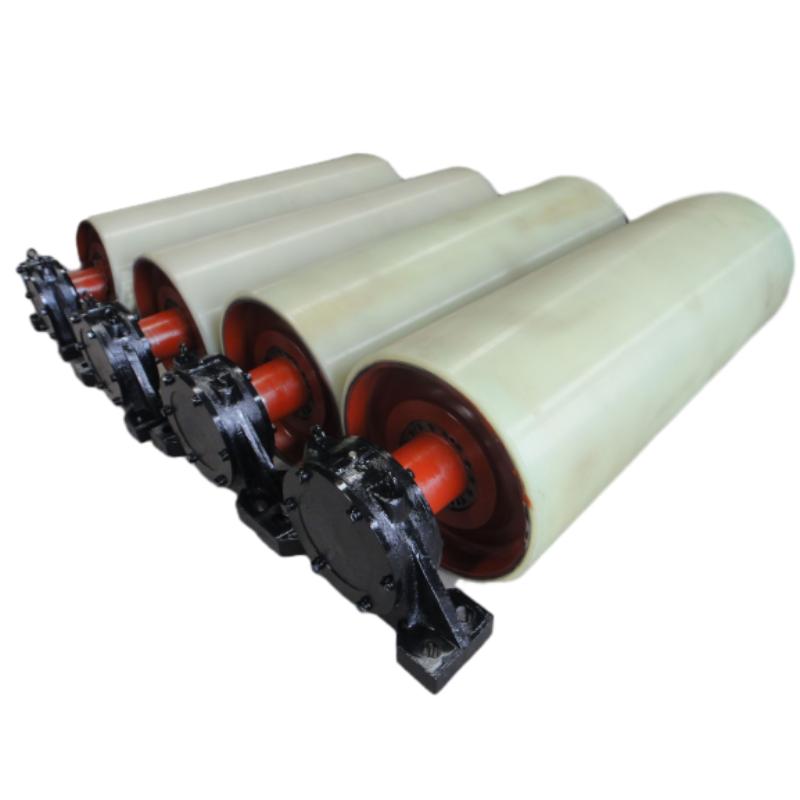
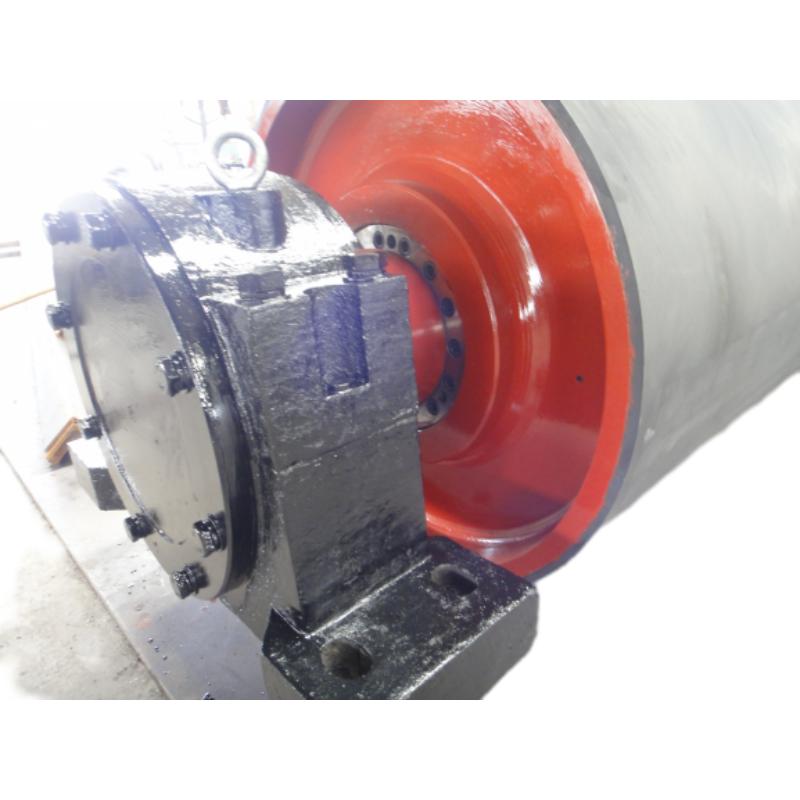
These rollers often face intense workloads, abrasive materials, and harsh environments. Thus, materials like galvanized steel or heavy-duty rubber coatings are common to resist corrosion and wear. Many manufacturers perform strict ISO-compliant testing to ensure roller endurance.
2. Load Capacity
Depending on application — from lightweight grain to heavy ores — rollers come rated for different load classes. Choosing the right load rating prevents deformation and prolongs equipment life.
3. Bearing Quality
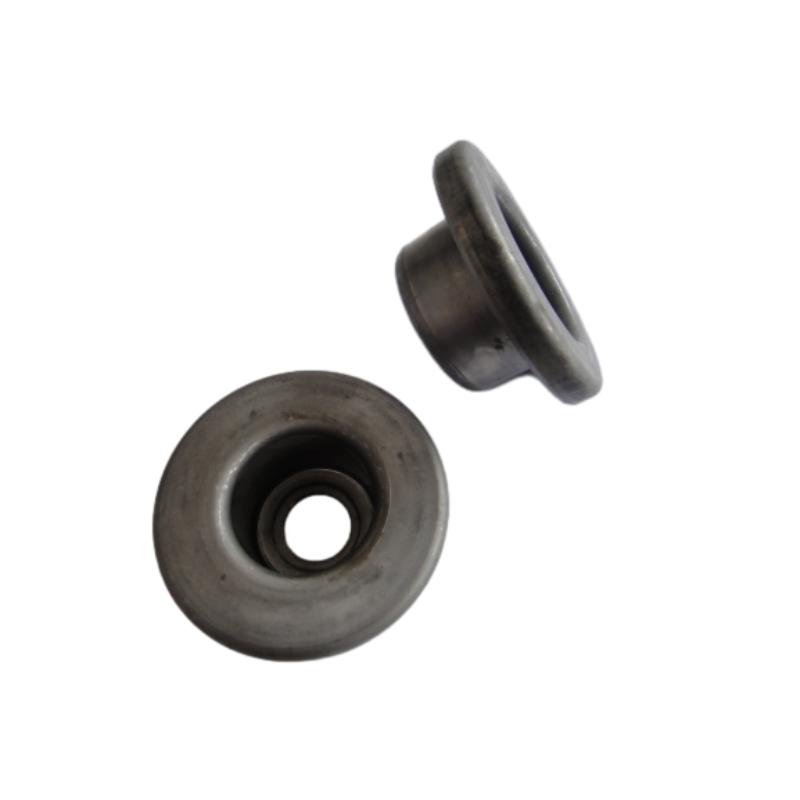
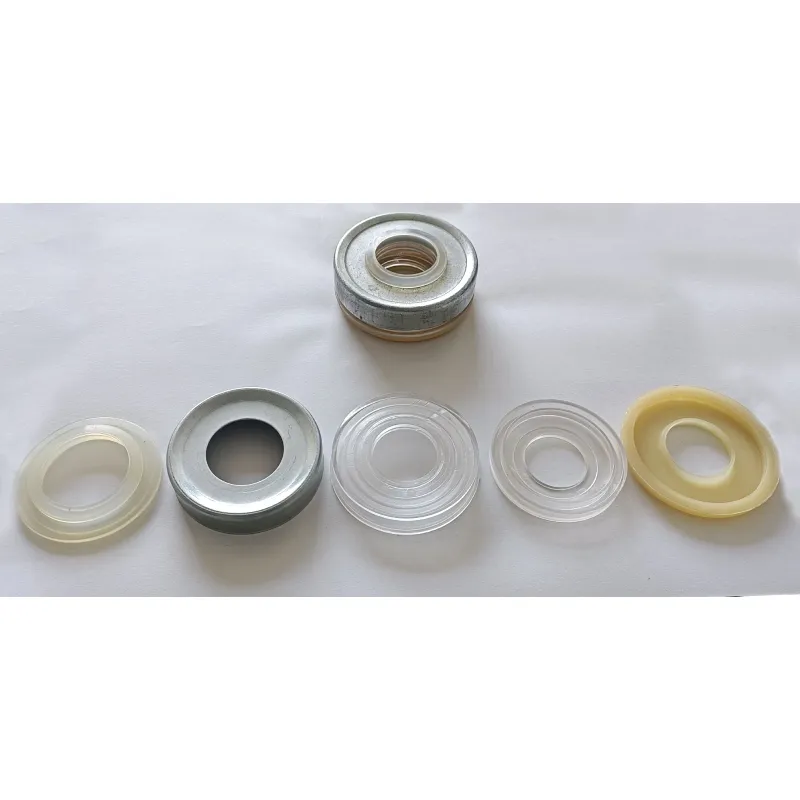
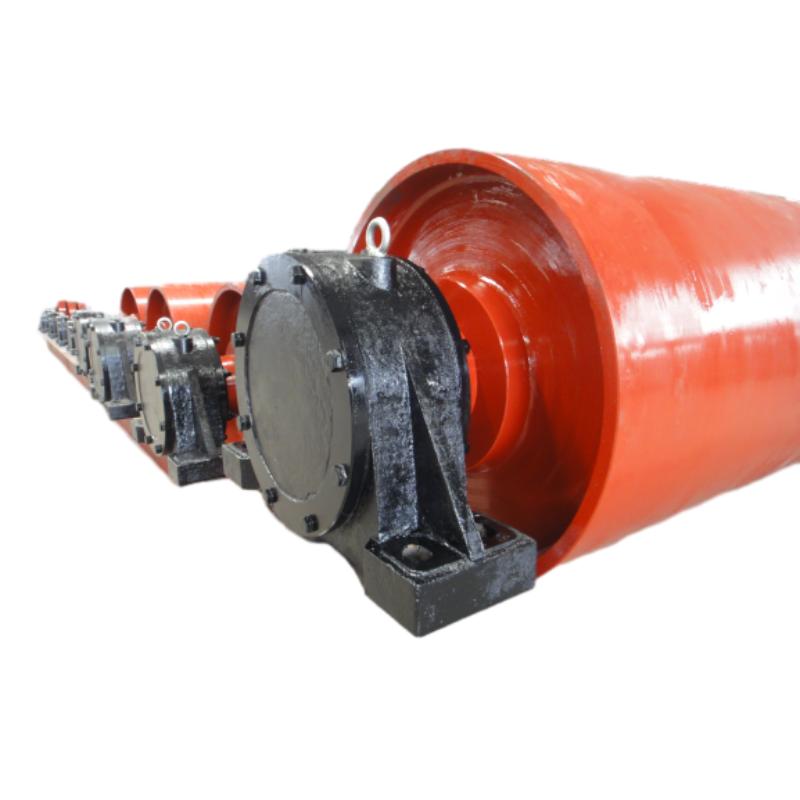
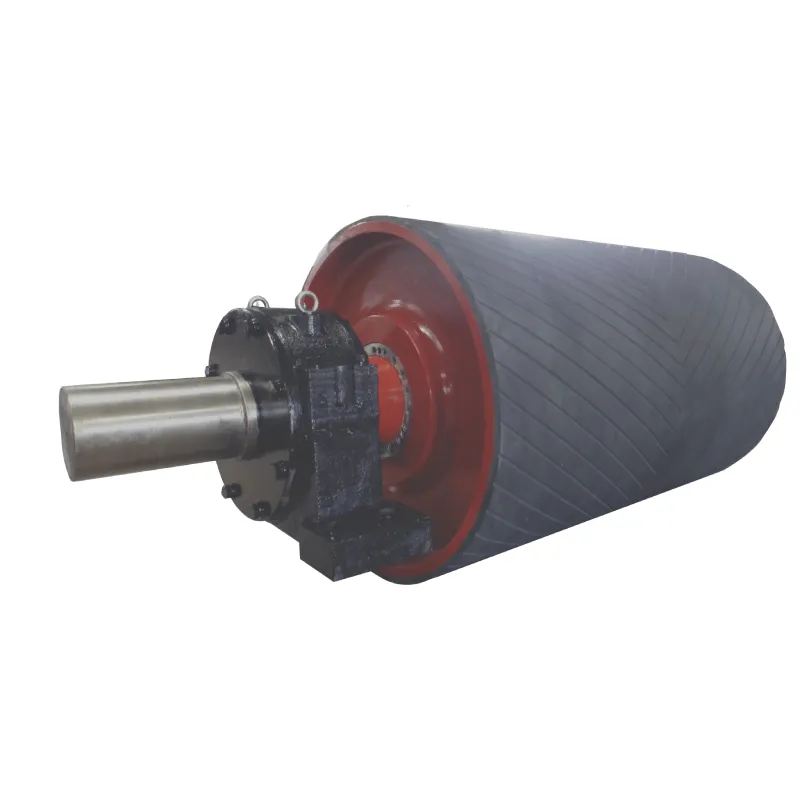
Rollers rotate on bearings, which need to be sealed and lubricated properly. High-quality bearings reduce friction and energy loss, improving conveyor system efficiency.
4. Scalability and Customization
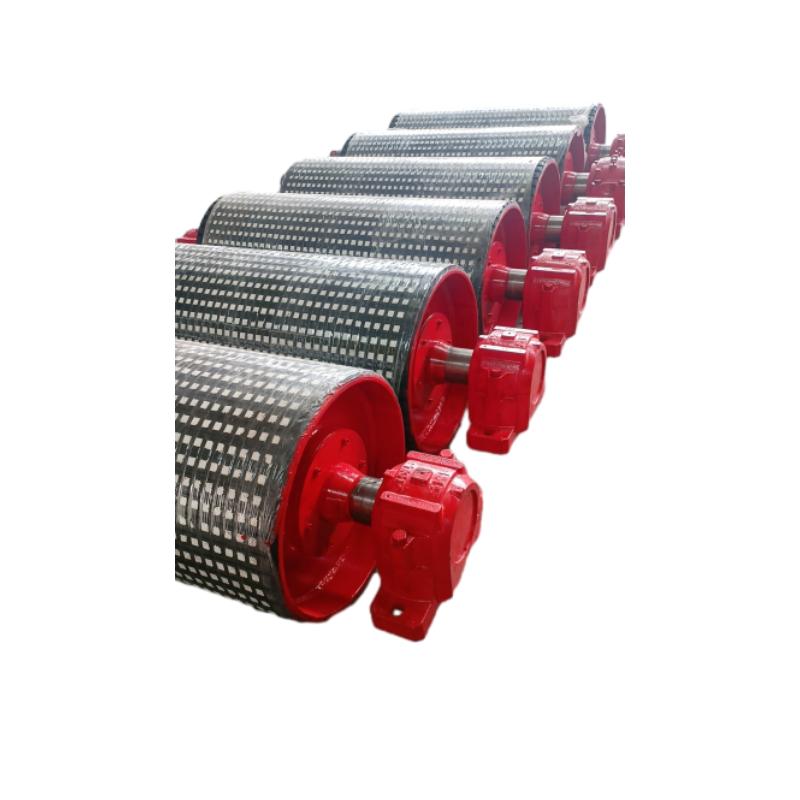
Conveyor systems vary widely, so rollers come in various diameters, lengths, and trough angles, allowing customization to fit operational demands.
5. Cost Efficiency
While high-quality rollers might cost more initially, they save money over time by reducing downtime and maintenance. Eco-friendly options also reduce waste and environmental impact.
Mini takeaway: Durability, load capacity, bearing quality, and scalability shape roller performance and operational savings.
Conveyor Trough Rollers in Real-World Applications
These rollers find use in mining (South Africa’s platinum mines), agriculture (Canada’s grain export hubs), and recycling facilities (Europe’s waste management plants). Oddly enough, they’re integral to disaster response, too, where quick deployment of materials is critical.
- Post-disaster relief: Shelters, food, and medicine must move rapidly; conveyor trough rollers help transport bulk supplies efficiently at aid distribution centers.
- Remote industrial zones: In places like Siberia or the Australian Outback, robust conveyor rollers reduce maintenance visits, saving costs and downtime.
- Port operations: Bulk goods loading/unloading depend heavily on reliable conveyor rollers to maintain throughput, minimizing delays.
Mini takeaway: Conveyor trough rollers support essential industries worldwide, aiding in both commercial and humanitarian logistics.
Product Specification Table: Typical Conveyor Trough Roller Features
| Feature | Description |
|---|---|
| Roller Diameter | 76mm to 159mm (varies per system) |
| Material | Galvanized steel or coated steel |
| Bearing Type | Sealed ball bearings with grease lubrication |
| Load Capacity | Up to 2500 kg per roller |
| Trough Angles | 20°, 35°, and 45° options |
Vendor Comparison: Key Conveyor Trough Roller Providers
| Vendor | Material Quality | Customization | Price Range | Industry Focus |
|---|---|---|---|---|
| IdlerAohua Ltd | High-grade galvanized steel | Extensive (custom sizes & coatings) | Mid to premium | Mining, Bulk Handling |
| RollerTech Inc. | Standard steel with rubber coating | Limited | Budget-friendly | Agriculture, Light Industry |
| BulkMove Solutions | Corrosion-resistant stainless steel | Moderate | Premium | Chemical, Food Processing |
Advantages and Long-Term Benefits
Besides obvious cost savings from less downtime, good conveyor trough rollers promote sustainable operations. High durability reduces waste, and some vendors now offer rollers made with recycled materials, which is encouraging in this era of ecological awareness.
From a social perspective, these rollers contribute indirectly to worker safety by enhancing conveyor reliability, reducing unexpected failures that could cause accidents. On a more human level, reliable conveyor systems ensure consistent food supply chains or critical raw materials, supporting dignity and livelihood globally.
Mini takeaway: Conveyor trough rollers deliver tangible benefits including sustainability, safety, and economic stability over time.
Future Trends in Conveyor Trough Rollers
The conveyor trough roller market is evolving with automation, IoT sensors embedded for real-time condition monitoring, and new composite materials designed to decrease weight and increase lifespan. Moreover, energy-efficient rollers with low-friction bearings help reduce operational power consumption — a nod toward greener industrial systems.
There’s also growing interest in modular, easy-to-install rollers to speed up maintenance and scale conveyors rapidly, particularly in fast-growing industrial sectors in Asia and Africa.
Challenges and Emerging Solutions
Despite their utility, conveyor trough rollers face problems like exposure to corrosive environments, misalignment, and repetitive loading stress. Innovations such as corrosion-resistant coatings, automatic alignment systems, and predictive maintenance software (leveraging AI) are some solutions gaining traction.
However, balancing performance and cost remains an ongoing puzzle. Experts stress rigorous testing and site-specific customization to get it right. Frankly, it feels like no one-size-fits-all here — you need to tailor rollers to your operation.
FAQ: Common Questions About Conveyor Trough Rollers
- What material is best for conveyor trough rollers in corrosive environments?
- Stainless steel or galvanized steel rollers with special corrosion-resistant coatings are ideal. They withstand moisture, chemicals, and abrasive materials better than plain steel, extending roller life and reducing downtime.
- How often should conveyor trough rollers be inspected or replaced?
- Routine inspections are recommended every 3 to 6 months depending on usage. Replace rollers exhibiting signs of wear, bearing noise, or misalignment promptly to maintain conveyor efficiency and safety.
- Can conveyor trough rollers be customized for different trough angles?
- Yes. Most suppliers offer rollers in standard trough angles (20°, 35°, 45°), but custom angles can also be made for specialized conveyors. This flexibility ensures material stability during transport.
- Are conveyor trough rollers energy-efficient?
- Modern rollers with sealed low-friction bearings reduce energy consumption by minimizing resistance. Choosing energy-efficient rollers contributes to lower operational costs over time.
- How to choose the right vendor for conveyor trough rollers?
- Look for vendors with proven quality, customization options, responsive after-sales service, and compliance with industry standards. Request performance data and check customer reviews.
Conclusion: Why Conveyor Trough Rollers Matter
In the grand scheme, conveyor trough rollers are quietly indispensable cogs in global industry. Their design nuances and material quality impact everything from mining efficiency to humanitarian aid effectiveness. Investing in the right rollers means investing in reliability, safety, and sustainability.
If your operations rely on bulk material movement, exploring superior conveyor trough rollers can unlock new levels of performance. Don’t hesitate to explore trusted suppliers — start by visiting https://www.idleraohua.com for detailed options and expert consultation.
It’s odd to think something as simple as a roller can influence countries’ economies and rescue efforts, but sometimes the quiet heroes make the biggest difference.
References:
-
Maximize Conveyor Life with a High Performance impact bedNewsApr.16,2026
-
Maximize Conveyor Efficiency Using a v plow belt scraperNewsApr.09,2026
-
Comprehensive Guide to Understanding Different Types of Belt CleanersNewsApr.07,2026
-
Enhancing Conveyor Efficiency with an Effective Scraper Belt CleanerNewsApr.04,2026
-
Optimizing Conveyor Systems with Advanced Cleaning Equipment SolutionsNewsMar.31,2026
-
Effective Conveyor Belt Scraper Adjustment for Optimal System PerformanceNewsMar.28,2026