

Conveyor System Components: Key Parts Powering Global Material Handling
Understanding Conveyor System Components: The Backbone of Modern Material Handling
Conveyor system components might not be the flashiest part of industrial innovation, but they quietly power global production and logistics. These are the building blocks that keep factories humming, ports efficient, and supply chains responsive. Especially in today’s fast-moving world, understanding conveyor system components offers tangible benefits—whether you're an engineer, logistics manager, or even a curious observer fascinated by how goods move seamlessly from one point to another.
Why Conveyor Components Matter Globally
Look around—about 80% of manufacturing and distribution processes involve some sort of conveyor system. According to the World Bank and ISO statistics, global manufacturing output now surpasses $14 trillion. A significant chunk translates to goods moved via conveyors daily, from raw materials to finished products.
Yet, challenges remain. The complexity of meeting uptime demands while balancing costs and sustainability metrics pushes conveyor systems—and their components—to evolve continuously. It’s frankly a fascinating balancing act, marrying engineering durability with environmental concerns that every major industry grapples with.
Mini takeaway: Conveyor system components form the critical infrastructure sustaining the world’s manufacturing and distribution efficiency, making them central to modern industry’s global pulse.
Defining Conveyor System Components
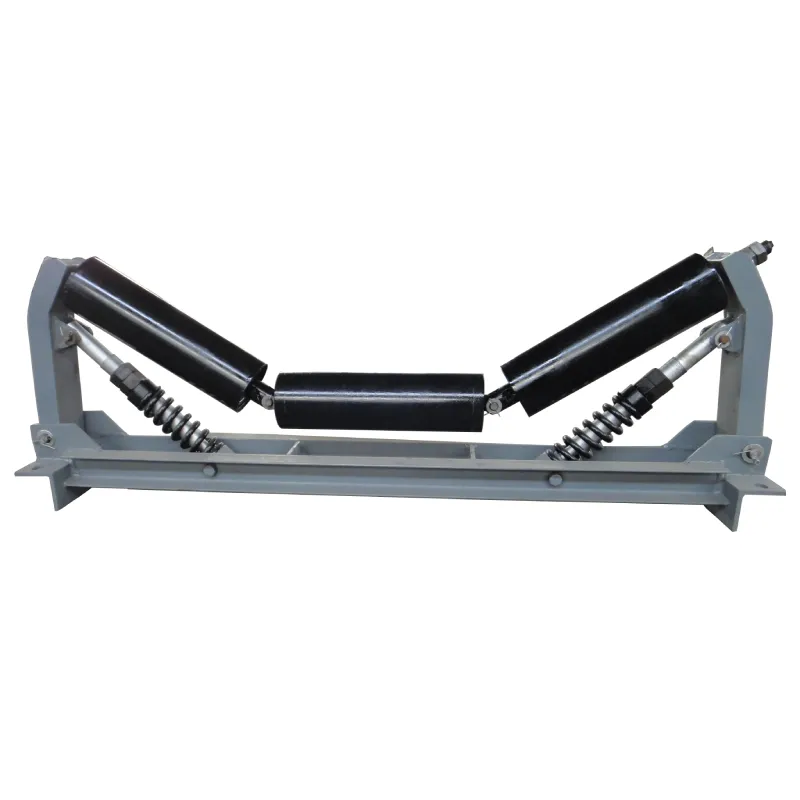
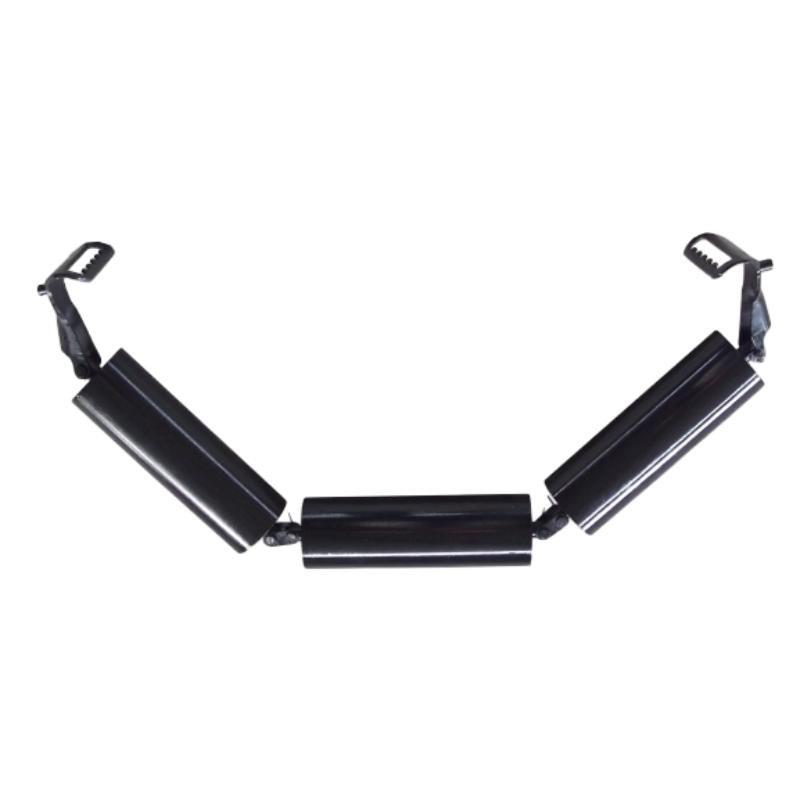
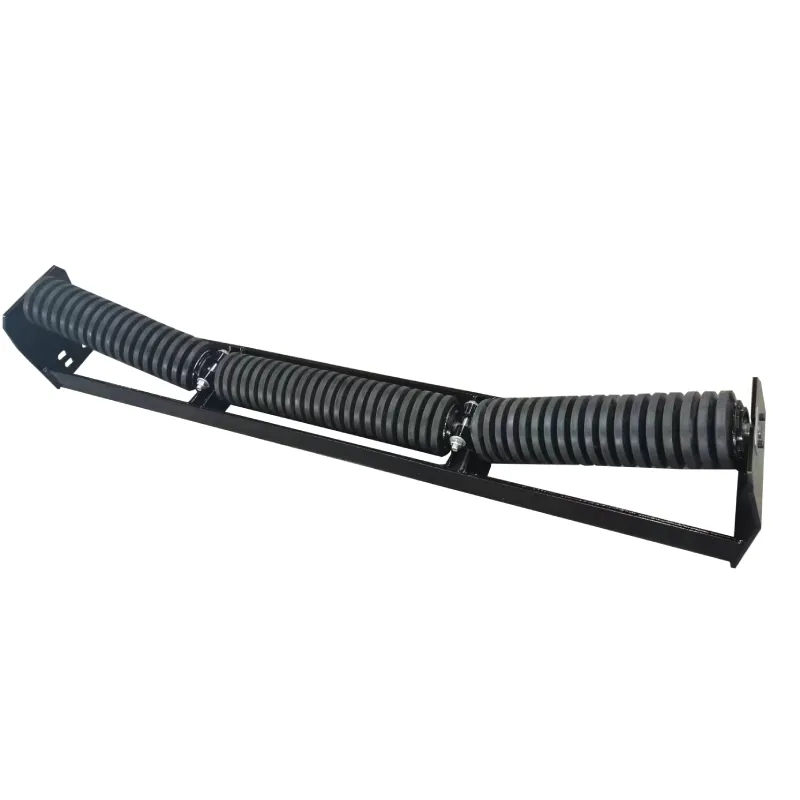
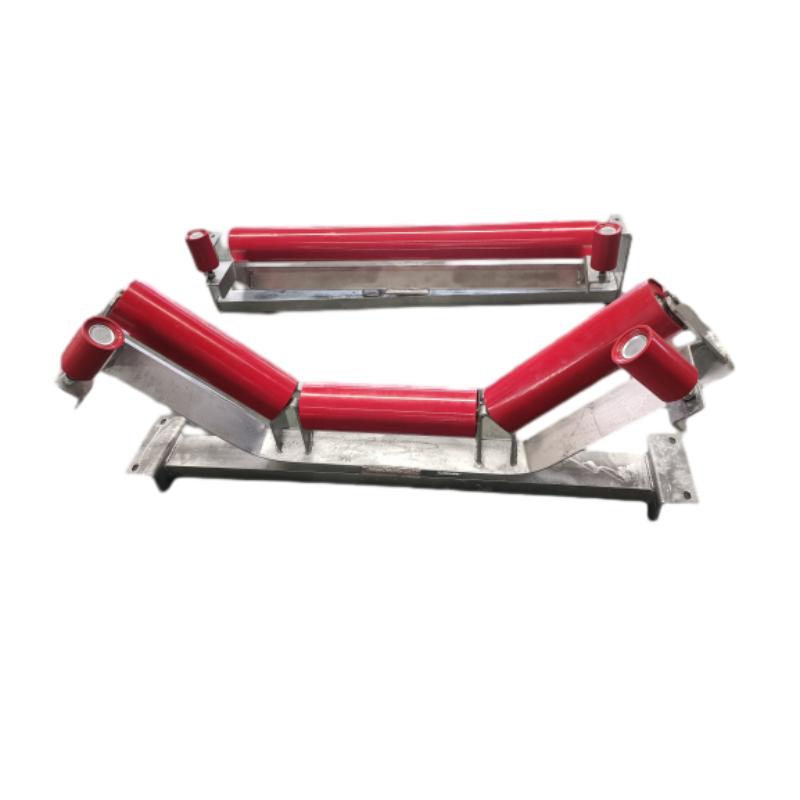
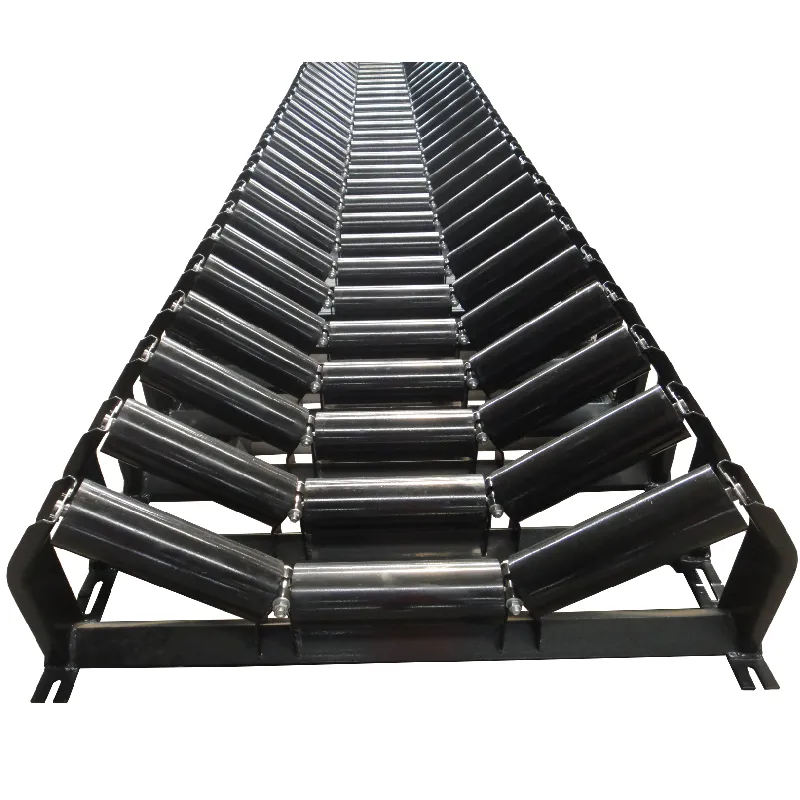
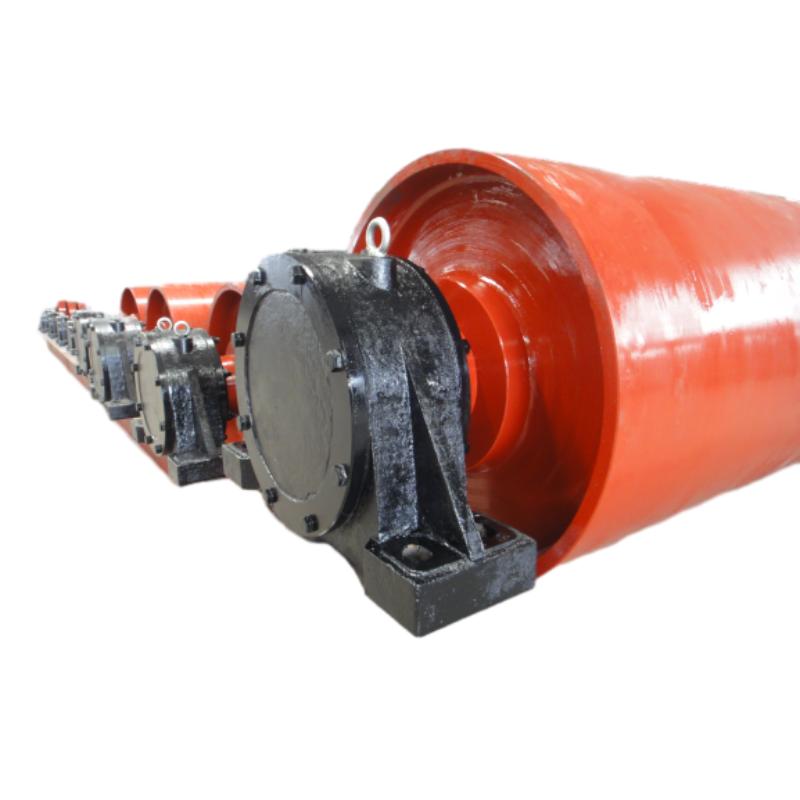
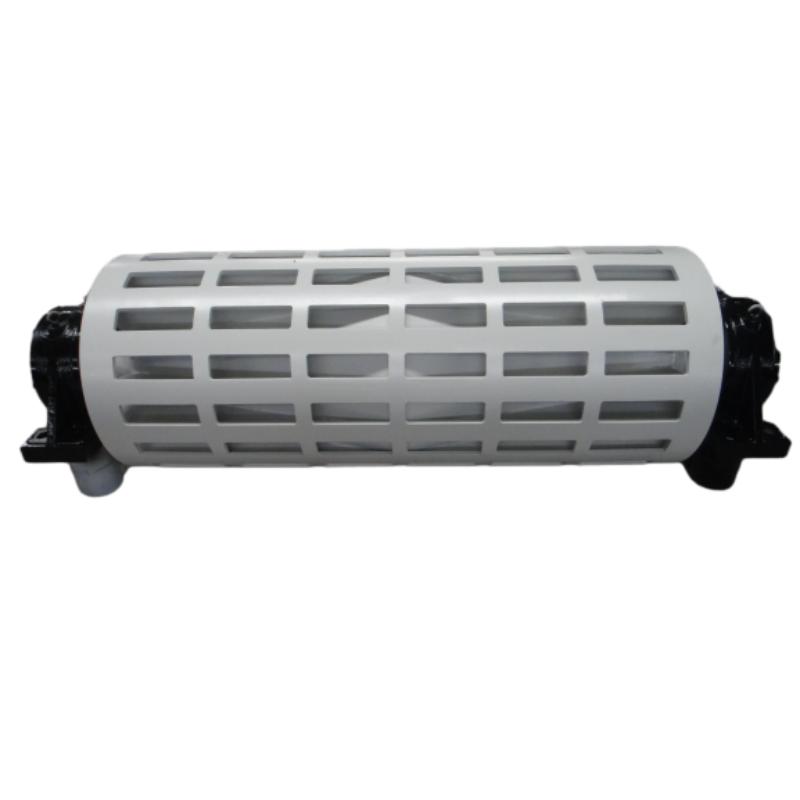
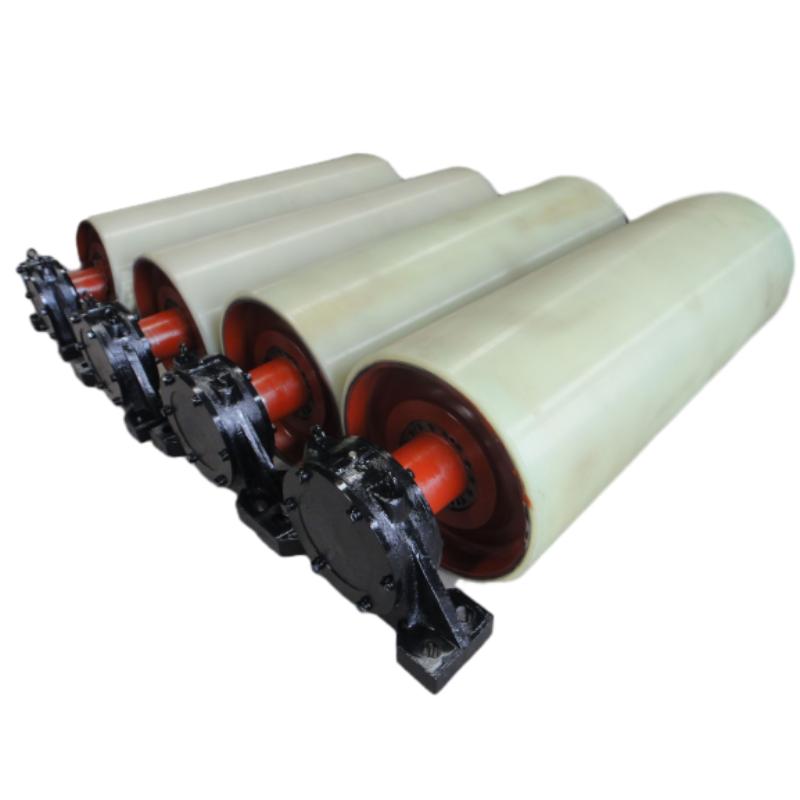
In simple terms, conveyor system components are the individual parts that make up a conveyor—a mechanical system that moves materials from one location to another. Components include belts, rollers, pulleys, drives, motors, frames, and controls. All these parts knit together to form a seamless conveyor, whether in automotive plants, airports, or ports.
They’re more than just "parts", though: conveyors facilitate everything from humanitarian aid delivery in disaster zones to food supply chain movement globally. Their reliable operation can mean the difference between timely aid and costly delays.
The Core Conveyor System Components
Durability & Material Quality
Conveyor parts need to handle continuous wear and tear. Engineers typically favor high-resistance steel for frames and engineered polymers or rubber for belts and rollers—materials chosen to withstand heavy loads and harsh environments. Oddly enough, something as simple as a better vulcanized rubber belt can drastically improve system longevity.
Scalability & Modularity
Modern conveyors often require quick adaptability. Modular components let manufacturers scale or reconfigure systems efficiently without a costly overhaul. This flexibility matters, for example, in warehouses shifting gears to meet seasonal order spikes.
Cost Efficiency
Choosing components with a low total cost of ownership, not just initial price, is crucial. Energy-efficient motors and smart controls reduce operating expenses. Plus, easier maintenance parts lower downtime risk—a real money saver.
Speed & Control Systems
Variable speed drives and programmable logic controllers (PLCs) offer precise control over conveyor speed and flow. This is how today’s sophisticated factory lines maintain product integrity while maximizing throughput.
Safety Features
Emergency stop switches, protective guards, and smart sensors guard operators and ensure compliance with global safety standards like ISO 13849. Safety isn’t an afterthought; it’s embedded in component design.
Product Specifications: Typical Conveyor System Components
| Component | Material | Typical Capacity | Special Features |
|---|---|---|---|
| Conveyor Belt | PVC, Rubber, or Modular Plastic | Up to 2,000 kg/m | Heat Resistant; Anti-static Options |
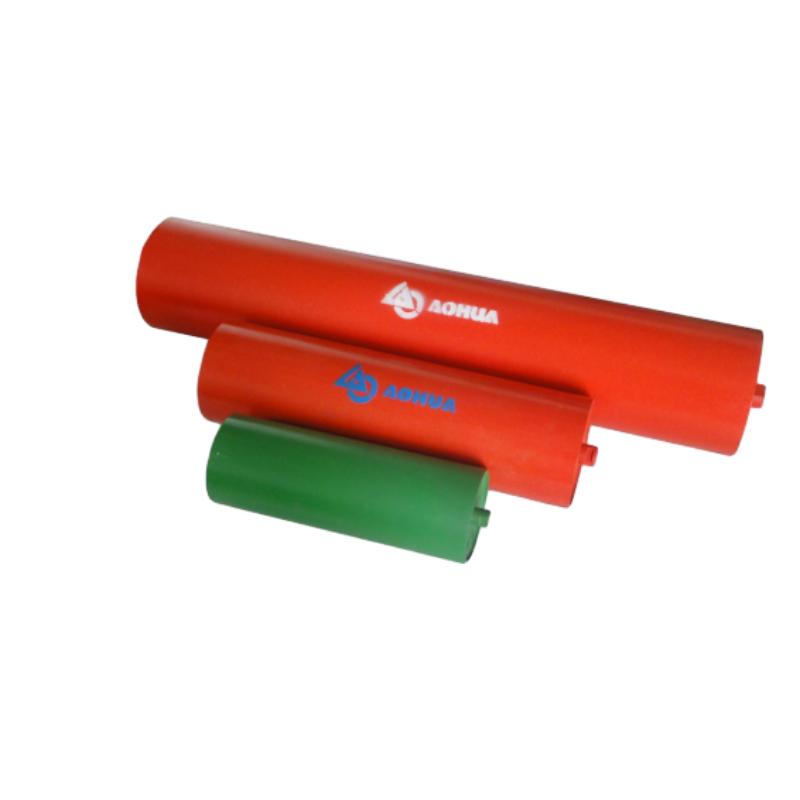
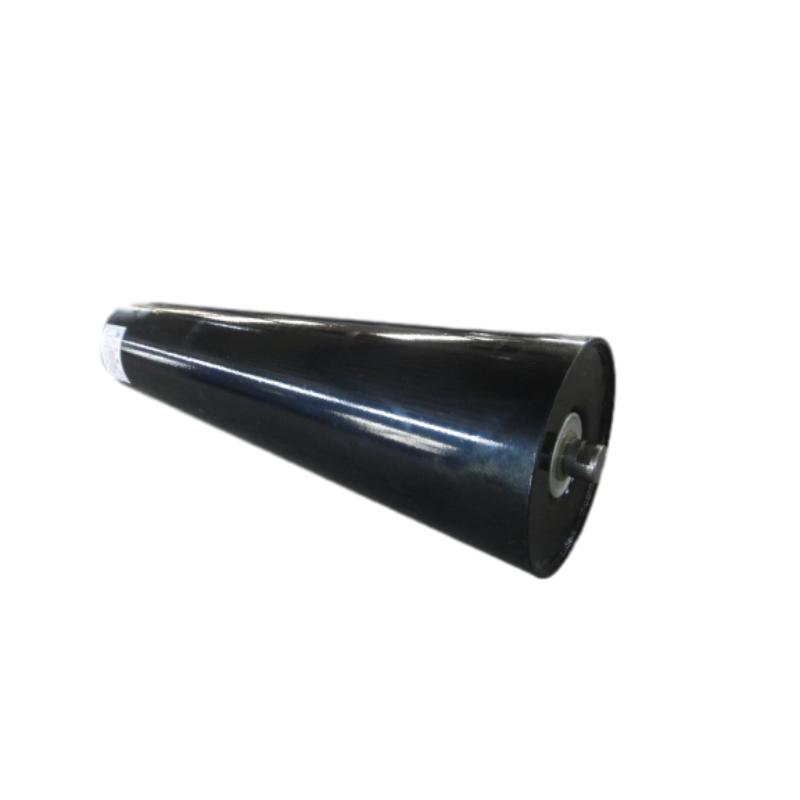
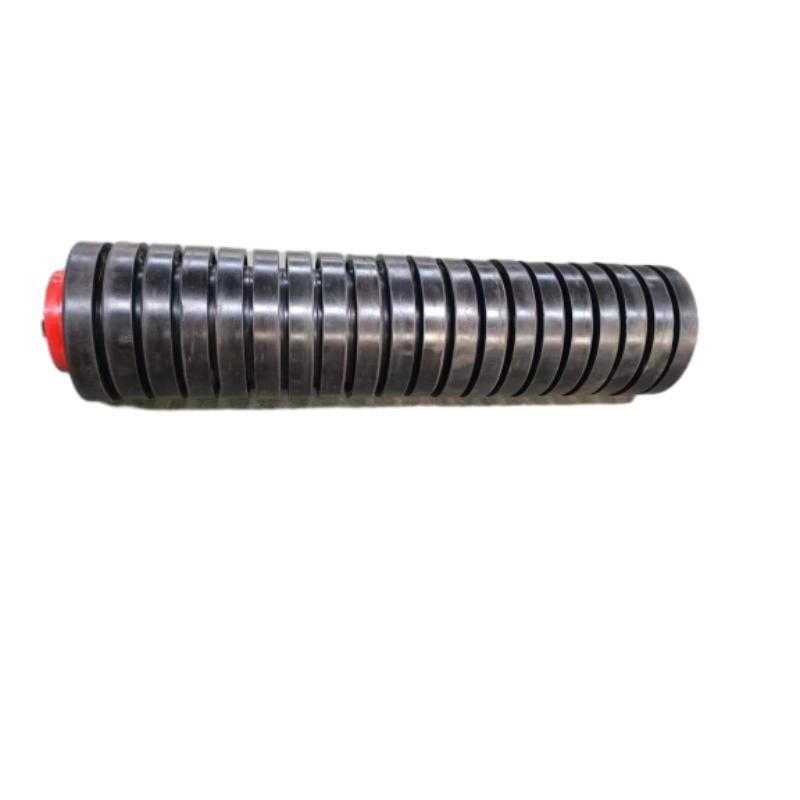
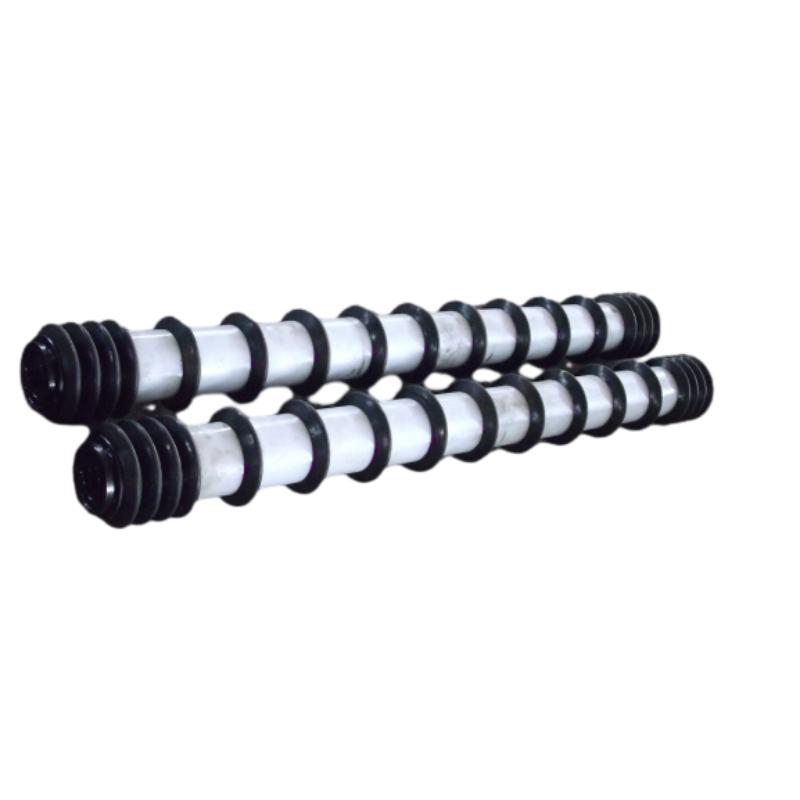
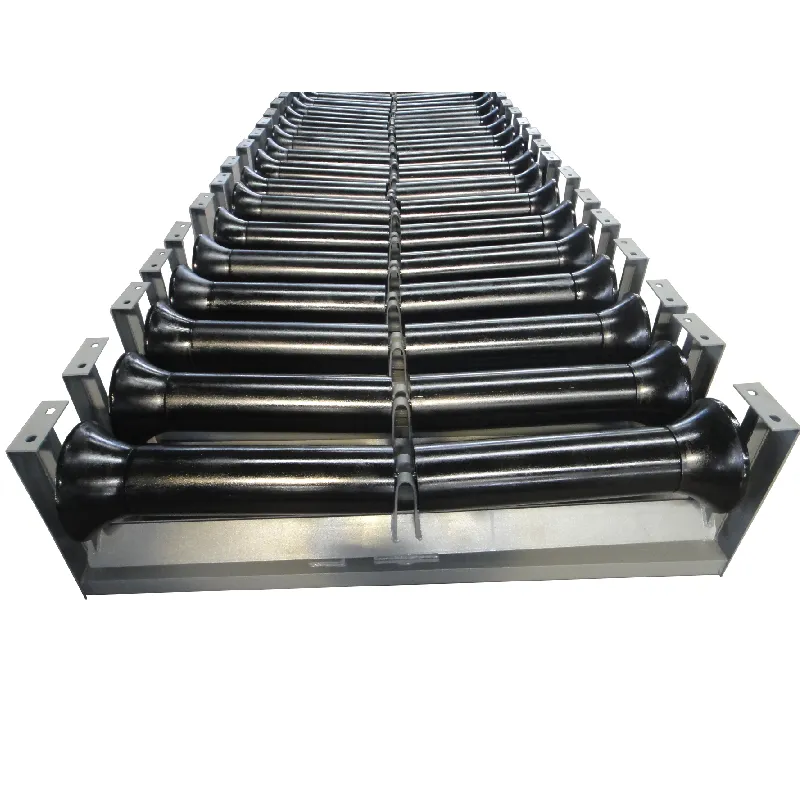
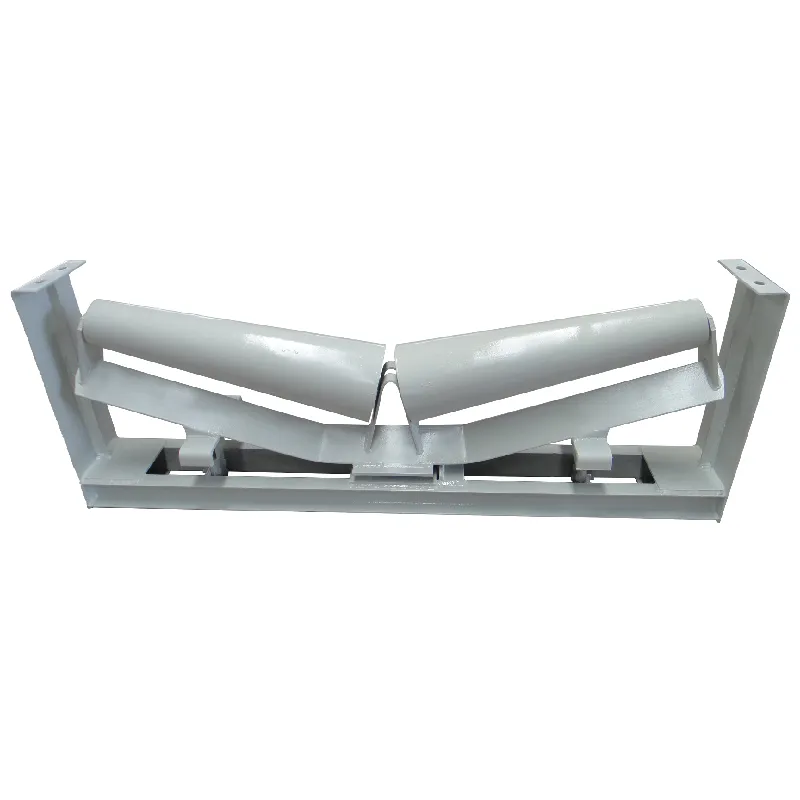
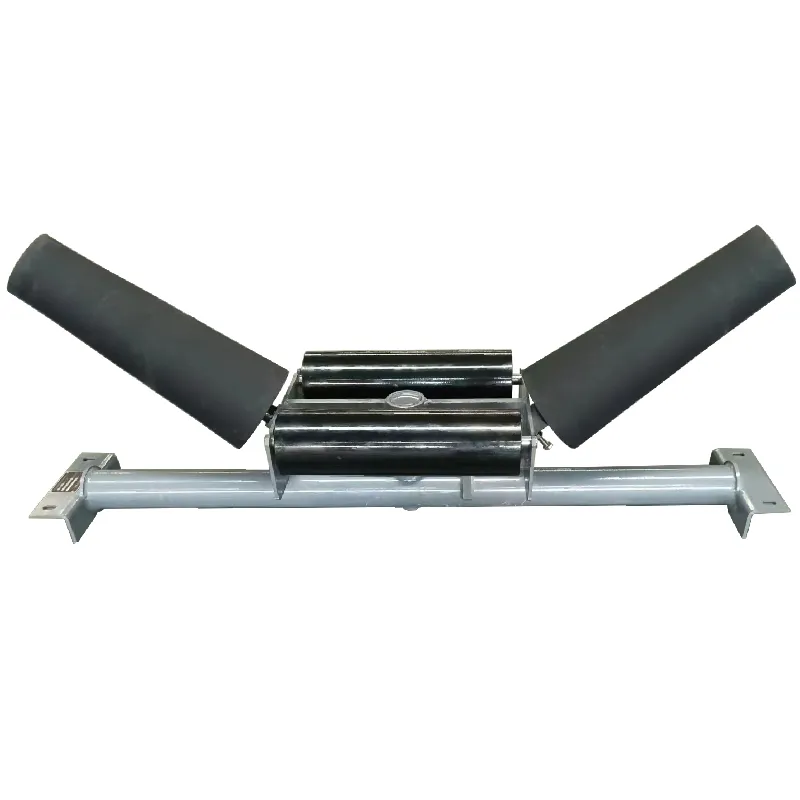
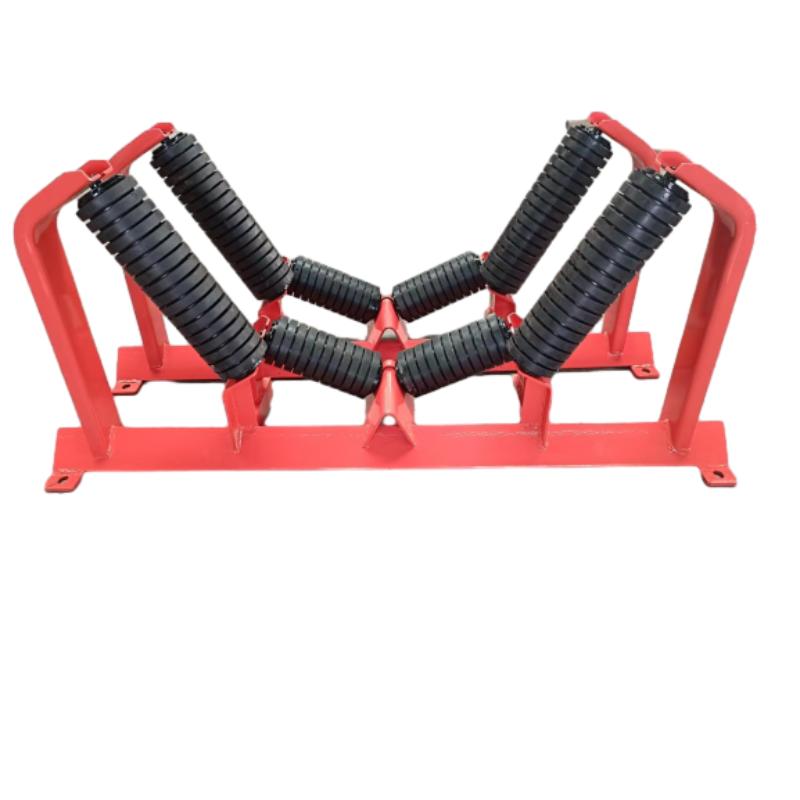
| Rollers | Steel or Plastic | Varies per Diameter | Low Friction, Sealed Bearings |
| Drive Motor | Electric (AC/DC) | 0.25 - 15 kW | Energy Efficient with Variable Speed |
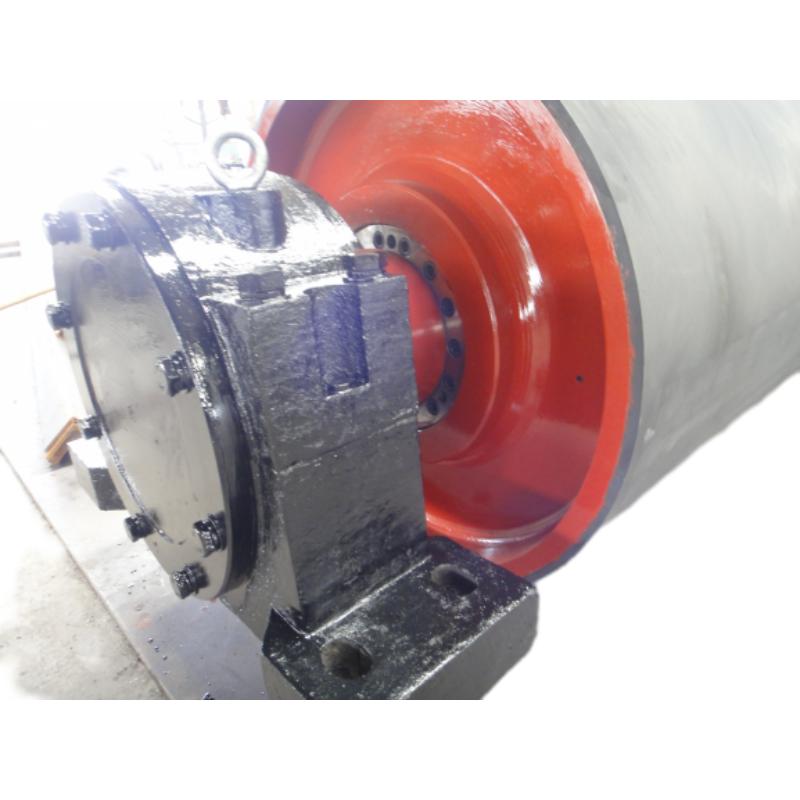
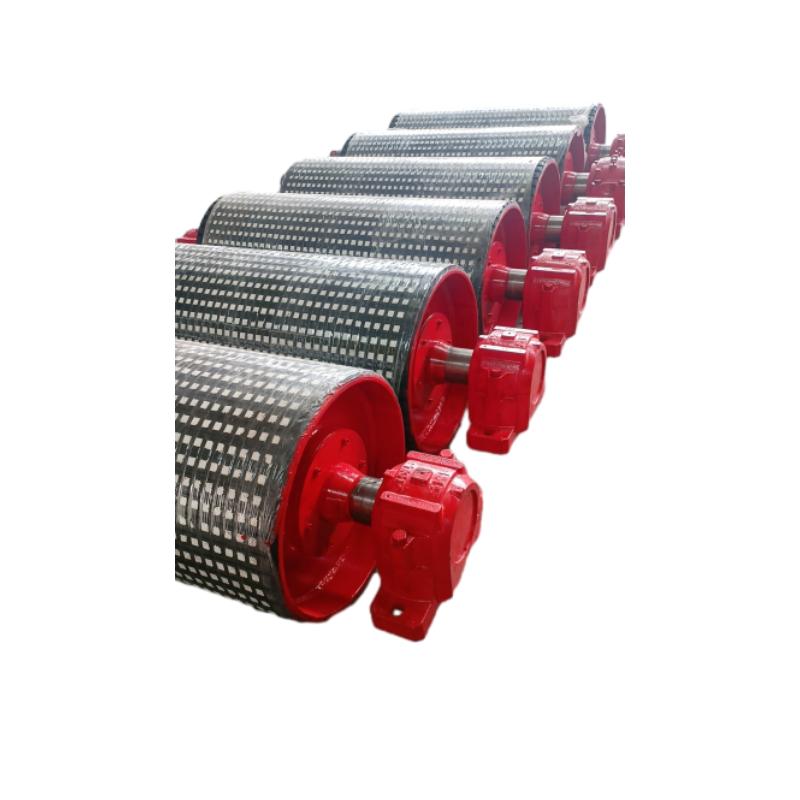
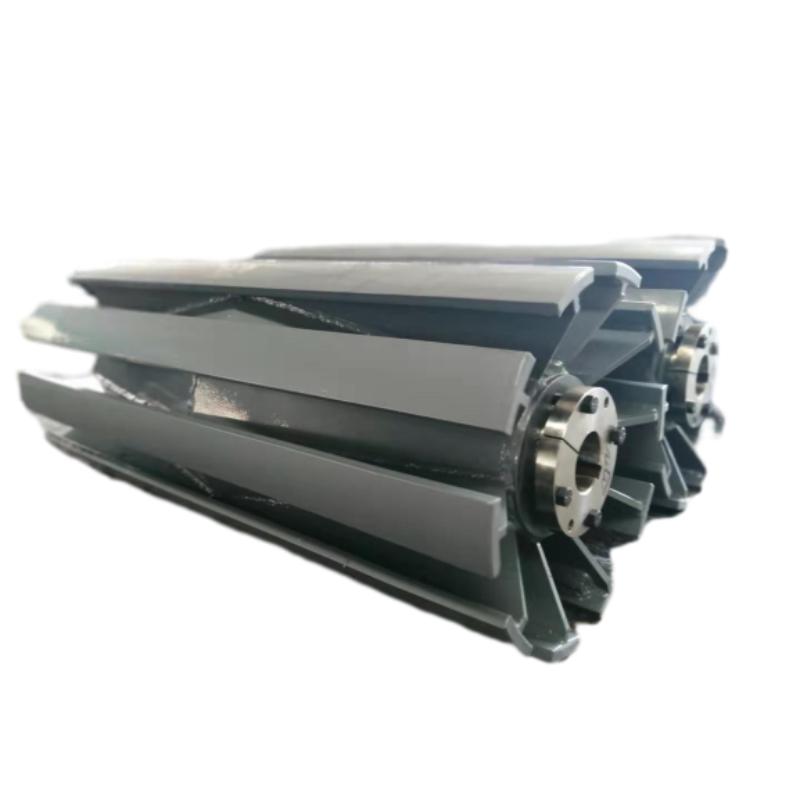
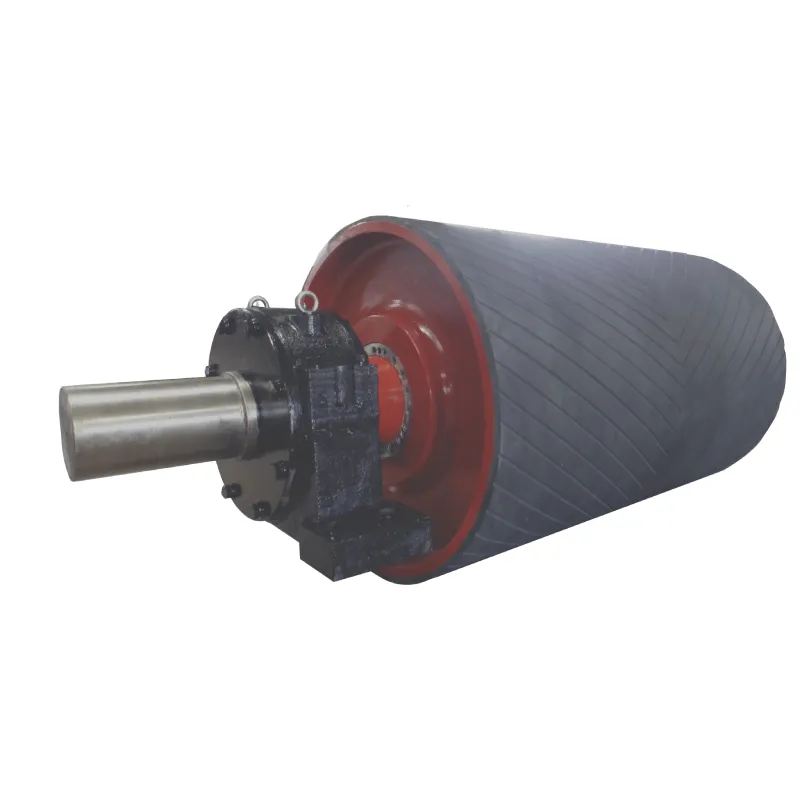
| Pulleys & Idlers | Steel with Rubber Lagging | N/A | Self-aligning; Heavy Duty Options |
Mini takeaway: These key components reflect design priorities balancing performance, durability, and cost-effectiveness — lessons gleaned from decades of industrial evolution.
Global Applications and Real-World Use Cases
Conveyor system components are everywhere—factories in Germany churning out autos, port terminals in Singapore handling millions of containers yearly, or miners in Australia shifting tons of ore. Even humanitarian operations rely on portable conveyors to rapidly distribute supplies after disasters.
- Manufacturing hubs: Automotive, electronics, and food industries globally depend on conveyors for assembly lines and packaging.
- Logistics & warehousing: With e-commerce booming, giants deploy conveyor components to handle up to tens of thousands of daily shipments.
- Mining and agriculture: Remote locations benefit from ruggedized conveyors that handle abrasive materials efficiently.
- Post-disaster aid: Quick deployment modular conveyor systems accelerate relief efforts by facilitating fast cargo handling.
Mini takeaway: Conveyor system components adapt globally—from harsh mines to delicate pharmaceuticals—to streamline the movement of materials in myriad contexts.
Advantages & Long-Term Value of Conveyor System Components
The benefits stack up beyond simple movement of goods. Conveyor systems cut labor costs, reduce workplace injuries through automation, and improve process reliability. From a sustainability viewpoint, newer components consume less energy and extend equipment lifespans, thus minimizing waste.
There’s an emotional and social layer, too. A conveyor system that reliably ships food or medicine maintains community health and dignity. In some ways, it’s innovation serving human needs quietly but fundamentally.
Emerging Trends & Innovations
Tech advancements shape the future of conveyor components. Integrated IoT sensors enable predictive maintenance—flagging worn belts or motors before failure. Material science delivers lighter, stronger polymers that resist corrosion.
Automation combined with AI offers more flexible, intelligent control systems—a shift towards “smart conveyors.” Sustainability also guides innovation, where manufacturers pursue energy-neutral drives, and recyclable materials become standard. Oddly enough, even the conveyor’s humble motor is under a green revolution!
Challenges & Practical Solutions
Despite advances, challenges remain. Conveyors face downtime from wear or misalignment, theft, and sometimes complex maintenance demands—especially in remote sites. Often, costs also hold back upgrades.
Solutions emerge through modular designs, training programs, and smart monitoring technology that reduces surprise breakdowns. I’ve noticed many companies partnering with specialized vendors to customize components tailored exactly to their operational nuances.
Vendor Comparison: Leading Conveyor Component Suppliers
| Supplier | Product Range | Tech Integration | Global Reach | Support & Customization |
|---|---|---|---|---|
| IdlerPro Ltd. | Rollers, Pulleys, Frames | Basic Sensors Available | Europe, Asia | High Customization |
| BeltWorks Inc. | Belts, Drives | IoT-Enabled Drives | North America, Europe | Standard & Custom Orders |
| ConveyorTech Global | Full System Components | Advanced AI Controls | Worldwide | Comprehensive Service Packages |
Frequently Asked Questions About Conveyor System Components
- What materials are best for conveyor belts in harsh environments?
- Belts made from vulcanized rubber or modular plastic with heat and abrasion resistance perform well in harsh environments. They offer durability while minimizing maintenance needs.
- How often should conveyor rollers be maintained or replaced?
- It largely depends on usage intensity, but typical maintenance checks should happen monthly, with roller replacement every 2-3 years to avoid unplanned downtime.
- Can conveyor systems be customized for non-standard layouts?
- Yes, modular conveyor system components allow extensive customization to fit unique facility needs, including curves, inclines, and variable speeds.
- How do smart conveyor components improve operational efficiency?
- Smart components use IoT sensors to monitor wear and performance in real time, enabling predictive maintenance and reducing unexpected breakdowns.
- Are conveyor components environmentally sustainable?
- Many modern components incorporate recycled materials and energy-efficient motors, contributing to more sustainable material handling solutions.
Conclusion
Understanding conveyor system components unlocks insights into a core industrial backbone that quietly supports worldwide economic activity and humanitarian aid. Their evolving design, driven by durability, cost-efficiency, and technological innovation, underpins efficiency and safety in countless sectors.
If you want to learn more or explore customized conveyor solutions that could transform your operations, visit our website: conveyor system components.
It’s been quite a journey exploring these essential yet often overlooked mechanical marvels—each component tells a story of progress and practical innovation.
References:
-
Maximize Conveyor Life with a High Performance impact bedNewsApr.16,2026
-
Maximize Conveyor Efficiency Using a v plow belt scraperNewsApr.09,2026
-
Comprehensive Guide to Understanding Different Types of Belt CleanersNewsApr.07,2026
-
Enhancing Conveyor Efficiency with an Effective Scraper Belt CleanerNewsApr.04,2026
-
Optimizing Conveyor Systems with Advanced Cleaning Equipment SolutionsNewsMar.31,2026
-
Effective Conveyor Belt Scraper Adjustment for Optimal System PerformanceNewsMar.28,2026