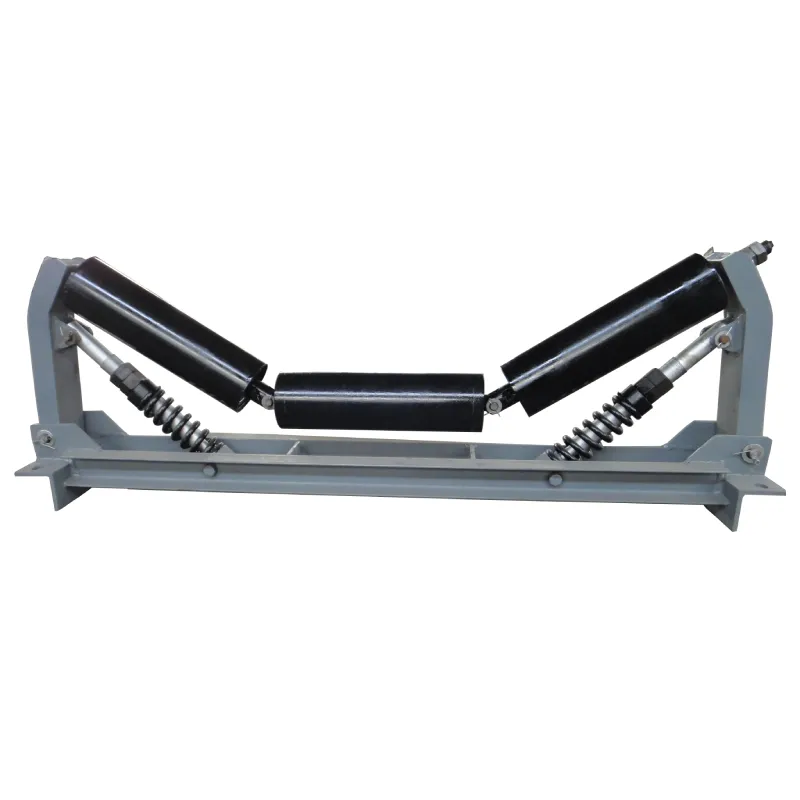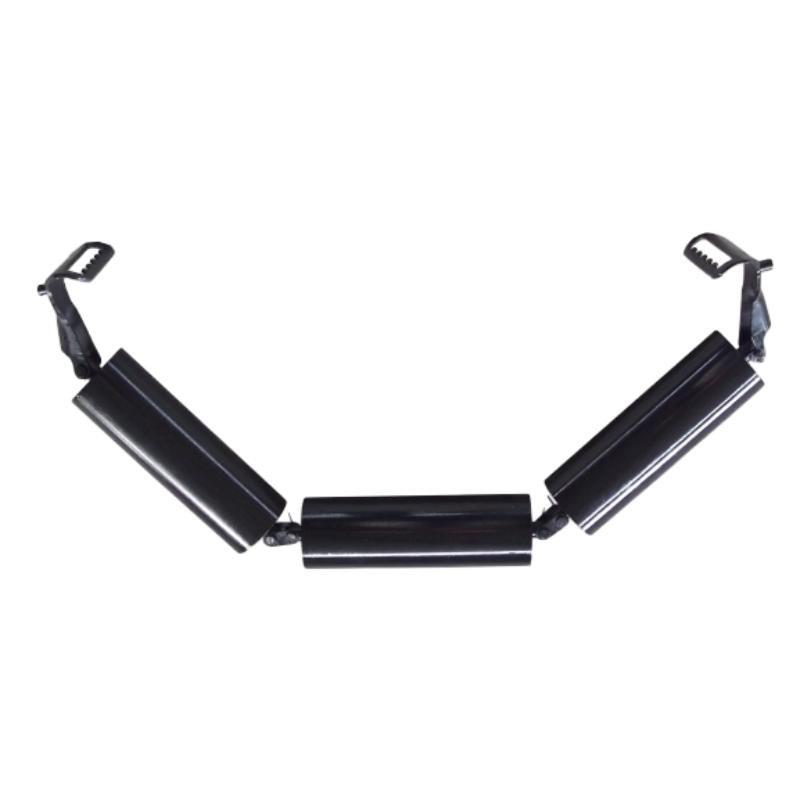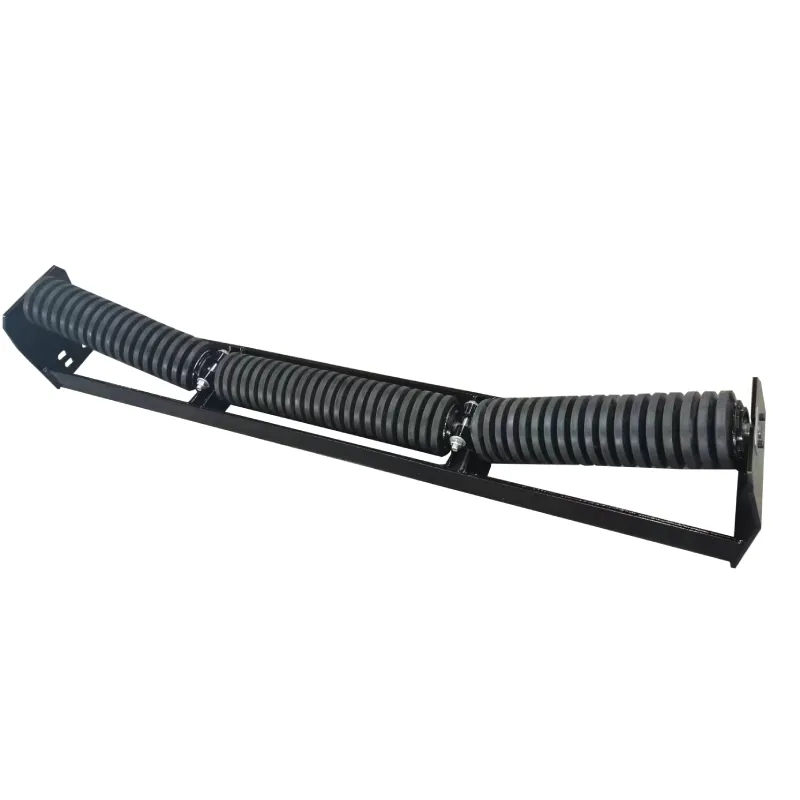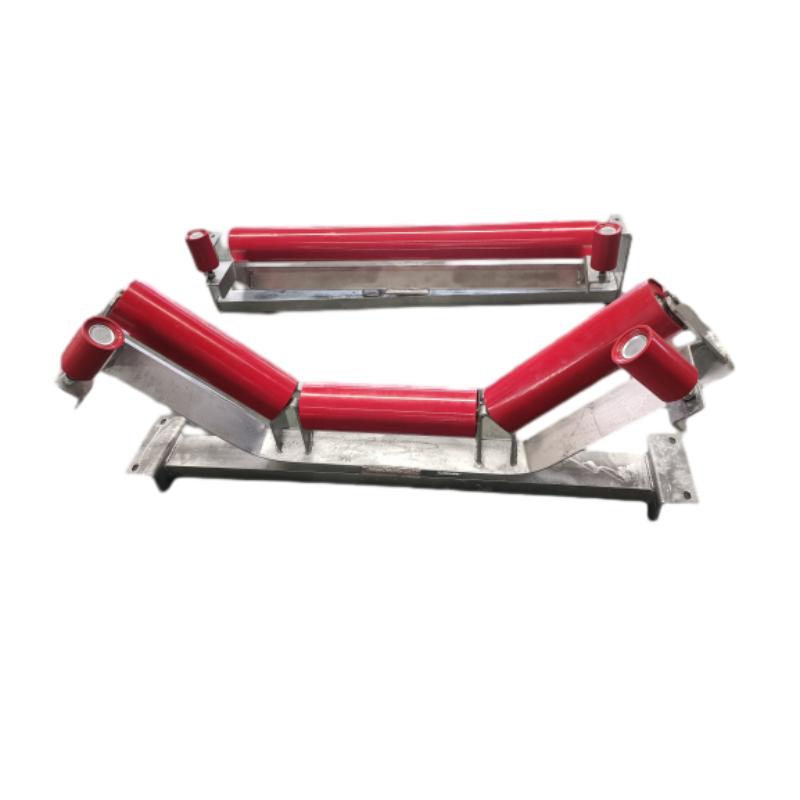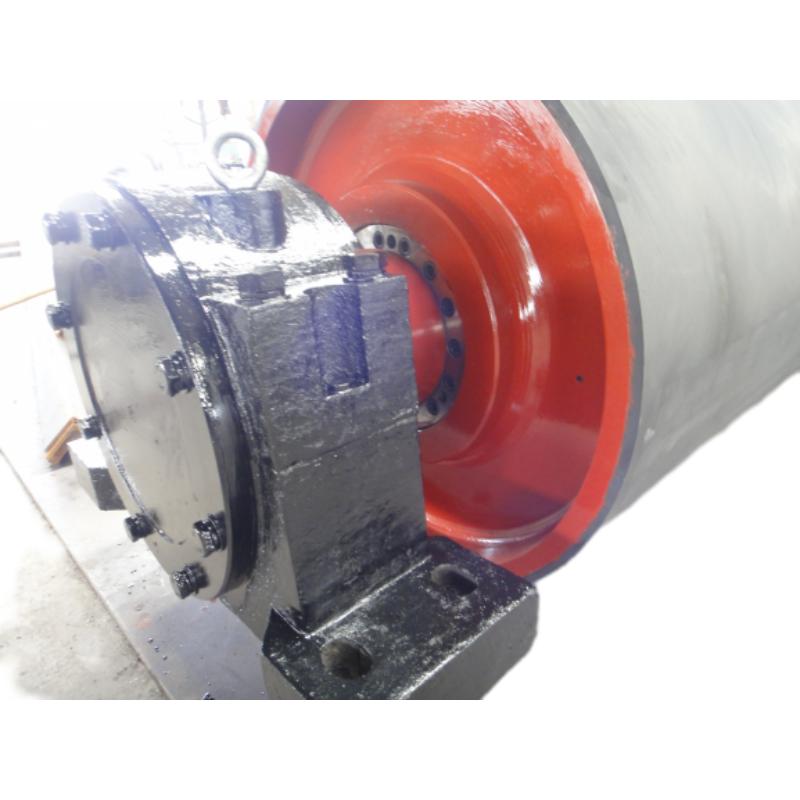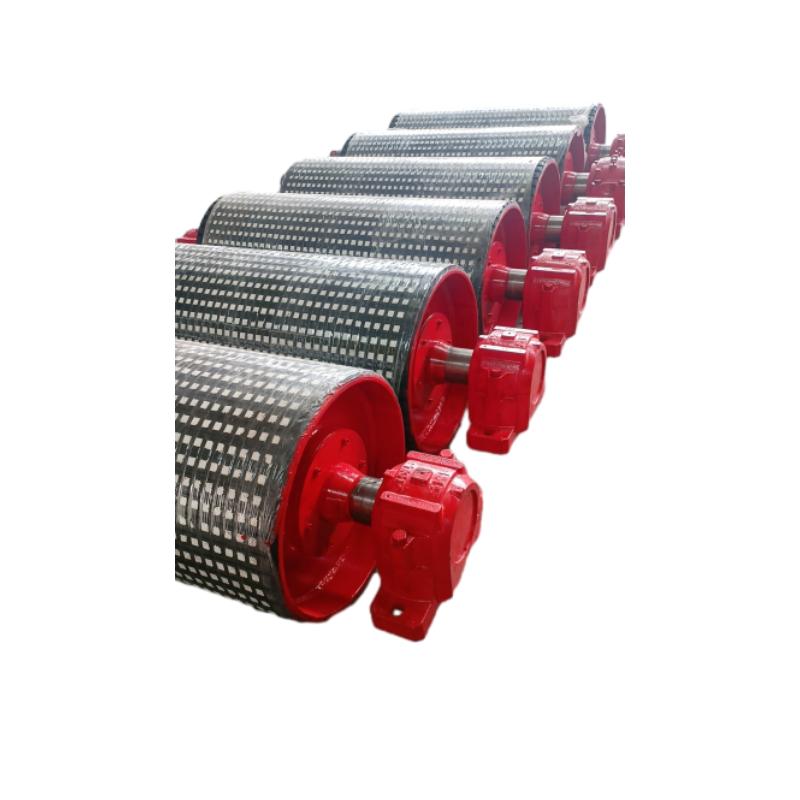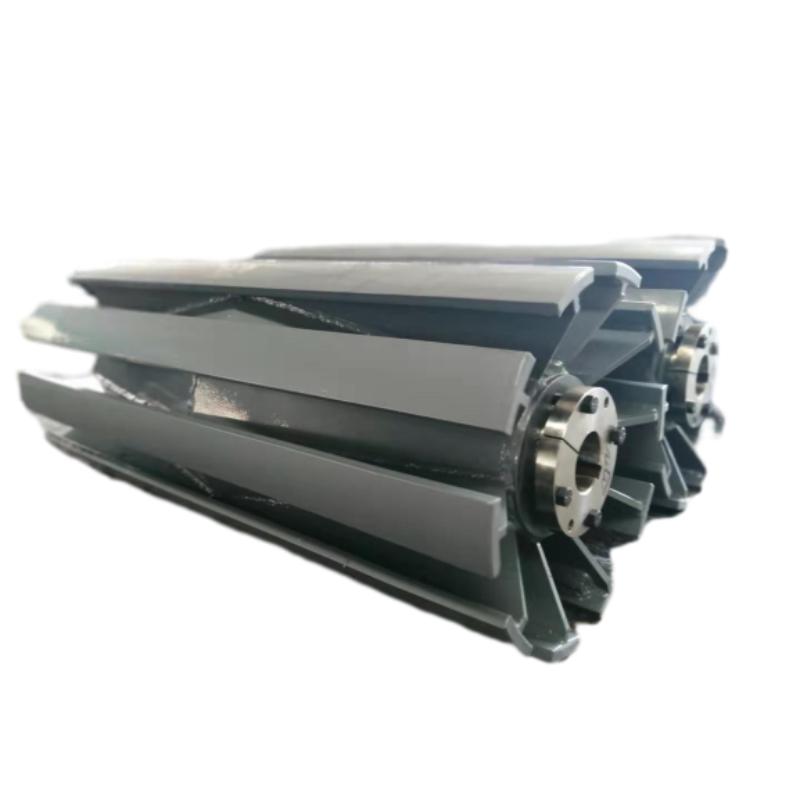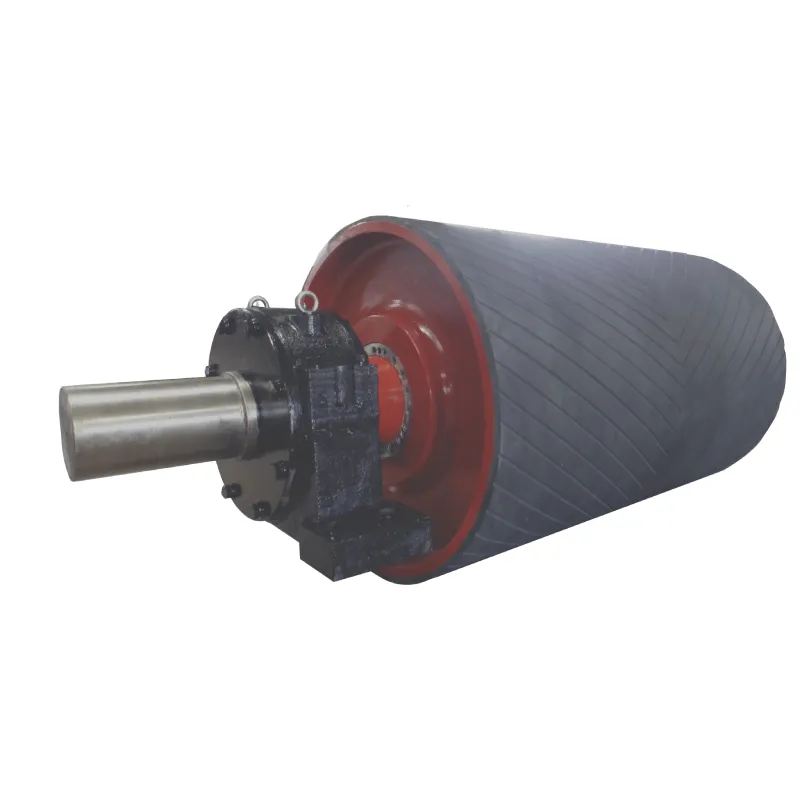


Conveyor Side Guide Rollers – Durable and Precise Components for Global Industries
Understanding Conveyor Side Guide Rollers: Why They Matter Globally
Conveyor side guide rollers might not be the flashiest part of industrial machinery, but they’re incredibly important—and frankly, they keep the whole logistics world turning smoothly. At their core, these rollers serve as the “guardrails” for conveyor belts, helping to guide materials safely and efficiently along production lines. They matter a lot, especially in industries where every second and every misalignment counts: think mining, packaging, food processing, and more.
With global trade rising—thanks to organizations like the UN pointing to a 7% increase in world merchandise exports in recent years—the need to keep conveyor systems reliable and cost-effective has never been greater. Poorly guided conveyor belts cause downtime, spillage, and safety issues, so understanding these seemingly small components is a big deal.
Global Industry Context: Why Conveyor Side Guide Rollers Are Essential
According to ISO standards, conveyor systems must meet strict safety and efficiency benchmarks, including the precise placement of guide rollers to reduce belt wear. Around the world, manufacturers face the challenge of optimizing transport systems in often harsh environments—whether it's the freezing temperatures of Siberia or the dusty mines in Australia. Conveyor side guide rollers provide the solution to misalignment that can lead to costly shutdowns.
Globally, industries report up to 20% savings in maintenance costs when their guide rollers are correctly specified and installed—a true game changer. It’s a topic quietly discussed in industry forums but with huge real-world impact.
Conveyor Side Guide Rollers: What Are They, Really?
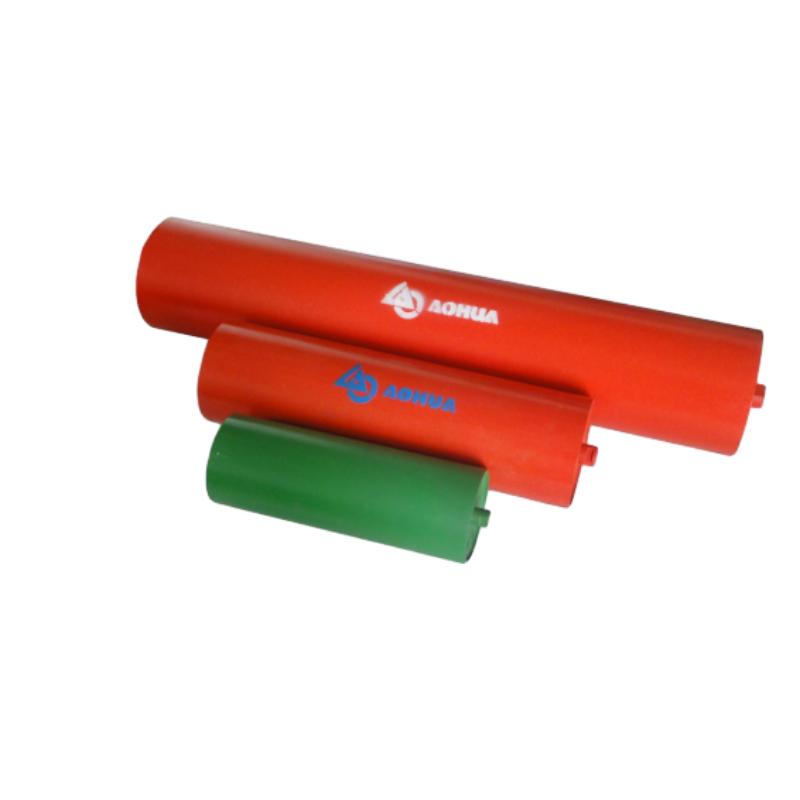
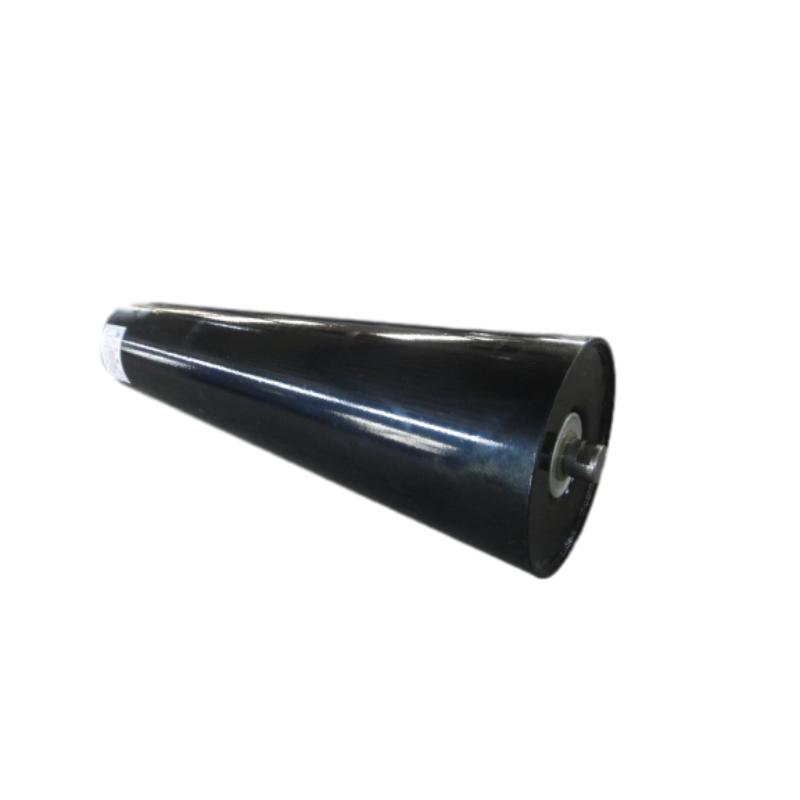
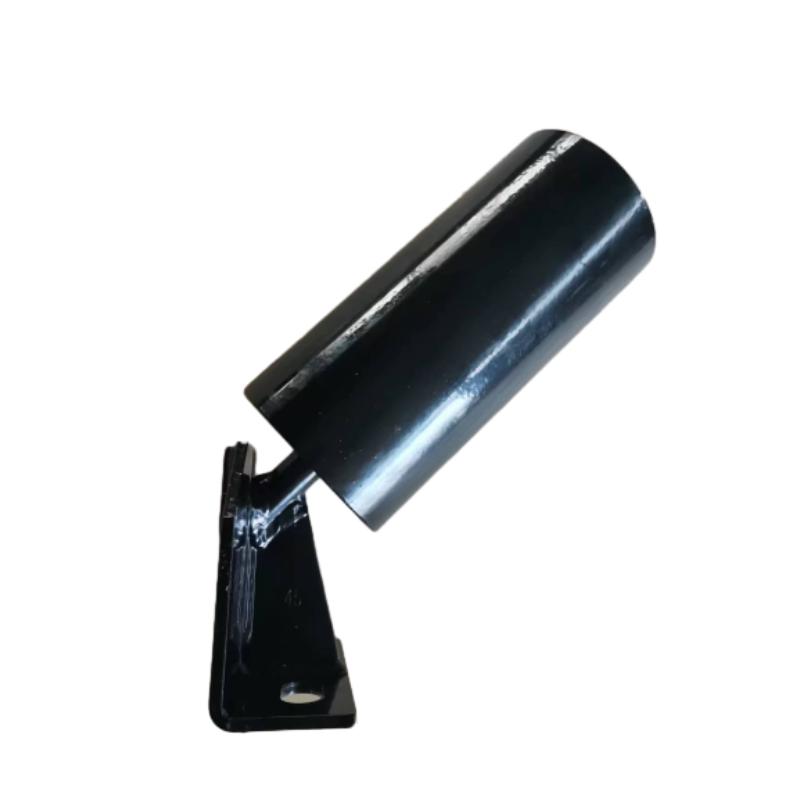
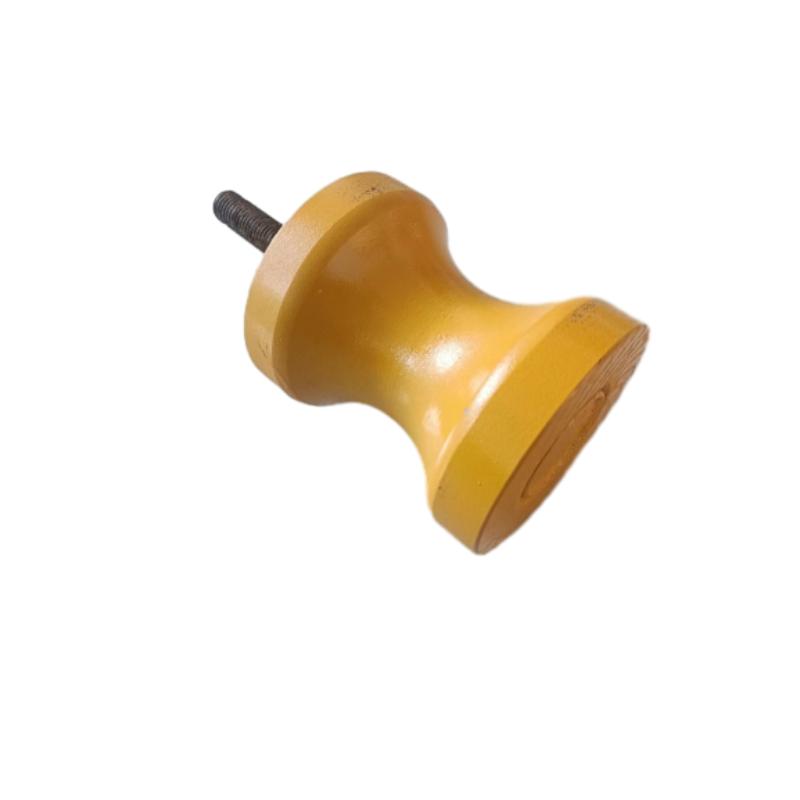
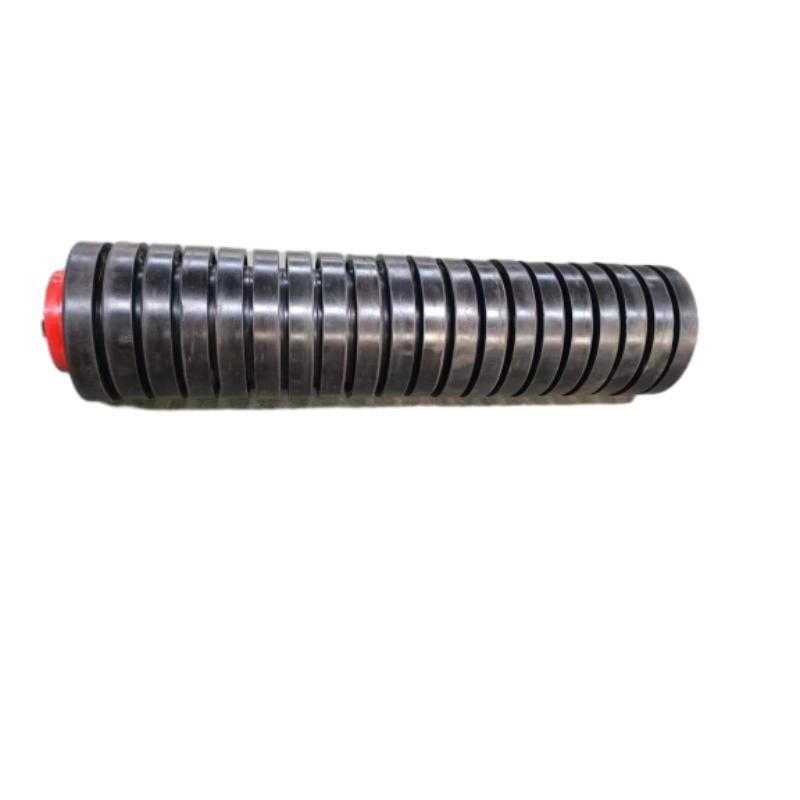
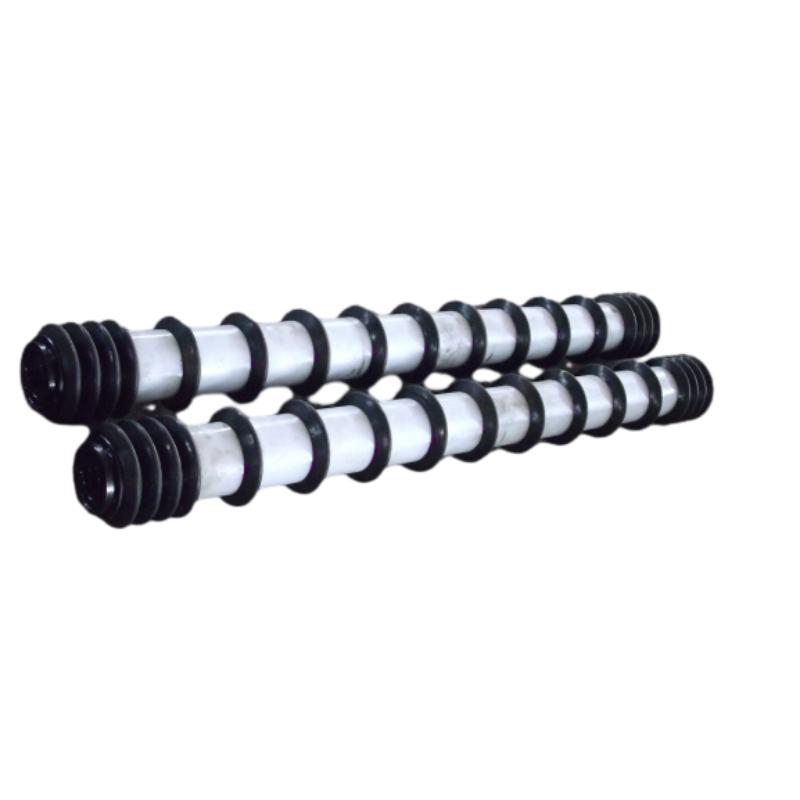
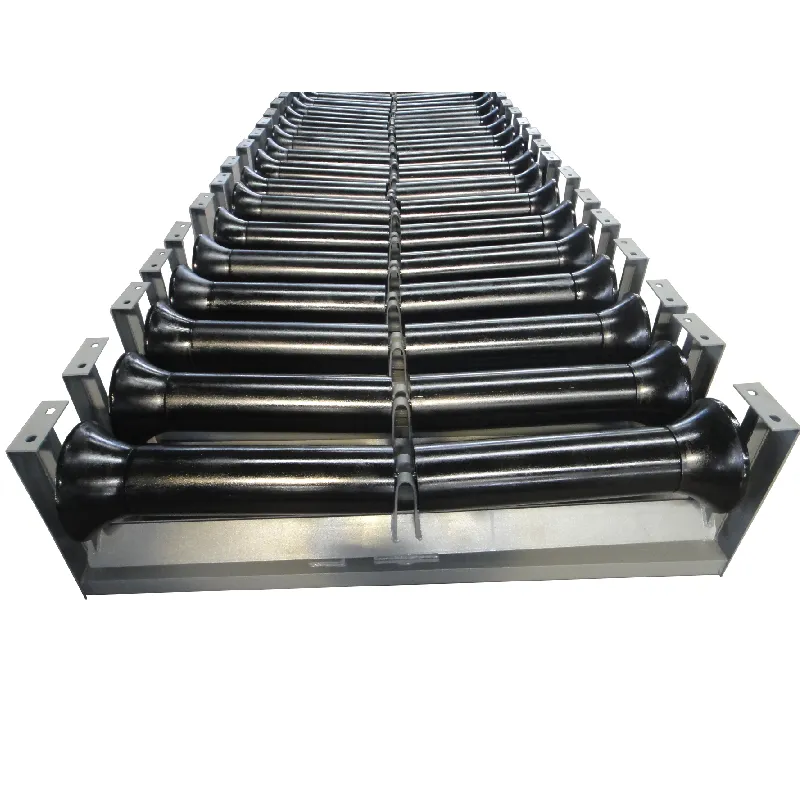
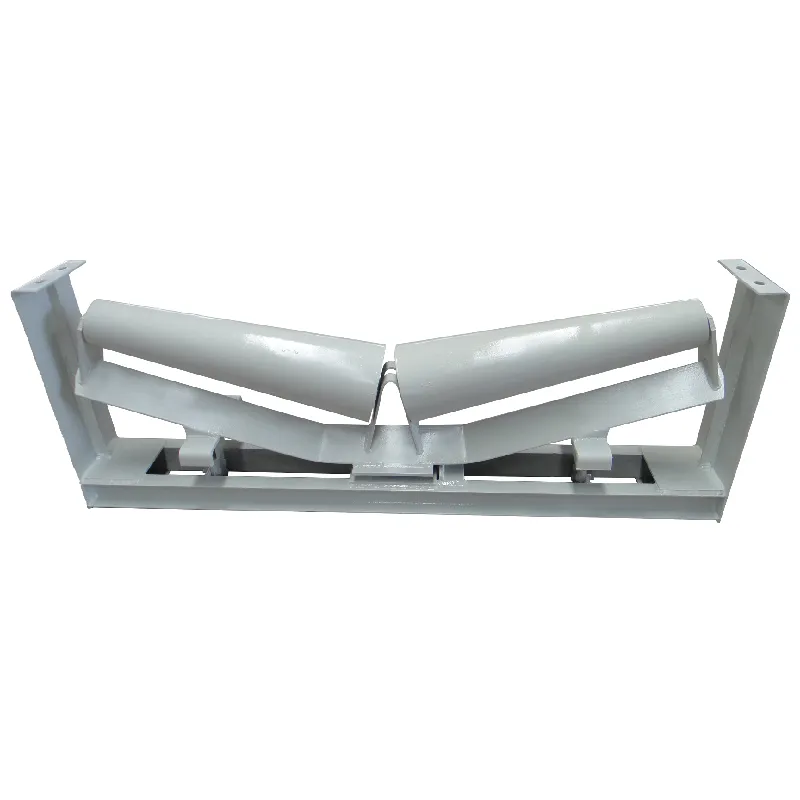
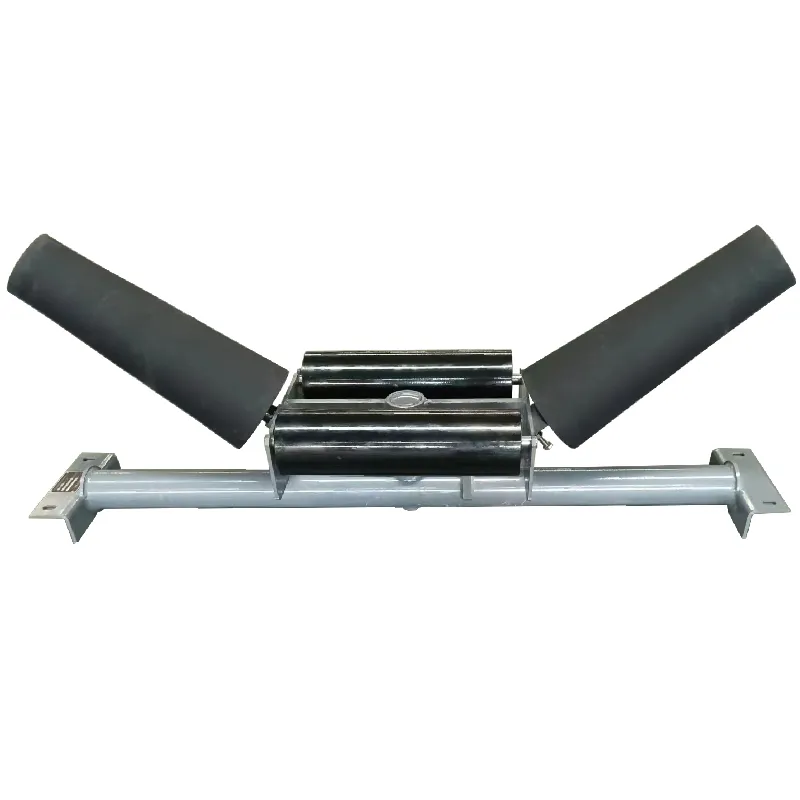
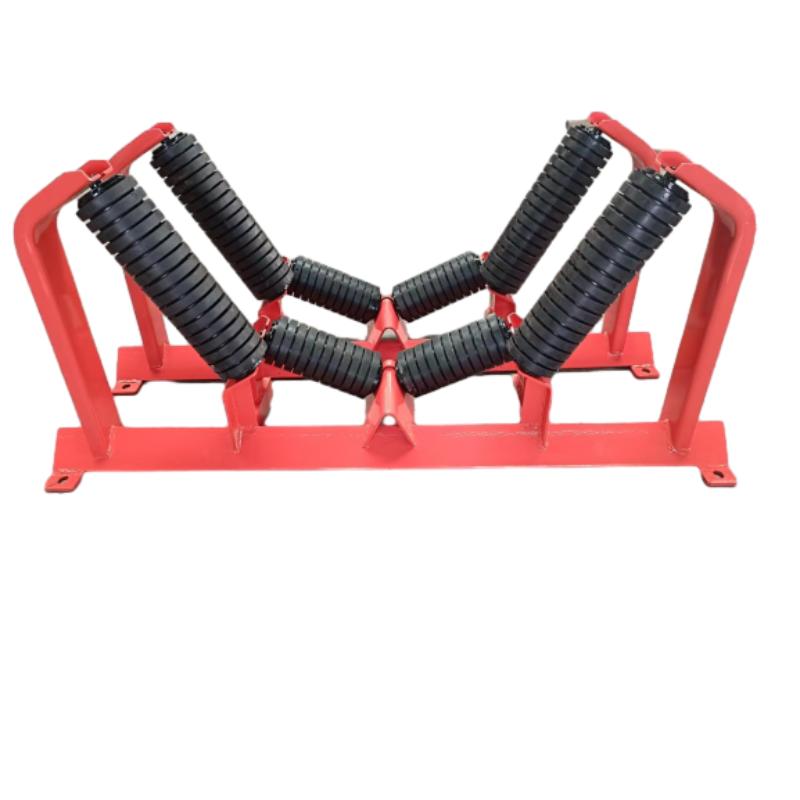
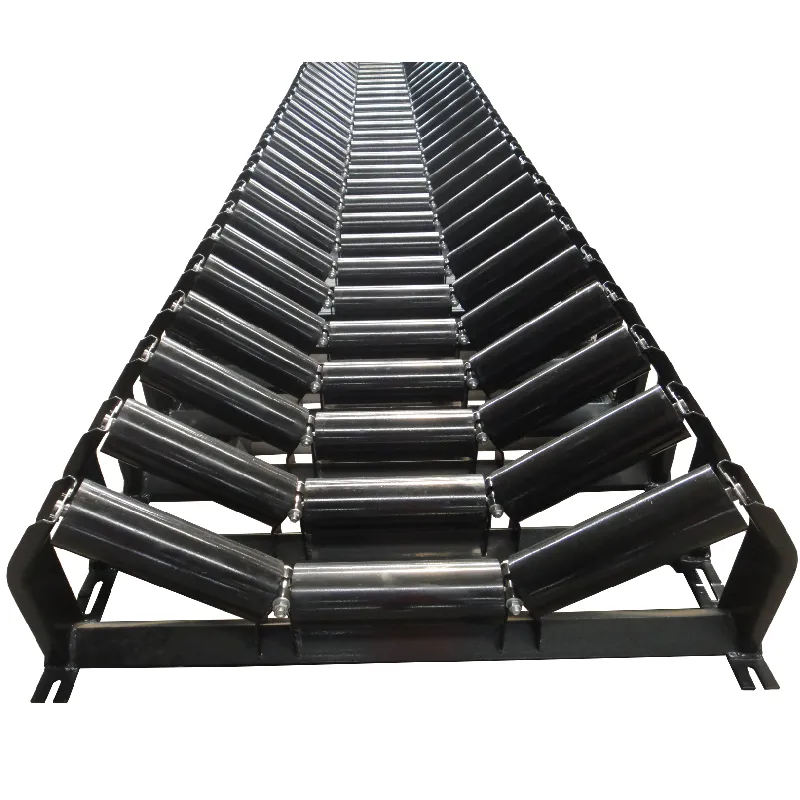
In simple terms, conveyor side guide rollers are cylindrical components placed along the sides of a conveyor belt to keep the belt running true and centered. Think of them as the bumpers on a bowling alley that prevent the ball from veering off course. When belts carry heavy, bulky, or irregular items, these rollers ensure the belt doesn’t drift, which otherwise could cause damage or stoppages.
This small mechanical piece is tightly linked to modern manufacturing’s demand for sustainability and safety. A well-designed roller reduces friction and wear, extending the life of the entire conveyor.
Core Components and Key Factors of Conveyor Side Guide Rollers
Durability
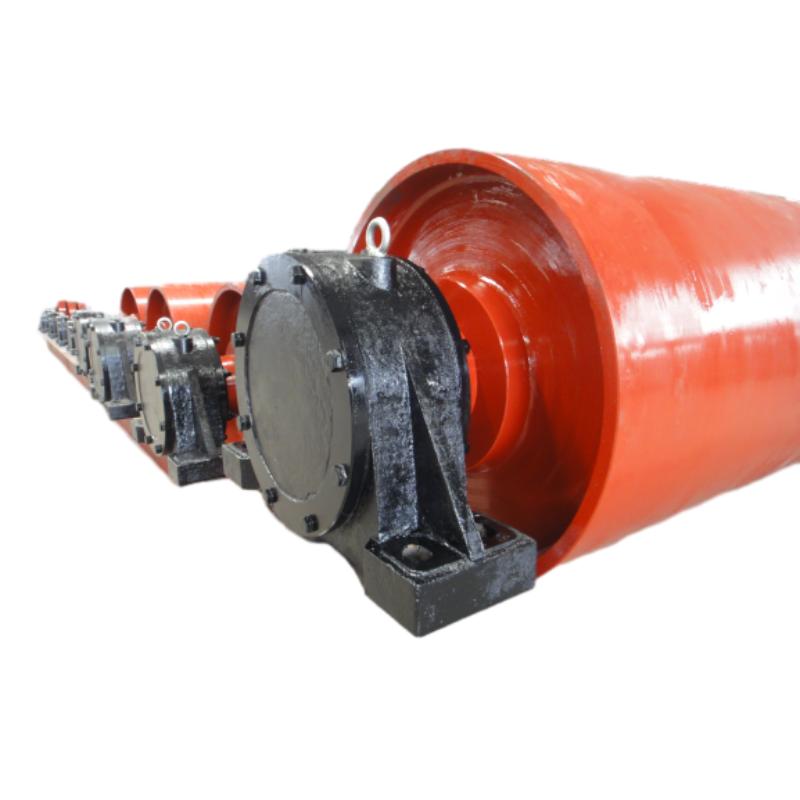
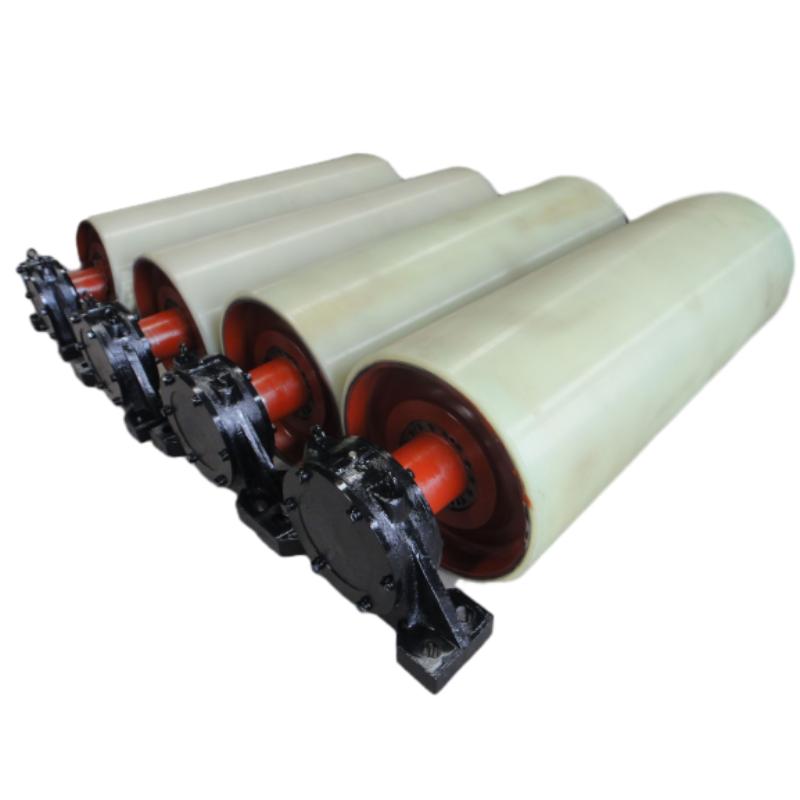
Many engineers swear by rollers built from high-grade steel or specialized polymers. Durability ensures the rollers withstand corrosive environments or harsh weather without losing functionality. In salt mines or coastal factories, corrosion resistance isn’t optional.
Design & Compatibility
Rollers come in various diameters and lengths. Getting the right spec to match belt width and load is critical. I recall a project where a small miscalculation led to frequent belt edge damage… lesson learned: specs matter.
Cost Efficiency
While some guided rollers use cheap materials, cutting corners often costs more in the long run due to frequent replacements and downtime.
Ease of Maintenance
Modular designs facilitate quick removal and replacement—the kind of feature that production managers love during scheduled maintenance stops to minimize downtime.
Noise and Energy Efficiency
Rollers made with low-friction bearings help reduce noise pollution and energy consumption in large plants. Oddly enough, this also improves workplace comfort.
Customization
Most vendors offer customization, including special coatings or sizes to fit unique conveyor setups, which can make a surprising difference in certain applications.
Global Applications & Use Cases of Conveyor Side Guide Rollers
These rollers pop up everywhere—from the small sorting facilities in Scandinavia to massive coal mines in Indonesia. In post-disaster relief operations, for instance, mobile conveyor setups often use side guide rollers to transport debris or supplies quickly. I recently read a case where emergency logistics teams in Japan depended on such conveyor components to clear rubble more efficiently after an earthquake.
Remote oil fields also benefit by using enhanced side guide rollers that resist harsh chemical exposure. In fact, the agricultural industry uses them for bulk seed transport, making sure the seeds stay within the belt limits to prevent wastage.
Advantages and Long-Term Value
- Cost Savings: Less belt wear and fewer repairs mean fewer shutdowns.
- Sustainability: Durable materials reduce waste and the need for frequent replacements.
- Safety: Minimizing spillage and jams protects workers and equipment.
- Reliability: Boosts client confidence and smooths operations.
- Innovation & Trust: Companies adopting advanced rollers often become leaders in their sectors.
Future Trends & Innovations to Watch
The digital transformation of conveyor systems is here. Smart rollers embedded with sensors can now monitor alignment in real-time, alerting operators to misalignments before anything breaks. Meanwhile, green energy initiatives push manufacturers to develop rollers from recycled plastics or biodegradable components, marrying performance with sustainability.
The integration of AI-driven predictive maintenance is likely to become standard in the next decade. And frankly, it feels like smart side guide rollers might soon be as common as wifi on the factory floor.
Challenges and Solutions
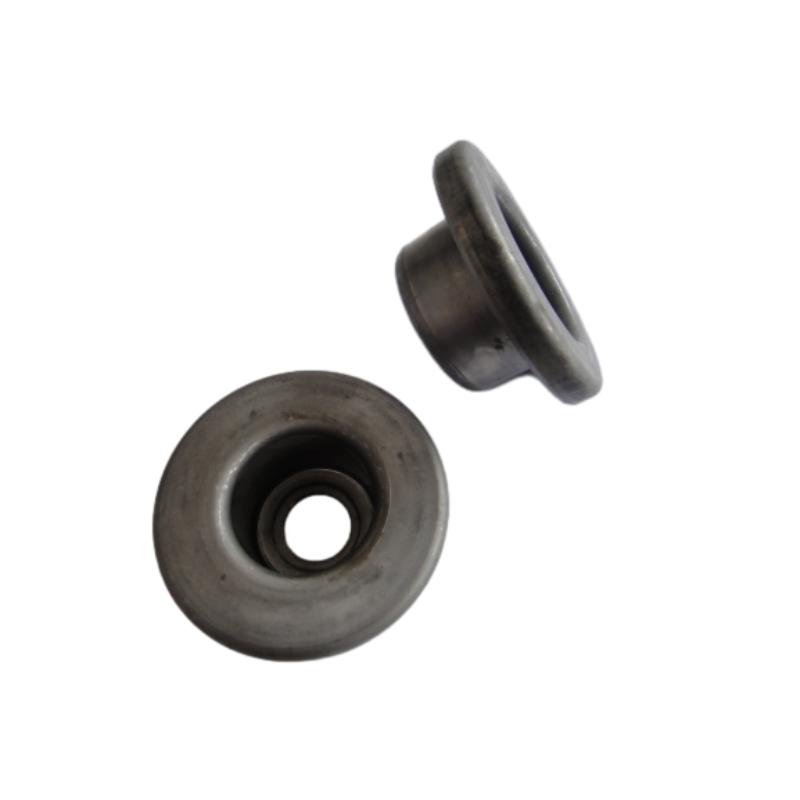
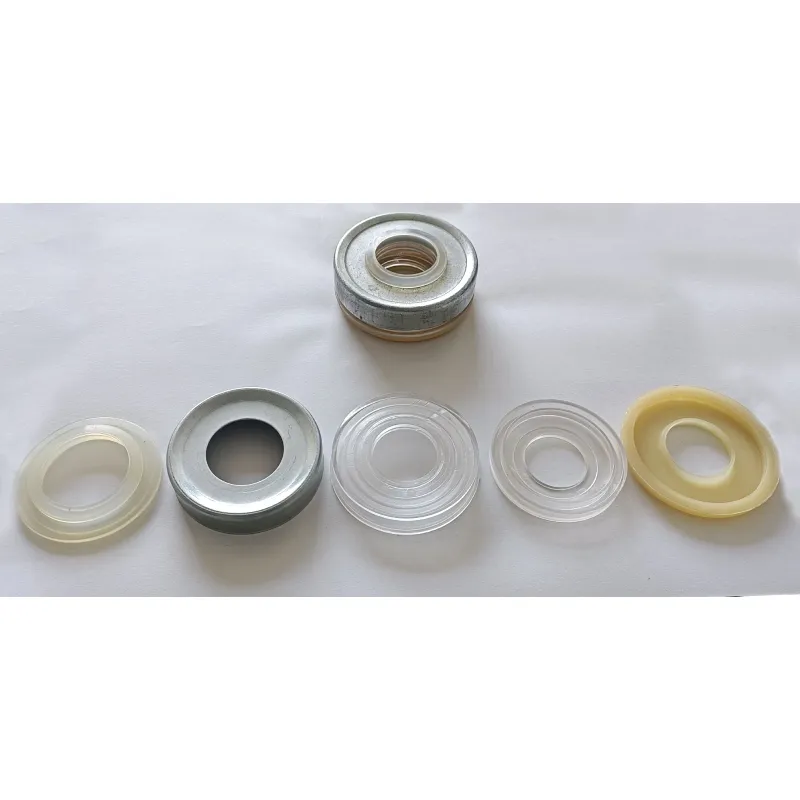
No system is perfect. Challenges include premature wear in abrasive environments and occasional failure of bearing components due to contamination. But innovations like sealed bearing units and self-lubricating materials are changing the game.
Getting the exact roller specification can also be tricky—misfits waste time and money. Expert consultation during design phases is invaluable here; many manufacturers now offer virtual configurators to streamline the selection process.
Frequently Asked Questions About Conveyor Side Guide Rollers
- Q1: How do I know which conveyor side guide roller size fits my belt?
- A1: Measure your conveyor belt width and consider the type of material being transported. Manufacturer datasheets and virtual configurators can help find the optimal roller diameter and length for efficient guidance.
- Q2: Can these rollers handle heavy or abrasive materials?
- A2: Yes, but it's important to select rollers made from wear-resistant or special polymer materials designed to resist abrasion, especially in mining or bulk transport industries.
- Q3: What maintenance is required to keep side guide rollers functioning?
- A3: Regular inspections for wear, lubrication of bearings (if not sealed), and cleaning to remove dust or debris will extend the life of your rollers significantly.
- Q4: Are there eco-friendly conveyor side guide roller options?
- A4: Yes, manufacturers increasingly offer rollers made from recycled or biodegradable materials, helping companies meet sustainability goals without compromising performance.
- Q5: How do I select a vendor offering reliable conveyor side guide rollers?
- A5: Look for vendors with strong industry certifications, positive user feedback, and customizable options. Comparing price, quality, and after-sales service is essential.
Product Specification Table
| Specification | Value/Range | Notes |
|---|---|---|
| Roller Diameter | 50-150 mm | Varies by belt width |
| Material | Steel, Stainless Steel, UHMW Polyethylene | Corrosion-resistant options available |
| Load Capacity | Up to 500 kg per roller | Dependent on bearing type |
| Bearing Type | Sealed ball bearing, roller bearing | Sealed for harsh environments |
| Operating Temperature | -30°C to +80°C | Varies by material |
| Noise Level | Low friction design |
Vendor Comparison Table
| Vendor | Product Range | Customization | Lead Time | Price Level |
|---|---|---|---|---|
| Idler A Tech | Standard & heavy-duty rollers | Yes, including coatings | 2-3 weeks | Mid-range |
| RollPro Solutions | Custom & industrial rollers | Extensive customization | 4-6 weeks | Premium |
| ConveyMax | Eco-friendly polymer rollers | Limited | 1-2 weeks | Budget |
For those wanting to explore robust and proven conveyor side guide rollers solutions, it’s worth diving into vendor catalogs and trial runs to see what fits best. Conveyor systems are not one-size-fits-all; the right side guide roller can mean years of smooth service—or frustrating downtime.
Conclusion: The Unseen Workhorses of Efficient Conveying
Conveyor side guide rollers are quietly shaping the way industries function worldwide—helping increase efficiency, reduce costs, and promote safer workplaces. Whether you’re in mining, packaging, or shipping, understanding their role opens up opportunities to optimize operations and embrace sustainability.
Interested in boosting your conveyor systems with quality side guide rollers? Visit our website: https://www.idleraohua.com for detailed specs, expert advice, and custom options.
References
-
Maximize Conveyor Life with a High Performance impact bedNewsApr.16,2026
-
Maximize Conveyor Efficiency Using a v plow belt scraperNewsApr.09,2026
-
Comprehensive Guide to Understanding Different Types of Belt CleanersNewsApr.07,2026
-
Enhancing Conveyor Efficiency with an Effective Scraper Belt CleanerNewsApr.04,2026
-
Optimizing Conveyor Systems with Advanced Cleaning Equipment SolutionsNewsMar.31,2026
-
Effective Conveyor Belt Scraper Adjustment for Optimal System PerformanceNewsMar.28,2026