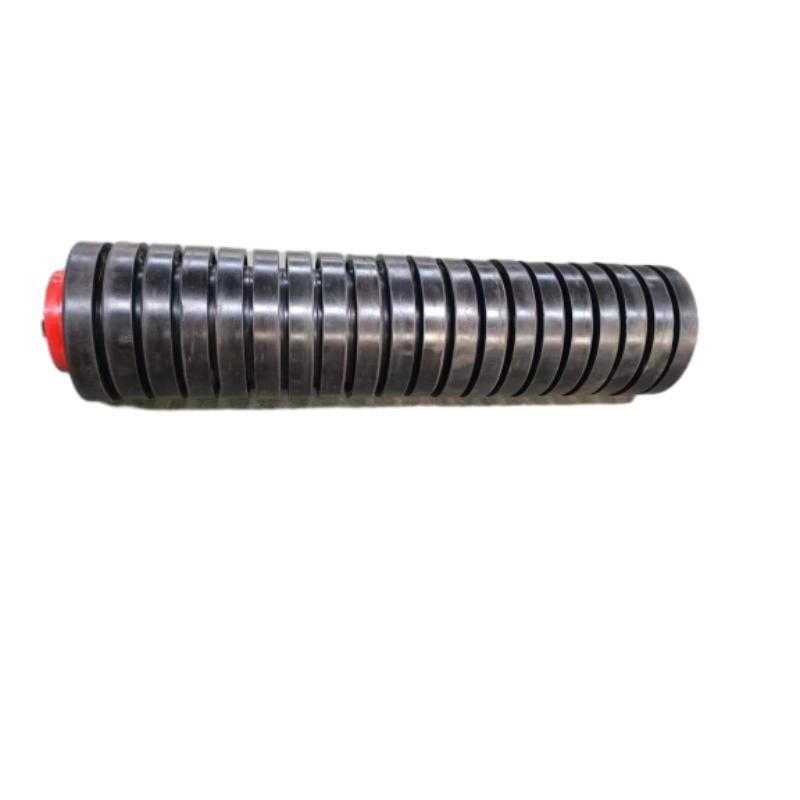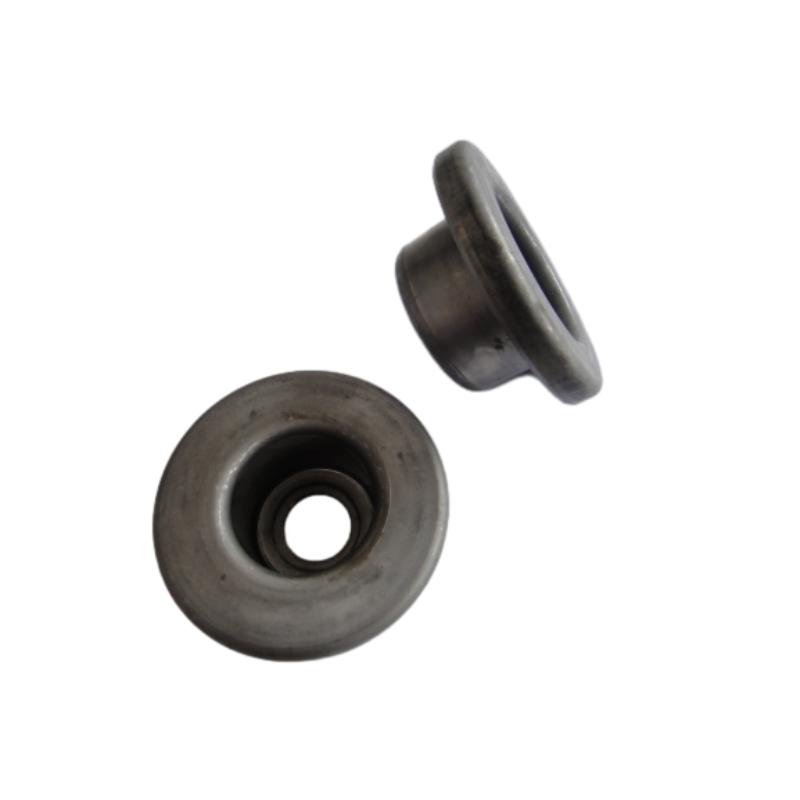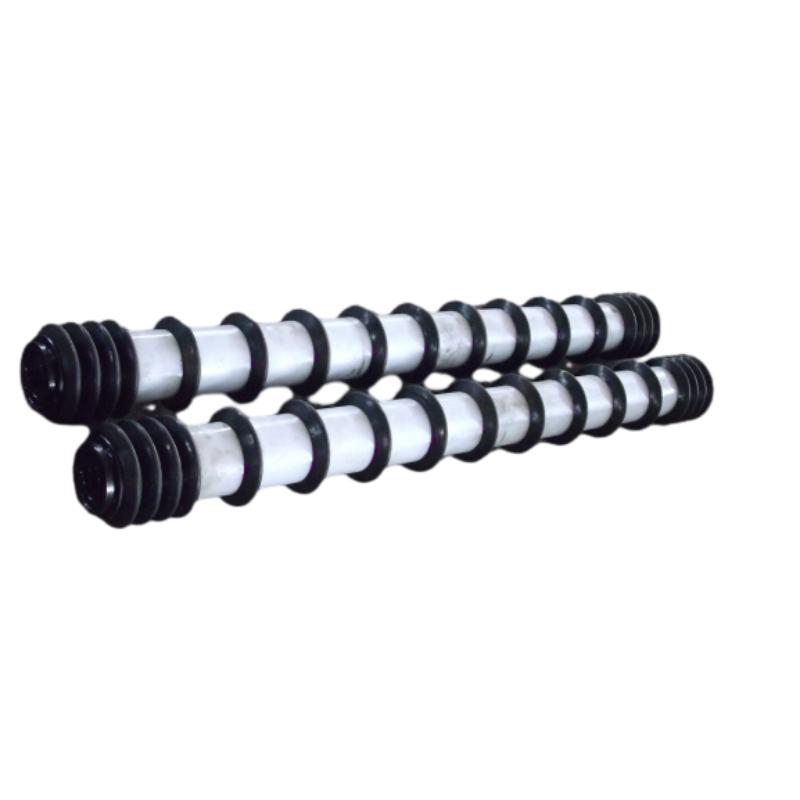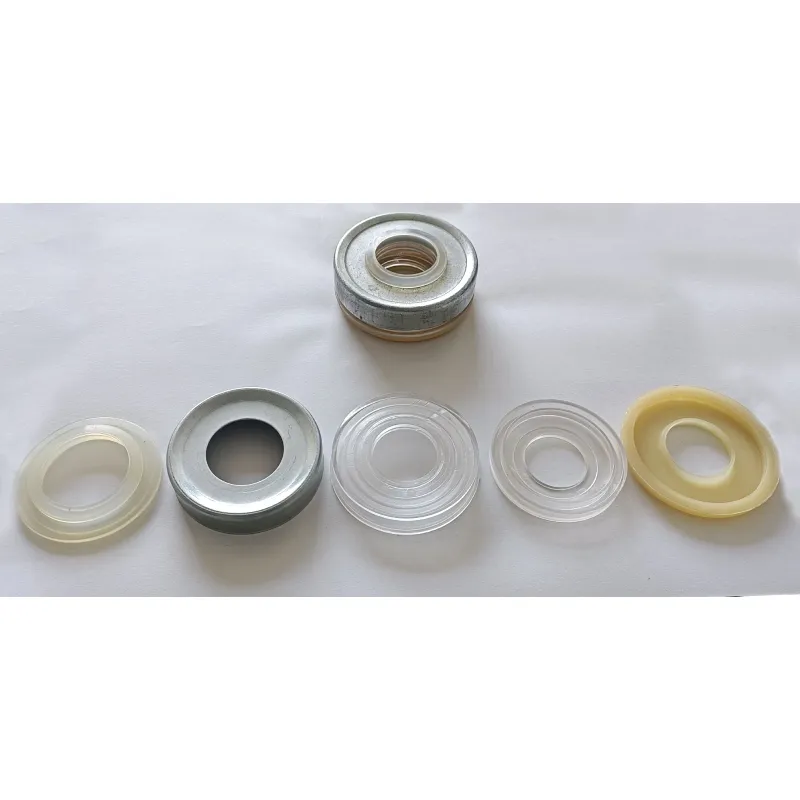


Conveyor Brackets: A Comprehensive Guide to Selection, Use, and Industry Impact
Understanding Conveyor Brackets: The Unsung Heroes of Modern Industry
Conveyor brackets might not be the flashiest topic in manufacturing or logistics, but they play a vital role globally. These small yet crucial components keep many industrial chains running smoothly—from factory floors in Germany to remote mining operations in Australia. Yet, understanding their design, functionality, and impact isn’t just tech jargon; it influences safety, efficiency, and cost worldwide. Let’s explore why conveyor brackets matter and how they power the backbone of countless industries.
Global Relevance of Conveyor Brackets
Industries are on a relentless quest for optimizing material handling. According to the International Organization for Standardization (ISO), conveyor systems reduce manual labor by up to 75% in manufacturing plants, substantially increasing productivity and worker safety. Conveyor brackets, which secure conveyor components like rollers, frames, and belts, are absolutely key to this efficiency.
Oddly enough, despite advances in automation, many industrial failings trace back to minor hardware issues—often with brackets that weren’t suited to specific environments. Roughly 40% of downtime in conveyor systems globally is linked to faulty support parts (World Bank industrial projection, 2022). This shows how something small can cause big headaches and financial losses.
What Are Conveyor Brackets?
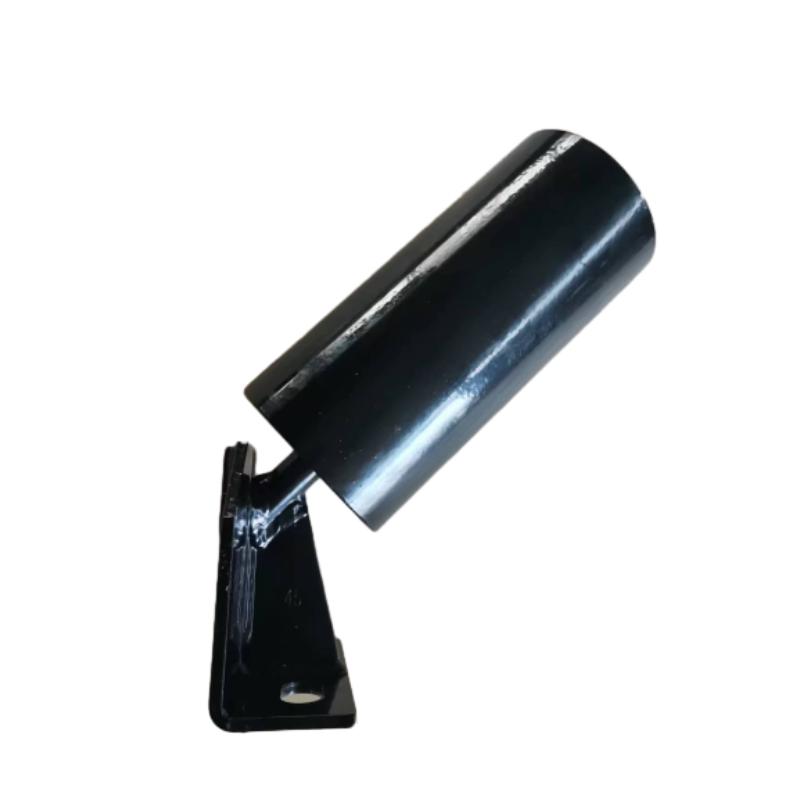
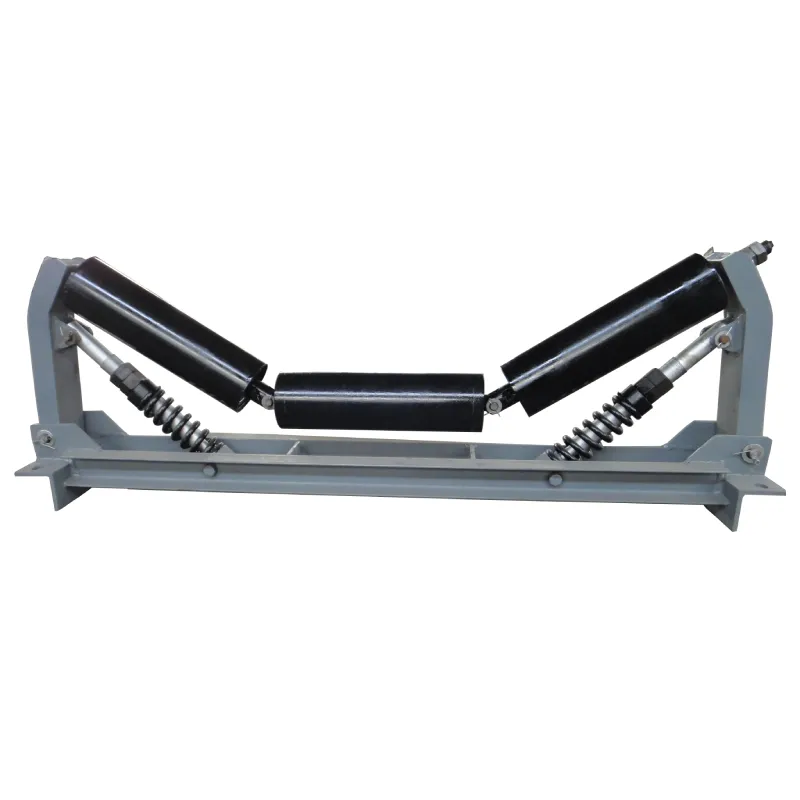
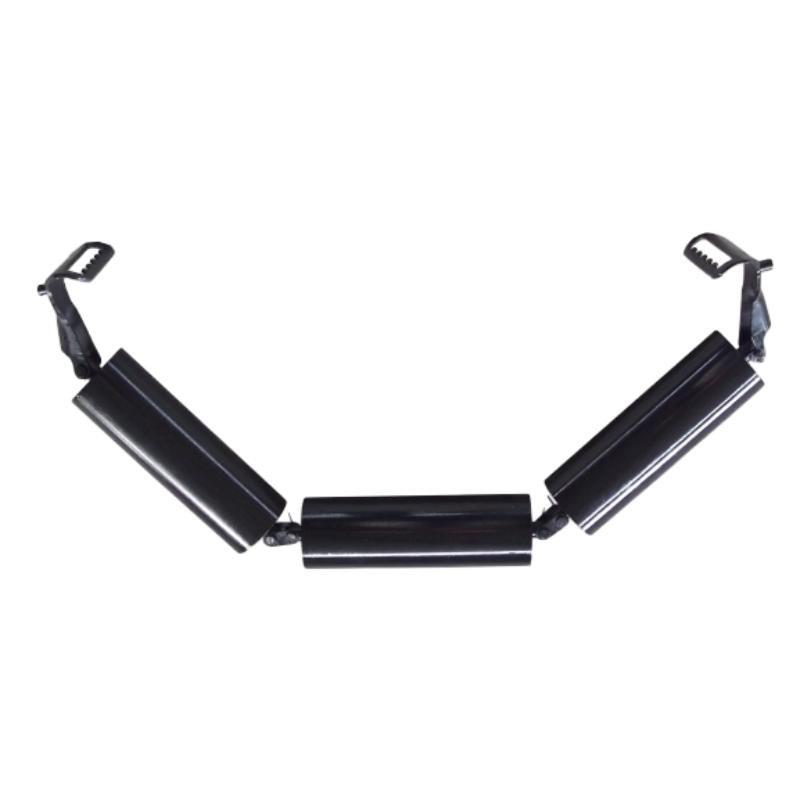
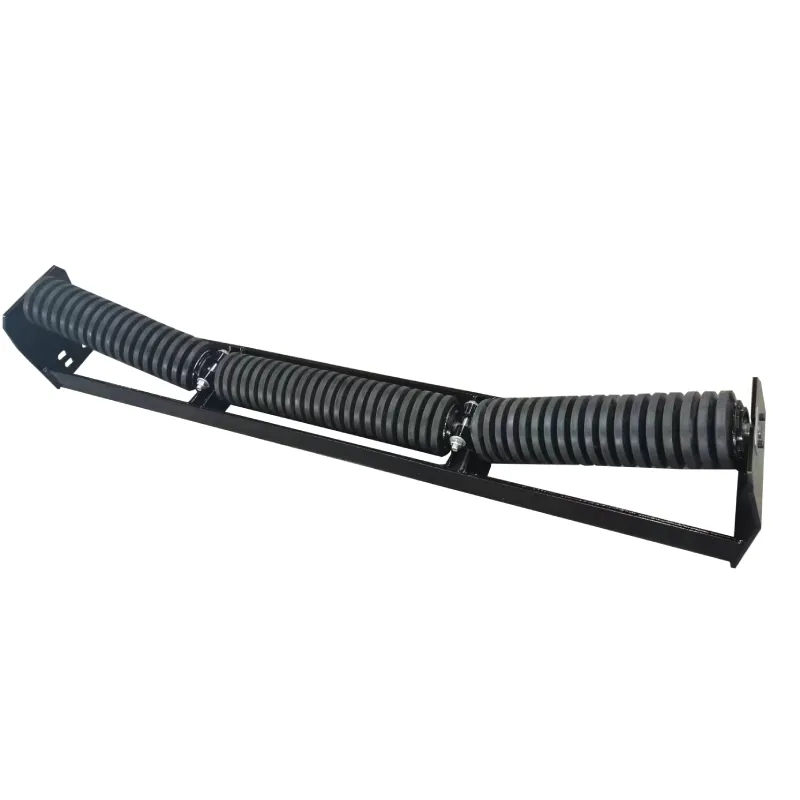
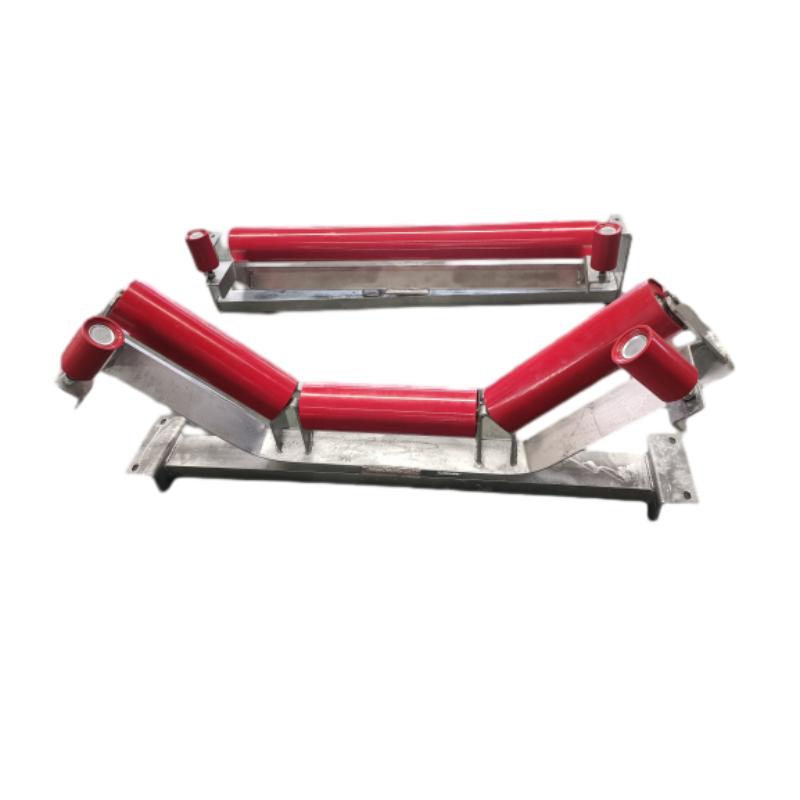
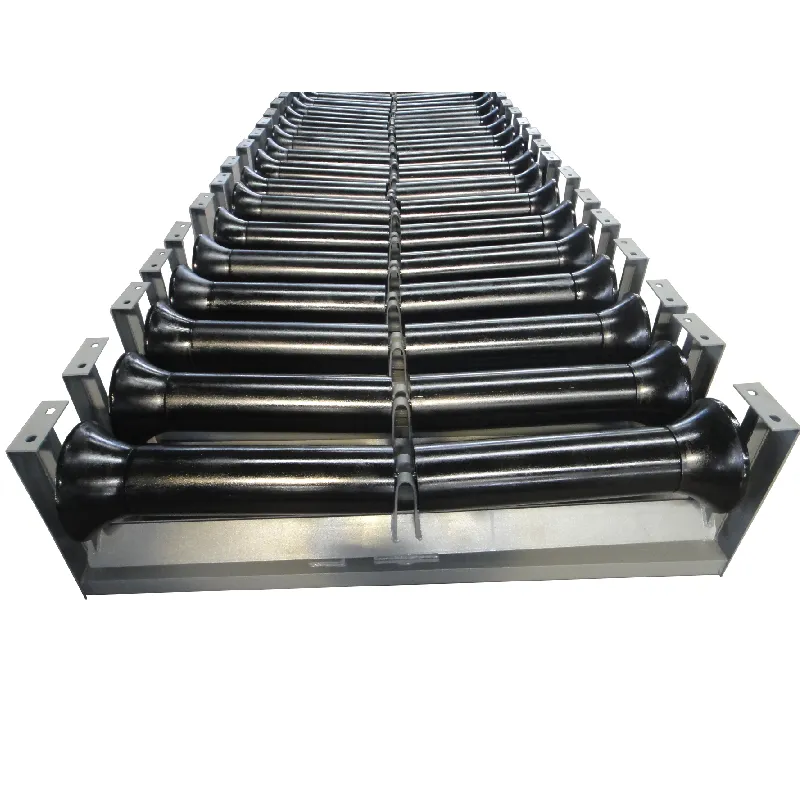
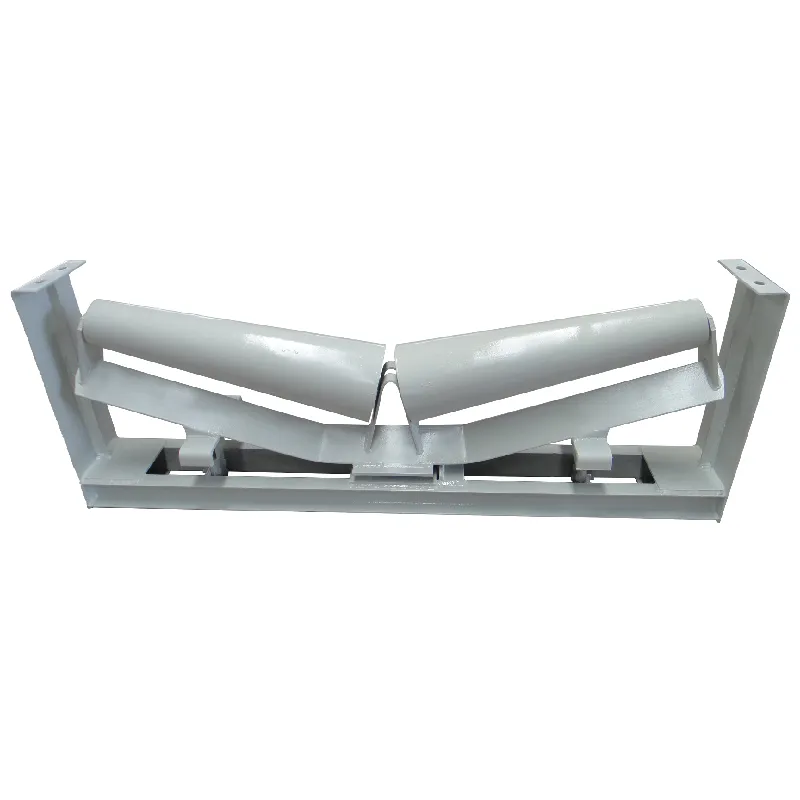
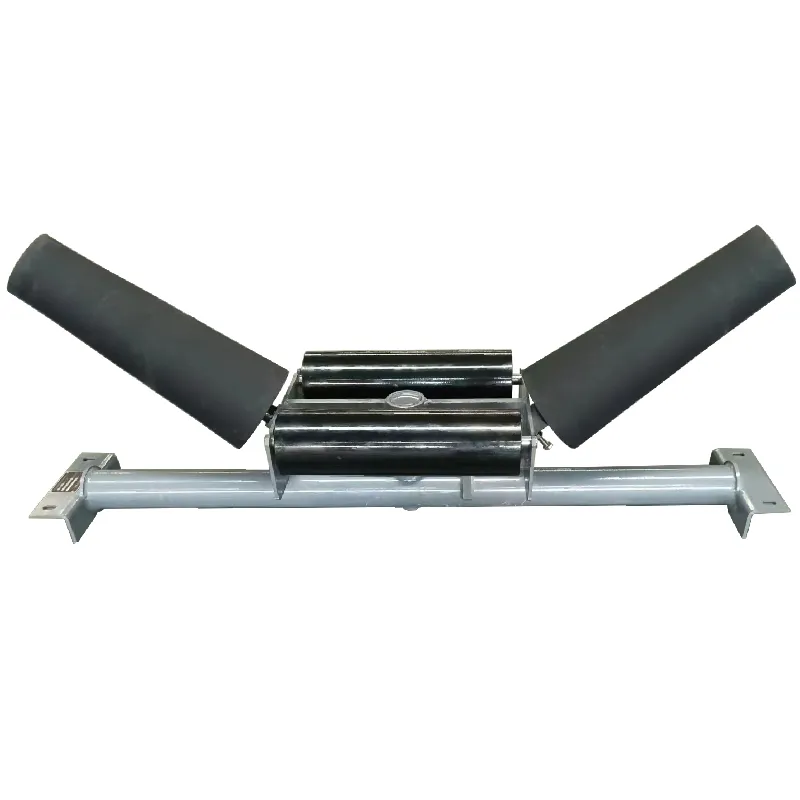
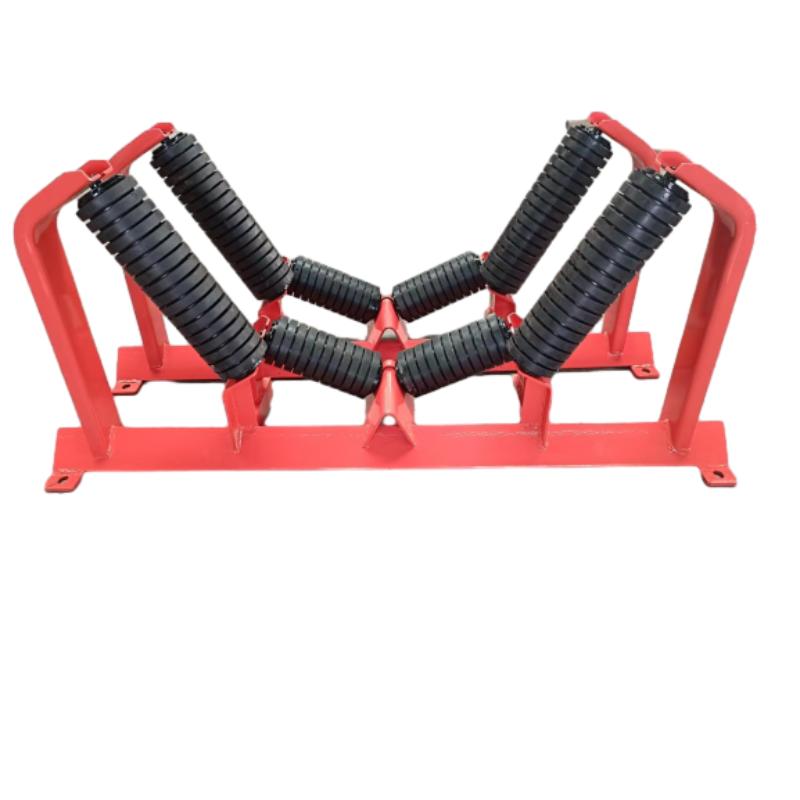
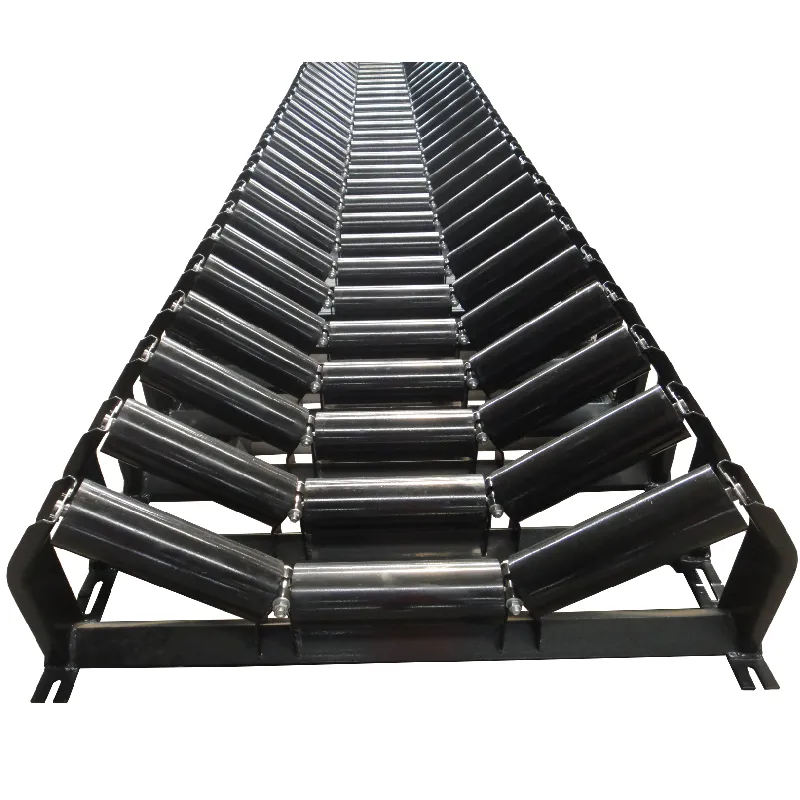
Simply put, conveyor brackets are the supporting fixtures that hold conveyor systems in place. They're designed to attach conveyors to walls, floors, or structural frames, ensuring stability and perfect alignment. Without properly engineered brackets, conveyors could wobble, misalign, or even fail altogether.
They’re more than just simple metal pieces. In modern industry, conveyor brackets are tailored to specific load requirements, environmental conditions, and operational speeds—making them indispensable in everything from humanitarian supply chains to large-scale manufacturing plants.
Key Components & Factors of Conveyor Brackets
Durability
Conveyor brackets must resist corrosion, wear, and mechanical stress over long periods. Materials like galvanized steel or stainless steel are common choices, especially when brackets face outdoor conditions or corrosive substances. Durability ensures reduced maintenance costs and fewer stoppages.
Scalability & Flexibility
Industrial needs vary greatly. Brackets that allow adjustable mounting or modular configurations are preferred because they accommodate expansions or layout changes without replacing entire setups — a real cost saver.
Cost Efficiency
Investing in high-quality brackets might seem expensive upfront, but the real cost lies in repeated repairs or downtime. Smart procurement balances price with material strength and warranty periods.
Ease of Installation
Time is money. Brackets designed for straightforward installation with minimal tooling reduce labor time drastically, which is especially crucial in large-scale industrial projects or emergency setups.
Compatibility
Any bracket must seamlessly integrate with varying conveyor types—belt conveyors, roller conveyors, or chain conveyors—ensuring safe, reliable operation.
Conveyor Bracket Product Specifications
| Specification | Standard Conveyor Bracket | Heavy-Duty Conveyor Bracket |
|---|---|---|
| Material | Galvanized Steel | Stainless Steel 316 |
| Load Capacity | Up to 100 kg | Up to 500 kg |
| Corrosion Resistance | Moderate | High (Saltwater & Chemicals) |
| Adjustability | Fixed | Sliding/Rotatable |
| Installation Time | 1 hr approx. | 2 hrs approx. |
Where Conveyor Brackets Shine: Global Applications
You find these brackets in surprisingly diverse settings:
- Manufacturing Hubs: Automotive and electronics factories depend on conveyor brackets to maintain fast-paced assembly lines.
- Mining Operations: Harsh conditions demand heavy-duty brackets that resist corrosion and vibration.
- Food Processing Plants: Sanitary-grade brackets made from stainless steel ensure hygiene compliance.
- Post-Disaster Relief: Conveyor brackets facilitate quick setups of temporary supply lines, crucial for efficient aid distribution.
- Logistics & Warehousing: Flexible bracket designs allow easy reconfiguration of conveyor routes as demand changes.
In industries from the U.S. Midwest to Southeast Asia’s growing manufacturing corridors, these brackets help businesses run smoother and safer.
Advantages & Long-Term Value of Good Conveyor Brackets
Well-chosen conveyor brackets bring some nice tangible benefits:
- Reduced Maintenance: Less wear and tear, fewer replacements.
- Safety: Stable conveyors protect workers and reduce accidents.
- Cost Savings: Avoid costly downtime and repairs.
- Operational Reliability: Consistent throughput maintains supply chain trust.
- Sustainability: Durable materials minimize waste.
On a softer note, the peace of mind managers get from knowing their conveyor systems won’t fail unexpectedly is priceless. It feels like quiet assurance—something engineers always strive for.
What's Next? Innovations in Conveyor Brackets
The future is looking bright. Expect advances like:
- Smart Brackets: Sensors embedded to monitor stress and vibrations in real-time, enabling predictive maintenance.
- Eco-Friendly Materials: Composite alloys and recycled metals to reduce carbon footprints.
- Modular Designs: Ultra-flexible brackets for rapid reconfiguration in dynamic industries.
- Automation Compatibility: Brackets designed to integrate seamlessly with robotic conveyor systems.
These shifts align with global trends pushing towards sustainability and digital transformation, echoing goals from agencies like the United Nations.
Common Challenges and How Experts Navigate Them
Despite their importance, conveyor brackets face challenges such as:
- Corrosion in harsh environments: Proper material selection and protective coatings mitigate this issue.
- Installation errors: Training and clearer guidelines help reduce human mistakes.
- Incompatibility with evolving conveyor tech: Vendors increasingly offer customizable brackets that fit multiple setups.
Manufacturers who invest in R&D and technical support often lead the pack. Oddly enough, sometimes it’s the small details in design that make all the difference.
Vendor Comparison: Top Conveyor Bracket Suppliers
| Feature | BrackPro Inc. | SteelHold Systems | FlexMount Solutions |
|---|---|---|---|
| Material Options | Steel, Stainless Steel | Galvanized Steel | Composite & Metal |
| Customization | High | Low | Medium |
| Lead Time | 2-3 weeks | 1 week | 3-4 weeks |
| Warranty | 5 years | 3 years | 4 years |
| Pricing | $$$ | $ | $$ |
Frequently Asked Questions About Conveyor Brackets
- What factors should I consider when selecting conveyor brackets?
- Consider the load capacity, environmental conditions (like moisture or chemicals), installation ease, and material compatibility with your conveyor system. Durability and warranty terms also matter.
- Can conveyor brackets be customized for specialized industries?
- Absolutely. Many vendors offer brackets tailored for food processing, mining, or outdoor use, incorporating special coatings, materials, or adjustable designs to fit specific needs.
- How do conveyor brackets affect system maintenance?
- Brackets made from corrosion-resistant materials reduce wear and tear, decreasing maintenance frequency. Proper installation also prevents misalignment, cutting downtime and repair costs.
- Are smart conveyor brackets widely available?
- Smart brackets with embedded sensors are emerging but not yet standard. They offer predictive monitoring, helping prevent failures before they happen—a promising future trend.
- Where can I find reliable conveyor brackets?
- Leading industrial suppliers and specialized manufacturers like those listed offer robust, tested products. For trusted options, visit conveyor brackets to explore quality selections.
Conclusion: Why Conveyor Brackets Matter for the Long Haul
In the grand scheme, conveyor brackets might be easy to overlook, but they’re essential to safe, efficient, and cost-effective industrial operations worldwide. Their impact ripples through supply chains, worker safety, and even sustainability efforts. If you’re responsible for procurement, engineering, or facilities management, understanding and investing in quality conveyor brackets is a smart move.
For those interested, don’t hesitate to explore more about conveyor brackets and how they can be tailored to your projects.
It’s funny how something as seemingly simple as a bracket can support so much more than just conveyors—it supports entire industries and livelihoods.
References
-
Maximize Conveyor Life with a High Performance impact bedNewsApr.16,2026
-
Maximize Conveyor Efficiency Using a v plow belt scraperNewsApr.09,2026
-
Comprehensive Guide to Understanding Different Types of Belt CleanersNewsApr.07,2026
-
Enhancing Conveyor Efficiency with an Effective Scraper Belt CleanerNewsApr.04,2026
-
Optimizing Conveyor Systems with Advanced Cleaning Equipment SolutionsNewsMar.31,2026
-
Effective Conveyor Belt Scraper Adjustment for Optimal System PerformanceNewsMar.28,2026