

Conveyor Belt Idler Rollers: Enhancing Industrial Efficiency & Sustainability
Conveyor Belt Idler Rollers: The Unsung Heroes of Industrial Efficiency
It’s easy to overlook the small components that keep large industries moving — quite literally. Conveyor belt idler rollers are one such element. They might sound simple, but these rollers play a crucial role in global supply chains, mining, manufacturing, and even humanitarian logistics. Understanding their function and benefits doesn’t just satisfy technical curiosity; it’s key to improving efficiency, safety, and cost-effectiveness across industries worldwide.
Global Context: Why Conveyor Belt Idler Rollers Matter
You know, conveyor systems are the backbone of material handling globally. According to the International Organization for Standardization (ISO), conveyor belts account for a significant portion of bulk material transportation, especially in mining and manufacturing. In 2023, the global conveyor belt market exceeded $5 billion, growing steadily because demand for efficient and reliable transportation solutions keeps rising.
Here’s the catch: while belts get the spotlight, the idler rollers do the hard work supporting the belts and the heavy materials they carry. Without them, belts sag, tear, or consume more energy — a nightmare for industrial efficiency and costs. In fact, the United Nations Industrial Development Organization (UNIDO) emphasizes that improving conveyor component durability can reduce downtime in factories by up to 15%, thereby enhancing output and sustainability.
What Are Conveyor Belt Idler Rollers?
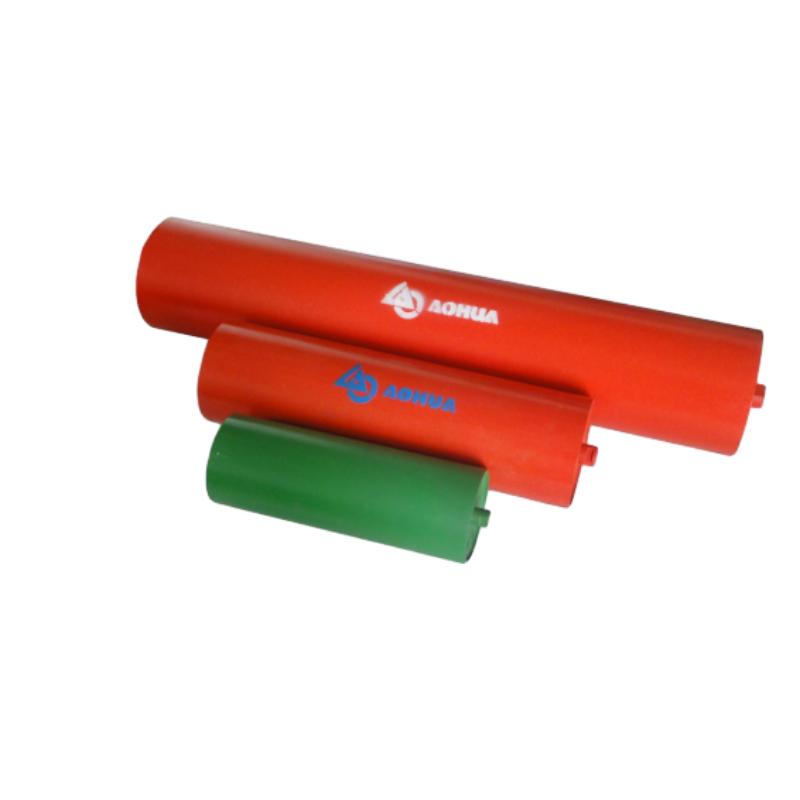
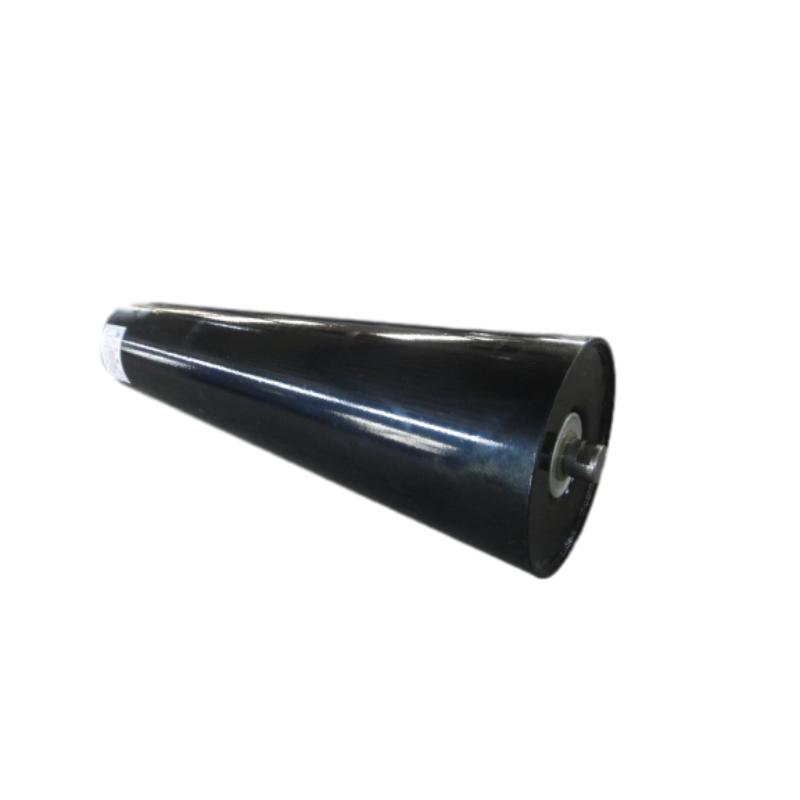
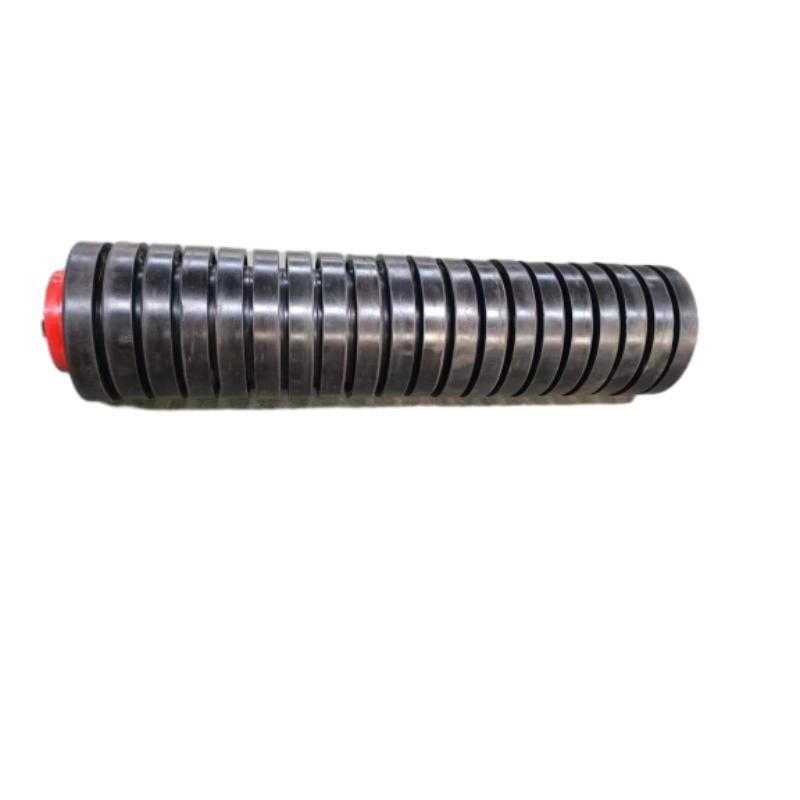
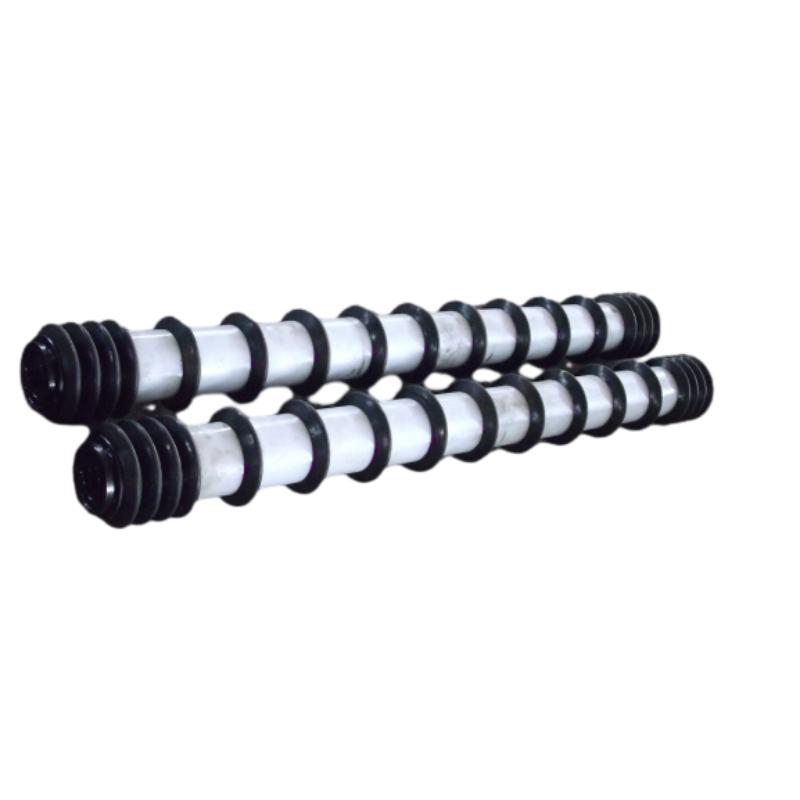
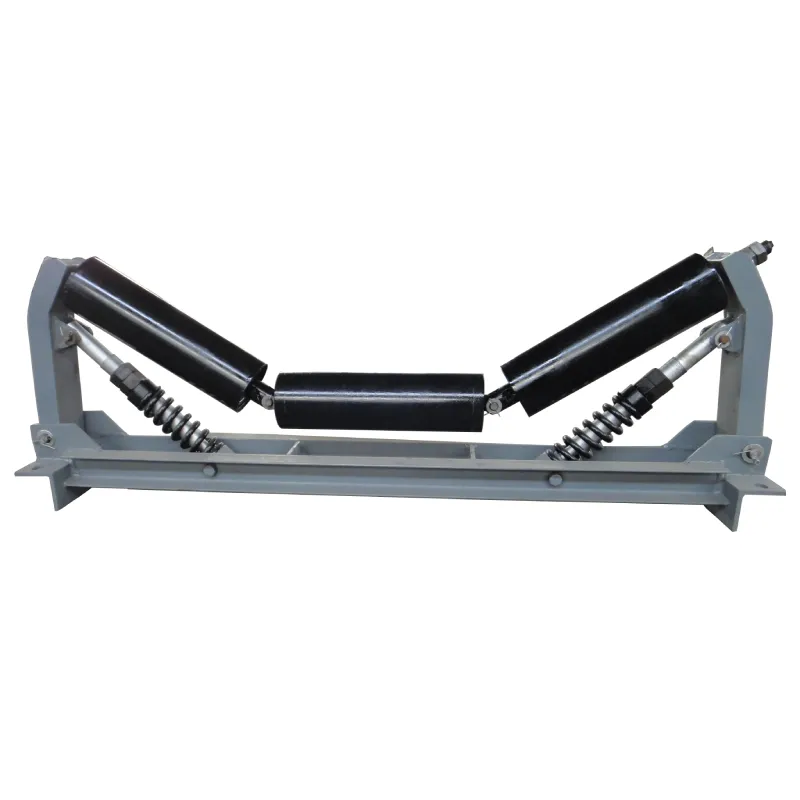
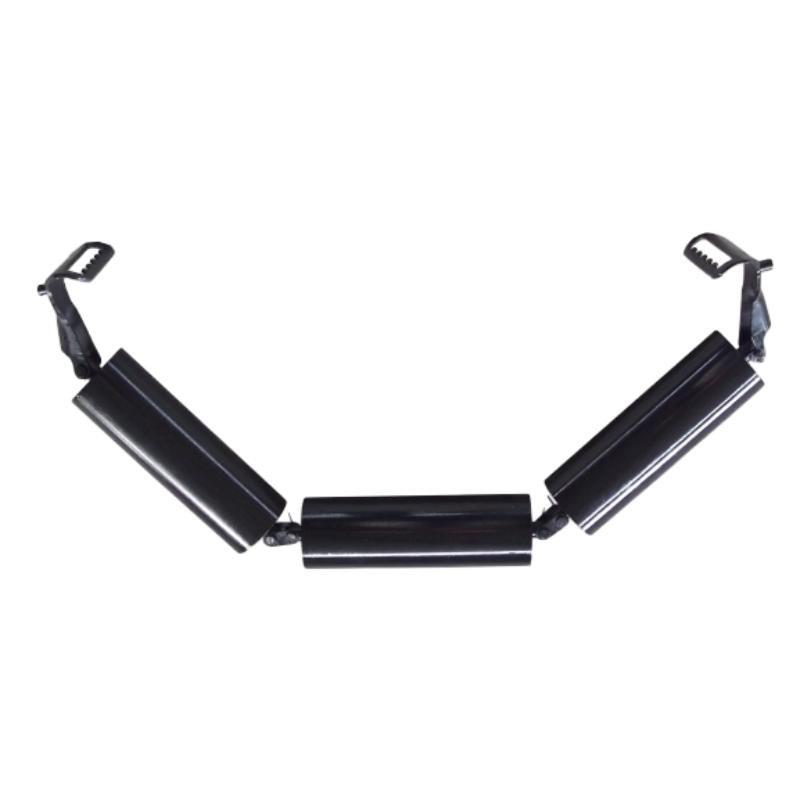
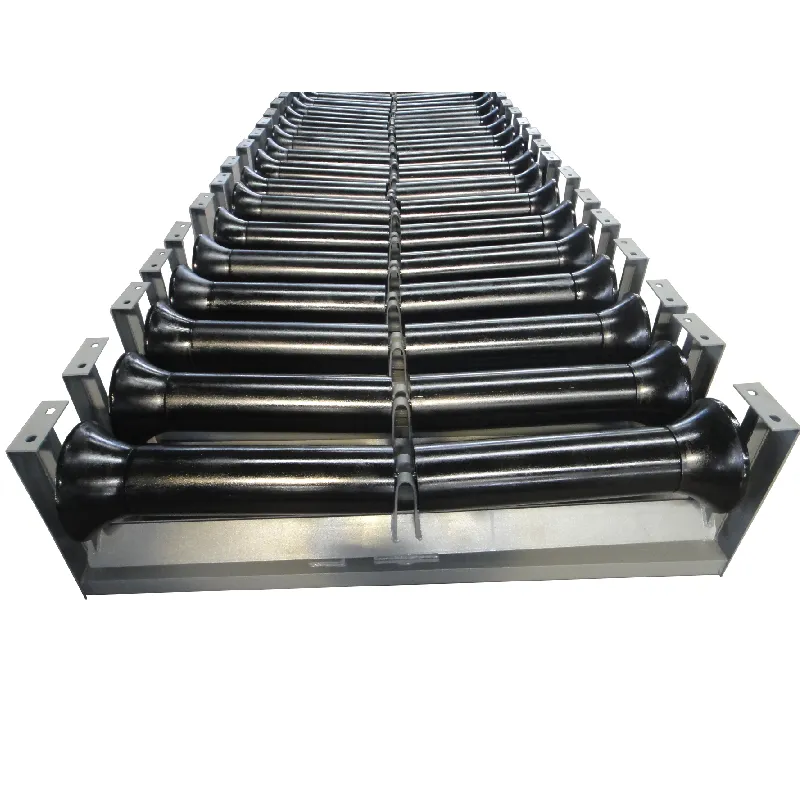
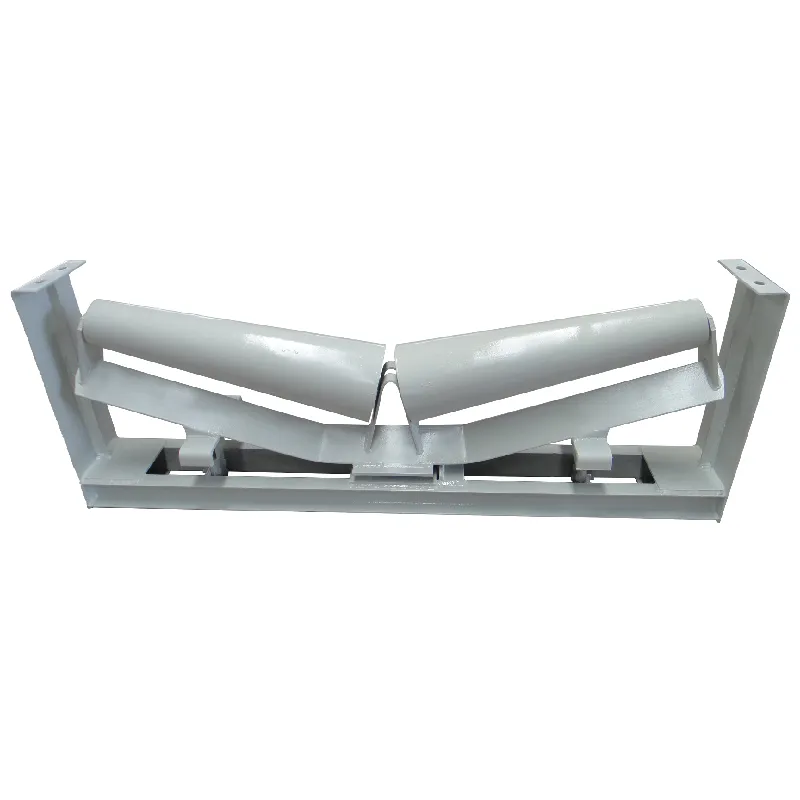
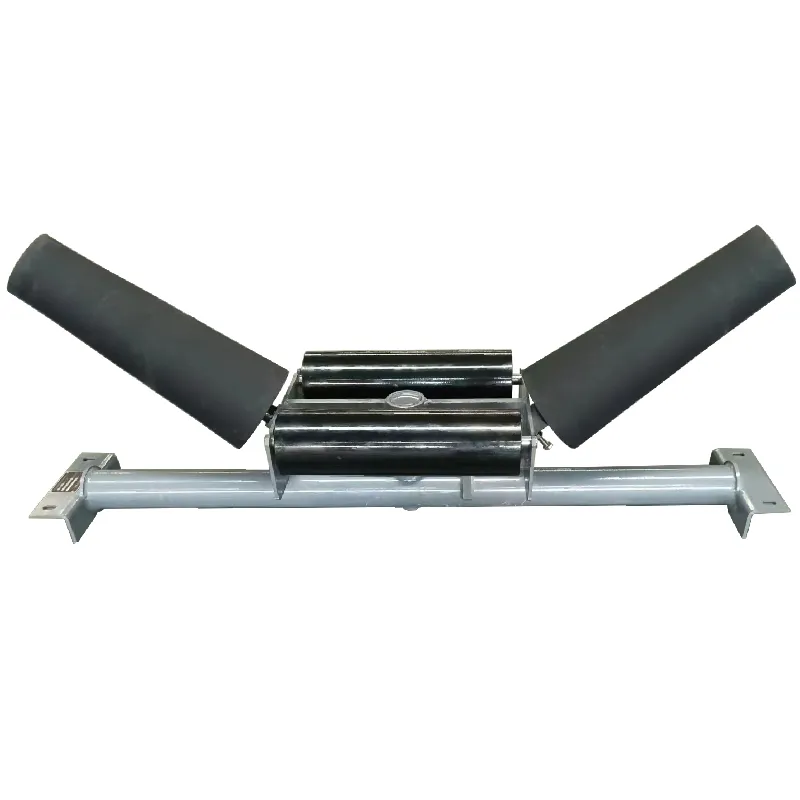
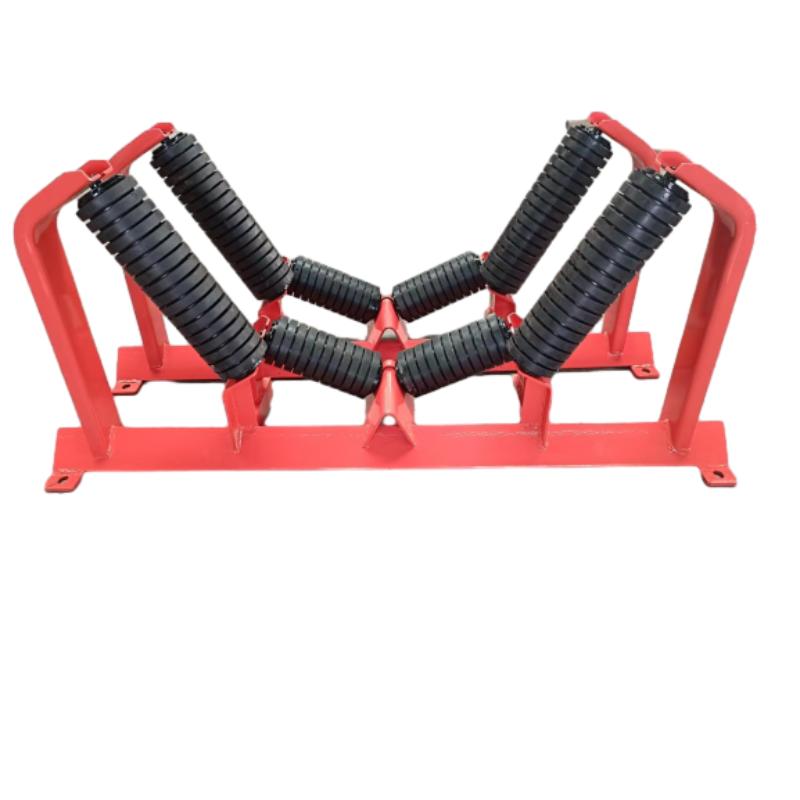
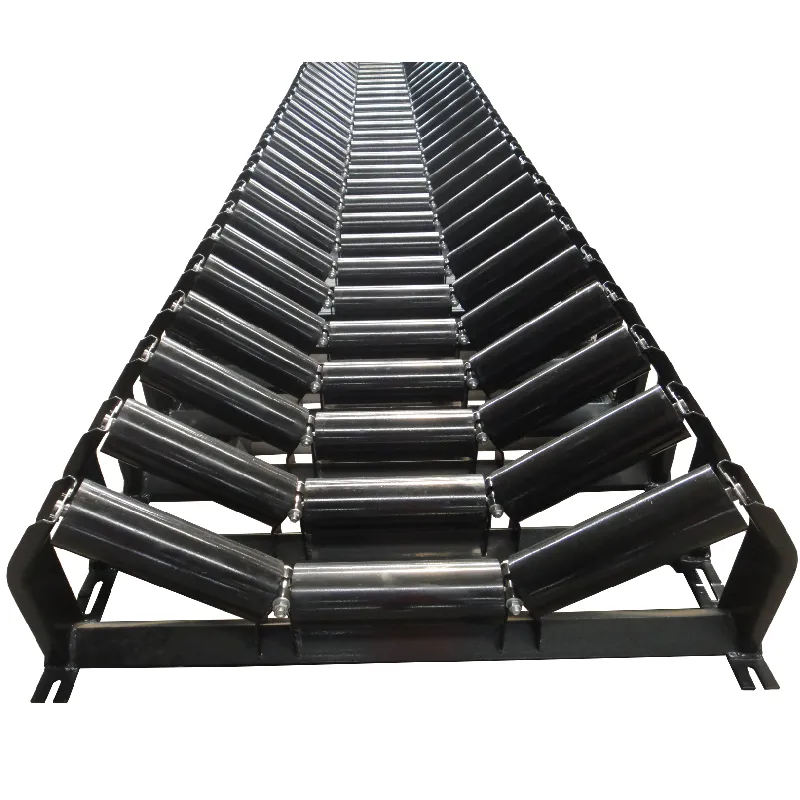
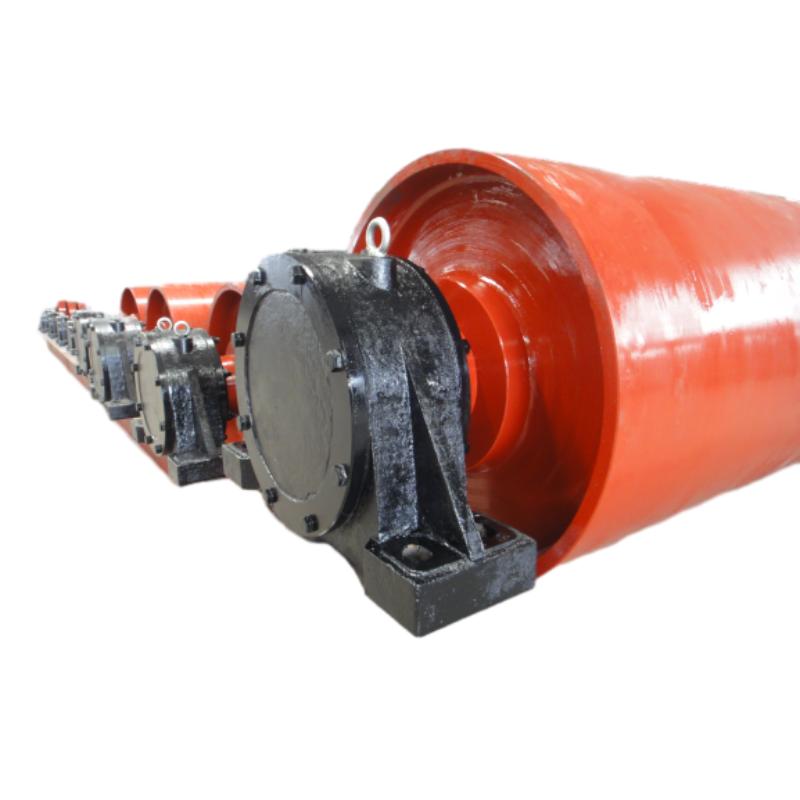
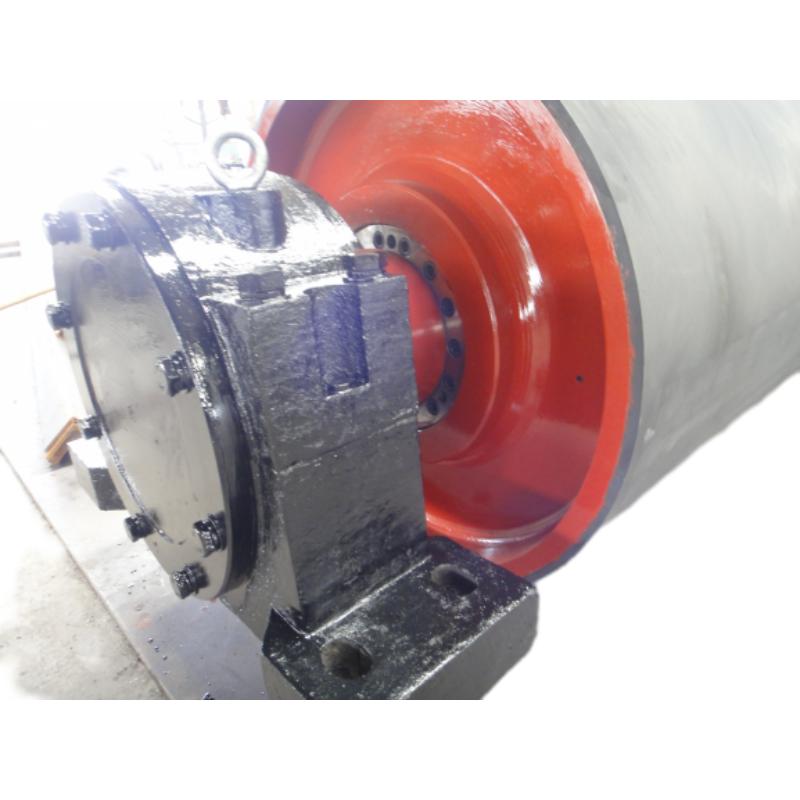
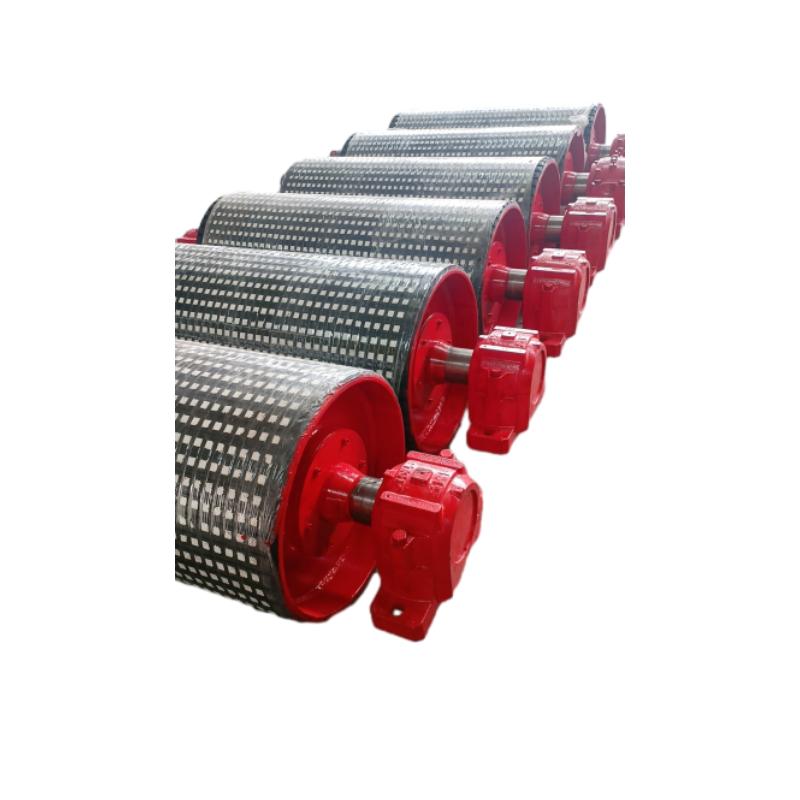
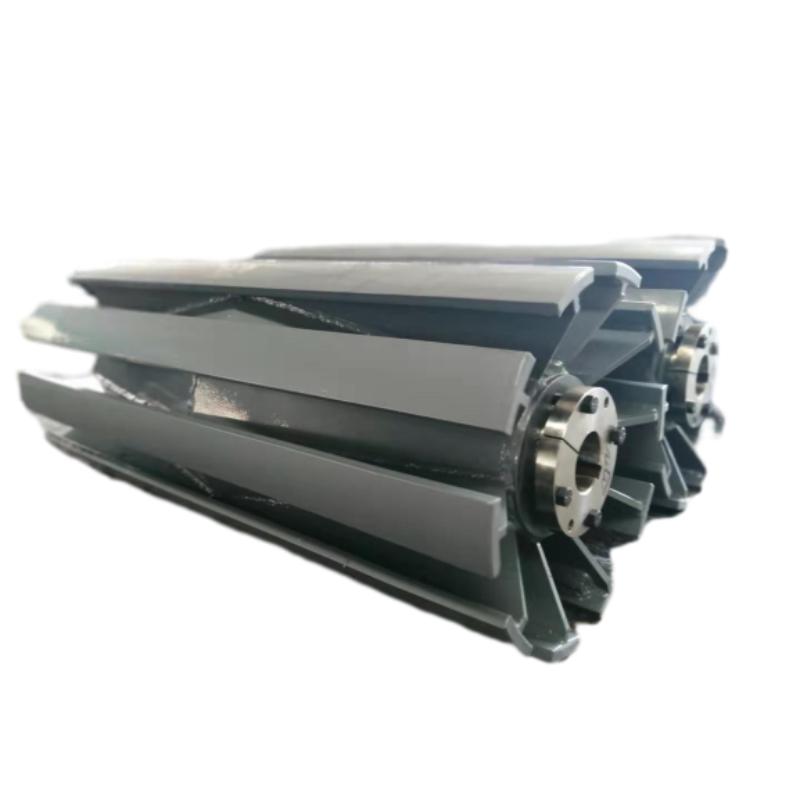
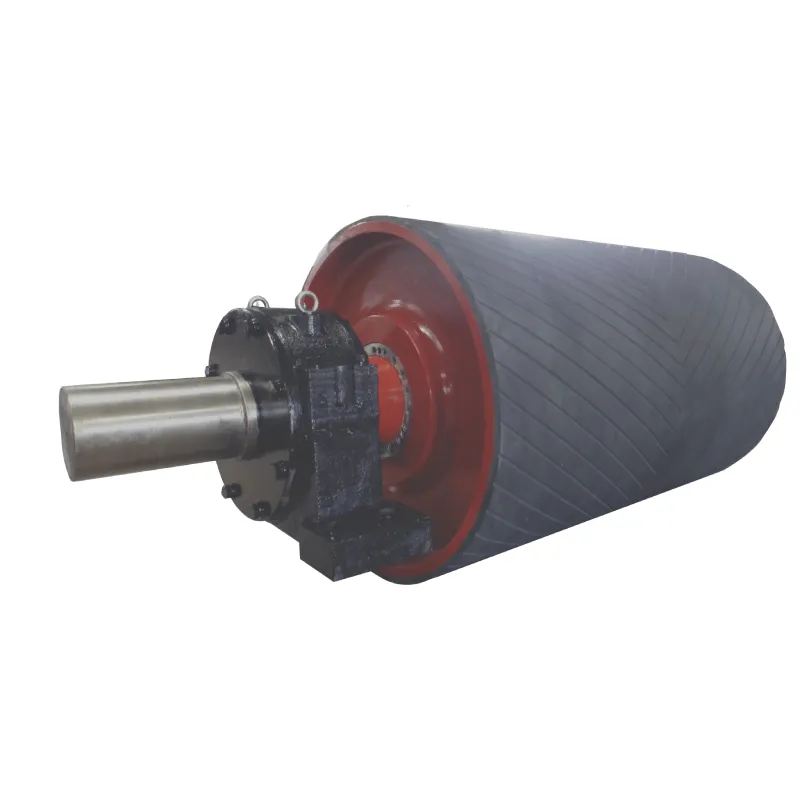
Simply put: conveyor belt idler rollers are cylindrical components installed underneath or alongside the conveyor belt to support it and the materials it carries. They minimize friction and keep the belt running smoothly without drooping or misalignment. It’s a pretty elegant solution — kind of like a well-oiled wheel in a machine, ensuring everything flows effortlessly. Their importance extends beyond typical factories: they are vital in disaster relief logistics, remote mining sites, and agricultural processing — any place where moving bulk materials efficiently impacts both economic value and human welfare.
Core Components and Critical Features
1. Durability and Material Quality
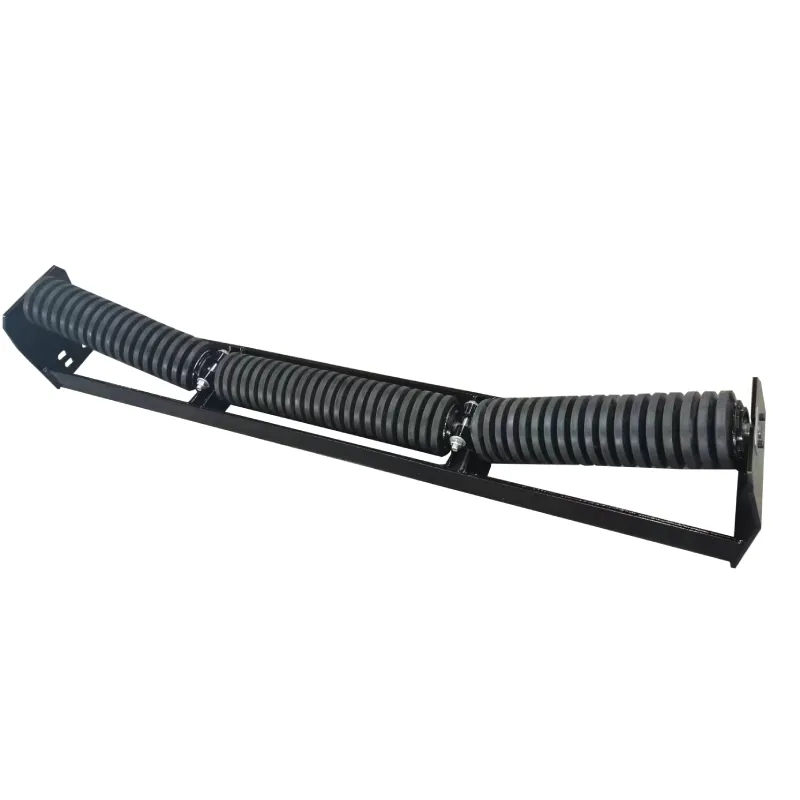
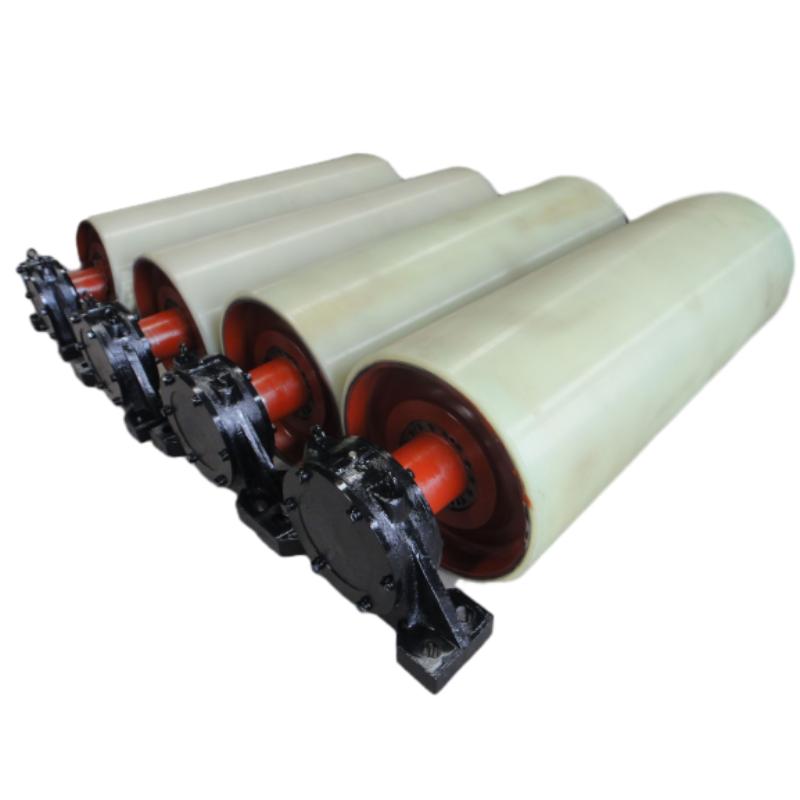
These rollers endure constant stress, dust, and sometimes corrosive environments. Most idler rollers are made with steel or high-grade plastics, often with rubber coatings for grip and noise reduction. I often hear engineers stress: the real test is how rollers withstand wear over thousands of operating hours without needing replacement.
2. Load Capacity
They need to hold tons of material safely. Load capacity depends on roller diameter, material, and bearing type. Sometimes you’ll see rollers rated for anywhere between 100 kg to several tons individually, which is quite impressive when you think about it.
3. Energy Efficiency
Friction kills. The right selection of bearings and roller design reduces energy loss. That means lower power bills and a reduced environmental footprint — something industries are increasingly prioritizing.
4. Modularity and Ease of Maintenance
Interestingly, conveyors often run 24/7, so quick maintenance is essential. Modular idler rollers, with easy replacement designs, save precious downtime. Some systems allow replacing rollers without dismantling large sections — which frankly can be a game-changer in continuous production environments.
5. Adjustability and Customization
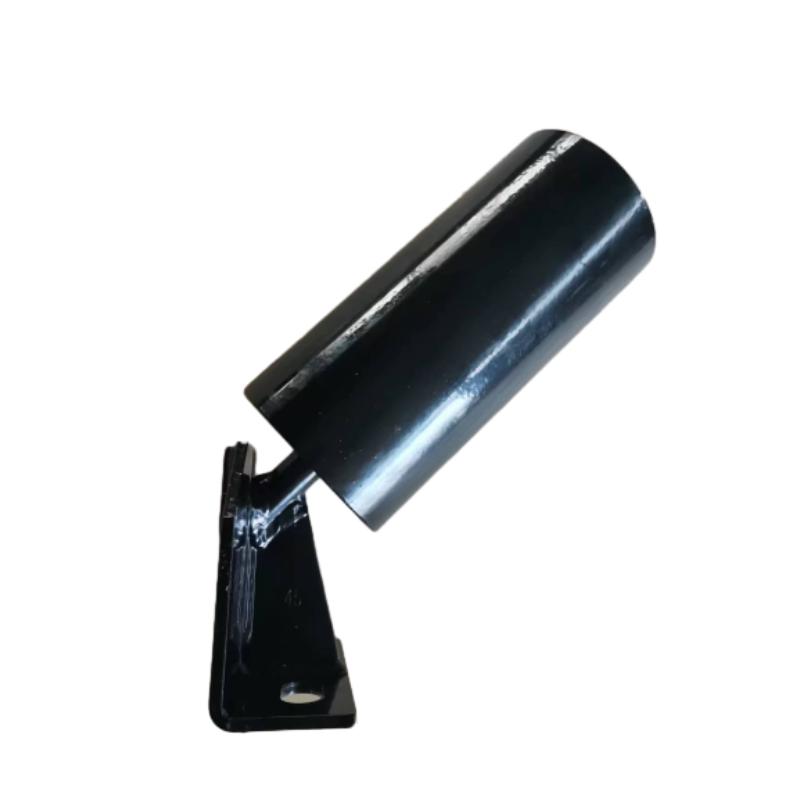
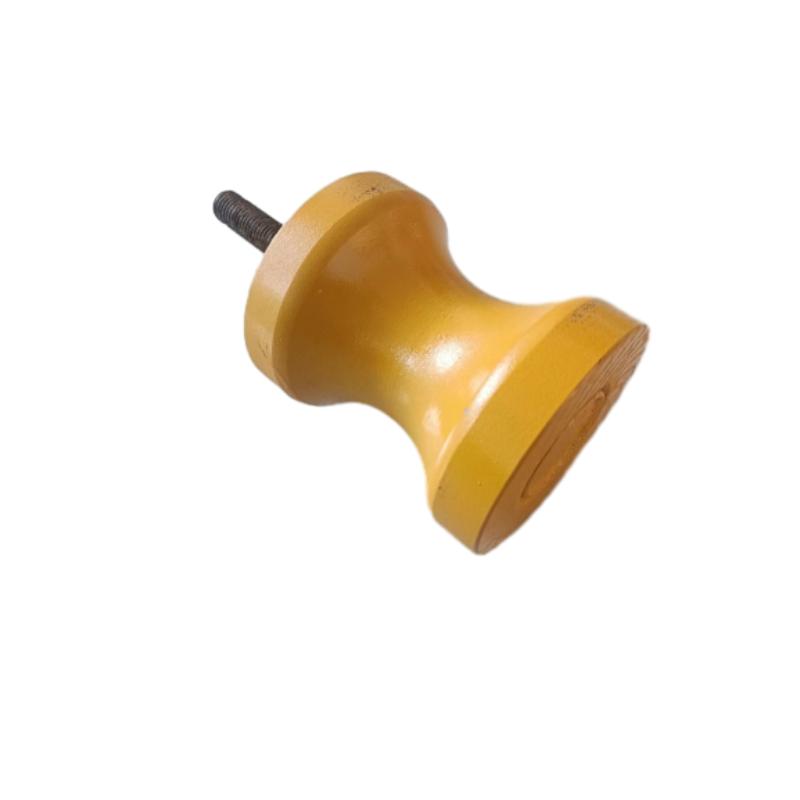
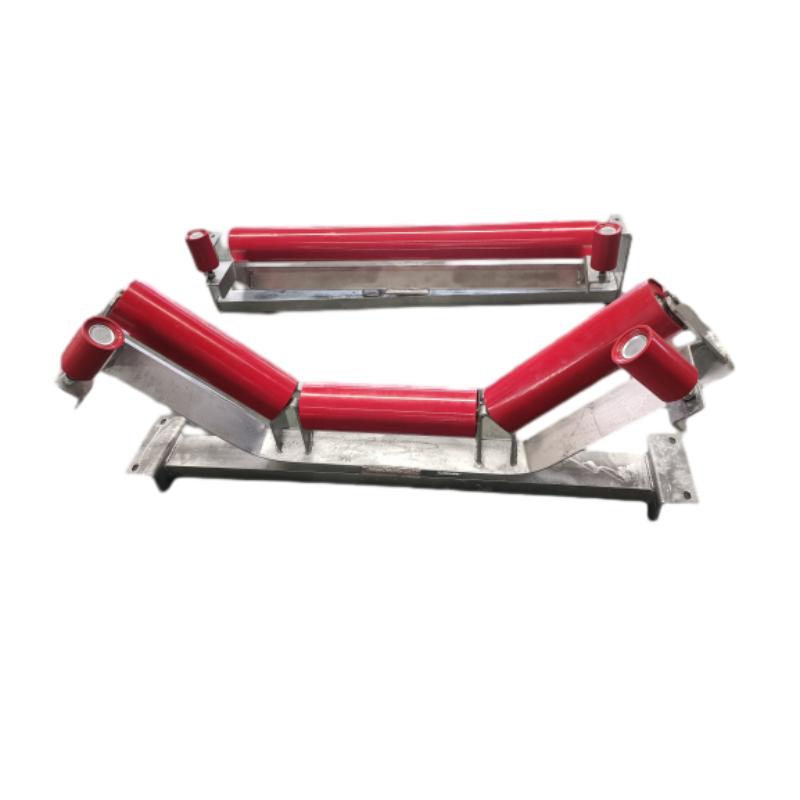
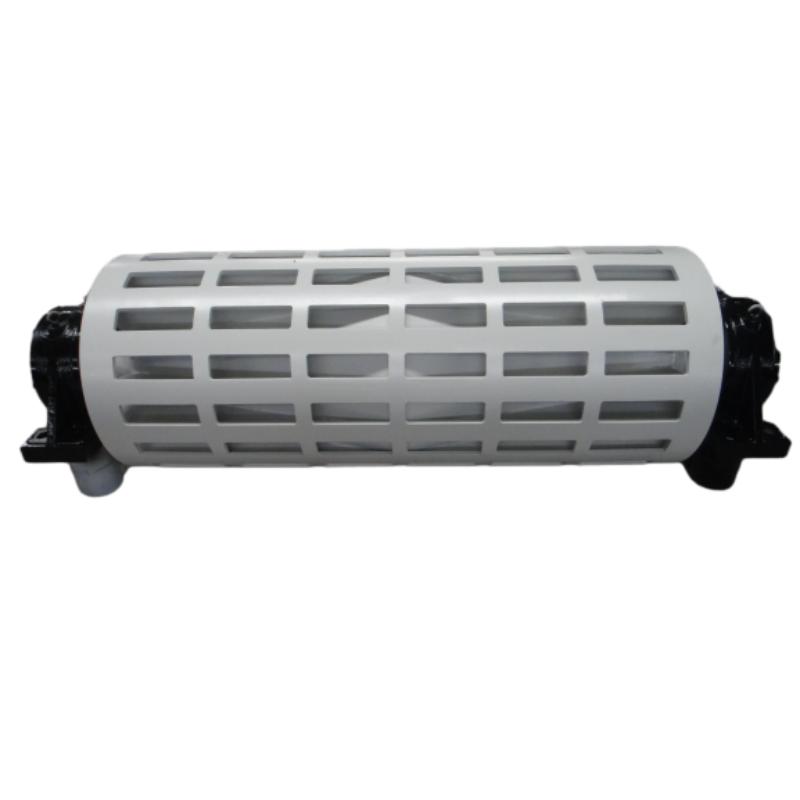
Not all conveyor belts are created equal. Depending on belt width, speed, and material type, rollers vary in size, type (return rollers, troughing rollers, impact rollers), and mounting styles. Customization ensures optimized performance and longer lifespan.
Product Specification Table
| Specification | Typical Range | Remarks |
|---|---|---|
| Roller Diameter | 50mm – 219mm | Larger diameters support heavier loads |
| Material | Galvanized Steel, Polyurethane, Rubber-coated | Environment-dependent choice |
| Load Capacity | 100 kg to 8000 kg per roller | Varies by bearing and roller size |
| Operating Temperature | -40°C to 80°C | Standard industrial range |
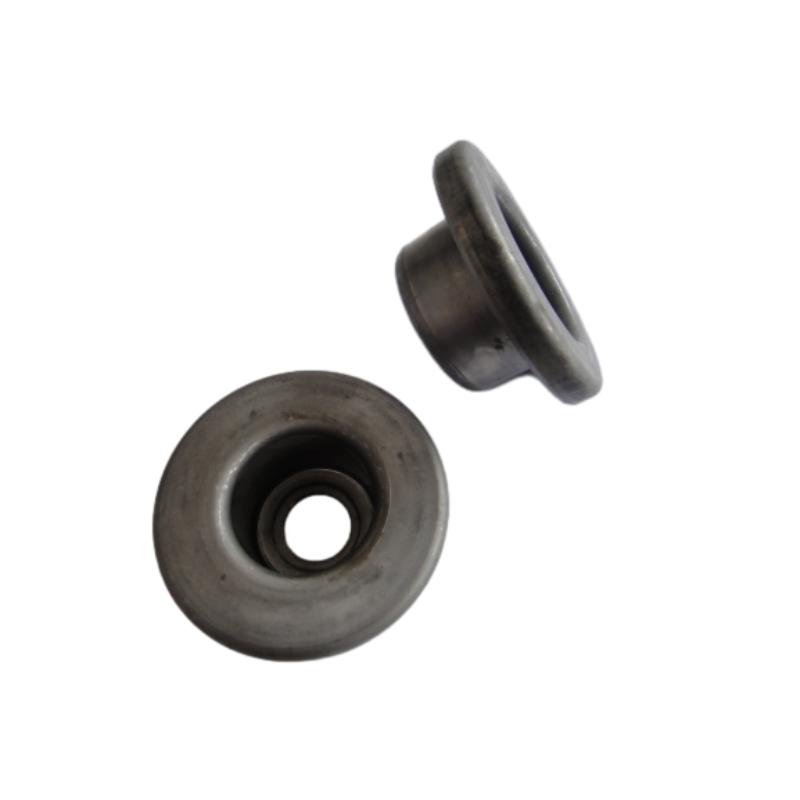
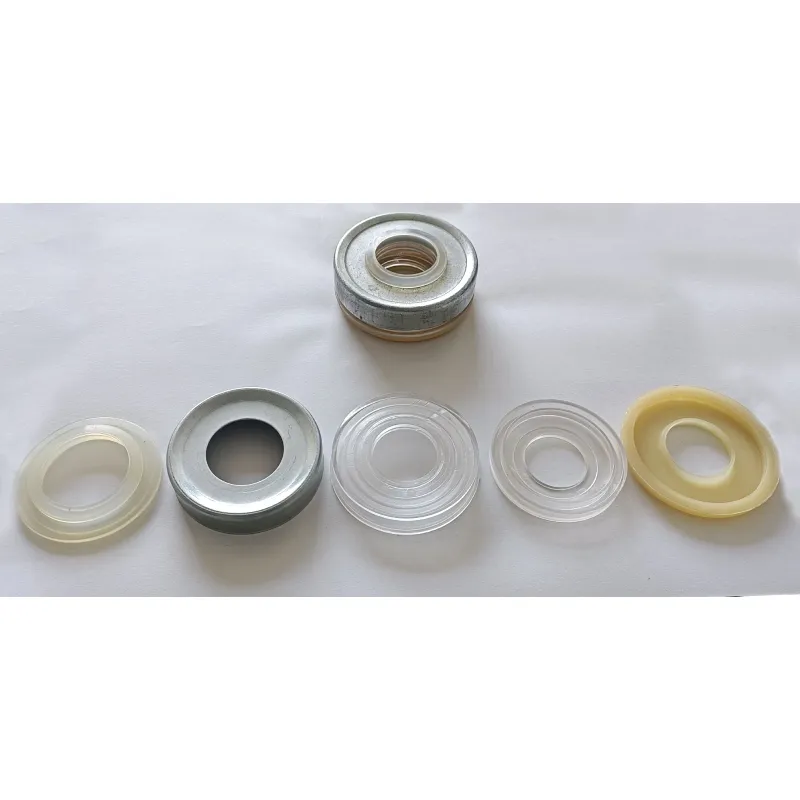
| Bearing Type | Sealed ball, roller, or tapered bearings | Sealed designs for dust resistance |
Global Applications and Use Cases
Conveyor belt idler rollers aren’t just a staple of miners in Australia or factory workers in Germany — they show up in all corners of the world.
- Mining in South America: Harsh environments demand corrosion-resistant rollers. Chile’s copper mines, for instance, depend on specialized idlers to keep massive ore conveyors running.
- Agriculture in Sub-Saharan Africa: Grain processing plants rely on lightweight yet durable rollers to keep costs down and efficiency up, helping reduce post-harvest losses.
- Post-Disaster Relief Logistics: In recent natural disaster zones, modular conveyor setups with robust idler rollers speed up debris clearance and distribution of aid supplies, saving time and lives.
- Manufacturing Hubs in Southeast Asia: Fasteners and assembly lines, such as in Vietnam and Malaysia, require precise roller alignment for quality control and quick turnover.
You can pick up more detailed insights into roller applications at conveyor belt idler rollers.
Advantages and Long-Term Value
In real terms, investing in high-quality conveyor belt idler rollers means:
- Reduced Energy Use: Smoother bearings lower friction, saving operational costs.
- Less Downtime: Durable rollers prevent conveyor failures, keeping production steady.
- Enhanced Safety: Properly aligned conveyors reduce belt slippage and material spills, protecting workers.
- Extended Equipment Life: Idlers bear the brunt, so better rollers mean longer belt lifespan.
- Environmental Gains: Efficient rollers minimize waste and energy consumption, aligning with green policies.
It feels like a small piece, but it’s indispensable in building trust and innovation within supply chains.
Future Trends and Innovations
Technology is catching up with even the humblest conveyor parts. Here’s what’s shaping the future:
- Smart Rollers: Embedded sensors track roller condition in real-time, anticipating failures before they happen. This predictive maintenance tech is gaining steam globally.
- Advanced Materials: High-performance polymers and composites offer lighter, more corrosion-resistant rollers. It means less wear and easier replacement.
- Eco-friendly Designs: Manufacturers aim for rollers recyclable at end-of-life and made of sustainable materials.
- Automation Integration: As conveyor systems get automated with AI controls, idler rollers with responsive feedback loops are becoming essential.
Challenges and Solutions
Of course, nothing’s perfect. Common issues include premature bearing failure, wear under abrasive materials, and difficulty maintaining rollers in remote sites. However, experts suggest:
- Using sealed, high-grade bearings to combat dust and moisture.
- Regular lubrication schedules plus sensor-based monitoring for early alerts.
- Field-deployable roller replacement kits to reduce downtime in difficult environments.
Many companies now also offer modular conveyor systems where rollers can be swapped quickly, embracing a “design for maintenance” philosophy.
FAQ: Frequently Asked Questions About Conveyor Belt Idler Rollers
- What types of materials are conveyor belt idler rollers made from?
- Idler rollers are commonly made from galvanized steel, stainless steel, or engineered polymers. Rubber coatings are sometimes added to reduce noise and increase grip. The material choice depends on environmental conditions like temperature, moisture, and exposure to chemicals.
- How often should idler rollers be replaced?
- Replacement depends on usage, but generally, rollers last between 3-5 years under normal operating conditions. Regular inspections can catch wear early, especially bearing condition and surface damage.
- Can conveyor belt idler rollers be customized?
- Absolutely. Depending on conveyor width, load requirements, and operational environment, rollers can be tailored in diameter, length, load capacity, and coating material to optimize performance.
- Are there energy-saving benefits from using better idler rollers?
- Yes. Rollers with precision bearings and smooth surfaces reduce friction, which lowers energy consumption for motor drives — sometimes saving up to 10% in power costs over a system’s lifetime.
- Where can I find reliable suppliers of conveyor belt idler rollers?
- Many global manufacturers specialize in this niche. It’s wise to compare based on quality certifications, warranty terms, and after-sales support. For more details, visit conveyor belt idler rollers.
Vendor Comparison Table
| Vendor | Product Range | Certifications | Lead Time | Warranty |
|---|---|---|---|---|
| Idlera Ohua | Standard & Custom Rollers | ISO 9001, CE | 2–3 weeks | 2 years |
| RollTech Global | Heavy Duty Industrial Rollers | ISO 14001 | 4 weeks | 3 years |
| EcoRoller Systems | Eco-friendly & Recycled Materials | RoHS, REACH Compliant | 3 weeks | 1 year |
Conclusion and Call to Action
In sum, conveyor belt idler rollers might be the quiet workhorses, but their impact resonates loudly across industries worldwide. They keep operations efficient, safe, and sustainable — a perfect example of how small parts carry big responsibility. Ready to improve your industrial efficiency with trusted components? Visit us at https://www.idleraohua.com to explore our range and expert services.
In the end, sometimes the smallest roller makes the biggest difference.
References
-
Maximize Conveyor Life with a High Performance impact bedNewsApr.16,2026
-
Maximize Conveyor Efficiency Using a v plow belt scraperNewsApr.09,2026
-
Comprehensive Guide to Understanding Different Types of Belt CleanersNewsApr.07,2026
-
Enhancing Conveyor Efficiency with an Effective Scraper Belt CleanerNewsApr.04,2026
-
Optimizing Conveyor Systems with Advanced Cleaning Equipment SolutionsNewsMar.31,2026
-
Effective Conveyor Belt Scraper Adjustment for Optimal System PerformanceNewsMar.28,2026