

Cone Roller: Essential Conveyor Component for Global Industries
What Exactly Is a Cone Roller and Why Should We Care?
If you’re new to industrial machinery or conveyor systems, the term "cone roller" might sound a bit mysterious – maybe even oddly specific. But in the manufacturing, logistics, and materials handling industries, cone rollers quietly play a crucial role in ensuring smooth transport and efficient operations. Globally, the way conveyor components like cone rollers contribute to production lines impacts everything from farming and mining to packaging and post-disaster relief logistics. Cone rollers help guide, support, and stabilize items moving along conveyor belts, especially where changing angles or twists are involved. Understanding them helps companies reduce downtime, cut maintenance costs, and increase workplace safety—a trifecta that’s vital in industries that keep the global economy humming.The Global Conveyor Landscape and Cone Roller’s Place in It
The conveyor market is expected to reach a valuation north of $12 billion by 2027, according to recent industry analyses, driven largely by burgeoning e-commerce and automation adoption worldwide (Statista, 2023). Within that ecosystem, components like cone rollers are small but vital cogs ensuring conveyors can handle increasingly complex materials flow. Industrial hubs in Asia, Europe, and North America increasingly rely on conveyor tech to streamline warehousing, food processing, and parts assembly. However, conveyor belts often face challenges—misalignment, wear and tear, or load instability—that cone rollers directly address. I’ve noticed in field visits that conveyors without adequate roller support can cause frequent belt damage or product jams—costly delays in tight schedules. Globally, better-designed cone rollers contribute to sustainability goals by extending equipment life and reducing resource waste through fewer replacements.Defining the Cone Roller: A Simple Explanation
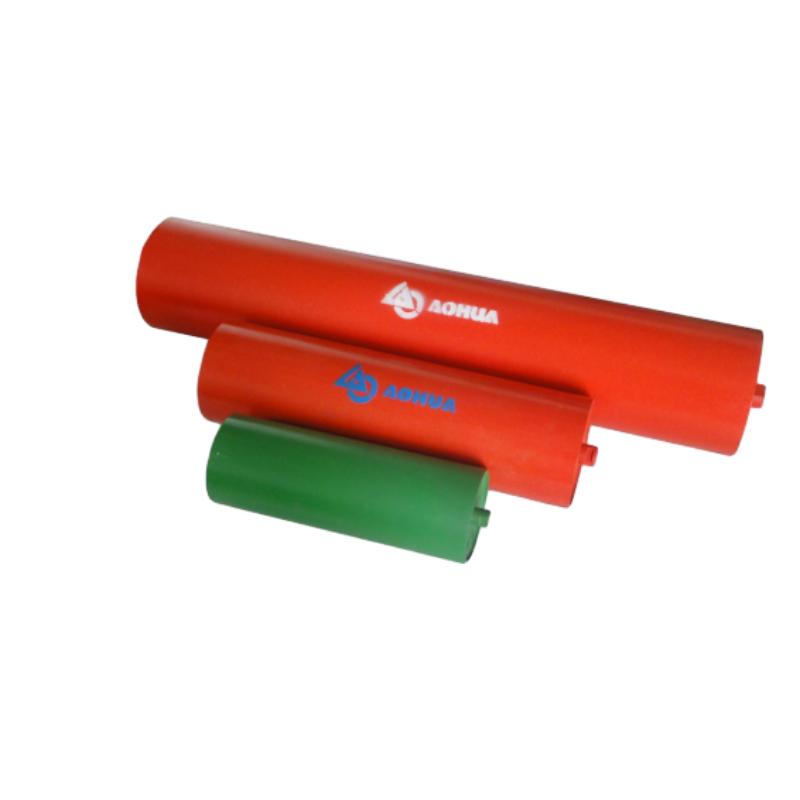
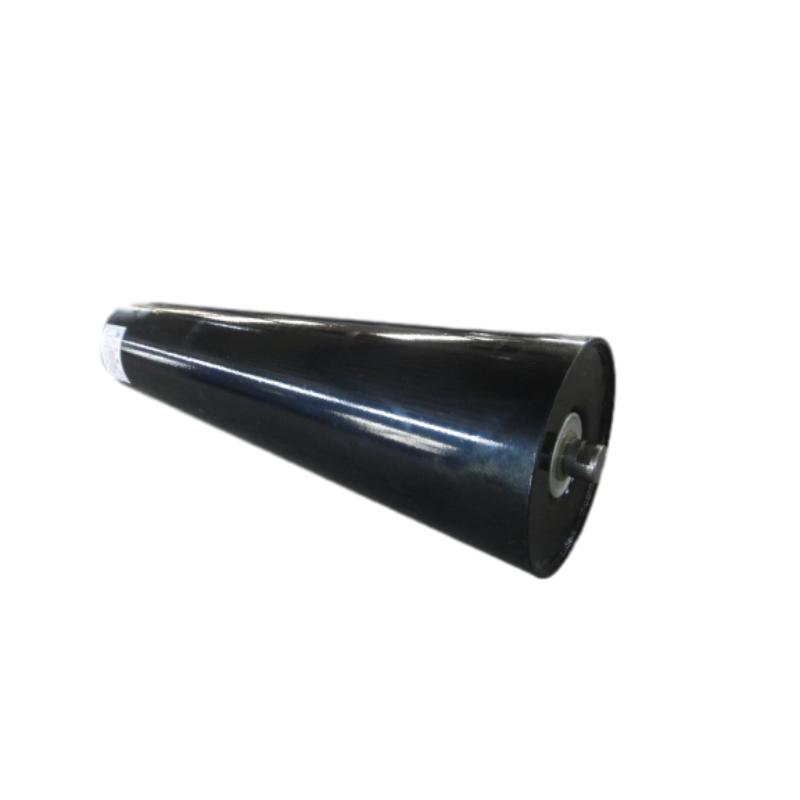
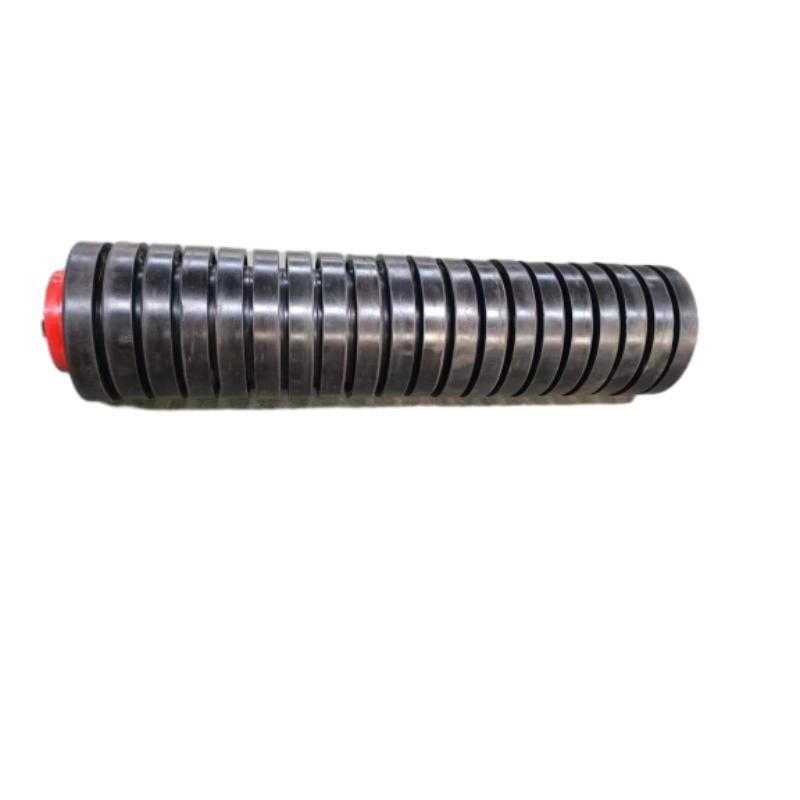
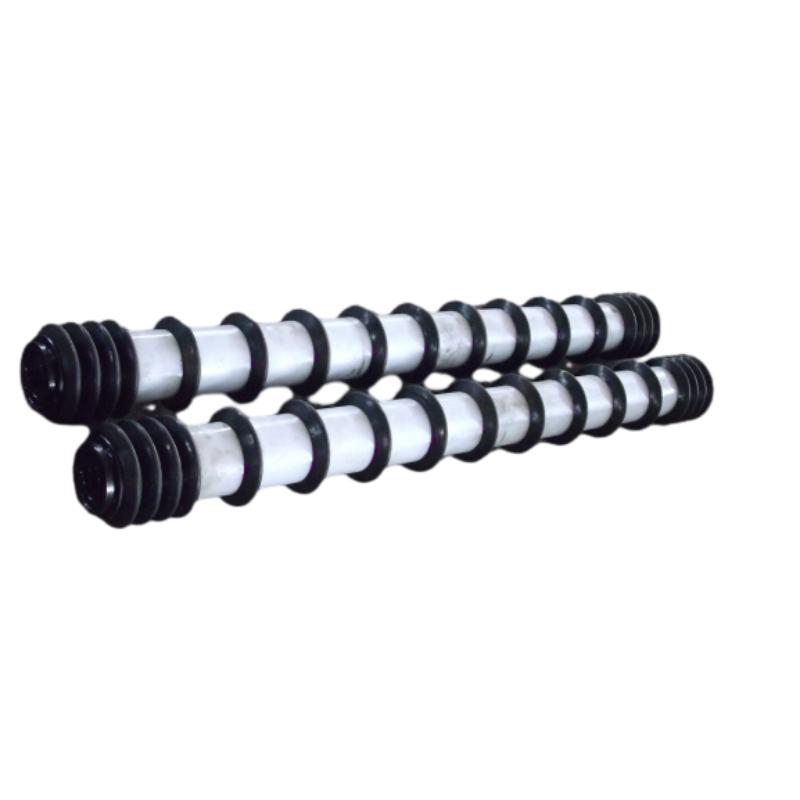
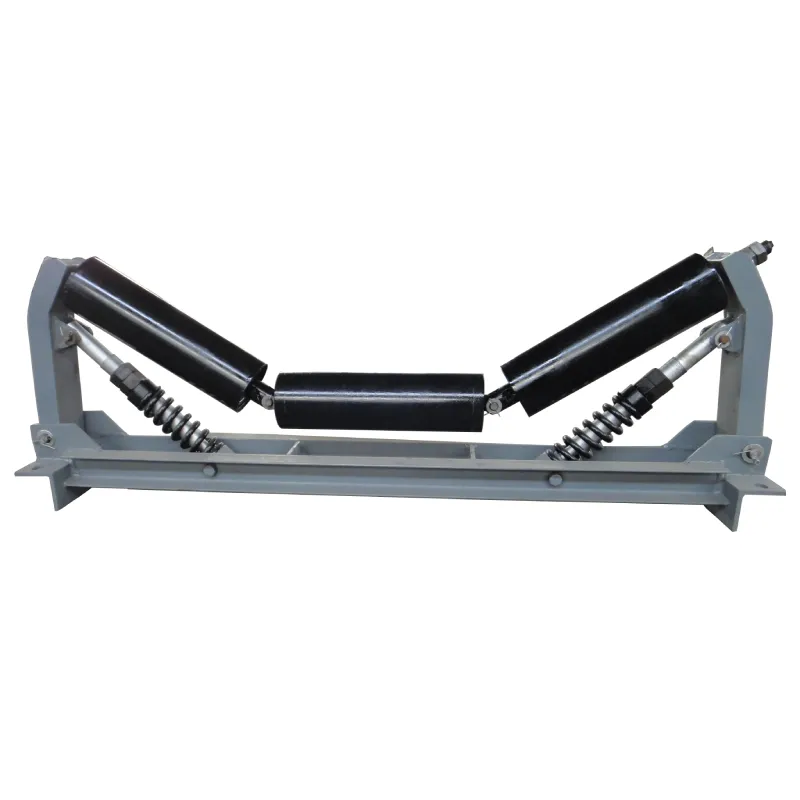
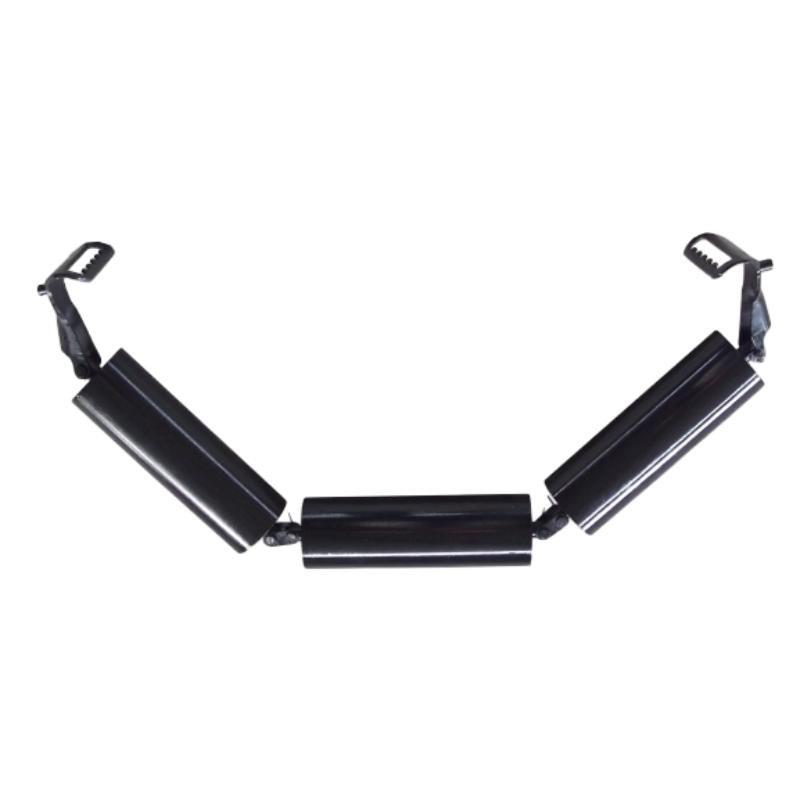
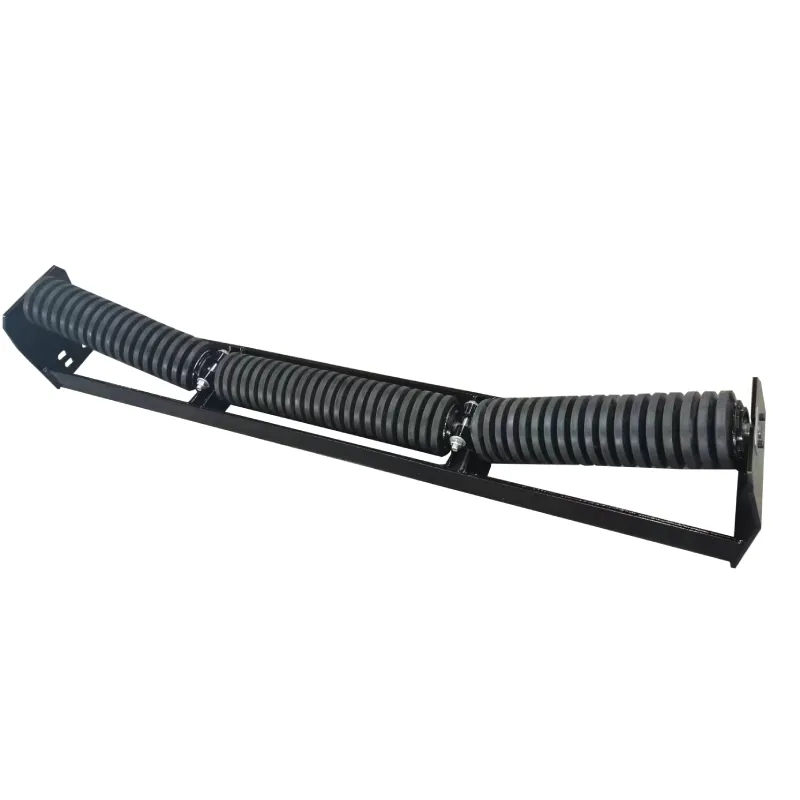
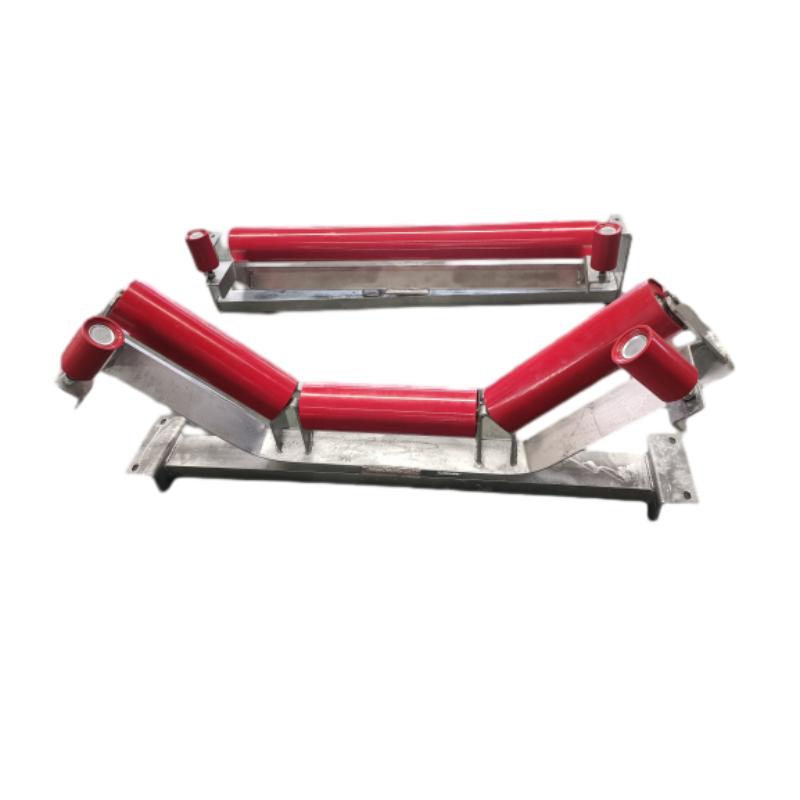
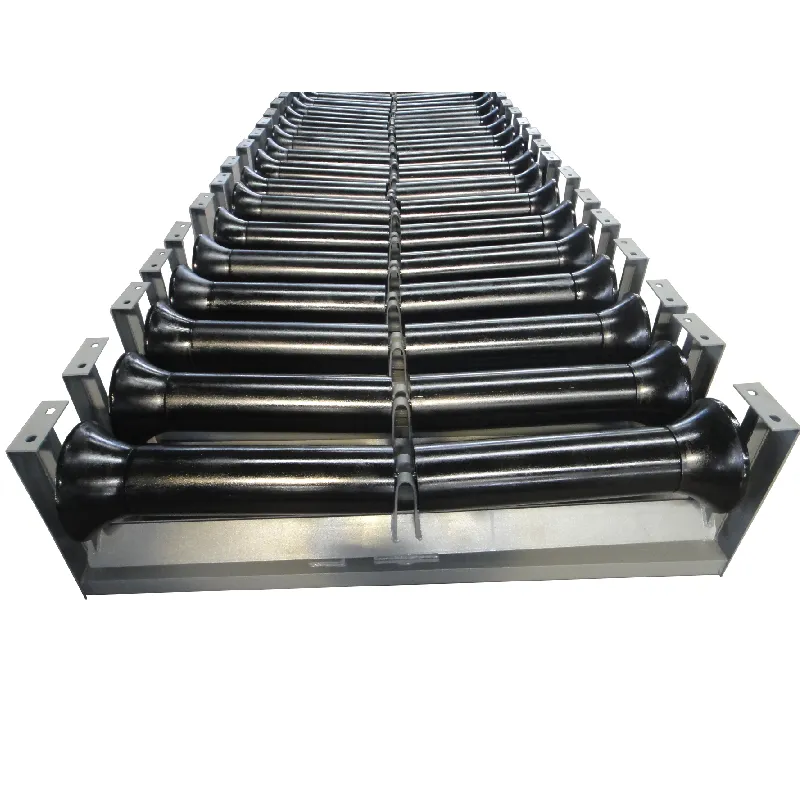
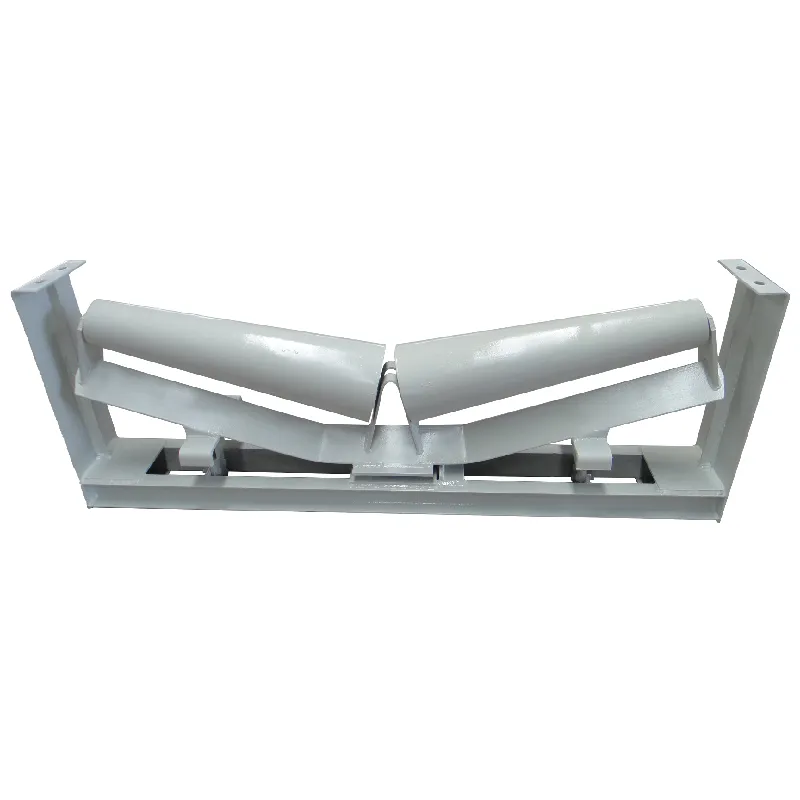
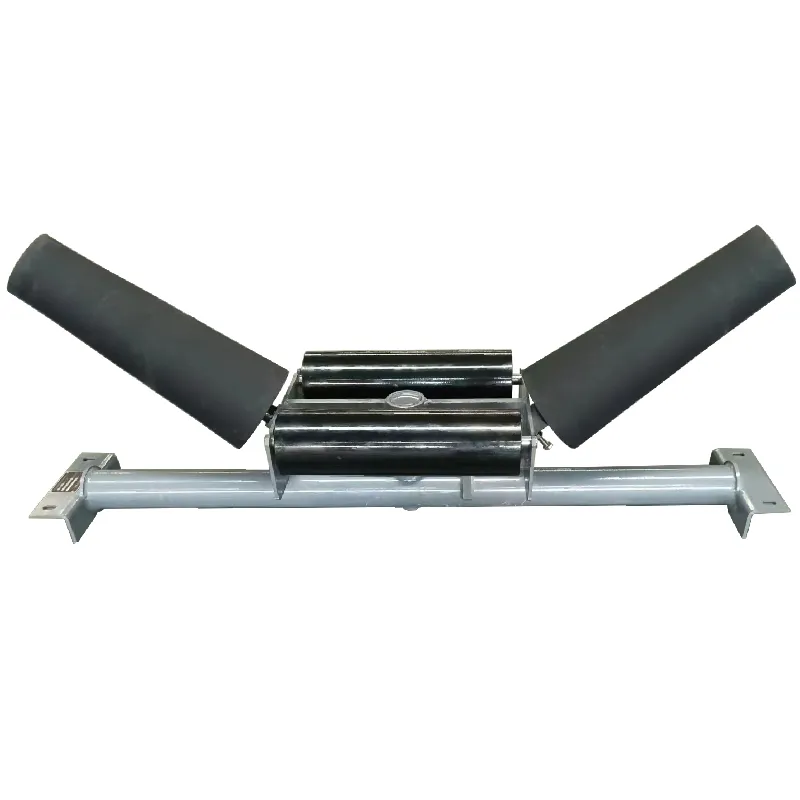
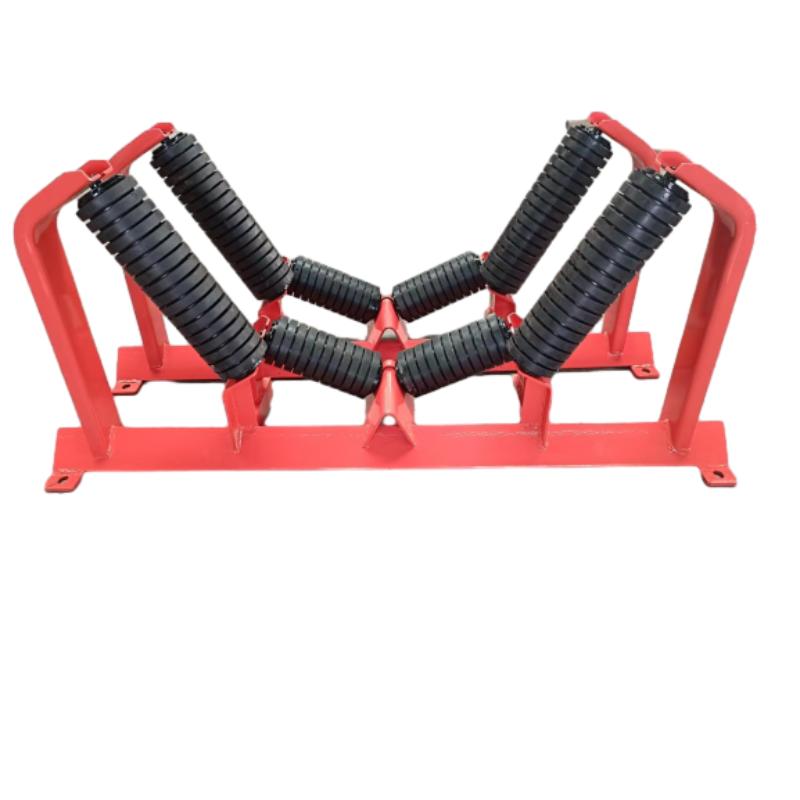
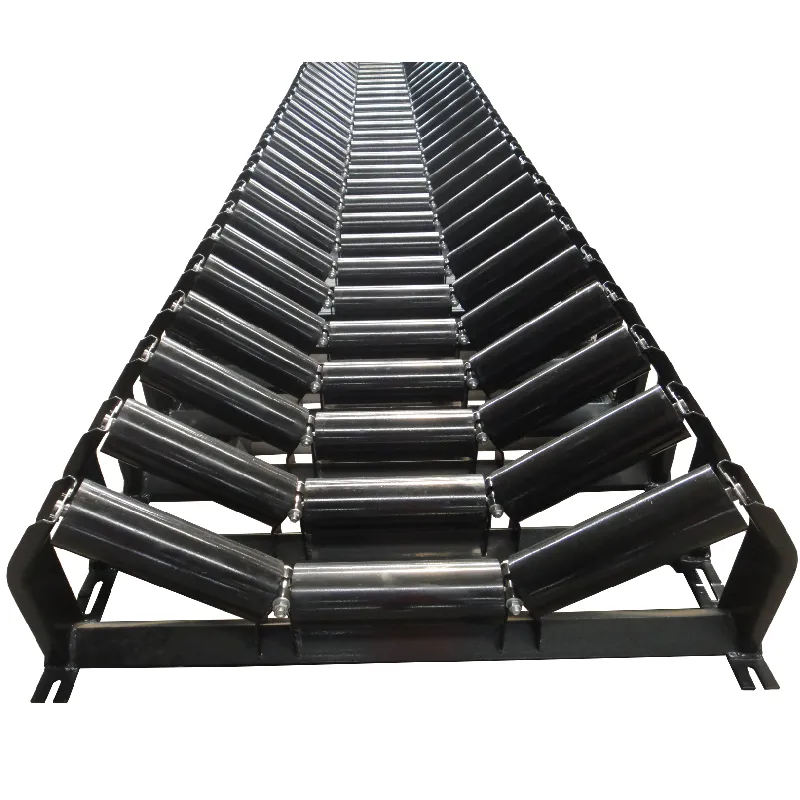
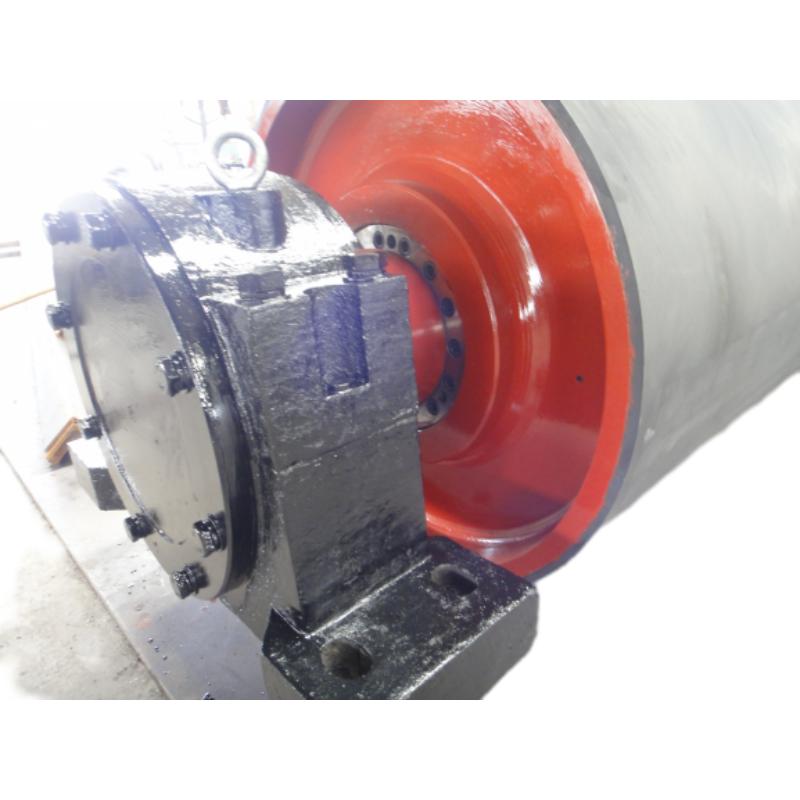
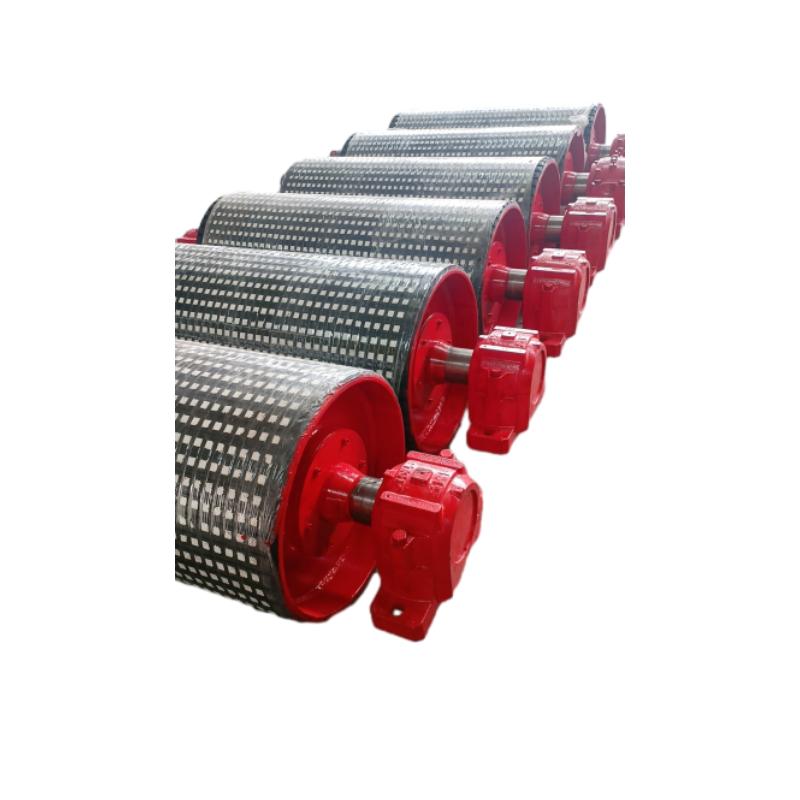
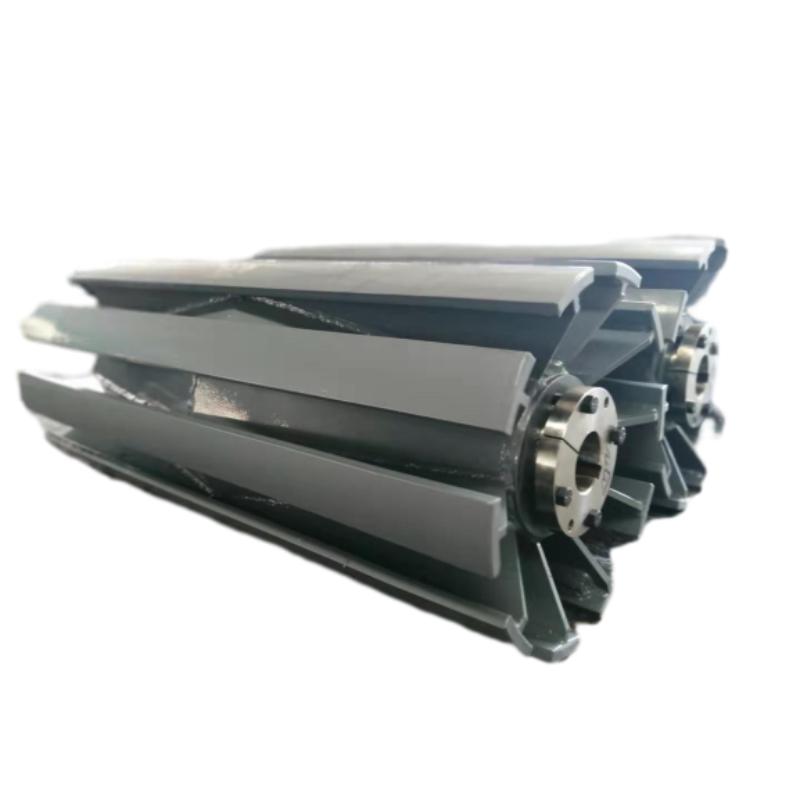
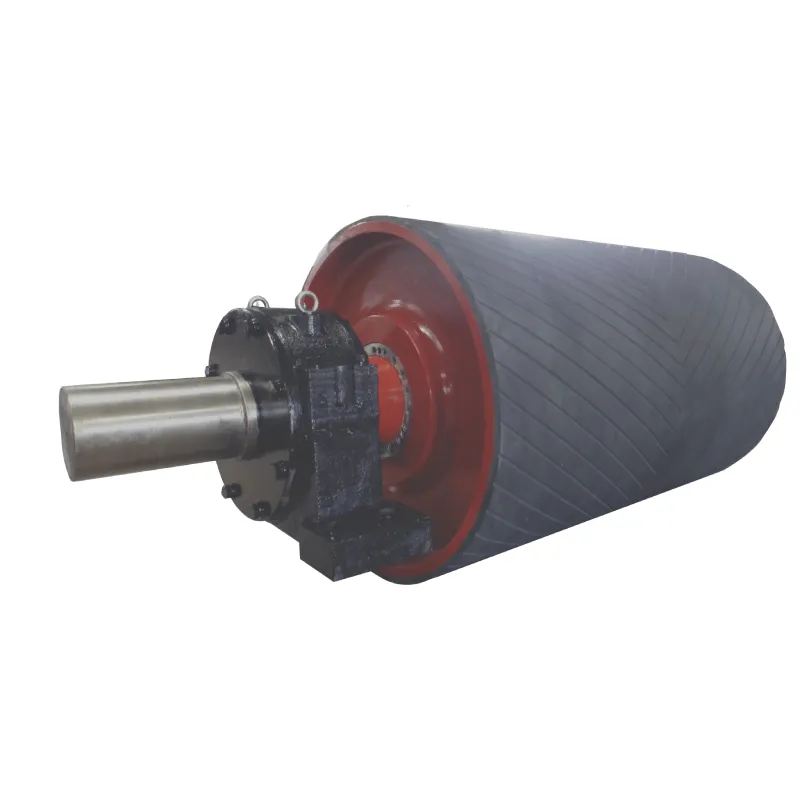
Put simply, a cone roller is a tapered cylindrical device placed along a conveyor that helps keep belts aligned, reduces friction at bends, and allows varying product widths to pass smoothly. Unlike traditional cylindrical rollers, the cone shape accommodates directional shifts, guiding the belt's edges or materials carefully. Imagine a warehouse conveyor system moving mixed pallets: The cone roller helps ensure that loads unlikely to skew off or cause spill-overs when the belt curves or merges. For industries like mining or recycling, where irregular shapes dominate, this is a game changer. They’re not just industrial gadgets; they reflect a subtle blend of mechanical engineering and materials science designed for “real world” versatility.Key Features of Cone Rollers
1. Durable Construction
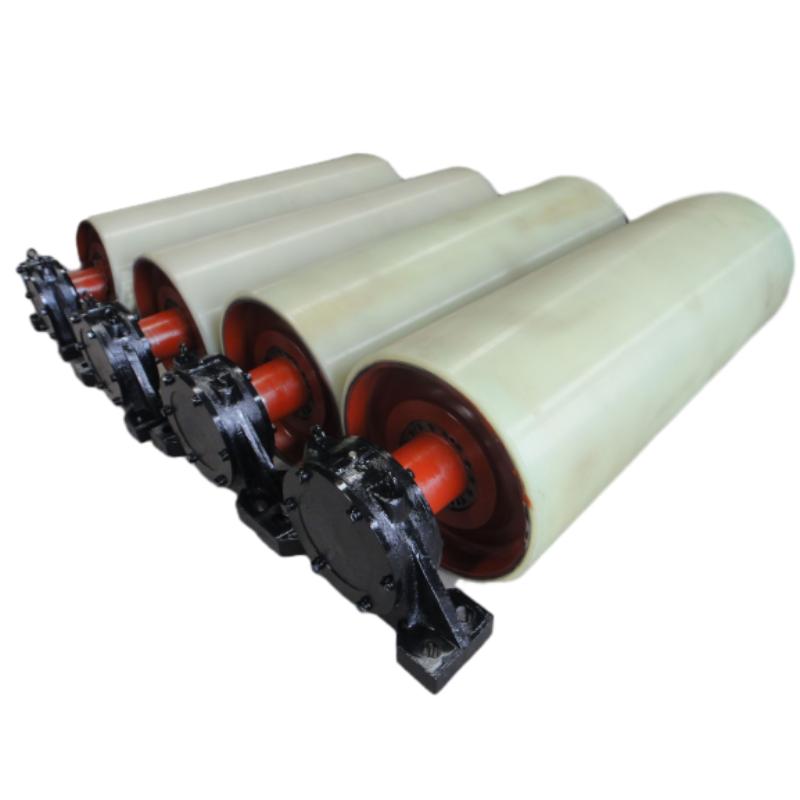
High-quality cone rollers are typically made from stainless steel, rubber-coated steel, or engineered polymers. This mix ensures resilience against corrosion, abrasion, and impact—critical in harsh environments, from cold storage to dusty quarries.2. Adjustability and Customization
Since conveyors vary widely, cone rollers often come in customizable diameters, tapers, and lengths. This adaptability means they can be tailored for light package handling or heavy bulk materials alike.3. Low Maintenance Needs
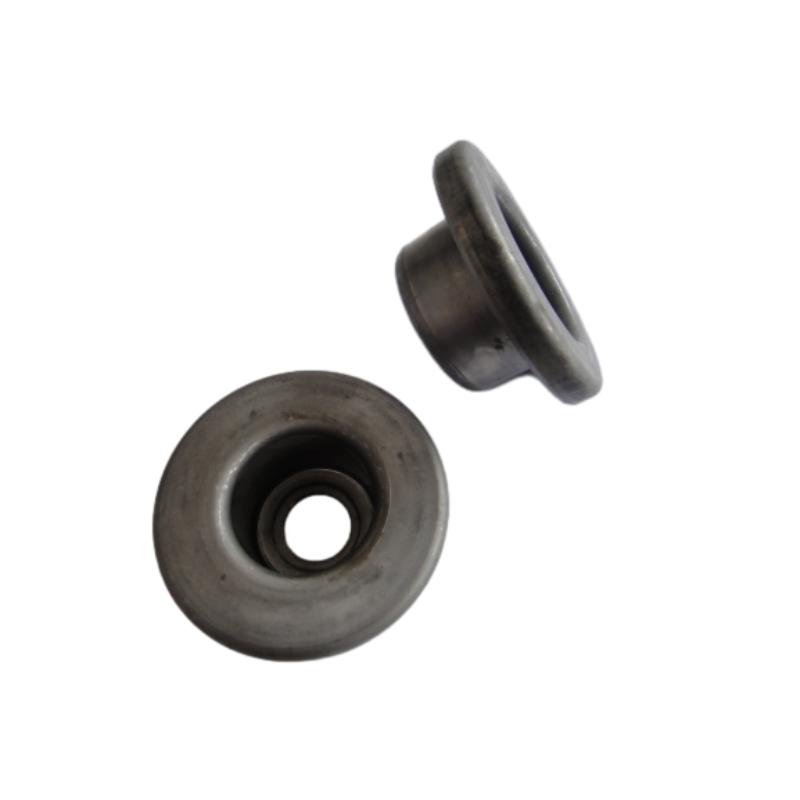
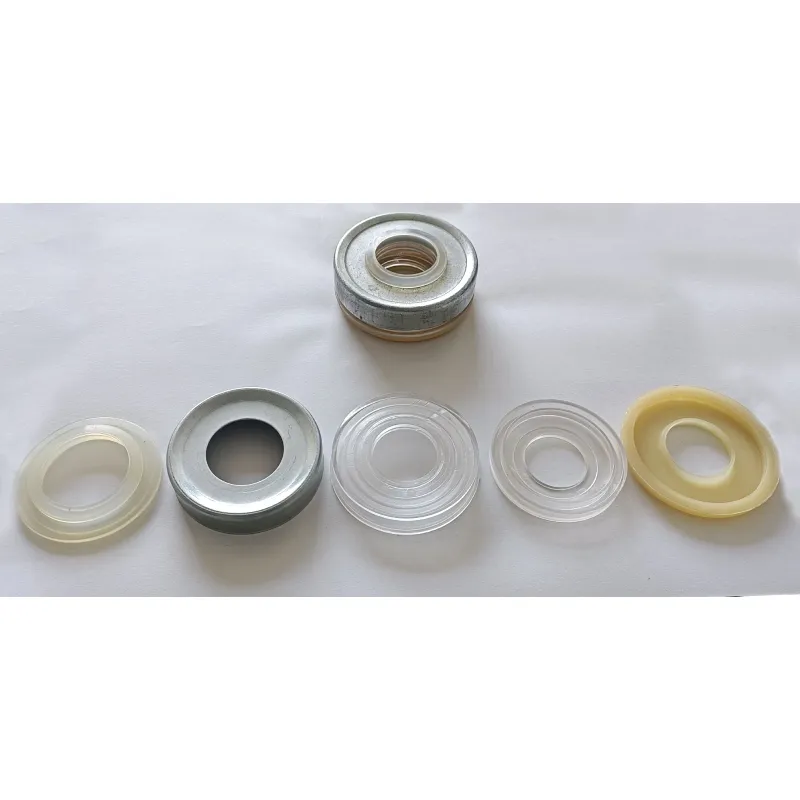
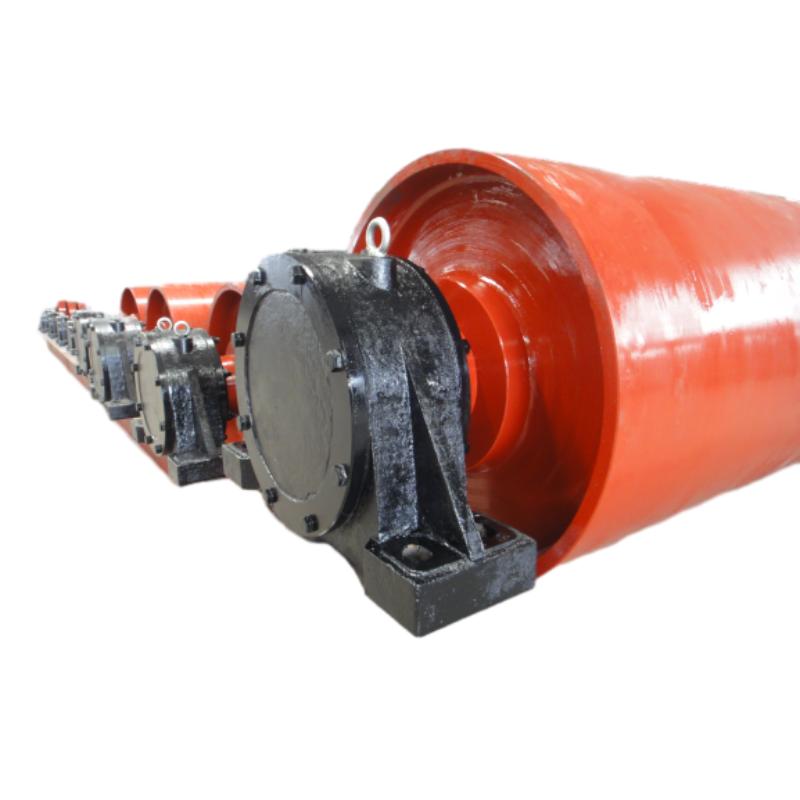
Well-made cone rollers run on durable bearings or bushings, reducing downtime for repairs. Many engineers I’ve spoken to swear by sealed bearings that guard against dirt and moisture—especially outdoors.4. Energy Efficiency
Reducing friction with smart roller design helps conveyor motors operate at lower power equivalents, an often overlooked benefit but quite real in prolonged operational cost savings.5. Safety Enhancement
Properly aligned and stable conveyors prevent product spillage and mechanical failures—avoiding workplace injuries and product loss downstream.Mini takeaway: Cone rollers aren’t just rolling parts—they’re delicate problem solvers that juggle durability, adaptability, and safety to keep your conveyors rolling smooth and long.
How Cone Rollers Are Used Across the Globe
Cone rollers find homes in a variety of industries worldwide:- Mining Regions: In rugged fields like Australia or South Africa, cone rollers on conveyors haul heavy, irregular ore efficiently.
- Disaster Relief Efforts: NGOs use conveyors with cone rollers to quickly move supplies where rough terrain or temporary setups make conventional belts problematic.
- Food & Beverage Plants: Ensuring delicate products don’t fall off belts during directional changes.
- Automotive Industry: Assembly lines in Europe or North America rely on precision rollers, including cones, to manage parts flow smoothly.
- Remote Industrial Zones: In places where maintenance is tough, cone rollers’ durability reduces downtime and logistical headaches.
Real Benefits of Using Cone Rollers
Why bother with cone rollers if regular cylindrical rollers exist? The short answer: better long-term operational efficiency and peace of mind.- Cost Savings: Longer equipment life, fewer replacements, and less energy use add up quickly.
- Sustainability: Lower resource consumption and waste reduction make them a friendlier choice environmentally.
- Safety and Employee Wellness: Avoiding spillage or misalignment helps protect workers on busy lines.
- Reliability: Trustworthy conveyor performance means deadlines met and less frantic troubleshooting.
- Feel-Good Factors: It may sound sentimental, but companies that invest in quality conveyor parts often experience better staff morale and client trust.
What’s Next? Innovations and the Future of Cone Rollers
The conveyor industry is edging into a future with smart materials and automation integration:- Green Materials: Bioplastics and recycled rubber coatings rise in popularity, turning roller production more circular.
- IoT and Sensor Integrations: Embedded sensors track roller wear and alignment, sending alerts before failures occur.
- Automated Adjustability: Some manufacturers work on dynamically adjustable cone rollers that adapt on-the-fly to varied loads.
- Improved Bearing Technologies: Ceramic and hybrid bearings enhance lifespan and reduce friction further.
Challenges in Current Cone Roller Usage—and How to Solve Them
Despite perks, some issues persist:- Initial Cost: Higher quality cone rollers can be pricier upfront, which deters smaller operations.
- Compatibility: Not all conveyors are designed for easy cone roller installation; retrofitting can be tricky.
- Maintenance Expertise: Skilled personnel is needed to inspect and replace rollers properly.
Product Specification Table
| Specification | Typical Range | Notes |
|---|---|---|
| Roller Diameter | 50mm - 200mm | Varies by conveyor size |
| Taper Angle | 2° - 8° | Adjustable per application |
| Material | Steel, Rubber-coated, Polymer | Selected based on environment |
| Load Capacity | Up to 1500 kg per roller | Depends on bearing quality |
| Bearing Type | Sealed Ball or Roller Bearings | For durability & low maintenance |
Comparing Popular Cone Roller Vendors
| Vendor | Price Range | Materials Offered | Warranty | Customization Options |
|---|---|---|---|---|
| RollerTech Inc. | $150 - $400 | Steel, Rubber-coated | 2 years | Full diameter & taper customization |
| ConveyAll Solutions | $120 - $350 | Polymer, Steel | 1.5 years | Standard sizes mostly |
| EcoRoll Systems | $180 - $420 | Recycled Polymers, Steel | 3 years | Custom eco-friendly coatings |
FAQ: Common Questions About Cone Rollers
Q1: How do cone rollers improve conveyor belt alignment?
Cone rollers guide belts by their tapered design, gently pulling the conveyor belt edges inward to keep them centered on the frame. This reduces tracking issues and helps prevent belt damage from rubbing against conveyor sides. They are especially helpful when belts change direction or width.
Q2: Can cone rollers handle heavy or irregular loads?
Yes, robustly built cone rollers with durable materials and high-quality bearings can support heavy and awkwardly shaped loads, making them ideal for mining, recycling, or agricultural conveyors. Proper specification is essential to match load capacities.
Q3: Are cone rollers difficult to maintain?
Most cone rollers with sealed bearings require minimal maintenance beyond periodic inspection and cleaning. However, environmental factors like dust or moisture can affect longevity, so tailored maintenance schedules are recommended for challenging locations.
Q4: Where can I find customized cone rollers?
Many vendors offer cones rollers customized by diameter, taper angle, and coatings. Companies like those listed above specialize in custom manufacturing. It's best to coordinate directly with suppliers to match your conveyor frame and operational needs.
Q5: Is it cost-effective to invest in high-quality cone rollers?
While the initial cost may be higher, longevity, reduced downtime, and energy savings typically make premium cone rollers more cost-effective over time. They help avoid unexpected breakdowns and enable smoother, safer operations.
Conclusion: Keeping Things Rolling Smoothly with Cone Rollers
In the end, the humble cone roller quietly keeps industries worldwide more efficient and safe. From mining ores down under to delivering relief supplies after a storm, these tapered workhorses align belts, reduce friction, and make complex conveyor paths manageable. Investing in quality cone rollers isn’t just nuts and bolts — it’s a practical, sustainable choice that pays off in reliability and peace of mind. If you want to explore cone roller options or need expert advice for your system, check out resources and products at cone roller. Your conveyor – and team – will thank you.References:
-
Maximize Conveyor Life with a High Performance impact bedNewsApr.16,2026
-
Maximize Conveyor Efficiency Using a v plow belt scraperNewsApr.09,2026
-
Comprehensive Guide to Understanding Different Types of Belt CleanersNewsApr.07,2026
-
Enhancing Conveyor Efficiency with an Effective Scraper Belt CleanerNewsApr.04,2026
-
Optimizing Conveyor Systems with Advanced Cleaning Equipment SolutionsNewsMar.31,2026
-
Effective Conveyor Belt Scraper Adjustment for Optimal System PerformanceNewsMar.28,2026