

Comprehensive Guide to Tapered Roller Bearings: Applications & Trends
The World of Tapered Rollers: Why They Matter More Than You Think
First things first: what exactly is a tapered roller? At its simplest, it’s a key mechanical component designed to smoothly handle both radial and axial loads — think of it as an unsung hero quietly ensuring wheels, axles, and heavy machinery keep turning without a hitch. Globally, tapered rollers are behind the scenes of industries ranging from automotive, aerospace, to heavy equipment, and frankly, they keep a significant chunk of our infrastructure running reliably.
Why bother unpacking the nuances of these little cylinders? Because understanding tapered rollers can make or break the performance and safety of vital machinery — from trucks hauling goods across continents to complex industrial plants in Asia and Europe. They’re small, but their impact stretches wide. Plus, grasping their role can save manufacturers and engineers a lot of time, money, and headaches down the line.
Global Context: Tapered Rollers in Today’s Industry
In an era where global trade relies heavily on reliable transportation and heavy machinery, tapered rollers underpin much of this efficiency. The tapered roller is fundamental in automotive wheel hubs and heavy-duty applications because ISO estimates the global bearing market to exceed $100 billion by 2025, growing steadily due to industrial automation and transportation demands.
But here’s the rub: these components face immense challenges from wear, misalignment, and contamination. Especially in harsh environments like mining sites in Australia or manufacturing plants in Germany. That’s why continued innovation and understanding are mission-critical for industries looking to reduce downtime and improve sustainability.
Getting to Know the Tapered Roller
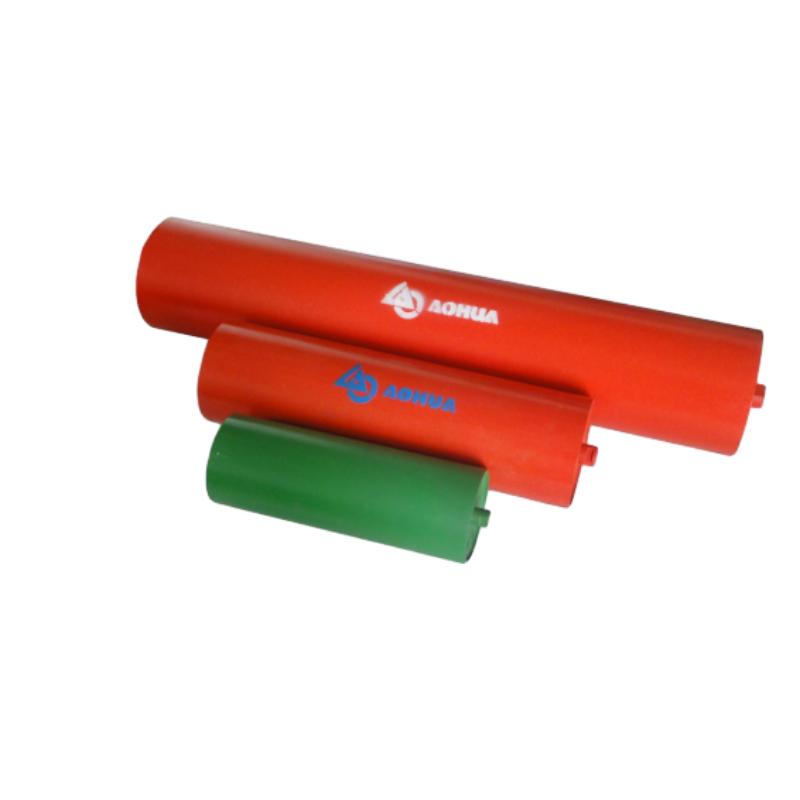
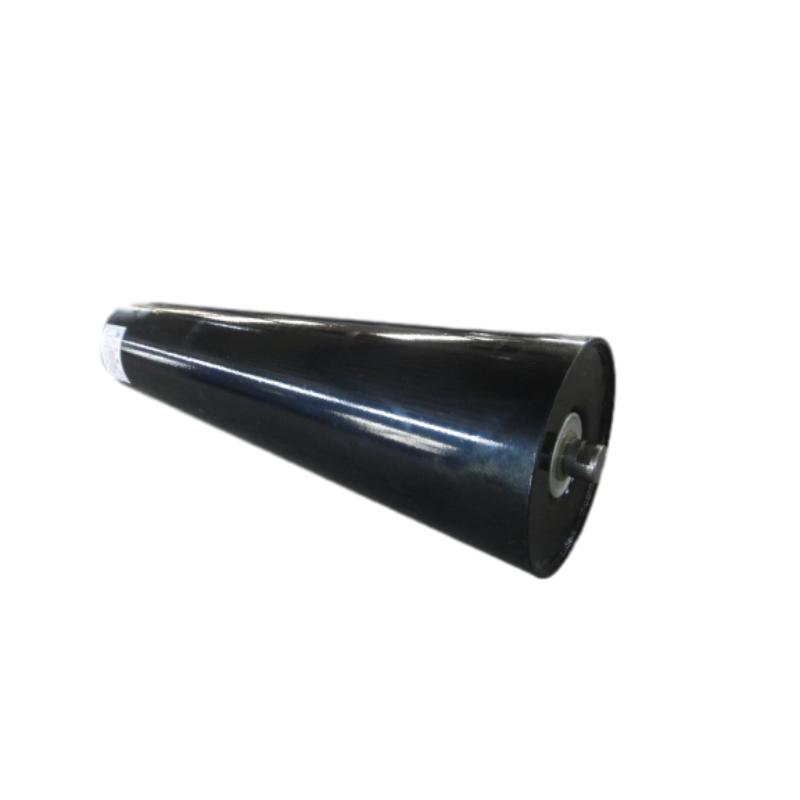
A tapered roller is basically a cylinder-shaped roller with a tapered—or conical—profile. This design allows the rollers and races (the grooves they roll inside) to handle combined loads—meaning they can support vertical forces while simultaneously countering side-to-side pressure.
In practical terms, it’s a perfect fit for scenarios where axial and radial loads come together — say, axle bearings in vehicles or gearboxes. Their geometry reduces friction while enhancing load capacity, which ultimately leads to better machine life and reliability. Oddly enough, this mechanical finesse has even indirectly supported humanitarian efforts by ensuring supply chains and rescue equipment stay functional.
Key Aspects That Make Tapered Rollers Essential
1. Durability
Materials today—like alloy steels treated with heat—make tapered rollers rugged as a mountain goat in rugged terrains. They resist wear and fatigue, which translates to fewer replacements and better uptime.
2. Load Capacity
The tapered design deftly manages both radial and thrust loads. It’s like having a multi-tasker in your machinery, preventing premature failures.
3. Precision Engineering
Many engineers say the defining factor is how accurately these rollers are manufactured and installed, because tiny misalignments can cause uneven wear or noise.
4. Cost Efficiency
It feels like investing a bit more upfront in quality tapered rollers pays dividends through extended service life and less downtime.
5. Scalability and Customization
Designers can tailor tapered rollers for specific uses — from miniaturized versions in robotics to massive industrial sizes in heavy machinery.
Mini takeaway: Tapered rollers are a blend of clever geometry, hard-wearing materials, and precision — all crafted to tackle complex load demands efficiently.
Where Do Tapered Rollers Actually Get Used?
They’re everywhere you might least expect but absolutely rely on:
- Automotive sector: Wheel hubs in trucks and cars.
- Aerospace: Aircraft landing gear where robust load support is non-negotiable.
- Heavy machinery: Construction and mining equipment.
- Railroads: Axles under freight and passenger trains.
- Renewable energy: Bearings in wind turbine gearboxes.
In post-disaster relief operations, for example, equipment fitted with chained tapered roller bearings ensures heavy vehicles deliver supplies reliably on rugged terrain. Meanwhile, industries from North America to Asia depend on these components for uninterrupted production cycles.
Product Specifications Comparison
| Specification | Standard Tapered Roller | Heavy-Duty Tapered Roller | Miniature Tapered Roller |
|---|---|---|---|
| Material | Chrome steel (AISI 52100) | Heat-treated alloy steel | Stainless steel 440C |
| Max Load Capacity | Up to 15 kN | Up to 40 kN | Up to 2 kN |
| Typical Dimensions | 15-50 mm diameter | 50-150 mm diameter | 5-15 mm diameter |
| Lubrication | Grease or oil | Special synthetic lubricants | Oil-filled or grease |
| Typical Lifespan | 5-10 years | 10-15 years | 2-5 years |
Comparing Leading Tapered Roller Vendors
| Vendor | Product Range | Customization | Lead Time | Sustainability Efforts |
|---|---|---|---|---|
| BearingCo | Standard & Heavy-Duty | Medium customization options | 4 weeks | ISO 14001 Certified |
| RollerTech | Miniature & Standard | High customization | 6 weeks | Eco-friendly packaging, in progress |
| Global Bearings | All types including specialty | Custom engineering solutions | 3-5 weeks | Renewable energy facilities |
Why Choosing Quality Tapered Rollers Pays Off
To cannibalize some jargon here, the advantages stack up neatly:
- Reliability: Reduced downtime means more uptime.
- Cost efficiencies: Durable materials and expert design save money long-term.
- Safety: Robust load handling lessens risk of catastrophic failures.
- Environmental Impact: Longer-lasting parts mean fewer replacements and less waste.
Plus, on a more human level, knowing your machines have rock-solid support means less stressing over urgent maintenance calls—kind of a mental relief, honestly.
Looking Ahead: The Future of Tapered Rollers
Innovation doesn’t sit still here. Composite materials, advanced polymers, and even AI-monitored smart bearings are entering the scene. Imagine tapered rollers with embedded sensors that predict wear and alert engineers before failure. Green manufacturing processes are also on the rise, with many companies harnessing digital tools to optimize designs and reduce carbon footprints.
And, as wind and solar farms expand globally, tapered rollers have found a place in ensuring these green tech behemoths keep spinning smoothly—literally fueling a sustainable future.
Facing Challenges Head-On
Okay, so they’re not a silver bullet. Issues like contamination, installation precision, and lubrication failure can still cause headaches. But industry trends show that better sealing, improved lubrication technology, and training for proper installation are moving the needle. Some manufacturers now offer pre-lubricated, sealed units minimizing human error — a practical fix that engineers swear by.
Frequently Asked Questions About Tapered Roller
- Q: How do tapered rollers differ from ball bearings?
- A: Tapered rollers support both radial and axial loads due to their conical shape, making them ideal for applications like car wheel hubs. Ball bearings primarily support radial loads but handle less axial load.
- Q: Can tapered rollers be used in high-speed applications?
- A: Yes, but speed is limited compared to ball bearings. High-quality tapered rollers with precision machining and proper lubrication are suitable for moderate to high-speed uses, especially in automotive applications.
- Q: What maintenance is required for tapered rollers?
- A: Regular inspection, correct lubrication (grease or oil), and protection from contaminants are essential to ensure long service life. Proper installation is also critical.
- Q: Are tapered rollers customizable for specialized equipment?
- A: Absolutely. Vendors offering tailored sizing, materials, and lubrication options can provide tapered rollers for a wide range of industries and specific load requirements.
Conclusion: Keeping Things Rolling Forward
In summary, tapered rollers might seem like humble components, but they’re foundational to modern machinery and infrastructure on a global scale. They blend design intelligence with rugged durability, driving industries safely and efficiently. Whether it’s a mining truck in Australia or a wind turbine in Europe, these rollers keep millions of components turning every day.
If you're interested in exploring the broad world of tapered rollers or looking for quality solutions, you’ve got options. For a reliable supplier and more info, visit https://www.idleraohua.com — they have a solid range of products and expertise.
Takeaway? In real terms, investing in the right tapered roller means smoother operations, less downtime, and a quieter mind.
References:
-
Maximize Conveyor Life with a High Performance impact bedNewsApr.16,2026
-
Maximize Conveyor Efficiency Using a v plow belt scraperNewsApr.09,2026
-
Comprehensive Guide to Understanding Different Types of Belt CleanersNewsApr.07,2026
-
Enhancing Conveyor Efficiency with an Effective Scraper Belt CleanerNewsApr.04,2026
-
Optimizing Conveyor Systems with Advanced Cleaning Equipment SolutionsNewsMar.31,2026
-
Effective Conveyor Belt Scraper Adjustment for Optimal System PerformanceNewsMar.28,2026