

Comprehensive Guide to Roller Conveyor Components for Efficient Material Handling
Roller Conveyor Components: The Backbone of Efficient Material Handling
At first glance, roller conveyor components might not seem like the glitzy stars of the manufacturing or logistics world. Yet, their quiet efficiency and robustness drive productivity in countless industries worldwide. From automotive plants to airports, these components underpin systems that move goods with minimal fuss. Understanding them, therefore, matters globally—because as supply chains become more complex, the reliability and adaptability of material transport can make or break operations. Plus, learning about roller conveyor parts helps industries cut costs, improve safety, and accelerate workflows.
Global Context: Why Roller Conveyor Components Matter More Than Ever
Globally, the demand for fast, reliable material handling is surging. According to the International Organization for Standardization (ISO), over 80% of manufacturing plants globally integrate automation to streamline production—much of which depends on conveyors. The World Bank reports that logistics costs can consume up to 30% of product prices in developing regions, making efficient conveyors a key cost factor. Yet challenges remain: conveyor systems need to adapt to varied loads, environments, and sustainability goals. Roller conveyor components address these challenges by offering modularity, durability, and integration potential.
Mini takeaway: Roller conveyor elements are global unsung heroes easing logistics costs and speeding up industrial workflows in a world craving efficiency.
What Exactly Are Roller Conveyor Components?
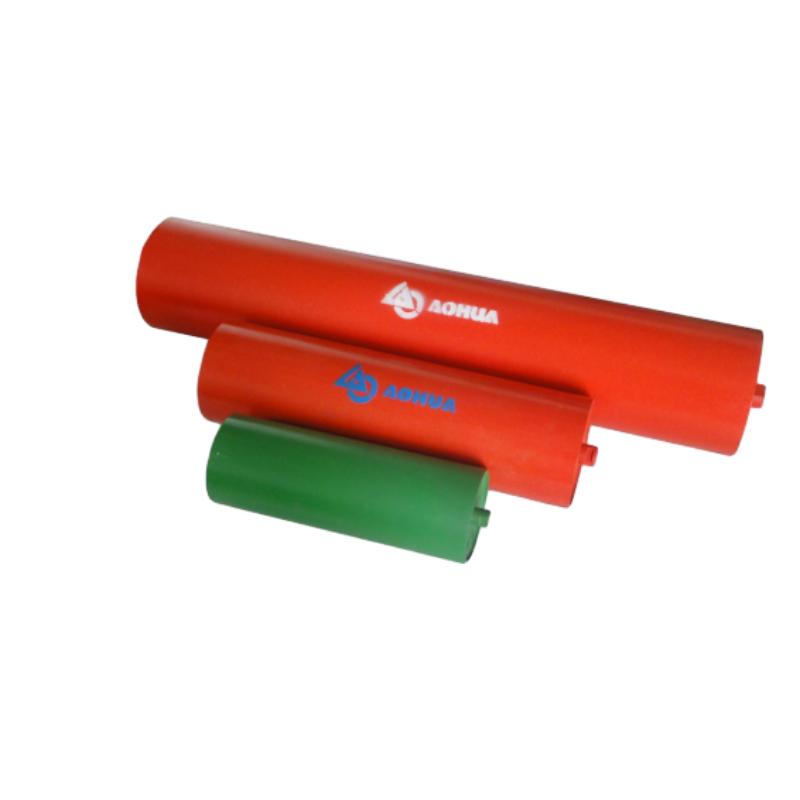
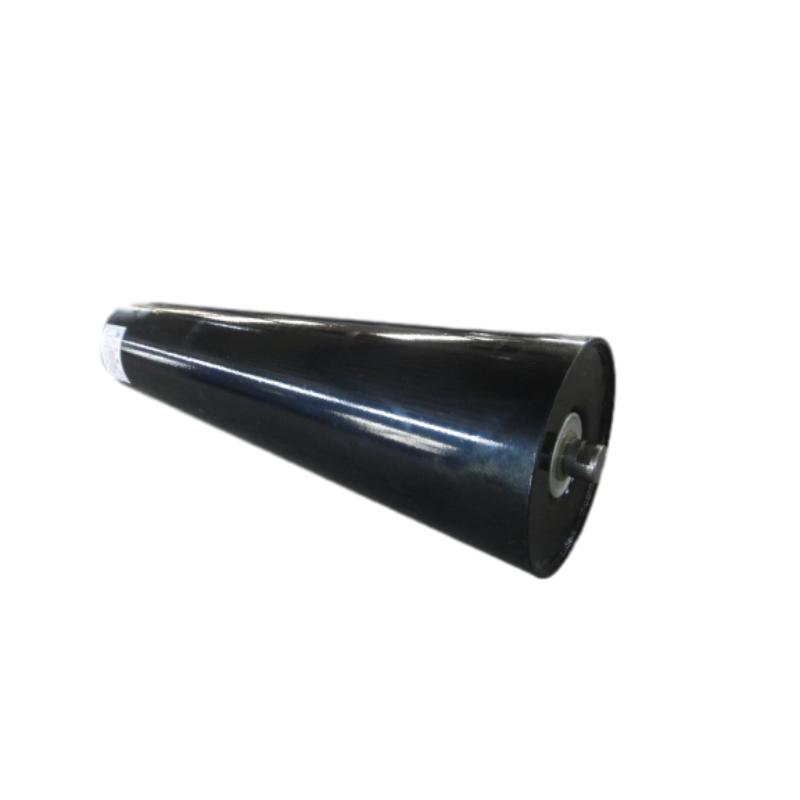
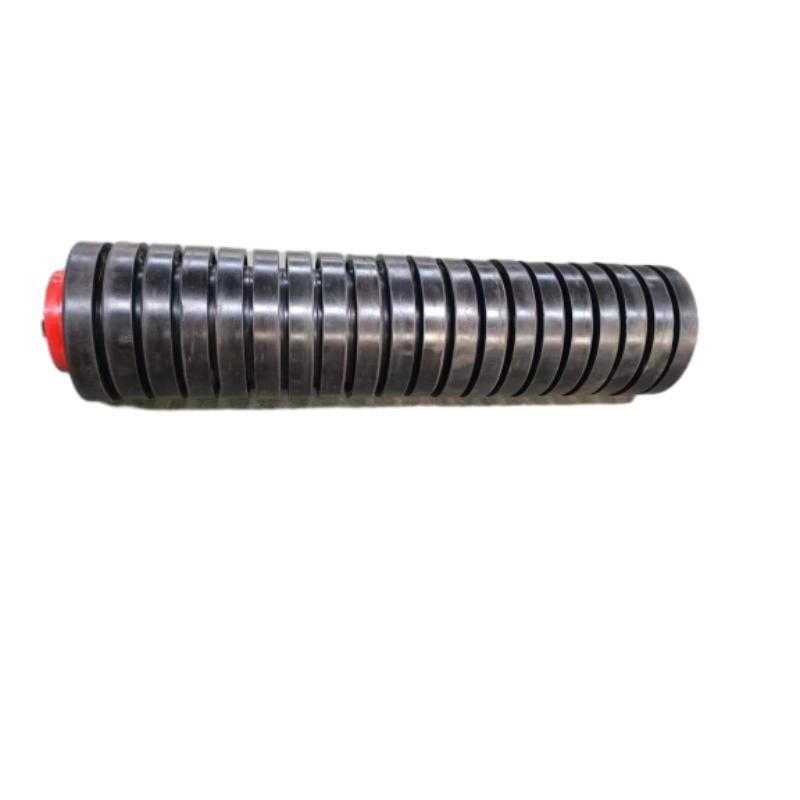
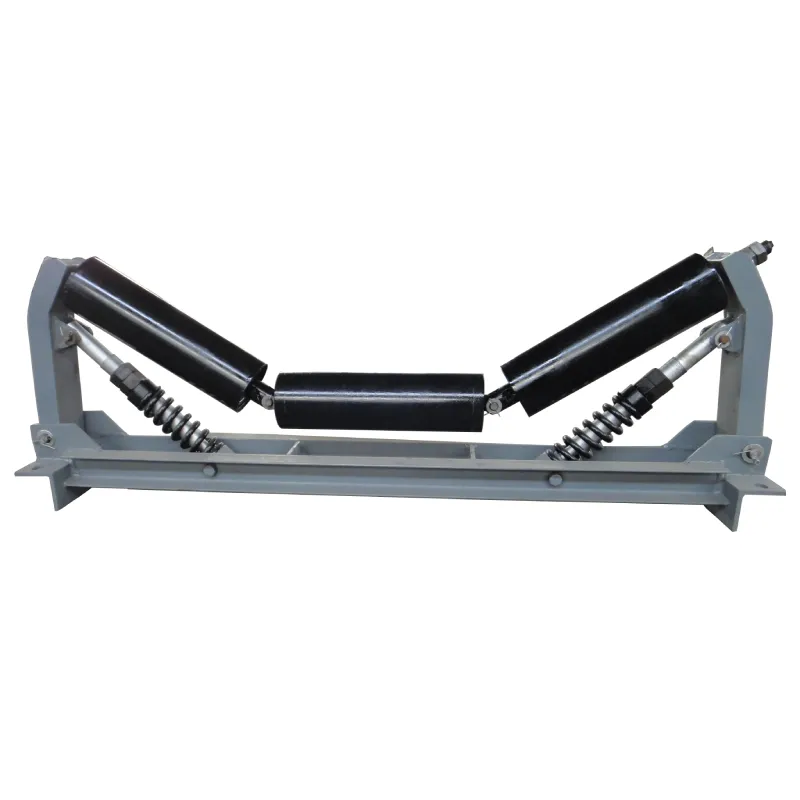
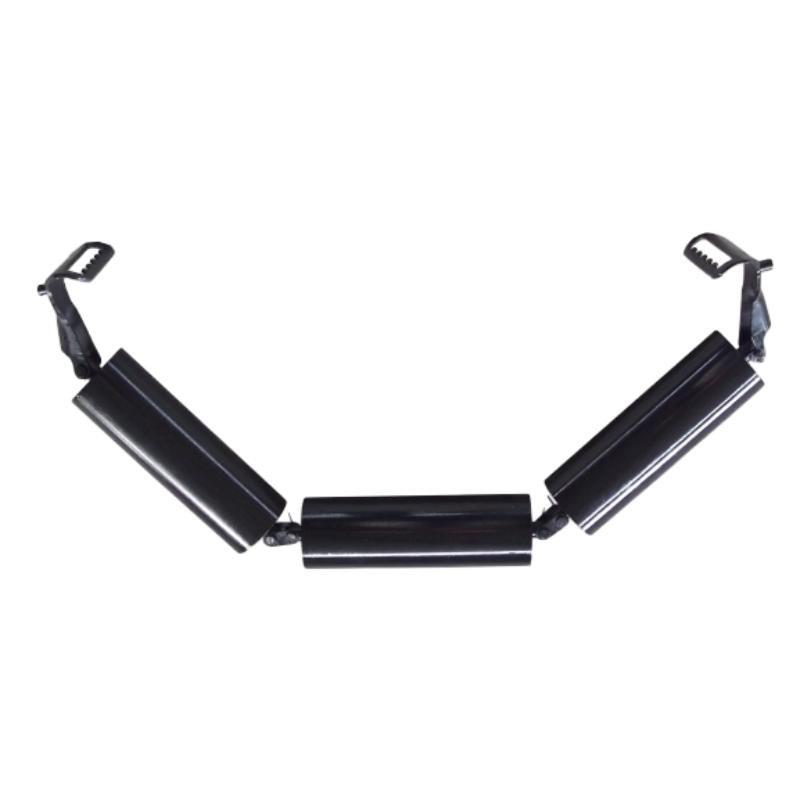
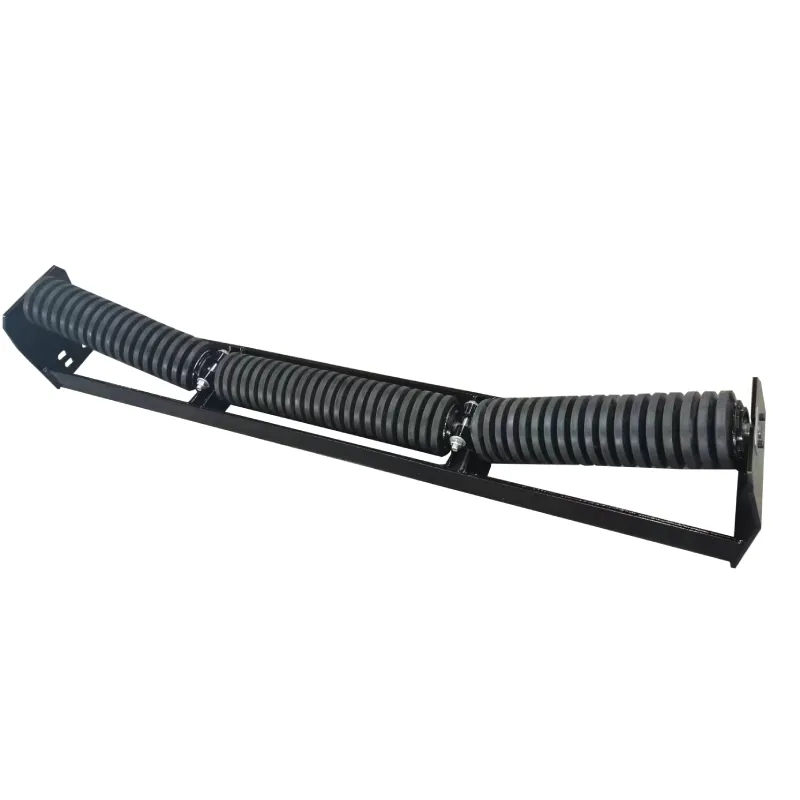
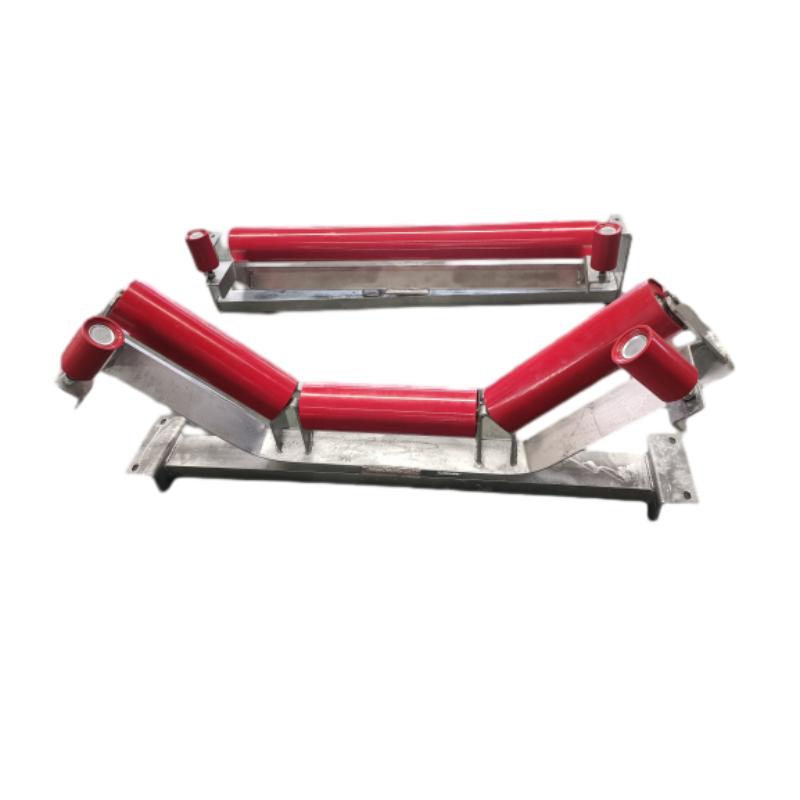
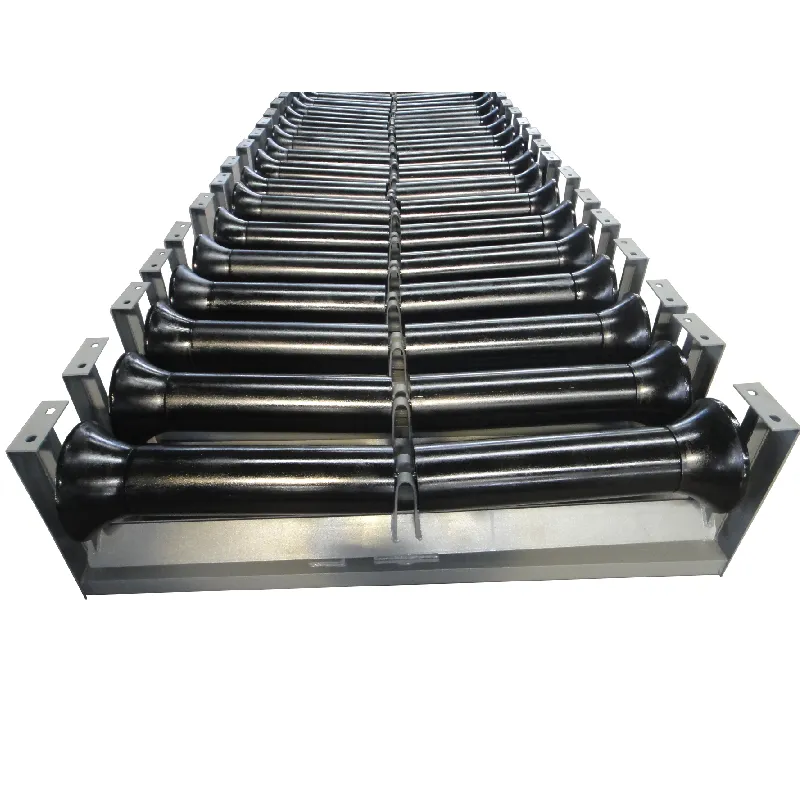
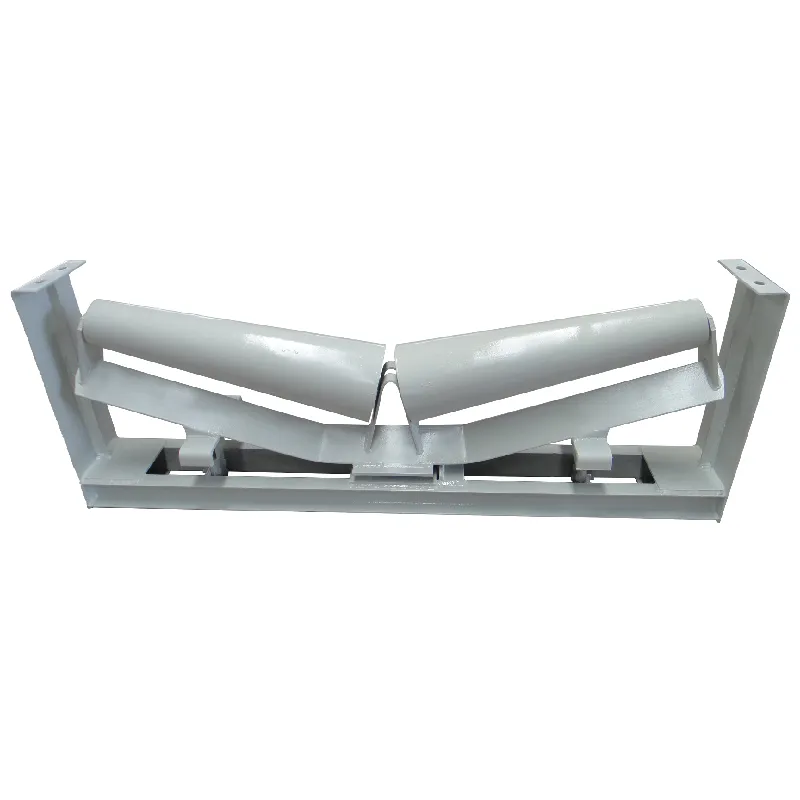
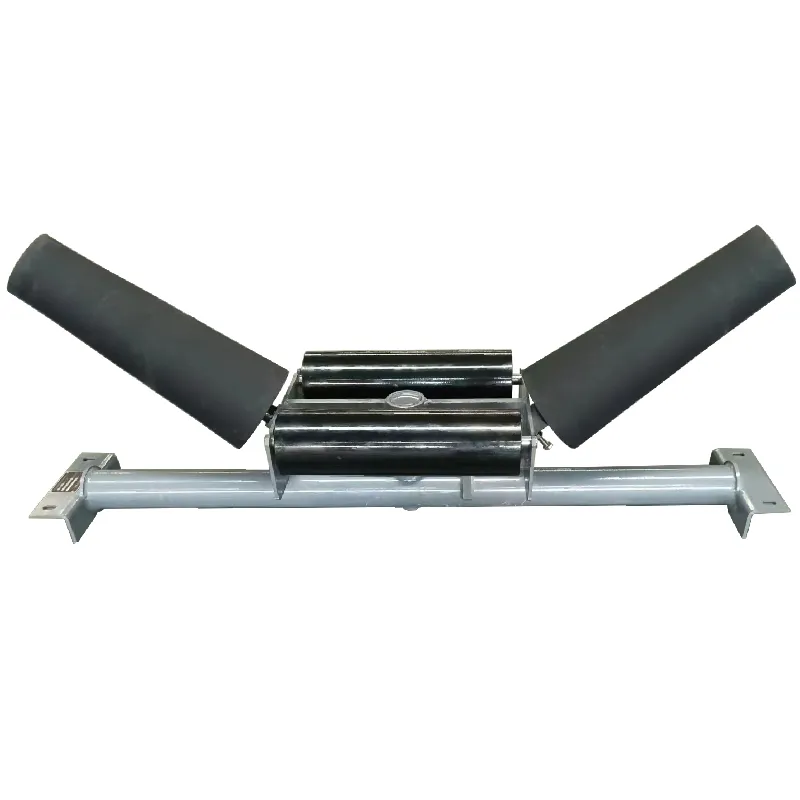
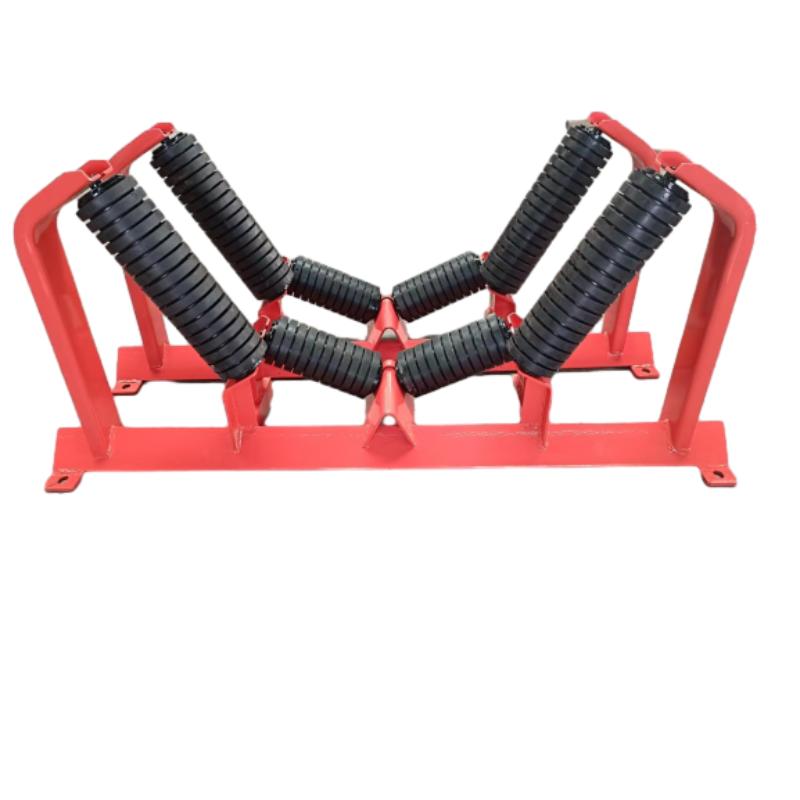
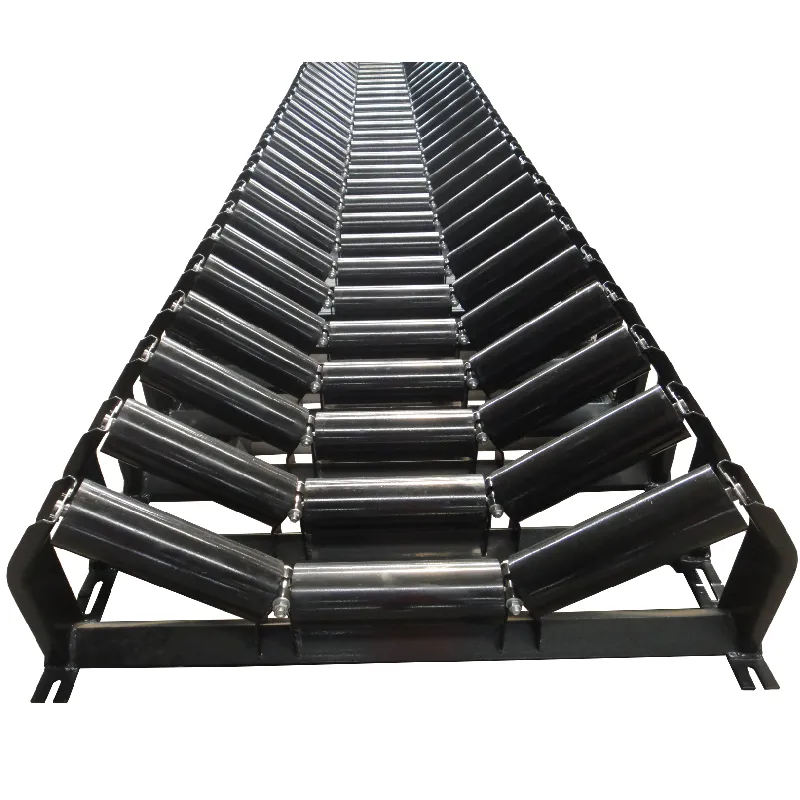
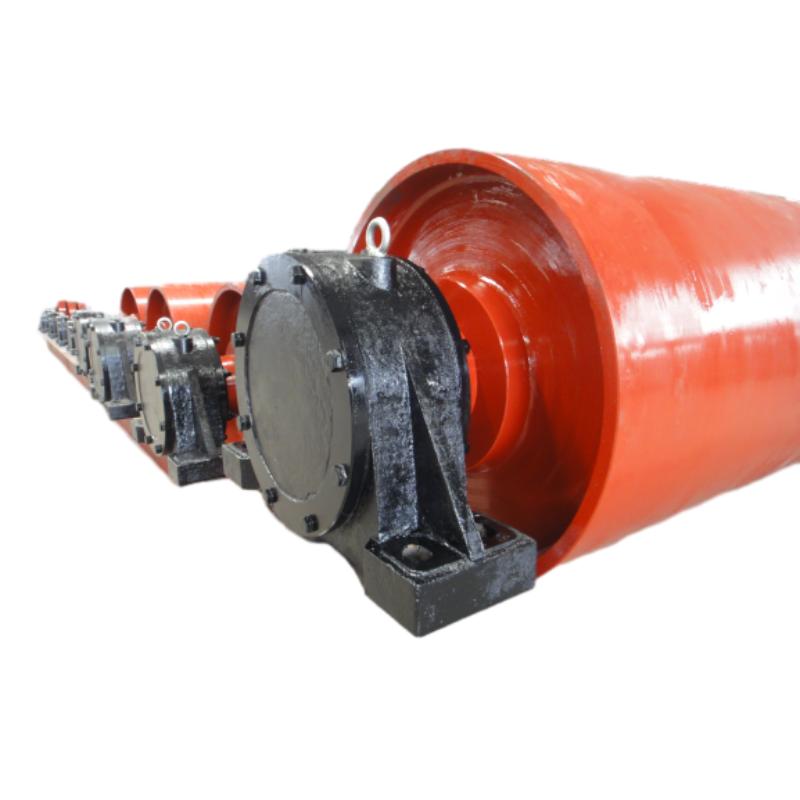
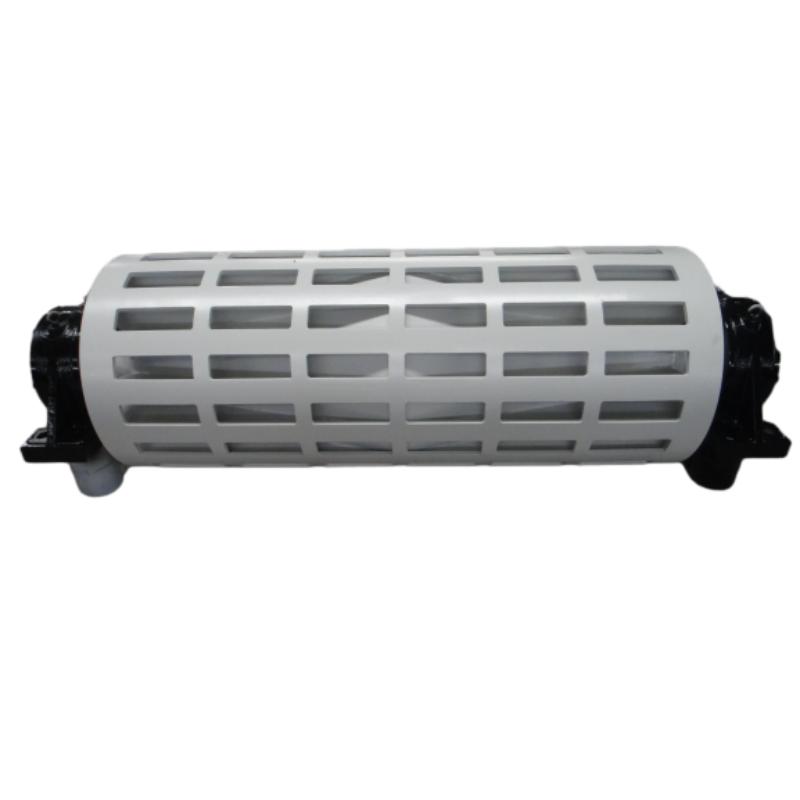
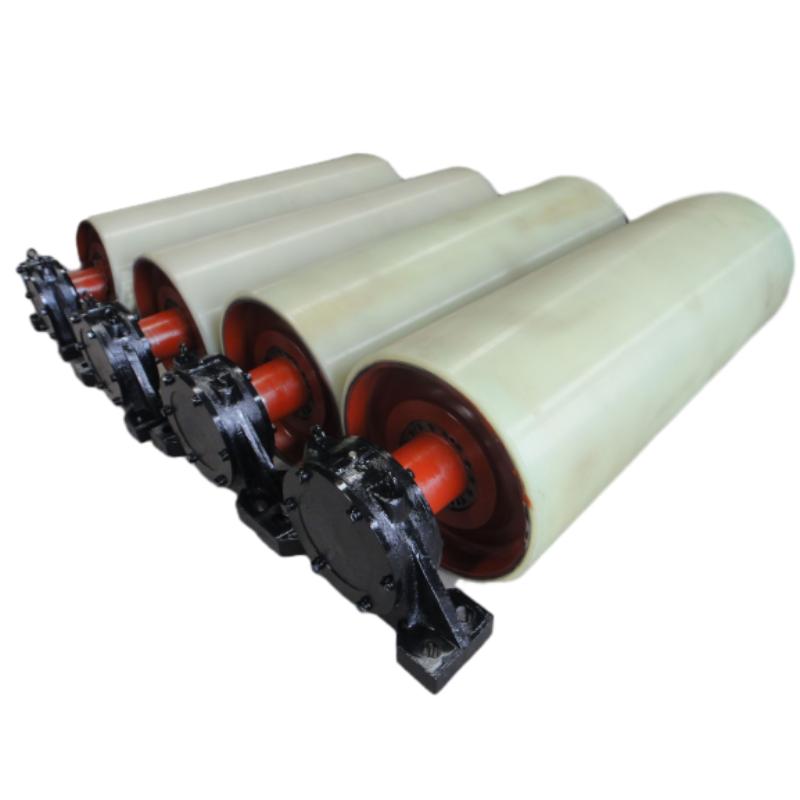
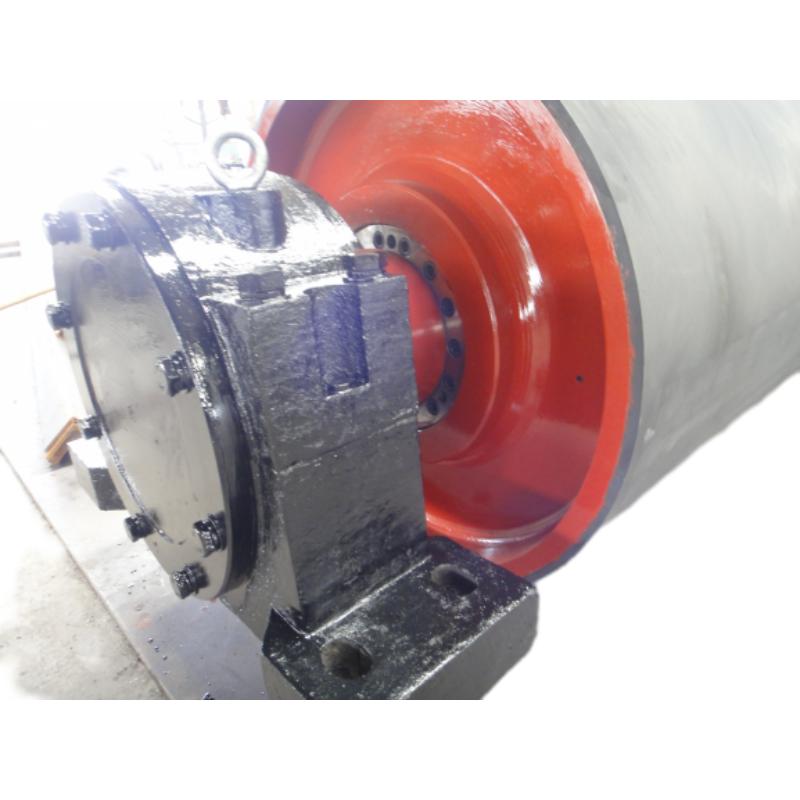
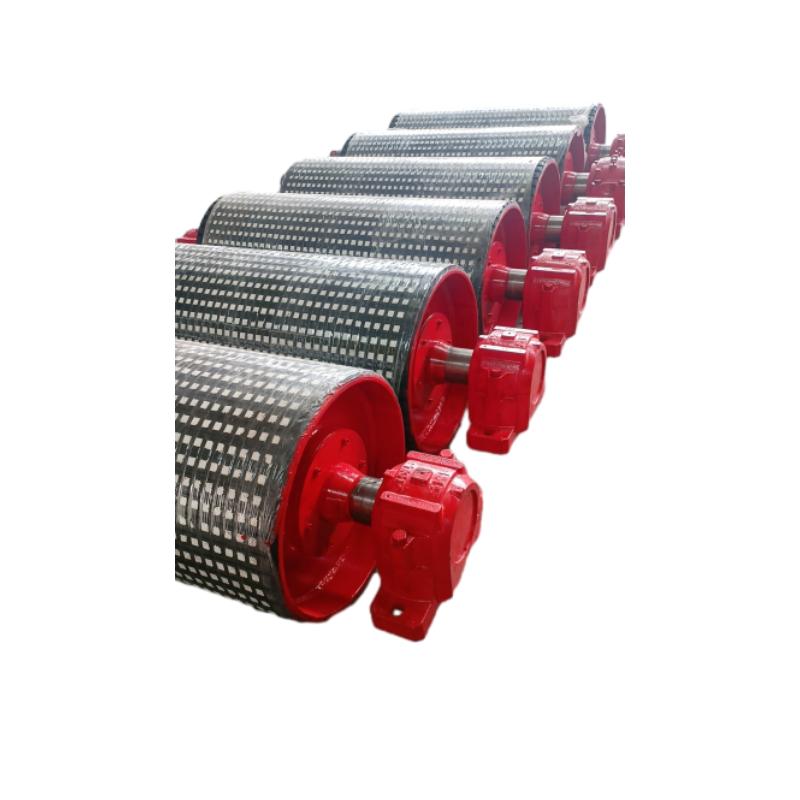
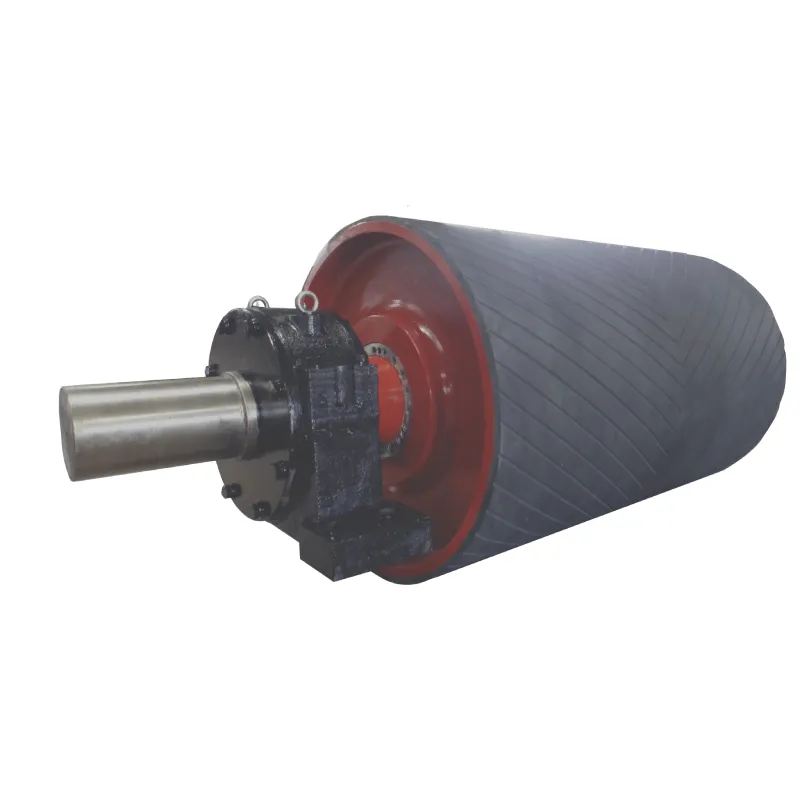
Simply put, roller conveyor components are the individual functional parts that make a roller conveyor system work. Such conveyors consist of a series of cylindrical rollers mounted on a frame, enabling smooth movement of goods using gravity or motorized power. Core components include rollers themselves, bearings, shafts, frames, and sometimes drives or controls. In modern industry, these parts enable everything from small package handling at e-commerce warehouses to heavy parts movement on automotive assembly lines.
Also, in humanitarian contexts, roller conveyors help expedite material handling for relief supplies, making sure aid reaches destinations efficiently without bottlenecks.
Mini takeaway: Roller conveyor components are the nuts and bolts—the rollers, bearings, shafts—that turn passive equipment into a reliable material mover.
Key Factors of Roller Conveyor Components
Durability
One of the biggest considerations is durability — especially in harsh industrial settings. Components must withstand continuous loads, abrasion, moisture, and sometimes chemical exposure without frequent failure.
Scalability
Scalability matters when conveyor lines need to expand or reconfigure swiftly. Modular roller conveyor components allow easy adjustments without replacing entire systems.
Cost Efficiency
Choosing components that balance initial investment with long-term maintenance can save operators significant sums. Some materials and designs reduce friction and wear, extending life.
Compatibility & Integration
Components must be compatible with varied conveyor speeds, load types, or automation controls—partly why standardized specs are critical.
Environmental Adaptability
Special coatings, corrosion resistance, or temperature tolerance enable components to function in freezing warehouses or dusty outdoor yards.
Mini takeaway: When selecting roller conveyor components, toughness, flexibility, and cost all intertwine—making the choice quite practical.
Global Applications & Real-World Use Cases
Roller conveyor components find homes—and jobs—in nearly every major sector worldwide:
- Manufacturing: Automotive assembly lines in Germany use heavy-duty rollers engineered for precision and endurance.
- Warehousing: In Amazon fulfillment centers across the USA, lightweight rollers speed up package sorting and shipping.
- Food Processing: Stainless steel roller components resist contamination in Europe's dairy plants.
- Disaster Relief: NGOs deploy conveyor-based sorting systems at aid hubs in Southeast Asia to accelerate supply distribution post-floods.
- Mining: In remote Australian mines, specialized rollers resist abrasive materials and extreme temperatures.
Mini takeaway: Roller conveyor parts embed into global logistics, from high-tech factories to challenging aid operations, proving their versatile value.
Roller Conveyor Components: Key Specifications
| Component | Material | Load Capacity | Typical Use |
|---|---|---|---|
| Steel Roller | Carbon Steel / Stainless | Up to 2000 lbs | Heavy Manufacturing |
| Plastic Roller | Polypropylene / Nylon | Up to 200 lbs | Light Packaging, Food Industry |
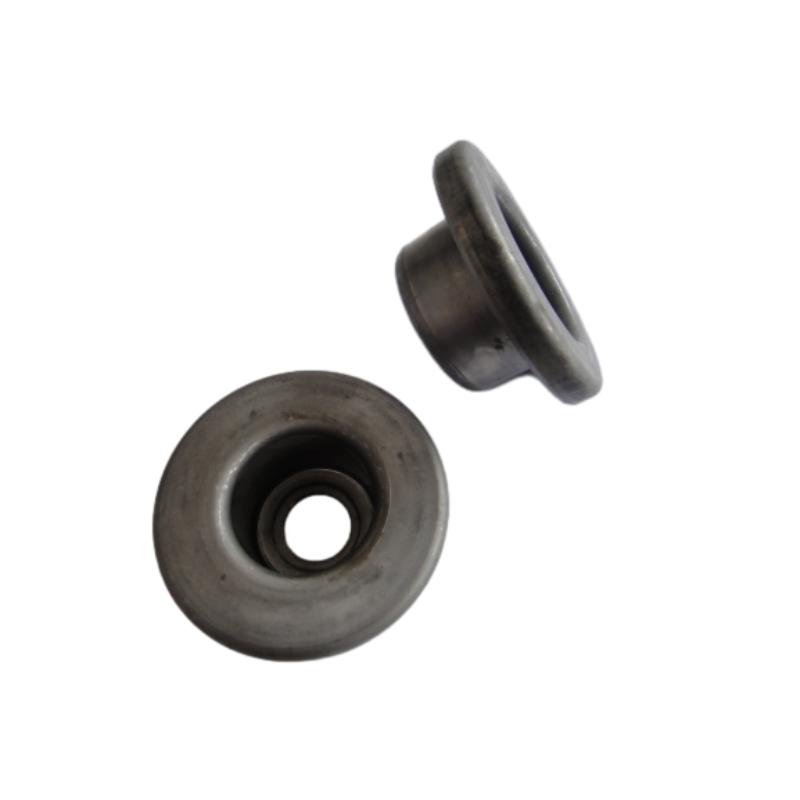
| Ball Bearings | Chrome Steel / Ceramic | Varies by diameter | Roller Rotation Support |
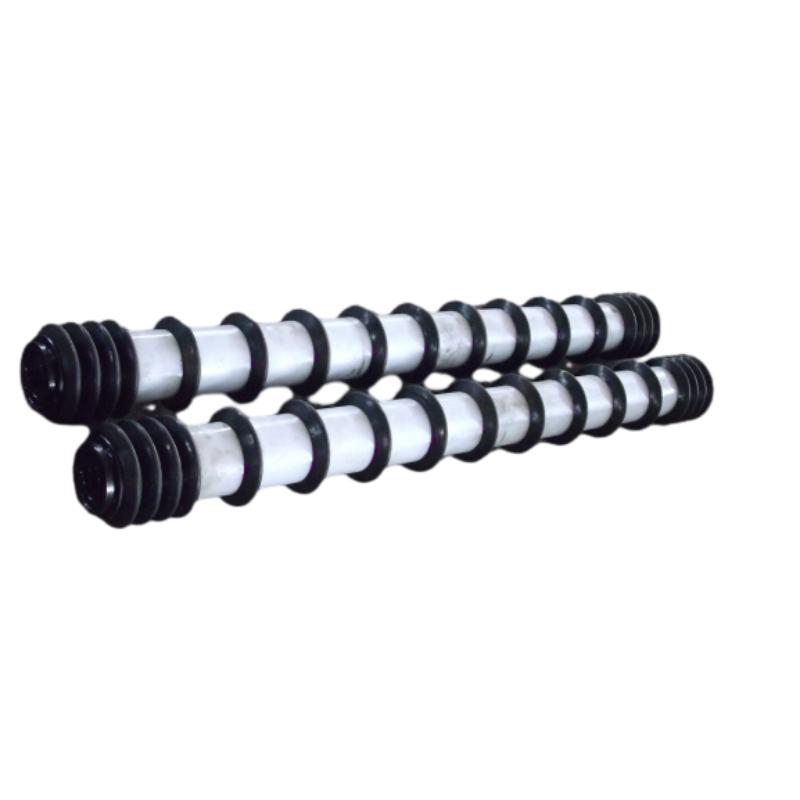
| Shaft | Steel Alloy | Load Dependent | Structural Support for Rollers |
Advantages & Long-Term Value of Quality Components
Realistically, the benefits go beyond simple movement efficiency:
- Cost Savings: Longer-lasting parts reduce downtime and replacement costs substantially.
- Sustainability: Using recyclable materials and energy-efficient designs aligns with ISO sustainability targets.
- Enhanced Safety: Reliable rollers reduce conveyor jams and workplace accidents.
- Operational Reliability: Consistent component quality inspires confidence across supply chains.
It feels like the companies that invest in these components are buying peace of mind and operational trust, not just hardware.
Vendor Comparison of Popular Roller Conveyor Component Suppliers
| Vendor | Product Range | Customization | Lead Time | Price Level |
|---|---|---|---|---|
| Alpha Components Inc. | Extensive (Steel, Plastic, Bearings) | High | 2-4 weeks | Mid-range |
| Beta Convey Solutions | Focused on Heavy-Duty Steel Rollers | Medium | 3-6 weeks | Premium |
| Gamma Parts Ltd. | Plastic Rollers & Bearings Specialist | Low-Medium | 1-3 weeks | Budget |
Future Trends & Innovations in Roller Conveyor Components
Looking ahead, the roller conveyor field won’t just grind to a halt—it’s evolving quickly. Green energy-powered conveyor drives and components made from bio-based plastics promise sustainability gains. Digital sensors embedded in rollers enable predictive maintenance, reducing unexpected downtime. Moreover, integration with smart warehousing technology means conveyor components will become even more agile and responsive. Automation combined with Industry 4.0 practices will redefine how these parts are designed and maintained. Honestly, these innovations will shift roller conveyors from simple mechanical tools to sophisticated nodes in digital logistics networks.
Challenges & Solutions in Roller Conveyor Component Implementation
Of course, there are hurdles. Wear and tear remain stubborn problems, especially under heavy or uneven loads. Replacement costs can be high if components aren’t chosen carefully. Environmental factors like moisture or dust can degrade performance. To tackle these, engineers suggest:
- Adopting corrosion-resistant materials & protective coatings.
- Implementing regular maintenance schedules informed by sensor data.
- Customizing rollers to specific load and speed needs.
These approaches extend component life and reduce costly disruptions.
FAQ: Frequently Asked Questions About Roller Conveyor Components
Q1: What factors should I consider when selecting roller conveyor components for a heavy manufacturing line?
A1: Primarily, load capacity, durability under harsh conditions, and compatibility with your conveyor system are vital. Steel rollers with robust bearings and corrosion resistance usually work best. Also, consider lead times and supplier support.
Q2: Can plastic rollers be used in food processing applications?
A2: Yes, plastic rollers made from FDA-approved polypropylene or nylon are common in food environments because they resist corrosion and are easier to sanitize. Just ensure the material suits your specific process temperatures.
Q3: How do roller conveyor components impact overall operational safety?
A3: Quality components reduce jams, misalignments, and sudden breakdowns, which lowers accident risks. Regular maintenance and using the right parts prevent dangerous conveyor failures.
Q4: Are there sustainable options for roller conveyor components?
A4: Definitely. Some vendors now offer rollers made from recycled plastics and low-energy manufacturing processes. Integration with energy-efficient drives also contributes to greener logistics.
Q5: How do I ensure roller conveyor components fit my existing systems?
A5: Check compatibility specs carefully, including roller diameter, shaft sizes, and bearing types. Consult with vendors who offer customization or confirm industry standards compliance.
Conclusion: Why Roller Conveyor Components Deserve Your Attention
Roller conveyor components might not grab headlines, but their value is profound—and only grows as global supply chains demand smarter, safer, and more sustainable material handling. Investing in quality parts translates into smoother operations, lower costs, and future-ready logistics. If you’re seeking to optimize or upgrade your system, a deep dive into these components will reward you handsomely.
Explore more insights and high-grade parts today at our website: roller conveyor components.
A small takeaway: The best conveyor starts with the right components—robust, tailored, and ready for tomorrow’s challenges.
References
-
Maximize Conveyor Life with a High Performance impact bedNewsApr.16,2026
-
Maximize Conveyor Efficiency Using a v plow belt scraperNewsApr.09,2026
-
Comprehensive Guide to Understanding Different Types of Belt CleanersNewsApr.07,2026
-
Enhancing Conveyor Efficiency with an Effective Scraper Belt CleanerNewsApr.04,2026
-
Optimizing Conveyor Systems with Advanced Cleaning Equipment SolutionsNewsMar.31,2026
-
Effective Conveyor Belt Scraper Adjustment for Optimal System PerformanceNewsMar.28,2026