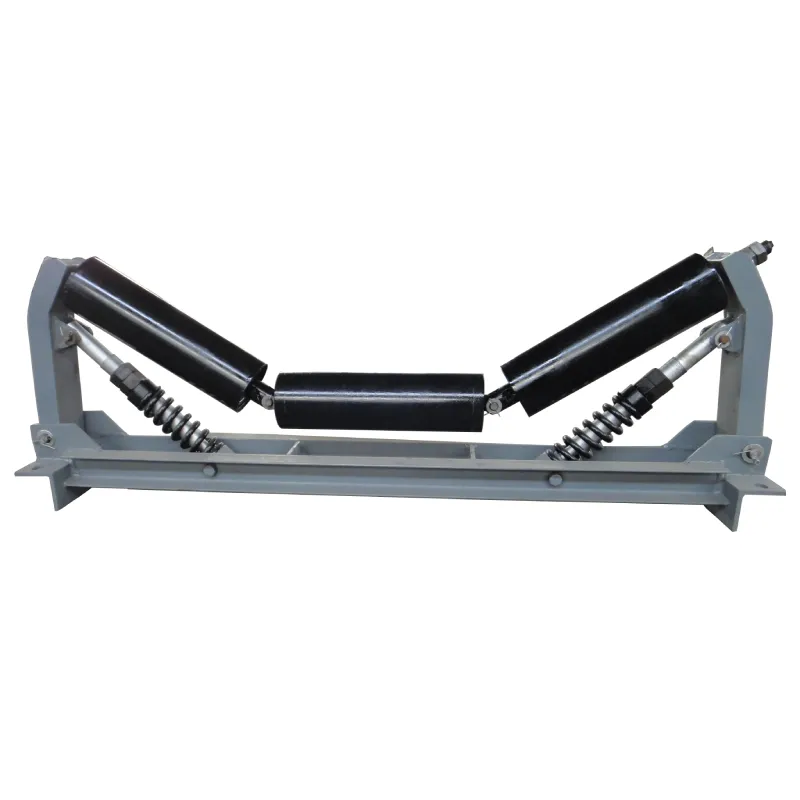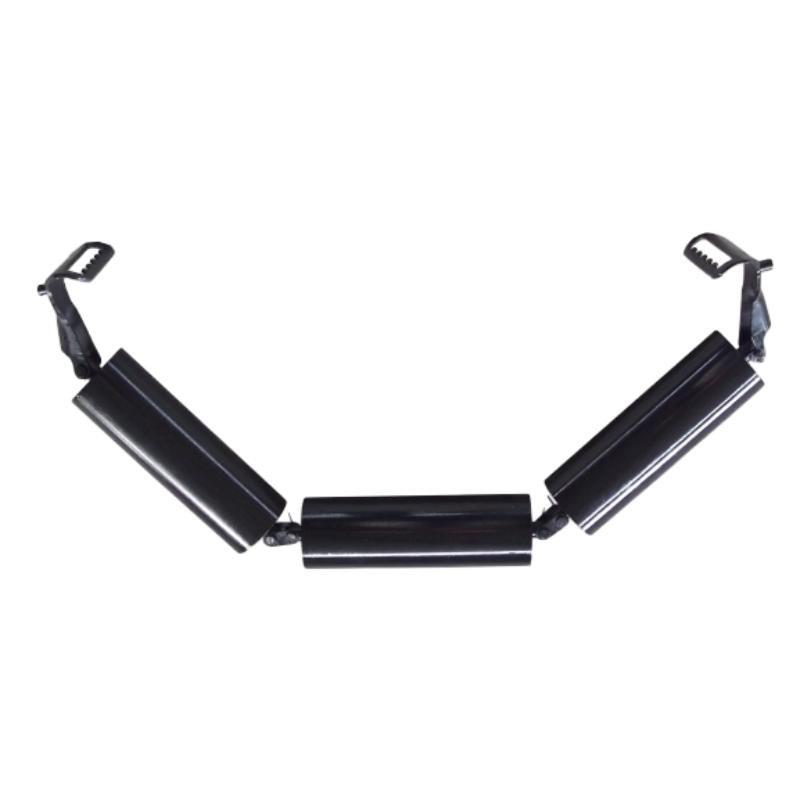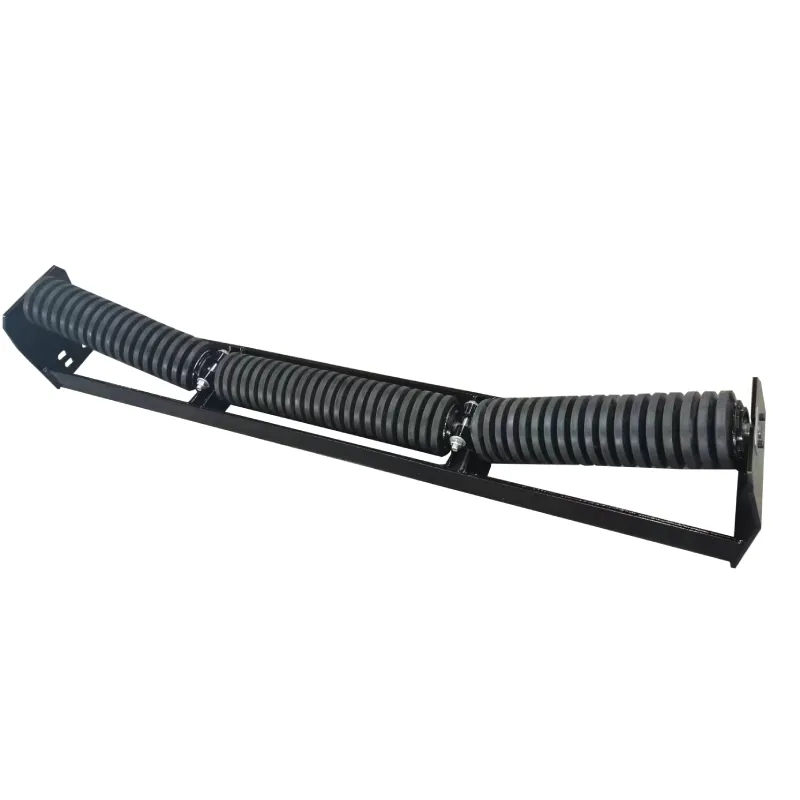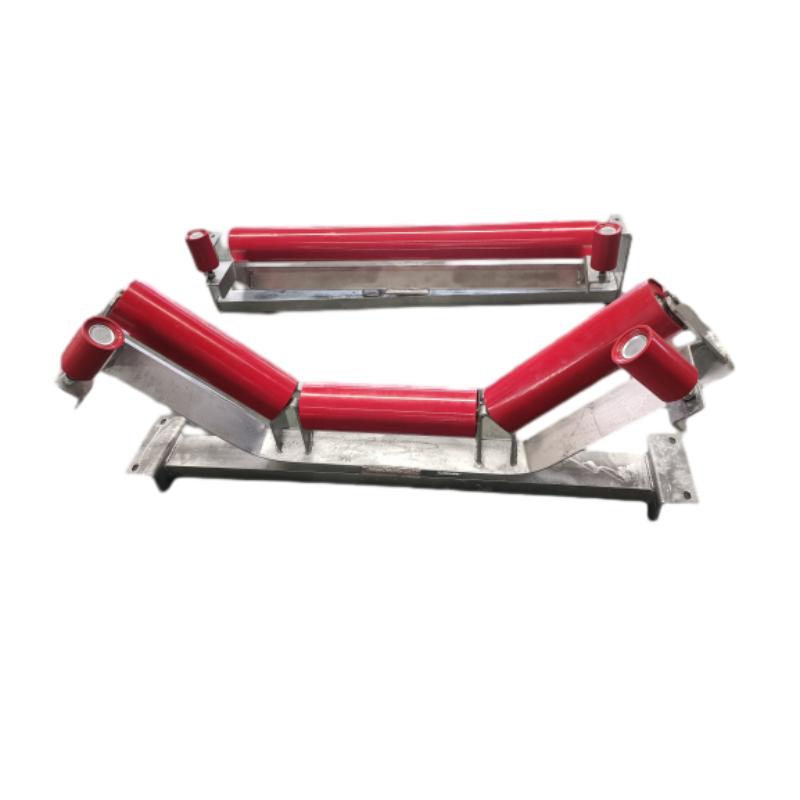


Comprehensive Guide to PU Coated Rollers: Global Relevance, Applications & Innovations
Understanding PU Coated Rollers: A Small Component with a Big Global Impact
It might sound like just another industrial buzzword, but the pu coated roller plays a surprisingly pivotal role across various industries worldwide. For manufacturers, logistics firms, and even humanitarian responders, these rollers ensure smooth and efficient operations that affect everything from packaging to post-disaster rebuilding. Knowing what makes them tick—and why they’re preferred—can help businesses optimize costs, improve sustainability, and adapt to emerging tech challenges globally.
Mini takeaway: PU coated rollers might be a small part of the production line, but their effects ripple far beyond factory floors.
Global Context: Why the PU Coated Roller Matters Today
The global industrial automation market is expected to hit roughly $300 billion by 2025, driven largely by manufacturing and packaging demands in emerging economies (source: ISO standards). Within this vast market, conveyor and processing machinery heavily rely on components that improve durability and reduce downtime. Enter the pu coated roller. These rollers help tackle a fundamental challenge worldwide: minimizing wear-and-tear on machinery in environments ranging from tropical factories to chilled warehouses. That means less waste, fewer repairs, and, ultimately, higher productivity.
But there’s an even more human side: in many humanitarian and disaster relief operations, the ability to transport goods and materials quickly and safely over rough terrain can hinge on conveyor reliability—rollers matter here.
Mini takeaway: PU coated rollers play a quiet but crucial role in keeping industries and relief efforts moving efficiently worldwide.
What Exactly Is a PU Coated Roller?
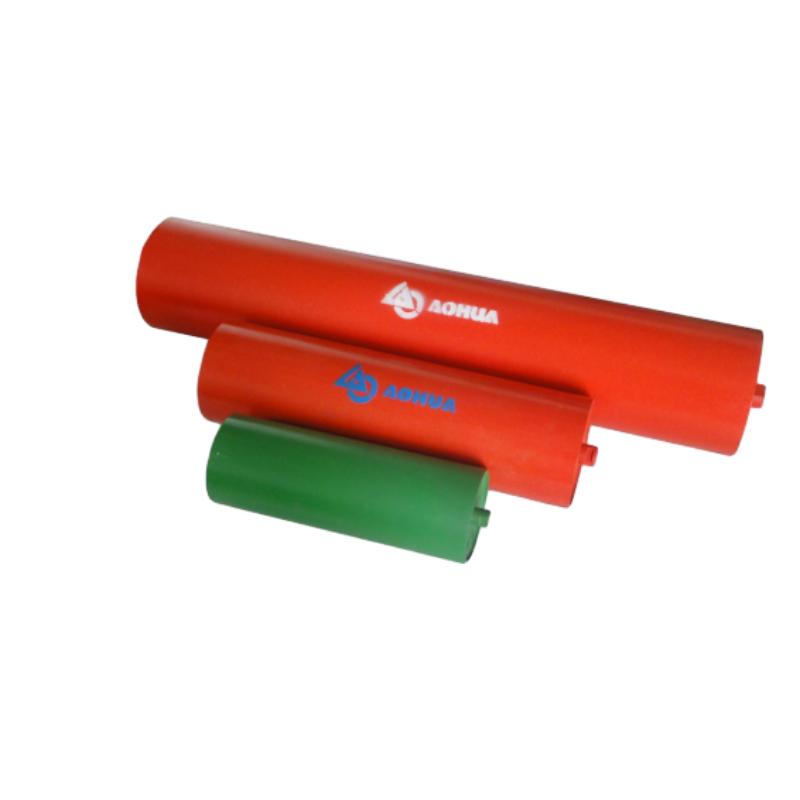
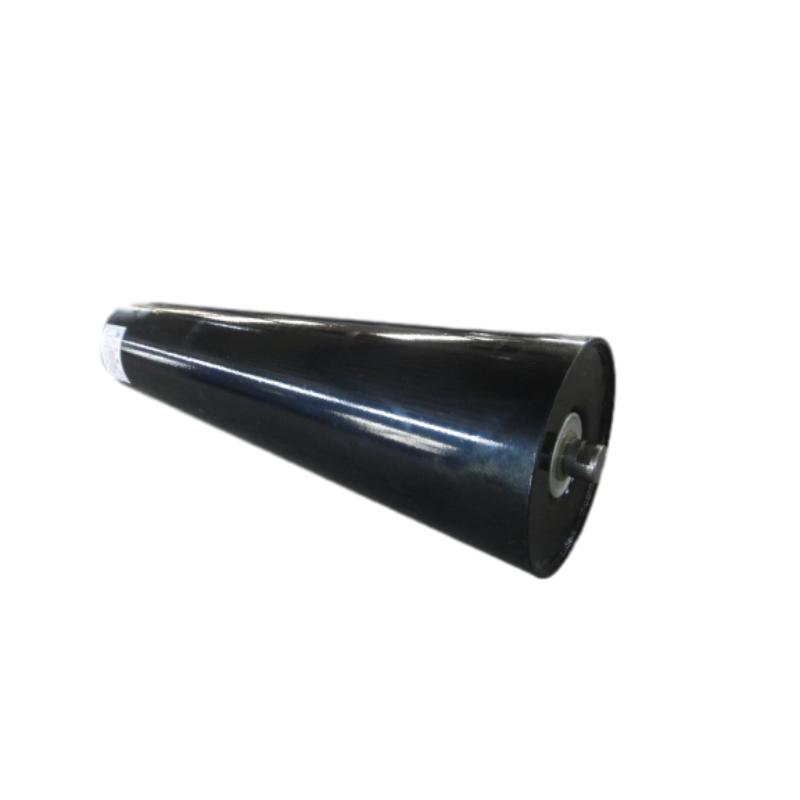
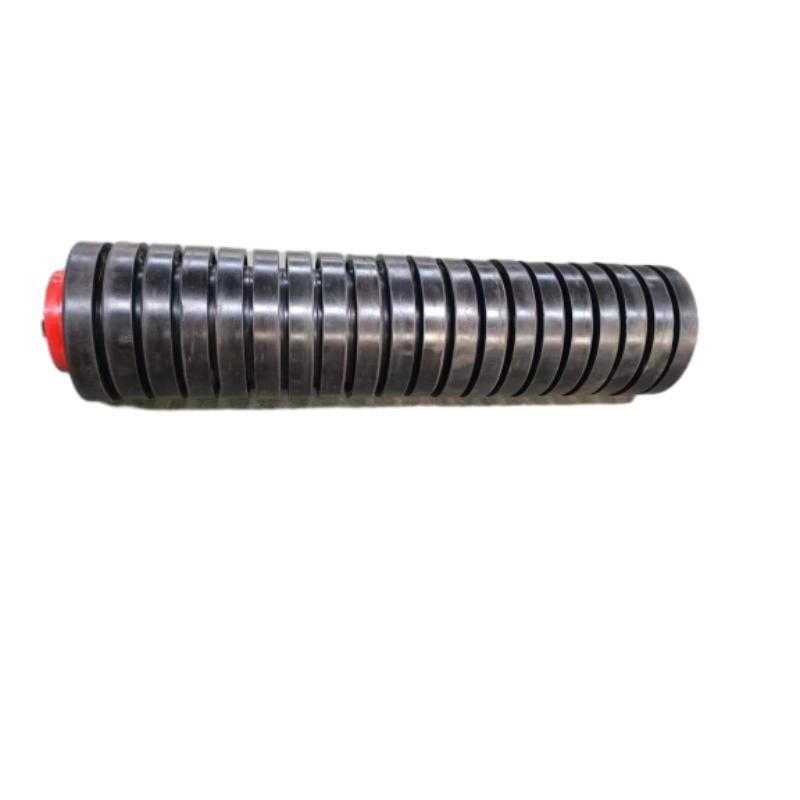
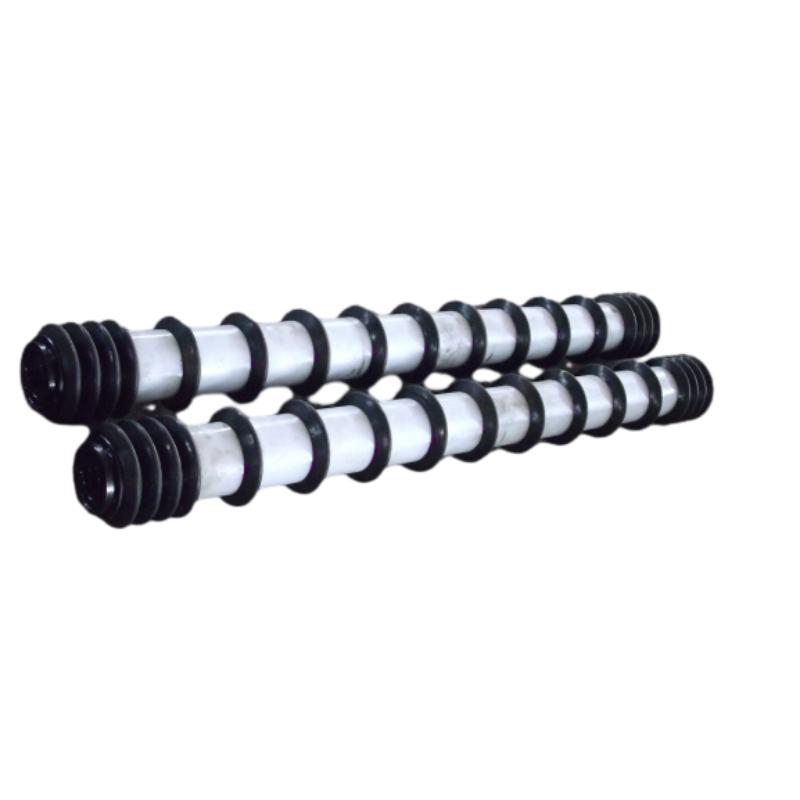
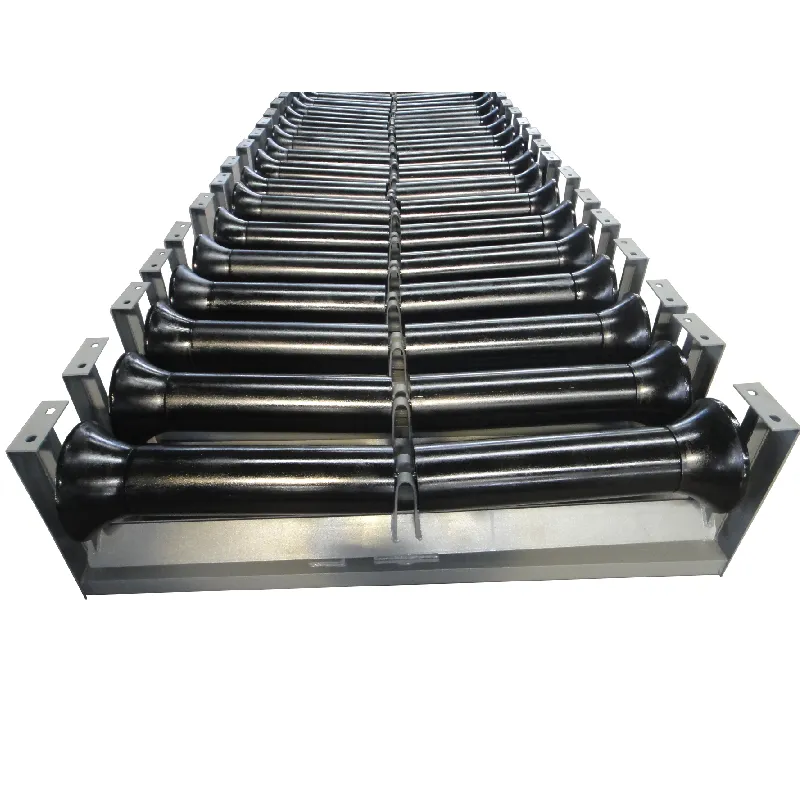
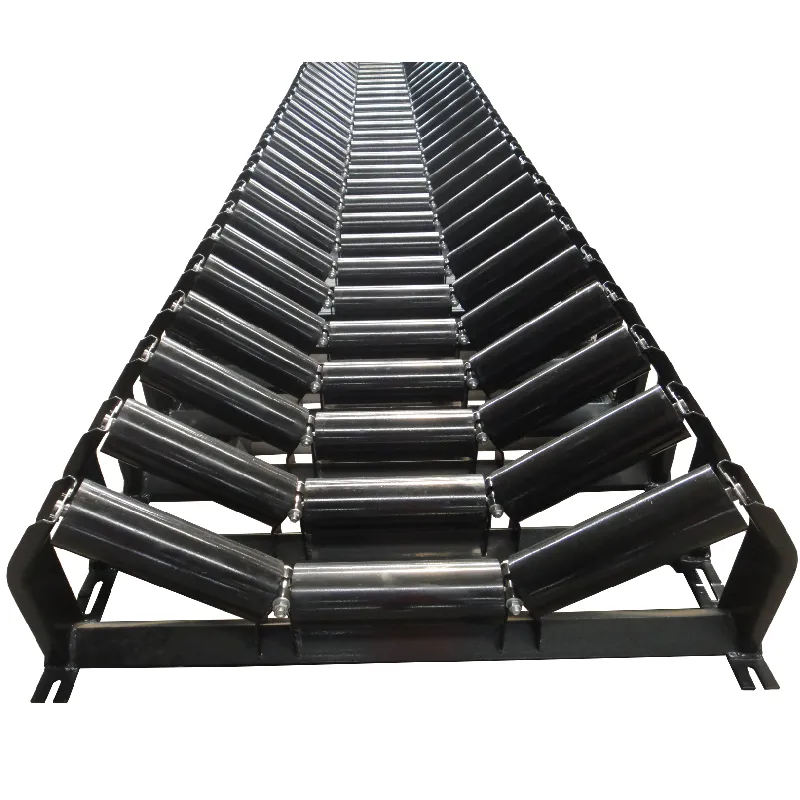
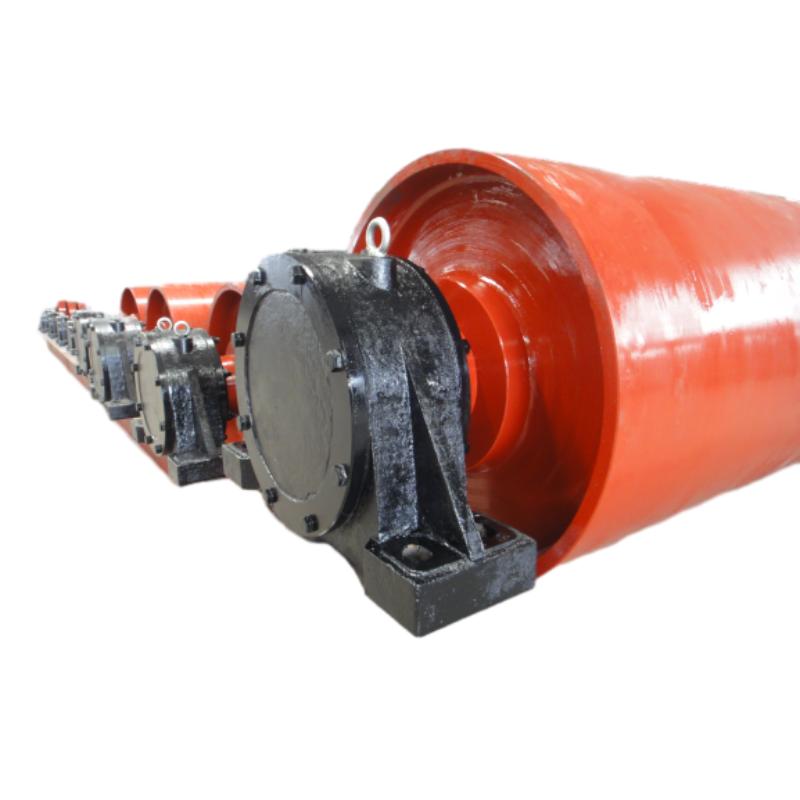
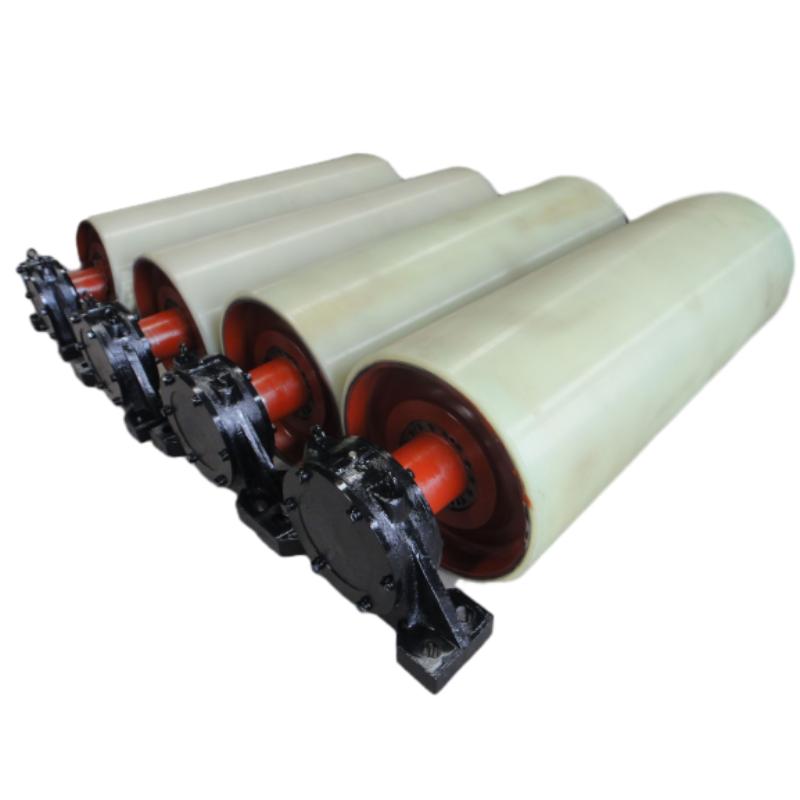
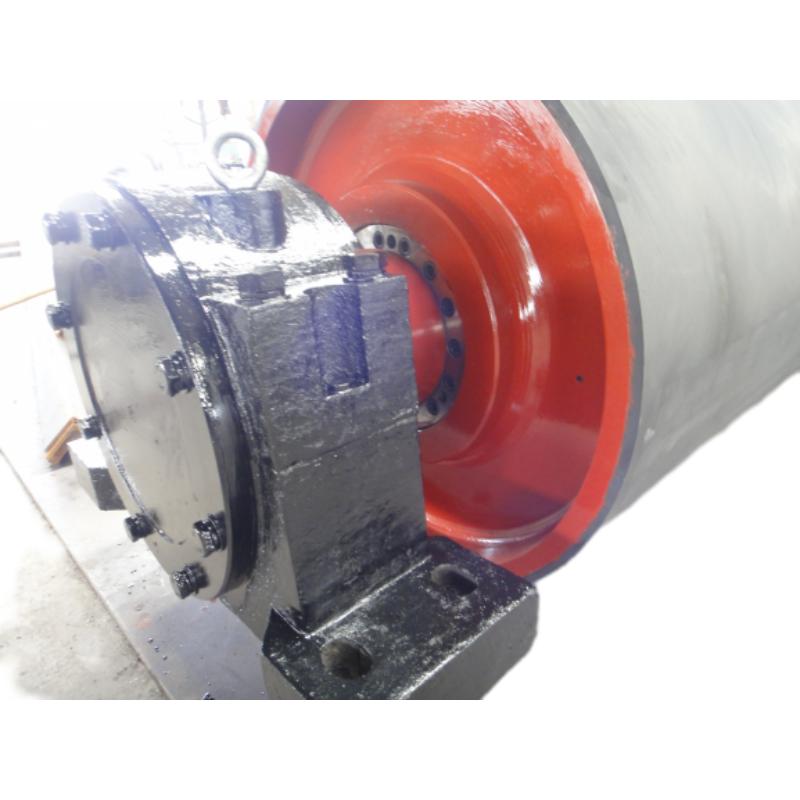
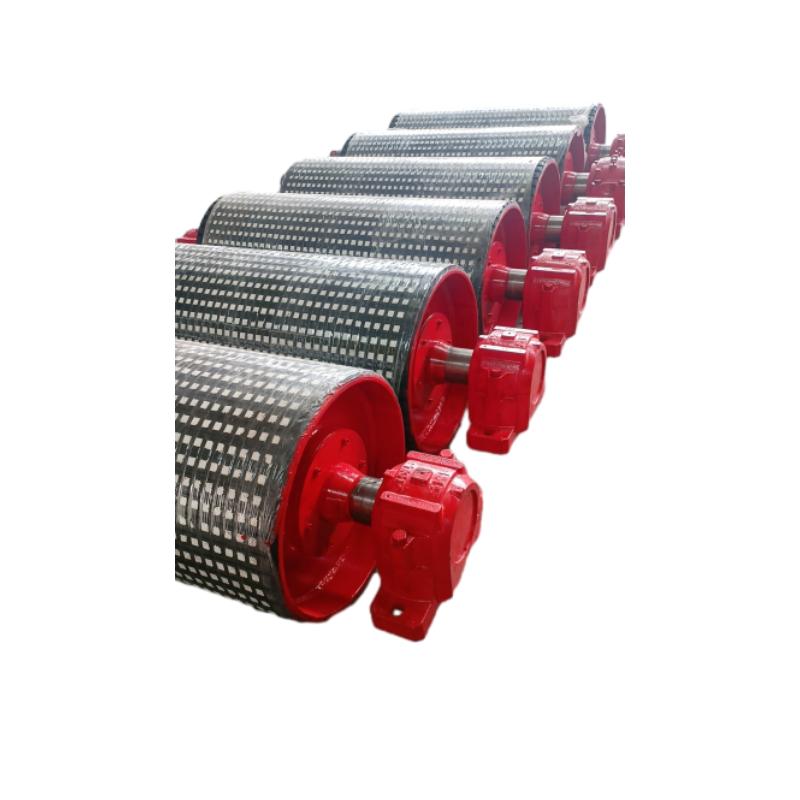
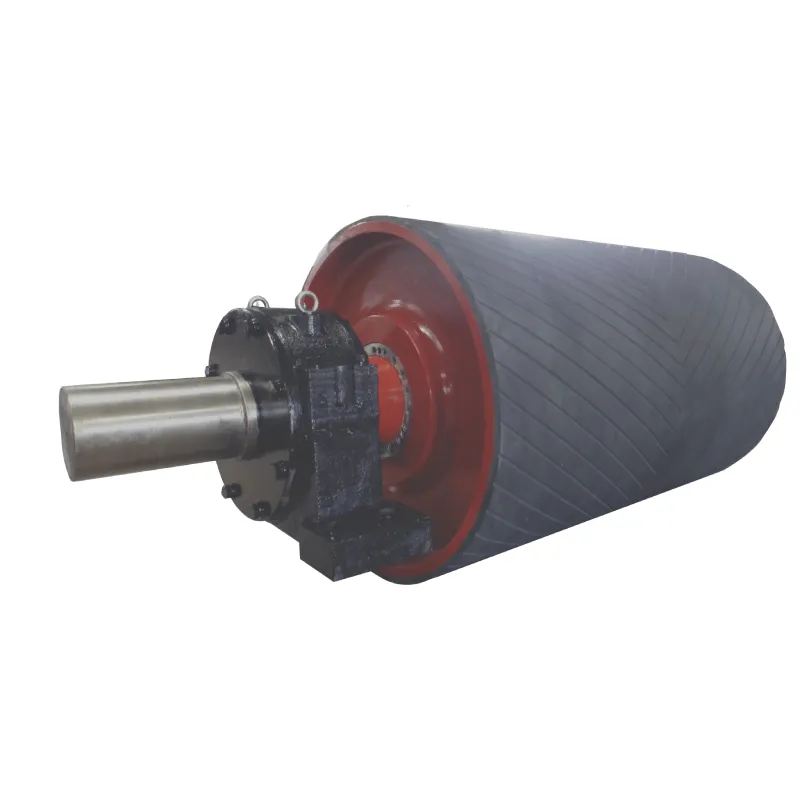
At its heart, a PU coated roller is a cylindrical mechanical component wrapped with a layer of polyurethane (PU). The roller itself is typically steel or aluminum, offering strength and rigidity, while the PU coating provides a resilient, abrasion-resistant surface. The polymer coating helps protect delicate products from damage during transport, reduces noise, and extends the roller’s life by resisting chemicals, oils, and environmental wear.
In simple terms: it’s like putting a protective, durable skin on a metal roller to make it glide easier and last longer. This synergy between metal and polymer is why these rollers fit neatly into modern industries that demand both strength and subtlety, such as food processing plants or electronics assembly lines.
Fun fact: The PU material used can be customized in firmness and thickness depending on what’s being transported—sort of like choosing the perfect shoe for a hike.
Core Components and Key Factors Influencing PU Coated Rollers
1. Durability and Abrasion Resistance
Polyurethane’s most celebrated feature is its high resistance to wear. Unlike rubber or PVC, PU coatings hold up longer even in heavy-use environments, reducing the frequency of maintenance.
2. Chemical and Oil Resistance
Many industrial settings involve exposure to oils, grease, and chemicals—PU coatings resist these aggressors far better than alternatives, saving downtime and replacement costs.
3. Impact Absorption and Noise Reduction
The slightly elastic nature of PU dampens noise and absorbs shocks during material handling, which improves workplace safety and helps meet strict occupational regulations.
4. Customization and Scalability
Manufacturers can tailor the roller’s diameter, coating thickness, and surface hardness to fit specialized requirements. This kind of scalability means no matter the conveyor speed or product fragility, there’s a roller variant to suit.
5. Cost Efficiency Over Time
Although PU coated rollers might cost a bit more upfront than bare metal or rubber rollers, their longevity and performance yield a lower cost per operational hour.
Mini takeaway: Polyurethane’s adaptability mixed with metal’s strength creates a winning combo for industrial rollers.
Global Applications and Real-World Use Cases
From bustling manufacturing hubs in Southeast Asia to automated sorting centers in Europe, PU coated rollers adapt worldwide. Industries benefiting include:
- Food and Beverage: Smooth surface protects delicate packaging and meets hygiene standards.
- Pharmaceuticals: Resistant to chemicals and easy to clean.
- Logistics and Warehousing: Handles heavy loads with less noise and abrasion.
- Humanitarian Relief: Used in temporary conveyor setups to redistribute supplies during disaster relief in places like sub-Saharan Africa or after hurricanes in the Americas.
For example, in a remote industrial zone in Eastern Europe, engineers retrofitted conveyors with PU coated rollers, cutting maintenance downtime by 30% and boosting overall output. Similarly, post-earthquake relief efforts in Asia used mobile conveyor systems equipped with these rollers to quickly transfer debris and supplies.
Mini takeaway: PU coated rollers aren’t just factory tech—they’re critical in crisis response and global supply chains.
Advantages and Long-Term Value of PU Coated Rollers
The list of tangible benefits is quite something:
- Cost savings: Less frequent replacements and repairs.
- Sustainability: Longer lifespan means less landfill waste.
- Worker Safety: Noise reduction and impact absorption protect personnel.
- Product Integrity: Reduced risk of product damage during transit.
On the emotional front, many operators express greater trust in machinery equipped with PU rollers—they say it just feels more “solid” and reliable, reducing stress during busy shifts. It also fosters dignity: less product damage means fewer complaints downstream, preserving brand reputation.
Product Specification Table
| Specification | Typical Range | Notes |
|---|---|---|
| Core Material | Steel / Aluminum | Depends on strength requirements |
| PU Coating Hardness | 70-95 Shore A | Customizable by application |
| Diameter | 20 - 120 mm | Varies with conveyor specs |
| Coating Thickness | 3 - 10 mm | Affects cushioning & durability |
| Operating Temp | -40°C to +80°C | Suitable for most climates |
Vendor Comparison: What to Look for When Buying PU Coated Rollers
| Vendor | Customization Options | Lead Time | Warranty | Pricing (Per Unit) |
|---|---|---|---|---|
| RollerPro Inc. | Full PU hardness & size | 3-4 weeks | 2 years | $$ |
| PolyRollers Ltd. | Standard sizes only | 1-2 weeks | 1 year | $ |
| IndustrialRolls Co. | Wide range + fast prototyping | 4-6 weeks | 3 years | $$$ |
Emerging Trends and Future Innovations
Oddly enough, even such a seemingly straightforward product is evolving. The future for PU coated rollers seems tightly linked to green manufacturing and digital integration. New bio-based polyurethanes are emerging to reduce petrochemical dependence. I’ve heard from some engineers that digital sensors embedded in rollers to track wear in real-time are about to hit the market. This could revolutionize maintenance scheduling.
Automation and Industry 4.0 forces mean these rollers won’t just be passive parts anymore—they’ll be “smart” components communicating with entire conveyor ecosystems to eliminate surprises.
Mini takeaway: The humble roller is getting a high-tech makeover that pairs sustainability with data-driven reliability.
Challenges and Practical Solutions
With all these benefits, you might ask: where’s the catch? Well, PU coated rollers aren’t perfect. Some challenges include:
- Initial costs: Higher upfront investment than rubber or metal rollers.
- UV sensitivity: Prolonged sun exposure can degrade some PU types.
- Customization lead times: Manufacturing tailored rollers can take weeks.
Expert advice? For outdoor conveyor systems, opt for UV-stabilized PU blends and consider protective covers to lengthen lifespan. Also, working closely with suppliers who offer prototyping and fast iteration can reduce downtime caused by waiting.
Frequently Asked Questions About PU Coated Rollers
Q1: How do PU coated rollers compare to rubber rollers in food processing?
A1: PU rollers typically have higher abrasion and chemical resistance than rubber, making them ideal in food processing where hygiene and durability are both critical. They handle cleaning agents better and last longer under repeated washdowns.
Q2: Can PU coated rollers be repaired if damaged?
A2: Minor surface damage can sometimes be repaired using specialized coatings or patching epoxy, but significant wear usually requires full replacement to ensure proper function.
Q3: What is the typical lifespan of a PU coated roller in industrial environments?
A3: Lifespan varies depending on usage, but roughly 2-5 years is common under standard operating conditions—much longer than rubber alternatives.
Q4: Are these rollers recyclable or eco-friendly?
A4: PU is not easily recyclable in traditional streams, but advances in bio-polyurethane and take-back programs by suppliers are improving environmental impact.
Conclusion and Next Steps
In a nutshell, understanding and choosing the right pu coated roller can fundamentally improve your operational efficiency, reduce downtime, and contribute to long-term sustainability goals. Whether you’re running a high-speed packaging plant or setting up temporary conveyors for aid distribution, these rollers offer a balanced mix of durability, customization, and cost-effectiveness.
If you’re curious about exploring product options or want tailored advice, I highly recommend visiting https://www.idleraohua.com—they’ve got a solid reputation for expertise and quality.
Let’s keep industry rolling smoothly, one PU coated roller at a time.
References:
1. ISO - Industrial Automation Standards
2. Wikipedia - Polyurethane
3. World Bank - Industry Statistics
-
Maximize Conveyor Life with a High Performance impact bedNewsApr.16,2026
-
Maximize Conveyor Efficiency Using a v plow belt scraperNewsApr.09,2026
-
Comprehensive Guide to Understanding Different Types of Belt CleanersNewsApr.07,2026
-
Enhancing Conveyor Efficiency with an Effective Scraper Belt CleanerNewsApr.04,2026
-
Optimizing Conveyor Systems with Advanced Cleaning Equipment SolutionsNewsMar.31,2026
-
Effective Conveyor Belt Scraper Adjustment for Optimal System PerformanceNewsMar.28,2026