

Comprehensive Guide to Polyurethane Rollers with Bearings: Benefits, Applications & Innovations
Polyurethane Rollers with Bearings: Defining Reliability in Industrial Movement
If you’ve ever watched a conveyor belt smoothly glide boxes along a warehouse floor or noticed the quiet whir of precision machinery, polyurethane rollers with bearings were likely playing a vital yet unseen role. They might sound like a niche component, but these rollers are quietly ensuring efficiency in industries worldwide — from automotive manufacturing to packaging, from mining to shipping. Understanding why they matter is more than just a technical curiosity; it’s about recognizing the backbone of modern industrial productivity.
Globally, the demand for resilient, long-lasting mechanical parts is rising. According to ISO standards on quality and durability, components like polyurethane rollers significantly reduce downtime and maintenance costs. Yet, challenges such as harsh working environments and constant mechanical stress call for smarter, adaptable solutions — where polyurethane rollers with bearings step in. They combine toughness with smooth operation, which is crucial in fast-paced industries.
What Exactly Are Polyurethane Rollers with Bearings?
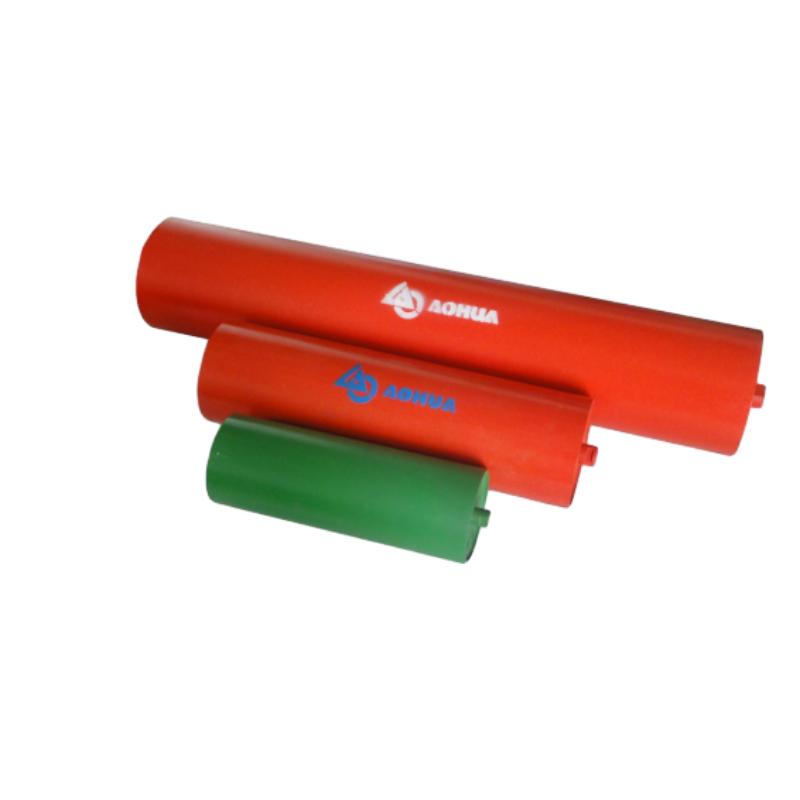
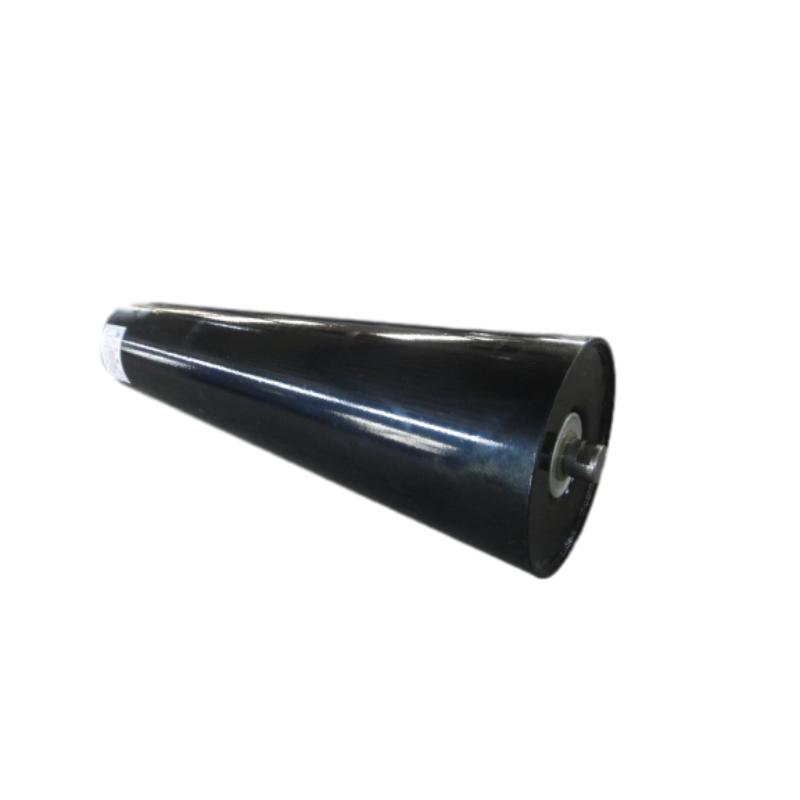
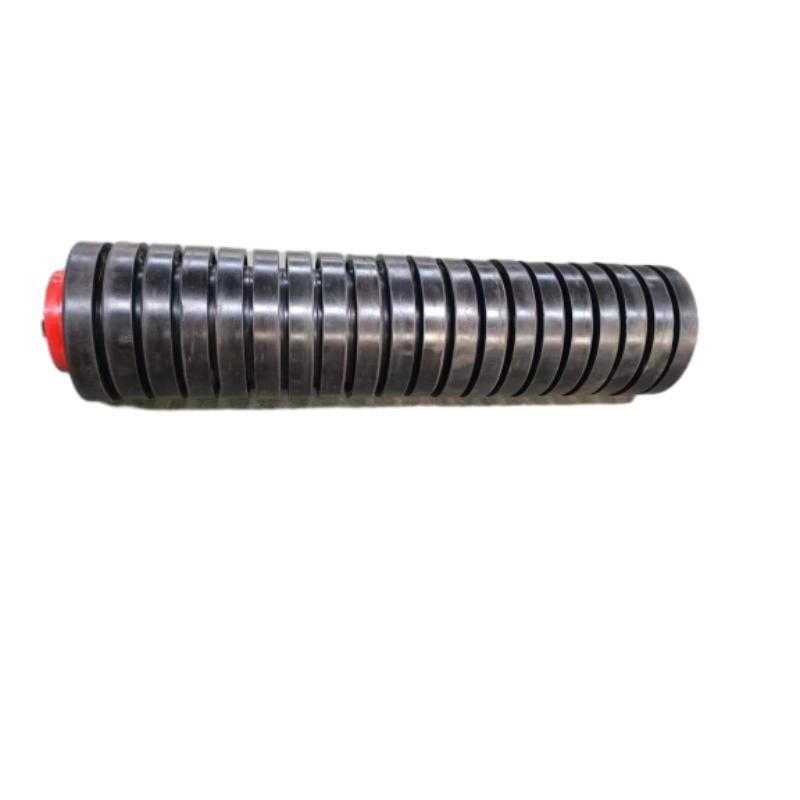
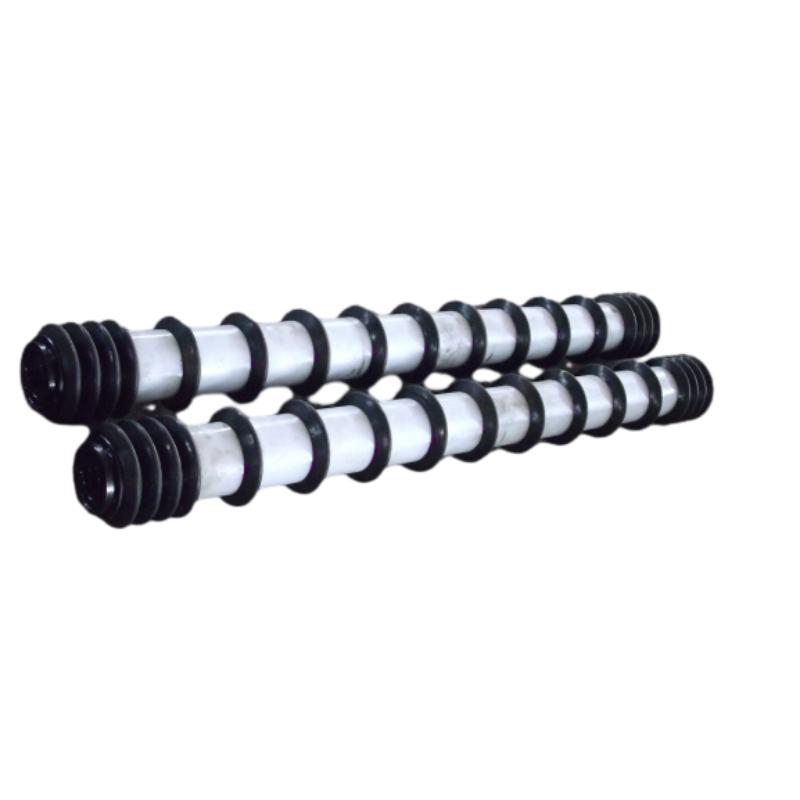
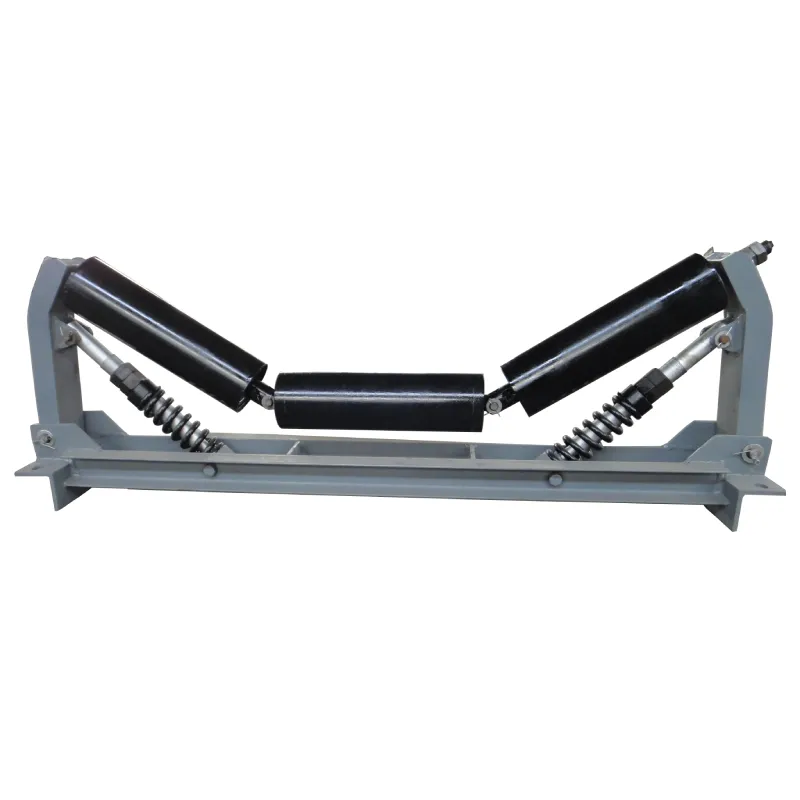
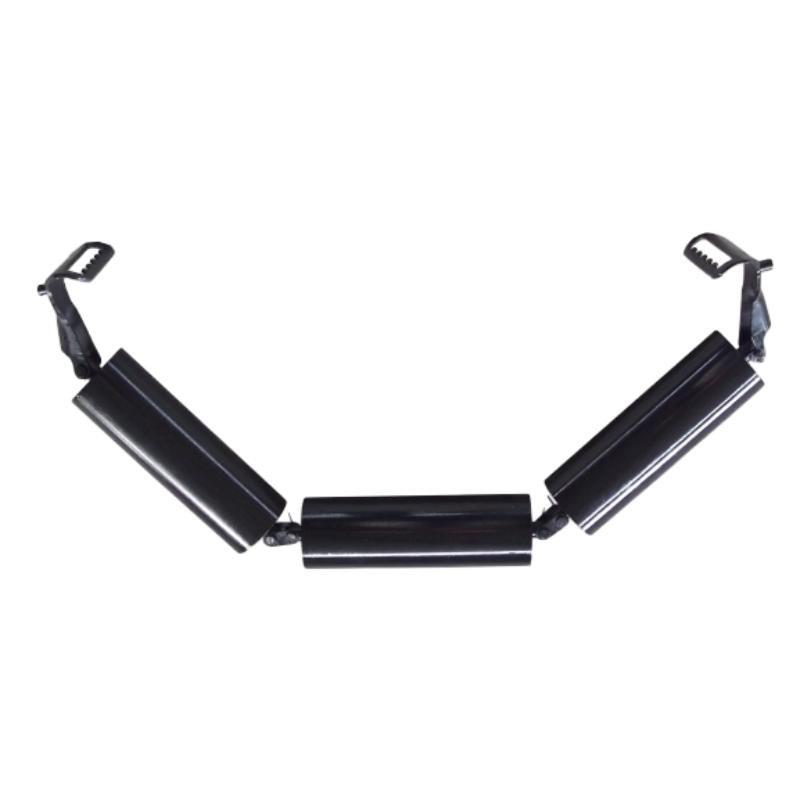
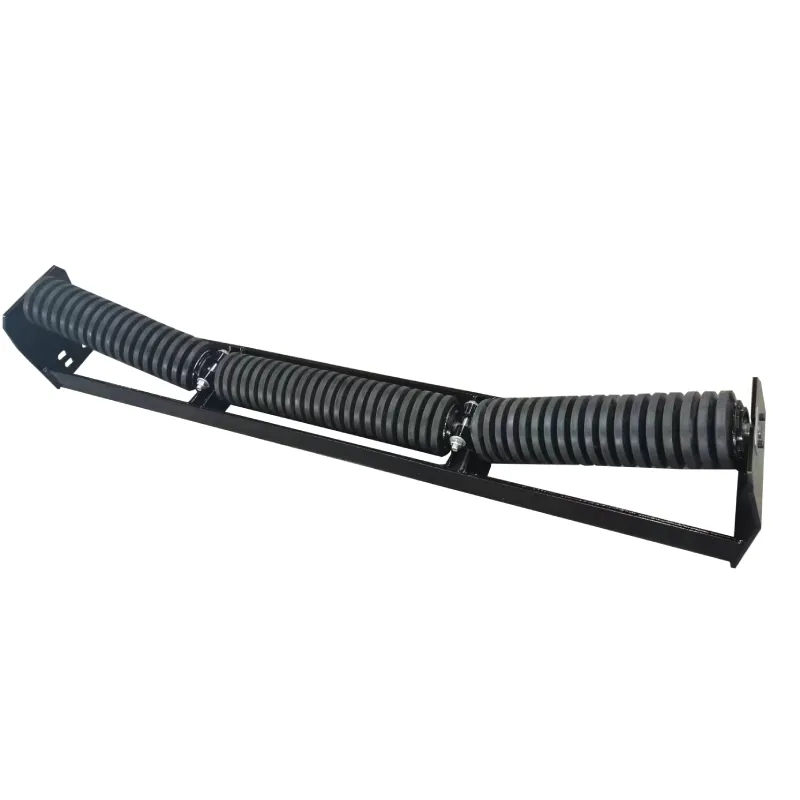
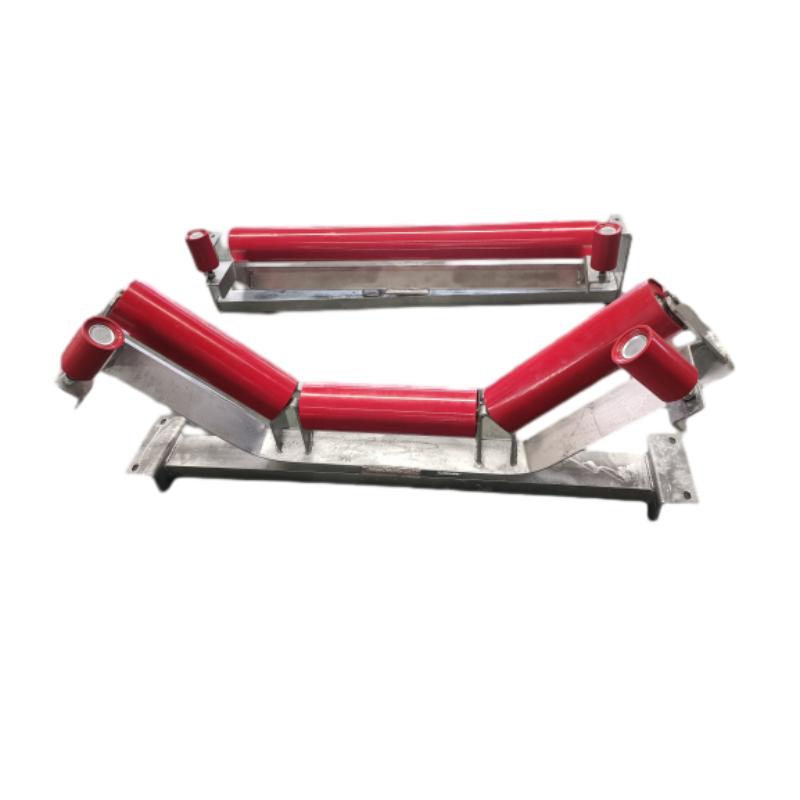
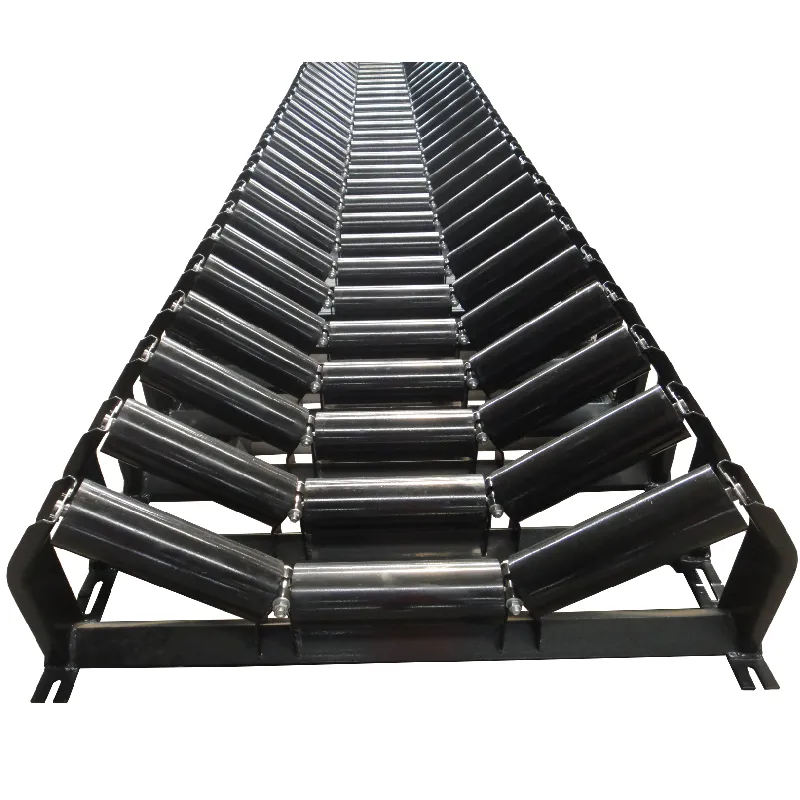
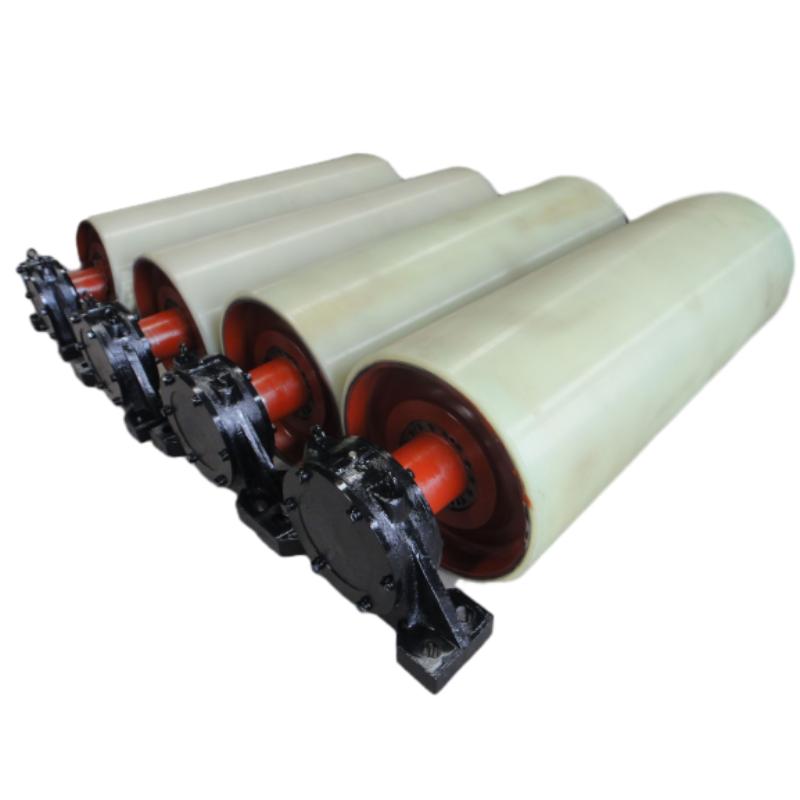
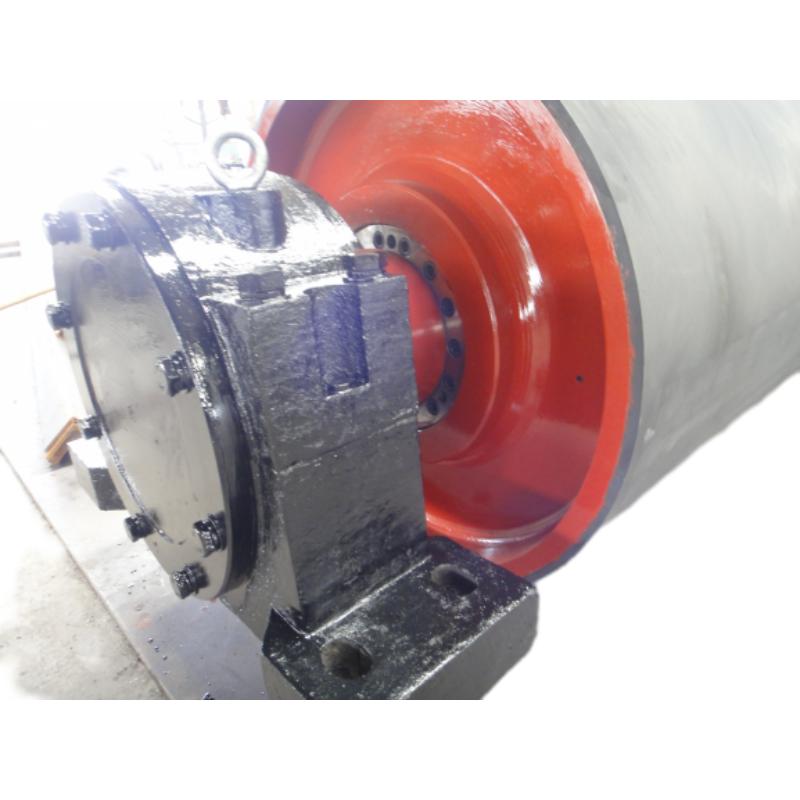
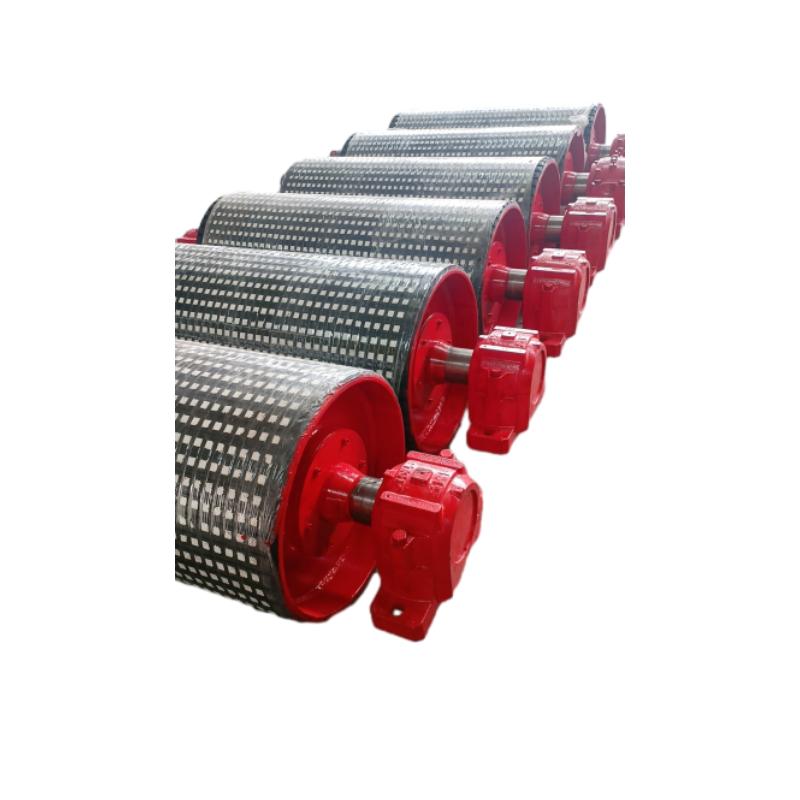
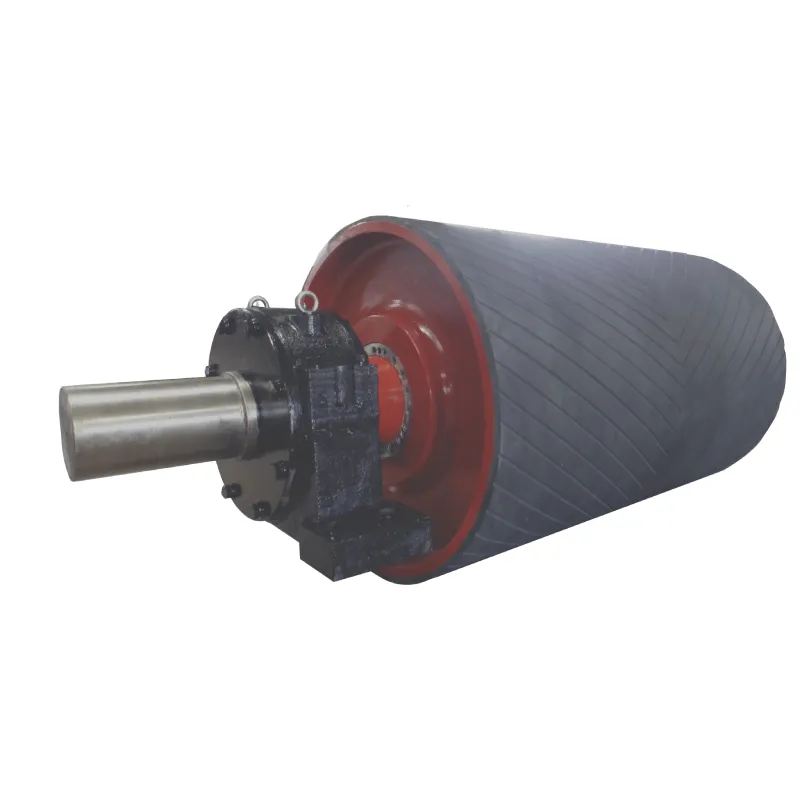
Simply put: these are cylindrical components made primarily from polyurethane — a polymer prized for its elasticity and wear resistance — fitted around an inner bearing that allows the roller to spin freely. This combination delivers cushioned support and rotational ease. The rollers act as the interface between a moving load and the structure supporting it, making them indispensable for material handling, conveyors, or assembly lines.
On a broader scale, their significance touches beyond factories. For example, in humanitarian logistics, reliable rollers ensure relief packages move unhindered from warehouse to delivery, often in less-than-ideal conditions. It's fascinating to see a small piece of engineering support global efforts indirectly.
Core Components and Key Factors
Durability & Abrasion Resistance
Polyurethane is known for its high abrasion resistance, far outlasting traditional rubber rollers in rough environments. This durability means fewer replacements and less production interruption, saving big on operational costs.
Load Capacity & Bearing Integration
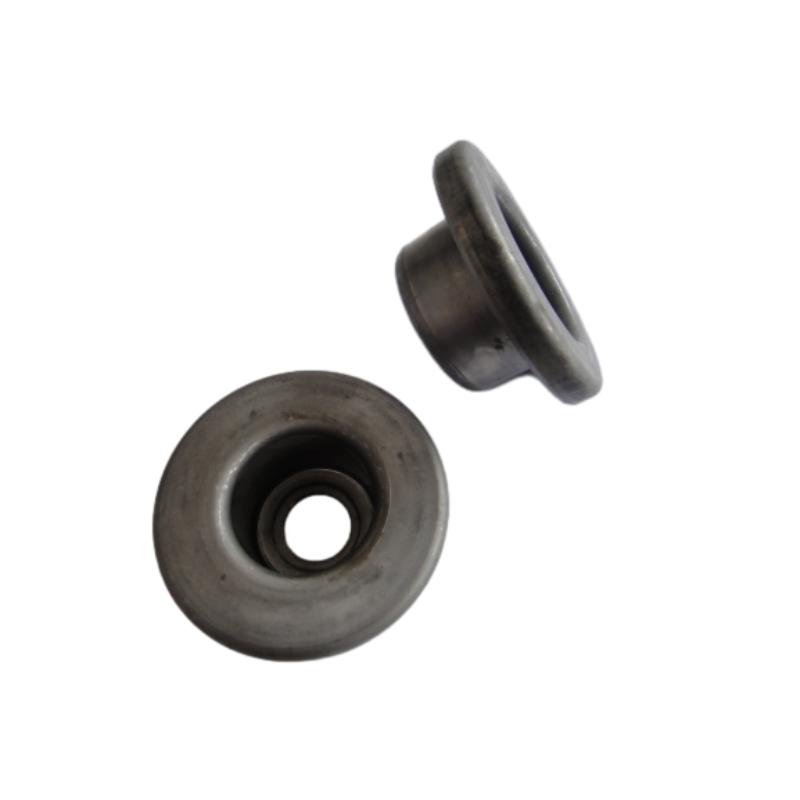
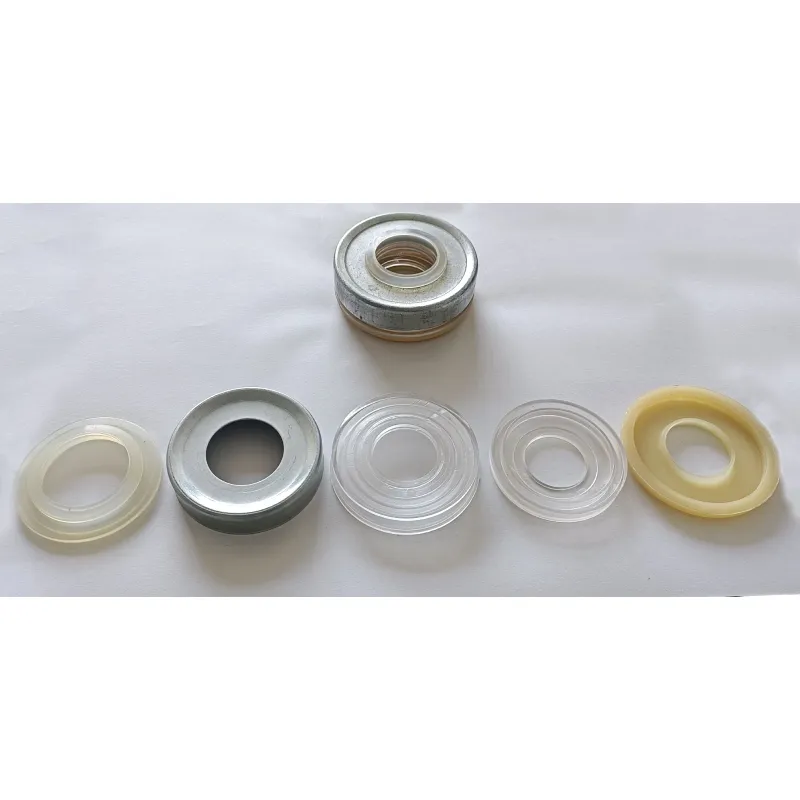
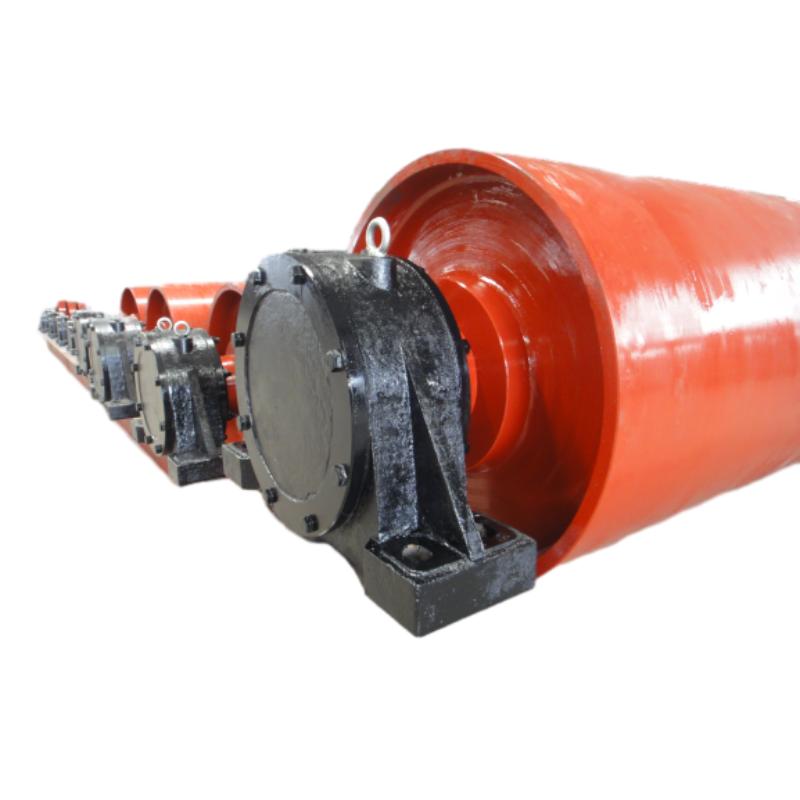
The embedded bearings — often ball or roller types — allow the polyurethane shell to rotate with minimal friction. This feature helps accommodate various load sizes efficiently. Manufacturers choose bearings based on expected rotational speeds and loads, tailoring solutions for everything from light packaging to heavy mining equipment.
Noise Reduction
Interestingly, polyurethane rollers tend to operate more quietly than metal rollers, reducing workplace noise pollution — a small benefit but significant in large manufacturing facilities focused on worker well-being.
Chemical & Environmental Resistance
Many industries expose rollers to oils, solvents, or extreme temperatures. Polyurethane withstands many of these without degradation, which means reliability even in challenging chemical or outdoor conditions.
Customization and Scalability
Rollers come in varied sizes, hardness levels, and bearing types. This customization ability means they’re scalable for startups with small runs or enormous factories demanding thousands of precise parts.
Polyurethane Rollers with Bearings in Action: Global Use Cases
- Manufacturing Hubs in Asia: Factories producing electronics rely heavily on precise material handling. Polyurethane rollers with bearings ensure that delicate components move smoothly without damage, harmonizing speed with care.
- European Logistics Centers: With increased automation, warehouses employ these rollers in conveyors and sorting machines to boost efficiency and reduce maintenance.
- Mining Operations in Australia: Harsh conditions and abrasive materials demand durable rollers that won’t wear down rapidly—a perfect playground for polyurethane’s strengths.
- Disaster Relief in Africa: Mobile warehouses and transport vehicles use polyurethane rollers, appreciated for their lightweight but strong nature, helping relief organizations swiftly deliver aid supplies.
Mini takeaway: These rollers are truly global workhorses, seamlessly adapting to local conditions while supporting vast, complex operations.
Advantages & Lasting Value of Polyurethane Rollers with Bearings
On the surface, they sound simple, yet their impact is profound:
- Cost-efficiency: Fewer replacements and less downtime translate into direct financial savings.
- Sustainability: Polyurethane’s longevity reduces waste and supports circular manufacturing trends.
- Safety & Comfort: Their quieter operation contributes to healthier workplaces.
- Reliability and Trust: In critical logistics paths, trustworthy rollers mean shipments don’t stall, and deadlines meet.
Specifications Snapshot
| Parameter | Typical Value / Options |
|---|---|
| Roller Diameter | 20 mm - 200 mm |
| Polyurethane Hardness (Shore A) | 60 - 95 |
| Bearing Type | Ball, Roller, Sleeve |
| Load Capacity | Up to 500 kg per roller |
| Temperature Range | -40°C to 80°C |
Vendor Comparison: Choosing the Right Supplier
| Feature | Vendor X | Vendor Y | Vendor Z |
|---|---|---|---|
| Customization Options | High | Medium | Low |
| Lead Time | 2 weeks | 1 week | 3 weeks |
| Testing & Certification | ISO 9001, RoHS | ISO 9001 | None |
| Warranty | 3 years | 2 years | 1 year |
Looking Ahead: Future Trends & Innovations
The tech landscape for polyurethane rollers with bearings is quietly evolving. Several manufacturers invest in bio-based polyurethanes to reduce environmental impact, aligning with global carbon-reduction goals. There’s also a growing trend towards smart rollers — embedding sensors inside bearings to monitor wear and operational load in real-time, enabling predictive maintenance.
Automation and digitalization further embed these components deeply into Industry 4.0 frameworks. Imagine not just moving goods, but tracking roller health digitally for zero unexpected downtimes. Frankly, this integration feels poised to make industrial movement smoother and smarter.
Challenges and How Industry Tackles Them
Despite the many benefits, polyurethane rollers with bearings face challenges. For example, exposure to very high temperatures can degrade polyurethane faster than some metals. Also, the cost upfront for high-quality rollers may deter some businesses, especially smaller players.
Experts suggest investing in high-grade polymer blends and regularly maintaining bearing lubrication as practical solutions. Plus, ongoing testing and international standards compliance — such as from ISO — help ensure consistent quality and performance.
FAQ: Understanding Polyurethane Rollers with Bearings
- Q: What industries benefit most from polyurethane rollers with bearings?
A: They’re widely used in manufacturing, warehousing, mining, and logistics due to their wear resistance and smooth operation. Their flexibility fits both light-duty conveyors and heavy industrial lines. - Q: How do I choose the right hardness for a polyurethane roller?
A: Hardness depends on load and application specifics. Softer rollers (lower Shore A) provide better shock absorption; harder rollers handle heavier loads but might transmit more vibration. - Q: Can polyurethane rollers operate outdoors?
A: Yes, many formulations resist UV and chemicals well, though extreme temperatures may affect longevity. Selecting UV-stabilized or weather-resistant versions is advisable. - Q: Are polyurethane rollers with bearings eco-friendly?
A: Traditional polyurethane is a synthetic polymer, but newer bio-based alternatives are emerging. Their durability also reduces waste compared to frequent replacements. - Q: Where can I find custom polyurethane rollers with bearings?
A: Specialists like polyurethane rollers with bearings providers offer tailor-made solutions, ensuring precise fit and performance.
Conclusion
Polyurethane rollers with bearings may not often make headlines, but their quiet performance underpins much of the world’s industrial motion. Their blend of strength, adaptability, and smooth operation keeps factories humming, warehouses efficient, and even humanitarian efforts moving forward. For engineers and procurement teams, investing in quality rollers yields tangible returns — in cost savings, reliability, and ultimately, trust.
If you’re curious to explore options or enhance your operations with these indispensable components, I’d recommend heading over to polyurethane rollers with bearings. There, you’ll find expert advice and a spectrum of customizable choices tailored for diverse industries.
After all, the right roller might just be the small part that makes a big difference.
Quick reflection: Sometimes, the most unassuming components teach us that reliability isn’t flashy—it’s consistent, thoughtful, and built for the long haul.
References:
-
Maximize Conveyor Life with a High Performance impact bedNewsApr.16,2026
-
Maximize Conveyor Efficiency Using a v plow belt scraperNewsApr.09,2026
-
Comprehensive Guide to Understanding Different Types of Belt CleanersNewsApr.07,2026
-
Enhancing Conveyor Efficiency with an Effective Scraper Belt CleanerNewsApr.04,2026
-
Optimizing Conveyor Systems with Advanced Cleaning Equipment SolutionsNewsMar.31,2026
-
Effective Conveyor Belt Scraper Adjustment for Optimal System PerformanceNewsMar.28,2026