

Comprehensive Guide to Conveyor Parts Suppliers: Enhancing Industrial Efficiency
Understanding Conveyor Parts Suppliers: Backbone of Modern Industry
Conveyor parts suppliers are, quite frankly, the unsung heroes behind much of today’s industrial efficiency. Wherever you see smooth, continuous movement of goods—be it in factories, airports, or even relief supply chains—there’s a company or expert making sure conveyor equipment is running flawlessly. The conveyor segment alone is a multi-billion-dollar global market, underscored by the World Bank and ISO reports emphasizing industrial automation’s role in economic growth. Why does it matter? Because without reliable conveyor parts, industries face costly downtime, safety risks, and slowed productivity. Understanding conveyor parts suppliers is key for businesses that want to optimize operations and future-proof their supply chains.
Global Context: Why Conveyor Parts Suppliers Matter
It’s easy to overlook, but conveyor parts suppliers serve critical functions worldwide. According to the International Organization for Standardization (ISO), conveyor technology supports an estimated 30% of global automated material handling processes. The UN’s industrial development reports highlight that evolving global supply chains demand scalable, durable conveyor solutions to reduce waste and carbon footprints. Yet challenges remain—sourcing high-quality parts quickly and ensuring they fit diverse conveyor systems is a puzzle many industries face.
Think about manufacturing hubs in Asia, mining operations in Africa, or logistics centers in Europe—each depends heavily on conveyors. When those parts fail, delays cascade. So, conveyor parts suppliers are integral players in sustaining economic growth and industrial resilience.
What Exactly Are Conveyor Parts Suppliers?
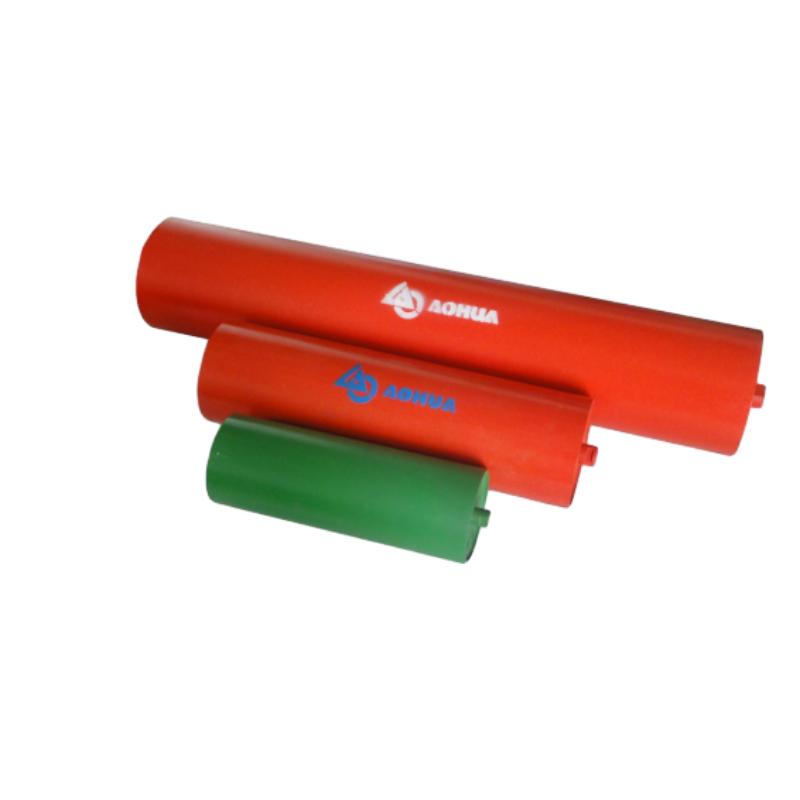
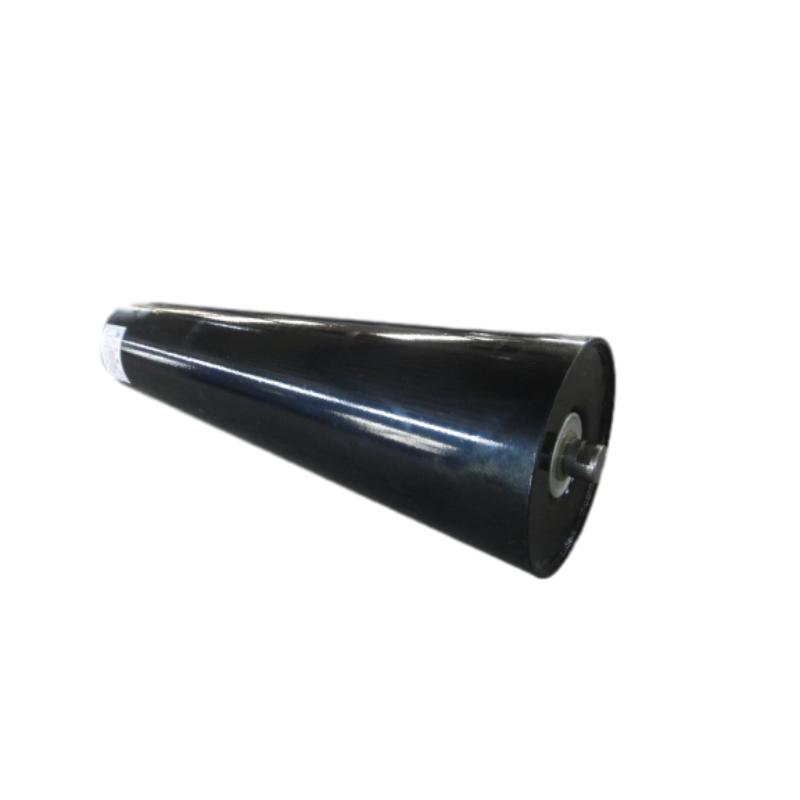
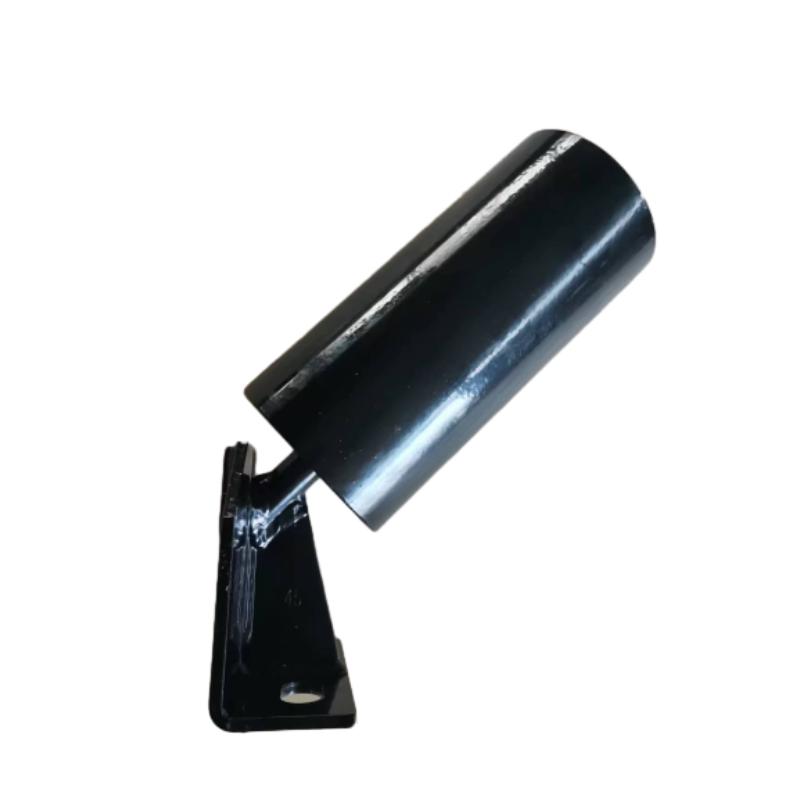
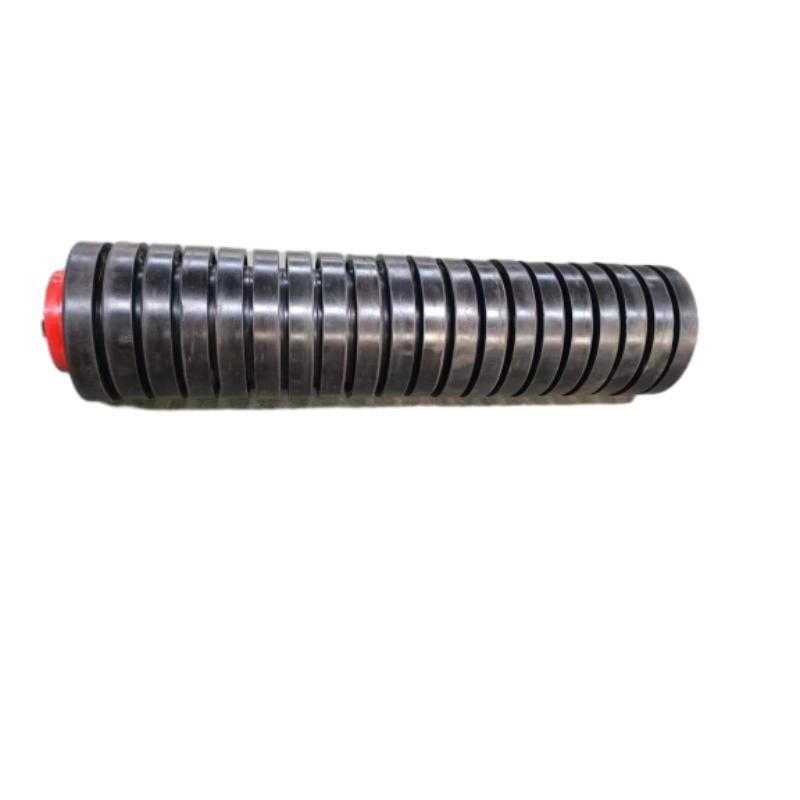
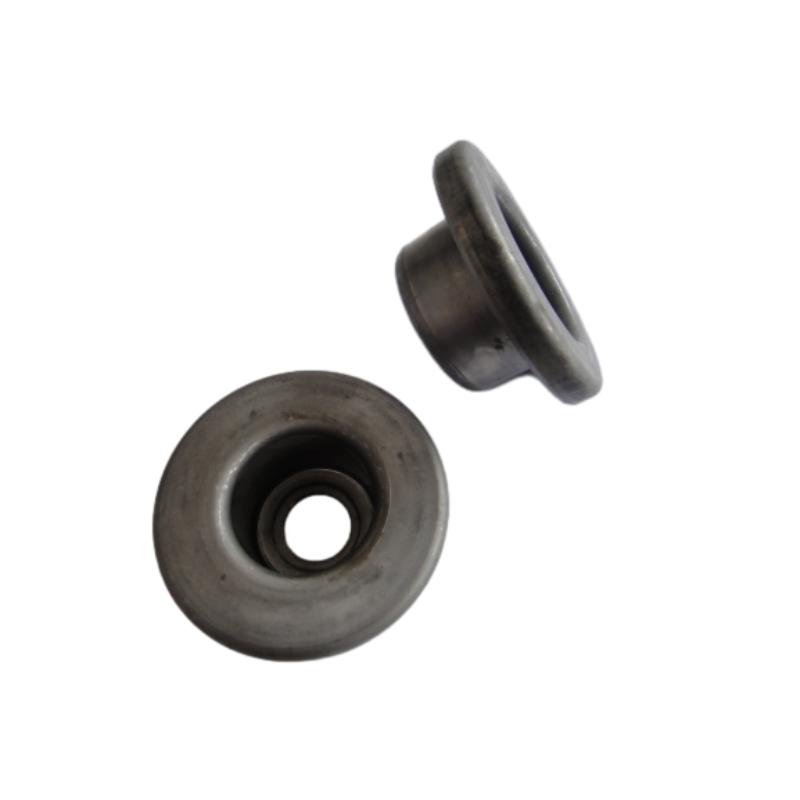
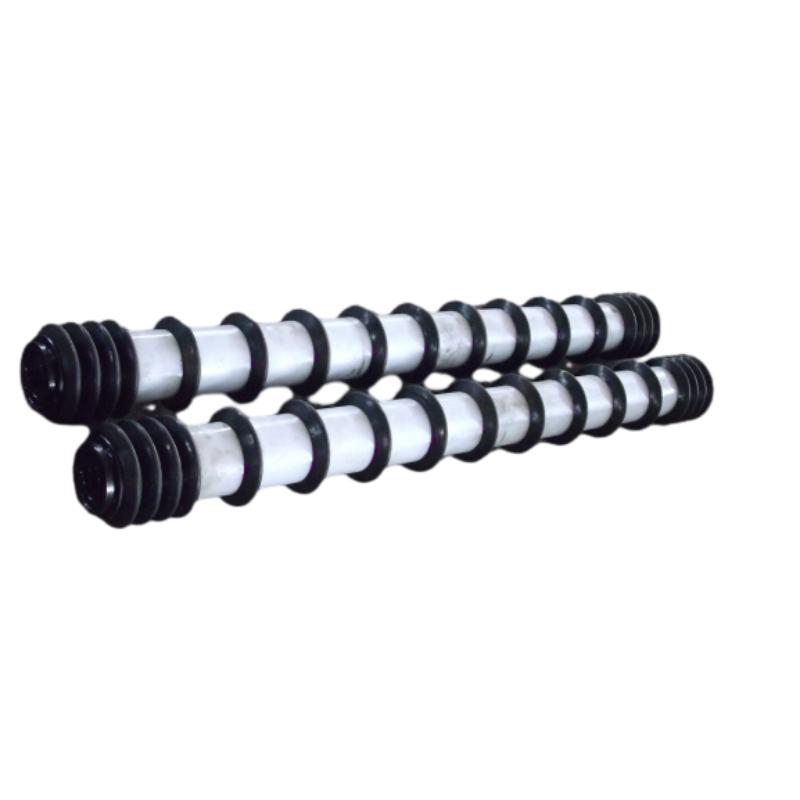
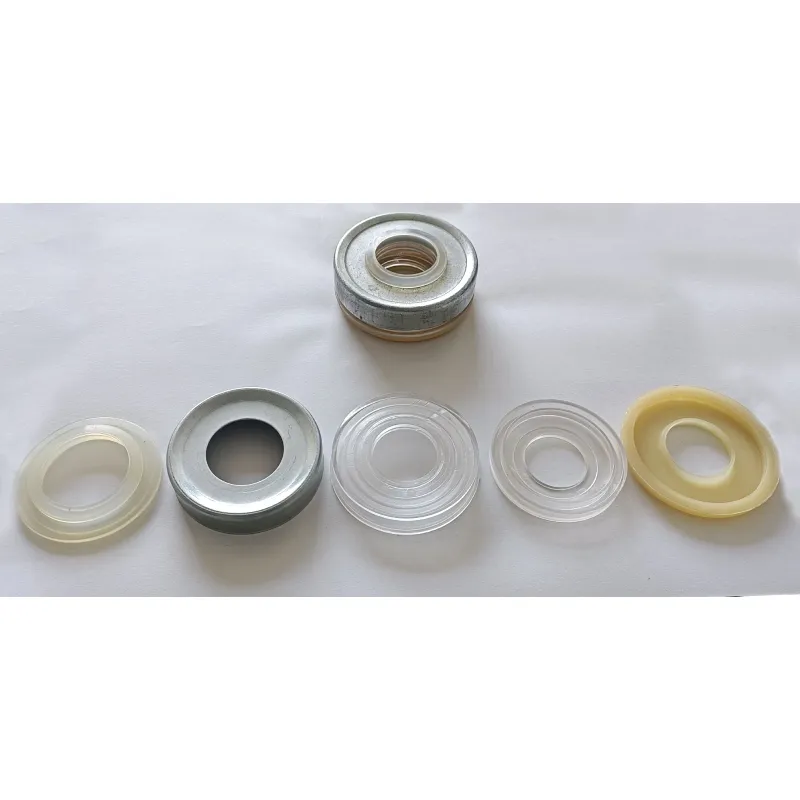
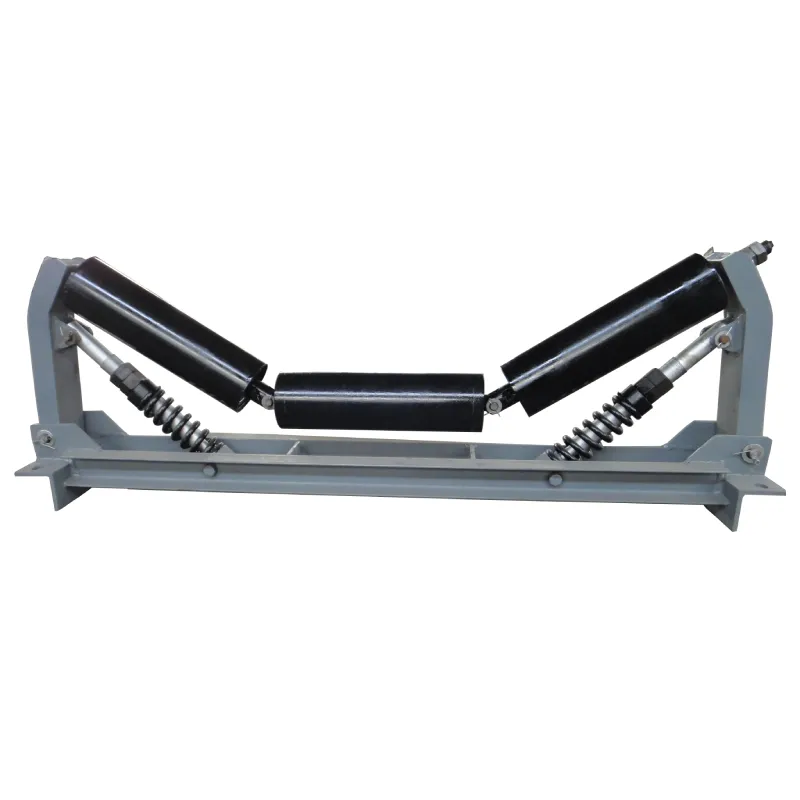
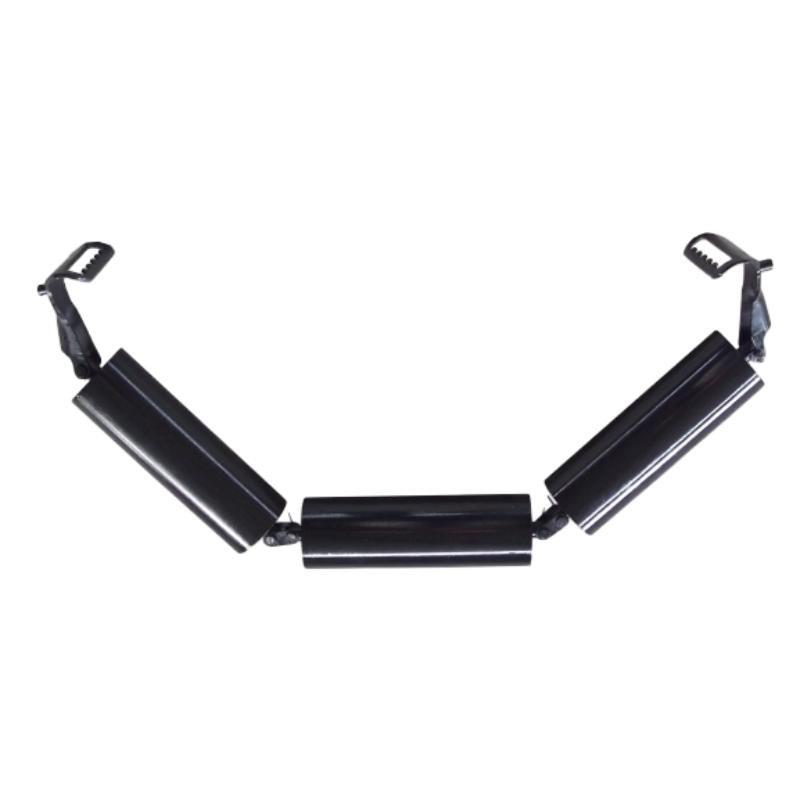
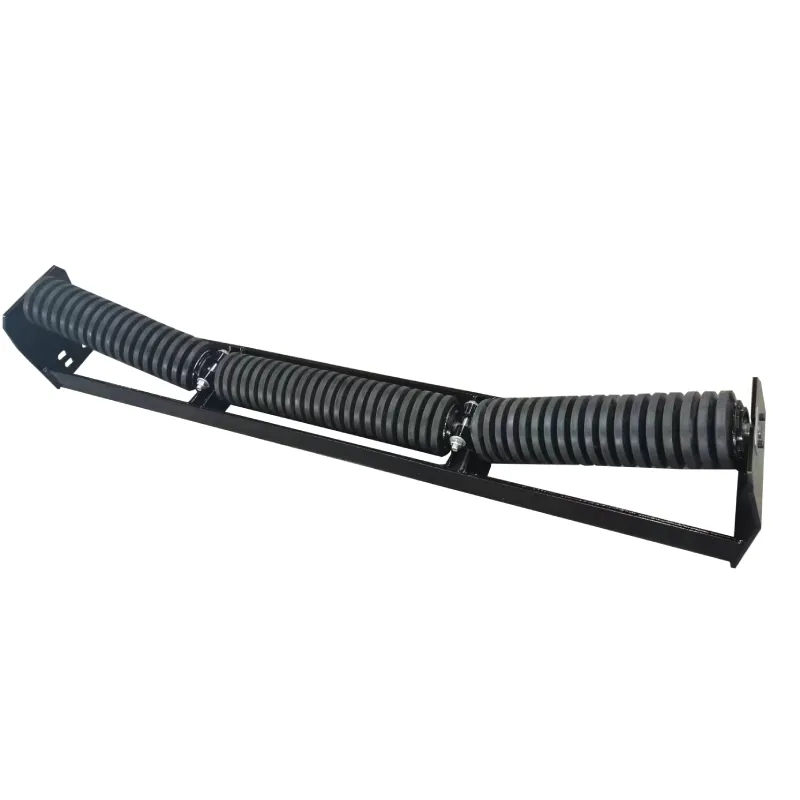
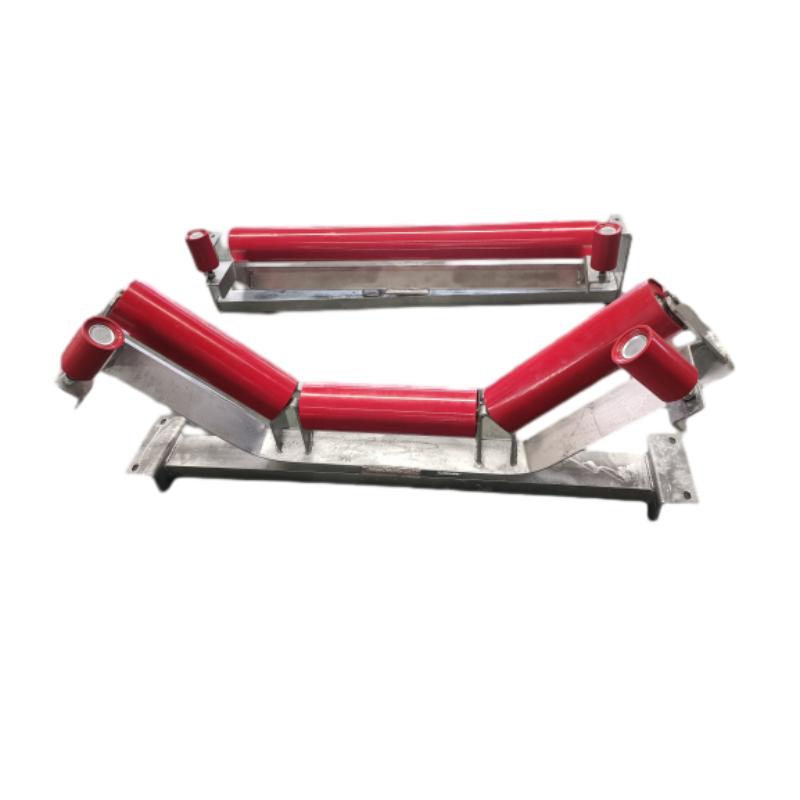
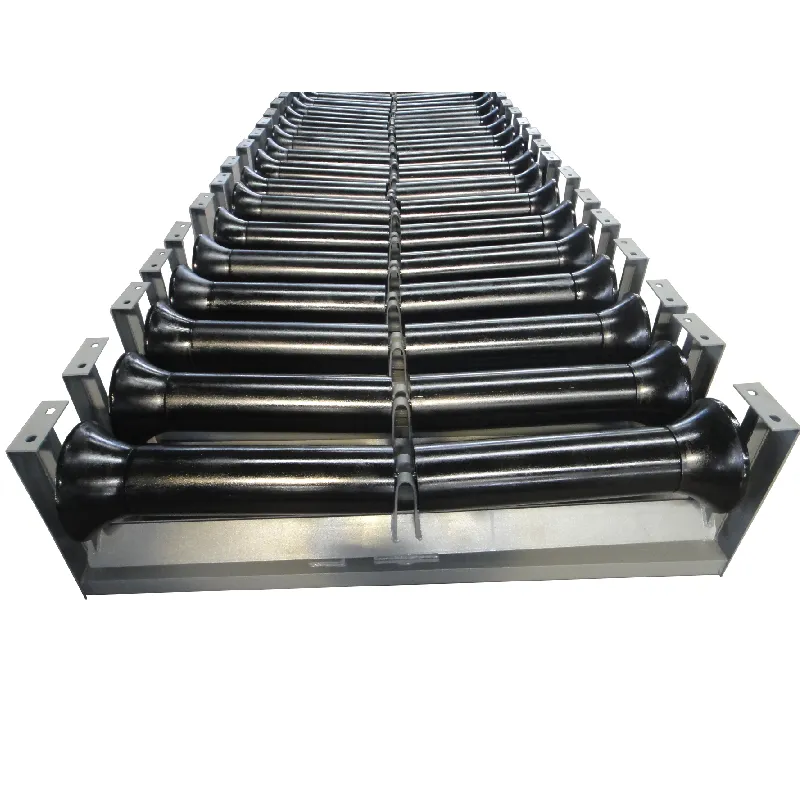
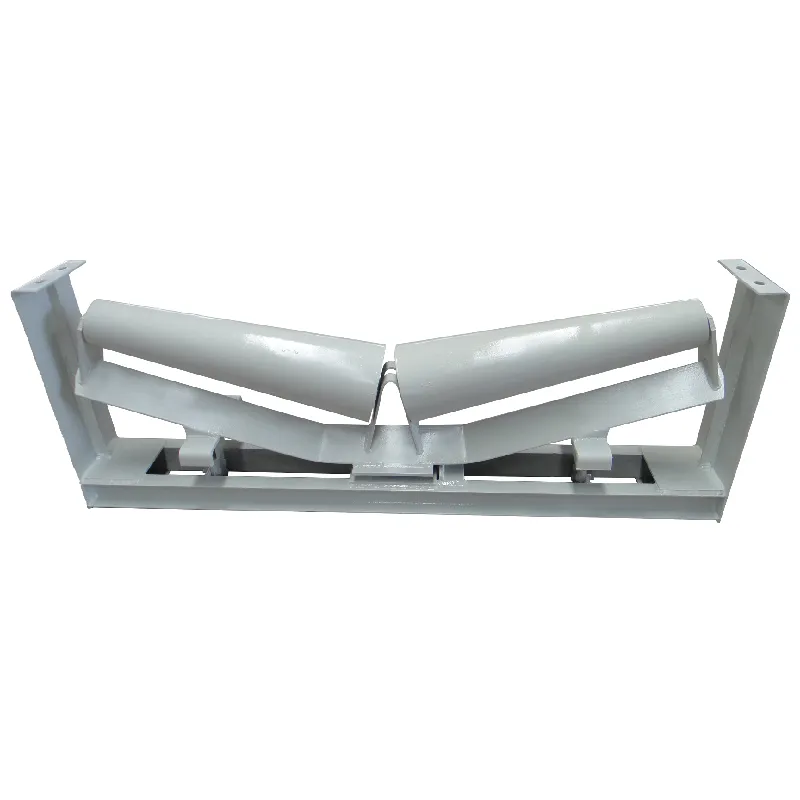
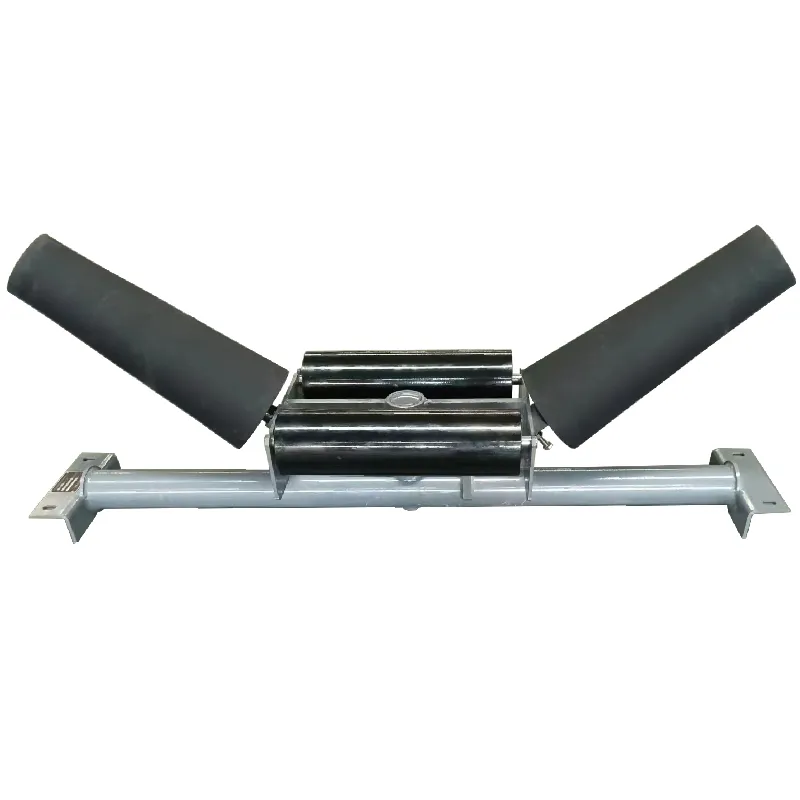
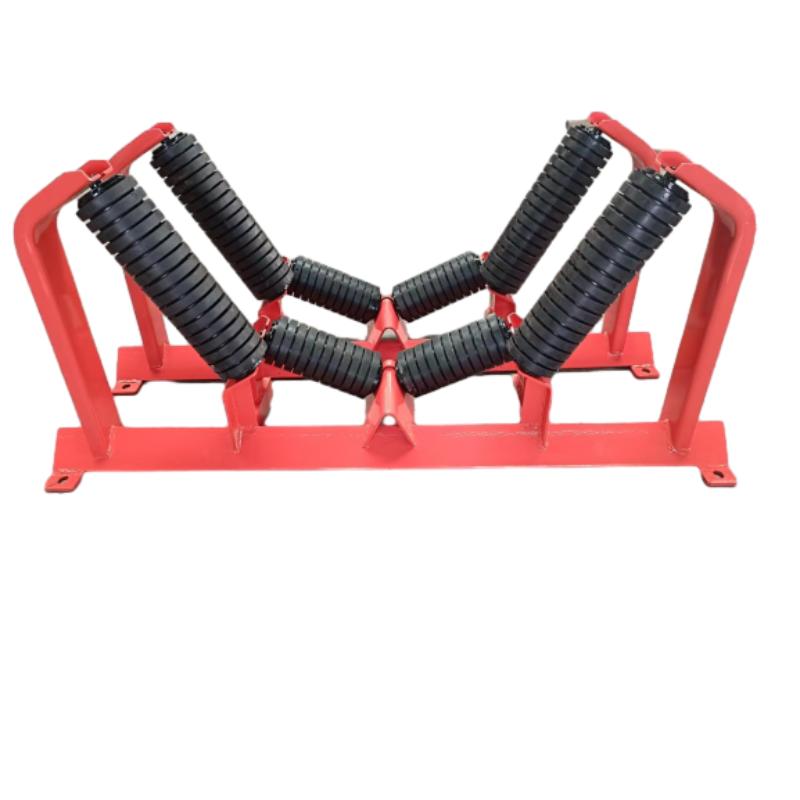
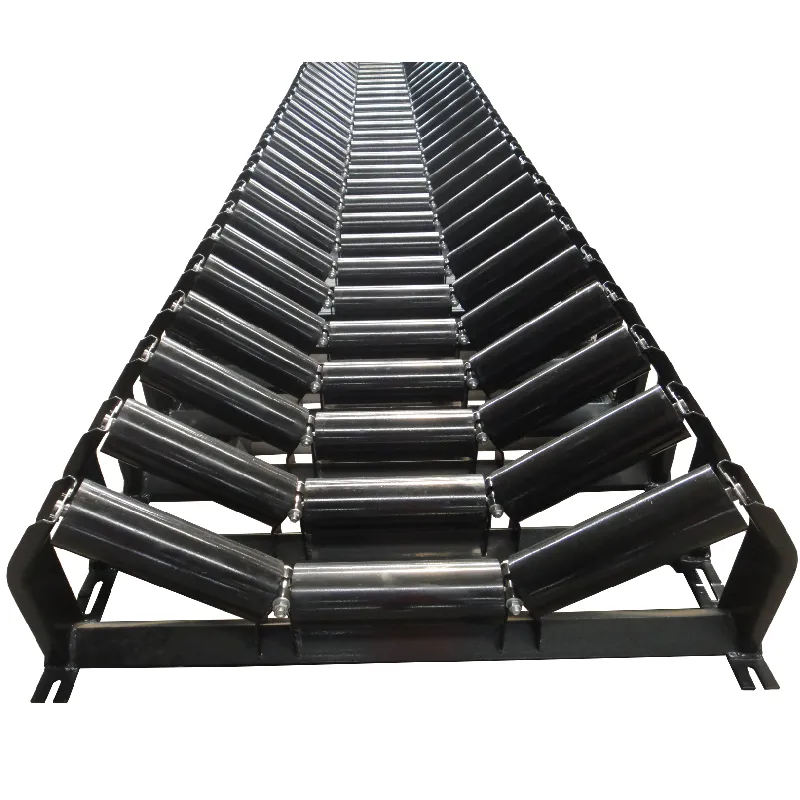
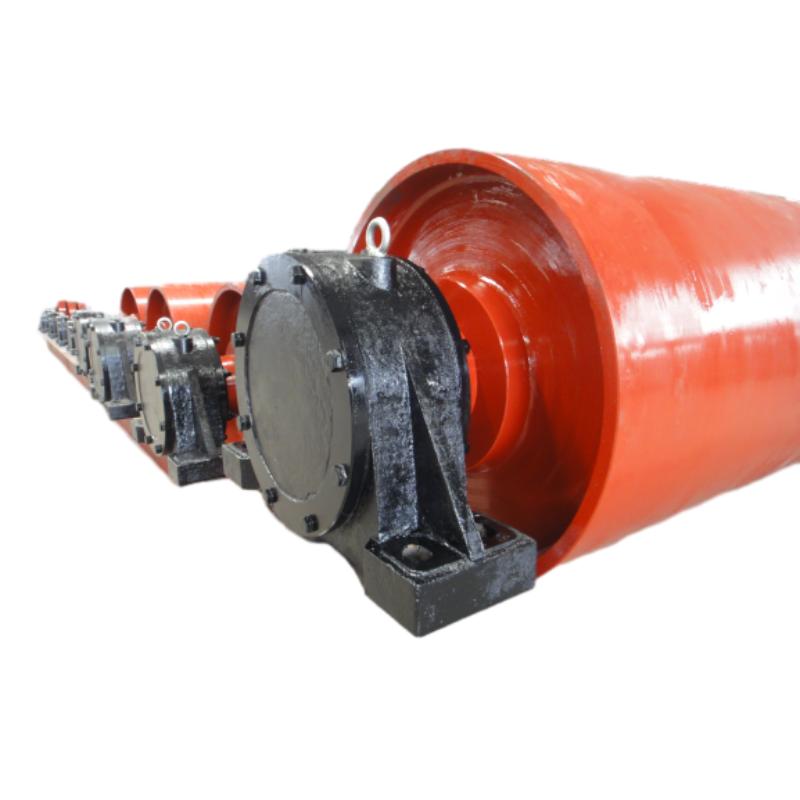
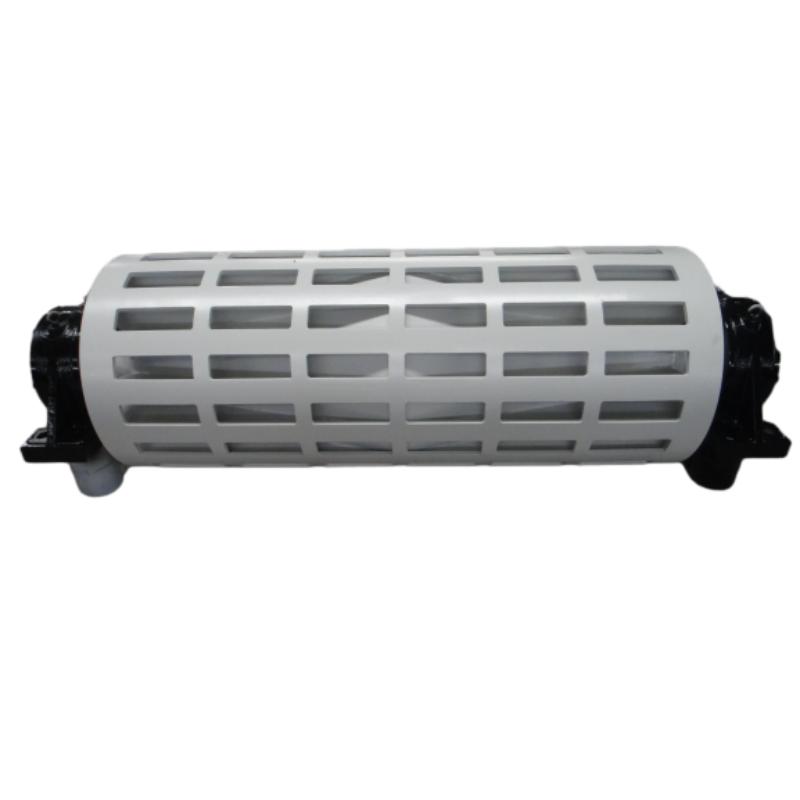
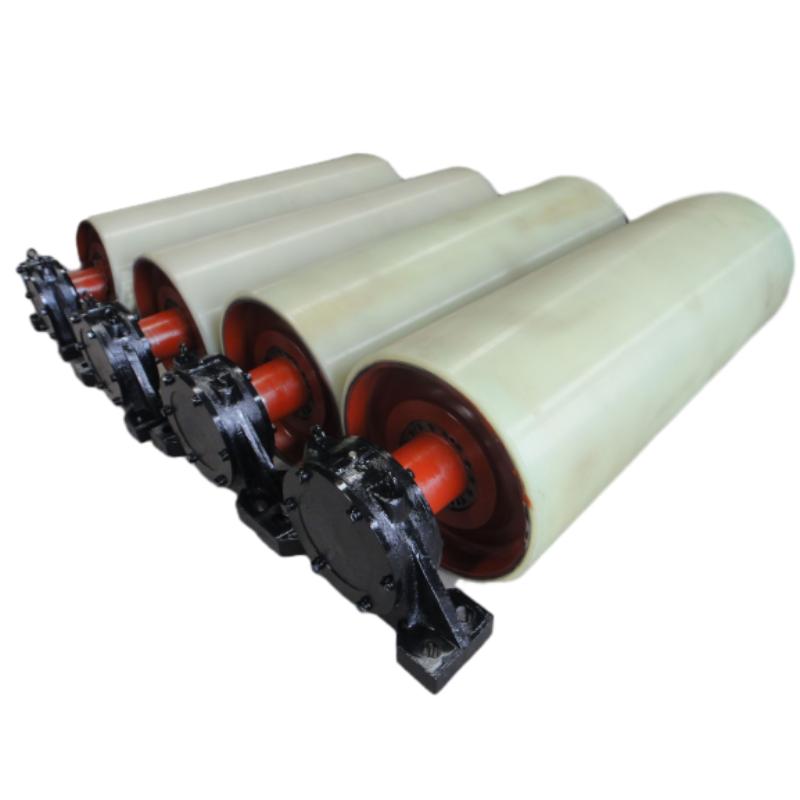
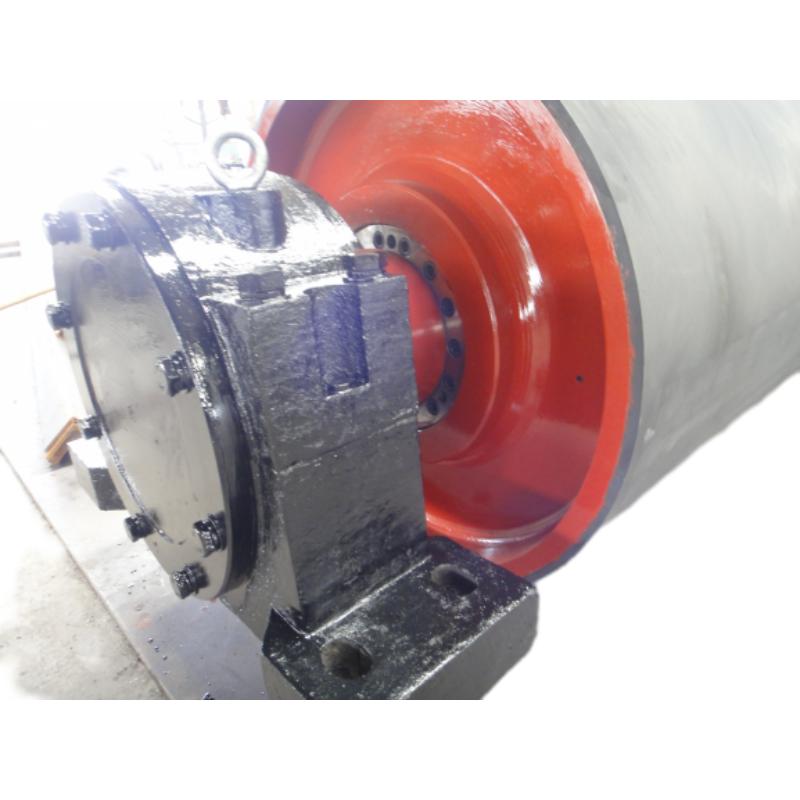
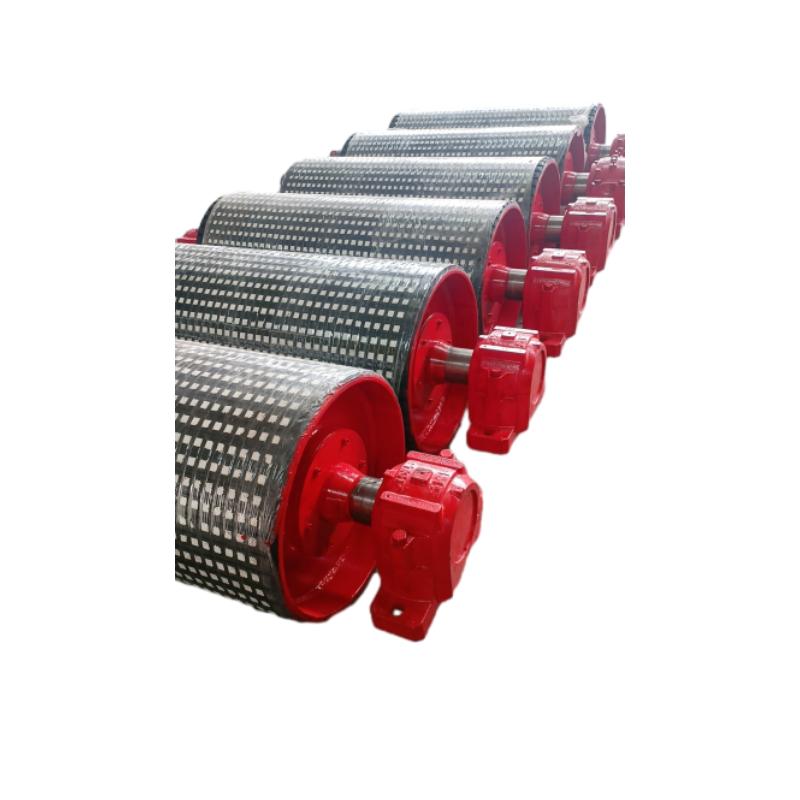
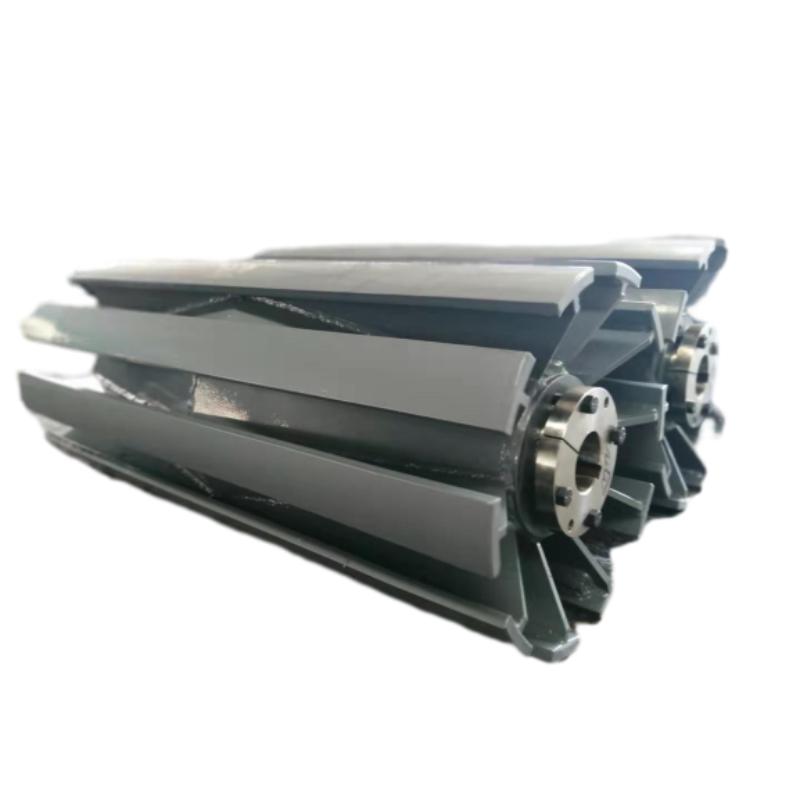
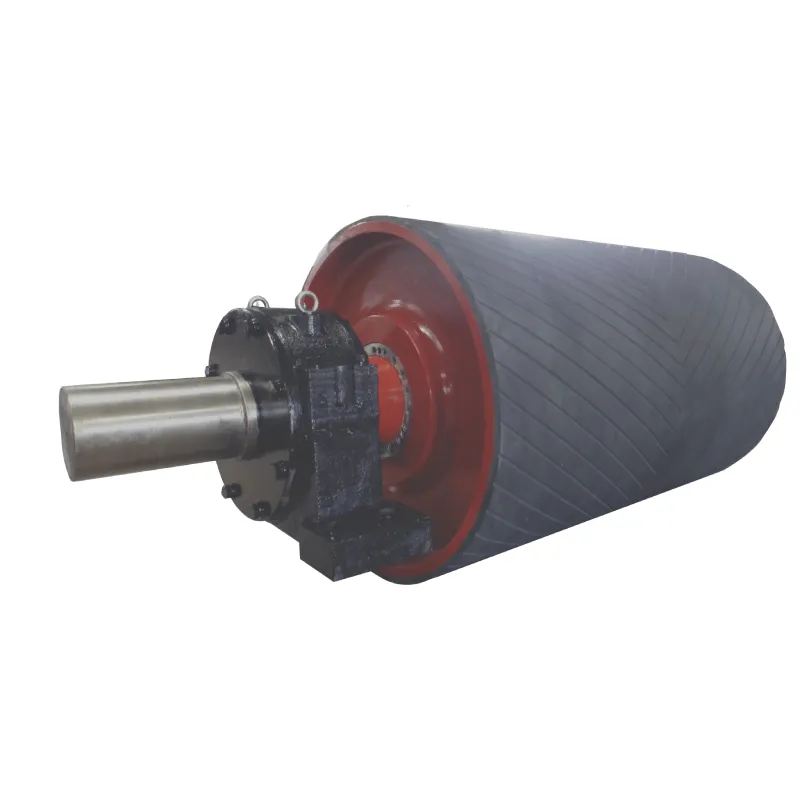
At their core, conveyor parts suppliers are companies or distributors providing the mechanical and electronic components necessary for conveyor belts and systems to operate. These parts range from rollers, pulleys, belts, motors, to sensors and control units—essentially anything needed to move products along a predefined path. But it’s more than just inventory; good suppliers often offer technical know-how, custom solutions, and support that connect engineering precision with on-the-ground needs.
Given industries’ move towards automation and humanitarian supply chains’ need for rapid deployment, conveyor parts suppliers link modern industrial requirements with pragmatic logistics solutions.
Core Components of Conveyor Parts:
Durability
Conveyor components must withstand harsh environments, including extreme temperatures, dust, moisture, and mechanical stress. Suppliers source materials designed for longevity and minimal maintenance.
Scalability
Whether a small assembly line or a sprawling distribution warehouse, conveyor parts need to fit systems of varying sizes and complexities without compromising performance.
Cost Efficiency
Businesses naturally seek parts that balance upfront cost with durability. A cheaper roller might save money today but cause breakdowns tomorrow. Experienced suppliers help navigate that tradeoff.
Customization
Conveyor systems are rarely “off-the-shelf.” Suppliers offering tailored parts—including non-standard dimensions or loads—are invaluable to meeting unique operational demands.
Technological Integration
Modern conveyors often include sensors and automation controls. Leading suppliers provide parts compatible with Industry 4.0 standards to enable smart manufacturing.
Mini Takeaway:
Successful conveyor parts suppliers combine quality, adaptability, and technical expertise, which directly influence industrial uptime and efficiency.
Global Applications & Real-World Use Cases
The global footprint of conveyor parts suppliers is expansive:
- Mining in South America & Africa: Heavy-duty conveyor components transport ore over long distances reliably.
- Automotive Manufacturing in Europe: Precision rollers and motorized belts enable just-in-time assembly lines.
- Food Processing in North America: Sanitary conveyor parts meet strict hygiene standards while maximizing throughput.
- Disaster Relief Logistics: Rapidly deployable conveyor systems powered by modular parts move aid supplies efficiently across affected communities.
Oddly enough, some remote installations also rely on conveyor parts suppliers to keep operations running despite limited infrastructure, demonstrating global supply chains’ flexibility and resilience.
Advantages & Long-Term Value of Reliable Conveyor Parts
When industries invest in quality conveyor parts, the benefits go beyond mere cost savings:
- Reduced Downtime: Consistent delivery of replacement parts avoids prolonged production halts.
- Enhanced Safety: Durable parts minimize breakdowns that cause accidents.
- Environmental Impact: Suppliers mindful of sustainability provide eco-friendly materials that reduce waste.
- Innovation & Trust: Collaborative supplier relationships foster continuous improvement and operational transparency.
Product Specifications Snapshot:
| Component | Material | Durability Rating (Years) | Typical Load Capacity (kg) | Special Features |
|---|---|---|---|---|
| Roller | Stainless Steel | 10+ | up to 200 | Corrosion resistant, low noise |
| Belt | Rubber with Kevlar reinforcement | 7-10 | up to 500 | Heat and oil-resistant |
| Motor | Copper, Steel Housing | 8-12 | Varies (50-2000 W) | Energy-efficient, variable speed |
Vendor Comparison: Finding the Right Conveyor Parts Supplier
| Supplier | Product Range | Customization | Lead Time | Technical Support | Sustainability Initiatives |
|---|---|---|---|---|---|
| Alpha Conveyors Inc. | Extensive (Rollers, belts, motors) | High | 2 weeks | 24/7 hotline, on-site visits | Yes, eco-friendly materials |
| Beta Parts Ltd. | Mid-range (standard parts) | Low | 1-3 weeks | Email support only | Limited |
| Gamma Supply Co. | Niche (customized & specialty) | Very high | Variable (3-6 weeks) | Dedicated engineers | Progressive |
Future Trends & Innovations in Conveyor Parts Supply
Looking ahead, conveyor parts suppliers are embracing multiple trends:
- Green manufacturing: Using recycled materials and energy-efficient motors.
- Digital Twins & IoT: Parts embedded with sensors enabling predictive maintenance.
- Modularity: Plug-and-play parts that reduce installation time and customization costs.
- Automation: Conveyor parts working seamlessly with robotics and real-time monitoring.
These trends not only improve operational reliability but also align with global sustainability goals like those outlined by the UN’s Sustainable Development Goals (SDG) 9 (Industry, Innovation, and Infrastructure).
Challenges & Solutions
Admittedly, working with conveyor parts suppliers isn’t without hurdles. Sourcing issues, long lead times, and compatibility gaps can disrupt operations. Plus, not every supplier fully commits to sustainability or customization.
Experts suggest:
- Developing strong partnerships rather than transactional relationships.
- Leveraging digital platforms for inventory visibility.
- Requesting prototypes or samples before full orders.
- Encouraging suppliers to adopt green certifications.
Frankly, it feels like the best solutions come from ongoing collaboration and transparent communication.
FAQ: Conveyor Parts Suppliers
- What key factors should I consider when choosing conveyor parts suppliers?
- Look for durability, customization options, technical support, and supplier reputation. Availability and lead times matter as well, especially in time-sensitive industries.
- How can I ensure conveyor parts are compatible with my existing systems?
- Provide detailed specifications to suppliers, request samples or compatibility certifications, and if possible, engage them for technical consultations.
- Are eco-friendly conveyor parts significantly more expensive?
- Initially, they can cost more, but the long-term savings on maintenance, energy use, and environmental compliance typically offset the upfront premium.
- Can conveyor parts suppliers support custom industrial applications?
- Many offer tailored parts or design services to meet unique load requirements or harsh environmental conditions—best to verify expertise upfront.
Conclusion & Call to Action
In the grand industrial puzzle, conveyor parts suppliers play a fundamental role. Their products and expertise sustain efficient production, logistics, and even humanitarian efforts globally. Investing the time to understand and select the right conveyor parts supplier not only pays off in operational uptime but aligns your business with innovation and sustainability trends shaping the future.
Curious to explore reliable conveyor parts suppliers and elevate your operations? Visit our website: conveyor parts suppliers—your gateway to quality, service, and industry insight.
One takeaway I keep noticing: Beyond just parts, successful conveyance depends on solid partnerships and trusted support.
References
-
Maximize Conveyor Life with a High Performance impact bedNewsApr.16,2026
-
Maximize Conveyor Efficiency Using a v plow belt scraperNewsApr.09,2026
-
Comprehensive Guide to Understanding Different Types of Belt CleanersNewsApr.07,2026
-
Enhancing Conveyor Efficiency with an Effective Scraper Belt CleanerNewsApr.04,2026
-
Optimizing Conveyor Systems with Advanced Cleaning Equipment SolutionsNewsMar.31,2026
-
Effective Conveyor Belt Scraper Adjustment for Optimal System PerformanceNewsMar.28,2026