

Comprehensive Guide to Conveyor Parts: Components, Applications & Innovations
Understanding Conveyor Parts: The Backbone of Modern Material Handling
Conveyor parts might not be the flashiest components you hear about daily, but frankly, they’re all over the place—moving goods, raw materials, even people smoothly and efficiently. Globally, industries depend on these parts to keep operations humming. From manufacturing plants in Germany to sprawling ports in Asia, the reliability and sophistication of conveyor components have a direct impact on productivity, safety, and ultimately, the bottom line. Oddly enough, understanding conveyor parts isn’t just an industrial curiosity—it’s a key to unlocking smarter, more sustainable supply chains in an increasingly interconnected world.
Let’s take a short journey through what conveyor parts are, why they matter worldwide, and the tangible benefits of grasping their nuances.
Global Significance of Conveyor Parts
According to recent ISO reports and data from the World Bank, the global material handling market—including conveyor systems—is projected to reach over $121 billion by 2027. This growth tracks the expansion of e-commerce, manufacturing automation, and logistics networks worldwide. Conveyor parts are the unsung heroes enabling this scale, providing the mechanical link between suppliers and consumers.
But here’s the challenge: With demand surging, downtime due to conveyor failure can cost companies tens of thousands in lost productivity daily. Plus, outdated or inefficient parts contribute to energy waste and safety risks. So the spotlight on conveyor parts isn’t just about mechanics—it’s about optimizing entire value chains in a world that runs on fast, reliable distribution.
What Are Conveyor Parts?
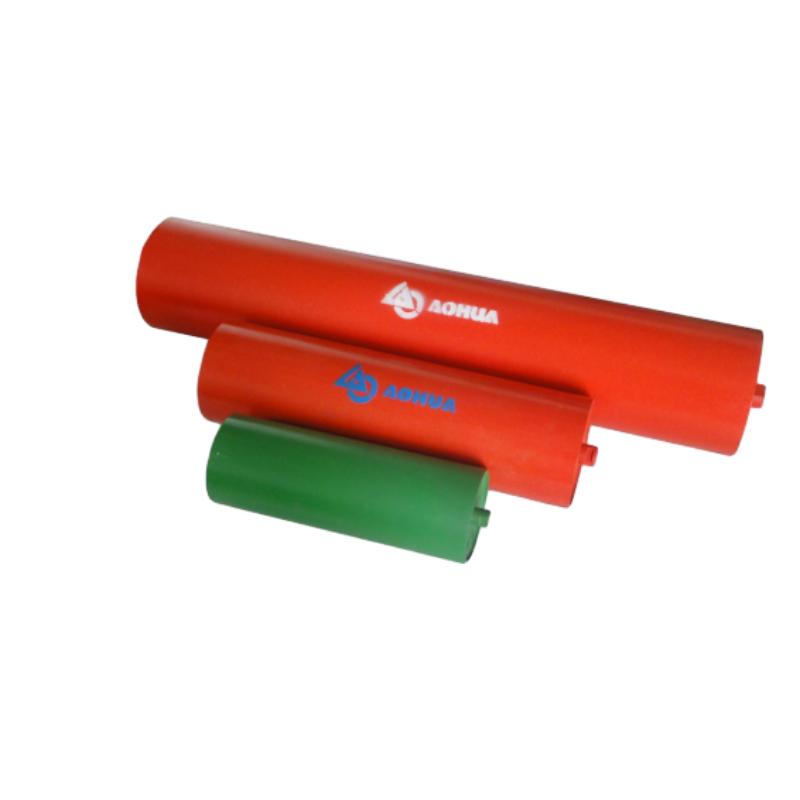
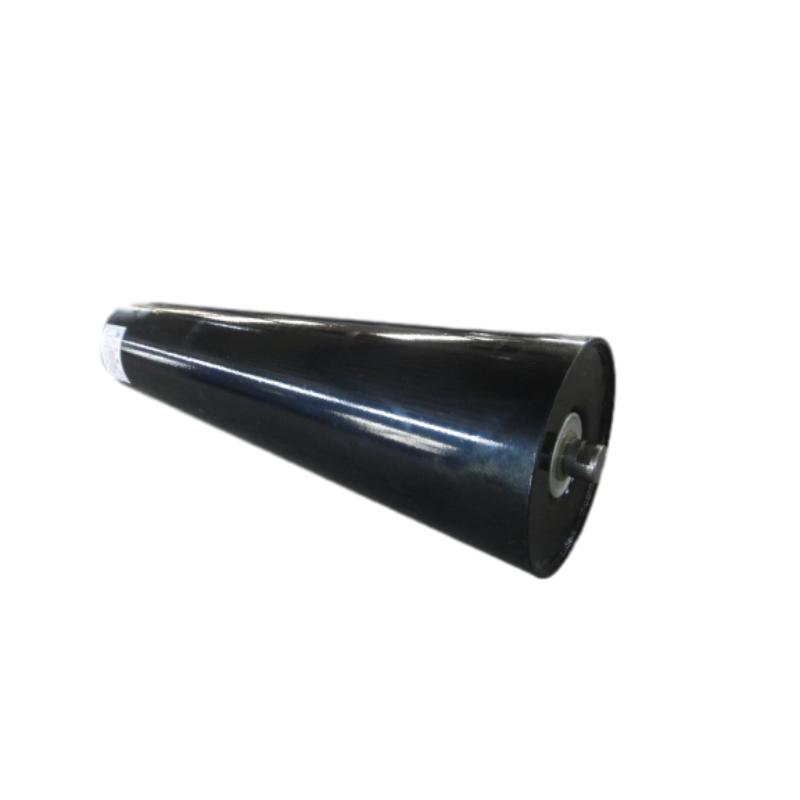
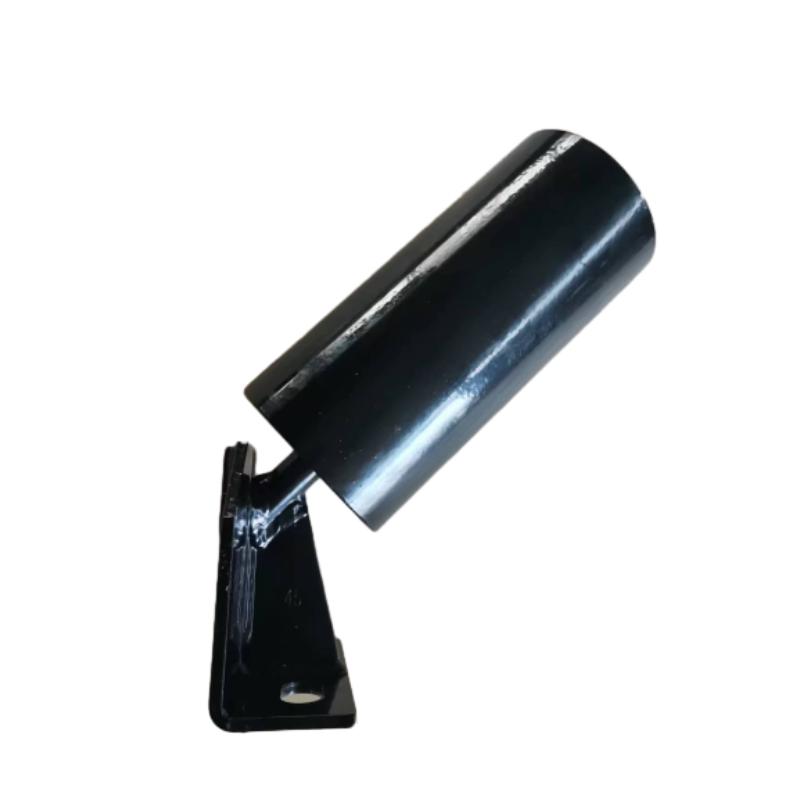
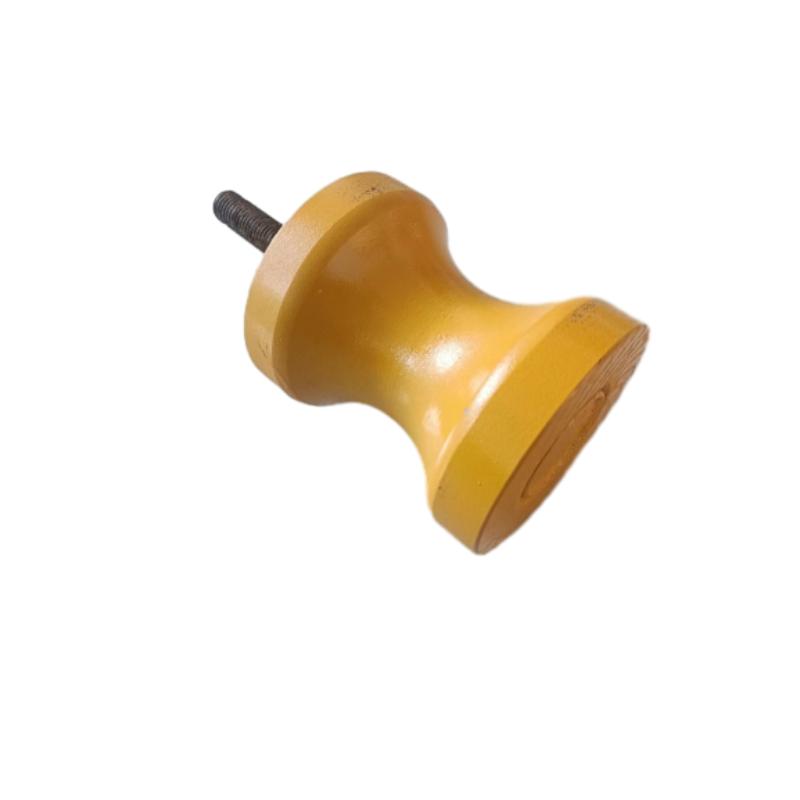
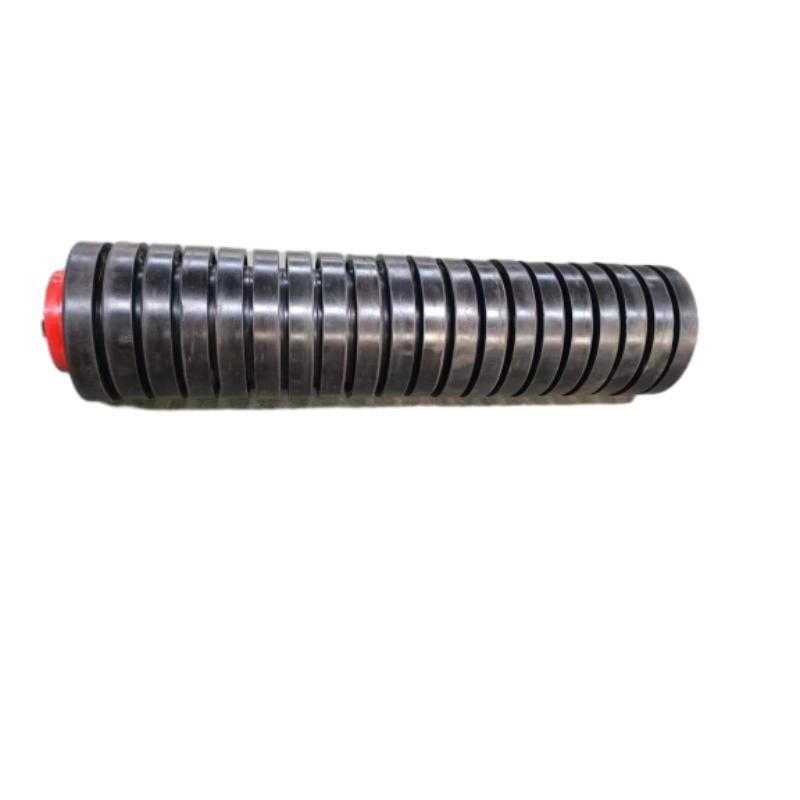
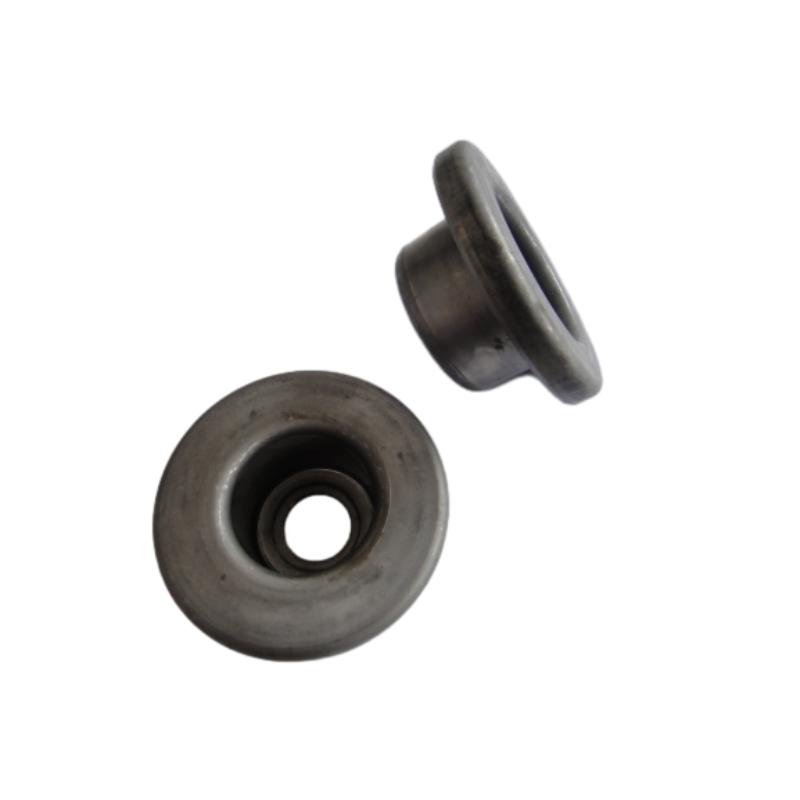
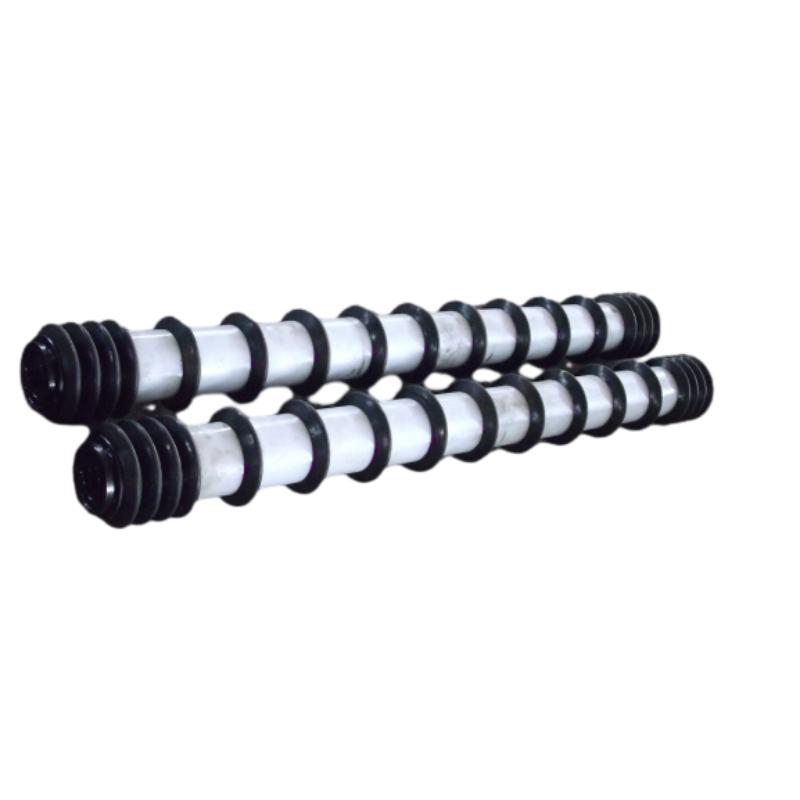
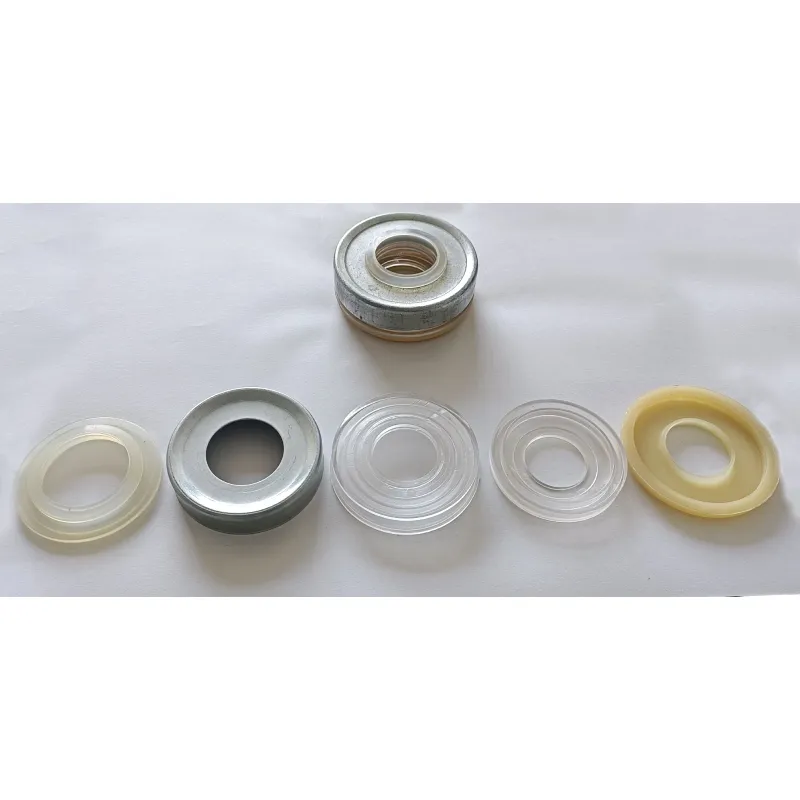
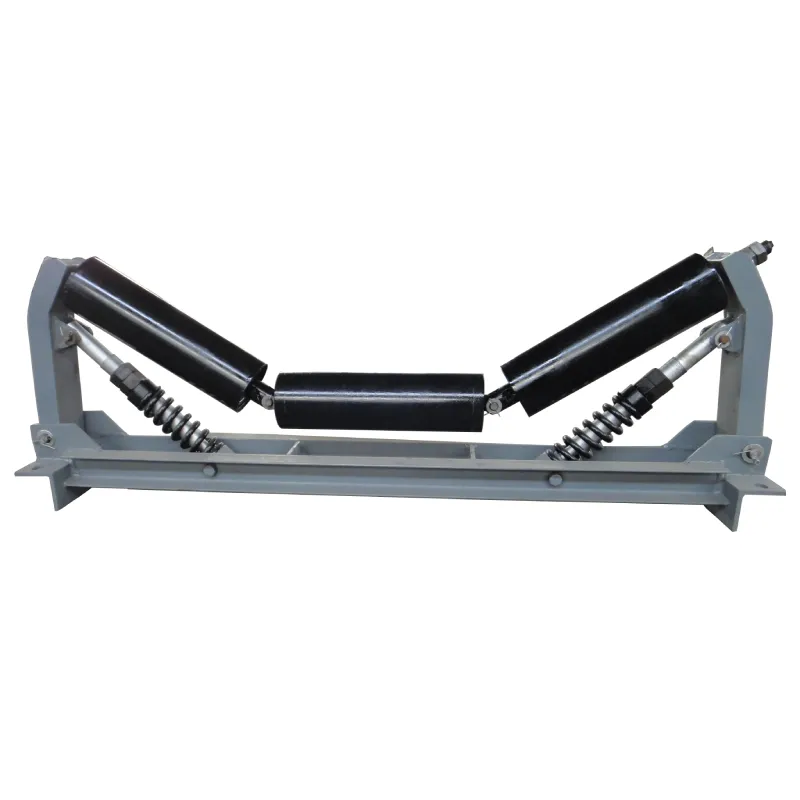
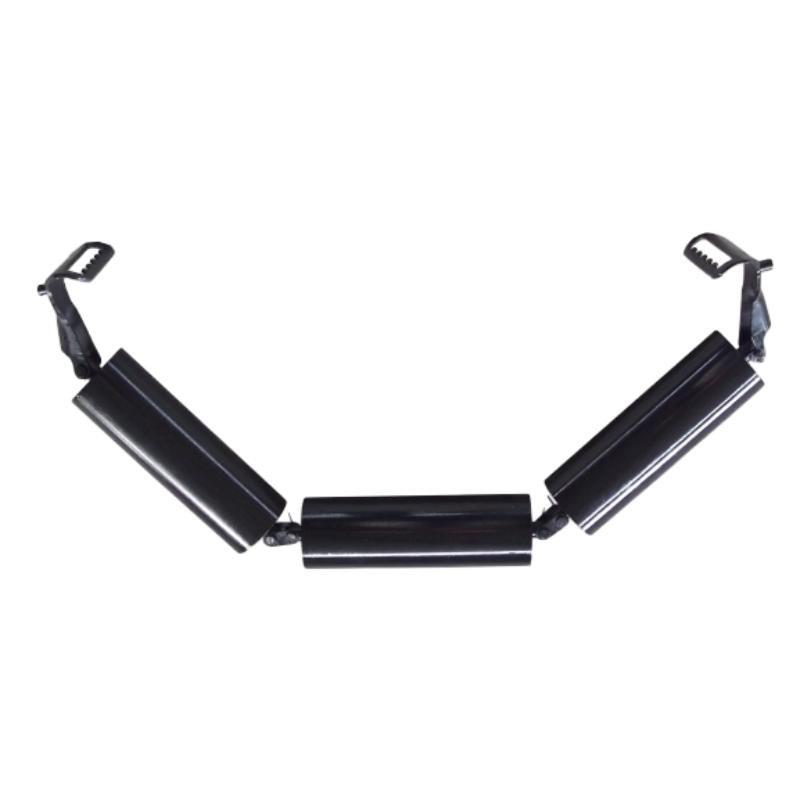
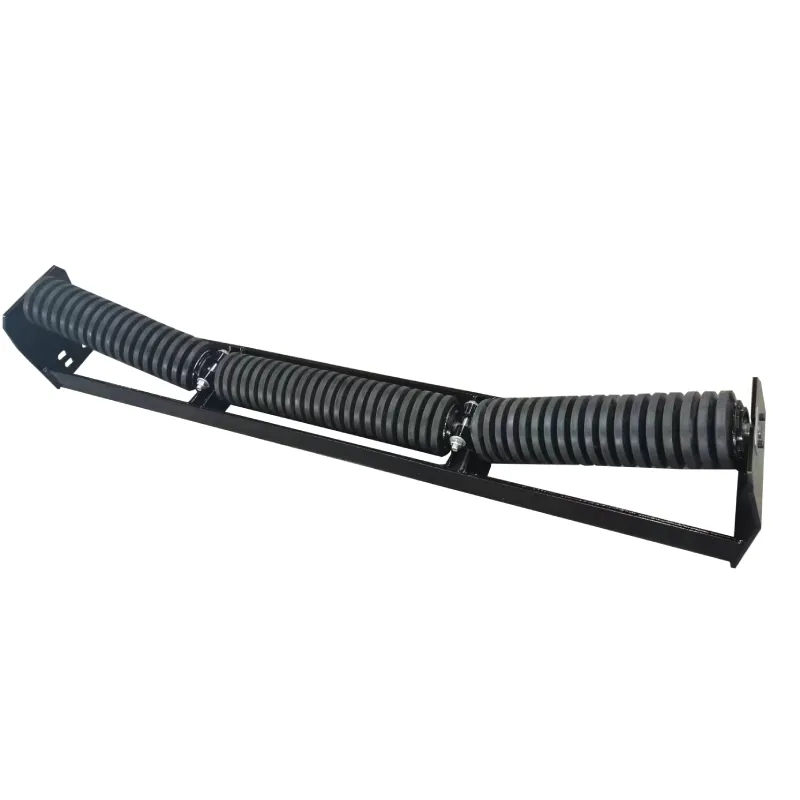
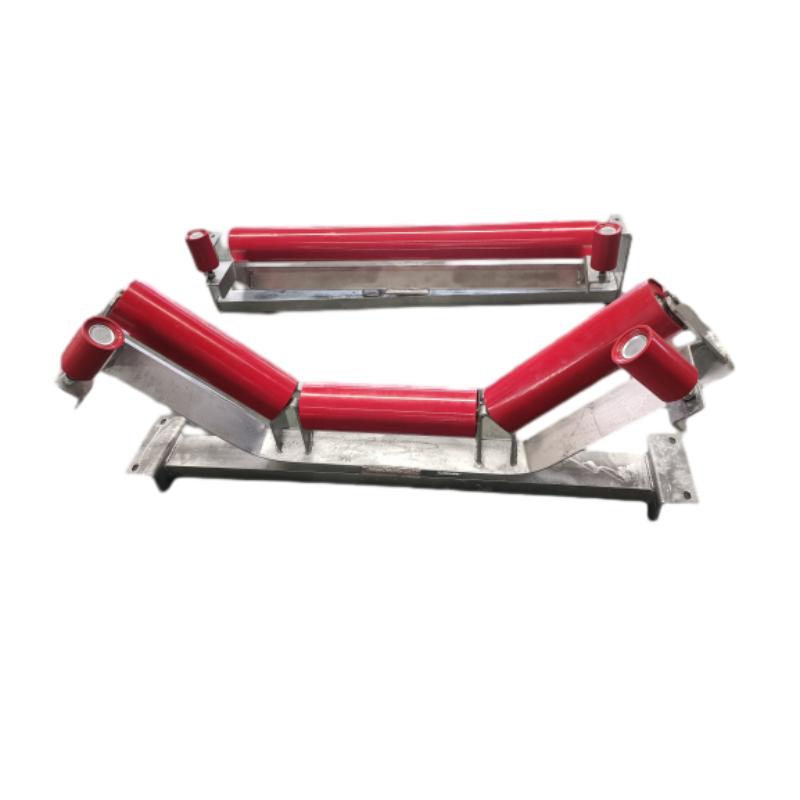
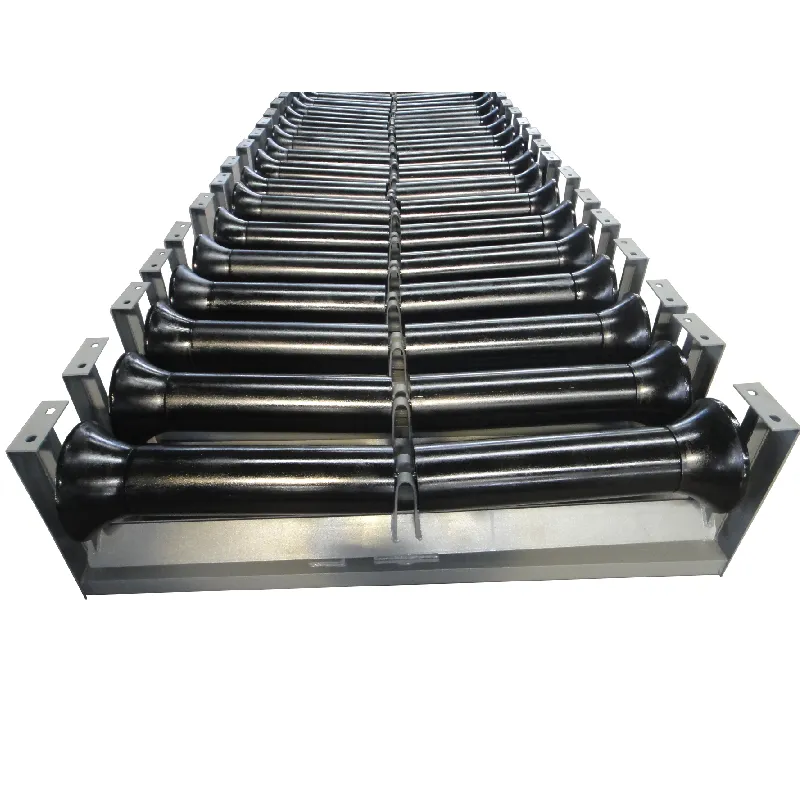
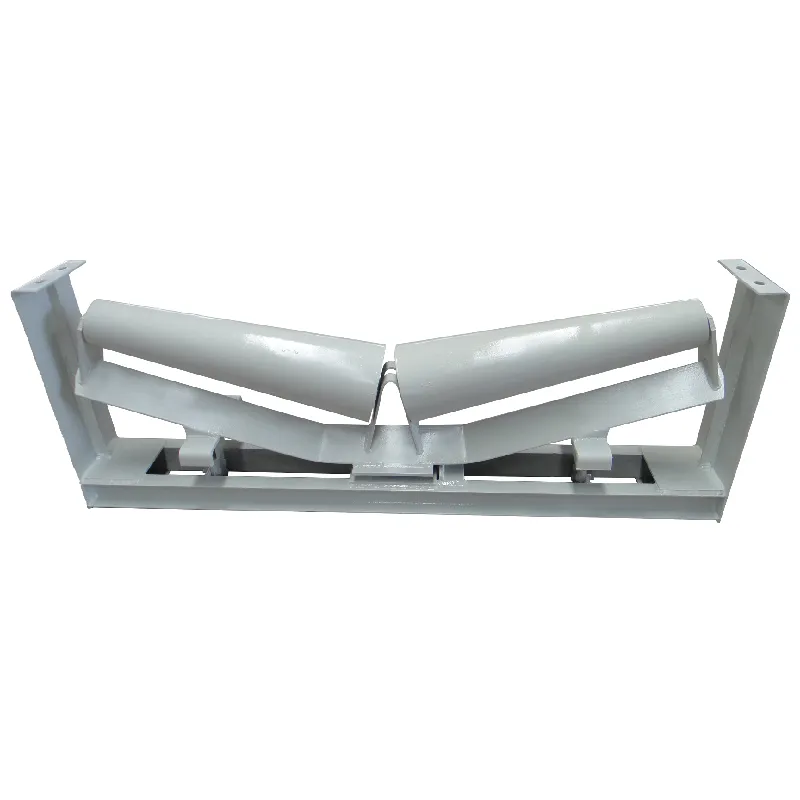
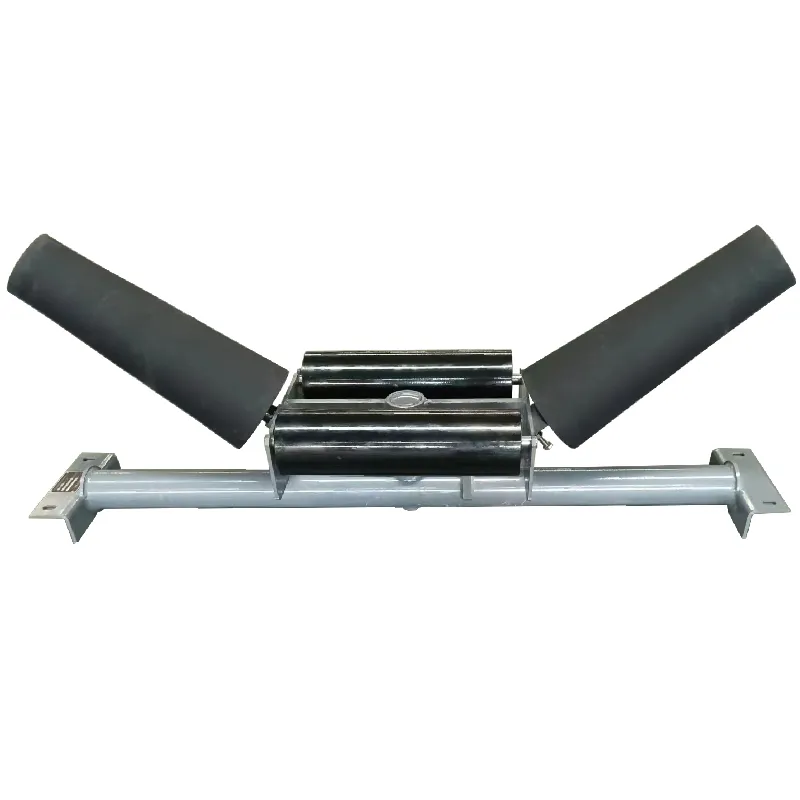
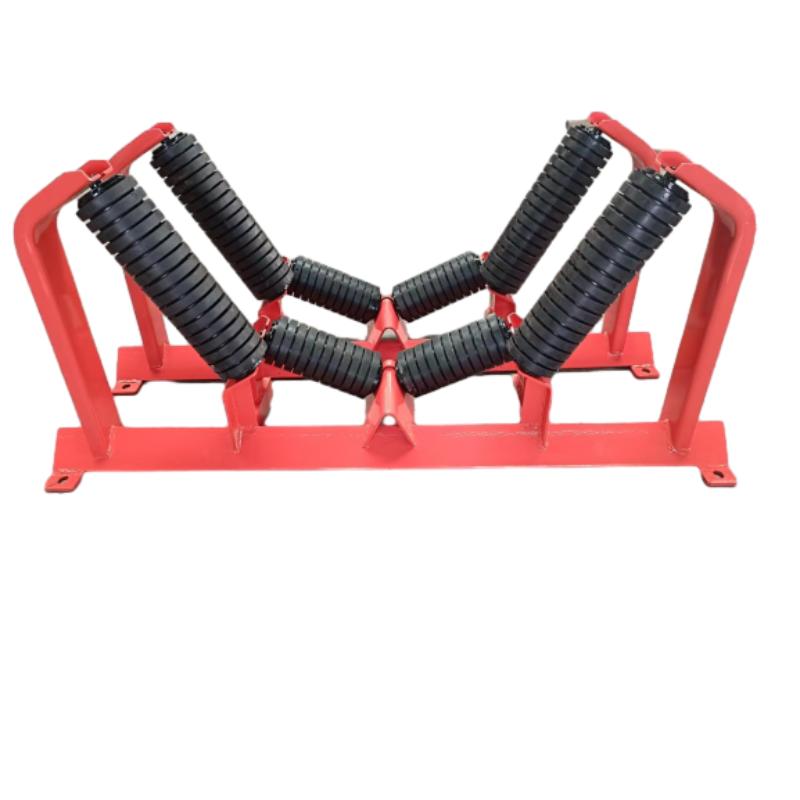
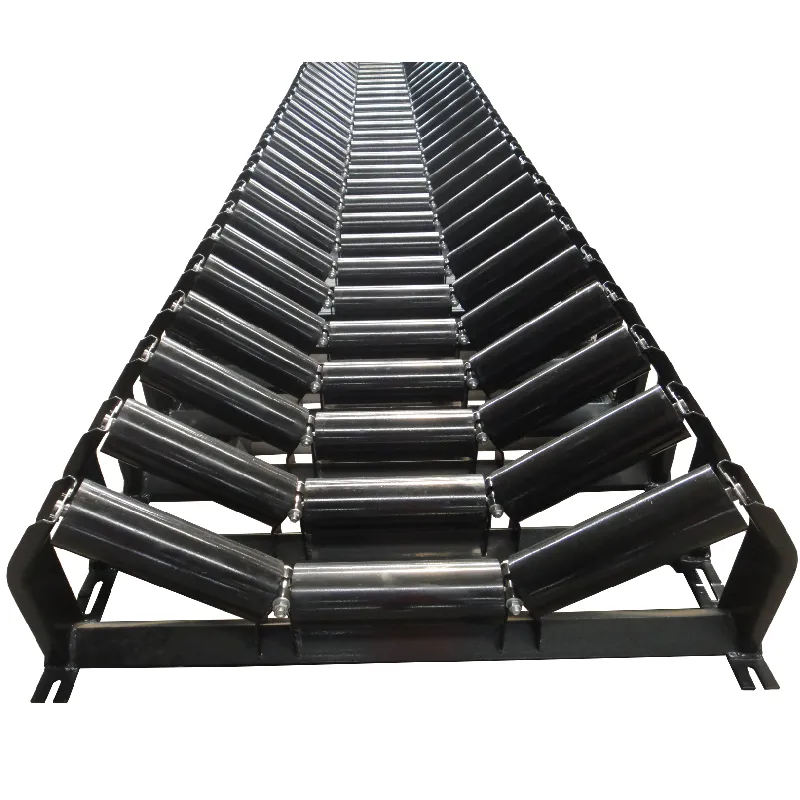
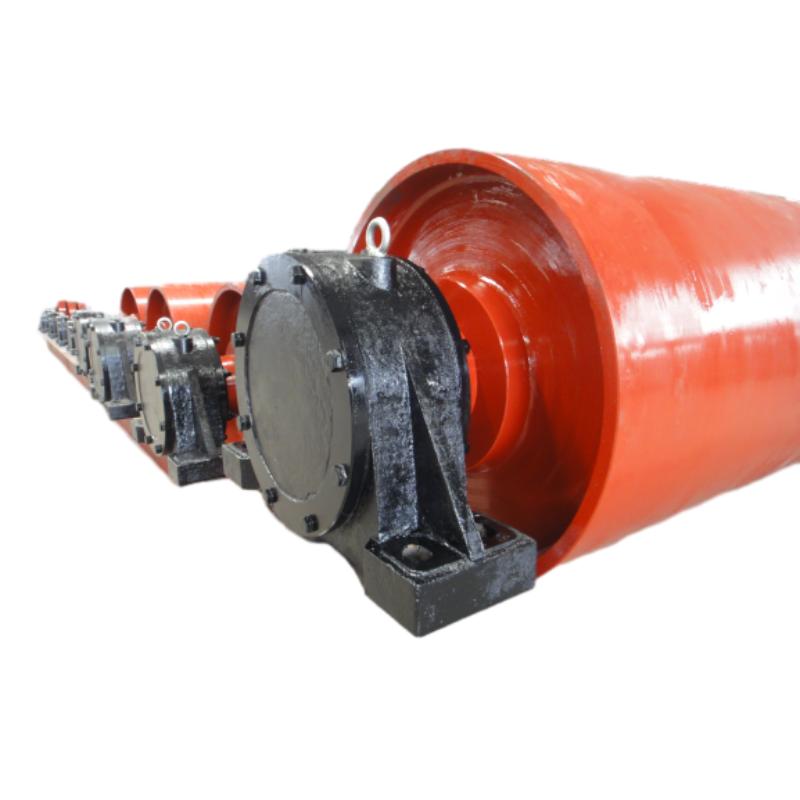
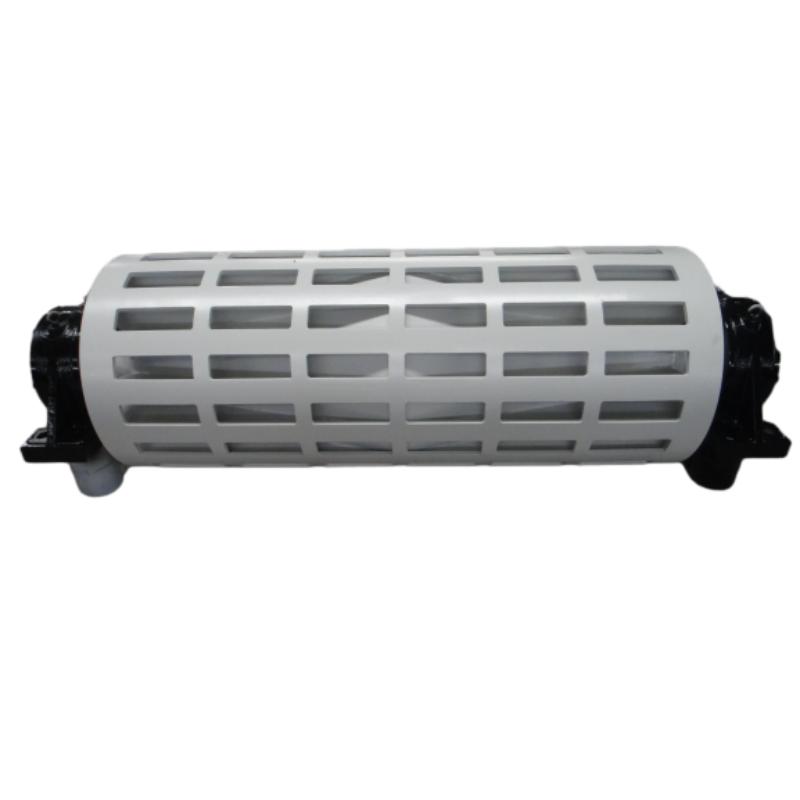
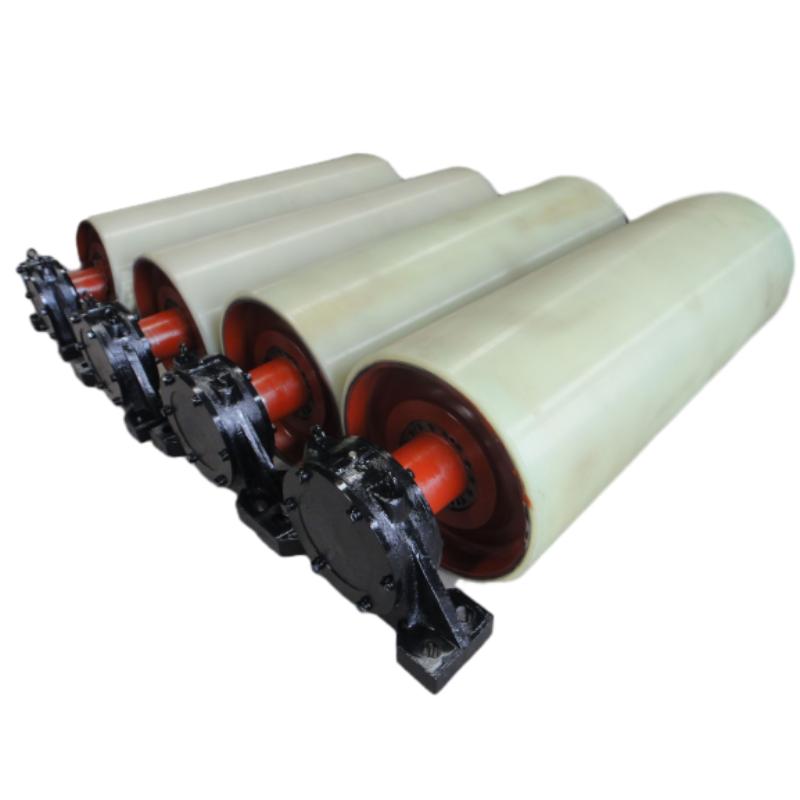
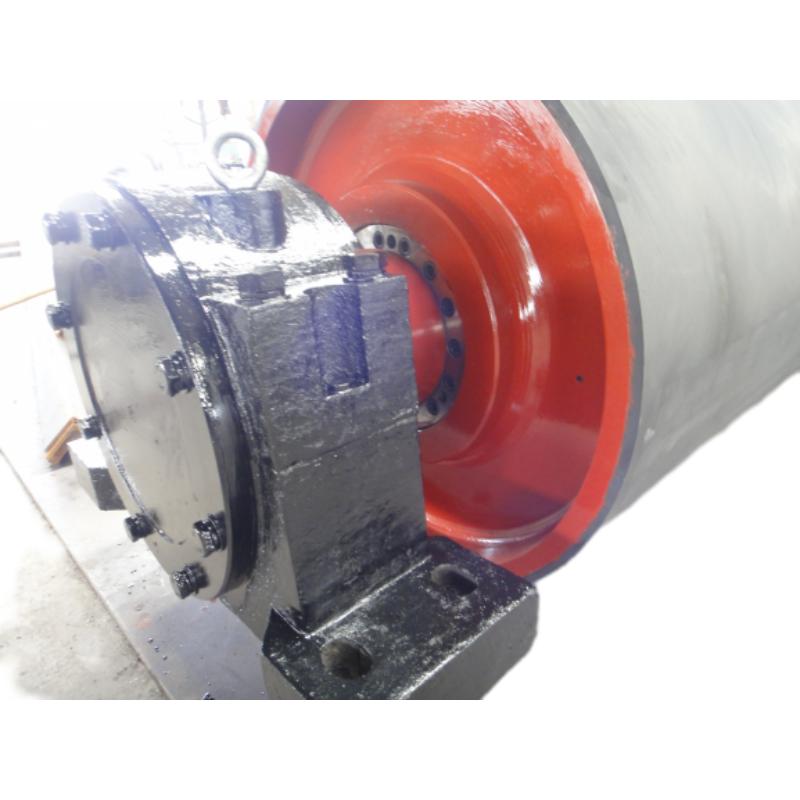
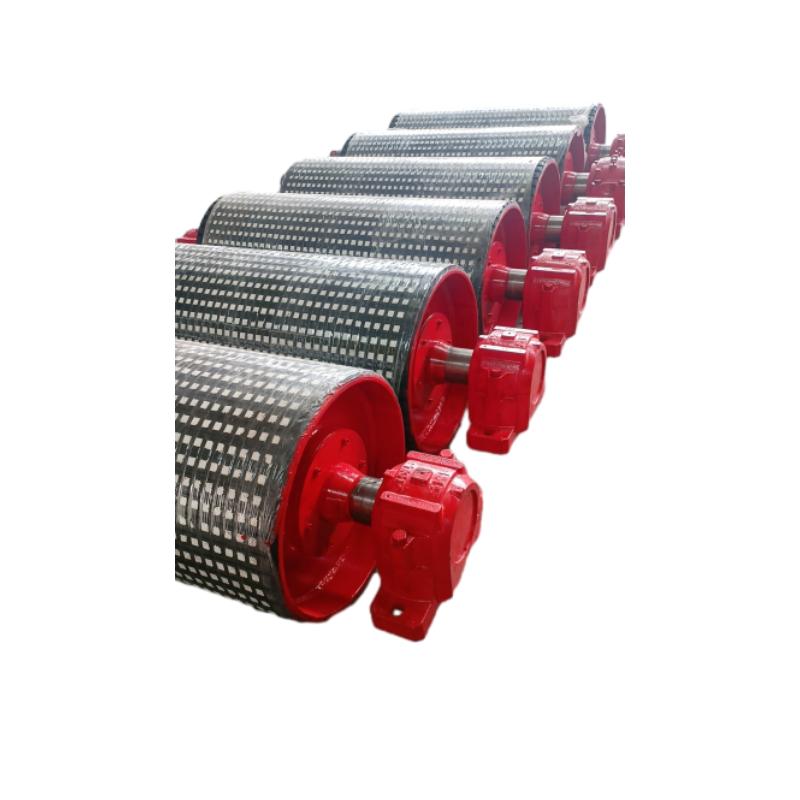
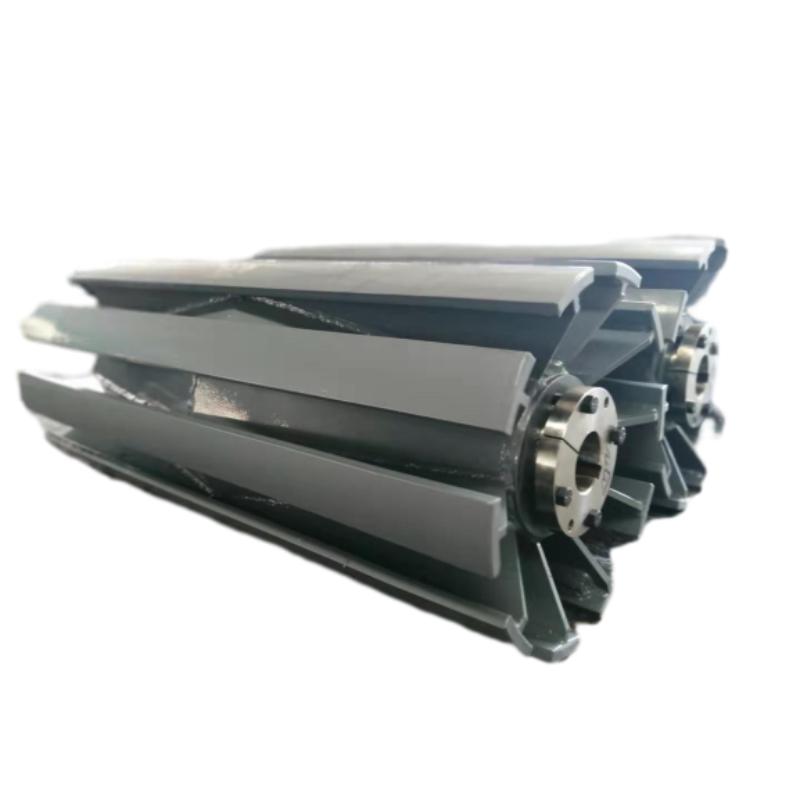
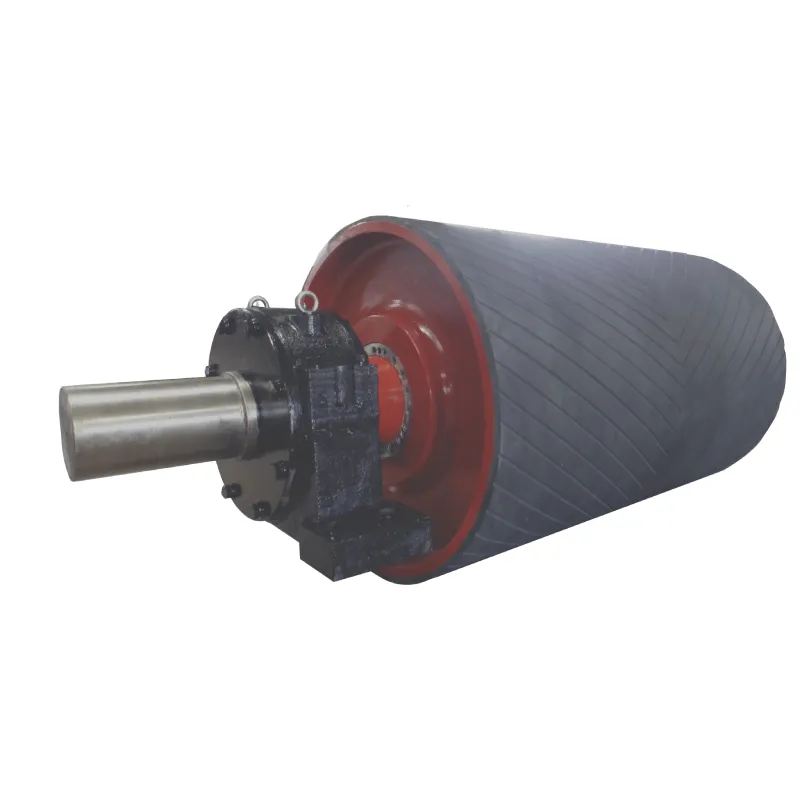
Simply put, conveyor parts are the individual components that make up a conveyor system designed to transport materials efficiently over distances. They include belts, pulleys, rollers, motors, and frames—each playing a specialized role to keep materials moving smoothly. These parts mesh intricately with industrial automation and are vital in everything from assembling smartphones to moving coal in mines.
Their role extends beyond factories. For instance, humanitarian logistics in disaster-stricken zones increasingly employ modular conveyor systems to speed up the delivery of aid items. So, conveyor parts don't just serve commerce—they can directly support human dignity during crises.
Key Components and Considerations
1. Durability
Conveyor parts have to withstand constant wear and tear. Materials like hardened steel or corrosion-resistant alloys ensure longevity in harsh environments. I noticed that many engineers prioritize durability to minimize downtime and maintenance costs—pretty crucial in places like offshore platforms or dusty mining sites.
2. Scalability
Whether a small packaging line or an enormous distribution center, your conveyor parts must scale fluidly. Modular parts that can be easily replaced or augmented ensure systems grow alongside business needs without costly overhauls.
3. Energy Efficiency
It’s all about sustainability today. Conveyor motors and belts designed to use less energy help companies reduce carbon footprints. Variable frequency drives (VFDs) in motors are a neat innovation helping tailor power usage precisely to demand.
4. Cost Efficiency
Of course, budget matters. Companies often balance initial investment against lifecycle costs. High-quality parts may seem expensive upfront but often save money with fewer replacements and less downtime.
5. Maintenance and Ease of Replacement
Parts designed for simple, quick swaps help reduce downtime significantly. For example, conveyor rollers with snap-on mounts speed up repairs considerably compared to bolted variants.
6. Compatibility
Interoperability with existing systems can’t be overstated. Parts meeting international standards (like those defined by ISO) ensure companies aren’t locked into one vendor, fostering flexibility and future-proofing.
Product Specifications Table
| Part | Material | Load Capacity | Typical Use | Energy Efficiency |
|---|---|---|---|---|
| Roller | Stainless Steel | Up to 200 kg | Manufacturing Lines | High |
| Belt | PVC / Rubber | Varies | Packaging, Food Processing | Moderate |
| Pulley | Carbon Steel | Varies | Material Handling | High |
Real-World Applications Across the Globe
Conveyor parts power numerous industries — from automotive factories in Germany, where precision and scalability reign, to sprawling mining operations in Australia, which rely on rugged durability. Oddly enough, even humanitarian organizations use them; for example, in post-disaster relief, conveyor belts help transport supplies quickly and efficiently, minimizing bottlenecks when every minute counts.
In emerging markets, conveyor technology helps modernize warehousing and distribution, enhancing job creation and economic growth. For instance, logistics hubs in Southeast Asia have integrated advanced conveyor components to support the burgeoning e-commerce industry.
At the same time, ports in Northern Europe rely on conveyor parts that are highly resistant to salt corrosion—showing how regional requirements shape part selection and design.
Conveyor parts thus form the skeleton of global supply networks, tailoring their specs and resilience to fit diverse environments.
Advantages & Long-Term Value of Conveyors
- Cost Savings: Machines rarely tire, and efficient conveyor parts cut labor hours and operational overhead, improving profit margins.
- Sustainability: Better parts mean less energy drain and longer system life—lowering environmental footprints.
- Safety: Well-designed parts reduce accidents — think stable rollers and non-slip belts minimizing worker hazards.
- Reliability: Companies trust conveyors to keep goods moving 24/7, critical for global just-in-time systems.
And there’s a somewhat intangible “peace of mind” that comes with knowing your conveyor system won’t stop unexpectedly—vital in high-stakes industries like pharmaceuticals or food production.
Emerging Trends & Innovations in Conveyor Technology
Automation is a buzzword, but it’s concrete too: smart conveyor parts now incorporate sensors that predict wear, schedule maintenance, and optimize energy use. Also, lightweight composite materials and eco-friendly belts reduce environmental impact.
Renewables increasingly intersect with conveyor technology—some systems now integrate solar panels or connect to smart grids, ensuring operations stay green. And Industry 4.0's digital integration means conveyor systems aren’t just moving stuff—they’re communicating about their status in real-time.
Challenges and How Manufacturers Are Overcoming Them
Despite advances, challenges persist—such as part standardization across brands or balancing cost vs. quality. Also, harsh environments like chemical plants challenge material endurance. But manufacturers respond with modular designs, extensive field testing, and certifications like ISO 9001 that guarantee quality and interoperability.
In real terms, bigger players are investing in R&D partnerships while smaller firms adopt off-the-shelf solutions for flexibility. It’s a dynamic mix of solutions for a varied problem space.
Vendor Comparison Table
| Vendor | Quality Certification | Customization Options | Typical Lead Time | Price Range |
|---|---|---|---|---|
| Alpha Conveyors | ISO 9001 | High | 2-4 Weeks | $$$ |
| Beta Parts Co. | ISO 14001 | Medium | 4-6 Weeks | $$ |
| Gamma Industrial | None | Low | 1-2 Weeks | $ |
FAQ: Your Conveyor Parts Questions Answered
- What materials are conveyor parts typically made from?
- Conveyor parts are usually crafted from metals like steel or aluminum and polymers such as PVC or rubber. Choice depends on load requirements, environmental exposure, and industry regulations.
- How often should conveyor parts be maintained or replaced?
- Maintenance frequency varies, but many experts recommend monthly inspections with parts replaced based on wear signs or manufacturer guidelines—often every 1-3 years depending on use.
- Can I customize conveyor parts for niche applications?
- Absolutely. Many vendors offer modular designs and custom engineering to fit specialized requirements, particularly in sectors like pharmaceuticals or food.
- How do conveyor parts improve workplace safety?
- Parts designed with non-slip belts, guarded rollers, and smooth frames reduce accident risks, helping maintain regulatory compliance and protect workers.
- Are conveyor parts environmentally friendly?
- Newer parts increasingly use recycled materials and energy-efficient components, contributing to greener operations especially when combined with smart energy management.
Wrapping Up: The Long-Term Value of Conveyor Parts
Whether you’re an engineer designing a new logistics center or a business owner aiming for operational excellence, understanding conveyor parts is crucial. These components are foundational to smooth, sustainable, and safe material flow worldwide. Investing time in choosing the right parts pays dividends in cost savings, system uptime, and even social impact.
For a deeper dive into premium, reliable conveyor parts, don’t hesitate to visit our website: https://www.idleraohua.com. Your supply chain’s future might just depend on the very components you don't always notice.
Takeaway: Conveyor parts are the quiet champions of global industry—understanding them helps innovate smarter, safer, and greener logistics every day.
References
-
Maximize Conveyor Life with a High Performance impact bedNewsApr.16,2026
-
Maximize Conveyor Efficiency Using a v plow belt scraperNewsApr.09,2026
-
Comprehensive Guide to Understanding Different Types of Belt CleanersNewsApr.07,2026
-
Enhancing Conveyor Efficiency with an Effective Scraper Belt CleanerNewsApr.04,2026
-
Optimizing Conveyor Systems with Advanced Cleaning Equipment SolutionsNewsMar.31,2026
-
Effective Conveyor Belt Scraper Adjustment for Optimal System PerformanceNewsMar.28,2026