

Comprehensive Guide to Bearing Housing Price and Its Global Impact
The Real Value Behind Bearing Housing Price: An Industry Insight
When you hear bearing housing price, maybe it sounds like a dry technical term. But this little phrase holds significant weight in industries worldwide — from heavy machinery to aerospace, even humanitarian logistics. Understanding bearing housing costs isn’t just about budgets. It’s about how industries build durable, safe, and efficient systems. It connects to global supply chains, manufacturing quality, and sustainability. And frankly, when you dig into it, you realize that bearing housing prices ripple through the economy in ways many don’t consider directly.
If you’re managing projects that require precision parts or want to get smarter about equipment lifecycle costs, this article unpacks what bearing housing price means, why it matters globally, and how its variations impact industries large and small.
Setting the Scene: Why Bearing Housing Price Matters Globally
Globally, industrial output is expected to grow by around 3.5% annually according to the World Bank. With that growth comes rising demand for efficient mechanical components. Bearings and their housings form the backbone of countless machines — turbines, conveyor belts, automotive parts, and infrastructure equipment.
Market research from ISO standards emphasizes that the price of durable bearing housings influences product reliability, maintenance needs, and sustainability outcomes. For example, a poorly designed housing might cost less upfront, but cause downtime and expensive repairs later — a hidden threat in industrializing regions.
That’s a problem investors and engineers often mull over: balancing low bearing housing price with critical quality. In emerging economies, where infrastructure projects must stretch budgets but remain resilient, this balance is crucial.
What Exactly Is Bearing Housing Price?
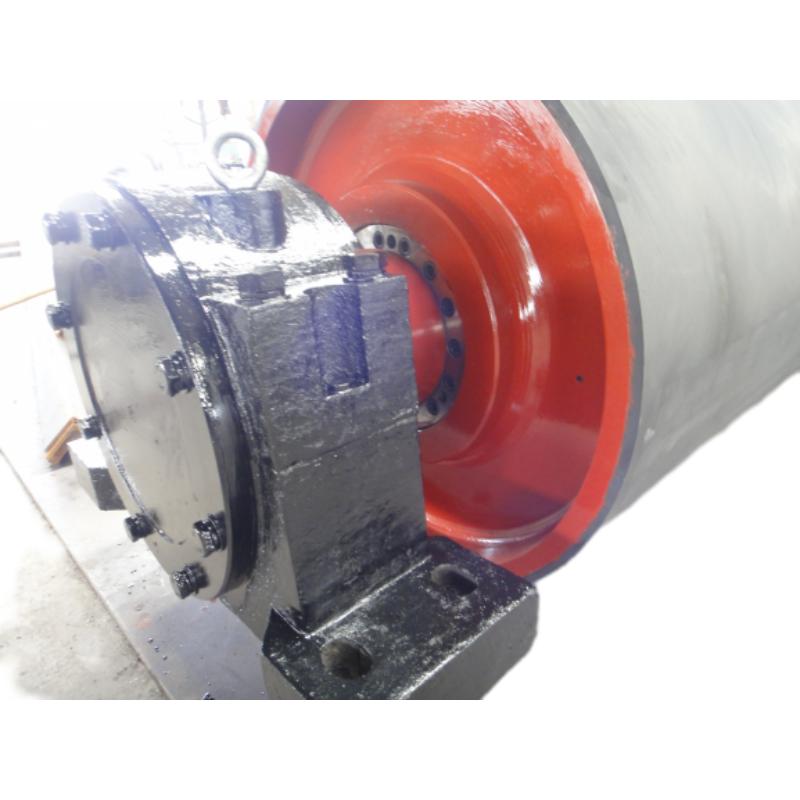
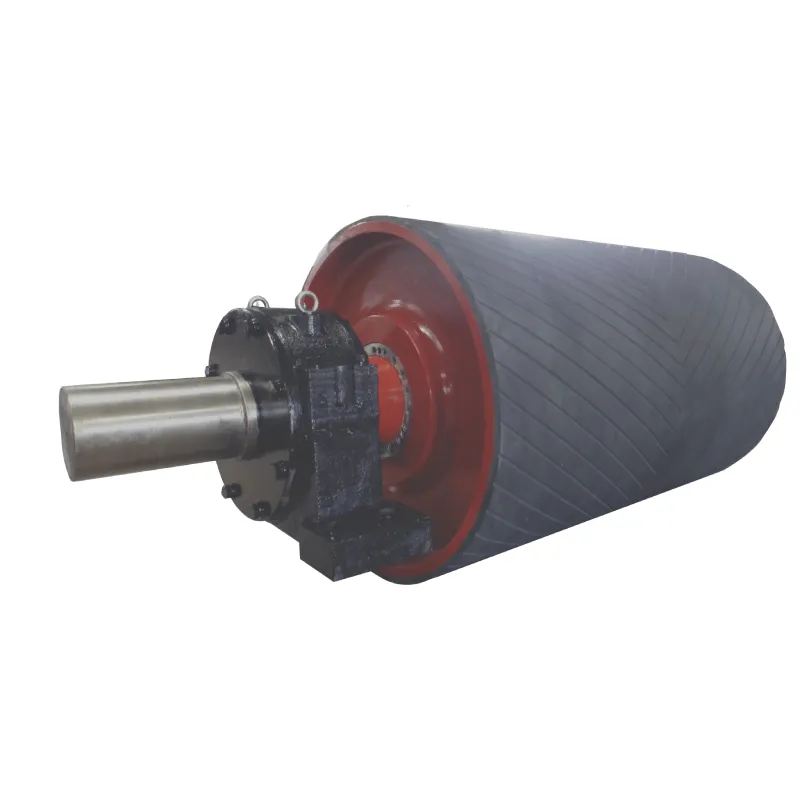
Put simply, the bearing housing price is the cost associated with purchasing the casing or support that holds a bearing in place within machinery. This housing must protect the bearing, keep it aligned, and cope with stress — often harsh ones.
Think of it as the shoe that keeps a high-performance runner’s foot safe. If you skimp on the shoe (the housing), the foot (the bearing) won’t last long, and that’s bad news for the whole race (your machinery).
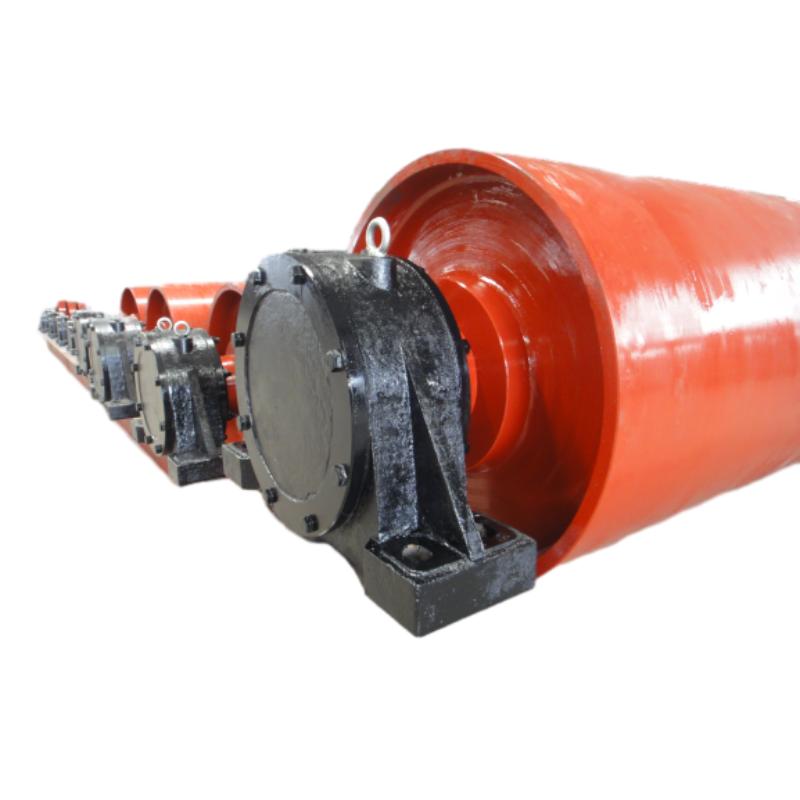
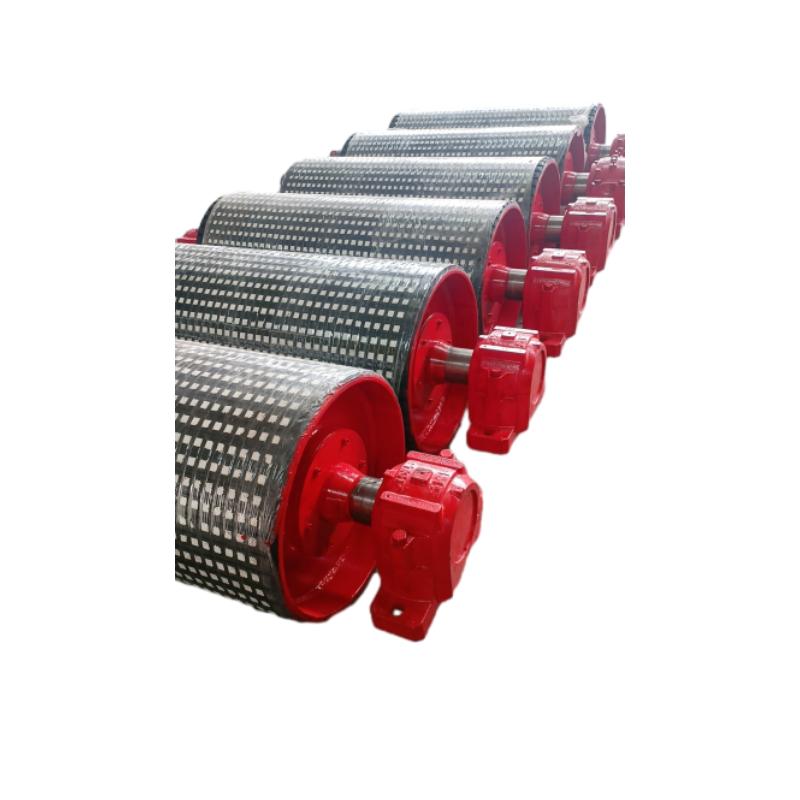
Bearing housings come in many forms (split, solid, flanged) and materials (cast iron, steel, thermoplastics), with prices reflecting these variations. The cost connects to how well the housing enables machines to operate smoothly and reliably, which directly affects industries from automotive to aviation or humanitarian aid logistics.
Key Factors Affecting Bearing Housing Price
1. Material Quality
Bearing housings made from high-grade cast steel or ductile iron usually command a higher price but offer greater durability and heat resistance. Engineers say investing here reduces unexpected failures.
2. Manufacturing Precision
The tolerance levels and finishing of a bearing housing impact precision fit and vibration reduction. More precise machining increases costs but significantly ups performance.
3. Design Complexity
Custom housings with special features for environmental protection or integration with sensors cost more but add unique value.
4. Volume and Scalability
Bulk orders and standard sizes tend to lower the per-unit bearing housing price thanks to economies of scale. Unique or small runs have premium pricing.
5. Testing & Certification
Certified housings meeting ISO or industry-specific standards incur extra design and documentation expenses reflected in their cost.
6. Supply Chain & Location
Global shipping and trade tariffs can cause price fluctuations, especially for regions dependent on imports.
Mini takeaway: Bearing housing price isn’t just about raw numbers — it’s a product of material, design, tech, and logistics all stacked together.
Practical Applications: Bearing Housing Price Around the World
In heavy industries—say mining in Australia or steel manufacturing in Germany—the bearing housing price dictates how machinery holds up under tough environmental conditions. Investing wisely means fewer shutdowns during peak operations.
Oddly enough, even humanitarian aid operations consider these components. For example, remote disaster-relief equipment uses robust bearing housings ensuring long lifespans without constant maintenance — crucial where technical support may be days away. In post-disaster zones in Southeast Asia, NGOs source affordable but dependable bearing housings to keep mobile power generators and water pumps running smoothly.
Emerging markets in Africa and South America are increasingly sensitive to price versus performance, pushing local manufacturers to innovate and provide competitively priced yet durable options.
Comparing Popular Bearing Housing Options
| Type | Material | Typical Price Range (USD) | Durability (Years) | Applications |
|---|---|---|---|---|
| Solid Flanged | Cast Iron | 30 - 80 | 7 - 12 | Conveyor systems, pumps |
| Split Housings | Ductile Iron | 60 - 120 | 10 - 15 | Industrial gearboxes, heavy machinery |
| Thermoplastic Composite | Engineering Plastic | 40 - 90 | 5 - 8 | Food industry, light machinery |
Vendor Comparison: Key Players in Bearing Housing Supply
| Vendor | Price Competitiveness | Product Range | Certifications | Delivery & Support |
|---|---|---|---|---|
| RotorTech Inc. | $$ | Standard & custom | ISO 9001, API | Global express shipping |
| BearingPro Solutions | $$$ | High-end, advanced designs | ISO 14001, AS9100 | On-site technical support |
| EcoBearings Co. | $ | Eco-friendly & economical | ISO 9001, REACH | Focus on emerging markets |
The Benefits of Understanding Bearing Housing Price Over Time
Understanding the bearing housing price leads to smarter procurement strategies. It directly impacts:
- Cost efficiency: Avoid costly machinery downtime from cheap components.
- Longevity and reliability: A slightly higher price usually buys years of smooth operation.
- Sustainability: Durable housings mean less waste and fewer replacements — an increasingly vital factor as industries face environmental regulations.
- Social impact: In humanitarian settings, a dependable bearing housing can mean life-saving equipment works when needed.
Curiously, many companies find that investing 10–15% more upfront pays dividends in reduced downtime — which feels obvious, but often gets overlooked when budgets tighten.
Looking Ahead: Trends That Will Shape Bearing Housing Price
Emerging trends include use of lightweight composite materials which reduce costs while maintaining strength — a win for both price and performance. Digital twin simulations help manufacturers optimize housing designs before production, cutting trial and error.
Green manufacturing initiatives are pushing vendors to adopt eco-friendly coatings and processes, influencing both product specs and pricing structures.
Automation and Industry 4.0 are changing supply chains: rapid customization and localized manufacturing lower logistics costs and can balance out price hikes caused by tariffs or delays.
Challenges and How to Navigate Them
Here’s the rub: cheap bearing housings often hide quality issues that cost exponentially later. Conversely, premium housings may not be affordable in all contexts.
Experts recommend careful supplier vetting and checking certifications — ISO 9001 or API compliance, for example. Also, applying lifecycle cost analysis (LCCA) rather than just upfront price comparison brings clarity.
Some innovative companies provide modular designs, enabling easier repairs or upgrades rather than full replacements, which can keep bearing housing price manageable over time.
FAQs: Bearing Housing Price Demystified
Q1: What determines the difference in bearing housing price between manufacturers?
A: Material quality, precision machining, certifications, and supply chain efficiency all play roles. A manufacturer adhering to stricter quality standards will often have higher costs but better reliability.
Q2: Can lower-priced bearing housings be suitable for heavy industry?
A: Sometimes yes, especially for non-critical components, but many engineers warn against skimping when safety or high loads are involved — the risks of failure outweigh upfront savings.
Q3: How do environmental conditions affect bearing housing price choices?
A: Harsh environments demand specialized coatings or corrosion-resistant materials, which increase cost but protect the asset long-term.
Q4: Are there sustainable options available that don’t break the bank?
A: Yes, many suppliers now offer eco-friendly composite housings and recycling programs helping keep bearing housing prices competitive.
Conclusion: Why Bearing Housing Price Shouldn’t Be Overlooked
The bearing housing price is more than just a line in a quote; it’s a reflection of material science, engineering precision, supply chain factors, and long-term operational costs. Whether you’re an engineer, procurement manager, or NGO logistics planner, understanding these nuances helps make wiser choices — balancing cost, quality, and sustainability.
If you want to dive deeper into product ranges or compare options, check our detailed insights and bearing housing price offerings. Smarter choices today save headaches tomorrow.
Stay curious, and never underestimate how a small bearing housing can hold up big ambitions.
References:
-
Maximize Conveyor Life with a High Performance impact bedNewsApr.16,2026
-
Maximize Conveyor Efficiency Using a v plow belt scraperNewsApr.09,2026
-
Comprehensive Guide to Understanding Different Types of Belt CleanersNewsApr.07,2026
-
Enhancing Conveyor Efficiency with an Effective Scraper Belt CleanerNewsApr.04,2026
-
Optimizing Conveyor Systems with Advanced Cleaning Equipment SolutionsNewsMar.31,2026
-
Effective Conveyor Belt Scraper Adjustment for Optimal System PerformanceNewsMar.28,2026