

Comprehensive Guide to Assembly Line Conveyor Manufacturers: Global Impact & Innovations
Understanding Assembly Line Conveyor Manufacturers: Why They Matter Globally
When we talk about the backbone of modern manufacturing, assembly line conveyor manufacturers hold a pivotal spot. Oddly enough, we rarely give them the spotlight they deserve, yet their impact spans across industries—from automotive to food production, and even humanitarian aid logistics.
Globally, these manufacturers design and deliver the systems that keep products moving smoothly and reliably down lines, optimizing efficiency and reducing manual labor. With the World Bank estimating global manufacturing output to exceed $43 trillion in recent years, and ISO standards pushing for increased efficiency and safety, the role of assembly line conveyor manufacturers couldn't be more crucial.
Understanding these manufacturers is more than industrial trivia. It’s about grasping how modern economies innovate and scale, how workplace safety improves, and frankly, how global supply chains grind along—especially in times of crisis.
Summary takeaway:
- Assembly line conveyor manufacturers enable efficient and scalable production worldwide.
- They directly contribute to economic growth, safety, and supply chain resilience.
What Are Assembly Line Conveyor Manufacturers?
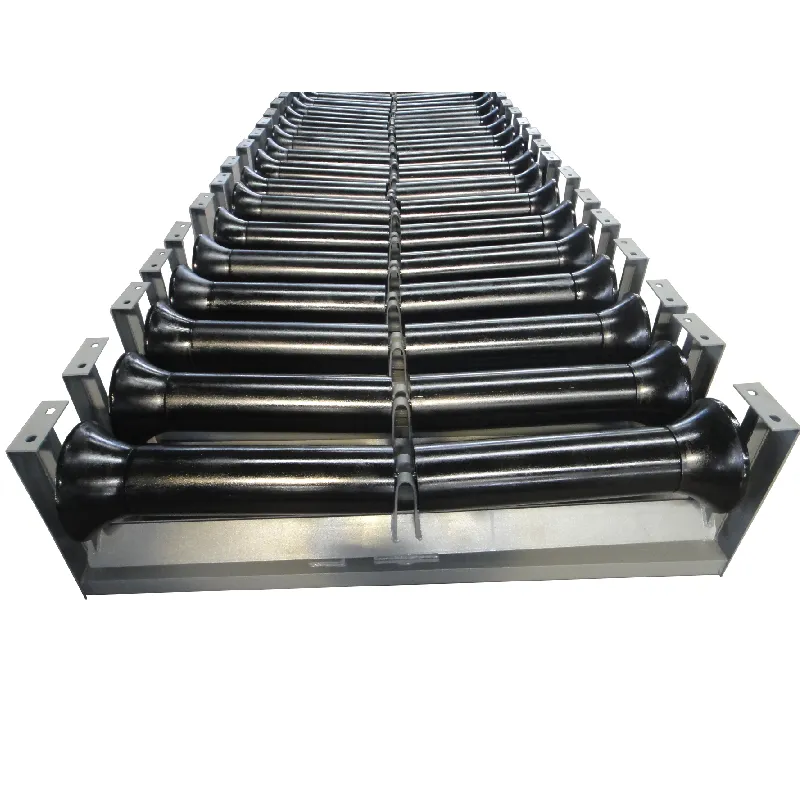
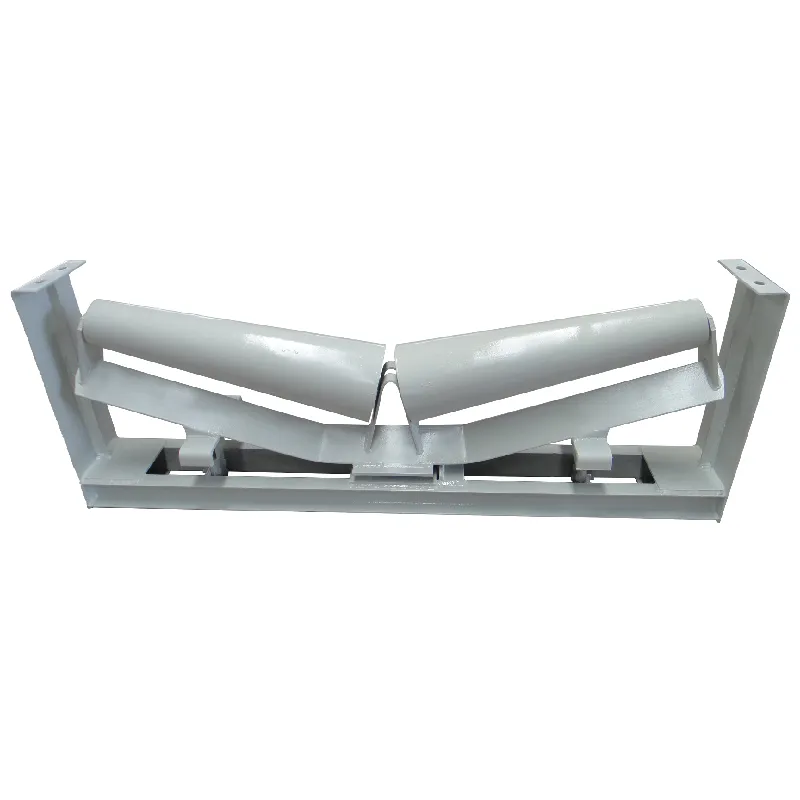
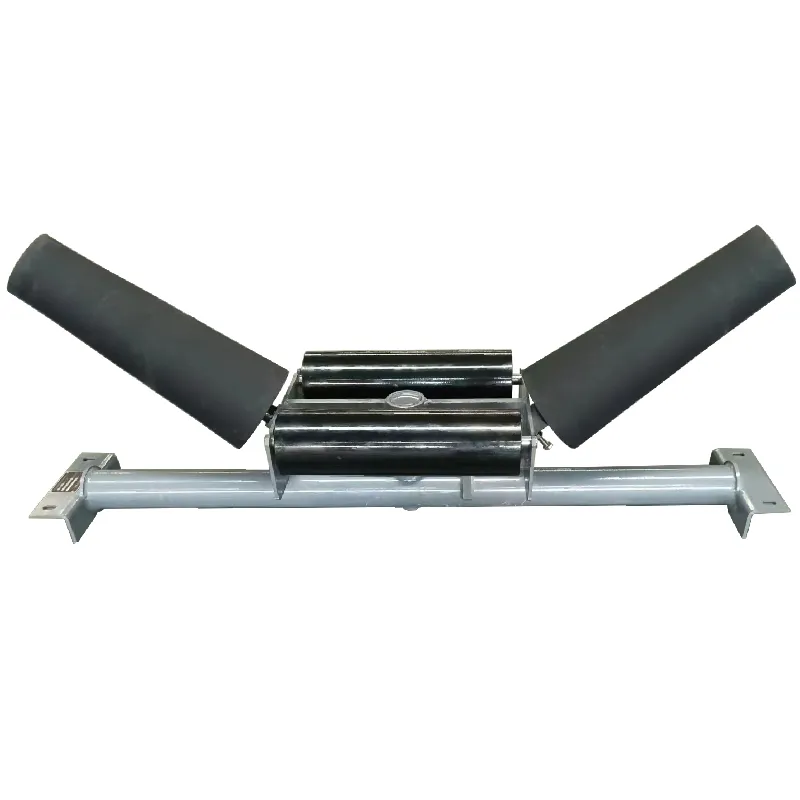
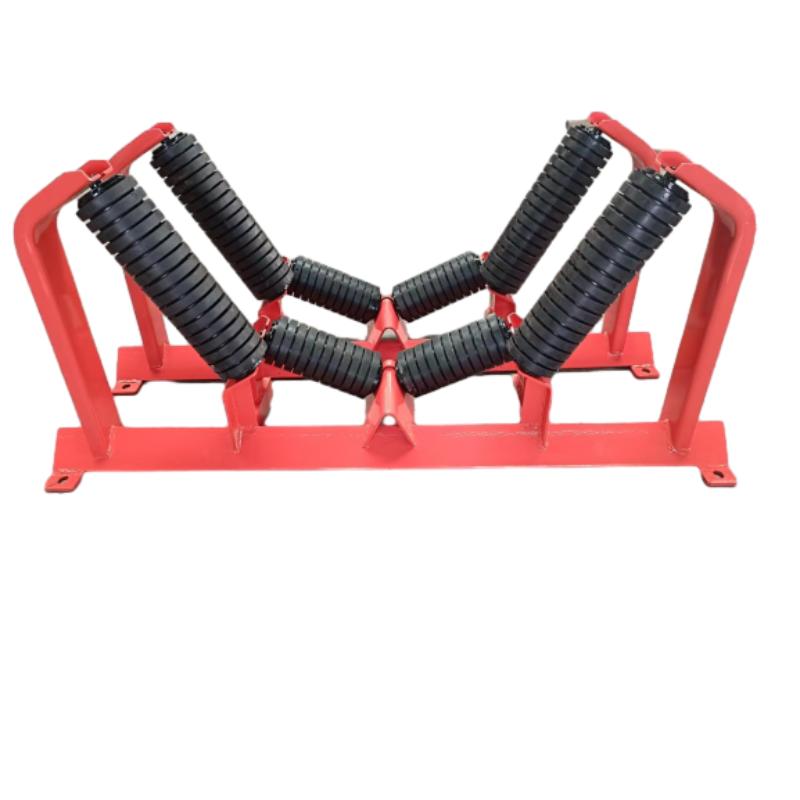
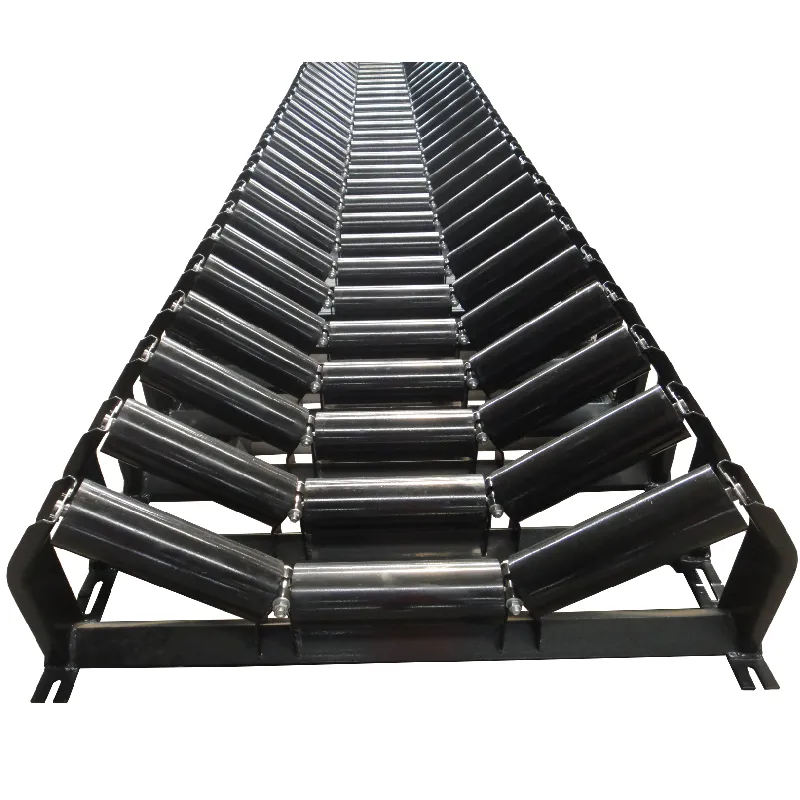
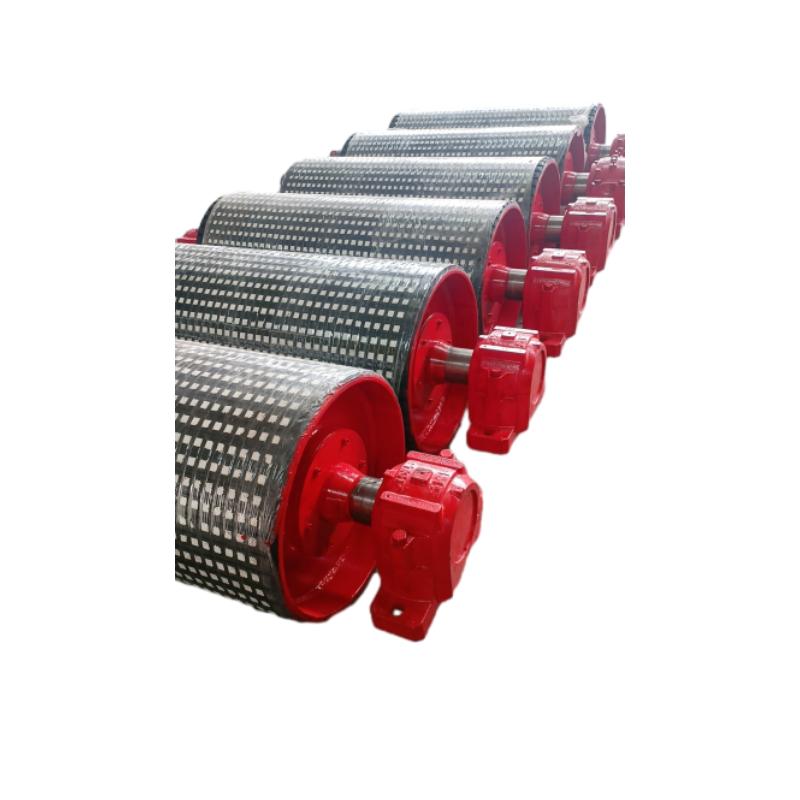
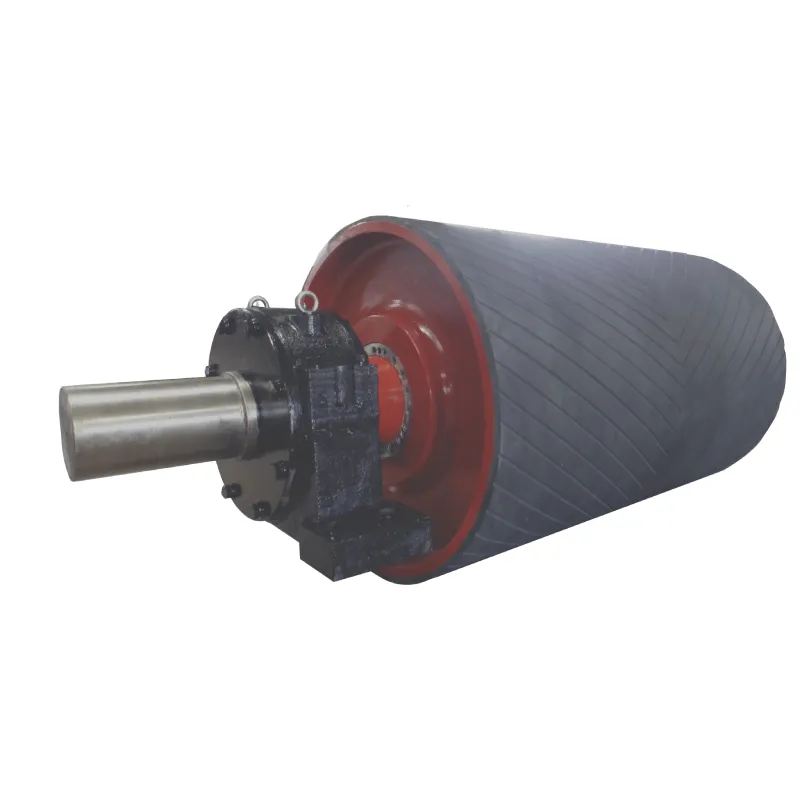
Simply put, assembly line conveyor manufacturers are companies that design, produce, and install conveyor systems used in assembly lines. Conveyors move materials and products between workstations with speed and precision, minimizing downtime and boosting productivity. You could think of them as the ‘unsung heroes’—quietly orchestrating the ballet behind factory floors.
Their products connect deeply with modern industry needs like just-in-time manufacturing and lean production. Plus, with growing humanitarian needs—such as rapid deployment of supplies in disaster zones—conveyors engineered for quick assembly or portability play an emerging role.
Mini takeaway:
- They produce systems that support smooth, continuous production processes.
- These systems have applications beyond factories, including emergency logistics.
Core Components and Key Factors in Conveyor Manufacturing
Durability and Material Quality
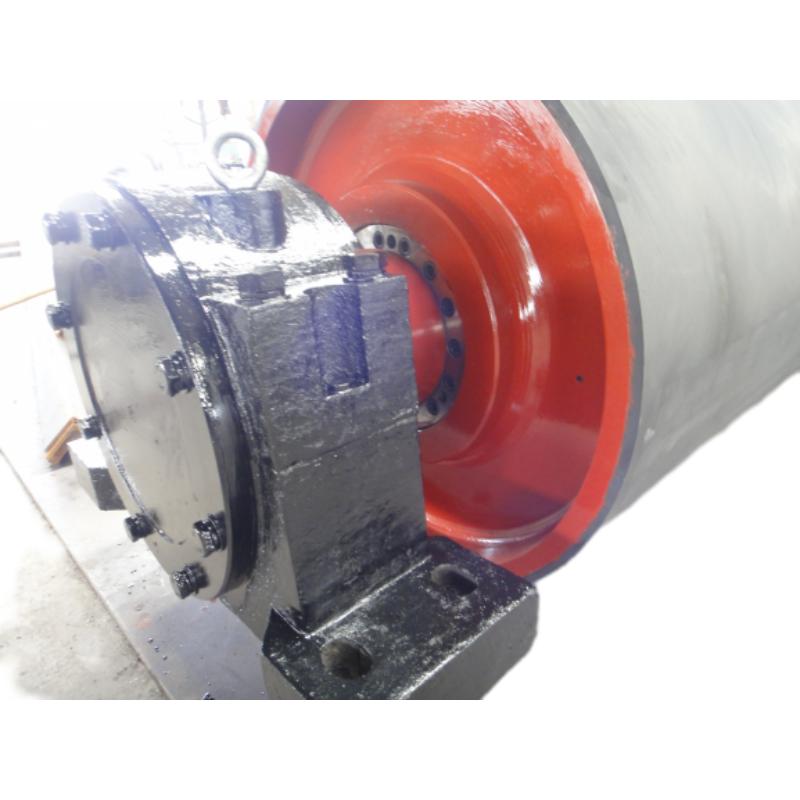
Quality conveyor manufacturers rely on durable materials—steel alloys, heavy-duty polymers—to ensure long operational life, especially in harsh environments like mining or food processing. In real terms, a conveyor’s ability to resist wear and tear determines downtime frequency.
Scalability and Modular Design
Many manufacturers now emphasize modular conveyor designs that expand or modify easily, a feature crucial for fluctuating production demands or facility expansions.
Cost Efficiency
Cost is always a factor. Vendors balance upfront capital costs with maintenance and energy consumption. The most successful manufacturers offer systems optimized for lower lifecycle expenses.
Automation & Integration
Conveyors rarely stand alone—they integrate with robotic arms, sensors, and control software. Expert manufacturers build systems ready for Industry 4.0 applications, enabling digital monitoring and automated workflows.
Safety Considerations
Safety standards from ISO and OSHA demand smart design: guards, emergency stops, and ergonomic access points. The best manufacturers aren’t just legal-compliant—they innovate safer workflows.
Product Specification Table:
| Feature | Typical Spec | Benefit |
|---|---|---|
| Conveyor Belt Speed | 0.5 – 3.0 m/s | Adjustable for product type & volume |
| Load Capacity | Up to 2000 kg/meter | Supports heavy industrial materials |
| Power Consumption | 1.2 – 5 kW per unit | Energy-efficient motors reduce costs |
| Material | Stainless Steel, HDPE, Aluminum | Durable & corrosion-resistant |
| Automation Ready | Integrated PLC & IoT sensors | Seamless integration with Industry 4.0 |
Global Applications & Use Cases for Assembly Line Conveyor Manufacturers
From big factories to humanitarian logistics hubs, assembly line conveyors show up everywhere. In Asia's booming electronics sector, flexible conveyors handle delicate components with finesse. Meanwhile, automobile plants in Europe depend on conveyors to keep complex parts arriving just in time.
Oddly enough, post-disaster relief operations increasingly rely on conveyors to move supplies rapidly within temporary warehouses and distribution centers. I recently heard of NGOs preferring modular conveyor systems for their ease of setup in remote industrial zones.
The food industry benefits hugely too, especially with sanitary designs for hygiene compliance.
Curious readers can explore more via assembly line conveyor manufacturers specializing in these sectors.
Mini takeaway:
- Applications range from high-tech manufacturing to disaster relief logistics.
- Industry-specific design keeps each conveyor fit-for-purpose.
Advantages & Long-Term Value of Partnering With Established Conveyor Manufacturers
Let’s talk real benefits — not just shiny specs. For industries, conveyors save time and lower operational costs, while improving worker safety by limiting heavy lifting. Social impact kicks in when better production schedules mean more stable jobs.
Beyond economics, there’s a subtle emotional value for managers and workers alike: trust in reliable machinery means less stress and fewer surprises on the floor.
Innovation and sustainability are also part of the package. Low energy consumption conveyors, recyclable materials, and modular repair parts contribute to environmental goals.
Vendor Comparison Table: Top Assembly Line Conveyor Manufacturers
| Vendor | Key Strength | Industries Served | Global Reach | Price Range |
|---|---|---|---|---|
| ConveyPro Inc. | Modular customization | Automotive, Electronics | Europe, Asia | $$$ |
| FlowLine Systems | Energy-efficiency focus | Food, Pharmaceuticals | North America, Europe | $$$$ |
| GlobalMove Tech | Robust industrial builds | Mining, Logistics | Global | $$ |
Emerging Trends and Innovations in Assembly Line Conveyor Manufacturing
The future here is pretty exciting. Autonomous conveyor trucks that self-route combined with AI-powered sensors diagnosing maintenance needs before breakdowns hit? Yep, those are coming. Green energy integration—solar-powered motor drives, recycled construction materials—are also rising.
Plus, global standards are tightening toward sustainability and digital transparency. So manufacturers who excel will be those melding tech innovation with environmental and social responsibility.
Challenges & Solutions in Conveyor Manufacturing
It’s not all smooth belts, literally. One of the biggest challenges is balancing customization with mass production needs—too much customization can hike costs and delay delivery. Also, in remote regions, installation and maintenance expertise can lag.
Solutions lie in modular systems that simplify assembly and smart remote diagnostics helping field technicians. Also, training partnerships improve local skillbases, which manufacturers are increasingly embracing.
Frequently Asked Questions About Assembly Line Conveyor Manufacturers
Q1: How do I choose the right assembly line conveyor manufacturer for my business?
Focus on your industry requirements and seek manufacturers with proven expertise in your sector. Evaluate not just price but scalability, customization options, and after-sales support. Don't hesitate to ask for case studies or client references.
Q2: What maintenance do conveyors typically require?
Regular maintenance includes belt inspections, lubrication of moving parts, motor checks, and cleaning. Some manufacturers offer IoT-enabled systems that predict maintenance, reducing unexpected downtime.
Q3: Are conveyor systems energy-efficient?
Modern conveyor systems increasingly focus on energy-saving motors, variable speed drives, and standby modes, which can significantly reduce electricity consumption compared to older systems.
Q4: Can conveyor systems be customized for hazardous environments?
Yes. Many manufacturers design conveyors with explosion-proof motors, non-sparking materials, and corrosion-resistant coatings suitable for chemical plants, mining, and other hazardous conditions.
Q5: How long does it take to install a conveyor system?
Installation times vary based on system size and complexity but modular conveyors can be installed in days to weeks. Proper planning and vendor support accelerate the process.
Conclusion: Why Assembly Line Conveyor Manufacturers Deserve Your Attention
Assembly line conveyor manufacturers are quietly driving industrial progress and global supply reliability. Looking ahead, their products will be smarter, greener, and even more adaptable—critical for both booming industries and humanitarian efforts worldwide.
Interested in learning more or sourcing reliable conveyor solutions? Visit our website: assembly line conveyor manufacturers to explore offerings tailored to your needs.
References:
1. International Organization for Standardization (ISO) – Conveyor Safety Standards
2. World Bank – Global Manufacturing Output Reports
3. Occupational Safety and Health Administration (OSHA) – Conveyor Safety Guidelines
-
Maximize Conveyor Life with a High Performance impact bedNewsApr.16,2026
-
Maximize Conveyor Efficiency Using a v plow belt scraperNewsApr.09,2026
-
Comprehensive Guide to Understanding Different Types of Belt CleanersNewsApr.07,2026
-
Enhancing Conveyor Efficiency with an Effective Scraper Belt CleanerNewsApr.04,2026
-
Optimizing Conveyor Systems with Advanced Cleaning Equipment SolutionsNewsMar.31,2026
-
Effective Conveyor Belt Scraper Adjustment for Optimal System PerformanceNewsMar.28,2026