

Dec . 01, 2025 18:40
Back to list
Bearing Housing Types Explained: Essential Guide for Engineers & Industry
Why Bearing Housing Types Matter in Today’s Industrial World
Bearing housing types might sound like a dry, technical topic, but honestly, it’s a cornerstone in many industries worldwide. From manufacturing plants to infrastructure projects and even humanitarian aid logistics, choosing the right bearing housing can make or break operational efficiency and safety. Understanding these types helps engineers and planners ensure machines stay reliable, maintenance costs stay low, and productivity doesn’t take a hit. Plus, given the growing push for sustainability and automation, smart choices in bearing housings can support new tech trends that mean a lot to global productivity goals.Global Context: The Unsung Hero of Industry
Globally, more than half of industrial machinery downtime is linked to bearing failure or improper housing. According to ISO and World Bank reports, enhancing bearing reliability could save billions annually—by reducing resource waste and energy inefficiencies alone. In emerging markets, well-designed bearing housings also support the durability of infrastructure that communities depend on. Yet, many sectors face challenges like inconsistent manufacturing standards or supply chain bottlenecks, which bearing housing types help to address — if selected wisely. In short, they’re the tiny heroes that enable big machines to move — safely, smoothly, and for longer. You’ll find them humming quietly in power plants, mines, oil rigs, and factories all over the world.Getting to Grips with Bearing Housing Types: What Exactly Are They?
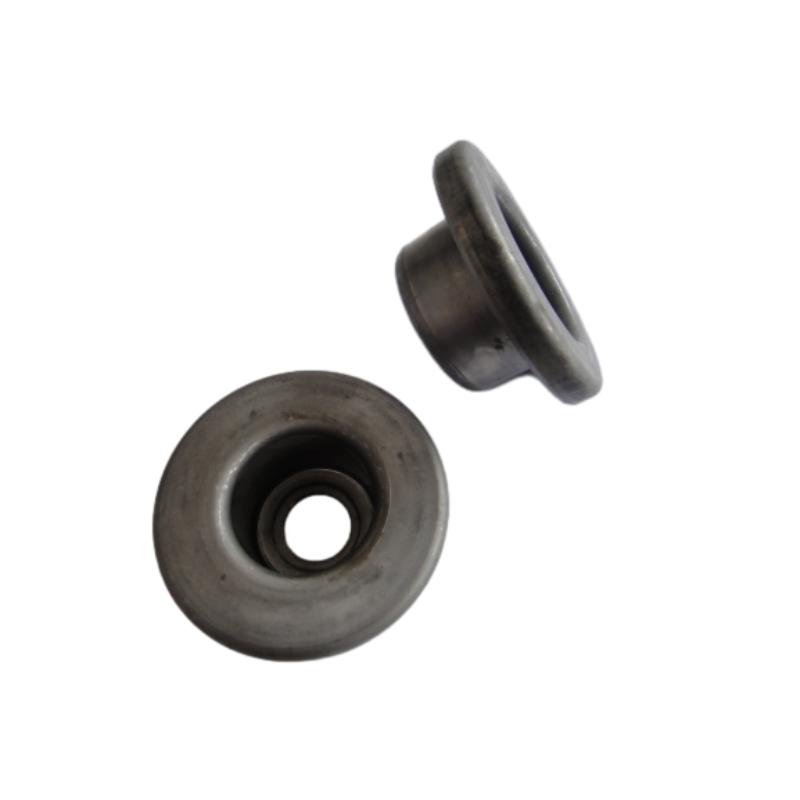
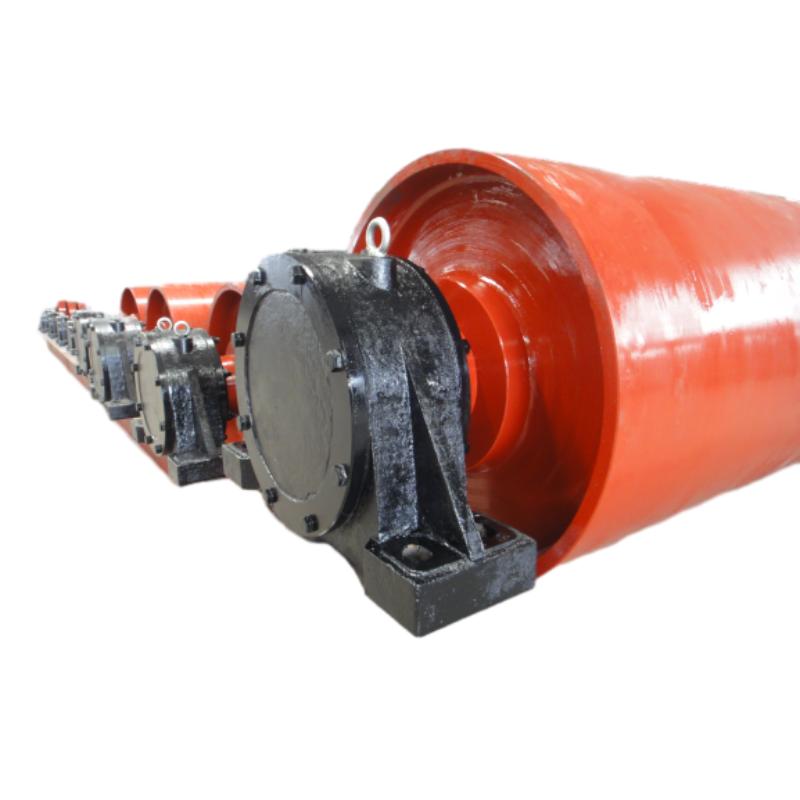
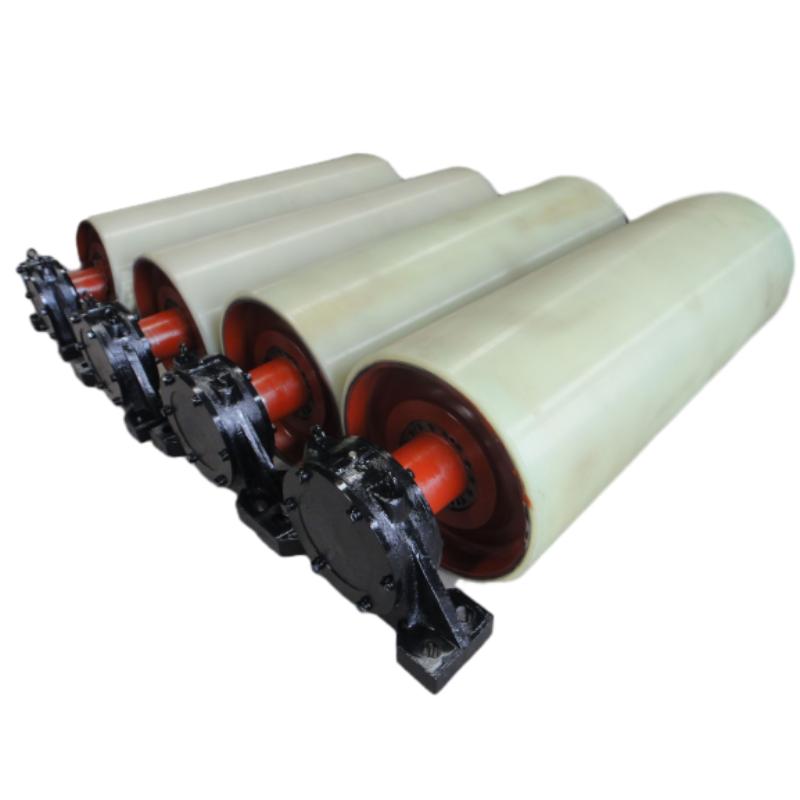
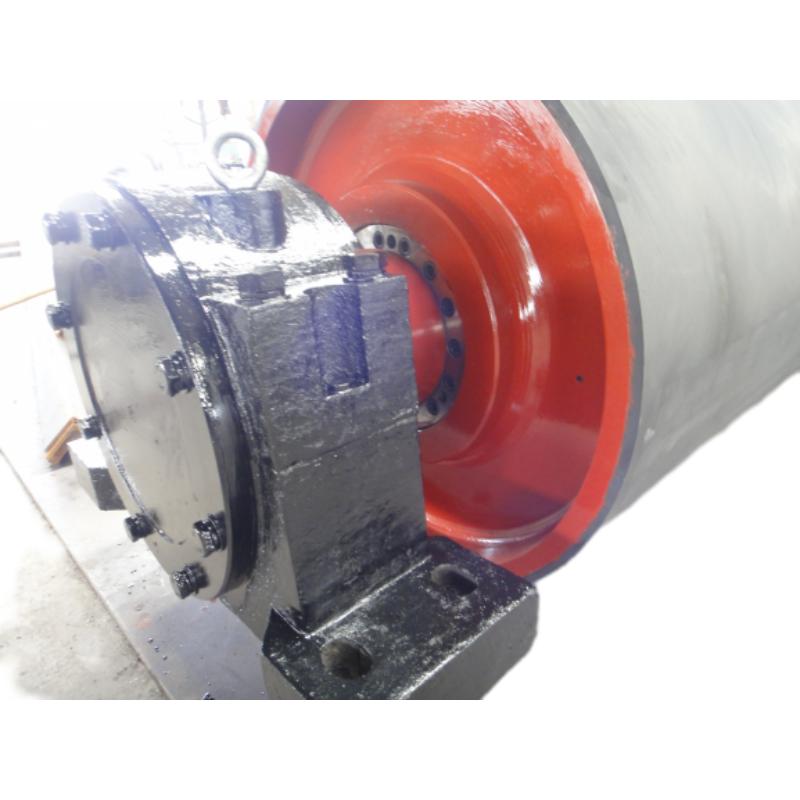
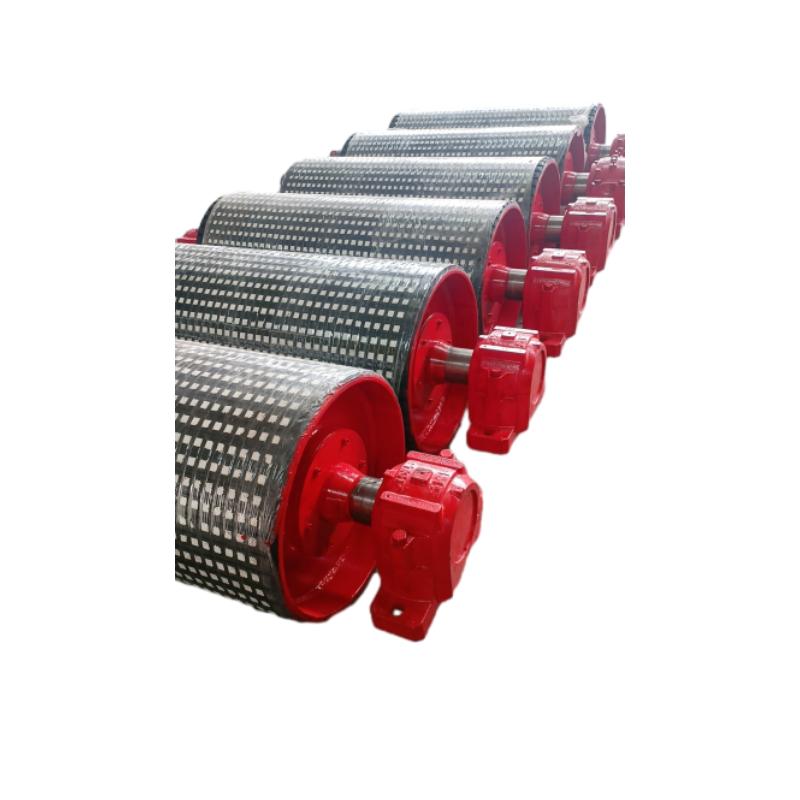
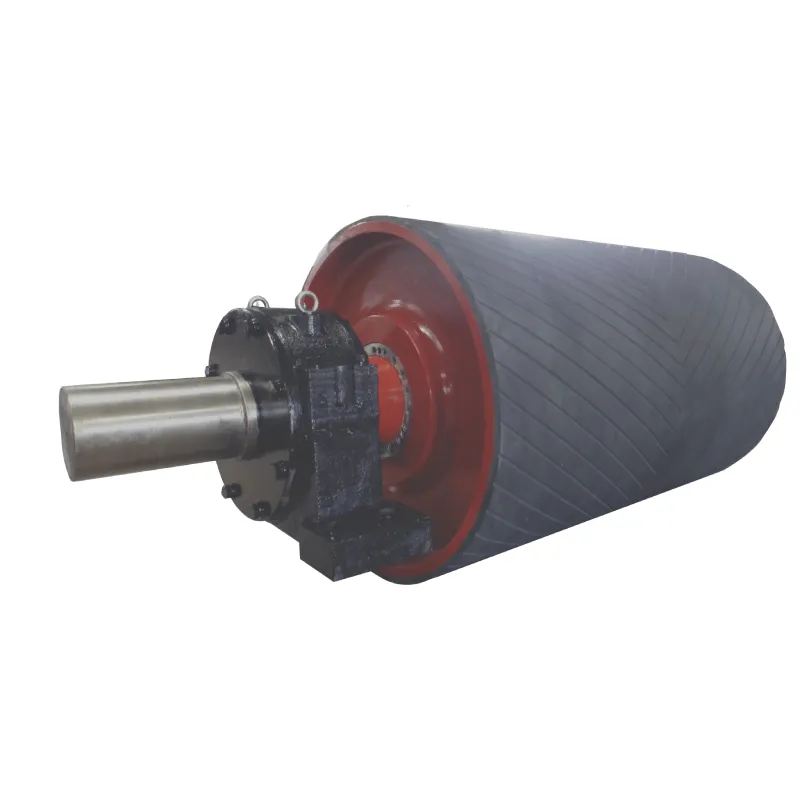
So, what do we mean when we say bearing housing types? Picture this: the bearing is a simple mechanical part that allows rotation or linear movement, reducing friction between parts. The bearing housing is the structure that encases this bearing — think of it as the cozy home that protects and supports the bearing, keeping everything aligned and cushioned against shocks, dust, or moisture. These housings come in several flavors — from pillow blocks, flange housings, to take-up units — each designed to suit specific machine layouts and working environments. Their design influences how well the bearing performs, how easy it is to maintain, and how resistant it is to environmental factors. When you talk about bearing housing types, you’re essentially discussing a whole spectrum of engineering solutions crafted for unique industrial needs. It’s fascinating how something that feels so “under-the-hood” turns out to be deeply connected to broader issues like humanitarian aid logistics, where machinery reliability is critical in crisis zones.Key Components Behind Effective Bearing Housing Types
1. Durability and Material Quality
The housing material — often cast iron, steel, or high-grade plastics — dictates how well the housing holds up under heat, corrosion, and mechanical stress. Many engineers I’ve talked to swear by ductile iron for heavy-duty applications since it balances strength and toughness.2. Mounting Versatility
Different machines require different mounting methods. Flange housings allow attachment to flat surfaces, pillow blocks simplify floor mounting, and take-up units accommodate adjustable shafts. Their mounting versatility ensures that machines can be assembled or serviced smoothly, avoiding costly downtime.3. Sealing and Protection
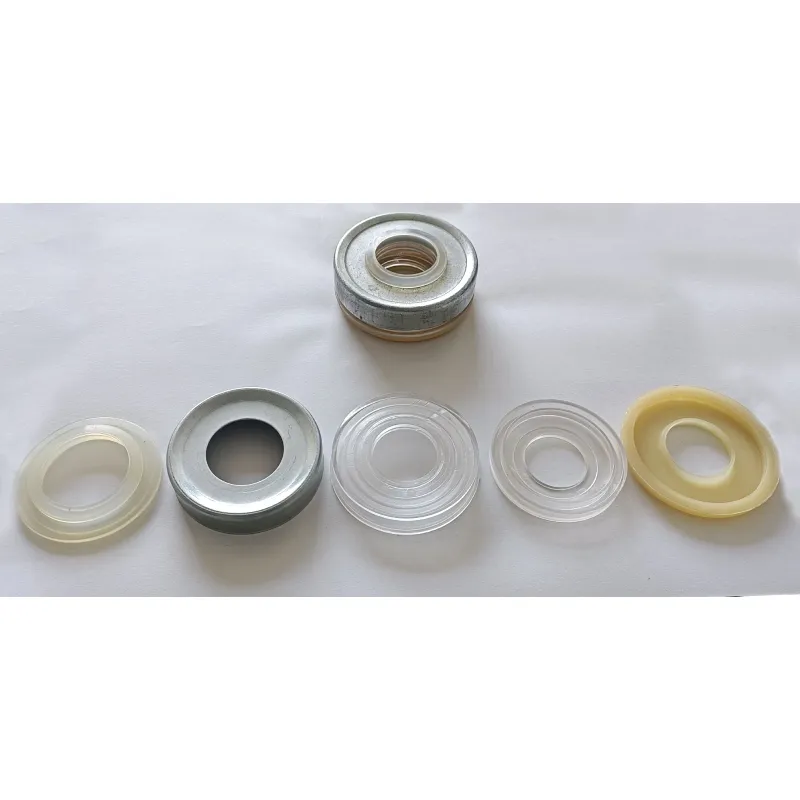
Environmental factors can be brutal — dust, water, chemicals, you name it. Good bearing housings incorporate sophisticated seals and shields to prevent contamination, prolonging bearing life and reducing failures.4. Maintenance Accessibility
Many housing types include features for easy lubrication and access. Quick-relief inspection points, grease fittings, or snap-on covers can save huge time — a blessing in high-speed manufacturing lines.5. Cost Efficiency and Lifecycle Value
Of course cost matters. But often, a slightly pricier housing with better protection and ease of maintenance pays off in longevity and fewer breakdowns. It’s a lesson repeatedly learned by many plant managers. Mini takeaway: Knowing these components lets you match bearing housing types not just to machines but to operational realities.Where Bearing Housing Types Make a Real Difference Around the World
Industries on every continent rely on varied bearing housing designs. In Europe’s precision manufacturing hubs, the trend leans toward lightweight, corrosion-resistant housings to protect high-speed bearings. In sub-Saharan Africa, rugged pillow block units with solid seals withstand dusty mining conditions. Post-disaster scenarios also see ingenious uses: humanitarian groups equip mobile generators with take-up housing units that can be swapped quickly when damaged. Remote industrial zones — like offshore platforms or Nordic forestry — depend heavily on corrosion-resistant and self-lubricating housings, cutting back on maintenance visits where access is tough. The transport sector — trains, trucks, conveyors — often opts for modular bearing housings that simplify parts replacement under tight schedules. In fact, you’ll find that better design and global availability are key to making sure machines keep running no matter where on the planet you are. Mini takeaway: The choice of bearing housing types is as diverse as the global challenges machines are built to meet.The Tangible and Intangible Advantages of Picking the Right Bearing Housing
Choosing correctly means tangible savings — less downtime, fewer repairs, better energy efficiency through reduced friction. But it also fosters reliability and safety for workers, which you might say leads to innovation confidence and a kind of trust within organizations. Consider sustainability: many modern housings now use recycled materials or support greener lubricants, aligning with environmental standards from ISO 14001. Socially, reliable equipment in harsh zones translates into fewer breakdowns and better living conditions for personnel — that’s safety and dignity in industrial form. Emotionally, managers tell me it “feels good” knowing you’ve got equipment that won’t let you down mid-shift. That little peace of mind makes all the difference.Innovation and Trends Shaping the Future of Bearing Housing Types
Looking ahead, we’re seeing materials like polymer composites and ceramic coatings shine because they’re lightweight, durable, and resistant to extreme temps. Digital transformation brings sensors embedded in bearing housings for real-time condition monitoring — a game changer for predictive maintenance. Green energy projects demand housings that withstand tough marine conditions, useful in offshore wind farms, for example. Automation and modular design trends are pushing manufacturers to offer plug-and-play bearing housing types that can be quickly swapped using robotic arms. The future is quite aligned with sustainability and smart industry initiatives driven by policies from bodies like the UN’s Sustainable Development Goals (SDGs).Common Challenges & How Experts Navigate Them
Even with progress, hiccups remain — contamination ingress remains a leading cause of bearing failure. Not all housings seal equally, and selecting the “perfect” one depends on a careful balance between cost, environment, and machine speed. Innovative solutions include improved labyrinth seals, hydrophobic coatings, and quick-lubrication systems that allow onsite greasing without dismounting. Many companies are also collaborating with universities and ISO committees to advance international standards for bearing housings to boost compatibility and quality.Frequently Asked Questions About Bearing Housing Types
Q1: What makes flange housing better than pillow block in certain setups?A: Flange housings are ideal when you need to attach bearings to vertical or flat surfaces with precise alignment, often saving space. Pillow blocks suit applications where floor or base mounting suffices and allow easier shaft adjustments. Q2: How do bearing housing types affect maintenance schedules?
A: Housing designs incorporating seals, lubrication points, and easy-open covers reduce maintenance time and frequency, prolonging bearing life and lowering operational costs. Q3: Are polymer-based bearing housings reliable compared to traditional metal ones?
A: Modern polymers offer impressive durability and corrosion resistance, often outperforming metals in specific environments like chemical plants or wet conditions. However, load capacity and temperature range must be considered. Q4: Can bearing housings be customized for extreme environments?
A: Absolutely, many manufacturers offer tailored designs using special materials or seal types to handle anything from desert heat to Arctic cold, ensuring machine uptime where it matters most. Q5: Is it complicated to switch bearing housing types during machine upgrades?
A: It can be, depending on shaft sizes and mounting configurations. That’s why modular and standardized housings are becoming popular – they ease retrofitting and reduce downtime.
Product Specifications Table: Typical Bearing Housing Types
| Housing Type | Material | Typical Use | Protection Level (IP Rating) | Maintenance Features |
|---|---|---|---|---|
| Pillow Block | Cast Iron, Steel | Floor mounting, conveyors | IP54 - IP65 | Grease nipple, removable cover |
| Flange Housing | Ductile Iron, Aluminum | Vertical or wall mounts | IP55 - IP66 | Seal shields, grease fittings |
| Take-Up Unit | Steel, Polymer Composites | Tensioning shafts, conveyors | IP54 | Adjustable setting, lubrication ports |
Comparing Leading Vendors of Bearing Housing Types
| Vendor | Product Range | Customization | Global Presence | Innovations |
|---|---|---|---|---|
| SKF | Extensive (pillow, flange, take-up) | High - specialized materials & sizes | Global, 130+ countries | Embedded sensor tech, smart lubricators |
| Timken | Focused on heavy-duty & custom units | Medium - tailored engineering support | Strong in Americas & EMEA | Advanced seal designs, durability tests |
| FAG (Schaeffler) | Wide range incl. high-speed applications | High customization with engineering consulting | Global but focused on Europe & Asia | Polymer housings, digital condition monitoring |
In Conclusion: Why Bearing Housing Types Deserve Your Attention
To wrap it up — bearing housing types are an often-overlooked but utterly essential thread in global industrial fabric. They may be humble components, but their impact ripples through efficiency, sustainability, safety, and innovation. Getting to know different bearing housings enhances machine reliability and offers peace of mind, especially where failures would be costly or dangerous. If you want to dive deeper or explore the latest in bearing housing types, don’t hesitate to visit our website. Thanks for reading — sometimes the small stuff turns out to be the big picture after all.References:
- ISO - International Organization for Standardization: https://www.iso.org
- World Bank Industrial Development Reports: https://www.worldbank.org
- Wikipedia on Bearing Housing: https://en.wikipedia.org/wiki/Bearing_housing
Latest news
-
Maximize Conveyor Life with a High Performance impact bedNewsApr.16,2026
-
Maximize Conveyor Efficiency Using a v plow belt scraperNewsApr.09,2026
-
Comprehensive Guide to Understanding Different Types of Belt CleanersNewsApr.07,2026
-
Enhancing Conveyor Efficiency with an Effective Scraper Belt CleanerNewsApr.04,2026
-
Optimizing Conveyor Systems with Advanced Cleaning Equipment SolutionsNewsMar.31,2026
-
Effective Conveyor Belt Scraper Adjustment for Optimal System PerformanceNewsMar.28,2026
OUR PRODUCTS