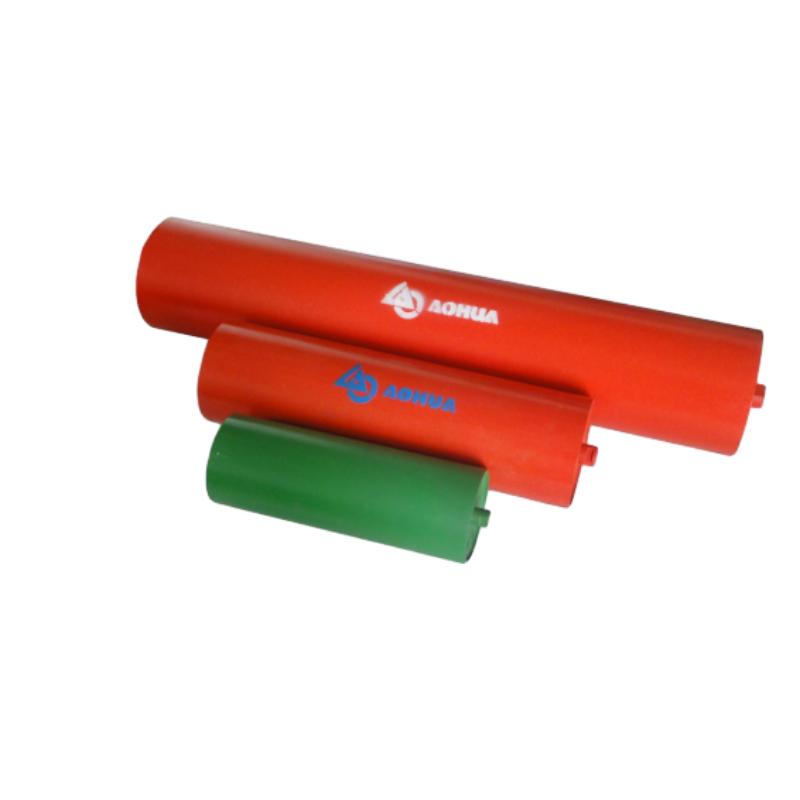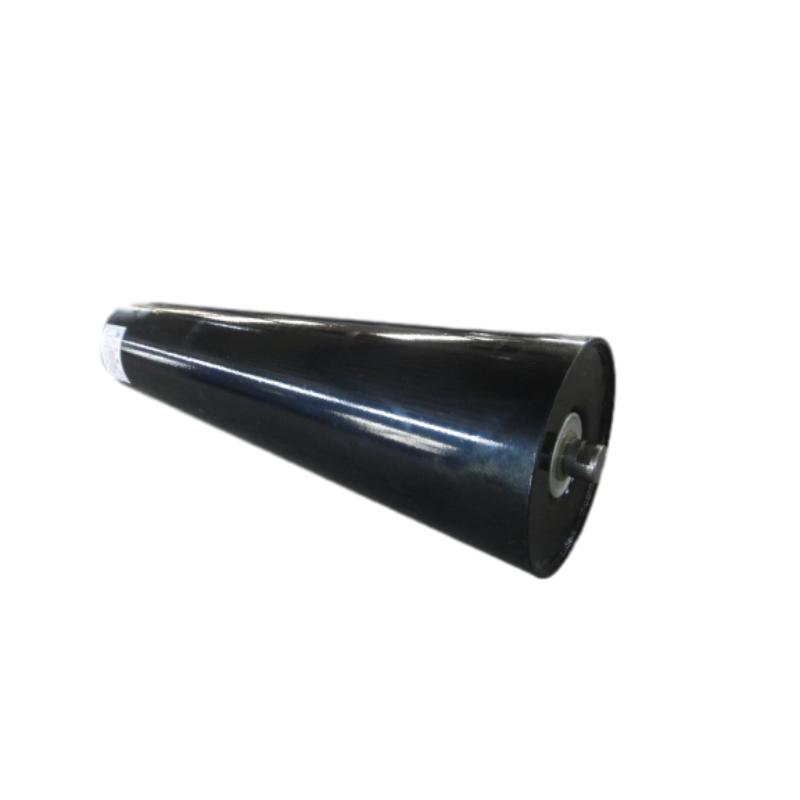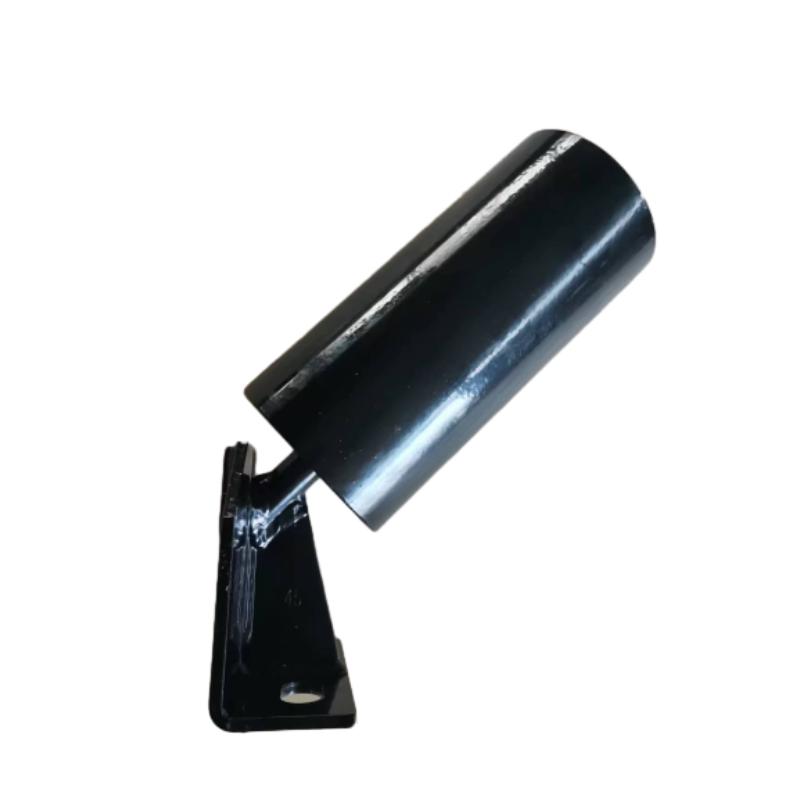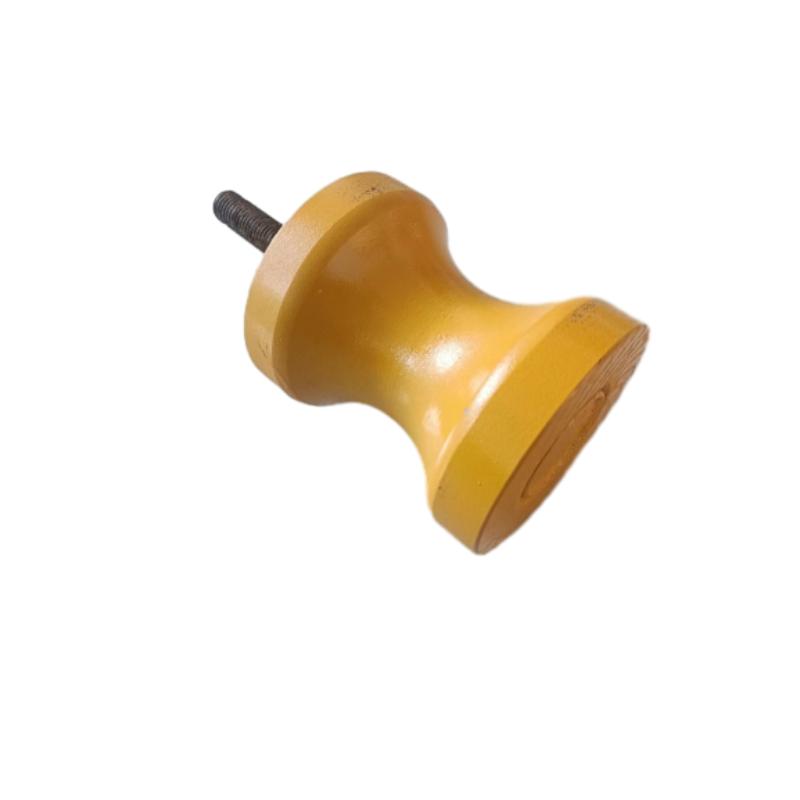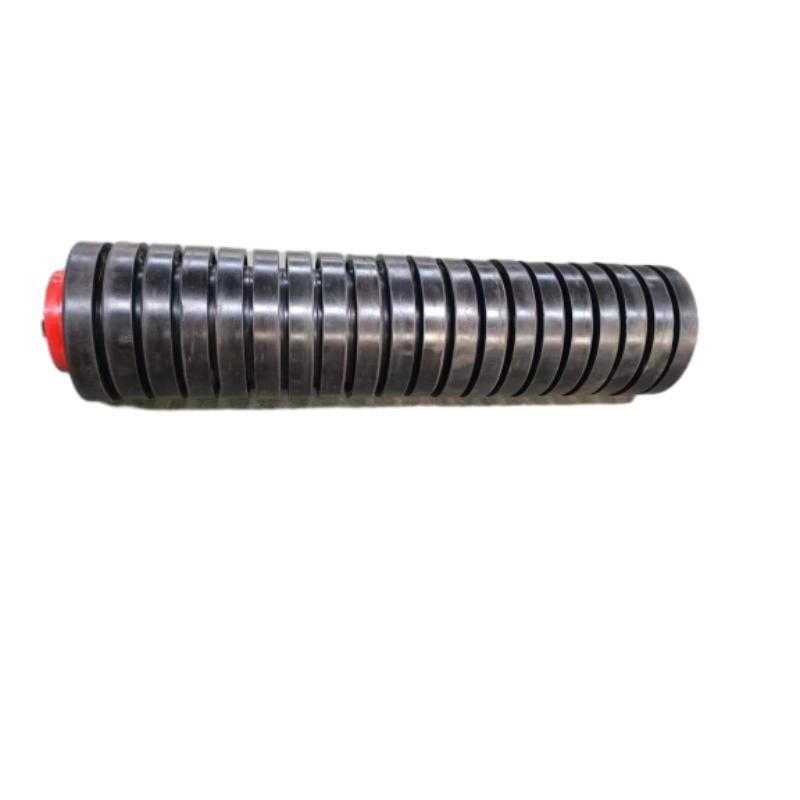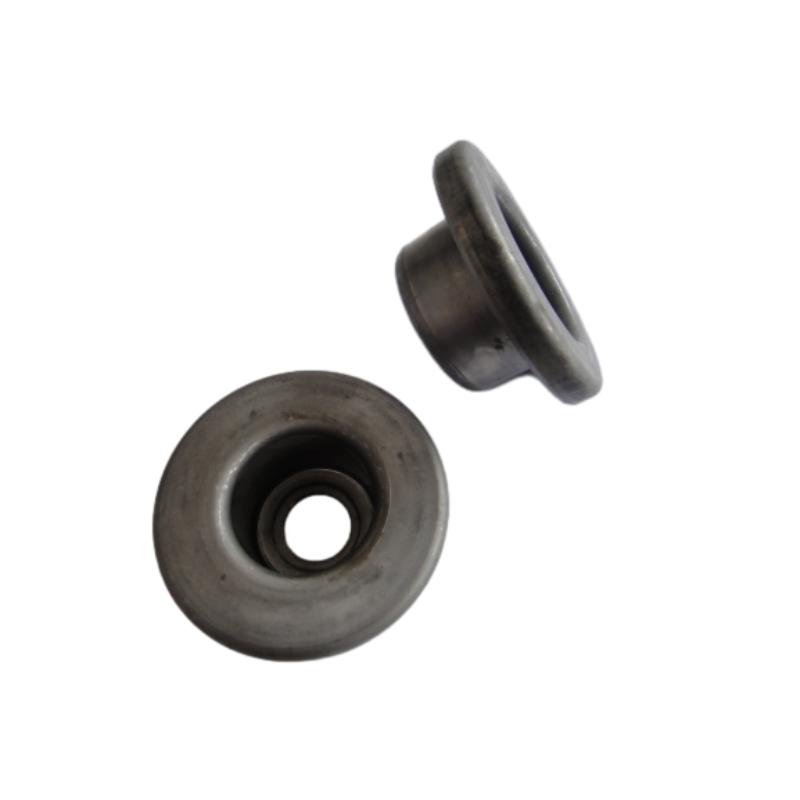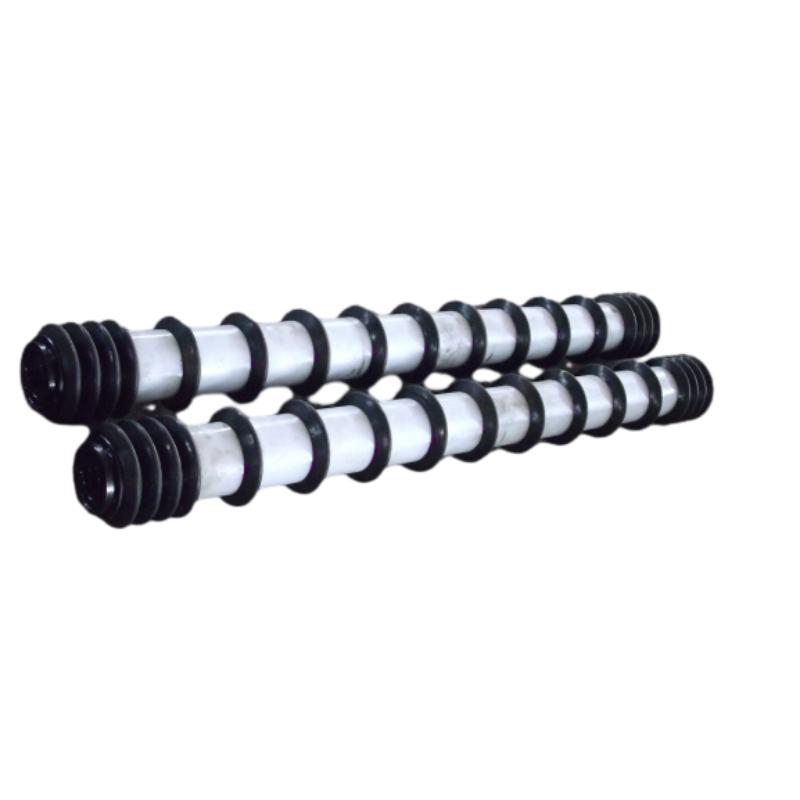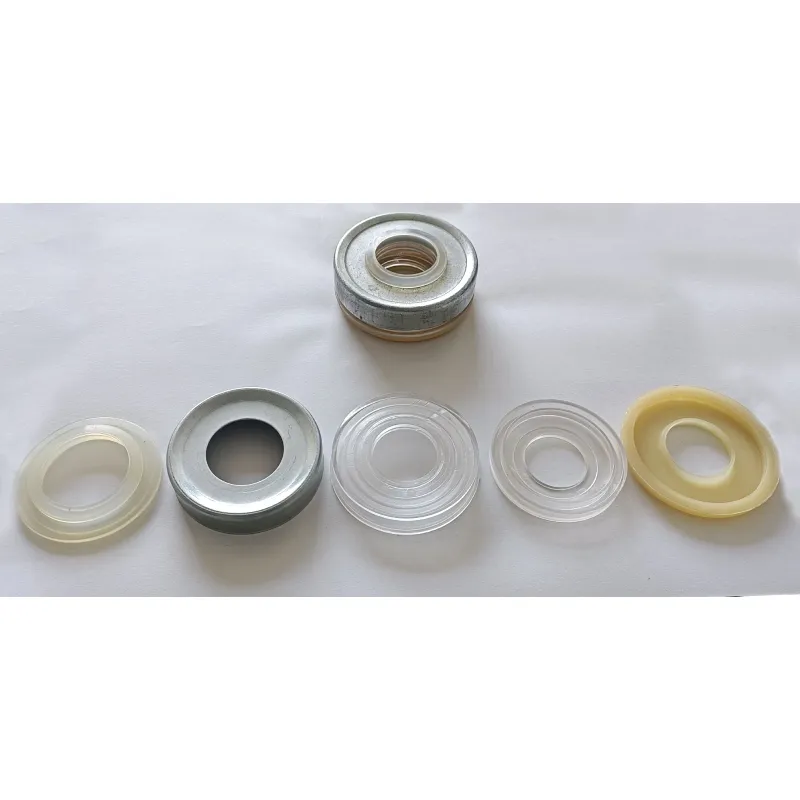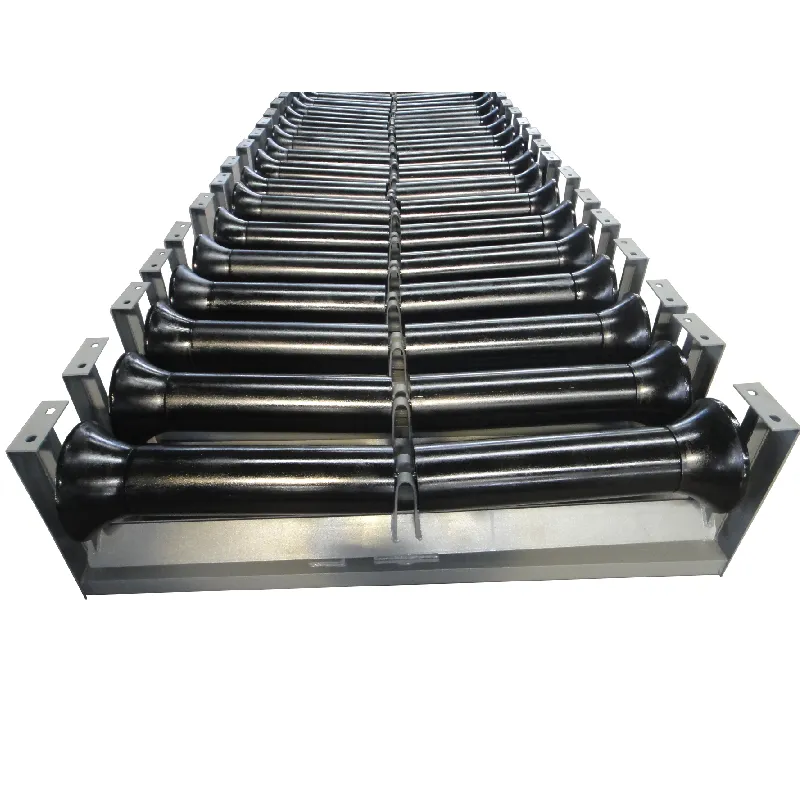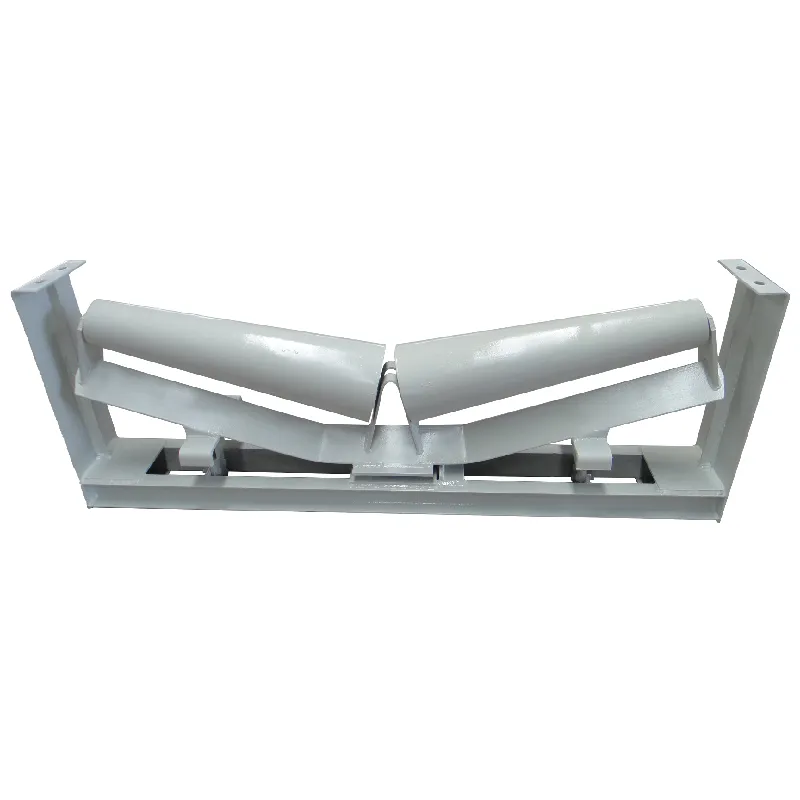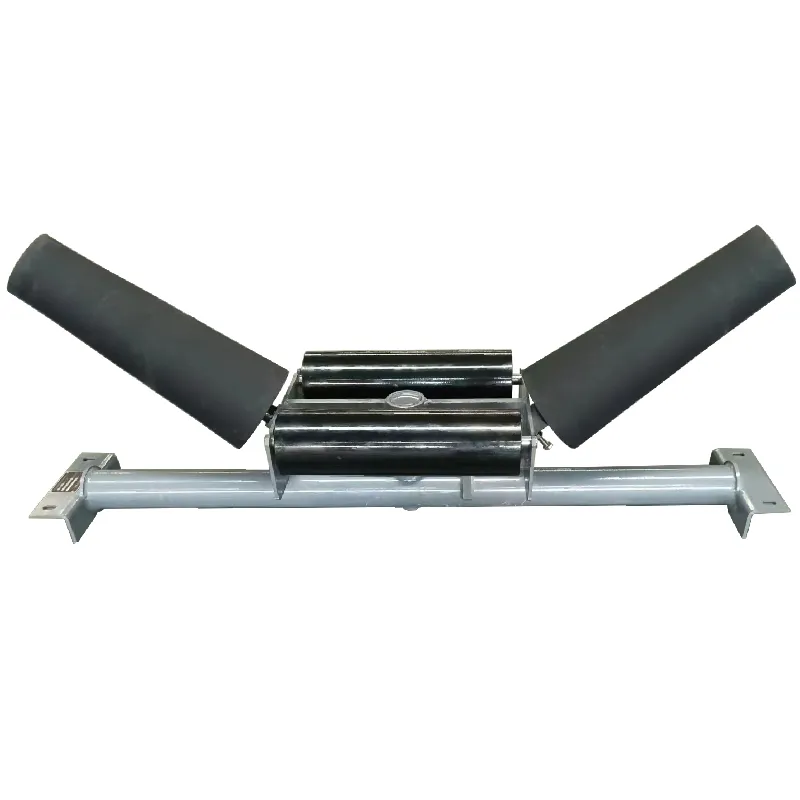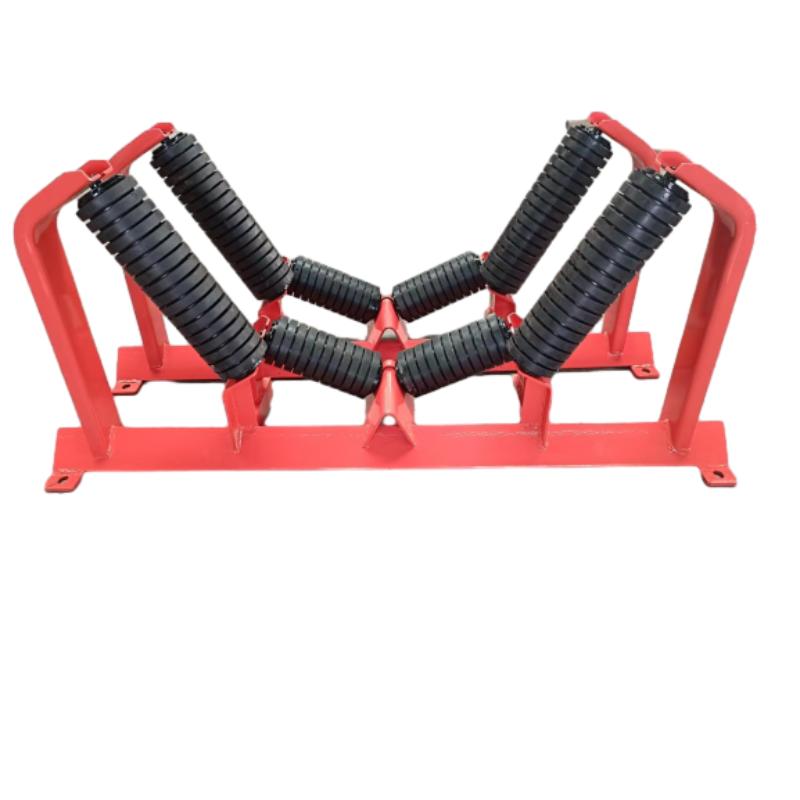


Bearing Housing Manufacturer - Reliable, Durable Industrial Solutions
Understanding Bearing Housing Manufacturers: Why It Matters Worldwide
Whether you’re quietly fascinated by mechanical engineering or part of the supply chain that keeps industries humming, the role of a bearing housing manufacturer is something worth knowing about. Why? Because bearing housings, though they sound a bit niche, are absolutely foundational in countless machines—from conveyor belts in bustling factories to the rotors spinning in wind turbines. Grasping their importance isn’t just technical mumbo jumbo: it’s about appreciating how global manufacturing, transportation, and even humanitarian efforts keep moving forward.
On a bigger scale, bearing housings influence efficiency, reliability, and even safety in machinery used worldwide. Their quality and innovation matter in industries ranging from mining in Australia, to remote construction projects in Africa, and automated factories in Germany. So this short dive helps you see why tracking the best bearing housing manufacturer suppliers can be a surprisingly strategic decision.
The Global Context: How Bearing Housing Manufacturing Fits Into Industry Trends
Let’s step back and look at the big picture. The industrial machinery market, according to the International Organization for Standardization (ISO), and World Bank reports, is experiencing steady growth—forecasted at around 5% annually. Behind that expansion lies the humble bearing housing, which supports bearings holding rotating parts aligned, balanced, and protected against contaminants.
Why is this relevant? Industries are accelerating digital transformation and automation, which means machines run harder, smarter, and often under more strain. That’s a challenge bearing housing manufacturers need to tackle, ensuring their products can achieve a level of durability and precision that doesn’t bottleneck productivity or increase downtime.
Moreover, there’s pressure to reduce environmental impact throughout the manufacturing and operational lifecycle. This makes material selection, recyclability, and energy-efficient production methods hot topics for manufacturers in the space.
What Exactly is a Bearing Housing Manufacturer?
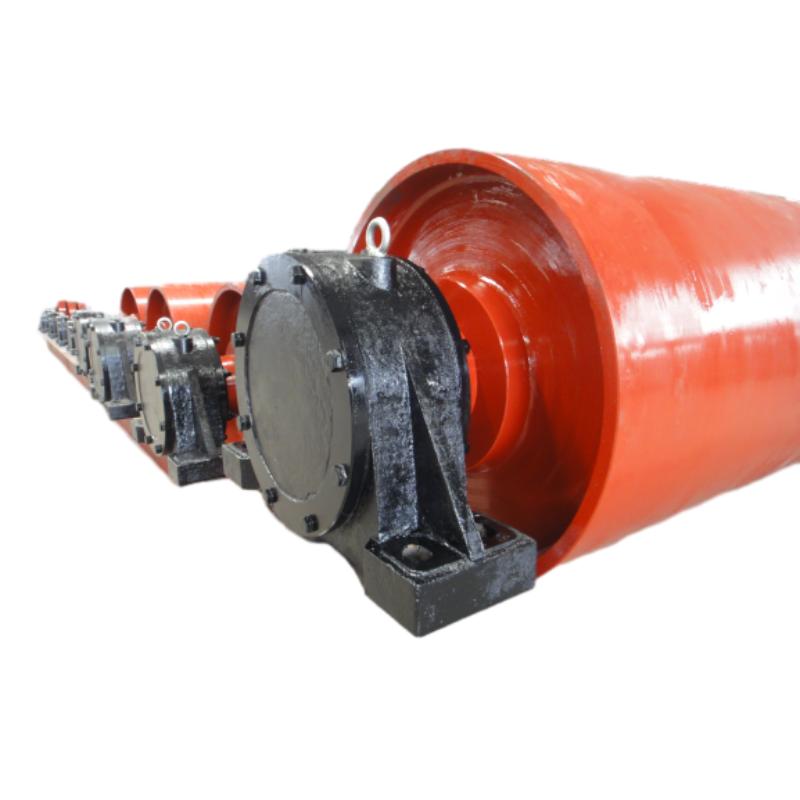
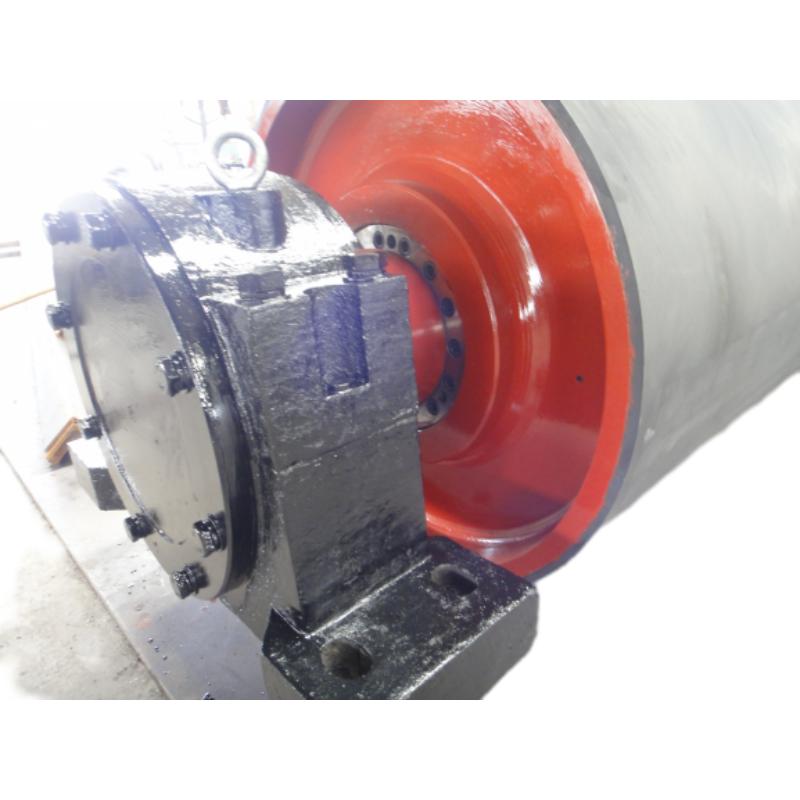
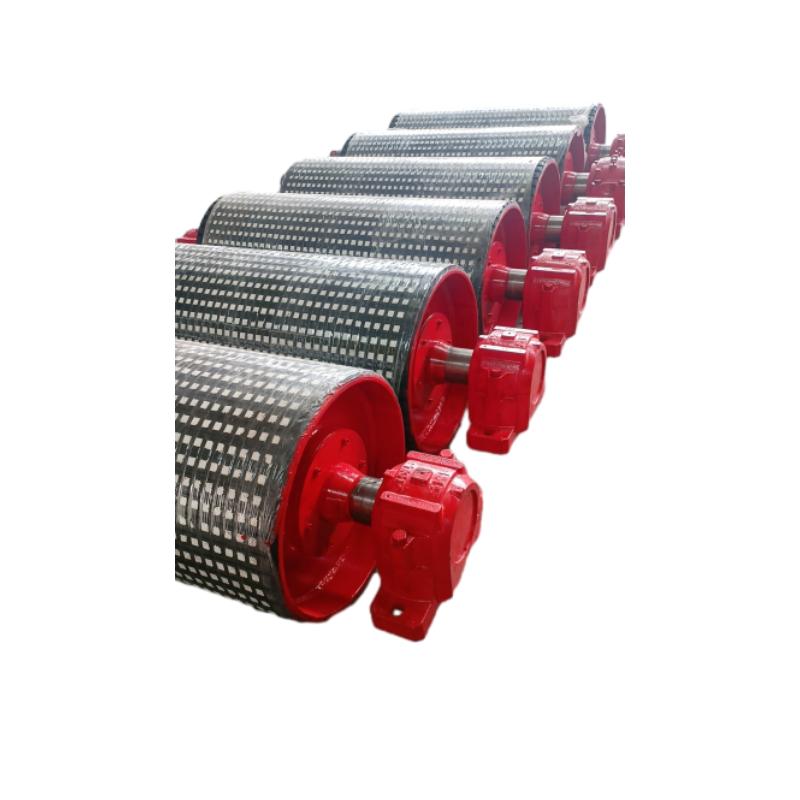
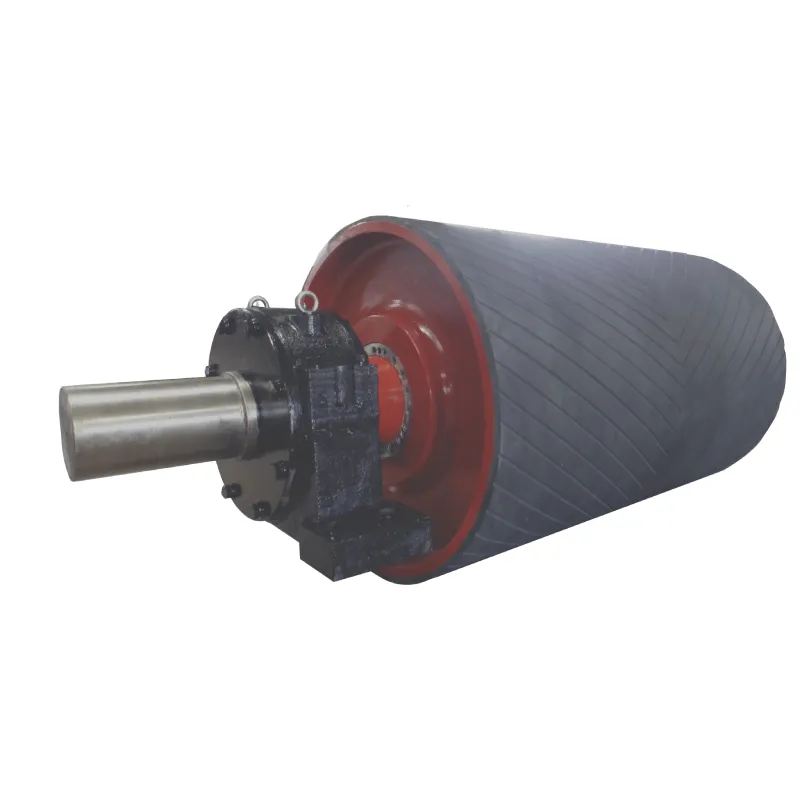
Put simply: a bearing housing manufacturer designs and produces the housings that encase and secure bearings. Bearings themselves reduce friction in rotating applications—imagine the wheel on a conveyor belt or the fan blades in HVAC systems—while the housing provides structural integrity and often allows easy maintenance access. In industries, this is a cornerstone connection point that ensures machines operate smoothly.
On a humanitarian or infrastructure level—say, rebuilding areas affected by natural disasters—machinery reliability powered by quality bearing housings can be critical for rapid construction and logistics. So, it’s not just about factories but also about keeping essential aid moving.
Core Components and Factors in Bearing Housing Manufacturing
1. Durability and Material Quality
Manufacturers typically work with cast iron, steel, or lightweight composites depending on use. Many engineers say that material choice dictates lifespan and resistance against wear or environmental damage. One must balance ruggedness with cost and weight.
2. Precision Engineering and Scalability
Bearing housings require tight tolerances, especially for high-speed or heavy-duty machinery. Scalability in production means manufacturers can serve massive industrial clients and smaller custom orders. This duality is key to flexibility in a fluctuating global market.
3. Maintenance Friendliness
Many modern designs focus on “ease of access” for lubrication or part replacement. This saves time and keeps machines running longer. Manufacturers invest in innovative design features such as split housings or integrated sensors.
4. Cost Efficiency
Not every operation needs top-end aerospace-grade housings. Manufacturers balance cost with quality by tailoring products to application needs—this pragmatic approach benefits end-users by reducing total cost of ownership.
5. Environmental and Regulatory Compliance
ISO standards, environmental policies, and increasingly, corporate social responsibility programs are shaping how bearing housings are made. Eco-friendly materials, energy-efficient processes, and waste reduction are all part of modern manufacturing ethos.
Mini Takeaway:
A bearing housing manufacturer’s strength lies in crafting parts that juggle durability, precision, and cost, fitting a wide spectrum of industries while moving progressively toward sustainable solutions.
Global Applications: Where and How Bearing Housing Manufacturers Make a Difference
From sprawling automotive plants in North America to vast renewable energy farms in Europe and Asia, bearing housings are everywhere. The manufacturing centers in China and Germany dominate with volume and innovation, while niche players in the USA and South Korea specialize in high-tech or custom designs.
In harsh environments such as mining in Australia or oil rigs in the Gulf of Mexico, the role of bearing housings is arguably more critical—they withstand extreme temperatures, corrosion, and mechanical stress. NGOs and reconstruction agencies, say, in earthquake-prone regions, depend on reliable equipment to rebuild quickly, making these components unsung heroes.
Advantages and Long-Term Value of Quality Bearing Houses
- Reliability: Less downtime means machines serve longer, keeping operations cost-effective.
- Safety: Proper housing minimizes risk of bearing failure that could cause accidents.
- Sustainability: Quality materials and smart design reduce waste and energy consumption during production and use.
- Innovation: Leading manufacturers integrate smart tech—like temperature sensors or condition monitoring—keeping maintenance predictive rather than reactive.
- Emotional Impact: In sectors where trust is everything, businesses and end-users find peace of mind knowing their machinery is supported by expert engineering.
Product Specification Table
| Specification | Typical Values / Options |
|---|---|
| Material | Cast Iron, Steel, Aluminum, Composite |
| Configurations | Pillow Block, Flanged, Take-up |
| Operating Temperature | -40°C to 150°C (depends on material) |
| Load Capacity | Up to 150 kN |
| Special Features | Sensor Integration, Split Housing Design |
Comparing Leading Bearing Housing Manufacturers
| Manufacturer | Product Range | Key Markets | Innovation Highlights |
|---|---|---|---|
| IdleRa Ohua | Customizable High-Performance Housings | Asia-Pacific, Europe | Integrated Sensor Technologies |
| Global Bearings Inc. | Standard and Heavy-Duty Housings | North America, Australia | Eco-friendly Material Use |
| EuroMech Solutions | Precision Engineered for Automotive | Europe, South America | Lightweight Aluminum Housings |
Looking Ahead: Future Trends in Bearing Housing Manufacturing
What’s next in this space? There’s a clear pivot to digital with Industry 4.0 shaping how bearing housings are designed and monitored. Imagine housings that communicate their own wear levels or alert to imbalances before failure—minimizing emergency repairs. Green manufacturing methods are gaining traction, with low-carbon footprints, recycled materials, and longer product life cycles becoming table stakes.
Innovative materials like advanced polymers and nanocomposites are being explored, promising lighter, more durable housings that could change the logistics of installation and maintenance, especially in hard-to-reach places.
Lastly, geopolitical shifts and trade policies are encouraging localized manufacturing clusters to reduce supply chain risks, so we might see more regional bearing housing manufacturers rise to meet demand closer to the end-user.
Facing Challenges: What’s Holding Back Manufacturers?
Despite the progress, there are issues. Consistency in product quality amid fluctuating raw material costs can be tricky. Designers also wrestle with balancing ultra-precise engineering against holding down costs for competitive pricing. And not all manufacturers have the capacity or know-how to adopt the newest smart technologies, which leaves some lagging behind.
Experts suggest partnerships between traditional manufacturers and tech firms as a promising path forward. Standardizing sensor integration and adopting modular designs could accelerate innovation against these challenges.
Frequently Asked Questions About Bearing Housing Manufacturers
- What makes quality bearing housings crucial for heavy machinery?
- High-quality housings protect bearings from contaminants, ensure alignment, and manage loads properly. This reduces downtime and prolongs machine life, especially important in heavy-duty sectors like mining or construction.
- How can I choose the right bearing housing for a specific application?
- Consider factors like load capacity, operating environment, temperature range, and maintenance ease. Consulting with a trusted bearing housing manufacturer helps match products to your particular needs.
- Are bearing housings eco-friendly or recyclable?
- Many manufacturers today use recyclable metals and environmentally friendly coatings. However, the degree of eco-friendliness depends on materials and production methods, so ask your supplier for certifications or sustainability reports.
- How long do bearing housings typically last?
- Lifespan varies with design, material, and operating conditions. Generally, well-maintained housings can last 5 to 20 years or more in industrial environments.
- Can bearing housings be customized for unique industrial needs?
- Absolutely. Many manufacturers offer custom solutions, including specific materials, sizes, and integrated technologies, to fit specialized applications.
Conclusion
Understanding the role and nuances of bearing housing manufacturers gives anyone involved in machinery or industrial operations a sharper edge. Not only do these components keep equipment reliable and safe, but they also embody a quiet innovation wave driven by sustainability and digital technology.
For those scouting trusted partners or seeking cutting-edge housing solutions, consider visiting bearing housing manufacturer suppliers like IdleRa Ohua, who blend tradition with tomorrow’s tech.
References
-
Maximize Conveyor Life with a High Performance impact bedNewsApr.16,2026
-
Maximize Conveyor Efficiency Using a v plow belt scraperNewsApr.09,2026
-
Comprehensive Guide to Understanding Different Types of Belt CleanersNewsApr.07,2026
-
Enhancing Conveyor Efficiency with an Effective Scraper Belt CleanerNewsApr.04,2026
-
Optimizing Conveyor Systems with Advanced Cleaning Equipment SolutionsNewsMar.31,2026
-
Effective Conveyor Belt Scraper Adjustment for Optimal System PerformanceNewsMar.28,2026