

Bearing Housing: Essential Components for Reliable Industrial Performance
Understanding Bearing Housing: Where Industry Meets Innovation
In the fascinating whirlwind that is modern industry, the humble bearing housing often acts as the unsung hero. Those little structures that hold bearings in place might be overlooked by most, but they play a critical role worldwide—from heavy manufacturing plants in Detroit to wind turbines spinning away in Germany. Knowing what a bearing housing is, why it matters globally, and the benefits it brings to industries can transform how we appreciate—or even innovate—a vast array of machinery and infrastructure.
Global Context: Why Bearing Housing Matters Now More Than Ever
According to ISO data and reports from the World Bank, global manufacturing output has increased by roughly 4% annually over the past decade. This surge demands reliable mechanical components, and bearing housings are a key foundation. They shield and support bearings, which reduce friction and ensure smooth rotation in countless devices, from conveyor belts in warehouses to offshore drilling rigs. But as industries push for faster production and sustainable solutions, bearing housings face complex challenges—think extreme weather, wear and tear, and supply chain hurdles—that require innovation.
Oddly enough, while we’re racing toward automation and AI, the physical "boots on the ground" like bearing housings still determine machine reliability, downtime, and safety. Global logistics and manufacturers alike are seeking solutions that are not only durable but adaptable to varying conditions and cost-efficient over time.
Defining Bearing Housing in Simple Terms
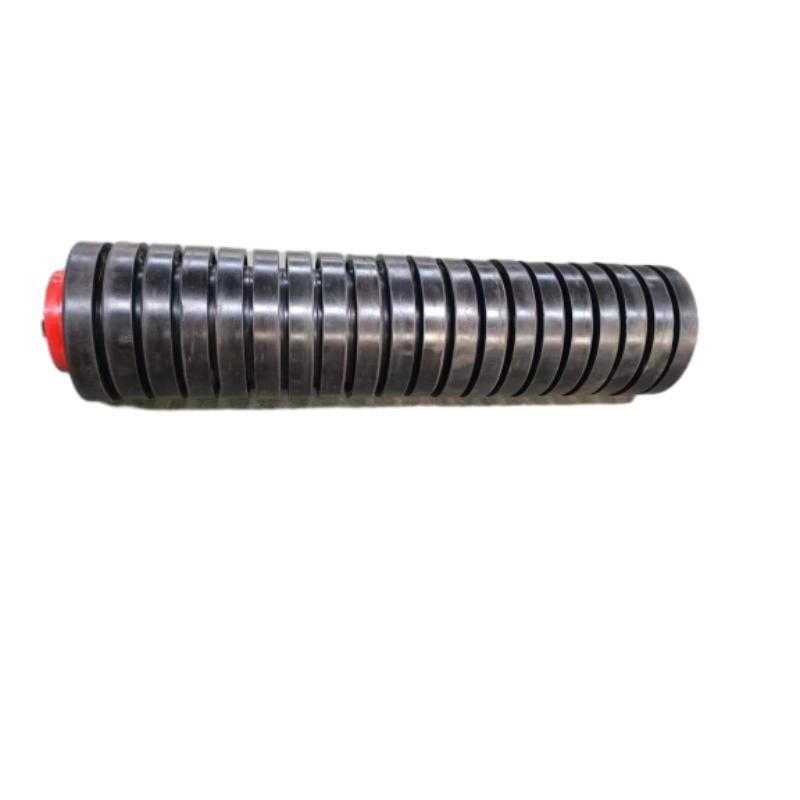
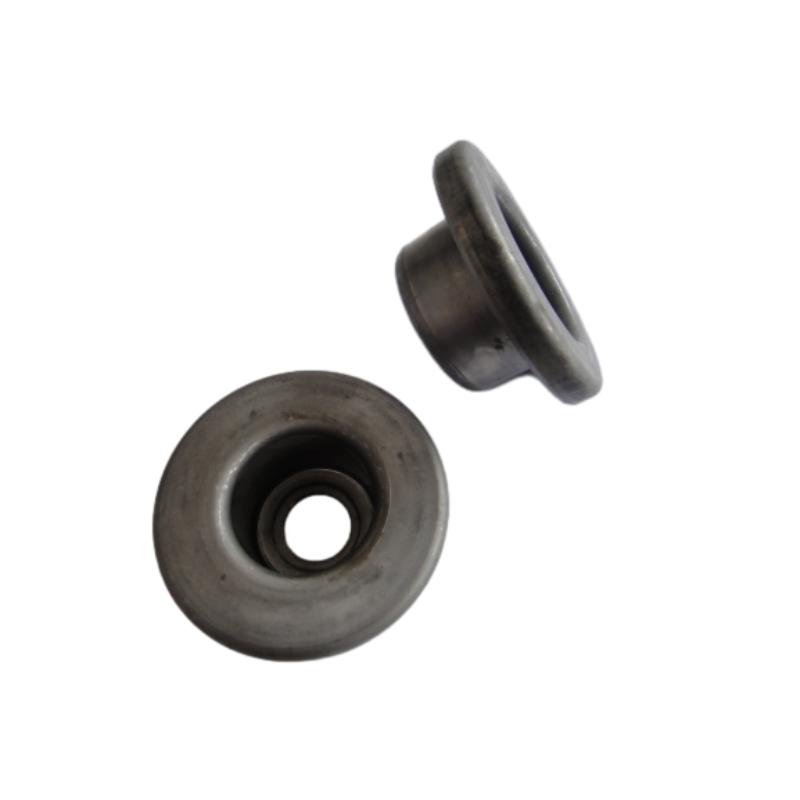
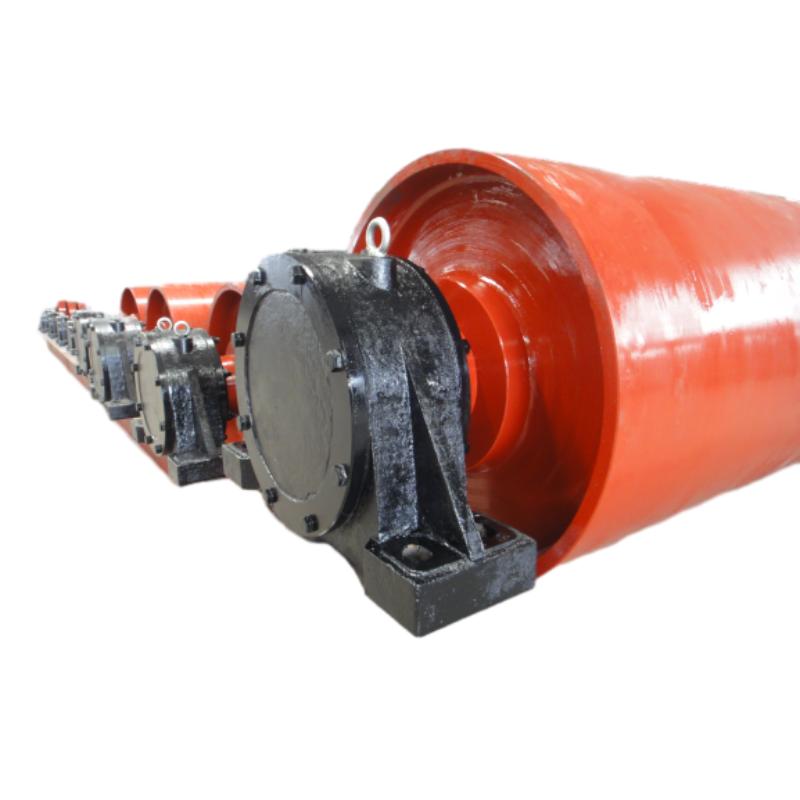
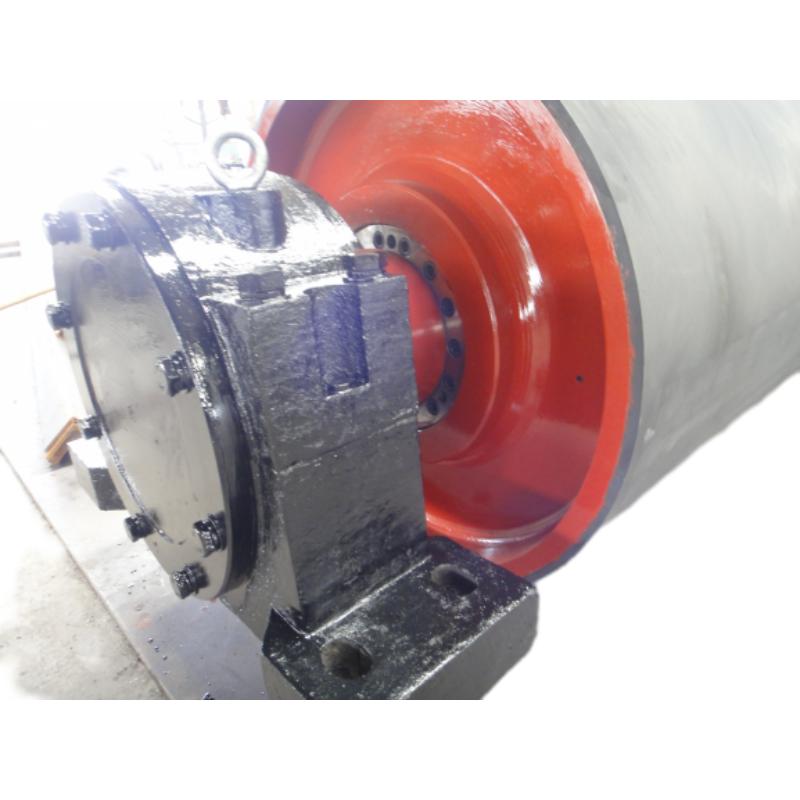
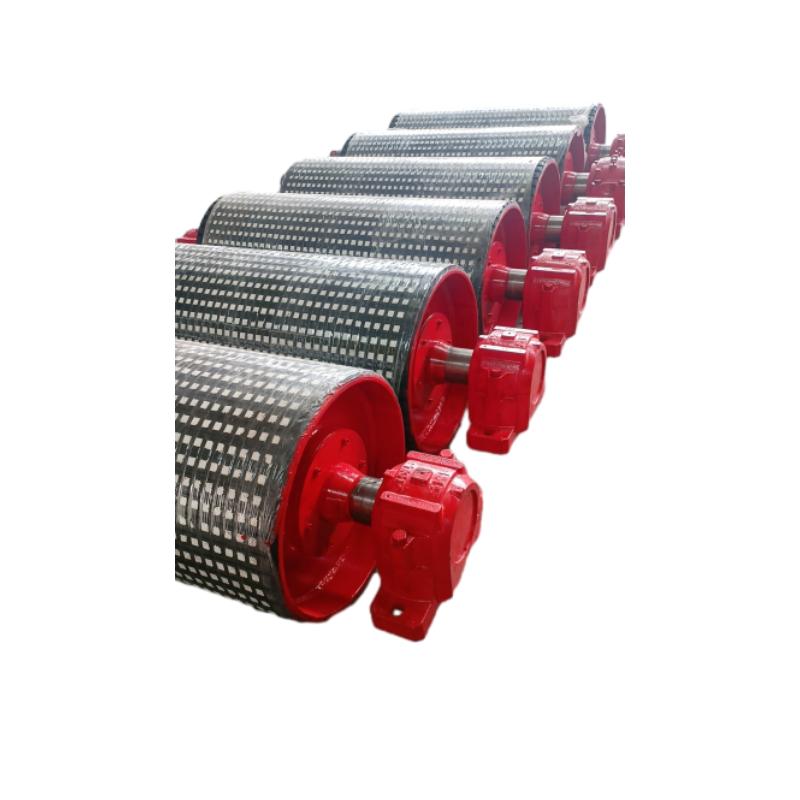
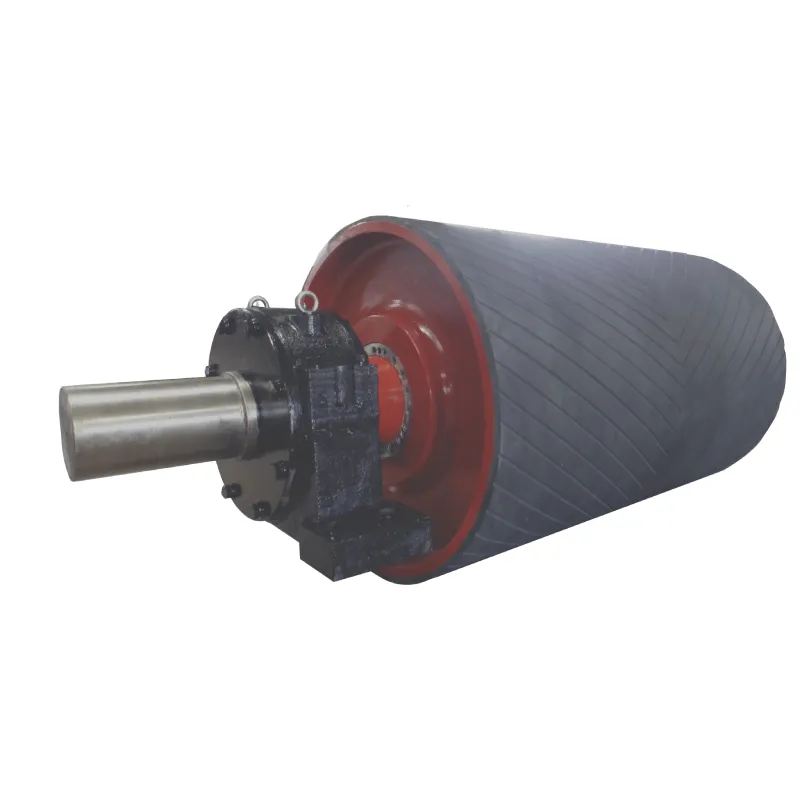
If I had to explain bearing housing at a dinner party, I'd say it’s basically the sturdy little frame or casing that holds a bearing securely, protecting it from dirt, moisture, and mechanical shocks. It keeps the bearing perfectly aligned so rotating shafts can spin freely without hiccups. While that sounds straightforward, in modern industry it’s anything but. These housings serve humanitarian needs too—think about power-generating turbines in off-grid villages or ventilators in hospitals, where reliability means saving lives. So, bearing housing forms a crucial link between mechanical precision and real-world impact.
Key Factors Driving Bearing Housing Designs
1. Durability
No one wants to deal with unexpected machine failure—especially when downtime costs can spiral quickly. Durable bearing housings are engineered to resist corrosion, fatigue, and impact. Many use high-grade cast iron or robust polymers depending on the environment.
2. Adaptability
Industries aren’t one-size-fits-all. Certain bearings need housings that can adjust to different shaft sizes or mounting configurations. This flexibility is crucial in large-scale assembly lines versus smaller mobile equipment.
3. Cost Efficiency
Balancing quality with cost is always tricky. The best bearing housings strike that sweet spot—low maintenance costs, long service life, and simple installation convoluted by expensive manufacturing steps.
4. Environmental Resistance
Some applications call for weatherproof or chemical-resistant housings. Offshore wind farms or food processing plants require bearing housings that don’t degrade under salty air, water vapor, or acidic conditions.
5. Maintenance Friendliness
Easy-access features that simplify lubrication or quick replacement keep machines running longer with fewer hiccups. Many engineers swear by these "engineer-friendly" designs.
Mini takeaway: Bearing housing is more than just a casing; it's a carefully crafted combination of strength, adaptability, and smart design choices responding to real-world demands.
Global Applications & Practical Use Cases
- Manufacturing and Automation: Worldwide assembly lines in Asia and Europe rely heavily on bearing housings for smooth machine function and uptime. Places like automotive plants in Japan or robotics factories in Germany use optimized housings for precision.
- Renewable Energy: Wind turbine gearboxes and solar panel trackers in countries pushing green energy, such as Denmark and the USA, depend on bearing housings that withstand weather extremes.
- Disaster Relief & Remote Operations: Bearing housing components help keep portable generators and heavy lifting equipment running in post-disaster zones—where reliability literally means survival.
- Mining & Heavy Industry: In regions like South Africa and Australia, bearing housings endure harsh conditions underground or in open pits, supporting critical machinery conveying earth materials.
- Transportation: Rail and shipping industries globally use these casings to maintain durability and performance under constant stress and vibration.
The Long-Term Value of Effective Bearing Housing
Investing in quality bearing housings feels a bit like tending carefully to an old family car—you might pay a little more upfront, but it pays dividends in reliability, reduced repairs, and peace of mind. The long-term advantages include:
- Cost Savings: Less frequent replacements and maintenance down the road.
- Sustainability: More durable components mean fewer discarded parts and less environmental impact.
- Safety: Consistent machine operation minimizes hazards to workers.
- Trust & Innovation: Companies known for solid engineering choices build stronger brand reputations.
Many operators I've spoken with value how bearing housing upgrades make their plants not only safer but smarter, enabling connected monitoring or faster repairs that keep production humming.
Technology and Trends on the Horizon
The bearing housing world isn’t stuck in the past. Here’s what’s happening:
- Smart Materials: Self-lubricating composites and nanocoatings that reduce wear and extend life.
- Digital Integration: Sensors embedded in housings to report temperature, vibration, and stress real-time, fitting into Industry 4.0 setups.
- Eco-Friendly Policies: Pressure to reduce manufacturing waste is pushing the use of recyclable metals and greener coatings.
- Modular Designs: Quick-swap housings that save time during repairs and adapt quickly to new bearings.
Challenges and Expert Solutions
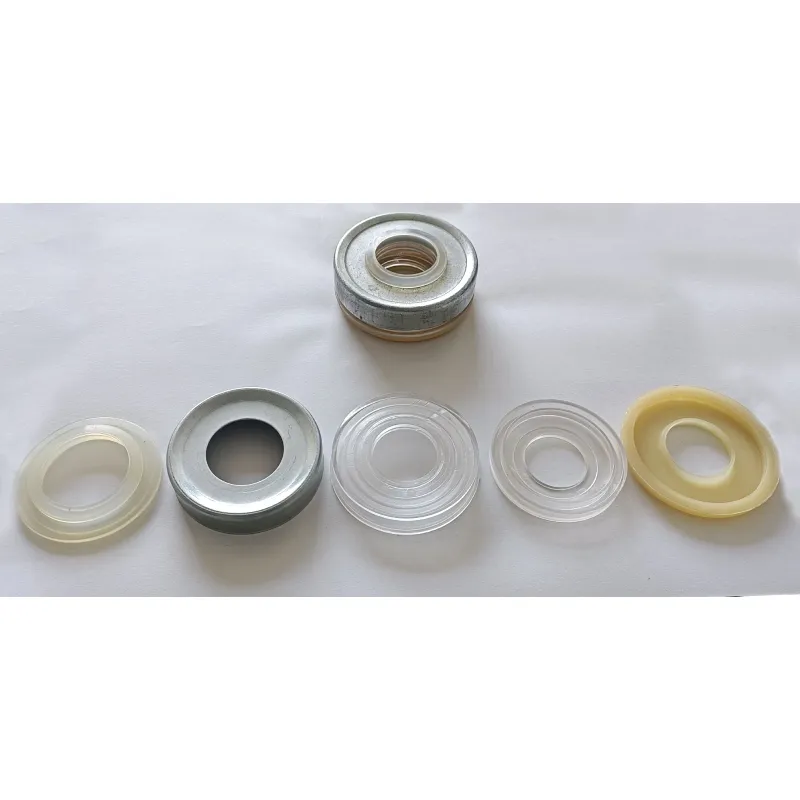
Not all is smooth rotation, though. One common challenge is balancing durability with weight—the heavier the housing, the more stress on the system. Engineers tackle this by using hybrid materials like aluminum with reinforcing fibers. Another headache is environmental contamination—dirt and moisture infiltrate housings causing early failure. Solutions here range from improved gasket seals to smart condition monitoring systems signaling pre-emptive maintenance.
In places with limited skilled maintenance workers, designs emphasizing simplicity and quick service can make or break overall system success.
Realistic Product Specification Table
| Specification | Standard Model XYZ | Heavy-Duty Series |
|---|---|---|
| Material | Cast Iron with Epoxy Coating | Ductile Iron + Polymer Seal |
| Max Operating Temperature | 120°C | 180°C |
| Max Bearing Size | 100 mm | 200 mm |
| Protection Level | IP54 (Dust & Splash Resistant) | IP66 (Dust Tight, Water Jet Proof) |
| Weight | 2.8 kg | 7.5 kg |
Vendor Comparison Table
| Feature | IDLEraohua | Competitor A | Competitor B |
|---|---|---|---|
| Lead Time | 2 weeks | 4 weeks | 3 weeks |
| Customization Options | High (Modular, coatings) | Medium | Low |
| Warranty | 5 years | 3 years | 2 years |
| Price Range | $$ | $ | $$$ |
| Global Shipping | Yes | Limited | Yes |
FAQ: Frequently Asked Questions About Bearing Housing
Q1: What makes fast deployment bearing housing better than traditional casings?
Fast deployment bearing housings are designed for quick installation and modular use, making them invaluable in emergency or remote settings. They reduce downtime significantly compared to bulkier, permanent housings and often feature simpler sealing systems. For industries that need rapid equipment setup, like disaster relief or temporary mining operations, these housings save both time and labor costs.
Q2: How long can modular bearing housing last in harsh environments?
Typically, modular bearing housings made from advanced composites or treated metals can last between 5 to 10 years depending on conditions like temperature, chemical exposure, and mechanical load. Proper maintenance such as lubrication and inspection greatly extends their lifecycle. Many users report consistent performance even in corrosive or dusty industrial zones, especially when paired with smart monitoring.
Q3: Is bearing housing eco-friendly and cost-effective?
Modern bearing housings utilize recyclable metals and low-impact coatings, making them increasingly eco-friendly. While initial costs might be slightly higher than cheap plastic or untreated parts, the longer lifespan and reduced waste lower overall environmental impact and save money through fewer replacements and less machine downtime.
Q4: How can NGOs import bearing housing solutions internationally?
NGOs can partner with manufacturers like bearing housing suppliers who offer flexible shipping options and compliance documentation. Importing typically involves verifying product certifications (like ISO 9001) and coordinating customs paperwork. Many vendors provide turnkey packages including installation support, which smooths international deployment.
Conclusion: Bearing Housing in the Big Picture
So yeah, bearing housing might sound like a niche topic, but its impact stretches far. From powering factories to enabling humanitarian equipment, investing time in understanding and choosing the right bearing housing means reliable machinery, fewer headaches, and sustainability in a complex global market. If you’re serious about uptime and innovation, it’s worth a closer look. For more details and tailored solutions, visit us at https://www.idleraohua.com —your partner in bearing housing excellence.
References
-
Maximize Conveyor Life with a High Performance impact bedNewsApr.16,2026
-
Maximize Conveyor Efficiency Using a v plow belt scraperNewsApr.09,2026
-
Comprehensive Guide to Understanding Different Types of Belt CleanersNewsApr.07,2026
-
Enhancing Conveyor Efficiency with an Effective Scraper Belt CleanerNewsApr.04,2026
-
Optimizing Conveyor Systems with Advanced Cleaning Equipment SolutionsNewsMar.31,2026
-
Effective Conveyor Belt Scraper Adjustment for Optimal System PerformanceNewsMar.28,2026