

Bearing Housing Types Explained - Practical Industrial Guide
Bearing Housing Types: A Practical Guide From the Field
When I first started in the industrial equipment sector, the topic of bearing housing types felt like one of those technical rabbit holes where you could spend hours debating subtle differences—and still walk away wondering about real-world applications. Oddly enough, it’s not just about metal shapes holding bearings; it’s about how these housings fit into complex machinery, taking the heat, vibrations, and sometimes downright abuse.
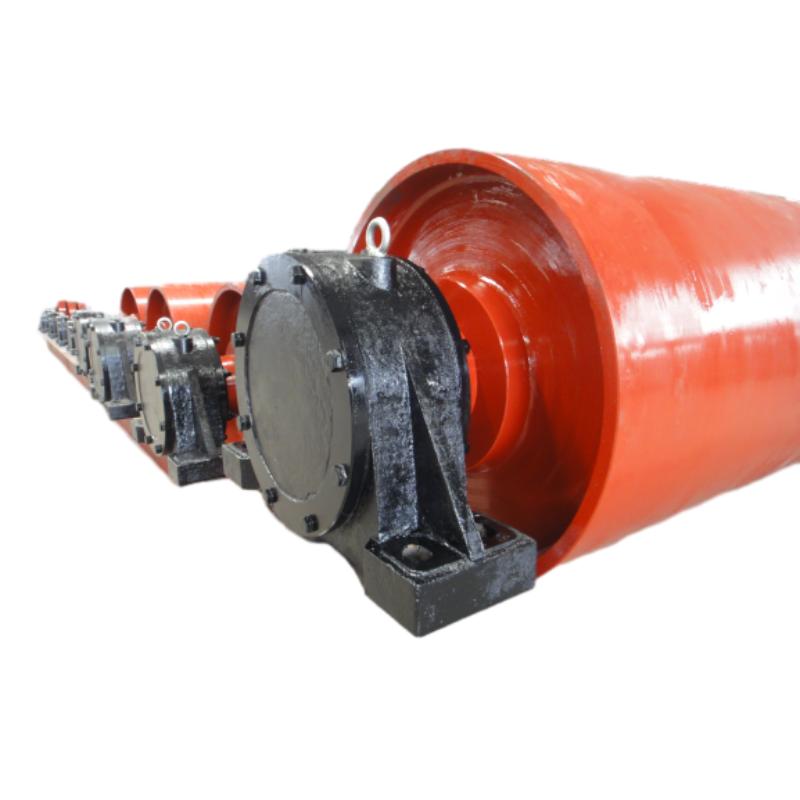
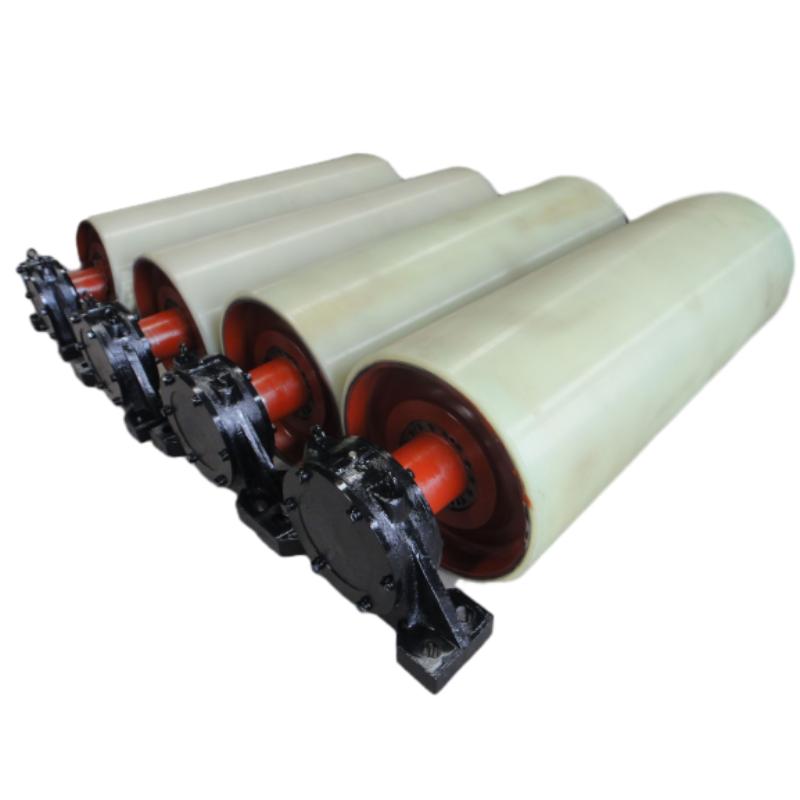
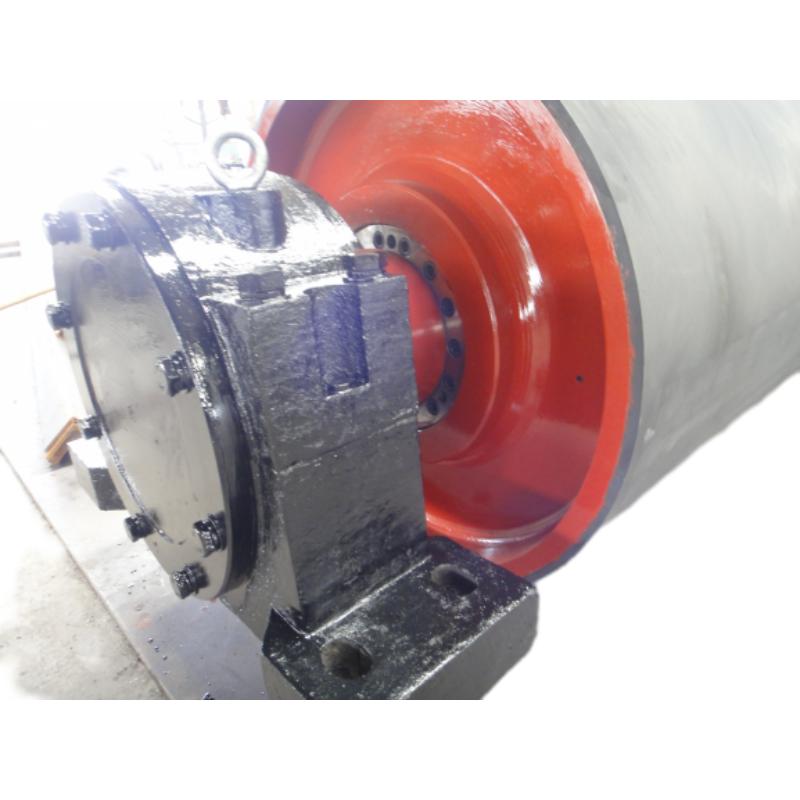
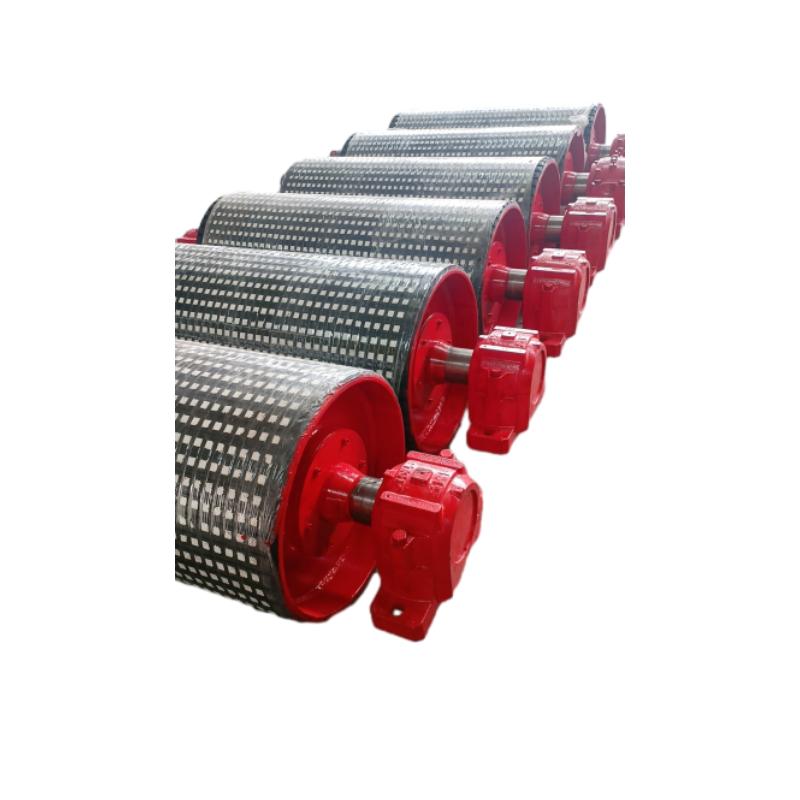
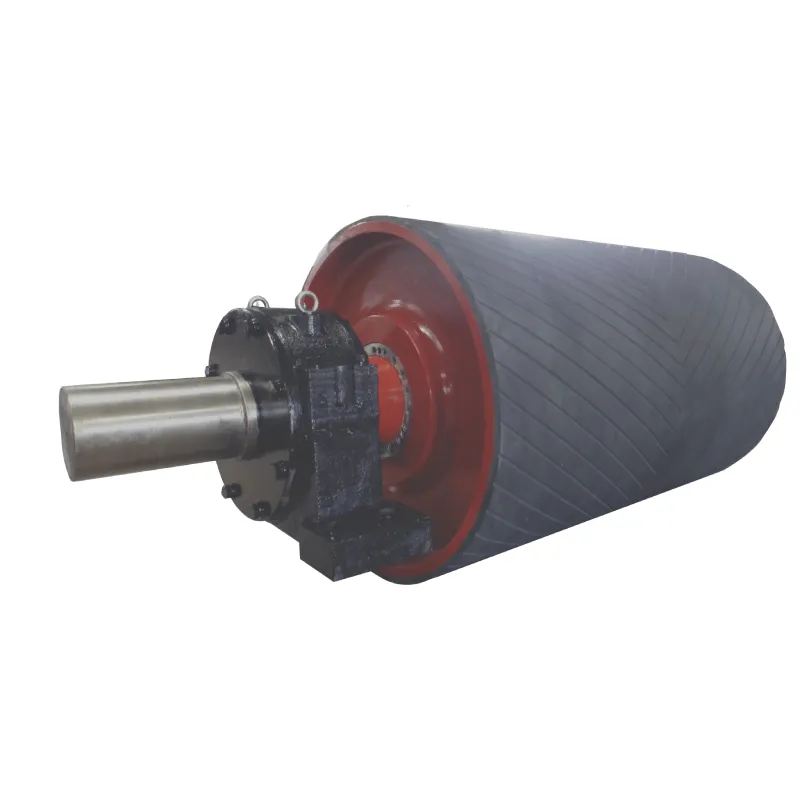
You know, after years of turning wrenches and consulting on installations, I noticed that the choice of bearing housing often determines not only equipment longevity but maintenance ease. Frankly, it feels like the unsung hero in many industrial setups. From pillow blocks to flange housings, each type offers a unique set of advantages depending on the machine's design and environment.
Common Bearing Housing Types and Their Uses
Let’s frame this from a practical standpoint. The most common types you’ll encounter are:
- Pillow Block Housings: The classic. They’re easy to mount on shafts parallel to the floor and handle moderate loads well.
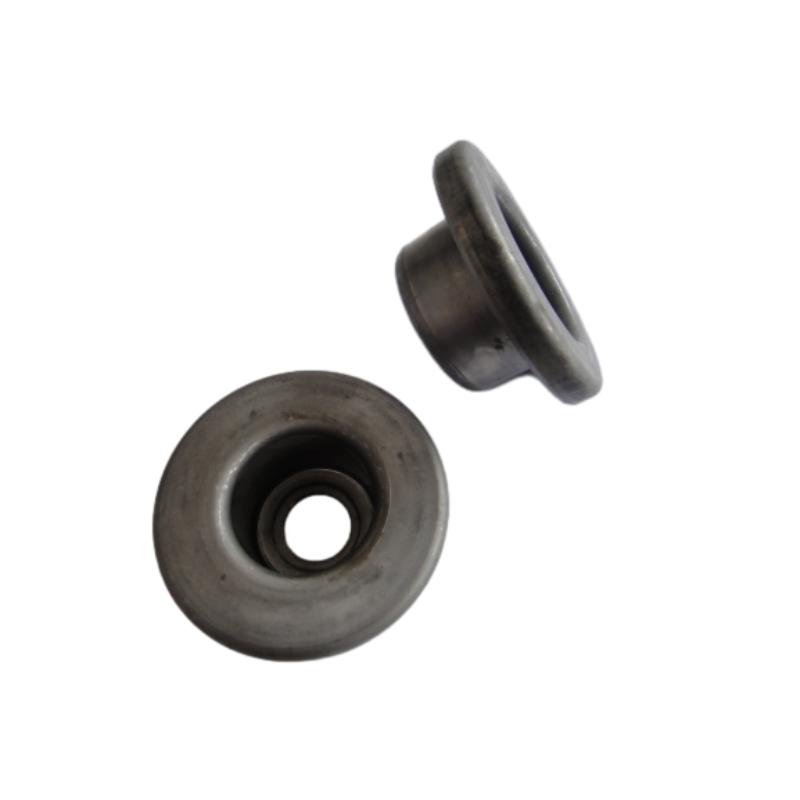
- Flange Housings: These have mounting holes on a flat surface—either two (two-bolt) or four (four-bolt)—great for vertical or angled shaft support.
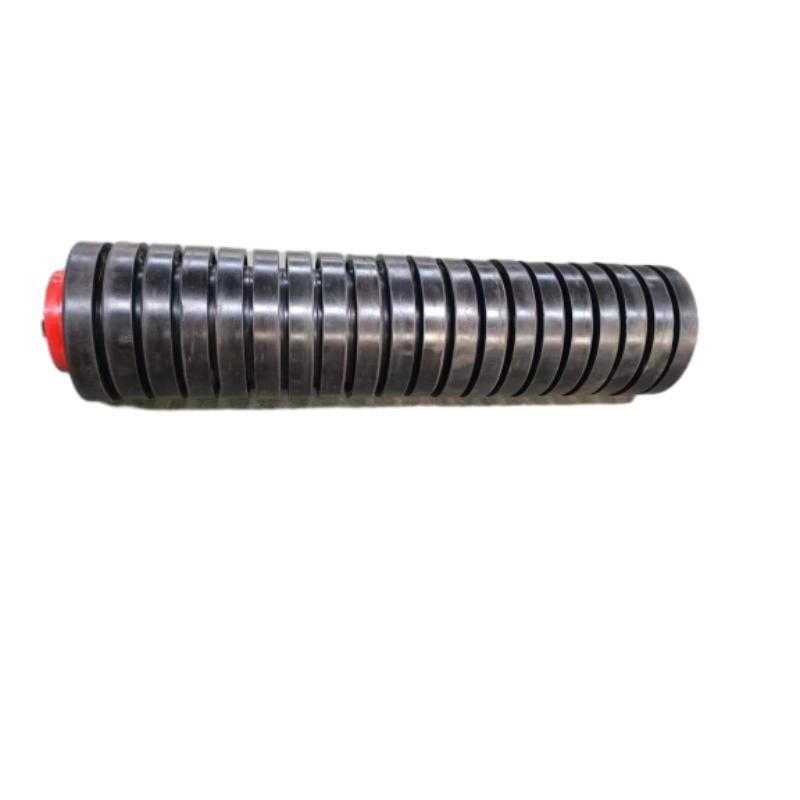
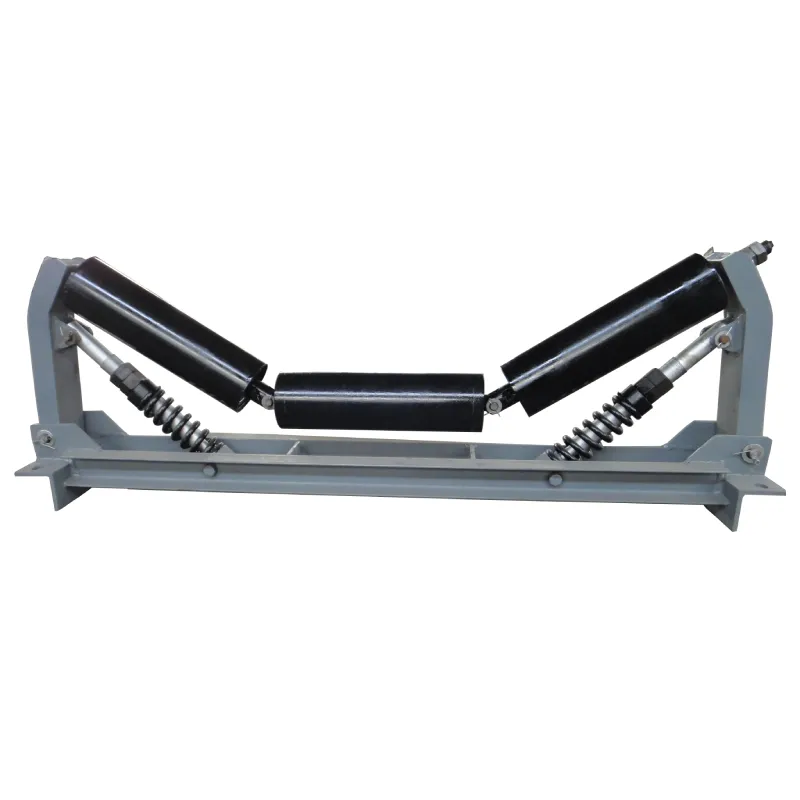
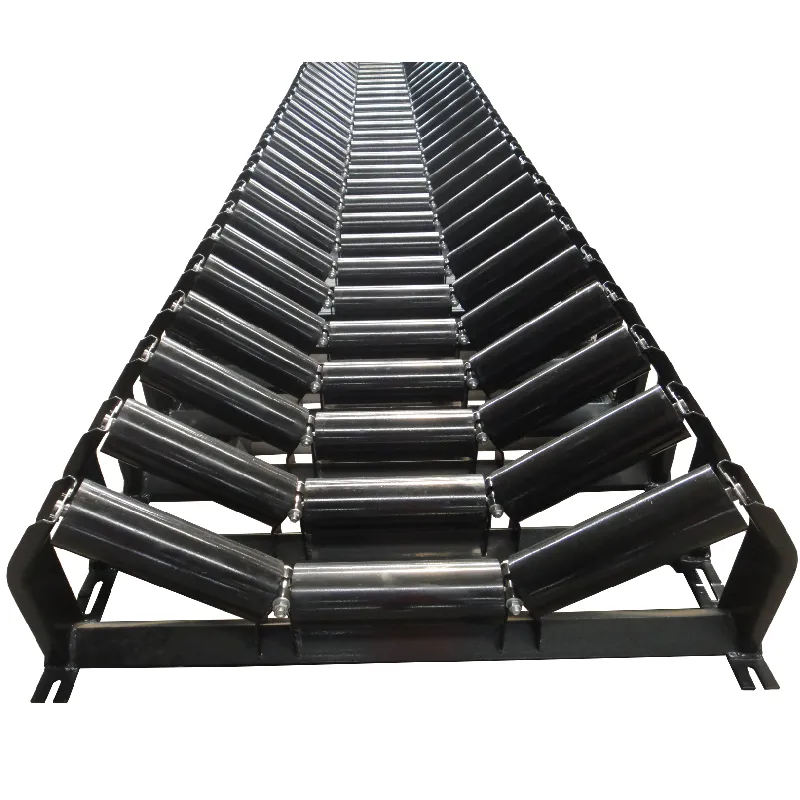
- Take-up Housings: Commonly used in conveyor systems, allowing the bearing position to be adjusted for proper tension.
- Cylindrical Bore Housings: Often custom-designed for specific shafts, offering tight fits and greater stability.
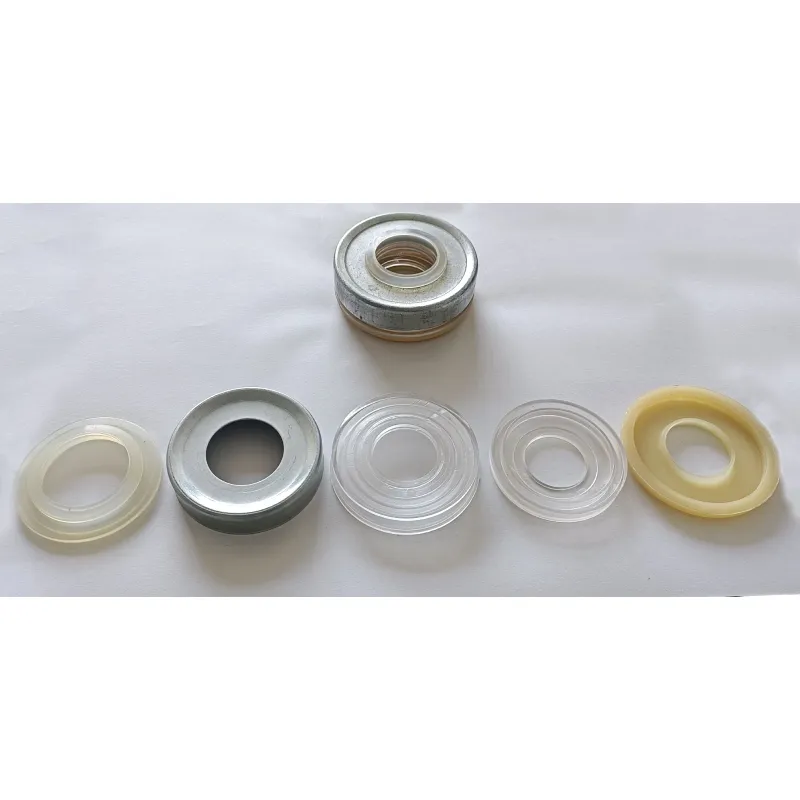
What really gets interesting here is the variety of materials and seals used — cast iron, pressed steel, even thermoplastic. Cast iron remains the favorite for heavy-duty applications, partly because of its vibration-damping qualities. I remember a client who switched from steel to cast iron housings after frequent bearing failures—the difference in machine uptime was remarkable.
Typical Bearing Housing Specs
| Specification | Value / Typical Range | Remarks |
|---|---|---|
| Material | Cast Iron, Steel, Thermoplastic | Depends on load & environment |
| Mounting Types | Pillow Block, Flange, Take-up | Versatile for many shafts |
| Sealing Options | Labyrinth, Rubber Lip Seals | Protects against contaminants |
| Bearing Bore Diameter | 10mm – 200mm+ | Sized to shaft specifics |
| Load Capacity | Varies by design/material | Check vendor datasheets |
The industry tends toward customization nowadays, which is no surprise. Machines get built for very particular tasks, especially in conveyors, mining, or food processing. I often hear from design engineers that having modular bearing housings with compatible mountings and seals means less downtime during repairs — a real cost saver.
Comparing Top Vendors: What to Look For
| Feature | IDLER Aohua | Competitor X | Competitor Y |
|---|---|---|---|
| Range of Bearing Types | Comprehensive: Pillow block, flange, take-up, custom | Limited standard catalog | Medium range |
| Material Options | Cast iron, steel, thermoplastic | Primarily cast iron | Cast iron & aluminum |
| Customization | High, including OEM designs | Low to medium | Medium |
| Sealing Technology | Advanced labyrinth and rubber lip seals | Standard rubber seals | Basic sealing options |
| Lead Time | 2-4 weeks typical | 3-6 weeks | 4-8 weeks |
I recall helping a conveyor manufacturer who needed a housing that could handle extreme dust without frequent replacements. We zeroed in on IDLER Aohua’s sealed flange housings, which frankly outperformed competitor products. They even offered design tweaks to fit the conveyor’s odd dimensions. It’s experiences like this that reinforce why choosing the right bearing housing isn’t just about specs on paper but trusting the vendor’s expertise and flexibility.
In real terms, bearing housings often get overlooked until they fail. But investing time to select the right type—and preferably working with trusted vendors who grasp your machine’s nuances—can save headaches and costs down the line. You’ll find more manufacturers increasingly demand this kind of tailored approach especially as machinery grows more complex and space is at a premium.
As with all equipment decisions, corroborate with datasheets and real-life tests where possible. What works in one environment may need tweaking elsewhere.
So, if you’re about to specify a bearing housing, partner with suppliers who know their stuff and offer solid customization options. It’s worth the extra call and time.
That’s my two cents from decades of hands-on experience. I suppose it’s always a bit of an art combined with engineering — bearing housings anchor critical machinery, and choosing wisely feels like setting the whole system up for success.
References:
1. Industry Bearing Standards Handbook, 2023 edition.
2. Engineering for Industrial Machinery by J. K. Davies.
3. Field notes, multiple conveyor system installations (2010–2023).
-
Maximize Conveyor Life with a High Performance impact bedNewsApr.16,2026
-
Maximize Conveyor Efficiency Using a v plow belt scraperNewsApr.09,2026
-
Comprehensive Guide to Understanding Different Types of Belt CleanersNewsApr.07,2026
-
Enhancing Conveyor Efficiency with an Effective Scraper Belt CleanerNewsApr.04,2026
-
Optimizing Conveyor Systems with Advanced Cleaning Equipment SolutionsNewsMar.31,2026
-
Effective Conveyor Belt Scraper Adjustment for Optimal System PerformanceNewsMar.28,2026