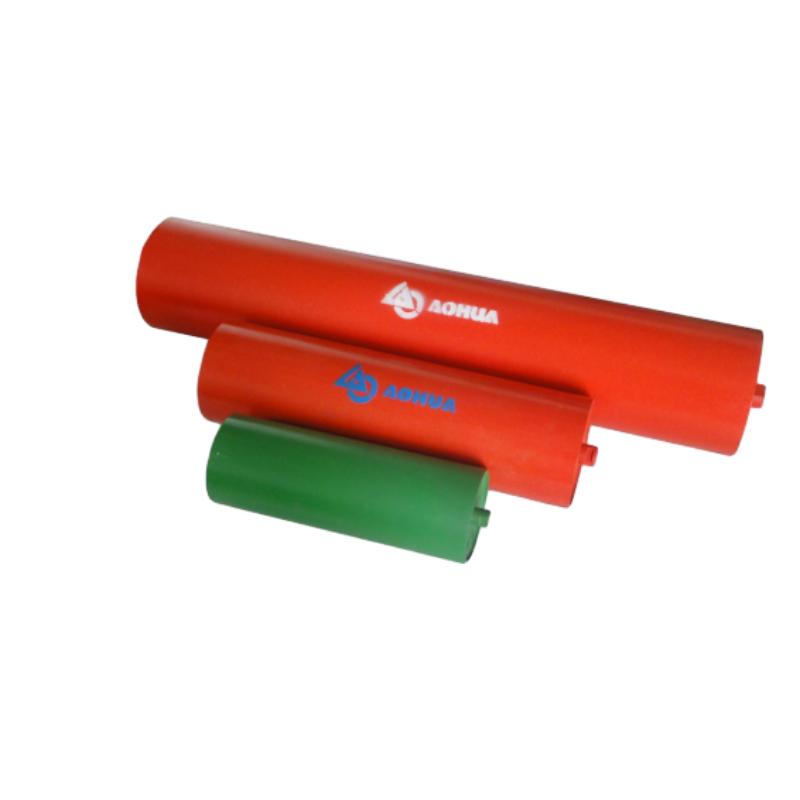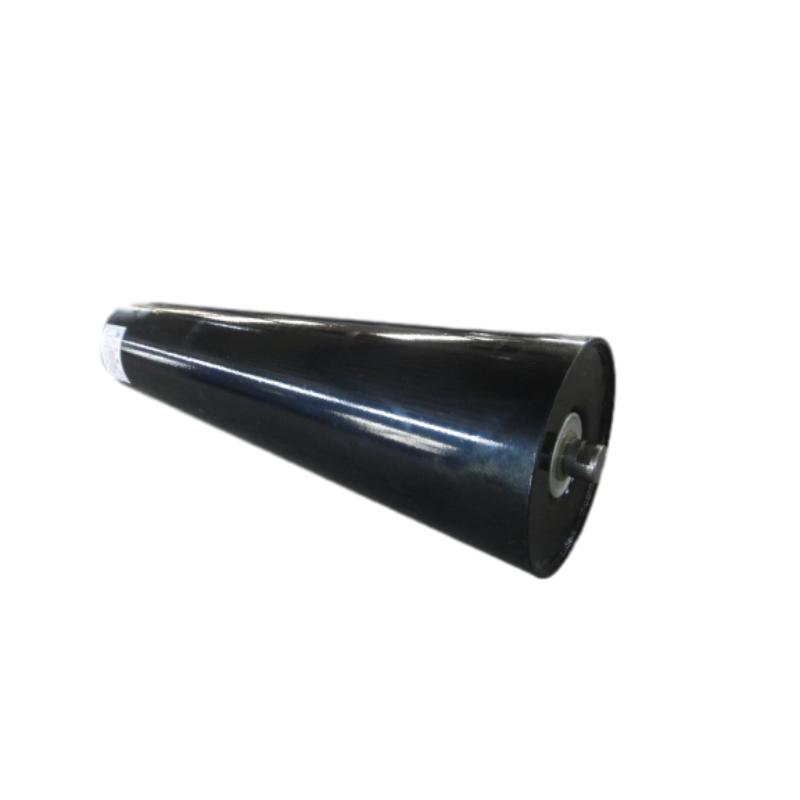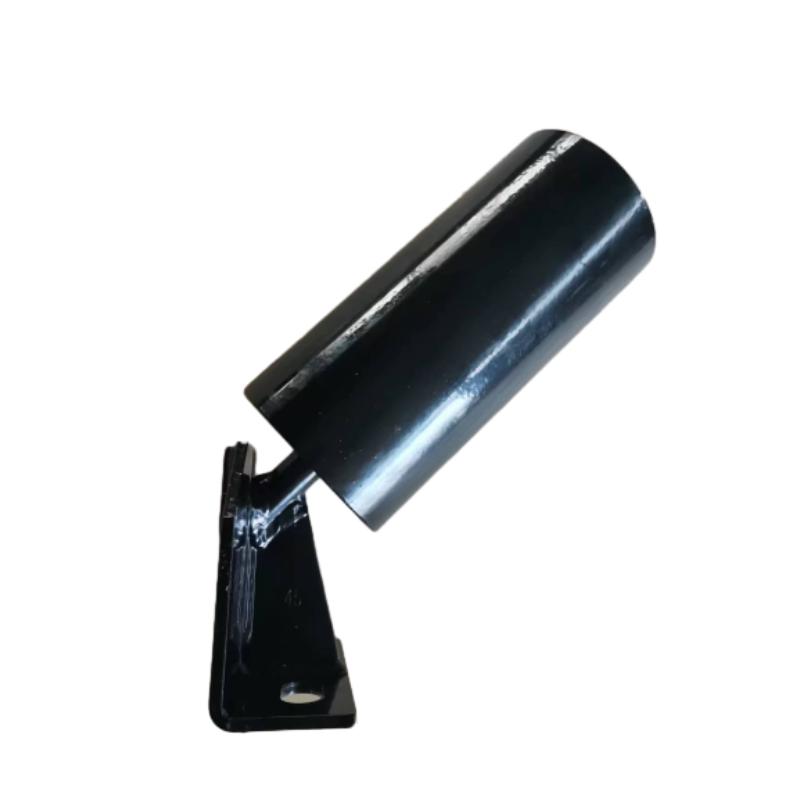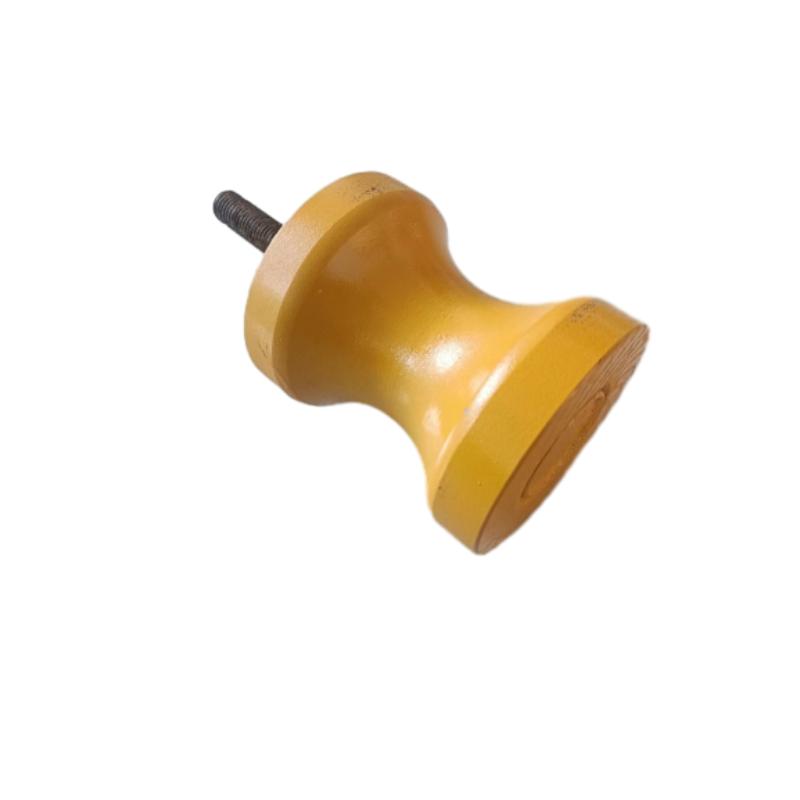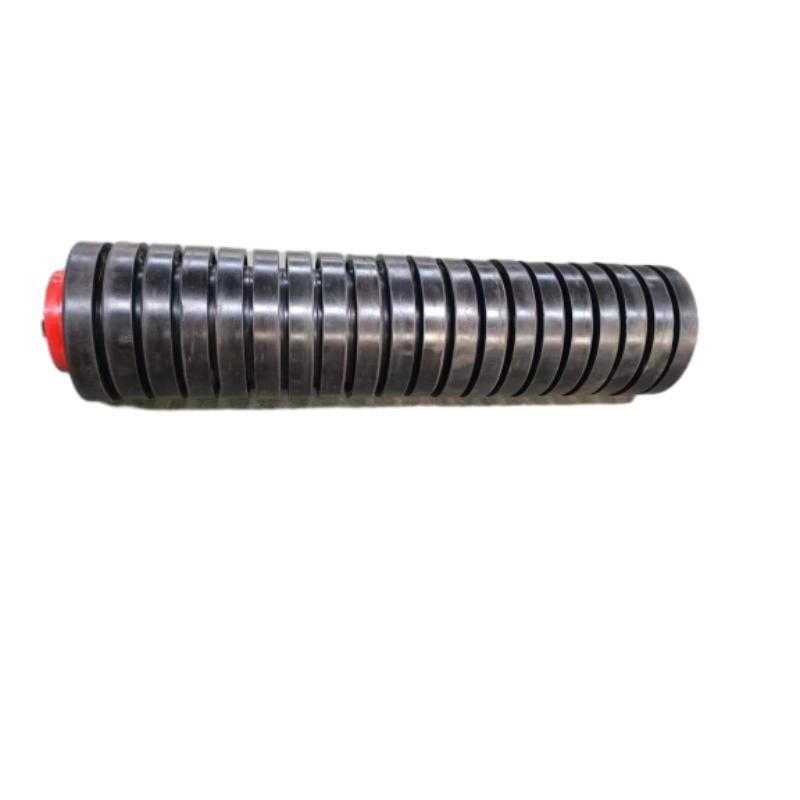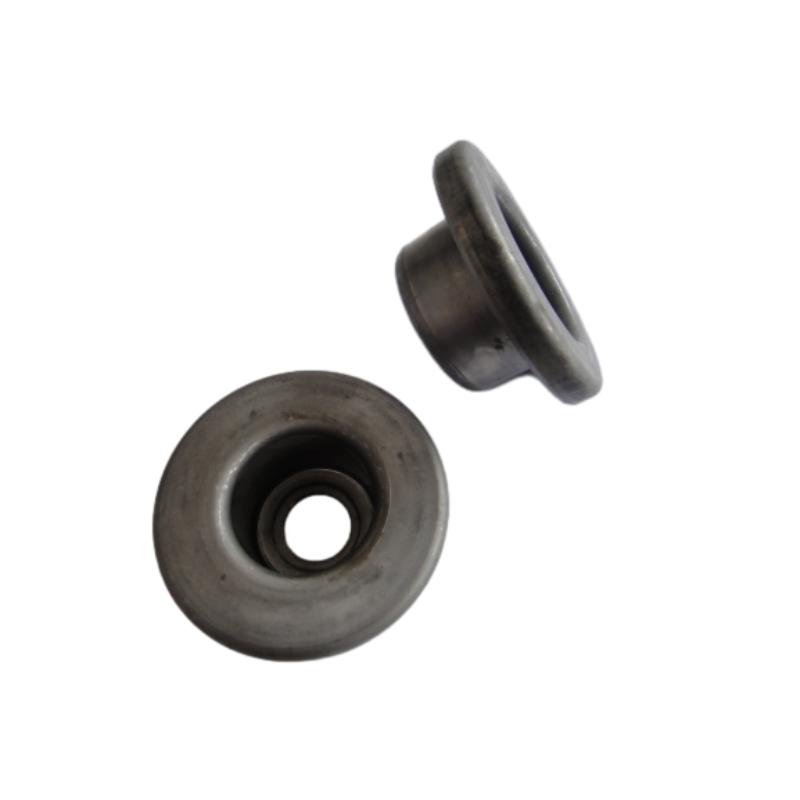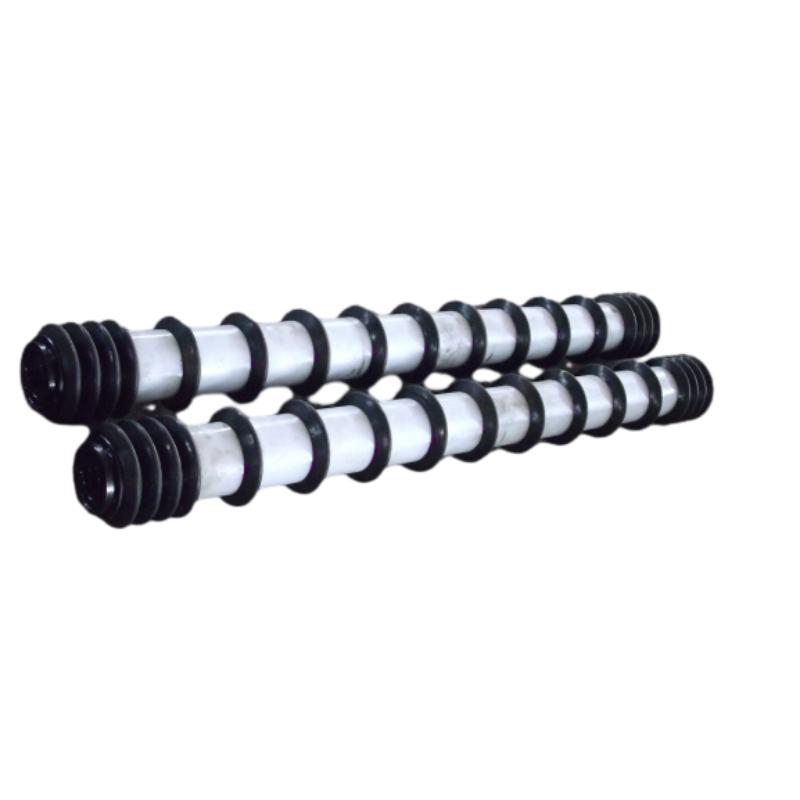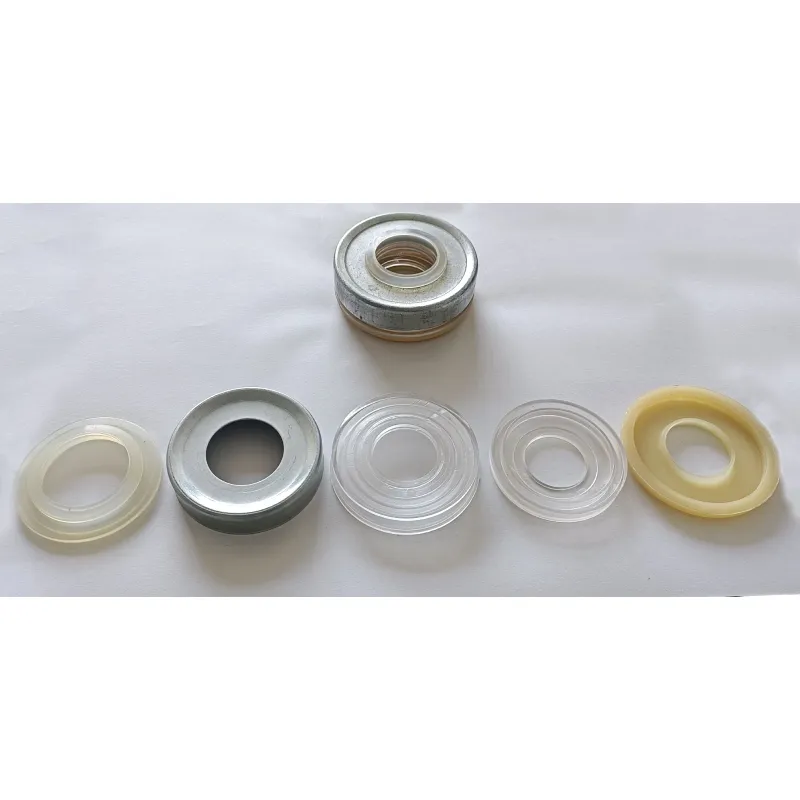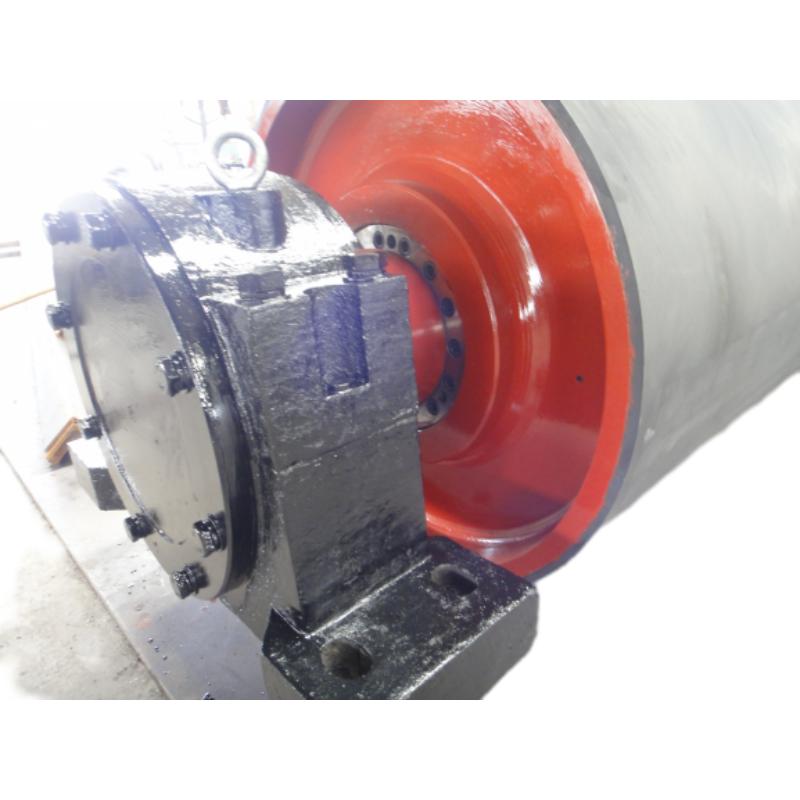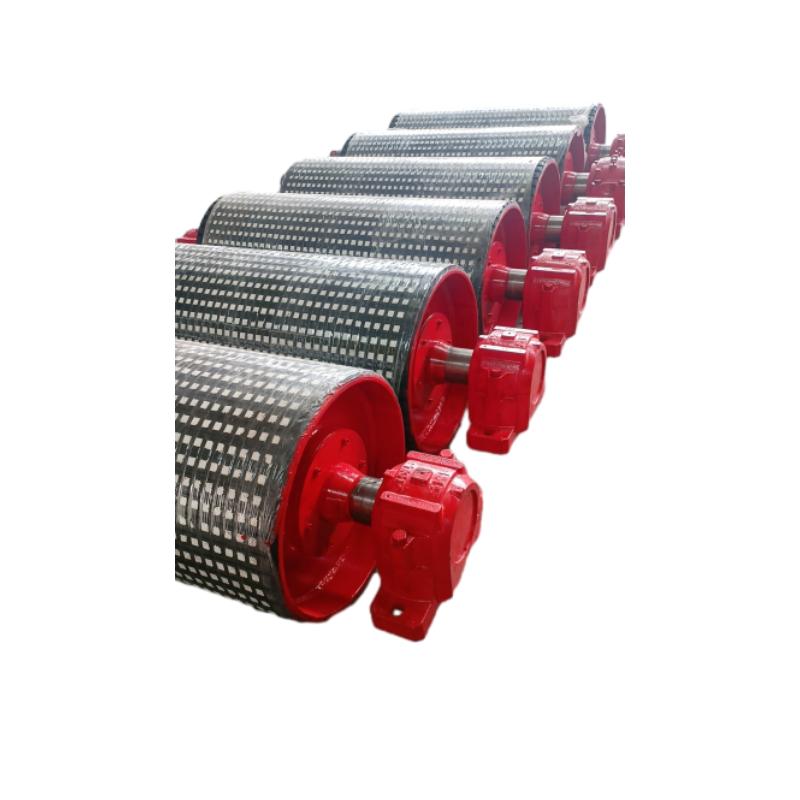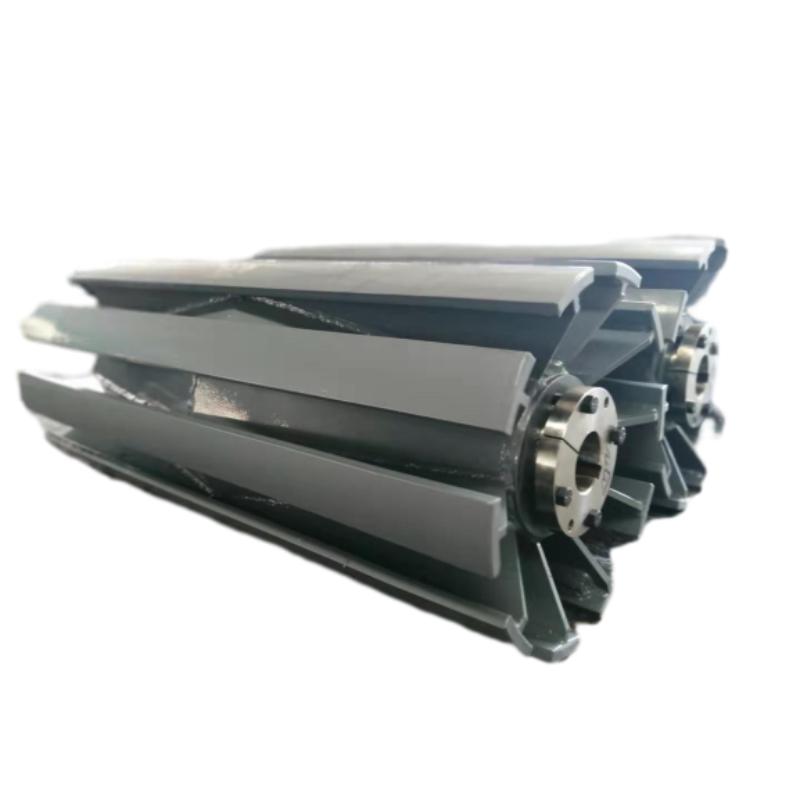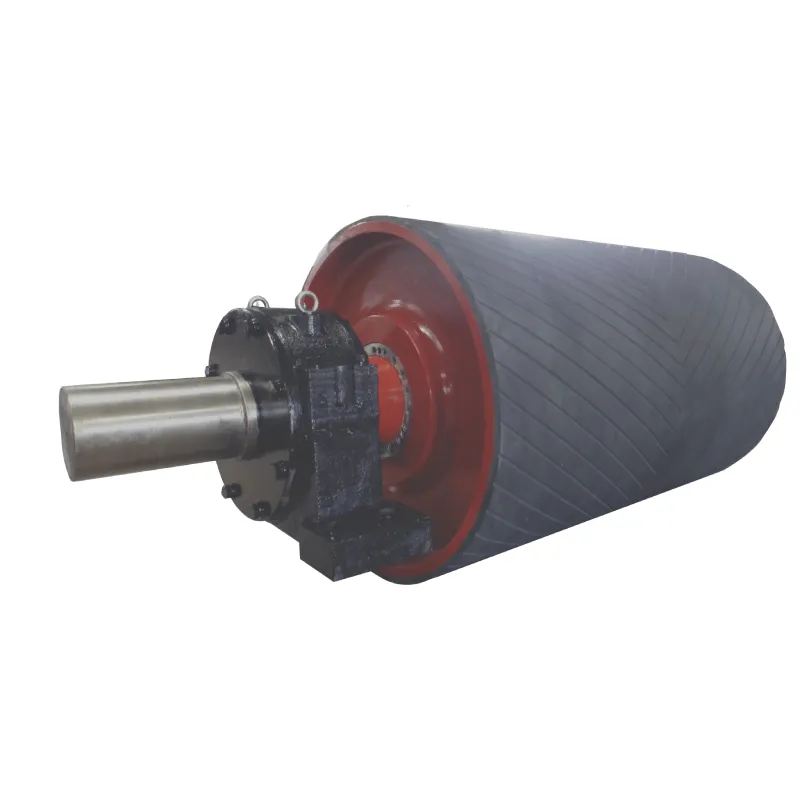


Plastic Bearing Housing: Durable, Lightweight Industrial Solutions
Understanding plastic bearing housing: A seasoned perspective
Having spent years elbow-deep in the industrial equipment sector, I've come to appreciate the subtle yet vital role components like plastic bearing housings play. Now, I know… it sounds mundane, but trust me, these often-overlooked parts are quietly making a big difference in machinery design and maintenance.
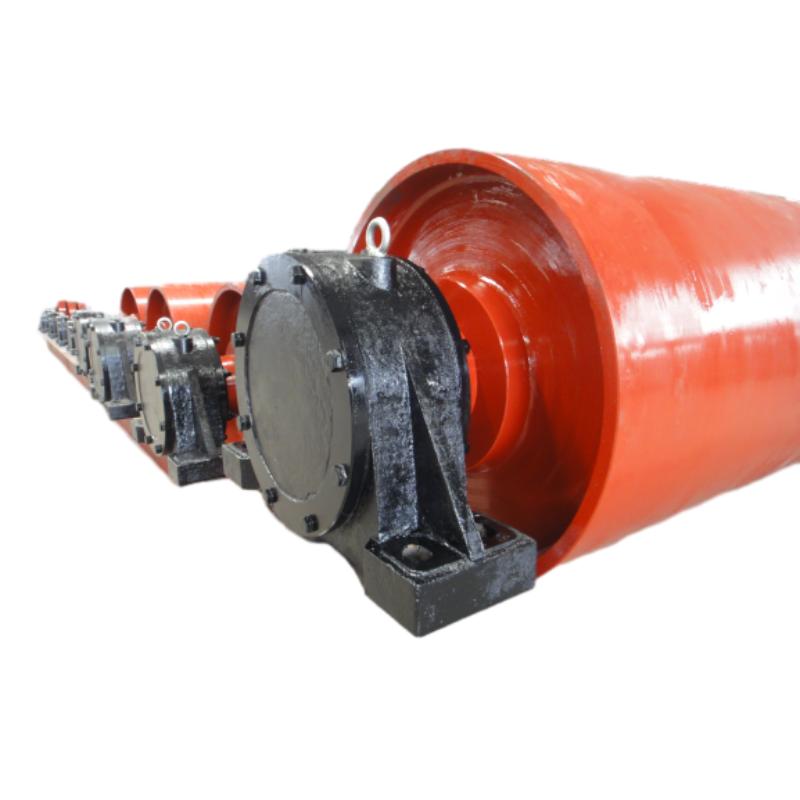
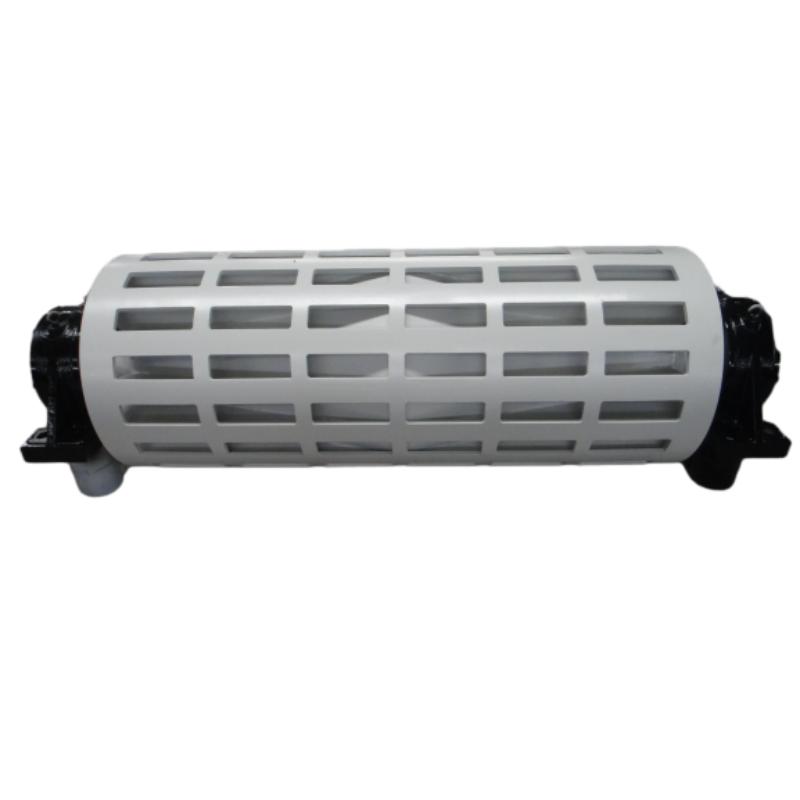
In real terms, a plastic bearing housing serves as a protective shell encasing the bearing, supporting load distribution, and guarding against contaminants. But why plastic? You’d think metal is the default choice, right? Oddly enough, recent trends show a significant shift towards engineered plastics for bearing housings—and I suppose it’s partly due to their lightweight nature and versatility.
Frankly, the materials used are fascinating. Manufacturers typically employ high-performance polymers—like polyamide (PA), sometimes reinforced with glass fibers—to achieve a balance of strength, temperature resistance, and chemical durability. These polymers can withstand what many would think only metals could handle, especially in corrosive or wet environments.
The design aspect is equally intriguing. Plastic bearing housings often come with integrated features such as snap-fit lids or labyrinth seals, which simplify assembly and boost equipment lifespan. Many engineers I've talked to emphasize how customization options—like mounting styles or integrated lubrication paths—can tailor these housings to very niche applications.
Product Specifications at a Glance
| Specification | Details |
|---|---|
| Material | Glass-Fiber Reinforced Polyamide (PA6) |
| Temperature Range | -40°C to +120°C |
| Load Capacity | Up to 1500 kg static load |
| Protection Class | IP54 - dust and splash resistant |
| Typical Applications | Conveyors, pumps, food processing equipment |
Testing and quality assurance? Well, proper plastic bearing housings undergo rigorous trials—impact resistance, thermal cycling, and chemical exposure, to name a few. It’s reassuring because in my experience, even the best materials fail without smart engineering behind them.
Vendor Comparison: Finding the Right Plastic Bearing Housing Supplier
| Feature | IdlerAohua | Competitor A | Competitor B |
|---|---|---|---|
| Material Quality | High-grade reinforced PA | Standard PA | Mixed plastics |
| Custom Solutions | Available | Limited | None |
| Lead Time | 2-4 weeks | 4-6 weeks | 6-8 weeks |
| After-sales Support | Comprehensive | Basic | Minimal |
| Price Range | $$$ | $$ | $ |
From my hands-on experience, one memorable case was when a food packaging plant shifted to plastic bearing housings in their conveyor systems. The decreased downtime due to corrosion and contamination issues was noticeable within months—and the lighter parts certainly helped with assembly line ergonomics. It’s those subtle improvements that add up over time.
In summary, plastic bearing housings aren’t just a ‘nice to have’ in the industrial arena—they’re an increasingly strategic choice. Whether you’re after durability, chemical resistance, or design flexibility, these components offer an appealing alternative to traditional metals.
So next time you think “bearing housing,” consider that the plastic variant might just be your machine’s best friend. And honestly, I’m curious to see how further material advances will make these even better.
References:
1. Industry Reports on Polymer Bearings, 2023
2. Manufacturer Whitepapers on PA6 Composites
3. Case Study: Conveyor Line Optimization in Food Processing
-
Maximize Conveyor Life with a High Performance impact bedNewsApr.16,2026
-
Maximize Conveyor Efficiency Using a v plow belt scraperNewsApr.09,2026
-
Comprehensive Guide to Understanding Different Types of Belt CleanersNewsApr.07,2026
-
Enhancing Conveyor Efficiency with an Effective Scraper Belt CleanerNewsApr.04,2026
-
Optimizing Conveyor Systems with Advanced Cleaning Equipment SolutionsNewsMar.31,2026
-
Effective Conveyor Belt Scraper Adjustment for Optimal System PerformanceNewsMar.28,2026