

Optimizing Operational Efficiency with the Right Conveyor Cleaner Selection
Choosing the Right Conveyor Cleaner for Optimal Efficiency
Maintaining clean conveyor systems is critical for operational efficiency, product quality, and safety in industries ranging from food processing to mining. A buildup of debris can lead to malfunctions, contamination, and increased maintenance costs. Selecting the appropriate conveyor cleaner is, therefore, a vital investment. This article provides a comprehensive guide to understanding the various types of conveyor cleaners, their applications, and key factors to consider when making a purchase. We'll explore how a clean conveyor system contributes to improved productivity and reduced downtime.
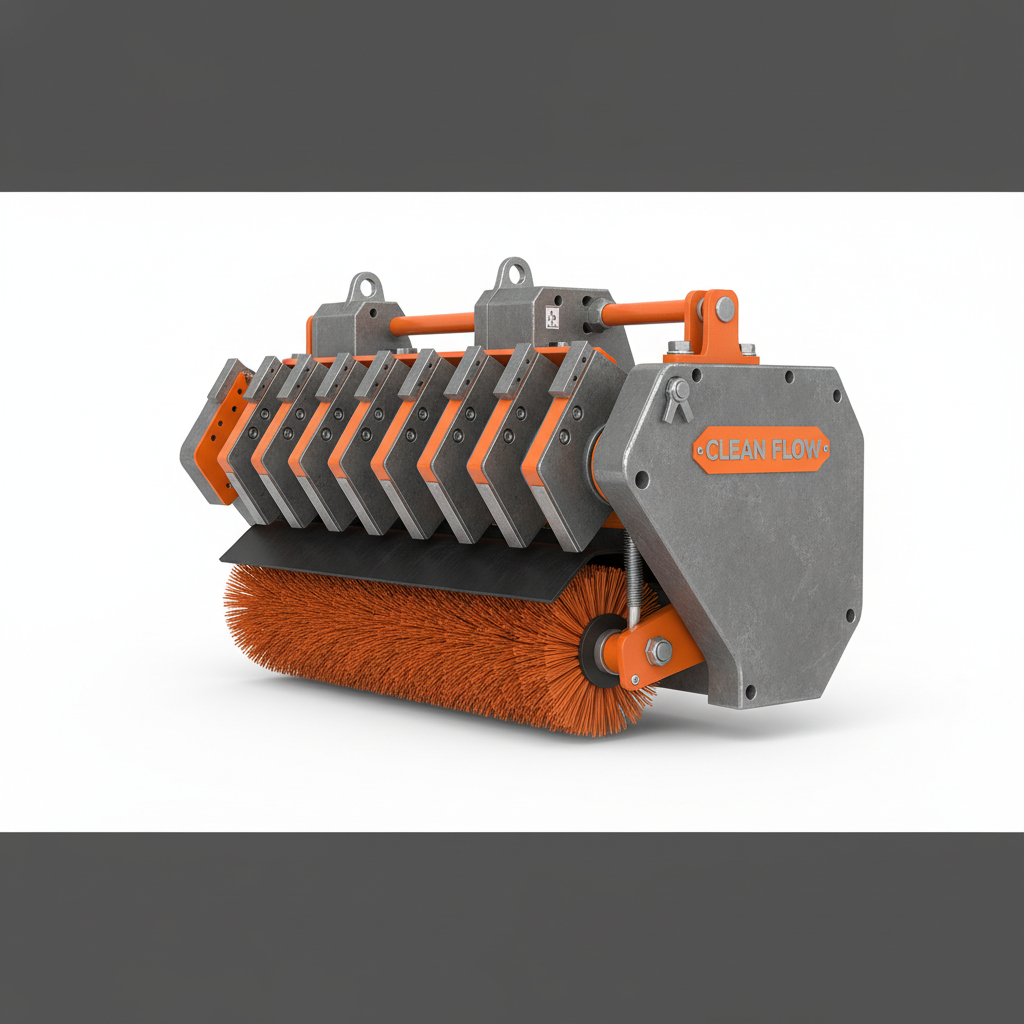
Understanding Different Types of Conveyor Cleaners
Conveyor cleaners come in several forms, each designed for specific applications and belt types. Common types include blade scrapers, secondary scrapers, plough scrapers, and urethane cleaners. Blade scrapers, often made of steel or carbide, are effective at removing sticky materials. Secondary scrapers provide a final clean, removing any residual debris. Plough scrapers are ideal for belts carrying large, heavy materials. Urethane cleaners offer a gentler cleaning action for sensitive products. Understanding these differences is the first step in choosing the right solution for your needs. Idler Aohua offers a diverse range of conveyor cleaner solutions.
Key Considerations: Choosing the right conveyor cleaner involves analyzing the material being conveyed, the belt type, the operating environment, and the desired level of cleanliness.
Blade Scrapers: A Detailed Look
Blade scrapers are among the most common types of conveyor cleaners. They utilize a blade, typically made of hardened steel or tungsten carbide, to remove material buildup from the conveyor belt. Their effectiveness stems from their ability to maintain consistent contact with the belt surface. However, blade scrapers require regular maintenance and adjustment to prevent damage to the belt and ensure optimal performance. They're particularly well-suited for handling sticky or abrasive materials. Proper installation and tensioning are crucial for maximizing their lifespan and efficiency.
Blade Scraper Benefits:
• Effective at removing sticky materials
• Durable and long-lasting (with proper maintenance)
• Relatively low initial cost
• Suitable for a wide range of belt types
Conveyor Cleaner Comparison: Blade vs. Urethane
Choosing between blade and urethane conveyor cleaners depends on the specific application. Blade scrapers excel at removing stubborn, sticky materials, while urethane cleaners provide a gentler cleaning action that is less abrasive to the belt. Urethane cleaners are ideal for handling fragile or sensitive products. The following table summarizes key differences:
Selecting the Right Cleaner: Factors to Consider
Several factors should influence your choice of a conveyor cleaner. These include the type of material being conveyed (abrasive, sticky, fragile), the belt material (rubber, PVC, etc.), the conveyor speed, the operating temperature, and the presence of any specific contaminants. Consider the long-term cost of ownership, including maintenance, replacement parts, and potential downtime. Consulting with a conveyor cleaning specialist, like those at Idler Aohua, can help you identify the most effective solution for your specific needs.
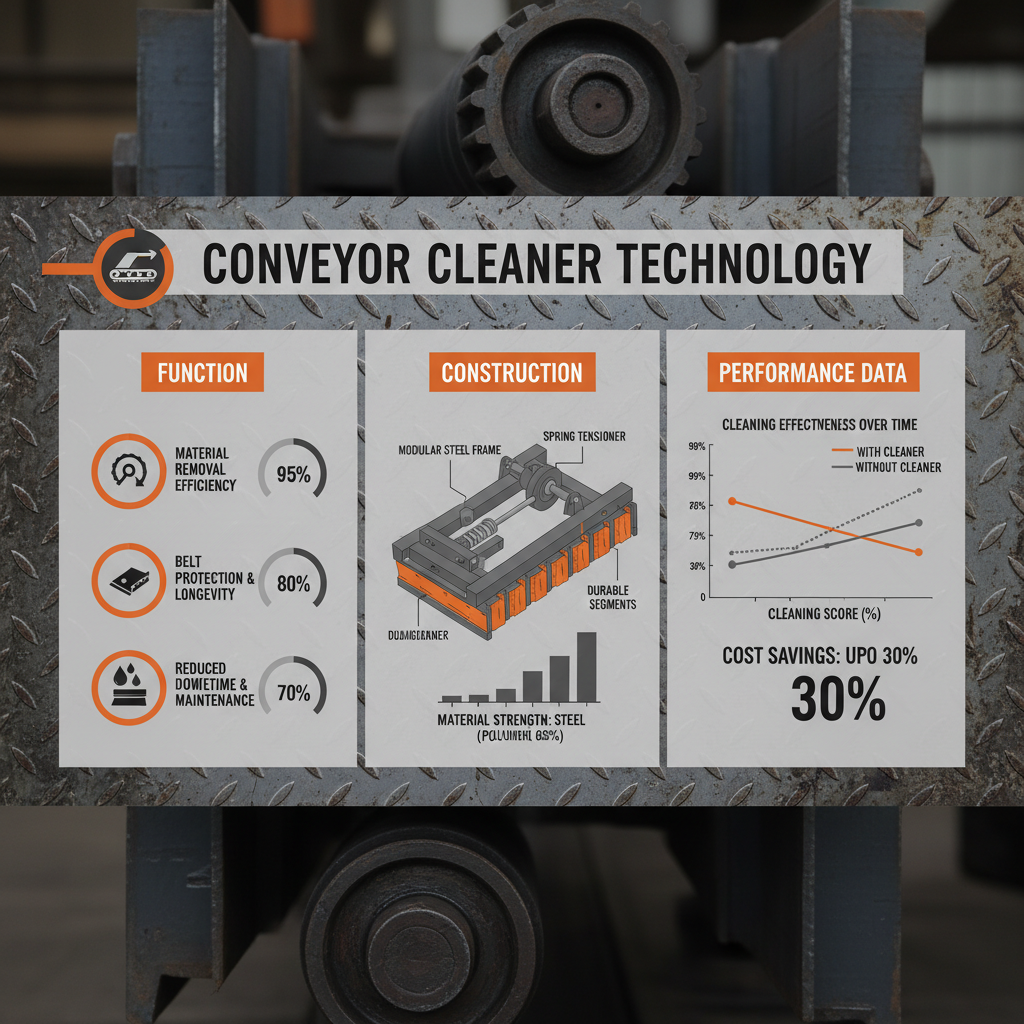
Idler Aohua Conveyor Cleaner Product Line
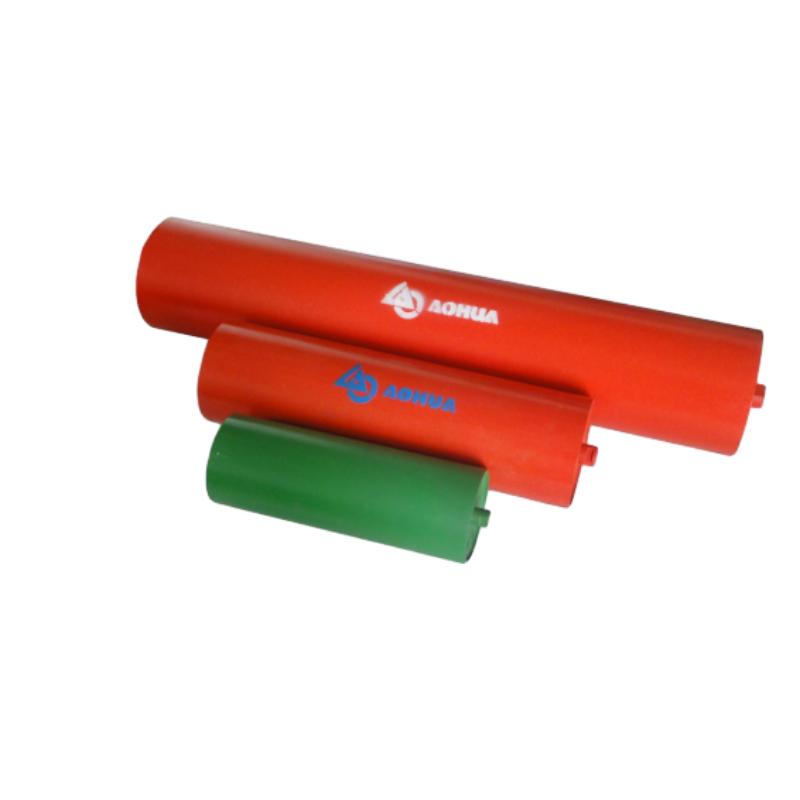
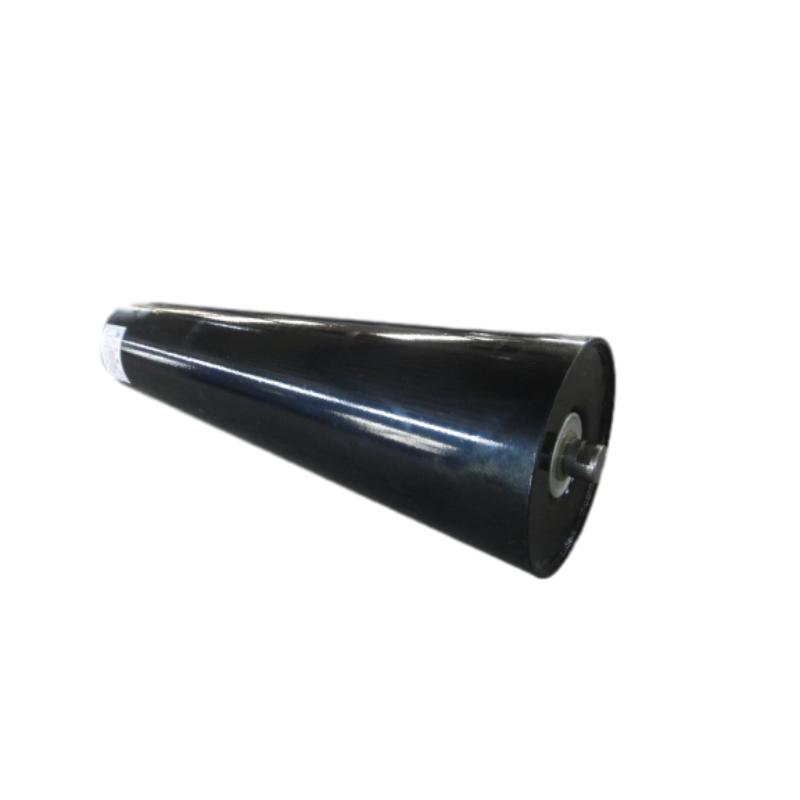
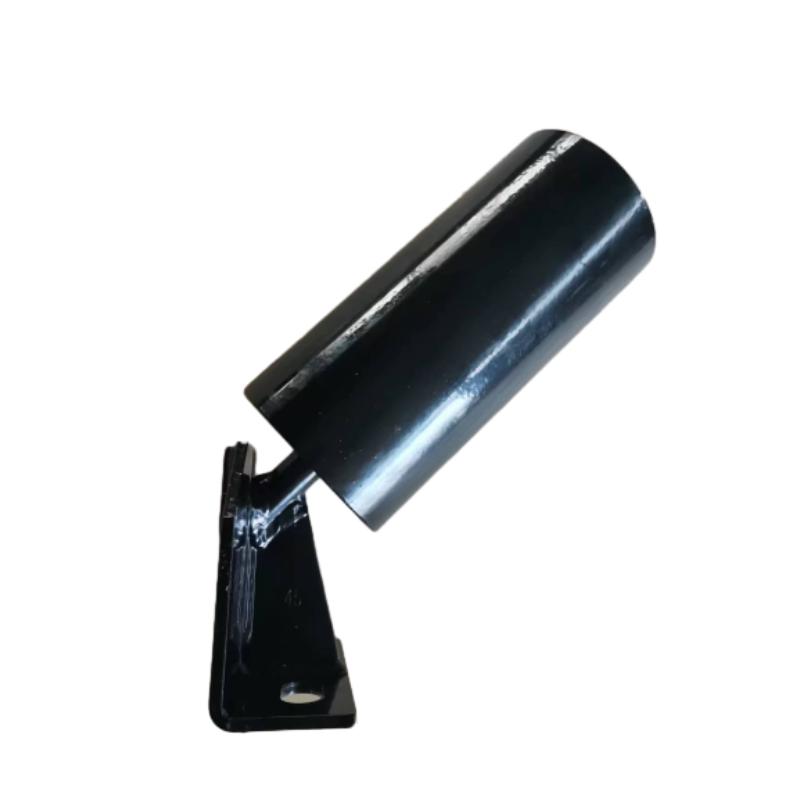
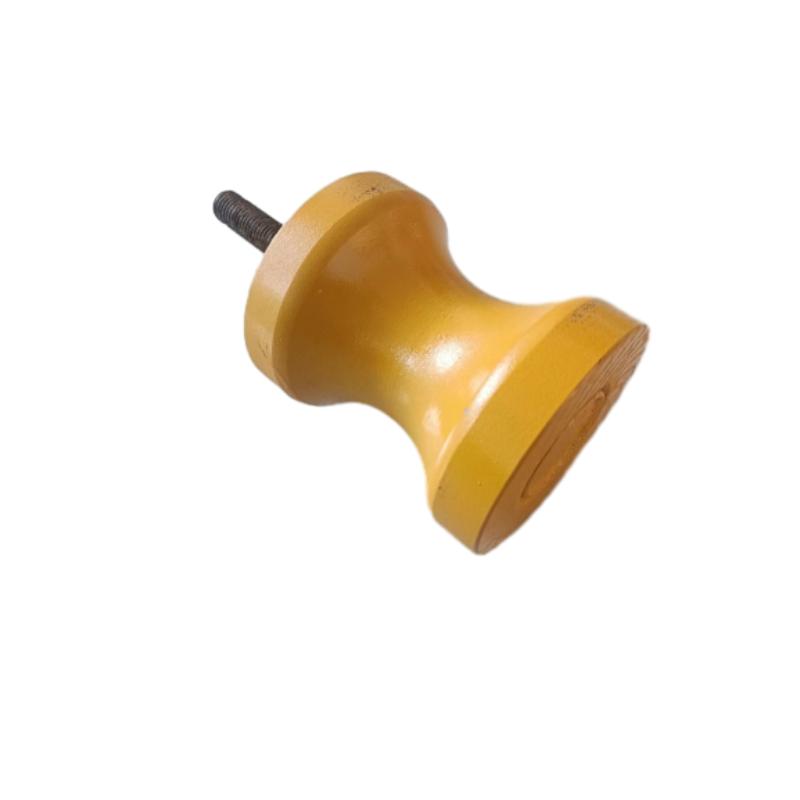
At Idler Aohua, we offer a comprehensive range of conveyor cleaners designed to meet diverse industrial applications. Our product line includes:
Conclusion: Maintaining a Clean and Efficient Conveyor System
Investing in the right conveyor cleaner is a crucial step towards optimizing your operations, reducing maintenance costs, and ensuring product quality. Idler Aohua provides tailored solutions and expert support to help you find the perfect cleaning system for your specific needs. Don't let debris and buildup hinder your productivity – choose Idler Aohua for reliable and effective conveyor cleaning.
Frequently Asked Questions (FAQs)
How often should I replace my conveyor cleaner blades?
The frequency of blade replacement depends on the type of material being conveyed, the operating conditions, and the blade material. Generally, blades should be inspected regularly for wear and tear. Replace blades when they become significantly worn, damaged, or lose their effectiveness in removing debris. A good rule of thumb is to replace blades annually or more frequently if you notice a decline in cleaning performance. Regular monitoring and preventative maintenance will help maximize blade life and ensure consistent cleaning efficiency.
What are the benefits of using a secondary conveyor cleaner?
A secondary conveyor cleaner provides a final cleaning stage after the primary cleaner. This is particularly beneficial when dealing with sticky or challenging materials that may not be completely removed by the primary cleaner. A secondary cleaner ensures a more thorough cleaning, preventing buildup and reducing the risk of material carryback. This leads to improved belt life, reduced maintenance costs, and enhanced product quality. It’s an effective addition to any conveyor system needing optimal cleanliness.
How can I determine the correct tension for my conveyor cleaner blades?
Proper blade tension is crucial for optimal cleaning performance and belt protection. Too little tension and the blade won’t effectively remove debris. Too much tension and it can damage the belt and shorten blade life. The ideal tension will vary depending on the blade type, belt speed, and material being conveyed. Refer to the manufacturer's recommendations for specific tensioning guidelines. Generally, blades should be firm enough to maintain contact with the belt surface without causing excessive friction. Contact Idler Aohua for expert guidance on tensioning your conveyor cleaner blades.
-
Maximize Conveyor Life with a High Performance impact bedNewsApr.16,2026
-
Maximize Conveyor Efficiency Using a v plow belt scraperNewsApr.09,2026
-
Comprehensive Guide to Understanding Different Types of Belt CleanersNewsApr.07,2026
-
Enhancing Conveyor Efficiency with an Effective Scraper Belt CleanerNewsApr.04,2026
-
Optimizing Conveyor Systems with Advanced Cleaning Equipment SolutionsNewsMar.31,2026
-
Effective Conveyor Belt Scraper Adjustment for Optimal System PerformanceNewsMar.28,2026