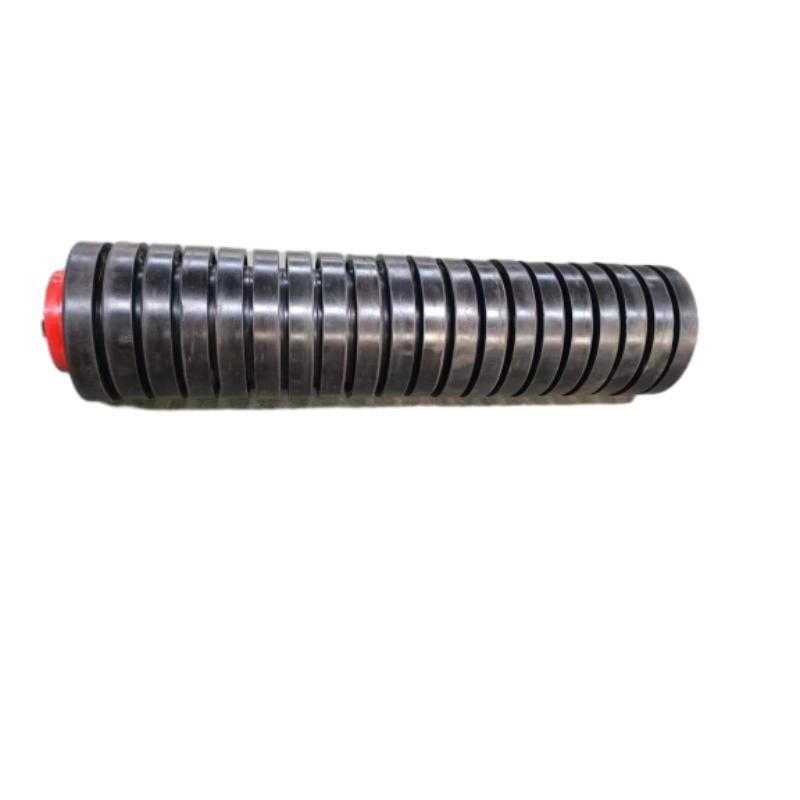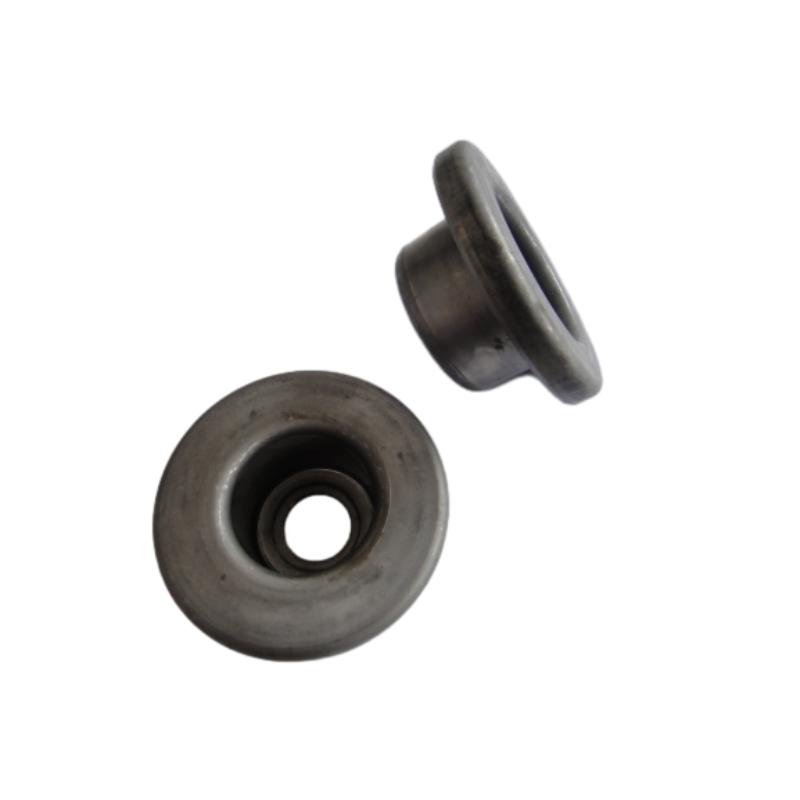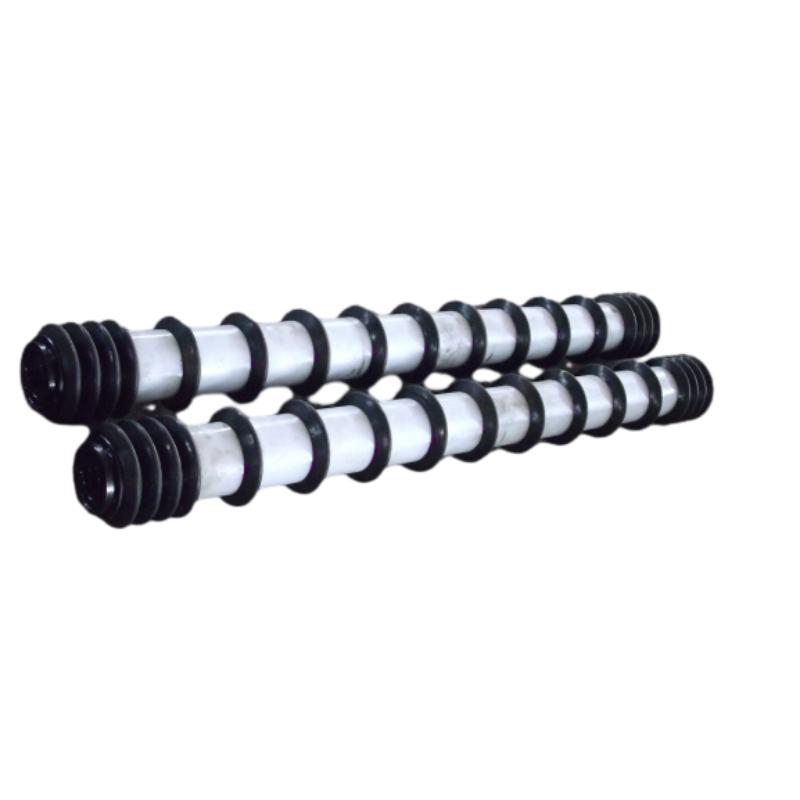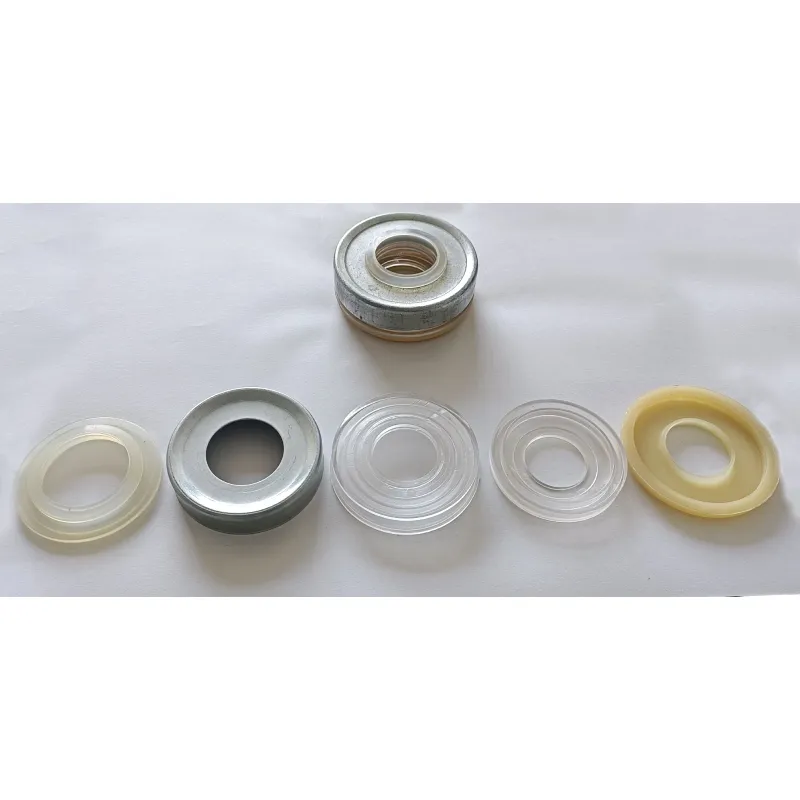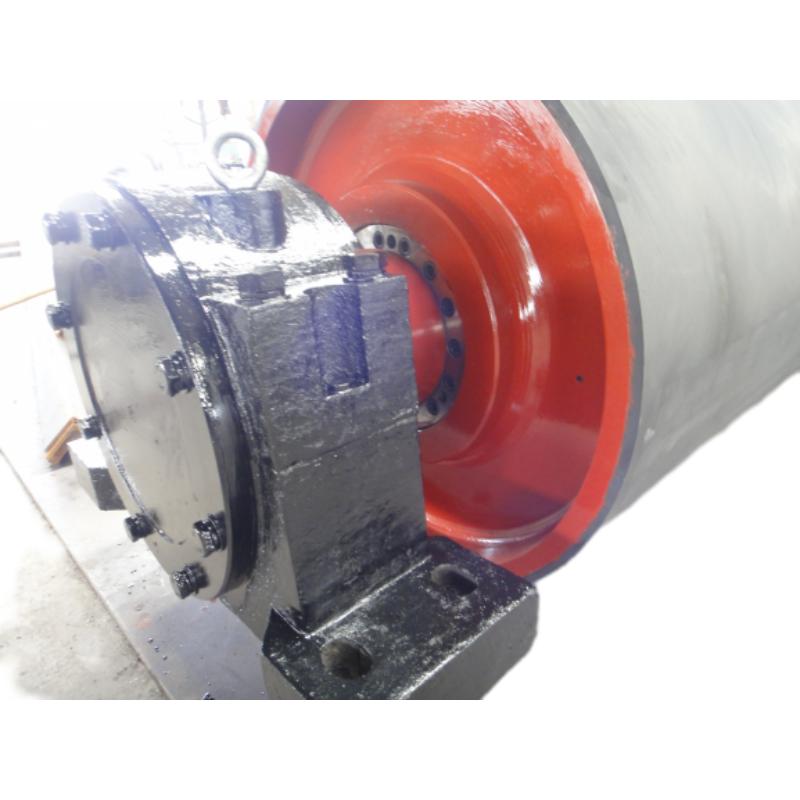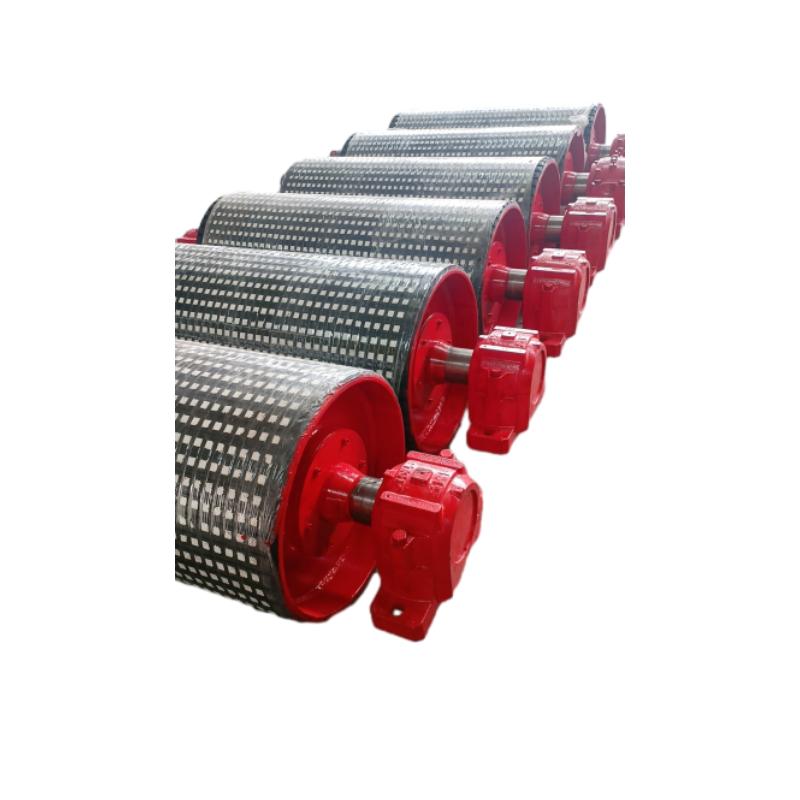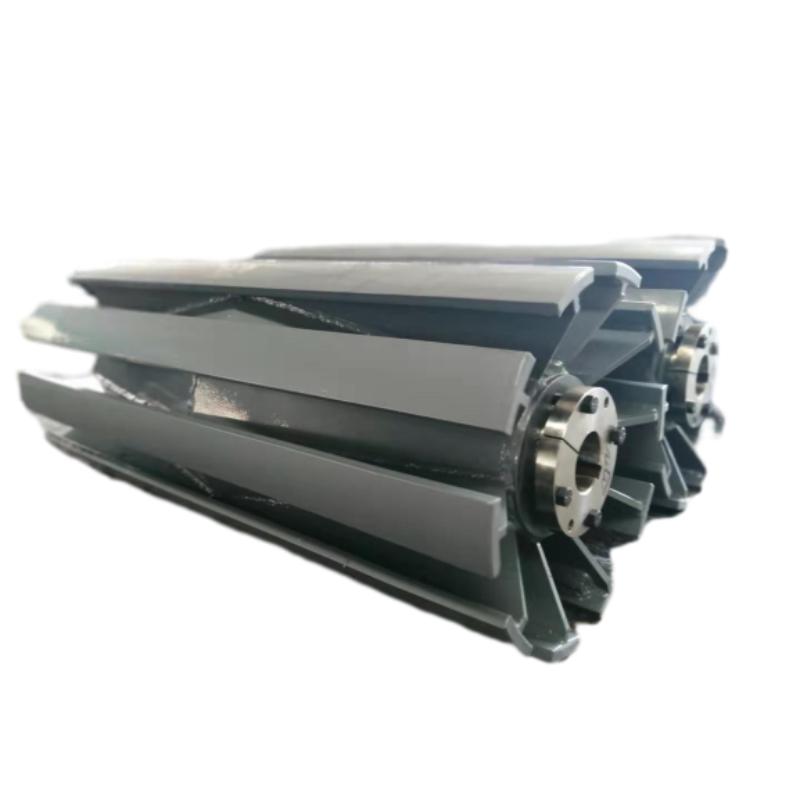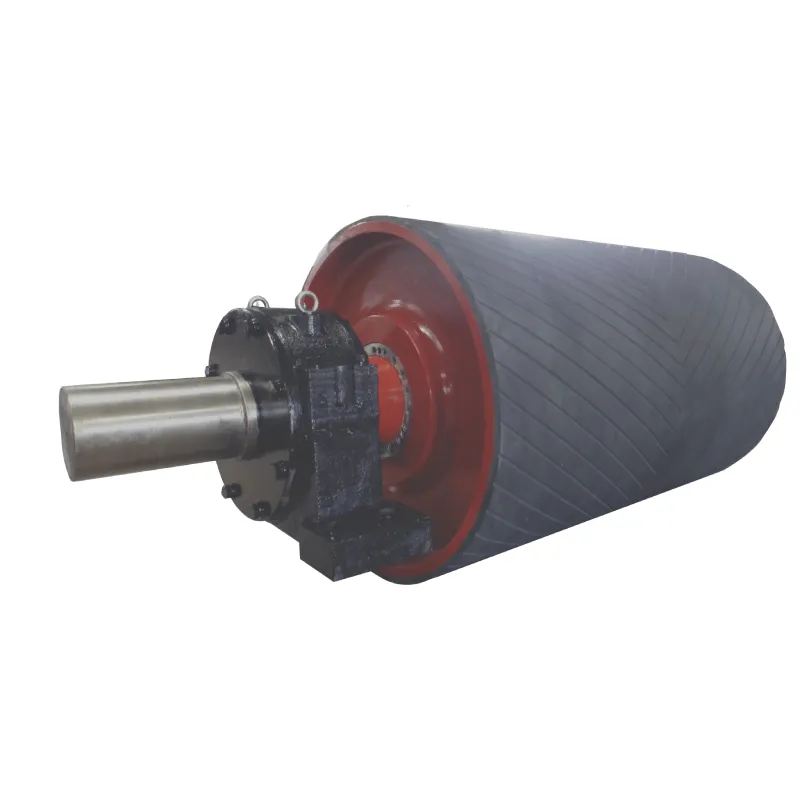


Comprehensive Guide to Rollers and Brackets for Mechanical Systems
Understanding Rollers and Brackets: A Comprehensive Guide
Rollers and brackets are fundamental components in a wide range of mechanical systems, from simple door mechanisms to complex industrial machinery. They enable smooth motion, distribute weight effectively, and provide structural support. This article will delve into the various types, applications, and considerations when selecting rollers and brackets, offering a comprehensive overview for engineers, manufacturers, and anyone involved in mechanical design. Choosing the right components is crucial for optimal performance and longevity of any system.
Types of Rollers
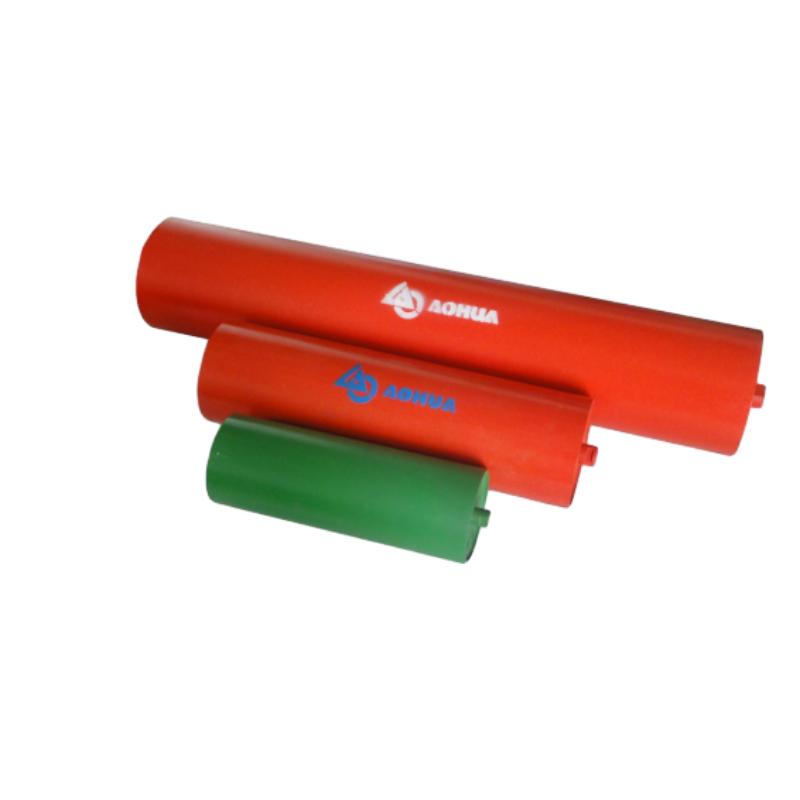
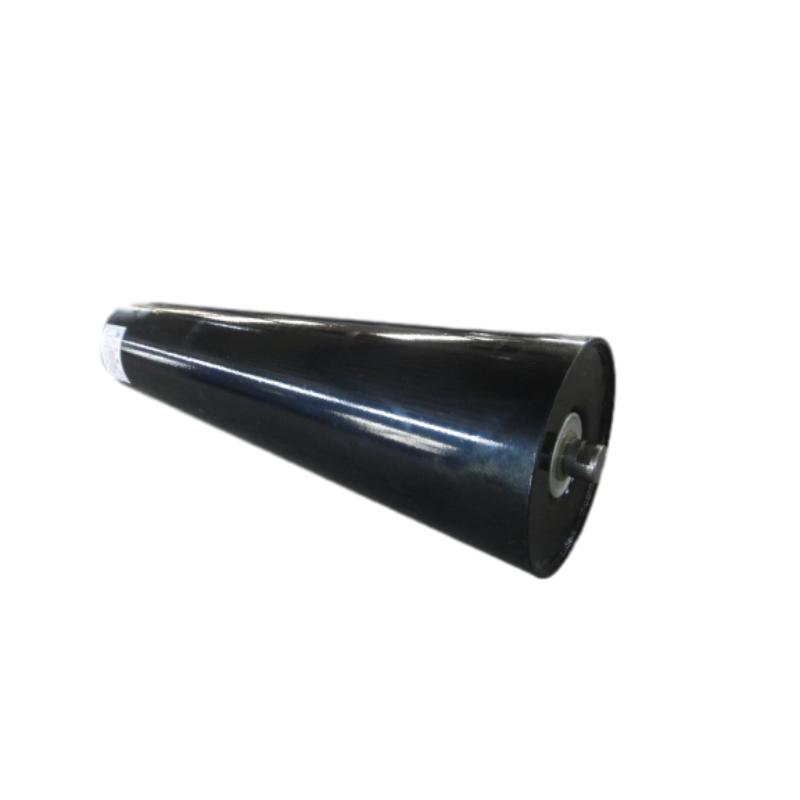
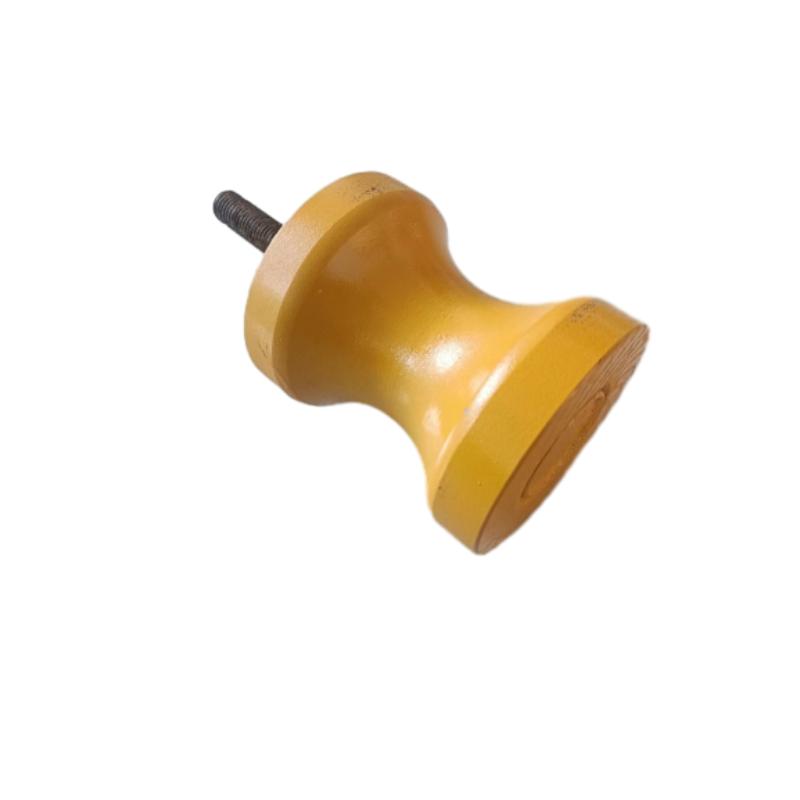
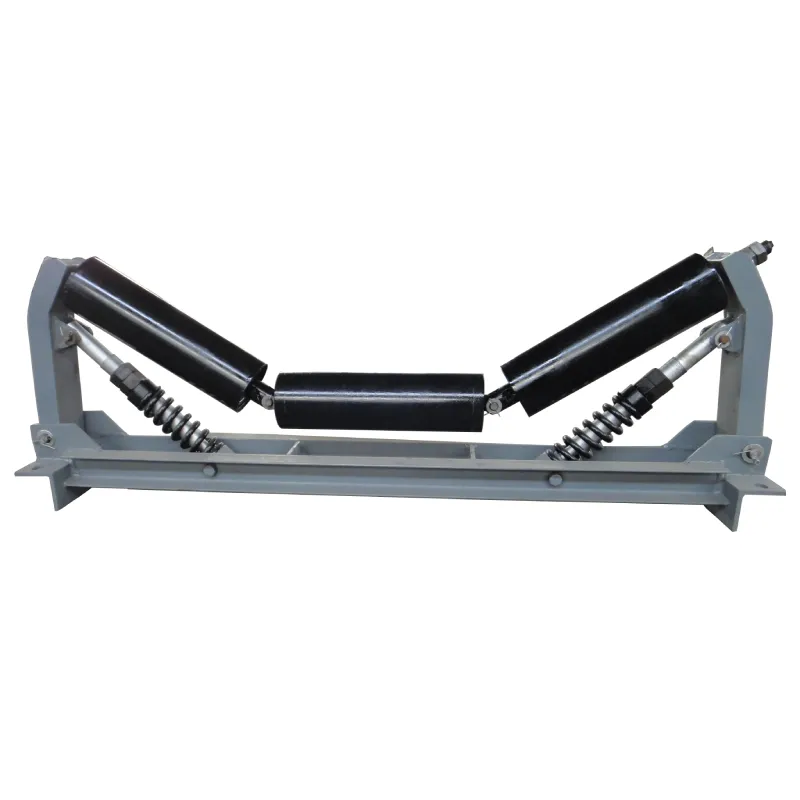
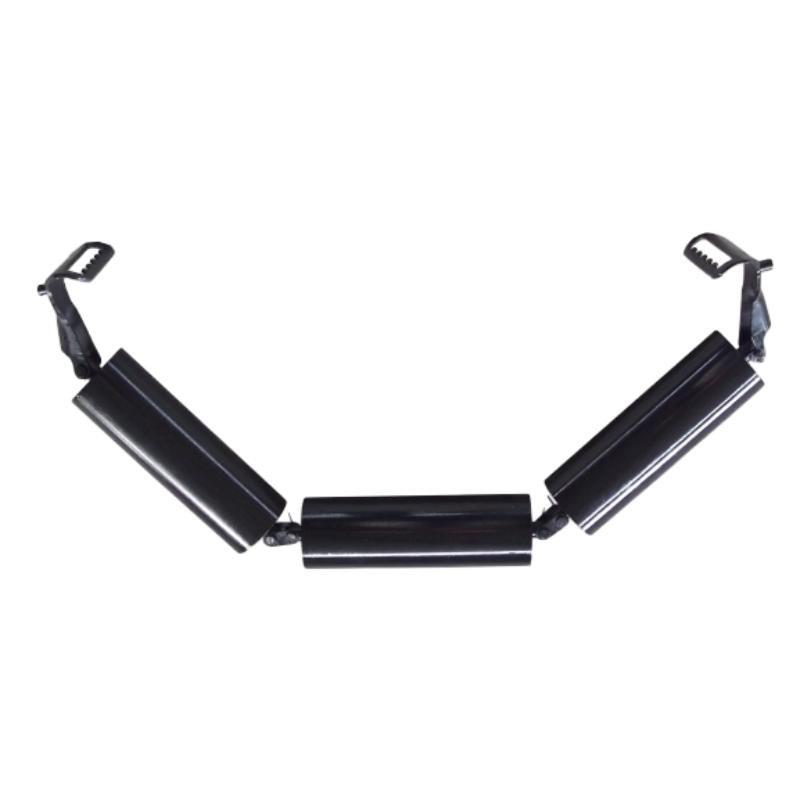
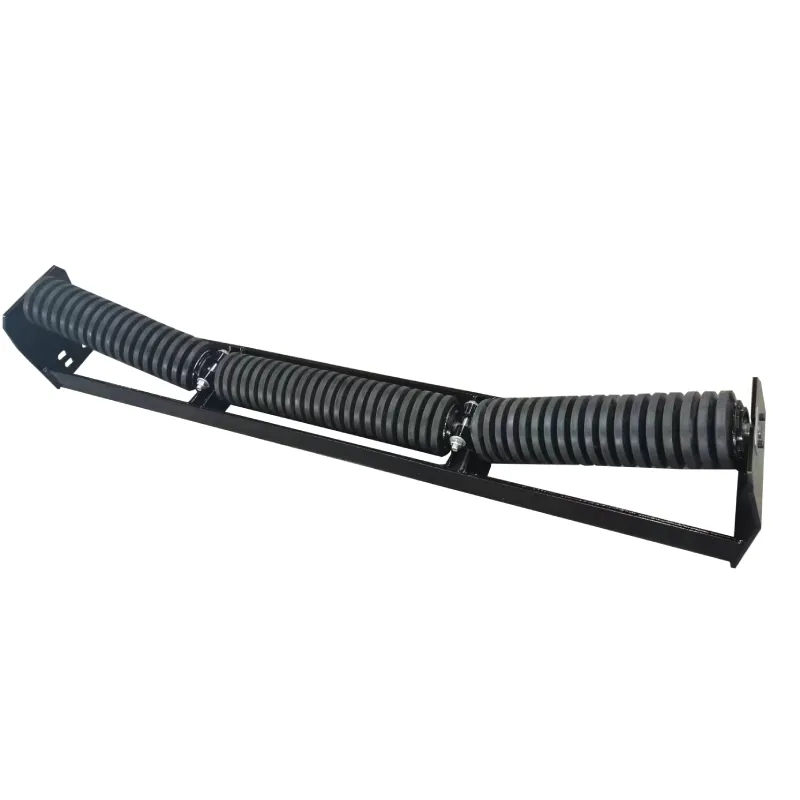
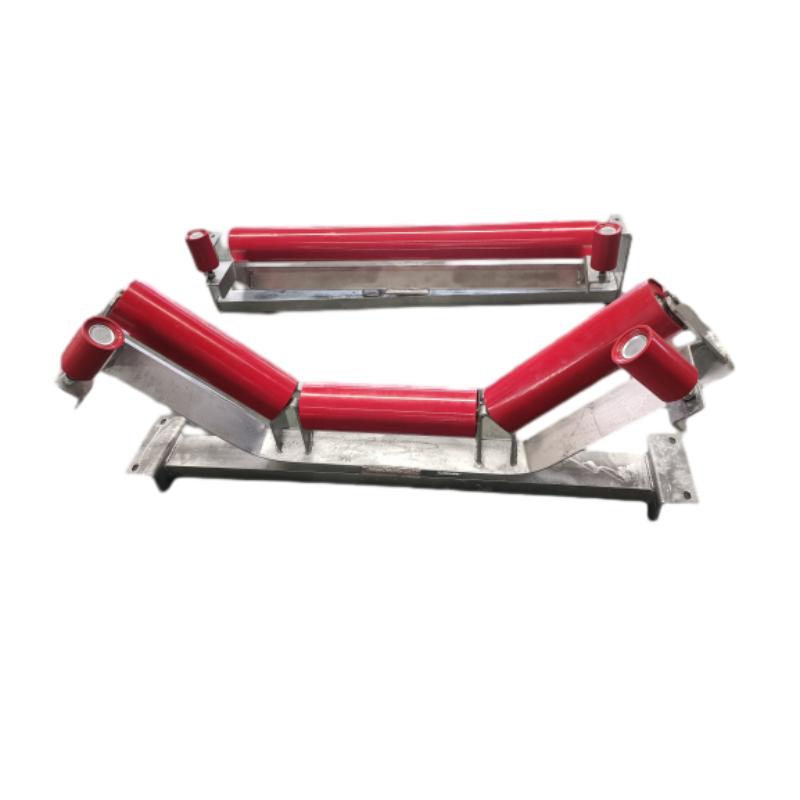
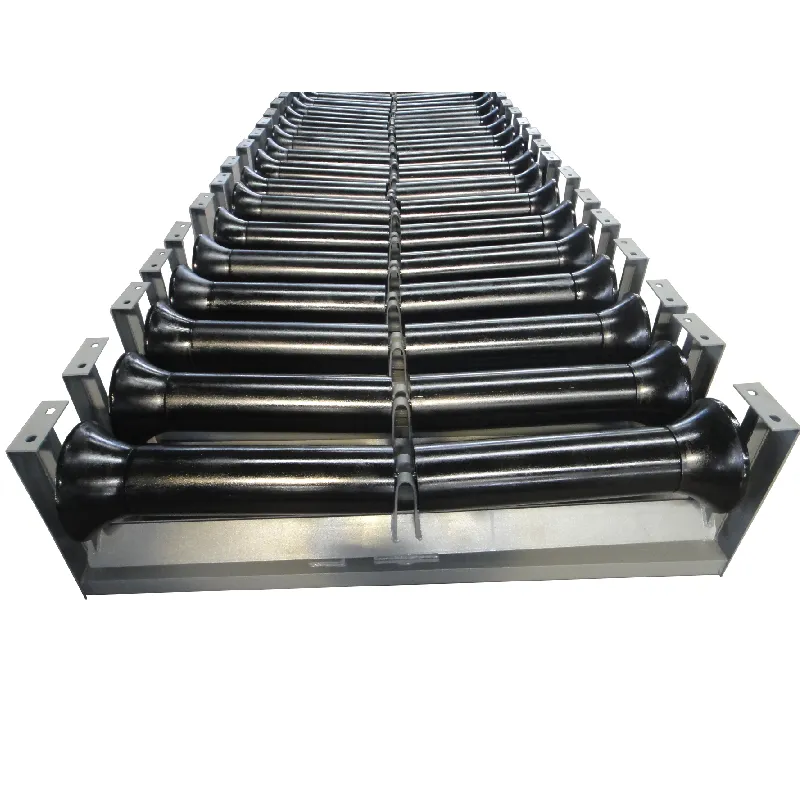
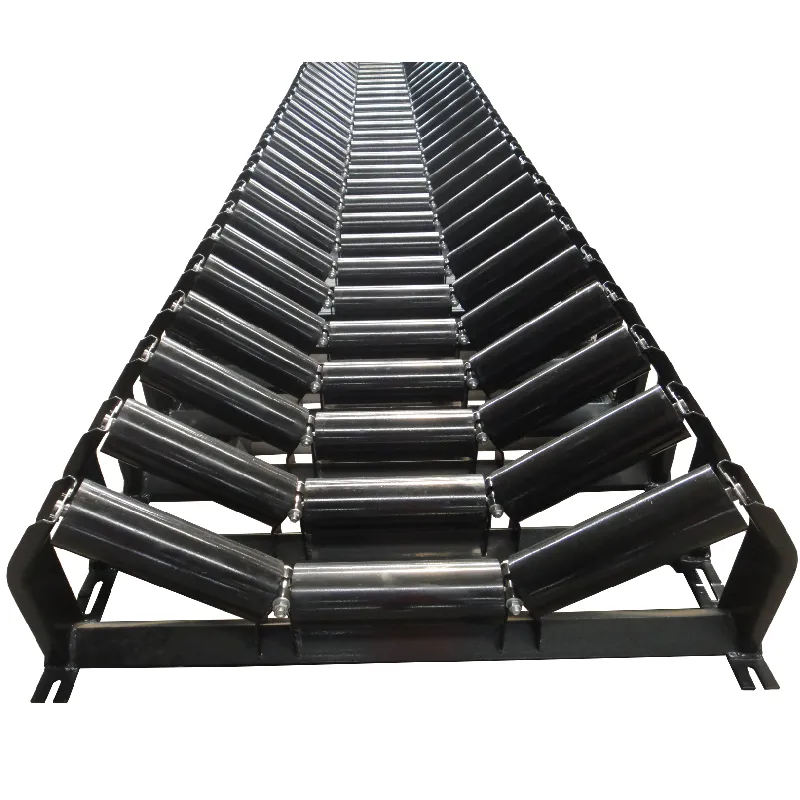
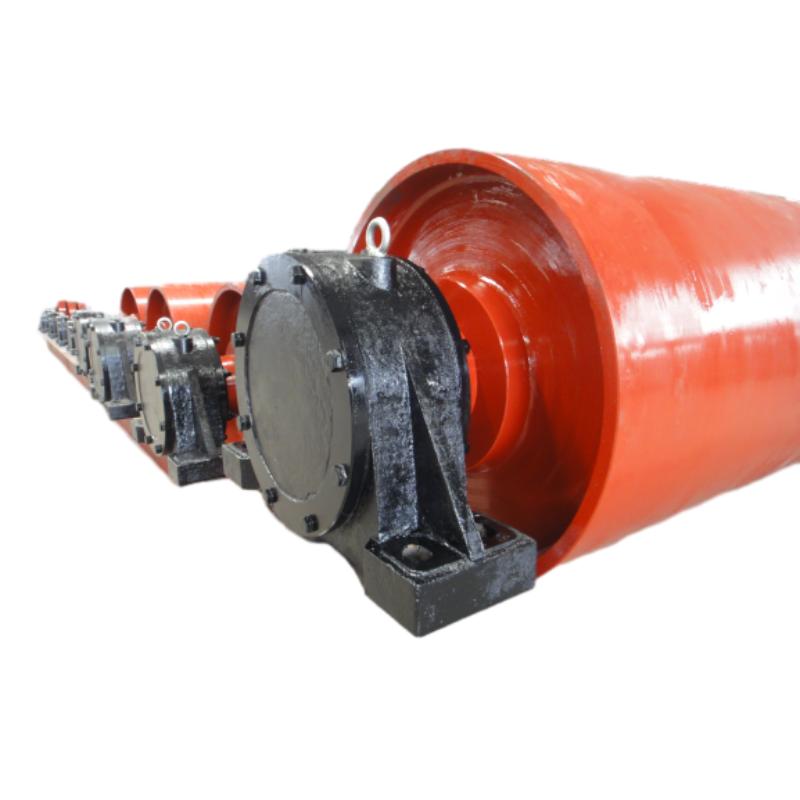
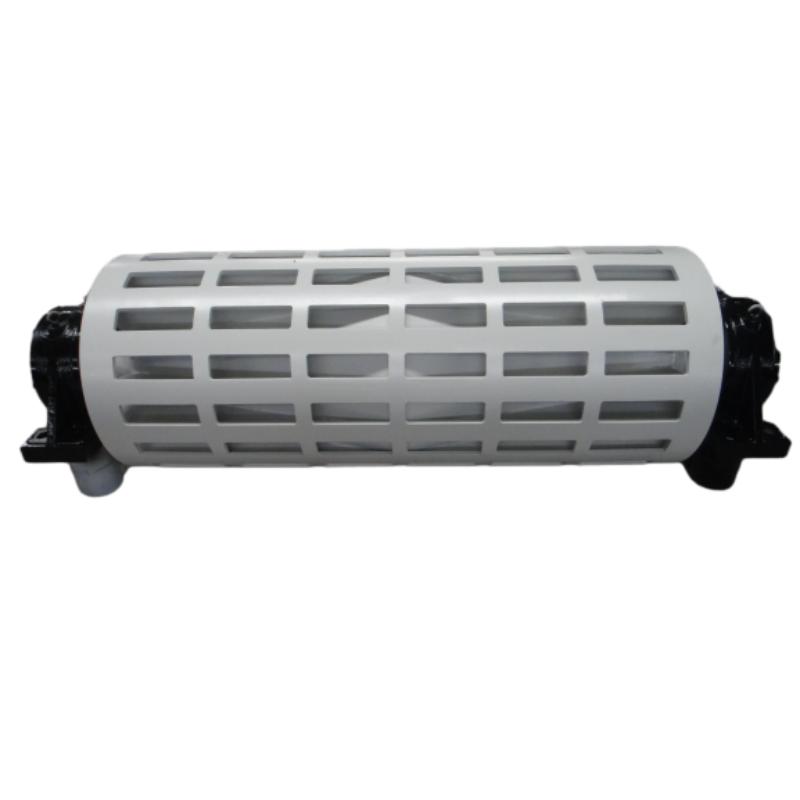
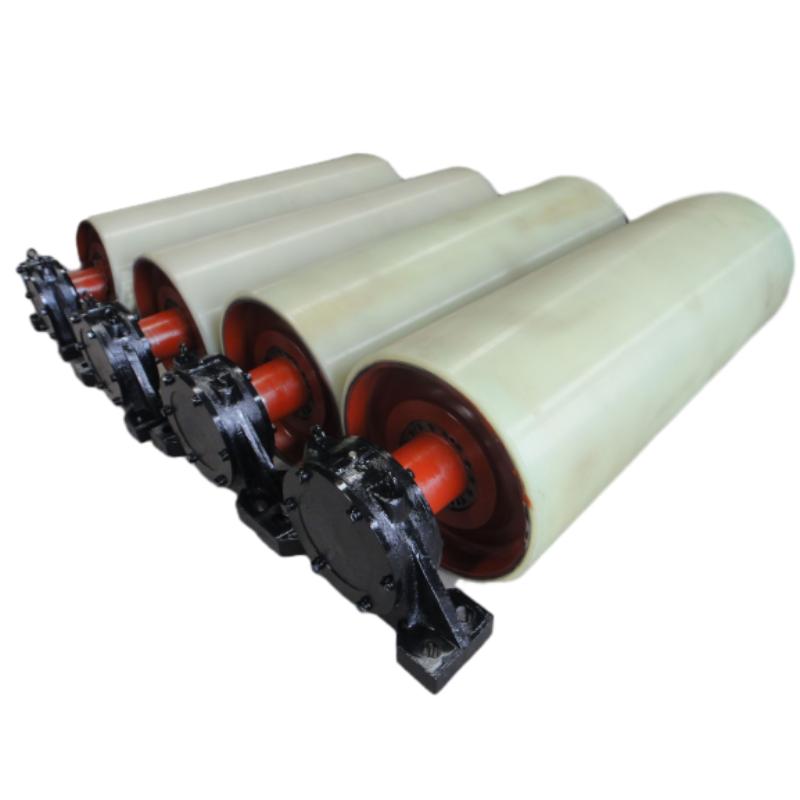
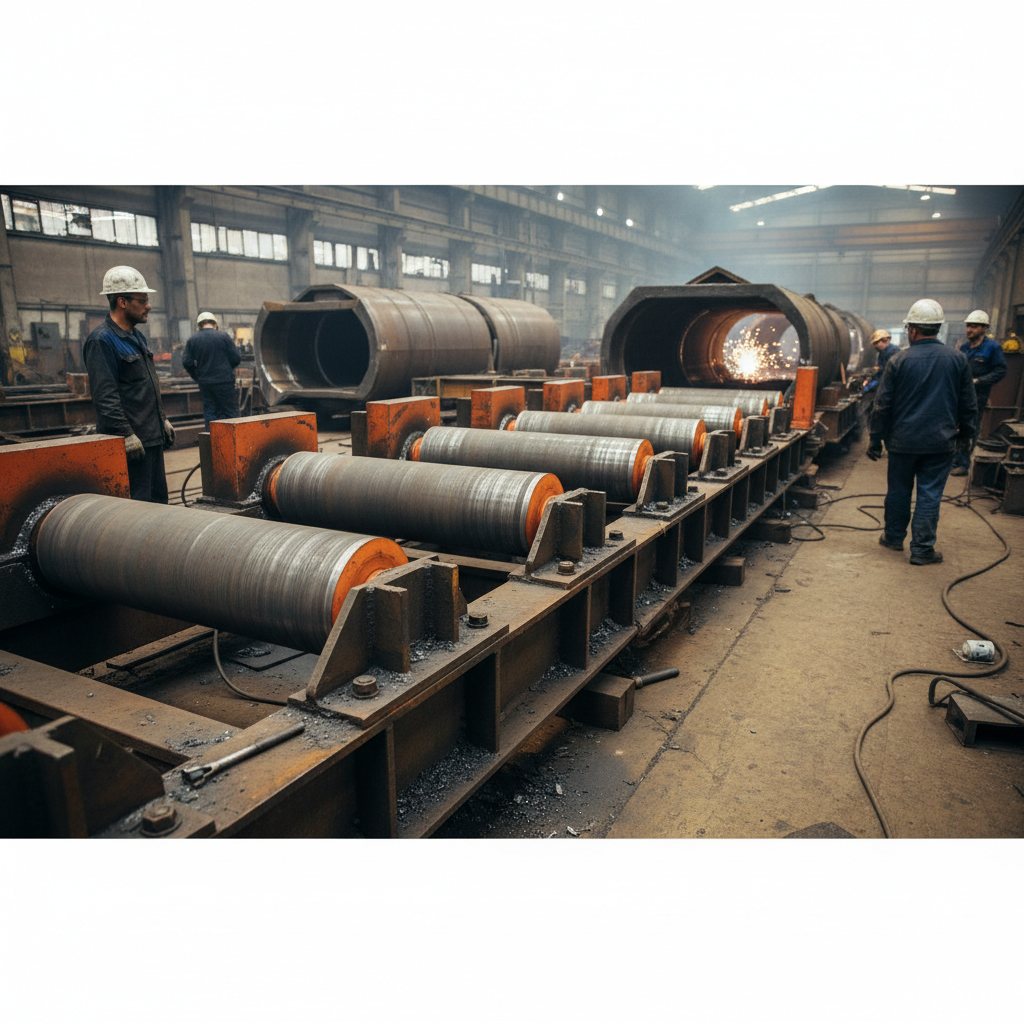
Rollers come in diverse configurations to suit various applications. Common types include: V-Groove Rollers, ideal for track systems; Flat Rollers, used for general sliding applications; Conical Rollers, providing self-centering capabilities; and Ball Transfer Rollers, excellent for omnidirectional movement. Material selection is also critical, with options like steel, stainless steel, nylon, and polyurethane offering different properties in terms of load capacity, wear resistance, and corrosion protection. Understanding these differences is key to selecting the optimal roller for your specific needs. Idleroa Hua specializes in a comprehensive range of high-quality rollers.
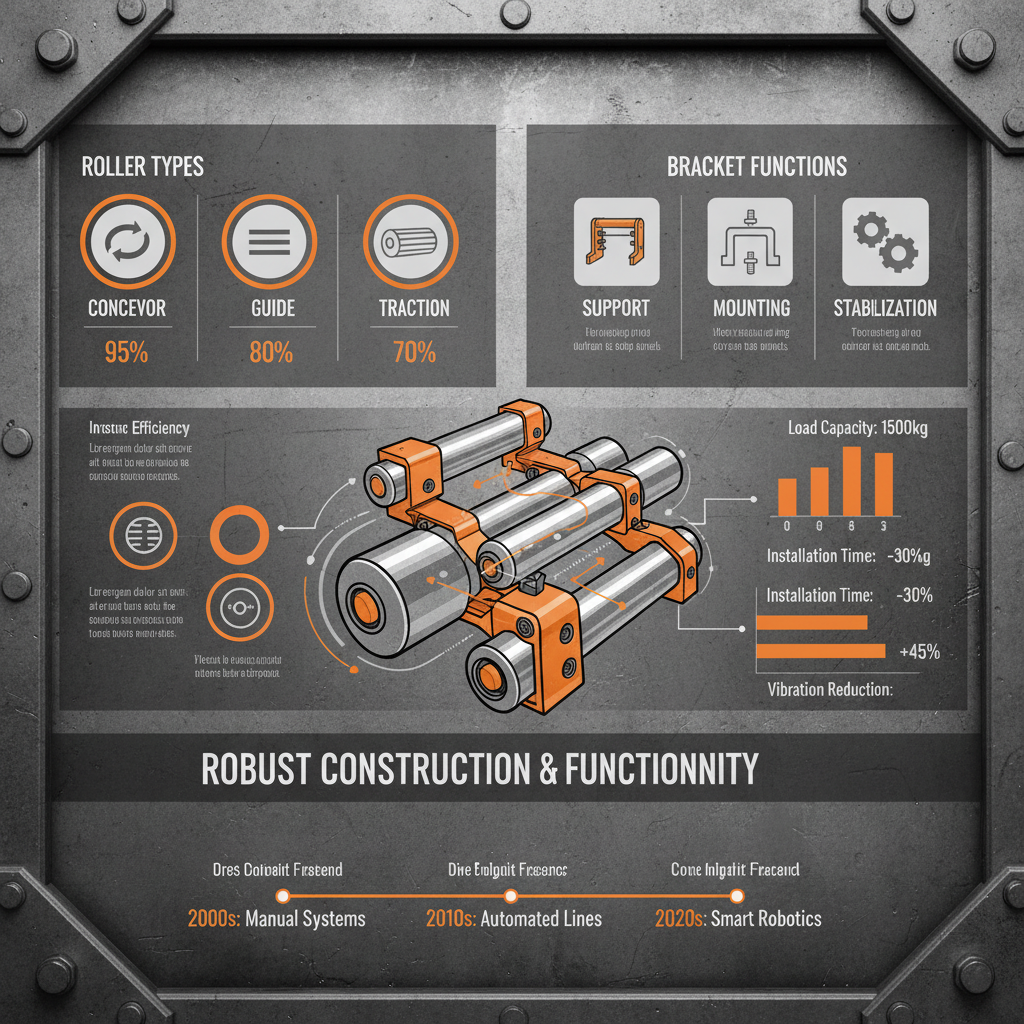
Key Roller Types: V-Groove, Flat, Conical, and Ball Transfer. Material options include steel, stainless steel, nylon, and polyurethane.
Bracket Varieties and Their Applications
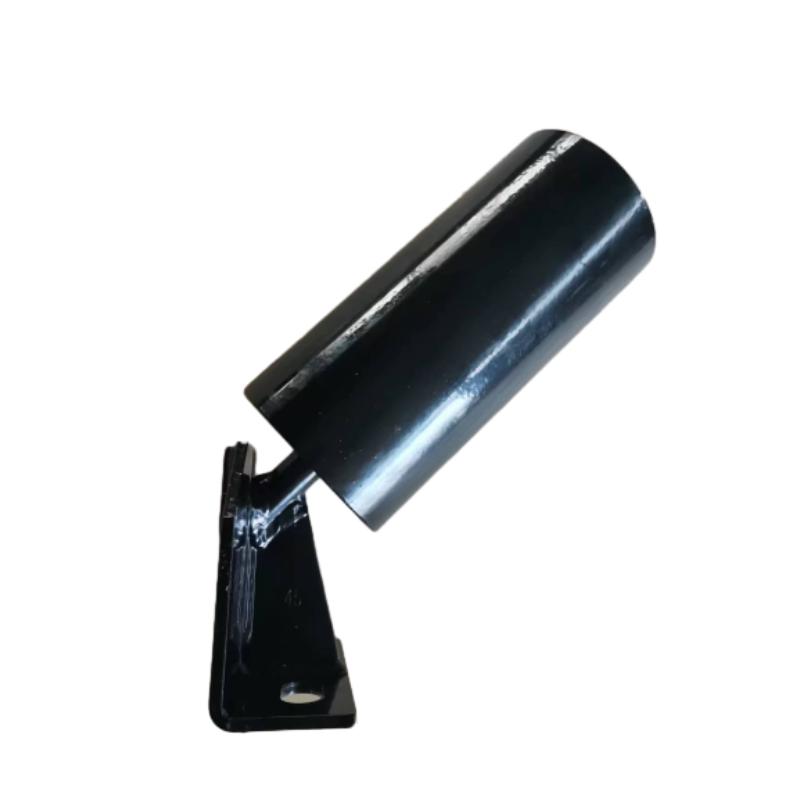
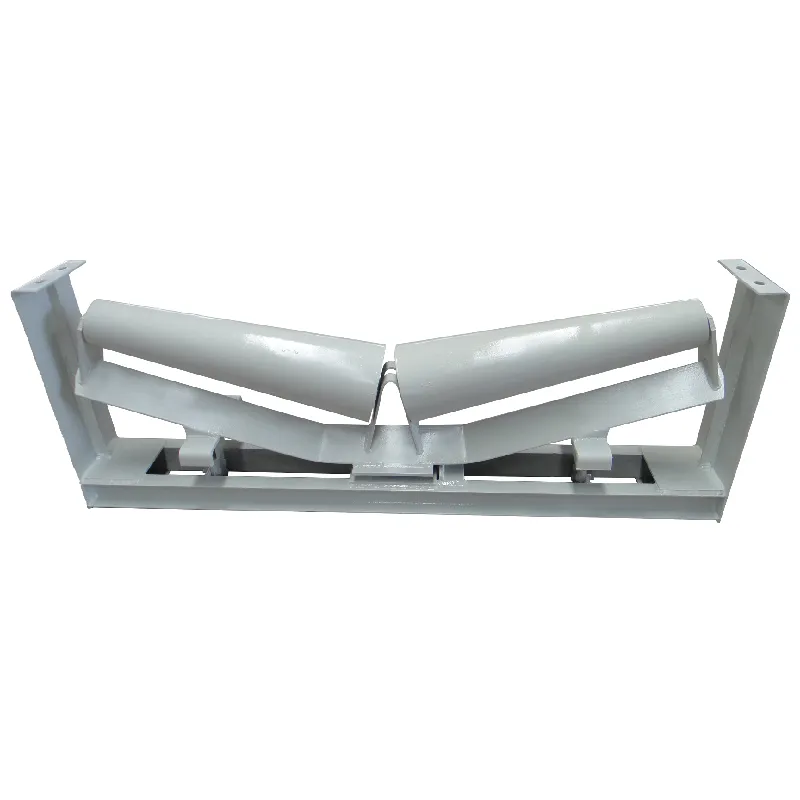
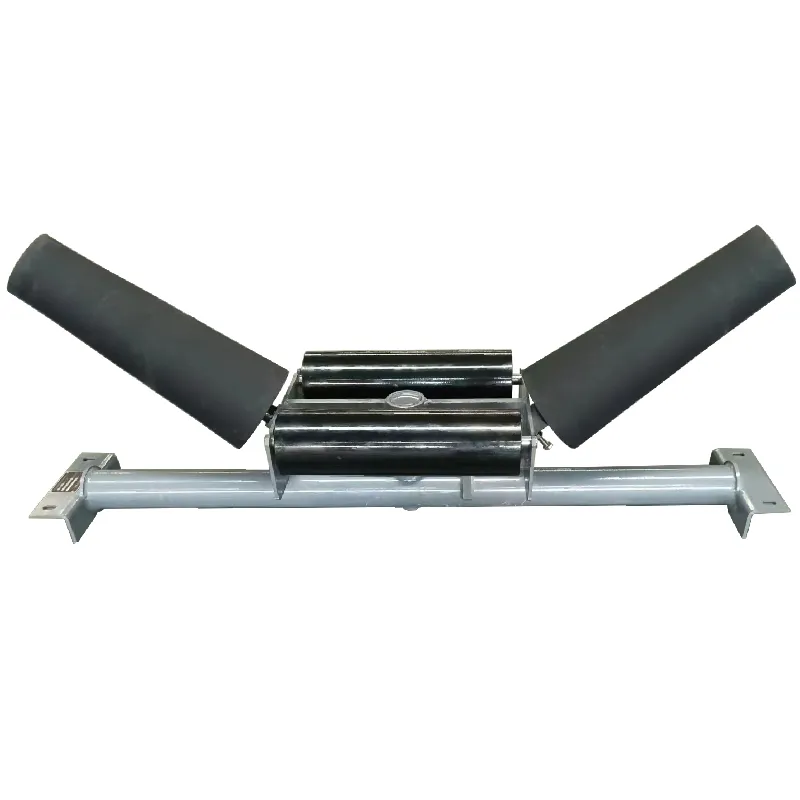
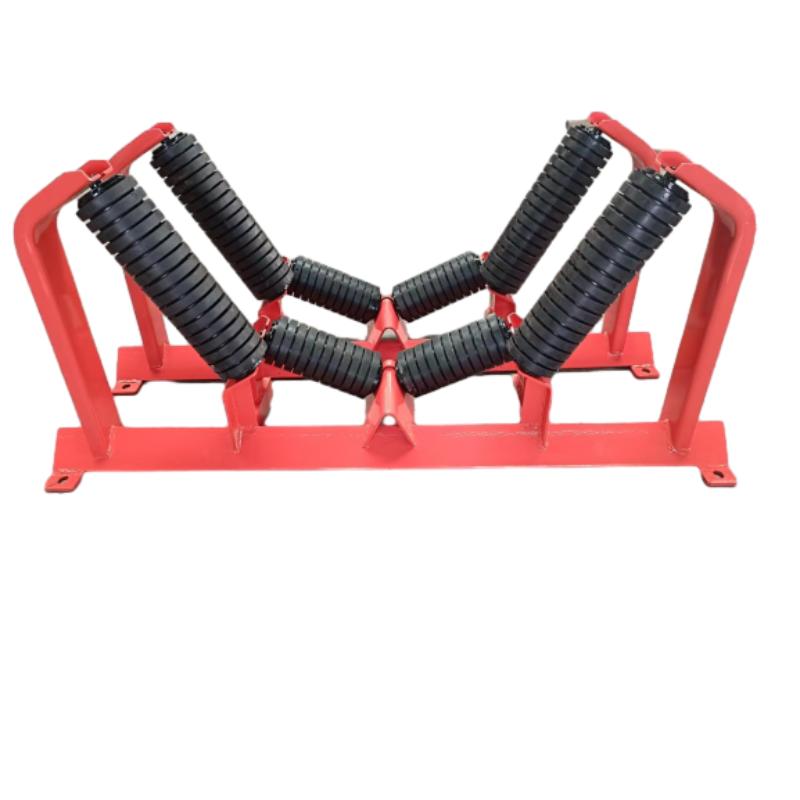
Brackets provide the necessary mounting and support for rollers, ensuring stability and proper alignment. Common bracket types include Fixed Brackets, offering rigid support; Adjustable Brackets, allowing for precise positioning; Swivel Brackets, enabling rotational movement; and Heavy-Duty Brackets, designed for high-load applications. The material of the bracket, typically steel or aluminum, should be compatible with the roller and the surrounding environment. Proper bracket selection is essential for preventing premature wear and ensuring long-term system reliability.
Bracket Selection Considerations:
• Fixed, Adjustable, Swivel, and Heavy-Duty options available
• Material compatibility is crucial (steel, aluminum)
• Load capacity and environmental factors should be considered
Rollers and Brackets: A Comparative Analysis
Selecting the correct roller and bracket pairing requires careful consideration of the application's requirements. Factors like load capacity, speed, environmental conditions, and required precision all play a role. For example, a high-speed conveyor system will benefit from precision ball transfer rollers and robust, adjustable brackets, while a simple door mechanism might suffice with flat rollers and fixed brackets. Investing in quality components from a reliable supplier like Idleroa Hua ensures long-term performance and reduces the risk of costly downtime.
Material Considerations for Rollers and Brackets
The material choice significantly impacts the performance and longevity of rollers and brackets. Steel offers high strength and durability but can be susceptible to corrosion. Stainless steel provides excellent corrosion resistance, making it ideal for harsh environments. Nylon and polyurethane rollers are lightweight, quiet, and resistant to wear, but have lower load capacities. Aluminum brackets offer a good balance of strength and weight. When selecting materials, consider the operating temperature, exposure to chemicals, and potential for corrosion. Idleroa Hua provides expert guidance on material selection to ensure optimal performance in your application.
Selecting the Right Supplier for Rollers and Brackets
Choosing a reputable supplier is crucial for ensuring the quality, reliability, and timely delivery of rollers and brackets. Look for a supplier with a wide product range, competitive pricing, and strong technical support. Idleroa Hua is a leading manufacturer and supplier of high-quality rollers and brackets, offering customized solutions to meet your specific needs. We pride ourselves on our commitment to quality, innovation, and customer satisfaction.
Conclusion: Optimizing Performance with Quality Rollers and Brackets
Selecting the right rollers and brackets is essential for optimizing the performance and reliability of your mechanical systems. By carefully considering the application requirements, material properties, and supplier reputation, you can ensure long-term success. Invest in quality components from a trusted source like Idleroa Hua to maximize efficiency and minimize downtime.
Frequently Asked Questions (FAQs)
What is the typical load capacity of different roller types?
Load capacity varies significantly depending on the roller type, material, and size. Generally, steel rollers have the highest load capacity, followed by stainless steel, and then nylon or polyurethane. For example, a heavy-duty steel V-groove roller might be able to handle loads exceeding 500 kg, while a smaller nylon flat roller might be limited to 50 kg. It's crucial to consult the manufacturer's specifications to determine the appropriate load capacity for your application. Incorrectly sizing the roller can lead to premature failure and potential safety hazards.
How do environmental factors affect roller and bracket selection?
Environmental factors play a crucial role in material selection. If the rollers and brackets will be exposed to corrosive substances, stainless steel is recommended. For high-temperature applications, materials with high heat resistance are necessary. Humidity and moisture can also impact material choice, as some materials are prone to rust or degradation. UV exposure can also affect certain plastics, making them brittle over time. Carefully consider the operating environment to ensure the longevity and reliability of the components.
What maintenance is required for rollers and brackets?
Regular maintenance is essential for extending the lifespan of rollers and brackets. This includes periodic lubrication to reduce friction and wear, inspection for damage or corrosion, and tightening of any loose fasteners. Cleaning the rollers and brackets to remove dirt and debris is also important. The frequency of maintenance will depend on the operating environment and load conditions. Following the manufacturer's recommendations for lubrication and maintenance will ensure optimal performance.
-
Maximize Conveyor Life with a High Performance impact bedNewsApr.16,2026
-
Maximize Conveyor Efficiency Using a v plow belt scraperNewsApr.09,2026
-
Comprehensive Guide to Understanding Different Types of Belt CleanersNewsApr.07,2026
-
Enhancing Conveyor Efficiency with an Effective Scraper Belt CleanerNewsApr.04,2026
-
Optimizing Conveyor Systems with Advanced Cleaning Equipment SolutionsNewsMar.31,2026
-
Effective Conveyor Belt Scraper Adjustment for Optimal System PerformanceNewsMar.28,2026