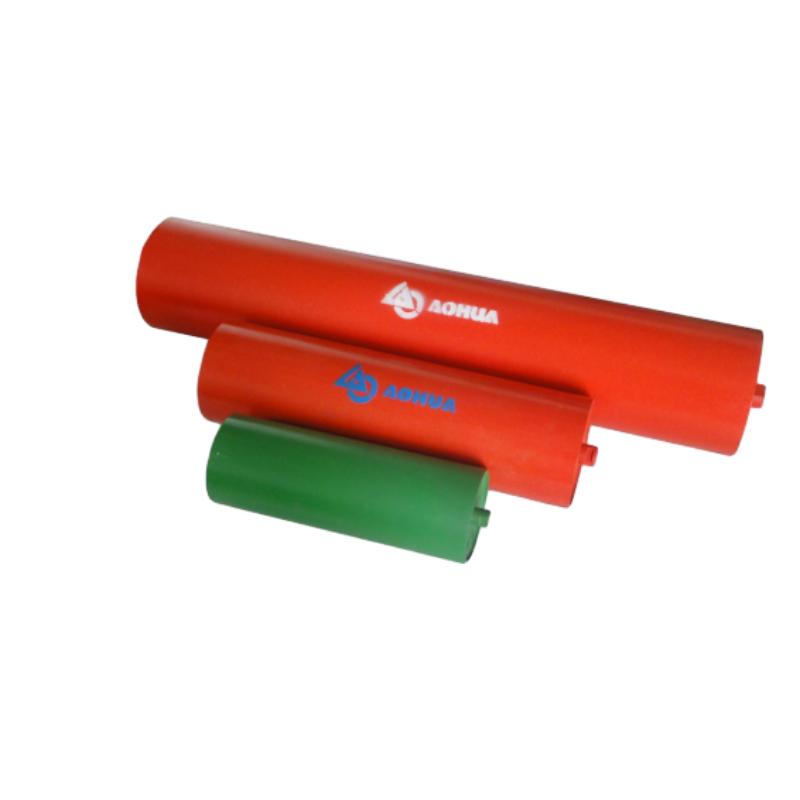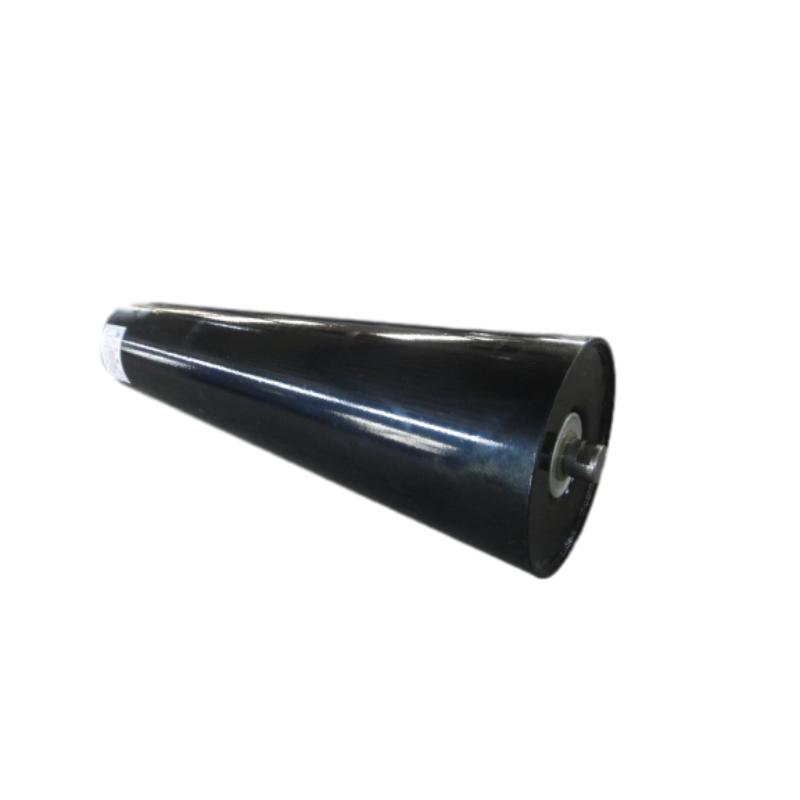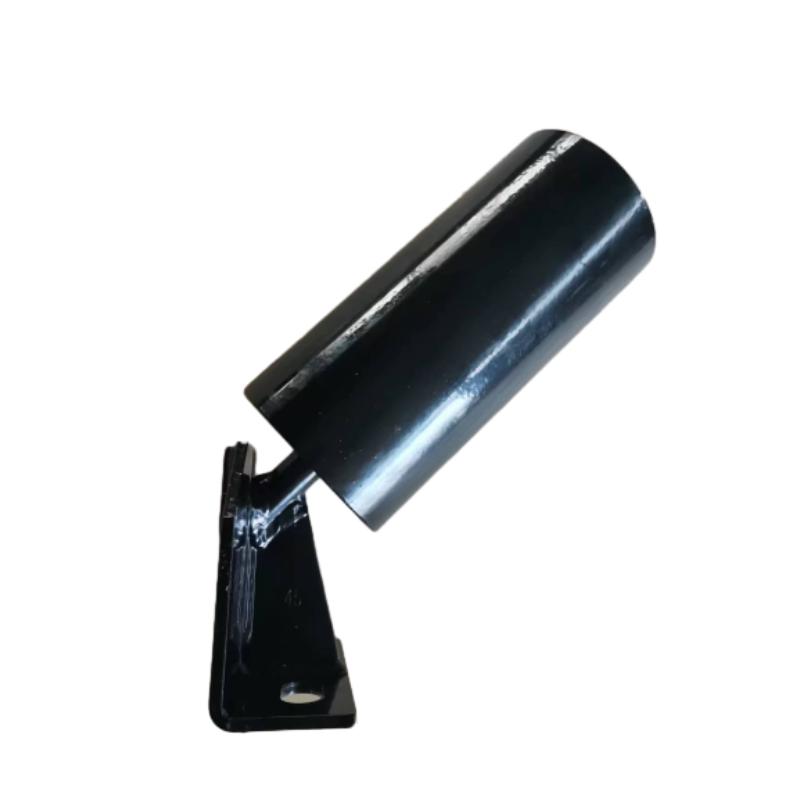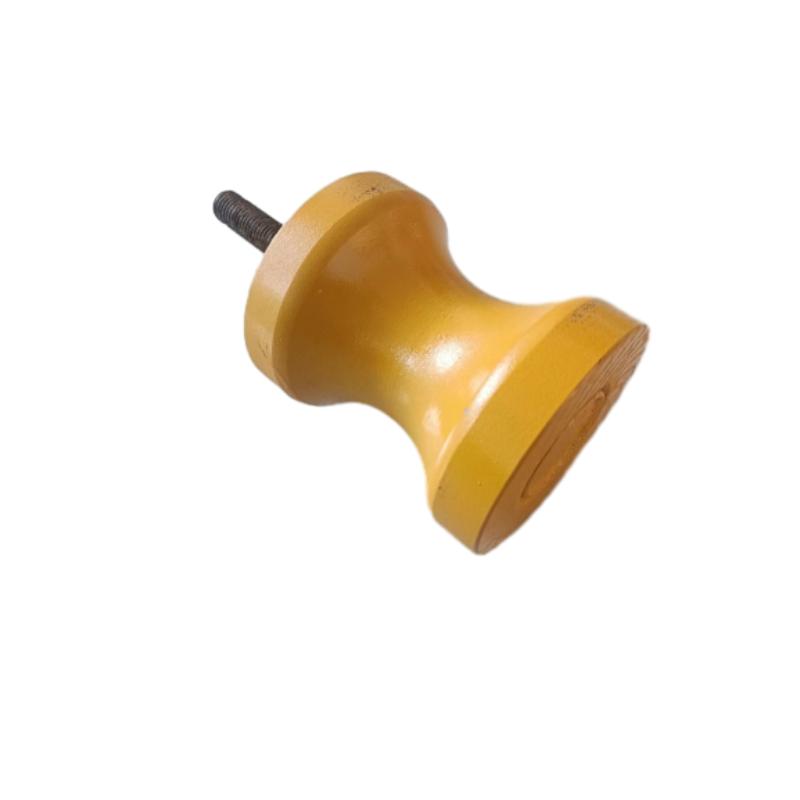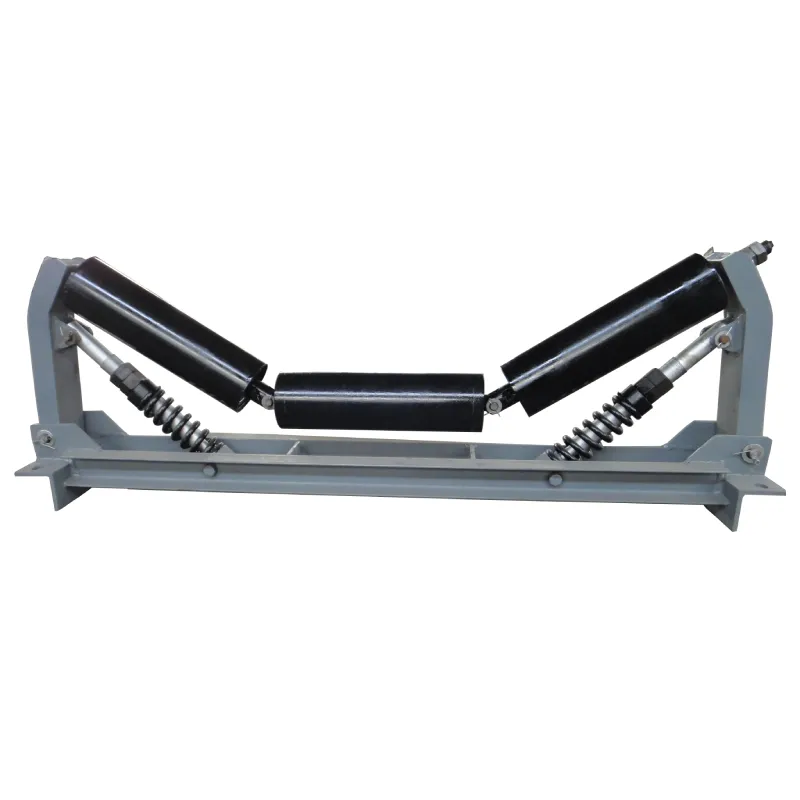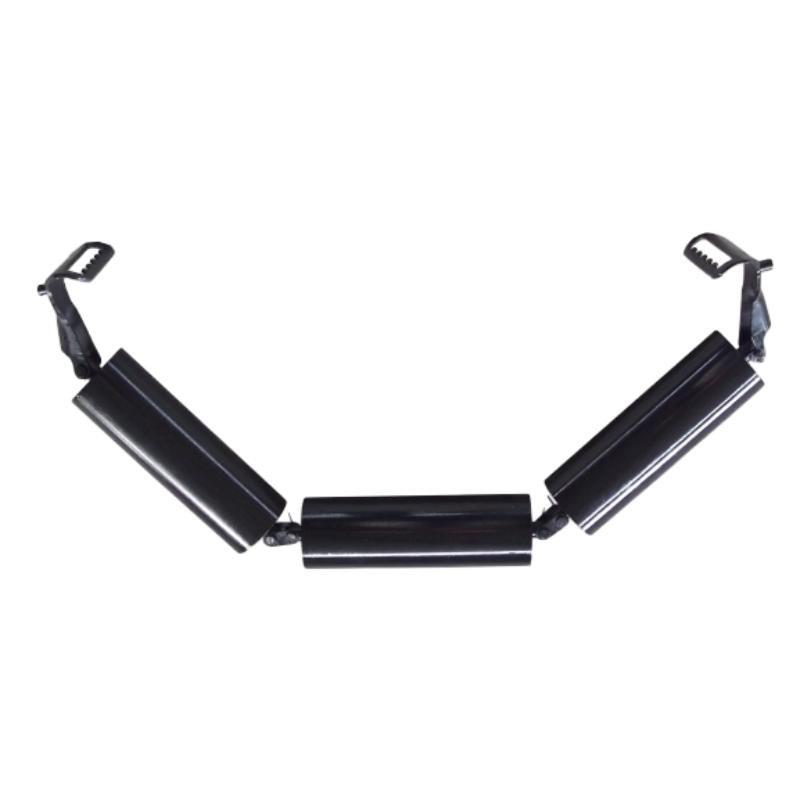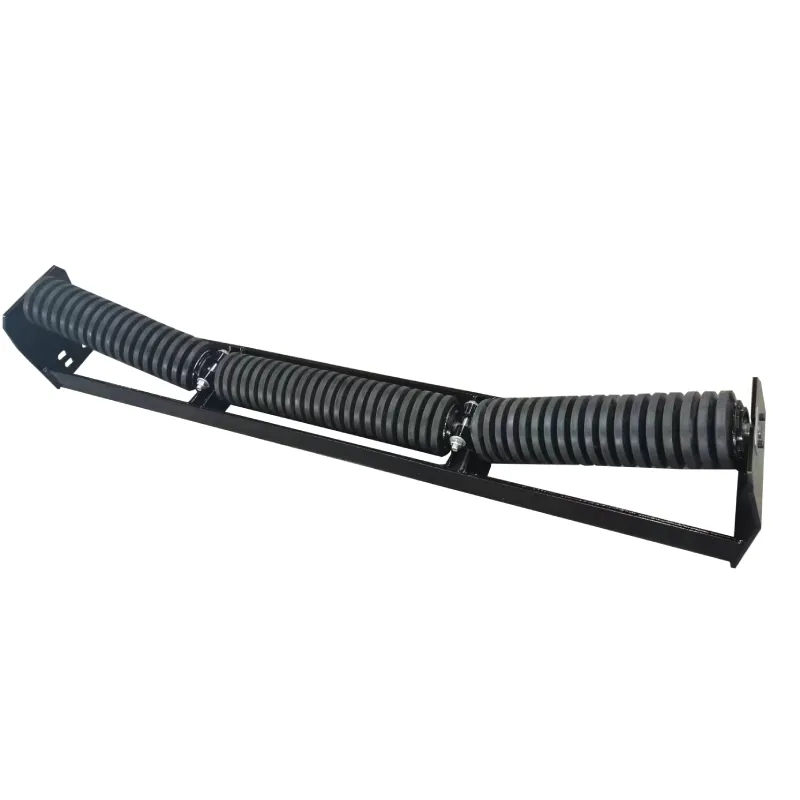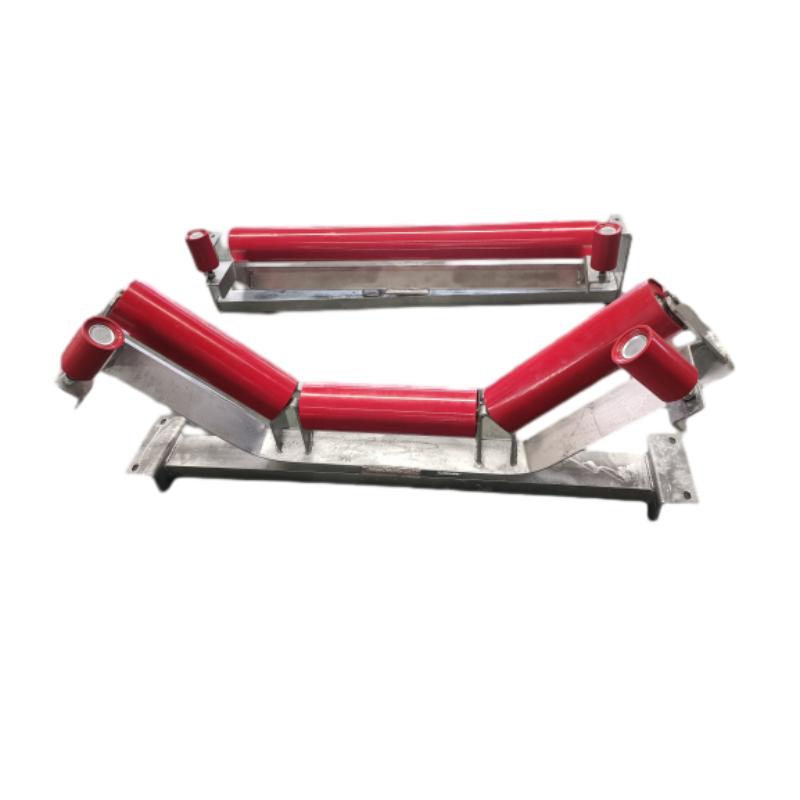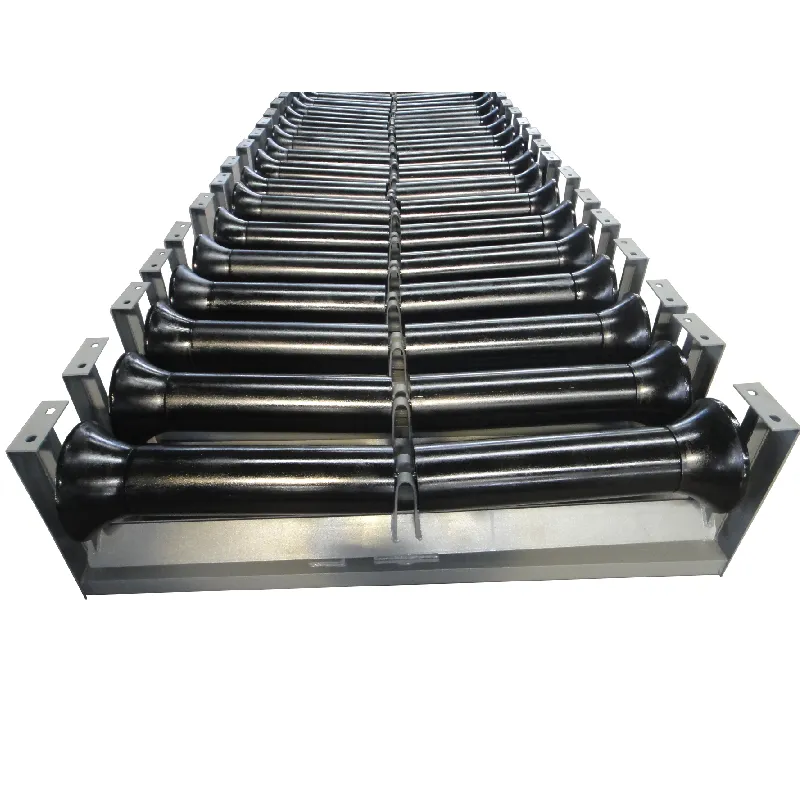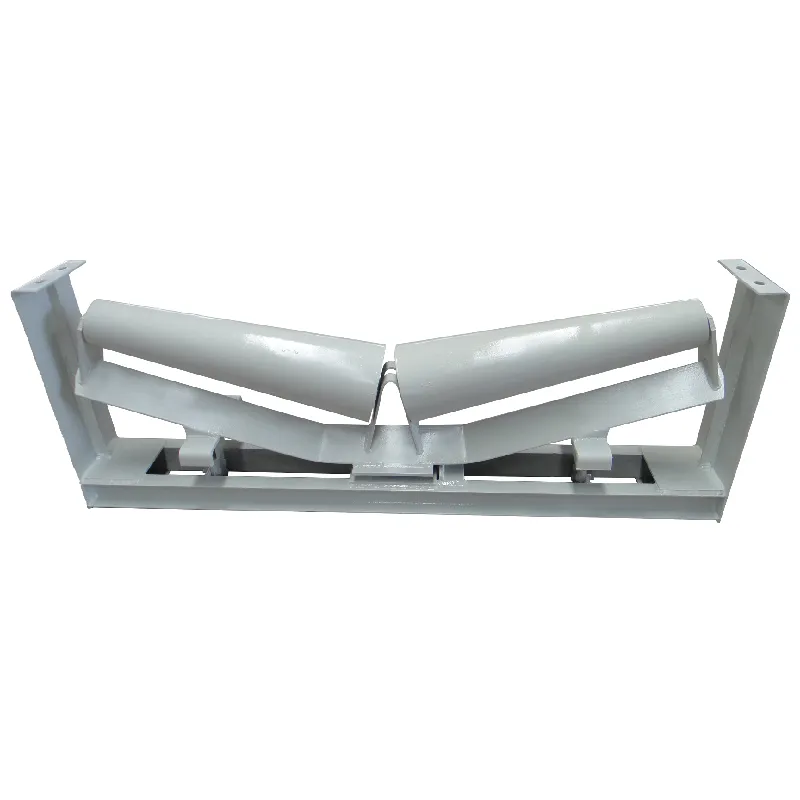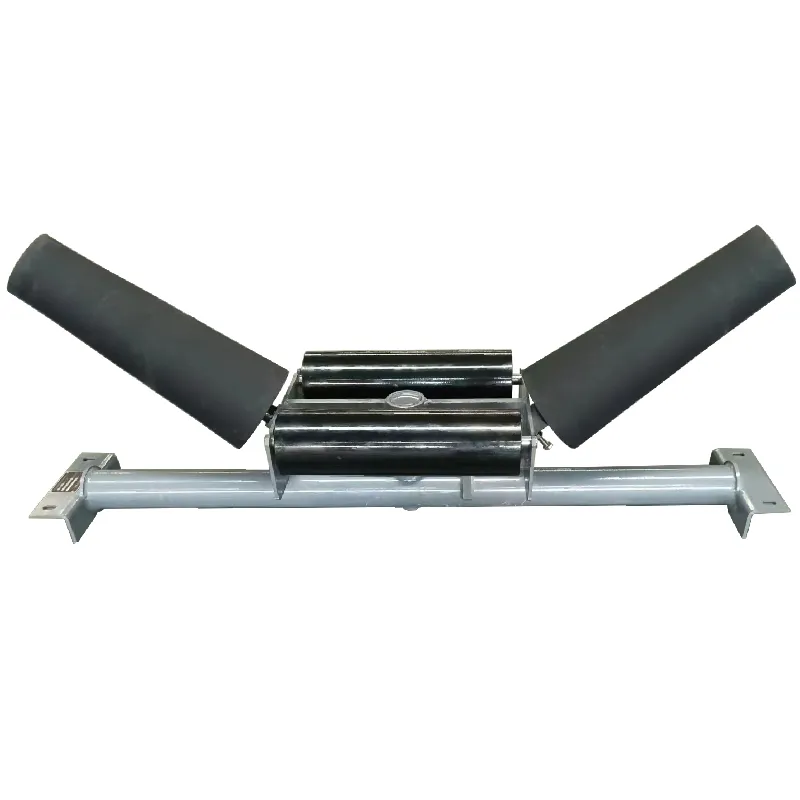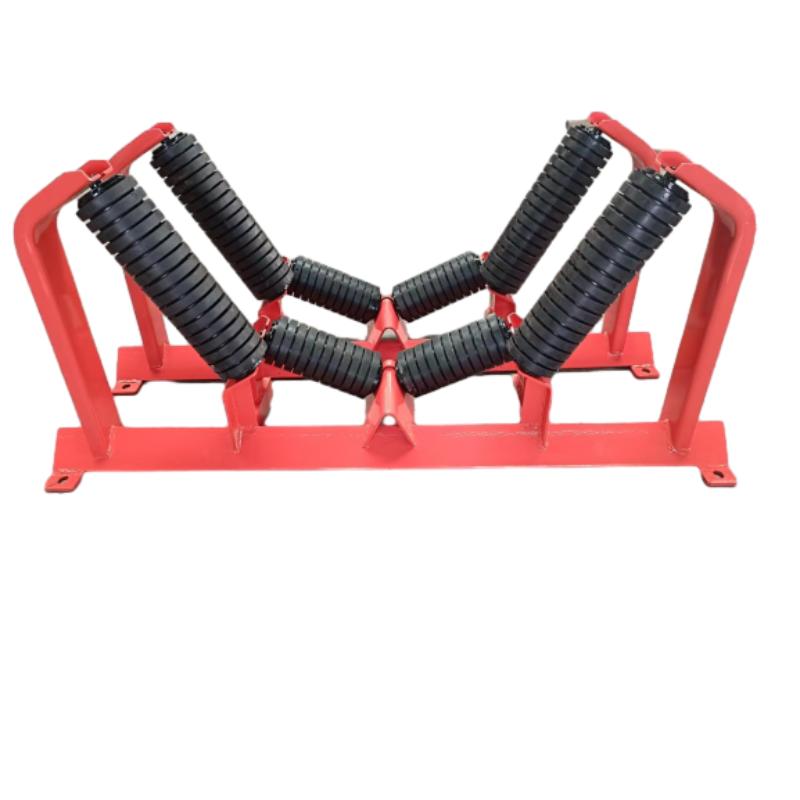


Bearing Housing for Idler Roller | Durable Conveyor Components
Bearing Housing for Idler Roller: What You Need to Know
Having spent over a decade in the industrial equipment sector, I can say that bearing housing for idler roller has been a quiet but essential hero in countless conveyor systems. It might sound a bit niche, but trust me, if you’ve ever dealt with belt conveyors or bulk material handling, you’ve indirectly encountered these components. Oddly enough, they aren’t always the star of the show — yet, their role is critical.
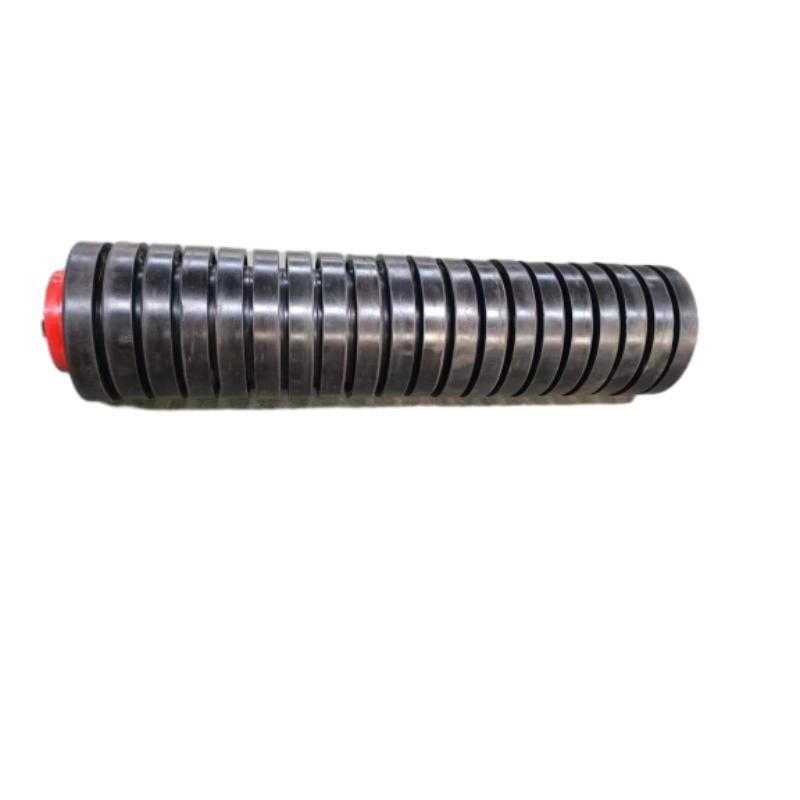
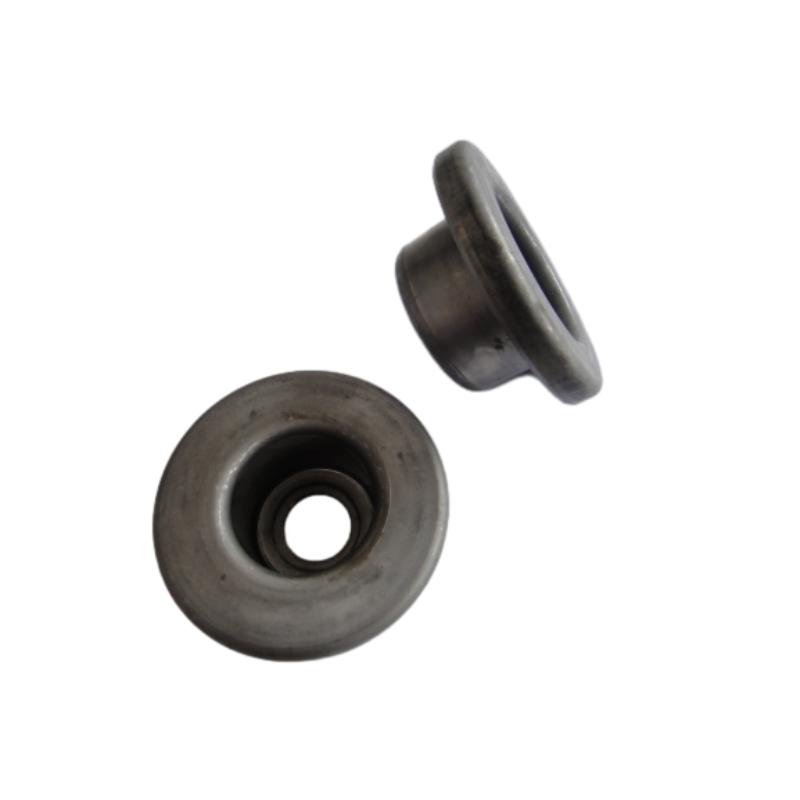
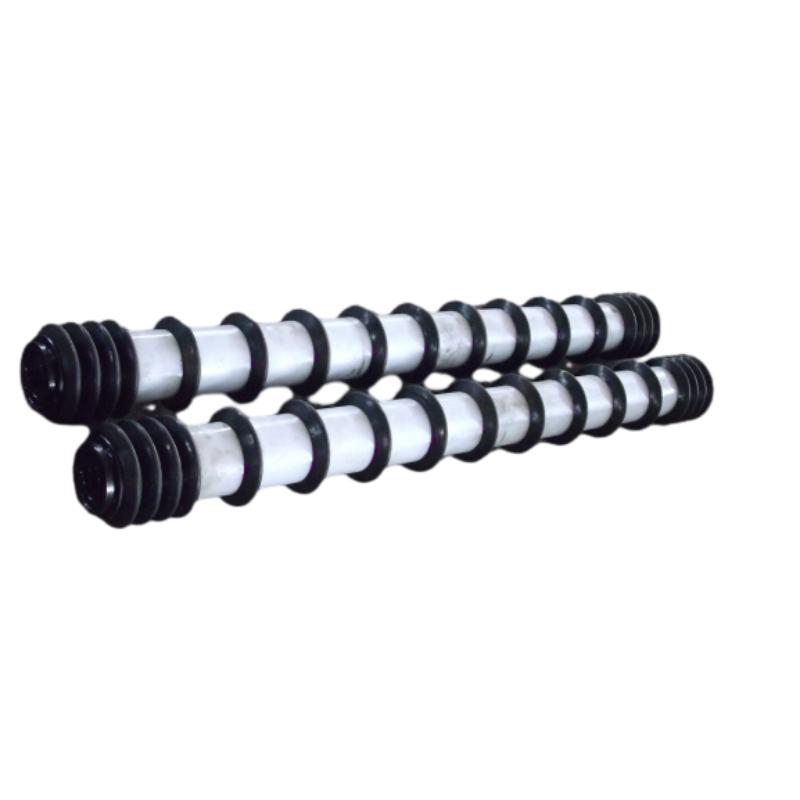
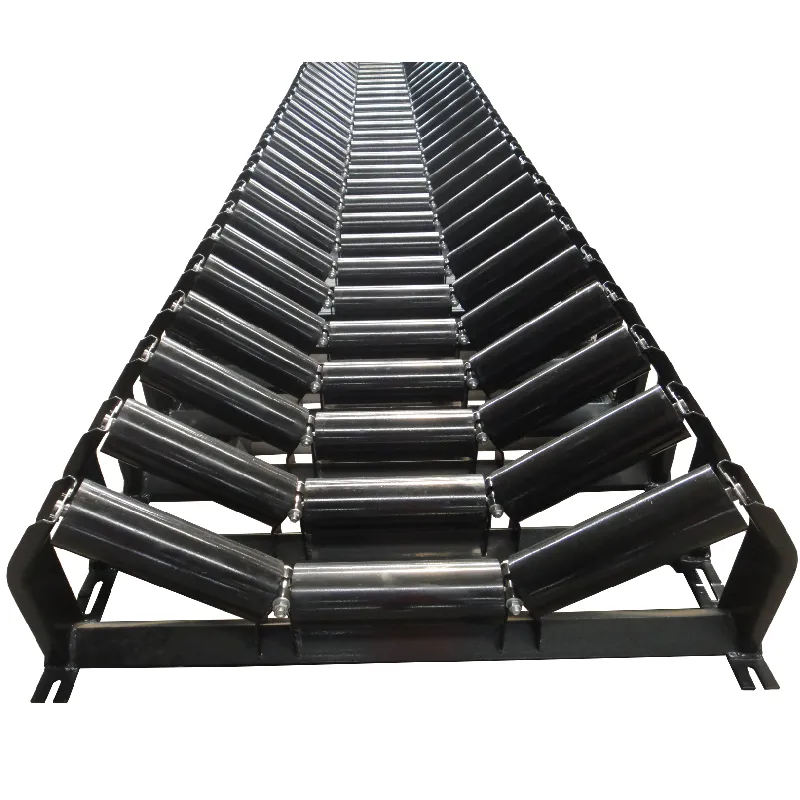
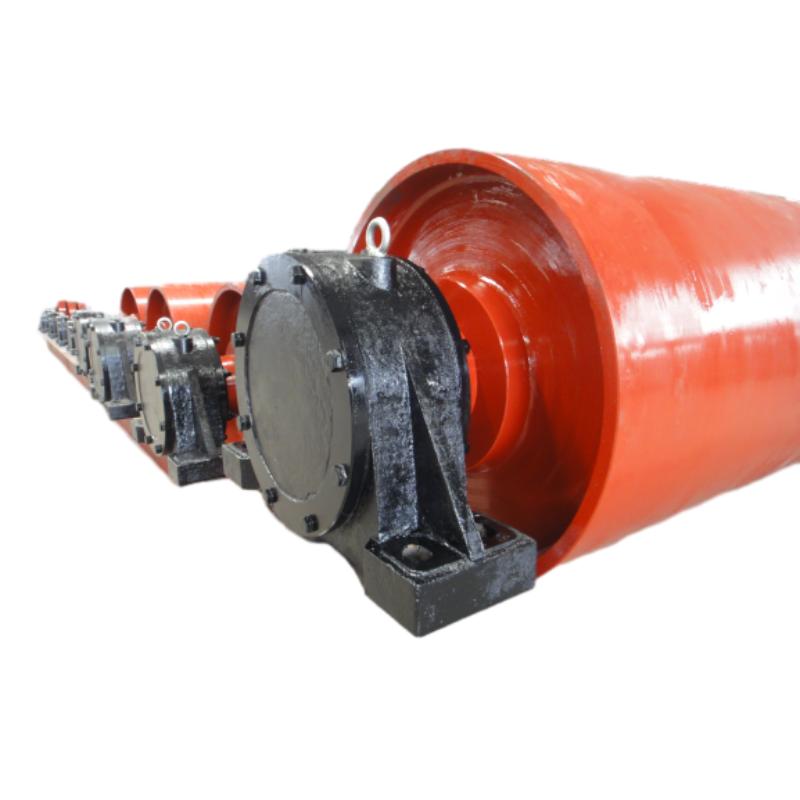
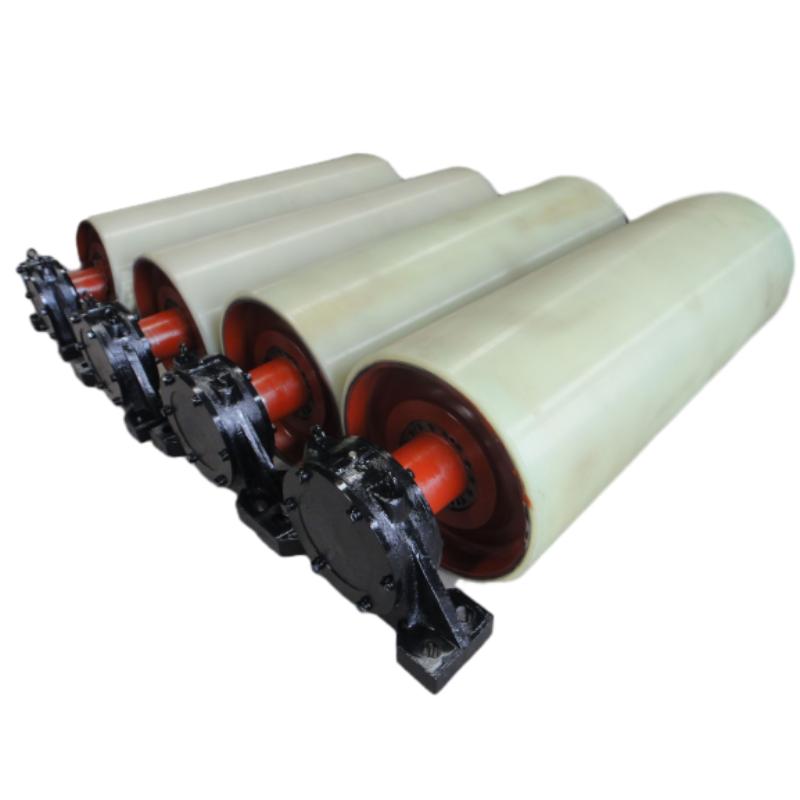
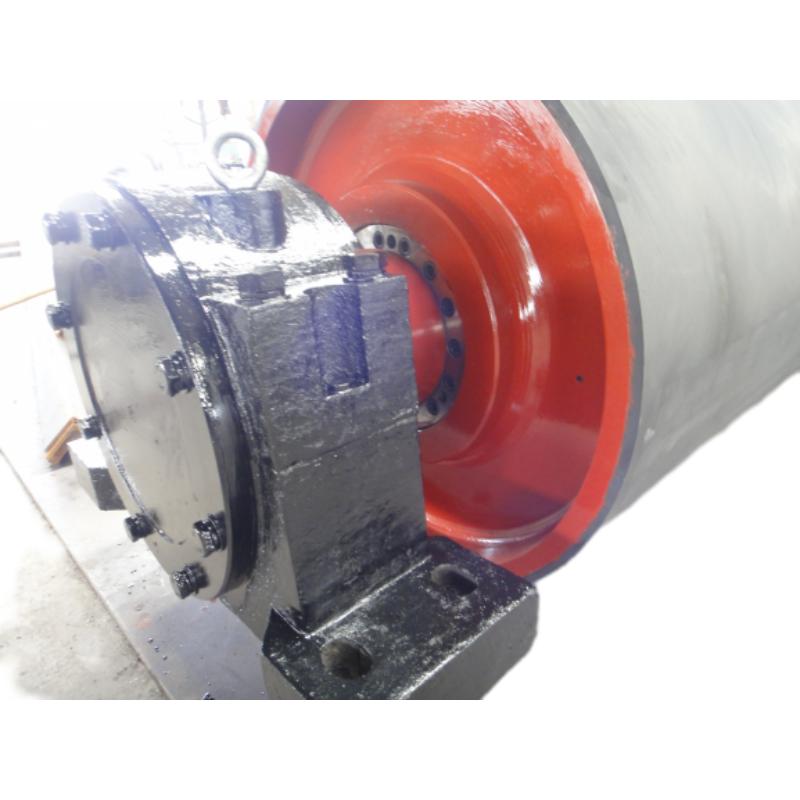
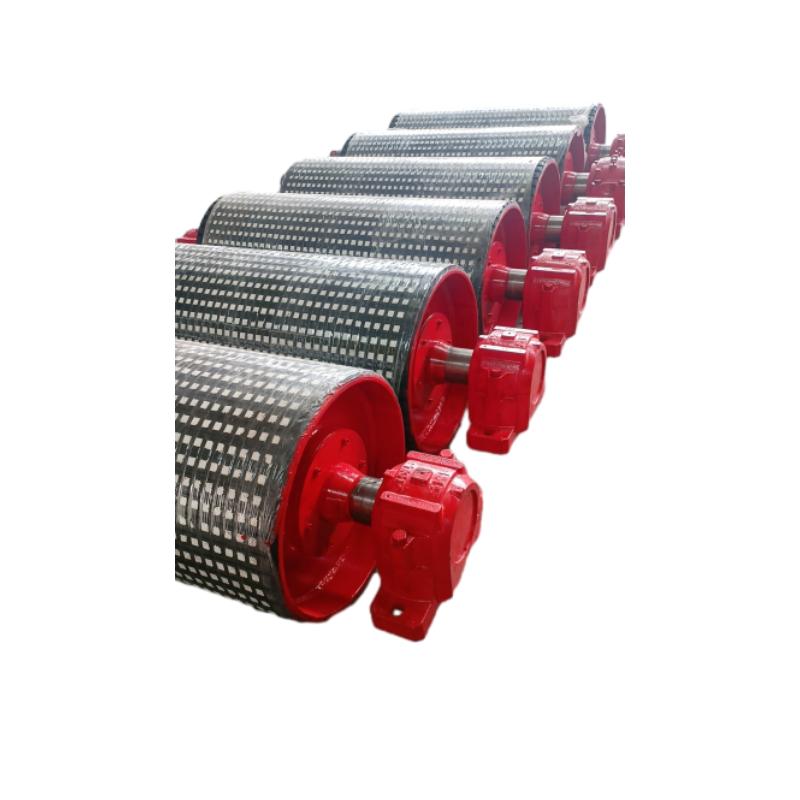
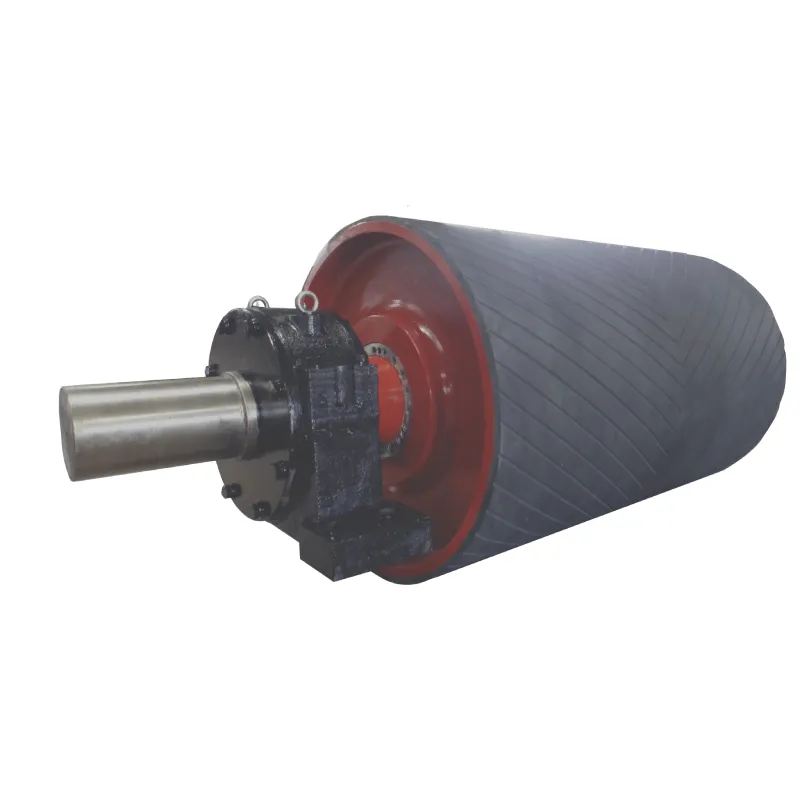
So why bear housing for idler rollers? Well, idler rollers support the conveyor belt, maintaining the belt’s shape and alignment under load. The bearing housing encapsulates the bearing to protect it from dust, debris, and contaminants — a harsh but routine environment in mining, cement factories, and port terminals. In real terms, the housing helps extend bearing life, minimizes downtime due to failure, and simplifies maintenance.
Over the years, I noticed engineers often say that the quality of the bearing housing correlates directly with conveyor longevity. You can have the best bearings inside, but if the housing lets in contaminants or can’t handle the operational stresses, failures pile up like dominoes. Today’s bearing housings typically feature corrosion-resistant cast iron or ductile iron, sometimes even stamped steel on lighter duty models. Materials choice is vital — a few cheap castings can end up costing you dearly down the line.
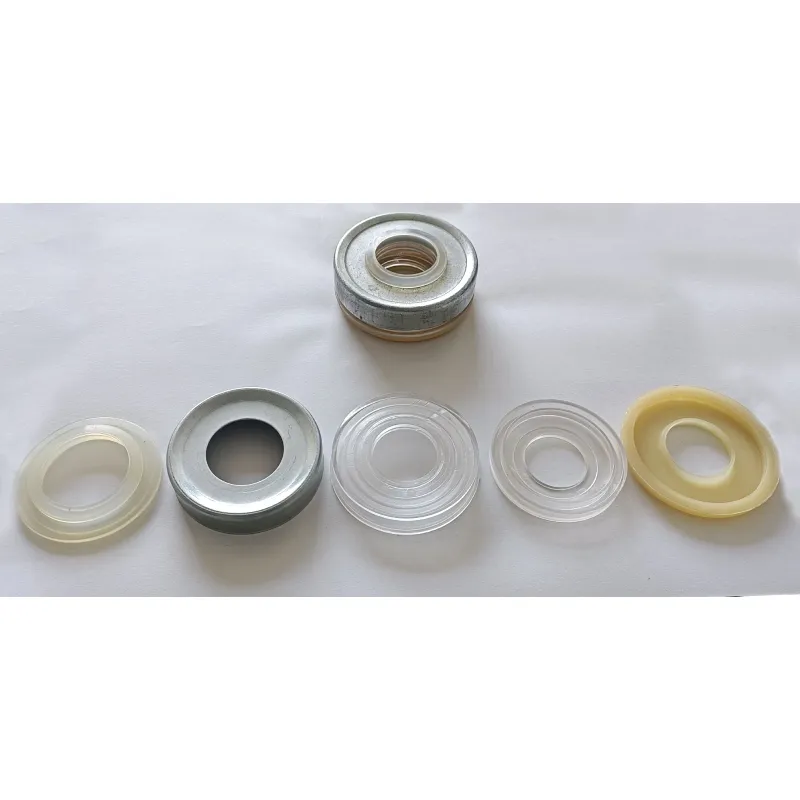
Manufacturers like Idler Aohua focus heavily on testing these housings under simulated harsh conditions. They test for shock resistance, tolerance to particle ingress, and temperature fluctuations—which I’ve always found reassuring. Beyond specs, it’s the customization options that caught my attention: different shaft diameters, seals tailored for abrasive environments, and even lubrication ports designed for automatic greasing systems.
Speaking of specs, here’s a quick rundown of typical bearing housing for idler roller specs. This gives a sense of the mechanical and design parameters engineers usually deal with:
| Feature | Specification |
|---|---|
| Material | Ductile Iron (ASTM A536), Cast Iron, or Steel |
| Shaft Diameter | 20 mm to 50 mm (custom sizes available) |
| Seal Type | Double-lip rubber seals, labyrinth seals |
| Lubrication | Grease filled; optional grease nipple for re-lubrication |
| Protection Rating | IP54 to IP65 depending on model |
| Weight | 1.5 to 6.0 kg (varies by size) |
Now, not all suppliers offer the same level of quality or service — from my experience, it pays to compare. Here’s a quick vendor comparison, focusing on what matters in industrial sites:
| Vendor | Material Quality | Customization Options | Delivery Speed | Customer Support |
|---|---|---|---|---|
| Idler Aohua | High | Extensive | Fast | Responsive |
| Generic Supplier A | Medium | Limited | Moderate | Basic |
| Wholesale Co. | Low | None | Slow | Minimal |
To put things in perspective, I recall one client in the bulk port industry who was battling frequent downtime — it turned out their idler roller bearing housings were poorly sealed, letting dust and moisture in. After switching to a better-quality housing with proven sealing and custom greasing points, their conveyor uptime noticeably improved. Maintenance got simpler, and surprise failures became rare. You could say the humble bearing housing helped them avoid costly stoppages.
In the grand scheme of conveyor system design and maintenance, the bearing housing for idler roller isn't glamorous, but it’s foundational. If you’re specifying or maintaining your systems, don’t overlook the specs, materials, and supplier capabilities. It’s a small investment for a huge return in reliability.
Before I forget, the industry is moving toward smarter solutions — bearing housings with condition-monitoring sensors integrated are creeping in. Honestly, it’s exciting to see traditional components evolve, blending rugged industrial design with digital intelligence. I suppose that’s how you keep things running smoothly in the 21st century.
If you want to explore more on this component, especially from a trusted source, check out bearing housing for idler roller. They’re among the names I respect for a reason.
Stay tuned for more insights from the industrial frontline — there's always something to learn when you get down to the nuts and bolts, literally.
— John, Industrial Equipment Specialist with 12+ years in conveyor solutions
Reflection & References
Sometimes the smallest parts can make the biggest difference. That’s the beauty in industrial design — an overlooked bearing housing can either keep an entire operation humming or bring it to a halt. I guess this is a reminder to pay attention to the details that don’t make the headlines.
References:
- Idler Aohua Product Literature and Testing Data, 2023
- “Bulk Material Handling — Best Practices,” Industrial Conveyor Magazine, 2022
- Conveyor Systems Maintenance Handbook, 2nd Edition, 2021
-
Maximize Conveyor Life with a High Performance impact bedNewsApr.16,2026
-
Maximize Conveyor Efficiency Using a v plow belt scraperNewsApr.09,2026
-
Comprehensive Guide to Understanding Different Types of Belt CleanersNewsApr.07,2026
-
Enhancing Conveyor Efficiency with an Effective Scraper Belt CleanerNewsApr.04,2026
-
Optimizing Conveyor Systems with Advanced Cleaning Equipment SolutionsNewsMar.31,2026
-
Effective Conveyor Belt Scraper Adjustment for Optimal System PerformanceNewsMar.28,2026