

Quality Bearing Housing for Industrial Equipment | Idler Aohua
Understanding bearing housing: The unsung hero of industrial equipment
If you’ve ever spent time near heavy industrial machinery, you might have noticed the bulky metal parts holding the rotating shafts in place. Those are bearing housings — and frankly, they’re one of those components that doesn’t get the attention it deserves. I’ve worked in the industrial equipment sector for years, and one thing I’ve learned is that a good bearing housing can be the difference between smooth operation and constant downtime.
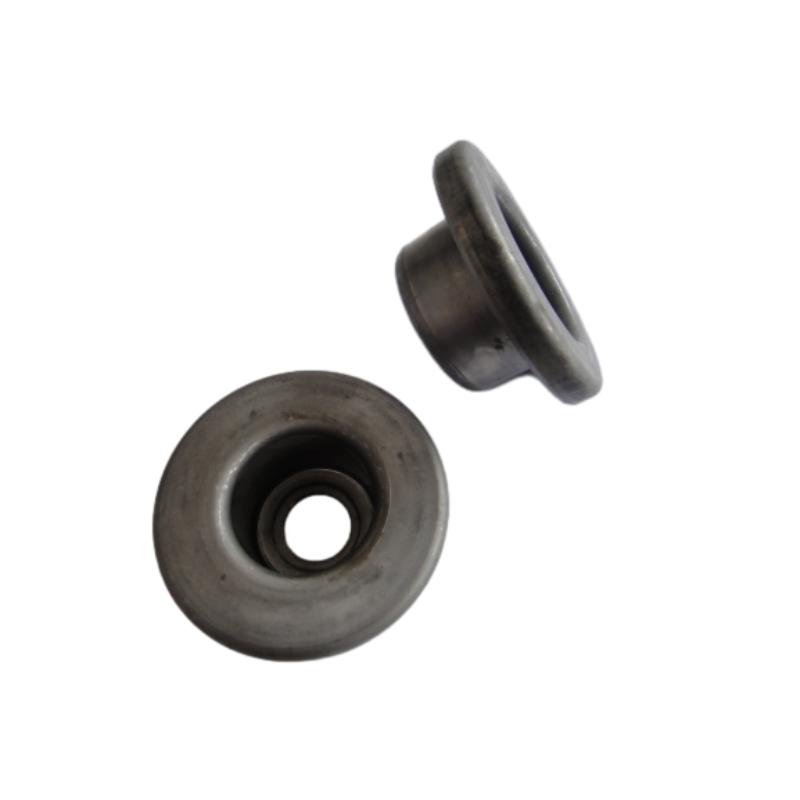
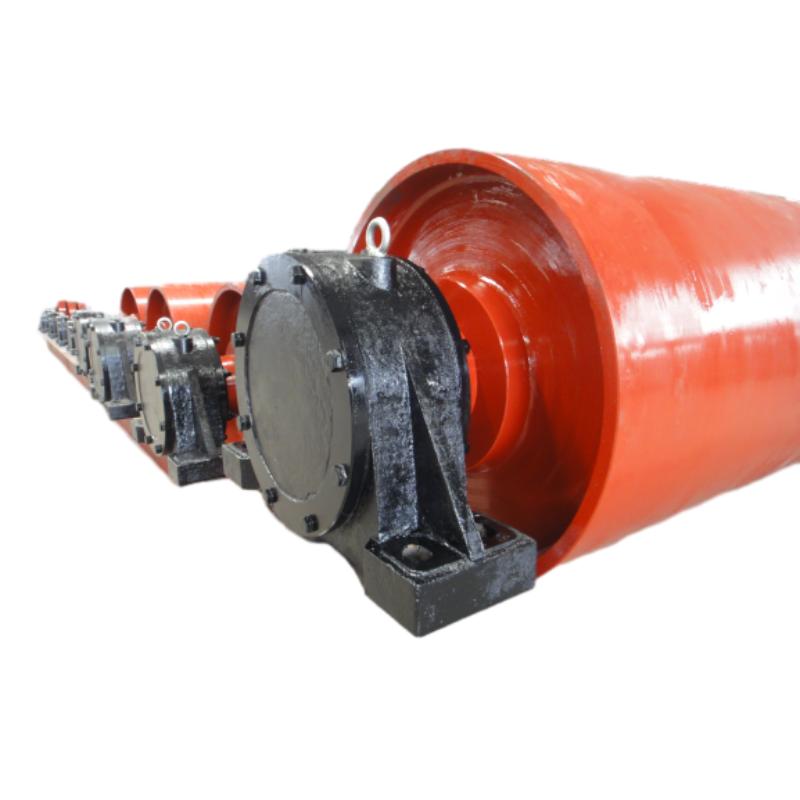
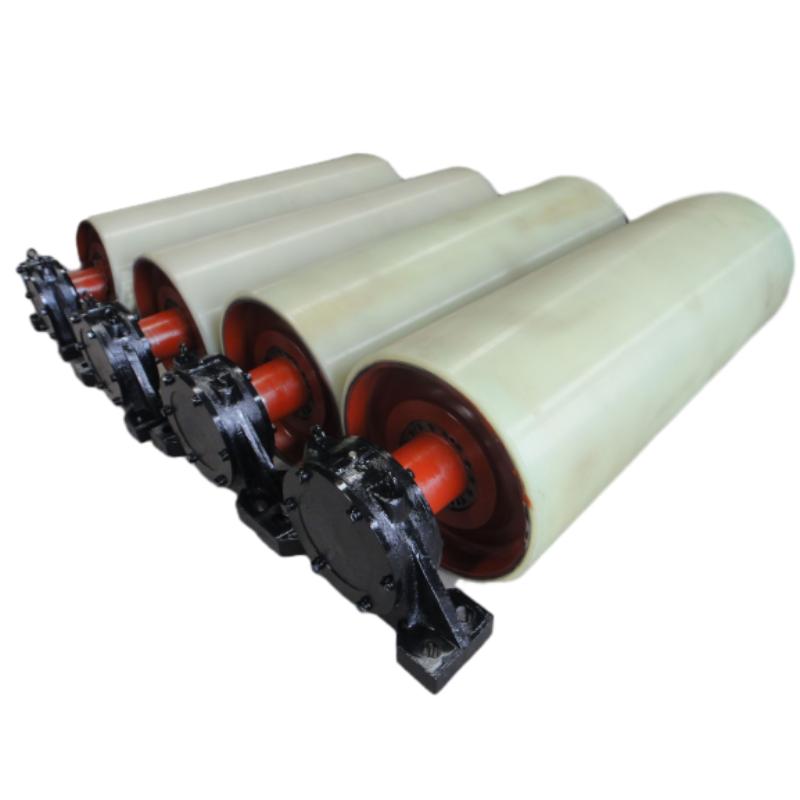
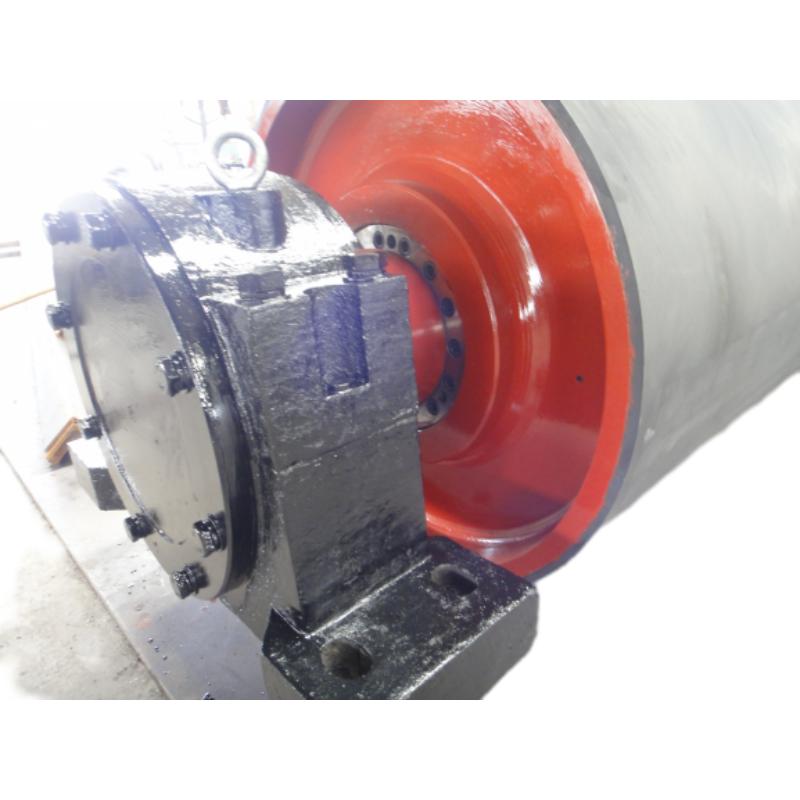
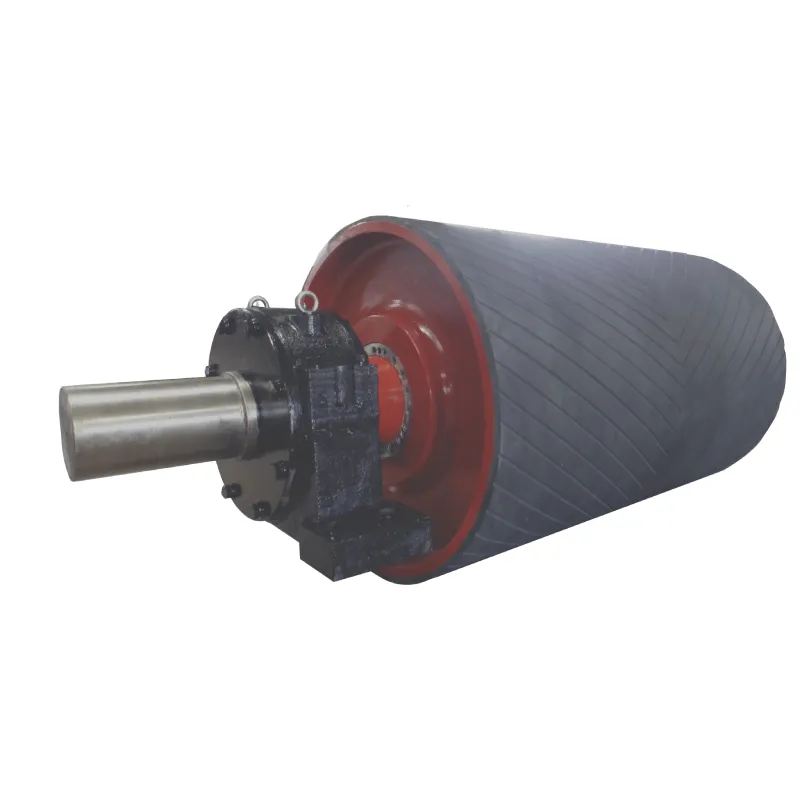
So what exactly is a bearing housing? In simple terms, it’s the structure that supports and protects the bearing, keeping it aligned and secure within the machinery. Without it, the bearings could easily shift, wear prematurely, or even fail catastrophically. Oddly enough, despite their simple appearance, bearing housings have quite a bit of engineering finesse behind them.
Materials and design matter a lot here. Most bearing housings are made from cast iron or steel — chosen because they offer the strength and rigidity machines demand while resisting wear over long hours of operation. Sometimes, for more specialized applications, manufacturers might use stainless steel or even engineered polymers. This is particularly important when you’re dealing with environments that are corrosive or exposed to extreme temperatures.
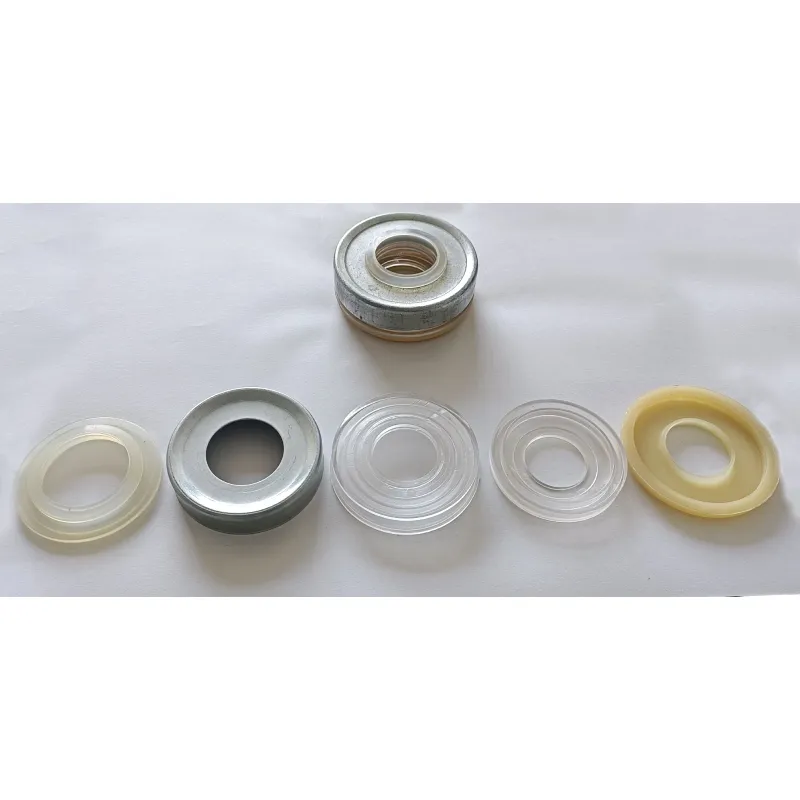
One thing many engineers mention (and I’ve seen firsthand) is that the design has to allow for easy mounting and maintenance. From experience, a well-designed bearing housing includes provisions for lubrication — grease or oil — and often seals to keep contaminants out. This is crucial because contamination is the enemy of bearing life.
Now, in terms of industry trends — manufacturers increasingly offer customized bearing housings. You can get ones tailored to specific shaft sizes, load ratings, or environmental conditions. It’s a small investment for a significant boost in reliability. I remember a case where a mining operation switched from generic housings to custom-engineered ones, and they reported a 30% reduction in unplanned downtime over six months. That kind of impact can’t be ignored.
Testing and quality assurance are also essential. High-quality bearing housings undergo rigorous stress tests and dimensional inspections. I suppose you could say it’s boring work, but when the stakes involve multi-million-dollar equipment, you need absolute confidence in every part.
Bearing Housing Product Specifications
| Specification | Typical Range/Feature |
|---|---|
| Material | Cast Iron, Steel, Stainless Steel, Polymer composites |
| Operating Temperature | -40°C to +150°C (varies by material) |
| Load Capacity | Up to 100 kN (depending on size/design) |
| Shaft Diameter Range | 20 mm to 200 mm (custom sizes available) |
| Lubrication | Grease or oil, some sealed for life |
| Protection | Dust seals, labyrinth seals, or shield guards |
Comparing Leading Bearing Housing Vendors
| Vendor | Material Options | Customization | Typical Lead Time | Price Range |
|---|---|---|---|---|
| Idler Aohua | Cast iron, steel, stainless steel | High - tailored designs available | 2-4 weeks | $$$ |
| Vendor B | Cast iron, polymer composites | Medium - limited customization | 3-5 weeks | $$ |
| Vendor C | Steel only | Low - standard catalog items | 1-3 weeks | $ |
In real terms, if you’re spec’ing out housing for new equipment or maintenance, keep in mind that sacrificing quality to save money upfront rarely pays off long-term. The idler bearing housing solutions from Idler Aohua, for example, have consistently impressed me with their build quality and attention to detail. Of course, every project is unique – so always weigh your options carefully.
Ultimately, a bearing housing might seem like just a piece of metal, but it plays a vital role in the machinery ecosystem. You could say it’s the quiet guardian of your equipment’s health — and that makes it worth your attention.
Takeaway: Investing in quality bearing housings is a small price for peace of mind and machine reliability.
References:
1. “Bearing Housing Design and Application,” Machinery Lubrication, 2021.
2. “Materials for Industrial Bearing Housings,” Industrial Metals Review, 2022.
3. Personal experience with equipment specification and maintenance (2012-2024).
-
Maximize Conveyor Life with a High Performance impact bedNewsApr.16,2026
-
Maximize Conveyor Efficiency Using a v plow belt scraperNewsApr.09,2026
-
Comprehensive Guide to Understanding Different Types of Belt CleanersNewsApr.07,2026
-
Enhancing Conveyor Efficiency with an Effective Scraper Belt CleanerNewsApr.04,2026
-
Optimizing Conveyor Systems with Advanced Cleaning Equipment SolutionsNewsMar.31,2026
-
Effective Conveyor Belt Scraper Adjustment for Optimal System PerformanceNewsMar.28,2026