

Reliable tr seal insights from an industrial equipment expert
Understanding the tr seal: A Veteran’s Take
Having spent over a decade in the industrial equipment world, I've grown to appreciate just how small components can make a big difference. The tr seal is an excellent example. It might sound mundane to the uninitiated, but in real terms, it's the unsung hero when it comes to preventing leaks and maintaining system integrity.
To be frank, not all seals are created equal. The design and material choice for a tr seal are critical, especially in harsh environments that gear and machinery often operate within. I recall once working on a project involving heavy rotary equipment where a failing seal cost us weeks of downtime—those kinds of lessons stick with you.
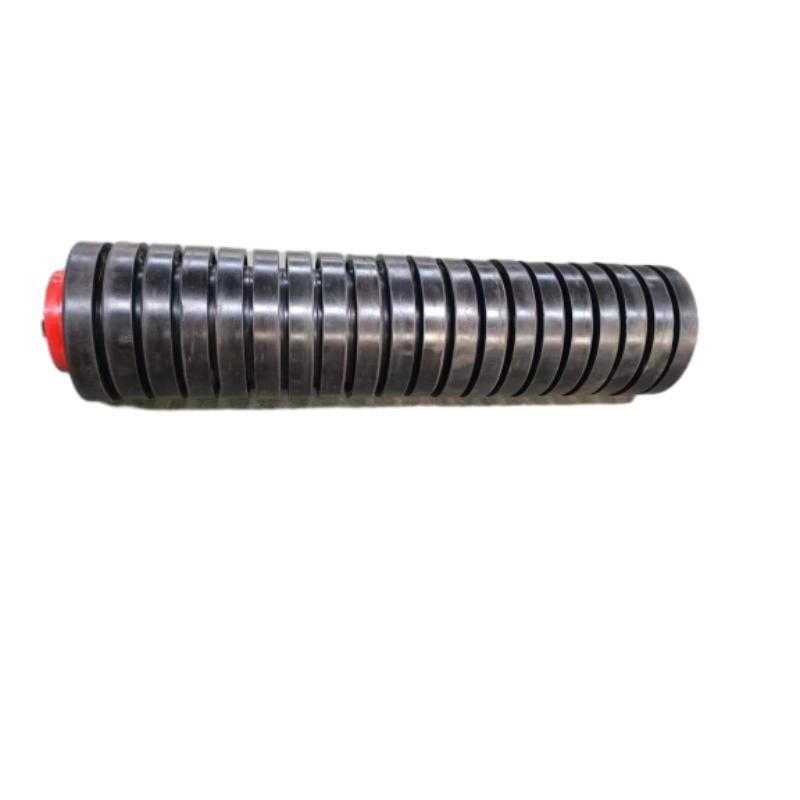
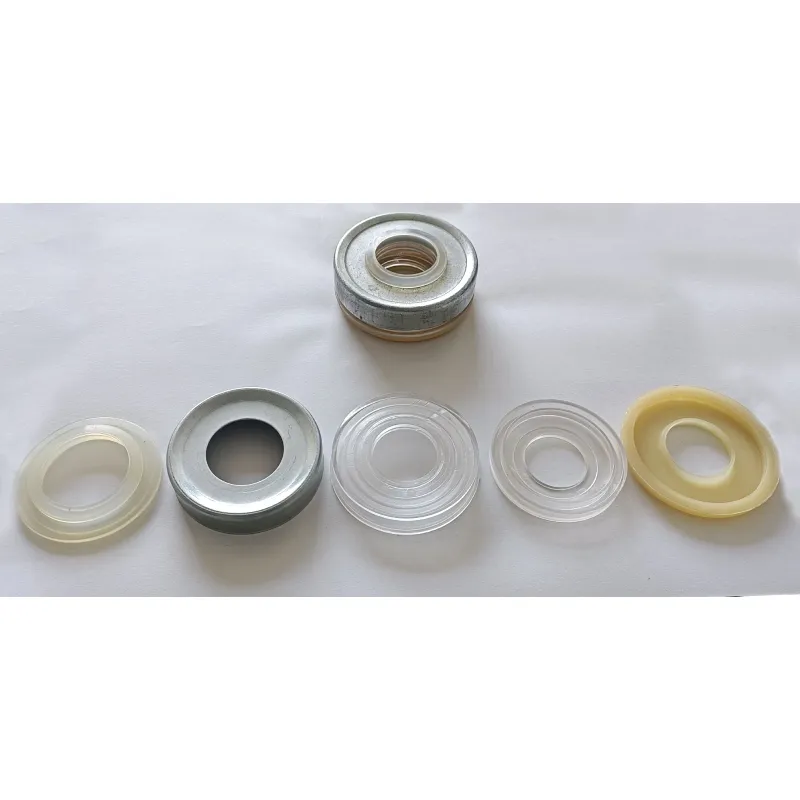
One trend I’ve noticed recently is the move toward more specialized compounds and multi-layer designs. Manufacturers like IdlerAohua (you can check their offerings here) have been pushing seals that can handle wider temperature ranges and resist aggressive fluids—something the industry badly needed.
What makes a tr seal stand out?
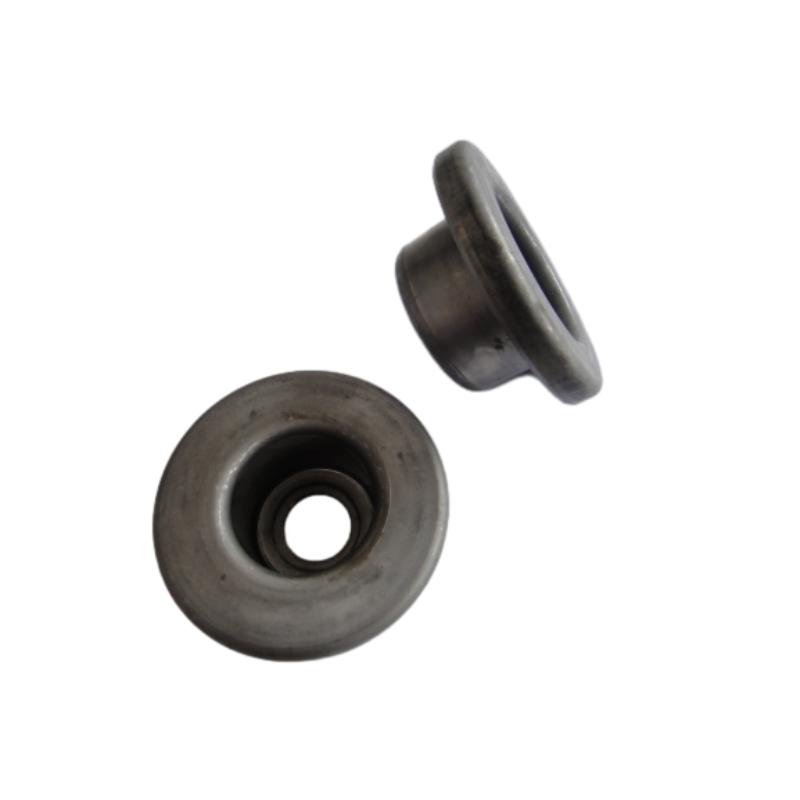
Well, it’s partly the geometry. The “tr” in tr seal often refers to the lip configuration that creates a reliable barrier against fluids while maintaining low friction. Materials vary—usually high-grade nitrile, Viton, or polyurethane—each with particular strengths. The testing these seals go through ensures they don’t crack or deform under pressure or heat.
When installing a tr seal, the surface finish of the shaft is also crucial. Oddly enough, even the slightest imperfections can lead to premature wear or leakage. Many engineers I’ve spoken with stress the importance of matching seal tolerance to application specifics rather than just grabbing stock parts.
Customization is another key point. Off-the-shelf seals might work fine for some, but tailored designs can extend equipment life considerably. I’ve seen customers benefit from seals with reinforced springs or special coatings, depending on the application environment.
| Parameter | Value | Notes |
|---|---|---|
| Material | Nitrile (NBR), Viton, Polyurethane | Selected based on chemical exposure and temperature |
| Temperature Range | -40°C to 150°C (varies by material) | High thermal stability preferred |
| Pressure Rating | Up to 0.5 MPa | Depends on seal dimension and shape |
| Shaft Diameter Range | 10mm to 500mm+ | Versatile for many applications |
| Typical Applications | Rotary shafts, pumps, gearboxes | Industrial machinery sectors |
Choosing the Right Vendor: A Comparison
Choosing from among suppliers can be tricky—trust me, I’ve been there. You want reliability but also good technical support, and frankly, pricing can’t be ignored either. Here's a quick comparison of three notable vendors:
| Vendor | Material Options | Customization | Technical Support | Typical Lead Time | Price Range |
|---|---|---|---|---|---|
| IdlerAohua | NBR, Viton, PU | High - tailored solutions | Excellent, engineering team available | 2-3 weeks | Mid-range |
| SealTech Corp | Mostly NBR, fewer specialty materials | Limited customization | Good, but limited engineering support | 1-2 weeks | Budget-friendly |
| GlobalSeal Inc. | Wide range incl. specialty elastomers | Moderate customization | Average, mostly sales-focused | 3-4 weeks | Higher-end |
In one project, we switched from a generic seal vendor to IdlerAohua after repeated failure in a high-speed rotary compressor. The difference was clear: reduced leakage, less maintenance, and frankly, a peace of mind that you just can’t put a price on. If you’re looking for a reliable tr seal supplier, that combination of product quality and service makes all the difference.
So yeah, for anyone out there dealing with sealing challenges, I’d say pay attention. Seals might be small, but they’re mighty in impact.
Final thought: In the industrial world, things often fail in the smallest places. Investing time in the right tr seal can save you big headaches down the road.
References:
1. Industry Seal Handbook, 5th Ed., 2020
2. Manufacturer Technical Datasheets – IdlerAohua, 2023
3. Personal Industrial Equipment Maintenance Logs (2010-2023)
-
Maximize Conveyor Life with a High Performance impact bedNewsApr.16,2026
-
Maximize Conveyor Efficiency Using a v plow belt scraperNewsApr.09,2026
-
Comprehensive Guide to Understanding Different Types of Belt CleanersNewsApr.07,2026
-
Enhancing Conveyor Efficiency with an Effective Scraper Belt CleanerNewsApr.04,2026
-
Optimizing Conveyor Systems with Advanced Cleaning Equipment SolutionsNewsMar.31,2026
-
Effective Conveyor Belt Scraper Adjustment for Optimal System PerformanceNewsMar.28,2026