

Optimizing Conveyor Performance with Effective Wing Pulley Lagging Solutions
Understanding Wing Pulley Lagging for Enhanced Performance
In the realm of material handling and conveyor systems, maintaining optimal efficiency and preventing damage to components is crucial. Wing pulley lagging plays a vital role in achieving these goals. This article will delve into the purpose, benefits, types, and selection criteria for wing pulley lagging, offering a comprehensive guide for industries relying on conveyor technology. Protecting your investment and maximizing uptime starts with understanding the importance of proper lagging.
What is Wing Pulley Lagging and Why is it Important?
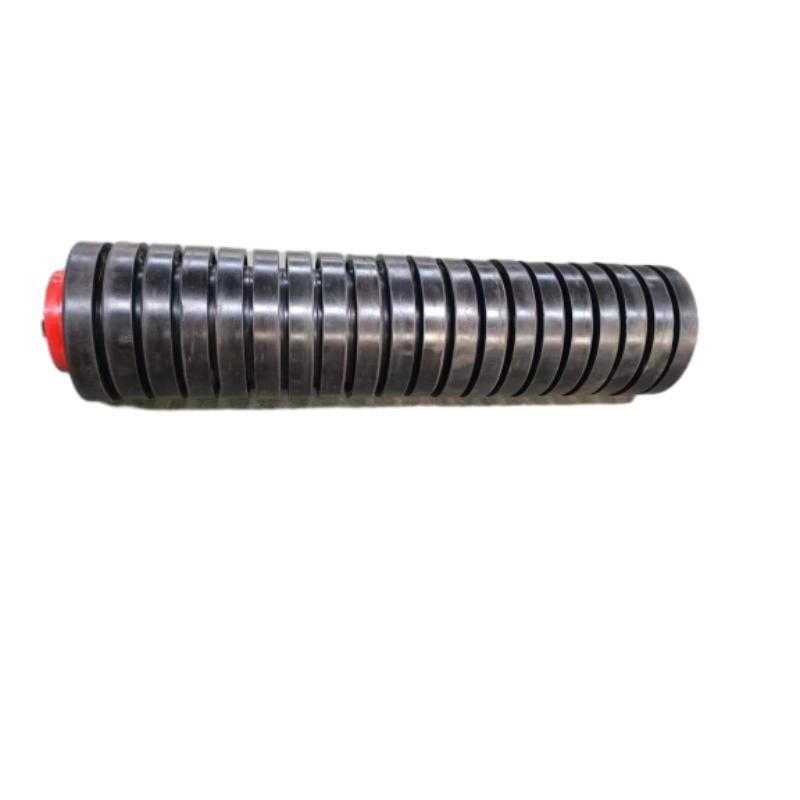
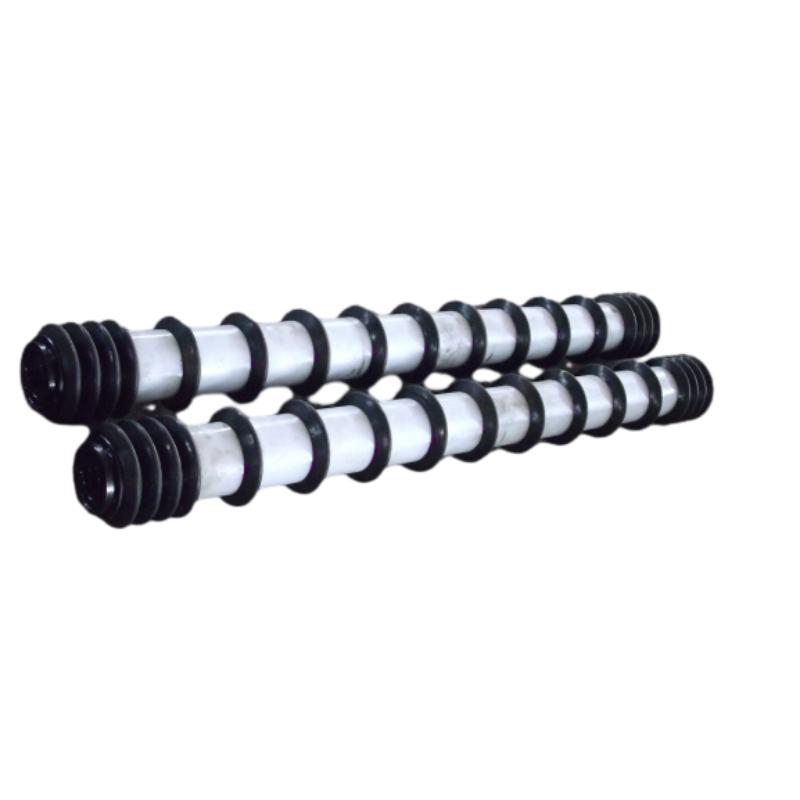
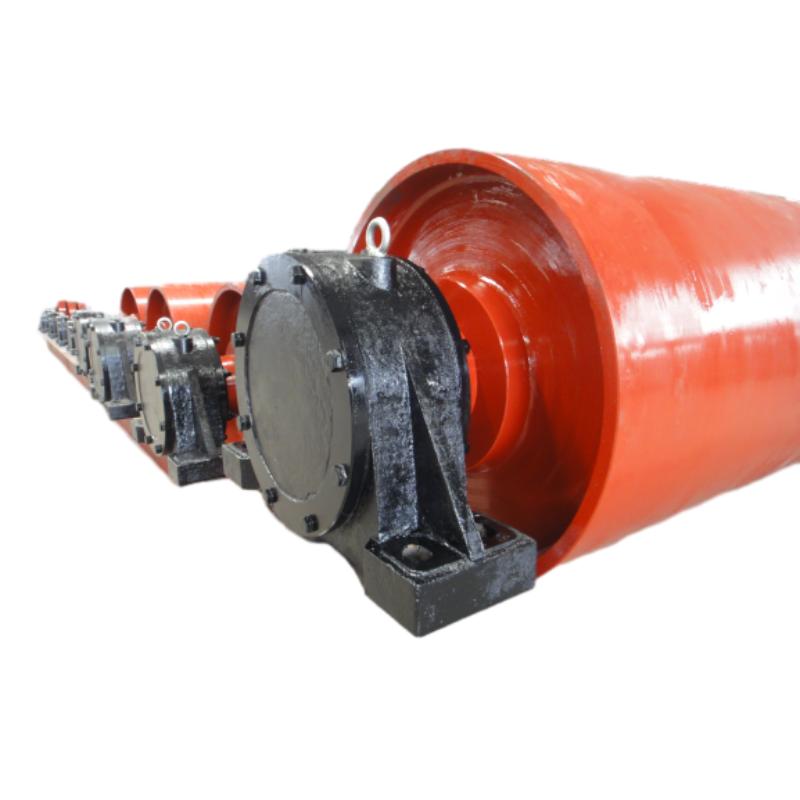
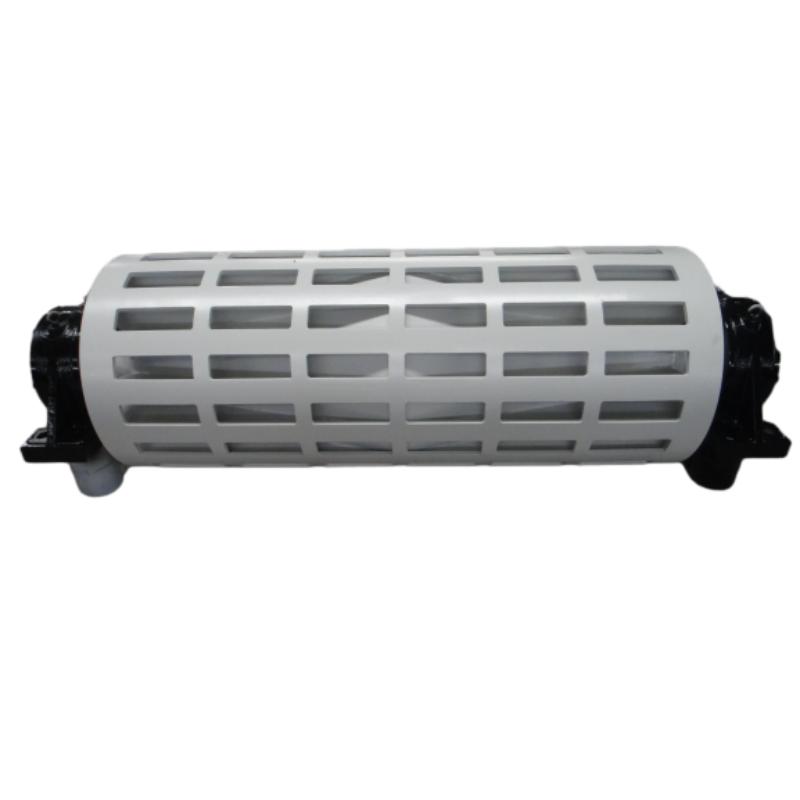
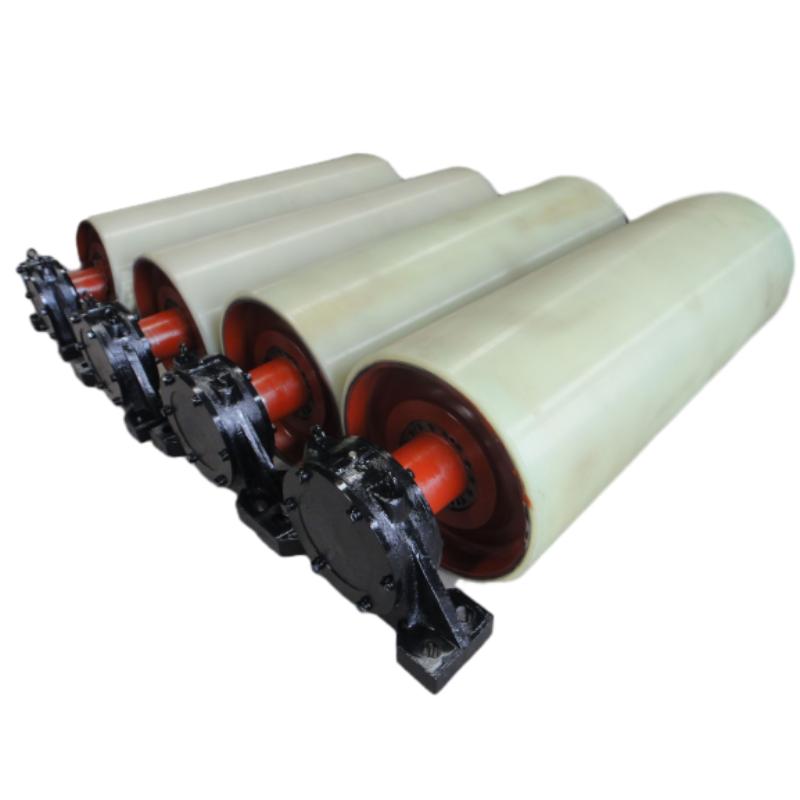
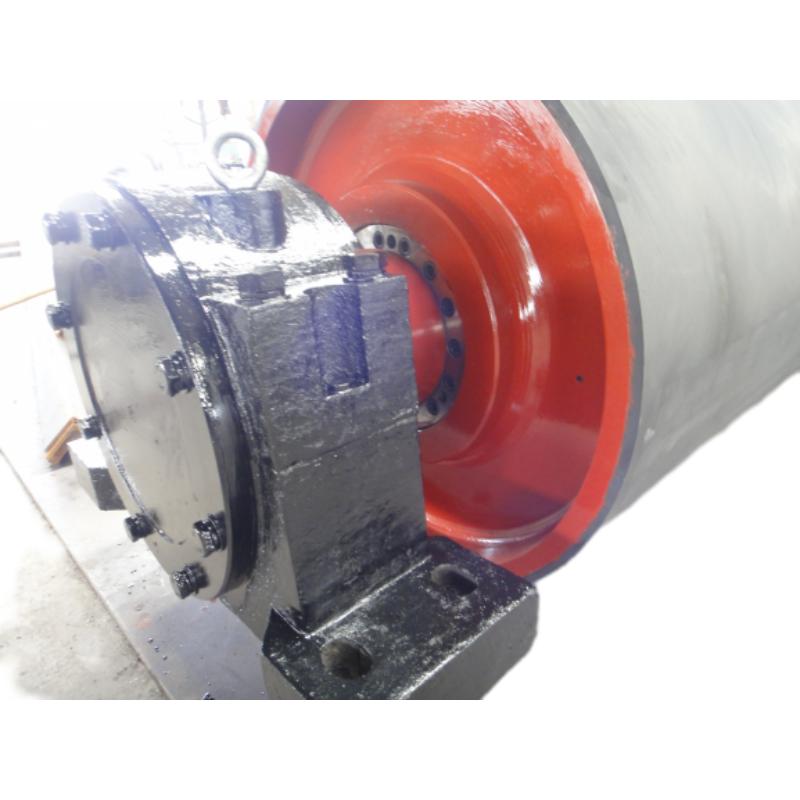
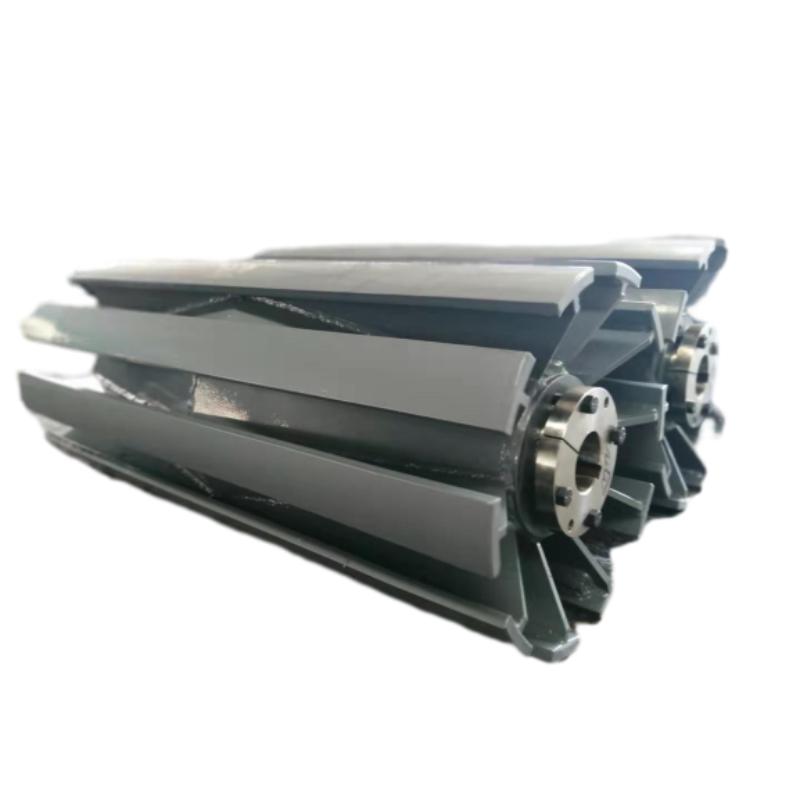
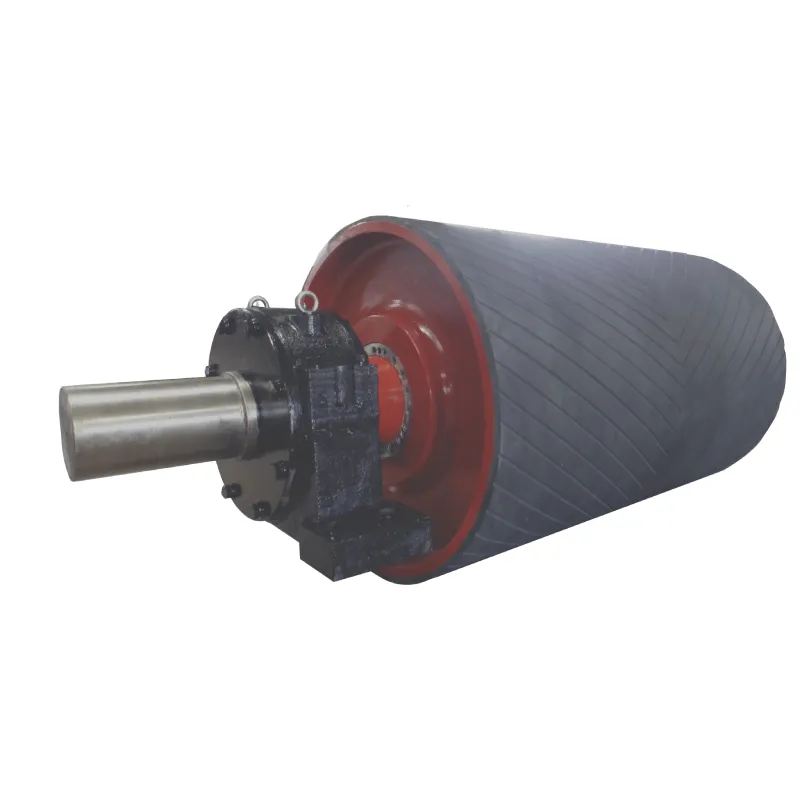
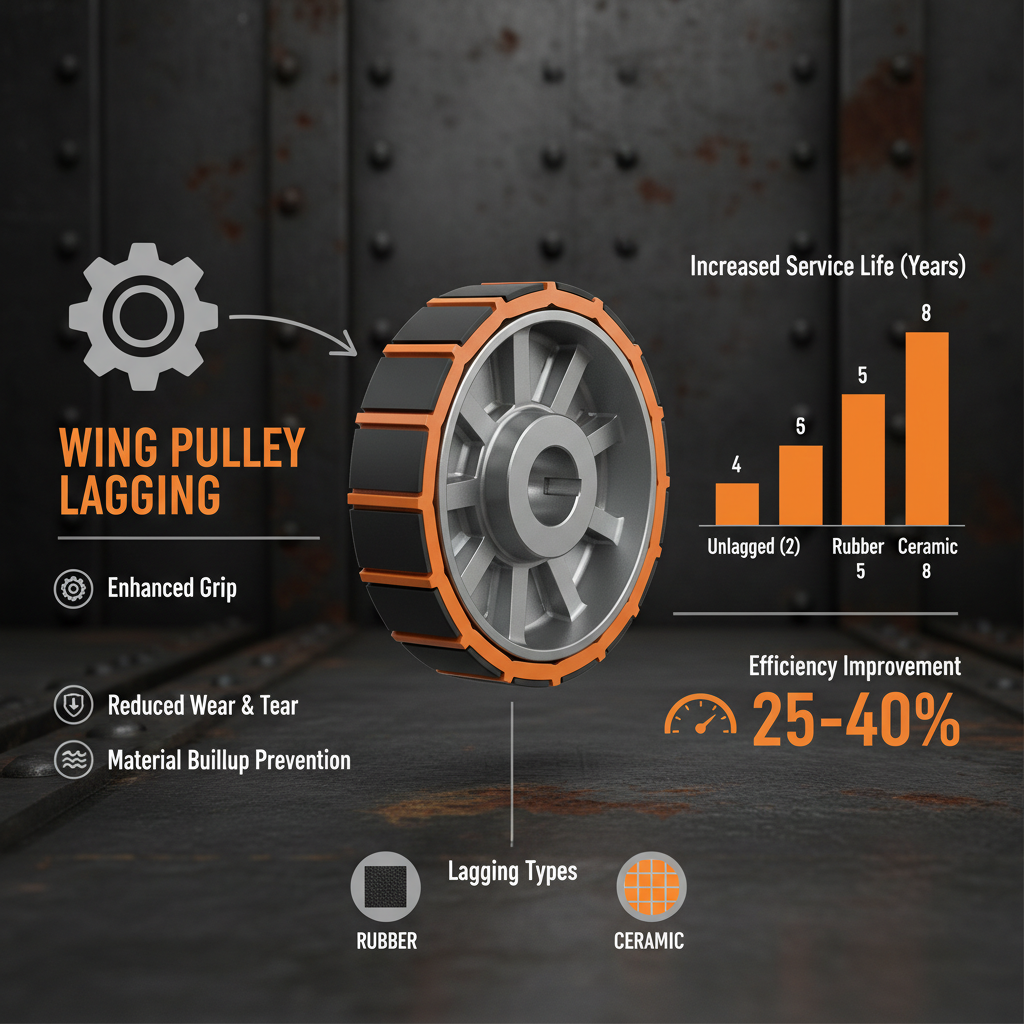
Wing pulley lagging refers to the application of a resilient material – typically rubber or polyurethane – to the surface of a wing pulley. Wing pulleys are used in conveyor systems to center and support the belt, preventing it from wandering and minimizing edge wear. The lagging provides a high coefficient of friction between the pulley and the belt, improving traction and reducing slippage. This is particularly important in systems handling wet, dusty, or sticky materials. Effective wing pulley lagging extends belt life, reduces energy consumption, and minimizes downtime due to belt misalignment.
Key Benefits: Improved belt tracking, reduced belt wear, increased friction, minimized slippage, and extended component lifespan.
Types of Wing Pulley Lagging Materials
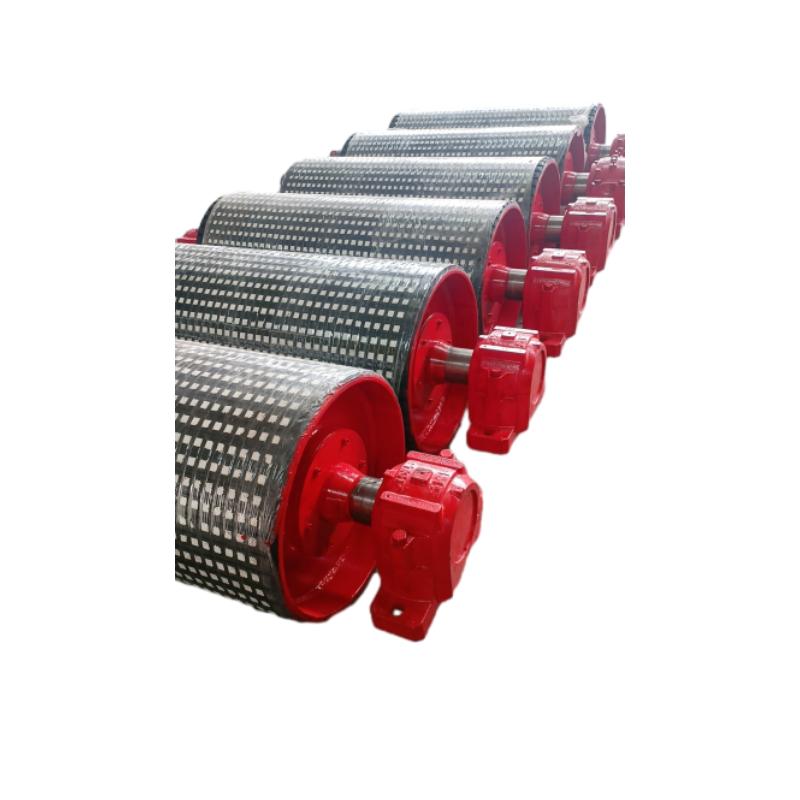
Several materials are commonly used for wing pulley lagging, each offering distinct properties and suitability for specific applications. Rubber lagging, often made from natural or synthetic rubber compounds, provides excellent abrasion resistance and high friction. Polyurethane lagging offers superior resistance to oil, chemicals, and high temperatures, making it ideal for demanding environments. Ceramic lagging, while more expensive, delivers exceptional durability and longevity, particularly in abrasive applications. The choice of material depends on the material being conveyed, operating temperatures, and the desired lifespan of the lagging.
Lagging Material Comparison:
• Rubber: Excellent abrasion resistance, high friction, cost-effective.
• Polyurethane: Superior chemical and oil resistance, high-temperature stability.
• Ceramic: Exceptional durability, long lifespan, ideal for abrasive materials.
Selecting the Right Wing Pulley Lagging
Choosing the correct wing pulley lagging is critical for optimal performance. Consider the following factors: material being conveyed (abrasive, sticky, wet, etc.), operating temperature, conveyor speed, and expected lifespan. For aggressive materials, ceramic lagging may be the best choice, despite the higher initial cost. For applications involving oils or chemicals, polyurethane is preferred. Correct lagging thickness is also important; thicker lagging generally offers longer life but can also increase pulley diameter. Consulting with a specialized supplier, like IDLERA Ouhua, can ensure the proper lagging selection for your specific needs.
Installation and Maintenance of Wing Pulley Lagging
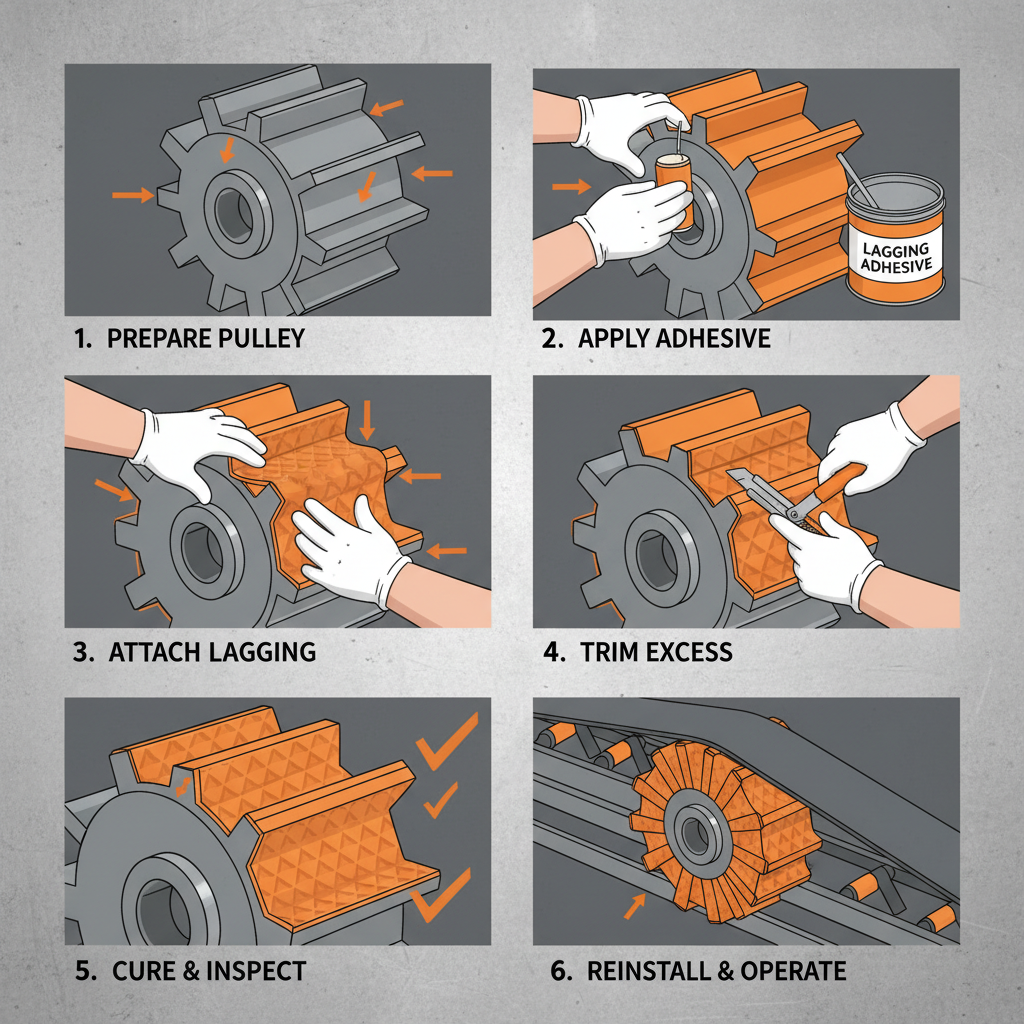
Proper installation is vital for ensuring the lagging performs effectively. The pulley surface should be clean and free of debris before applying the lagging. Adhesives specifically designed for pulley lagging should be used, and the lagging should be applied evenly and without air pockets. Regular inspection is also crucial. Check for signs of wear, damage, or detachment. Replace the lagging when it becomes significantly worn or damaged to prevent belt slippage and potential system failures. IDLERA Ouhua offers professional installation and maintenance services to ensure optimal performance.
The Future of Wing Pulley Lagging
Innovation in wing pulley lagging continues, with advancements in material science and adhesive technologies. New formulations offer improved abrasion resistance, higher friction coefficients, and extended lifespans. The integration of smart sensors into the lagging is also emerging, allowing for real-time monitoring of wear and tear, enabling proactive maintenance and preventing unexpected downtime. Staying abreast of these advancements will be key to optimizing conveyor system performance and reducing operating costs.
Conclusion: Investing in Quality Wing Pulley Lagging
Investing in high-quality wing pulley lagging from a trusted supplier like IDLERA Ouhua is a crucial step towards optimizing your conveyor system's performance and minimizing downtime. By carefully considering your specific application requirements and selecting the appropriate lagging material, you can significantly extend belt life, reduce energy consumption, and improve overall operational efficiency. Don't compromise on quality – choose IDLERA Ouhua for reliable and effective solutions.
Frequently Asked Questions (FAQs)
What is the typical lifespan of wing pulley lagging?
The lifespan of wing pulley lagging varies greatly depending on the materials used, the type of material being conveyed, and the operating conditions. Generally, rubber lagging lasts between 6-18 months, polyurethane between 12-24 months, and ceramic lagging can last 3-5 years or longer. Regular inspections and timely replacements are crucial to prevent belt slippage and damage. Consider factors like abrasion, temperature extremes, and chemical exposure when estimating the lifespan in your specific application.
How do I know when to replace my wing pulley lagging?
Signs that indicate it's time to replace your wing pulley lagging include visible cracking, tearing, or chunking of the material. If you notice belt slippage, even with proper tensioning, the lagging is likely worn. Reduced friction and an increase in noise can also be indicators. Regularly scheduled inspections, at least every 3-6 months, are recommended to identify potential issues early on. Prompt replacement will prevent further damage to the belt and reduce downtime.
Can wing pulley lagging be repaired, or does it need to be replaced?
In most cases, wing pulley lagging cannot be reliably repaired. Minor surface damage might be patched, but this is typically a temporary solution. Significant cracking, tearing, or detachment requires full replacement. Attempting to repair severely damaged lagging can compromise its structural integrity and lead to premature failure, potentially causing further damage to the conveyor system. It's generally more cost-effective and safer to replace the lagging entirely.
What are the benefits of using a professional lagging service?
A professional lagging service, such as those offered by IDLERA Ouhua, ensures proper installation, material selection, and quality control. They have the expertise and tools to prepare the pulley surface correctly, apply the lagging evenly, and achieve a secure bond. This minimizes the risk of premature failure and maximizes the lifespan of the lagging, ultimately reducing your maintenance costs and downtime.
-
Maximize Conveyor Life with a High Performance impact bedNewsApr.16,2026
-
Maximize Conveyor Efficiency Using a v plow belt scraperNewsApr.09,2026
-
Comprehensive Guide to Understanding Different Types of Belt CleanersNewsApr.07,2026
-
Enhancing Conveyor Efficiency with an Effective Scraper Belt CleanerNewsApr.04,2026
-
Optimizing Conveyor Systems with Advanced Cleaning Equipment SolutionsNewsMar.31,2026
-
Effective Conveyor Belt Scraper Adjustment for Optimal System PerformanceNewsMar.28,2026