

Optimize Conveyor Performance with the Right Belt Conveyor Cleaner Selection
Choosing the Right Belt Conveyor Cleaner for Optimal Performance
Maintaining the efficiency and longevity of your conveyor system is crucial for smooth operations and minimizing downtime. A key component of this maintenance is a reliable belt conveyor cleaner. Selecting the appropriate cleaner significantly impacts belt life, material handling efficiency, and overall system performance. This article will delve into the different types of belt conveyor cleaners, their benefits, applications, and how to choose the best option for your specific needs. We’ll explore how a well-maintained conveyor system can lead to significant cost savings and increased productivity.
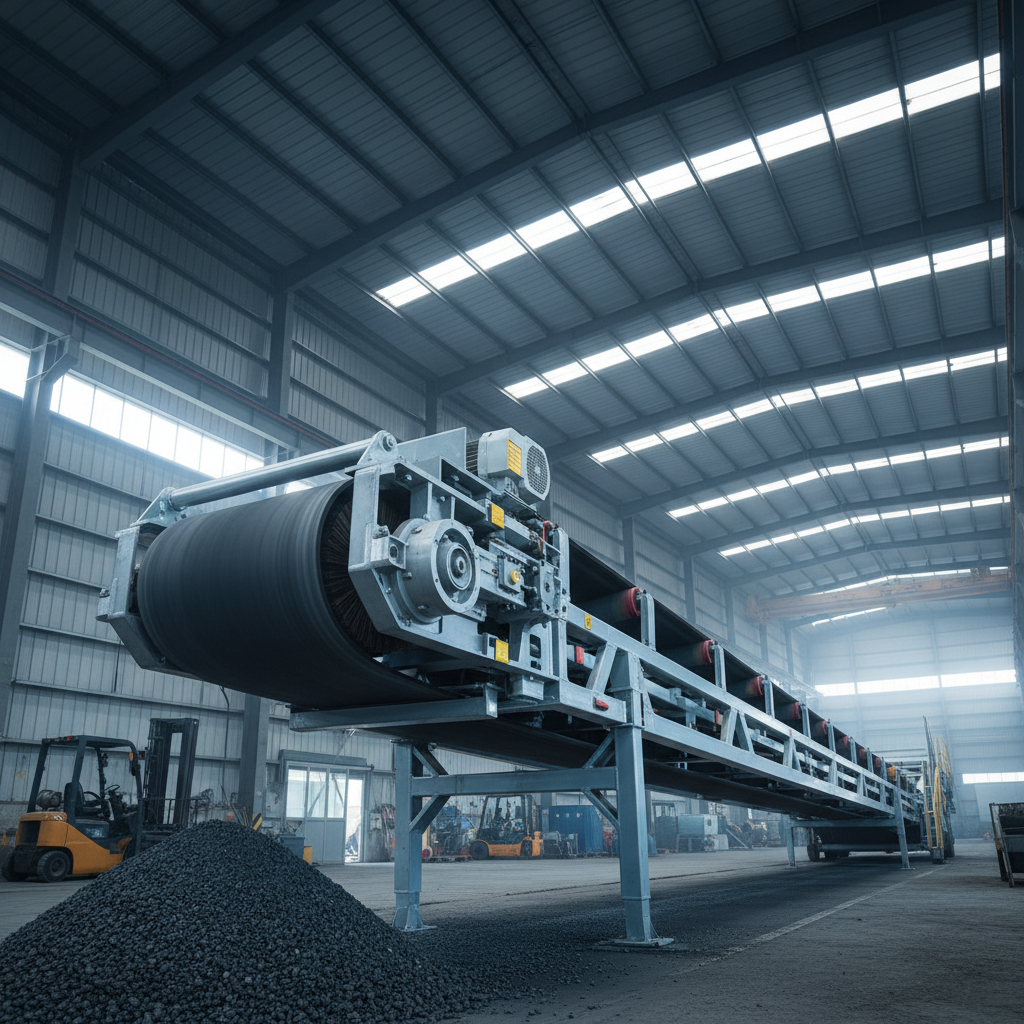
Understanding the Importance of a Belt Conveyor Cleaner
Material buildup on conveyor belts, such as dust, debris, and sticky substances, can cause a multitude of problems. These include belt slippage, increased energy consumption, premature wear, and material contamination. A quality belt conveyor cleaner effectively removes these materials, preventing these issues and ensuring optimal system performance. Regular cleaning also reduces the risk of accidents and maintains a cleaner working environment. Ignoring conveyor cleaning can lead to costly repairs and downtime, making it a vital aspect of preventative maintenance. Investing in a reliable cleaning system is a proactive step towards maximizing your conveyor system's lifespan and efficiency.
Key Benefits: Preventing belt slippage, reducing energy consumption, minimizing wear, preventing material contamination, improving safety.
Types of Belt Conveyor Cleaners
There are several types of belt conveyor cleaners available, each designed for specific applications and materials. The most common include:
- Blade Scrapers: These are the most widely used type, employing a blade to scrape material from the belt surface.
- Brush Cleaners: Utilizing rotating brushes, these are effective for removing fine particles and preventing buildup.
- Air Cleaners: Employing high-pressure air jets, these are suitable for removing lightweight dust and debris.
- Foam Cleaners: These apply a cleaning foam to the belt surface to dissolve sticky residue.
- V-Ploughs: Effective in aggressive environments with high volumes of material
The choice of cleaner depends on factors like the type of material being conveyed, the belt speed, and the operating environment. Choosing the right type of cleaner is essential for maximizing cleaning efficiency and belt protection.
Cleaner Selection Considerations:
• Material type and stickiness
• Belt speed and load
• Operating environment (dusty, wet, etc.)
• Belt material
Belt Conveyor Cleaner Comparison
Different cleaning methods offer varying degrees of effectiveness and suitability for specific applications. Here's a comparison to help you choose the right solution:
Idleroa Hua: Your Trusted Partner for Belt Conveyor Cleaning Solutions
Idleroa Hua offers a comprehensive range of high-quality belt conveyor cleaners designed to meet the diverse needs of various industries. We specialize in providing tailored solutions that enhance conveyor efficiency, reduce downtime, and extend belt life. Our expert team can assess your specific requirements and recommend the optimal cleaning system for your application. We provide not only products, but comprehensive after-sales support. We also offer custom solutions, ensuring you get the perfect fit for your conveyor system.
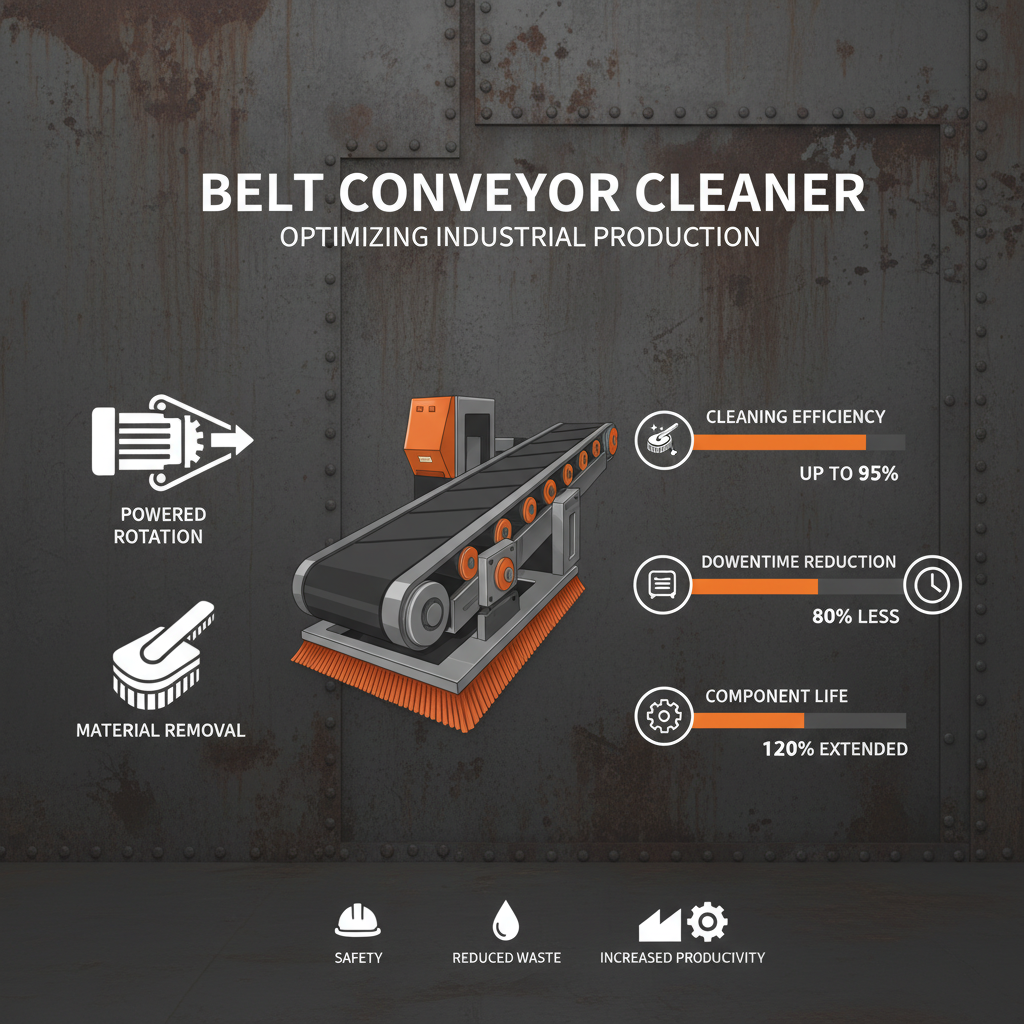
Product Spotlight: Idleroa Hua’s Primary Scraper Cleaner
Our Primary Scraper Cleaner is designed for heavy-duty applications, providing exceptional cleaning performance. Its robust construction and durable blade material ensure long-lasting reliability. It’s suitable for a wide range of materials, including coal, aggregate, and grain.
Conclusion: Invest in a Cleaner Conveyor System with Idleroa Hua
Investing in a quality belt conveyor cleaner from Idleroa Hua is a smart decision that will pay dividends in the long run. By improving efficiency, reducing downtime, and extending belt life, you'll experience significant cost savings and increased productivity. Contact us today to discuss your specific needs and find the perfect cleaning solution for your conveyor system.
Frequently Asked Questions (FAQs)
How often should I replace my belt conveyor cleaner blades?
The frequency of blade replacement depends on the material being conveyed, the belt speed, and the operating environment. As a general guideline, inspect the blades regularly for wear and tear. Replace them when they become worn, damaged, or lose their cleaning efficiency. Signs of wear include rounded edges, cracks, or reduced blade pressure against the belt. Ignoring worn blades can lead to material buildup and reduced cleaning performance. Regularly scheduled inspections and proactive replacement are key to maintaining optimal cleaning efficiency.
What type of cleaner is best for sticky materials?
For sticky materials, foam cleaners or brush cleaners are generally the most effective. Foam cleaners work by dissolving the sticky residue, while brush cleaners physically remove it from the belt surface. Blade scrapers can also be used, but may require more frequent cleaning and blade replacement. The best option depends on the specific type of sticky material and the conveyor system's characteristics. A combination of cleaning methods may also be beneficial.
Can a belt conveyor cleaner reduce energy consumption?
Yes, a properly functioning belt conveyor cleaner can significantly reduce energy consumption. Material buildup on the belt increases friction, requiring more energy to move the belt. By removing this buildup, the cleaner reduces friction and allows the conveyor to operate more efficiently. This translates to lower energy costs and a reduced carbon footprint. Investing in a reliable cleaning system is a cost-effective way to improve energy efficiency.
-
Maximize Conveyor Life with a High Performance impact bedNewsApr.16,2026
-
Maximize Conveyor Efficiency Using a v plow belt scraperNewsApr.09,2026
-
Comprehensive Guide to Understanding Different Types of Belt CleanersNewsApr.07,2026
-
Enhancing Conveyor Efficiency with an Effective Scraper Belt CleanerNewsApr.04,2026
-
Optimizing Conveyor Systems with Advanced Cleaning Equipment SolutionsNewsMar.31,2026
-
Effective Conveyor Belt Scraper Adjustment for Optimal System PerformanceNewsMar.28,2026