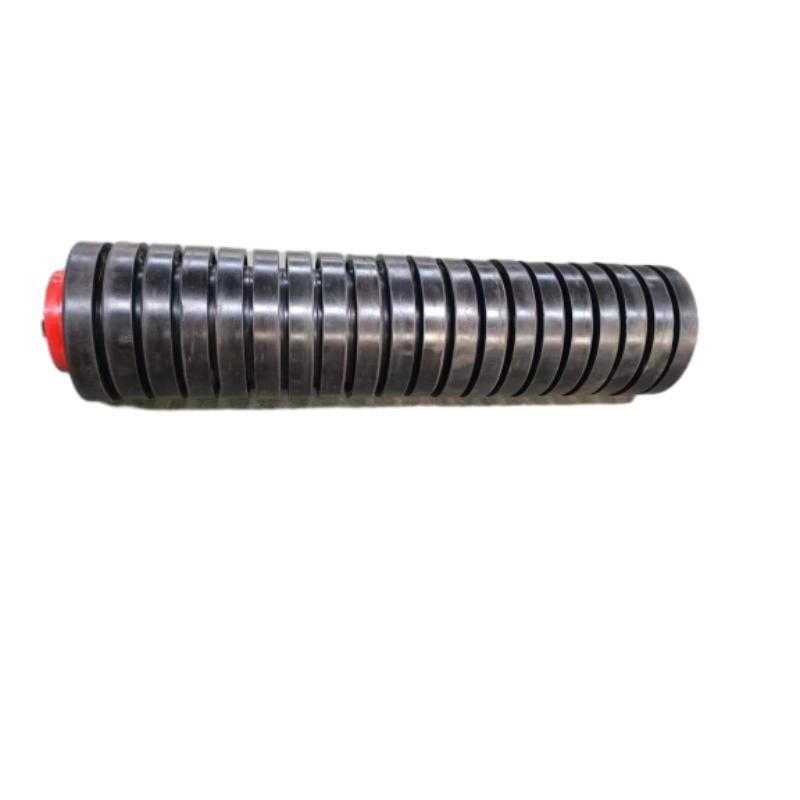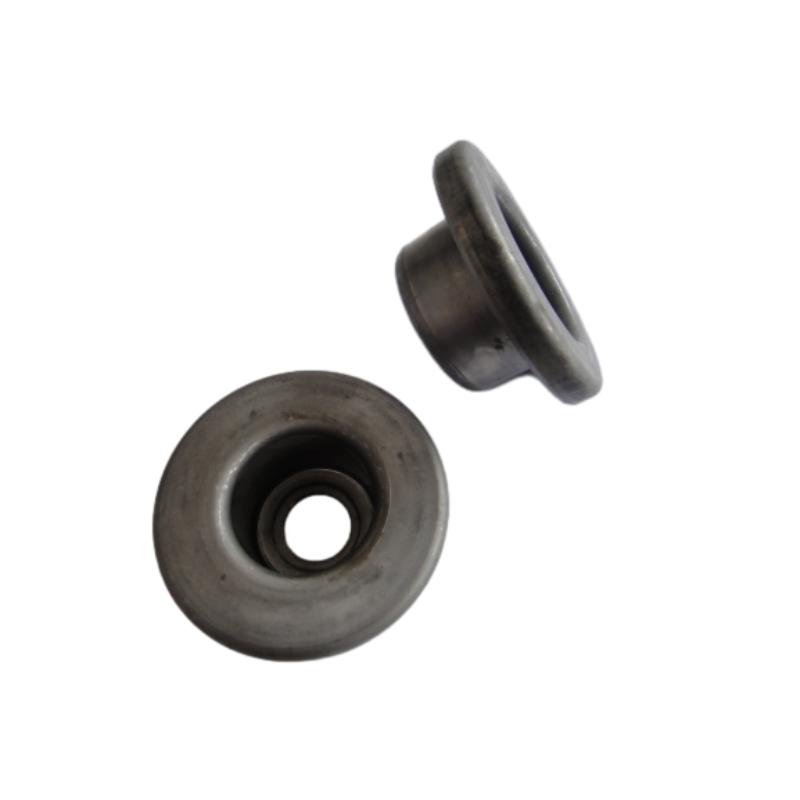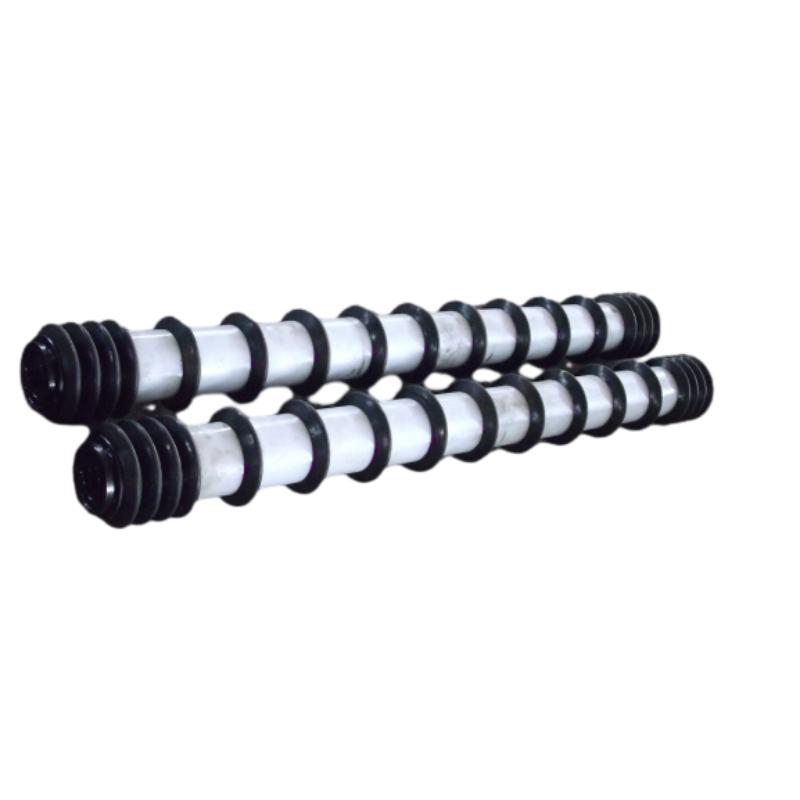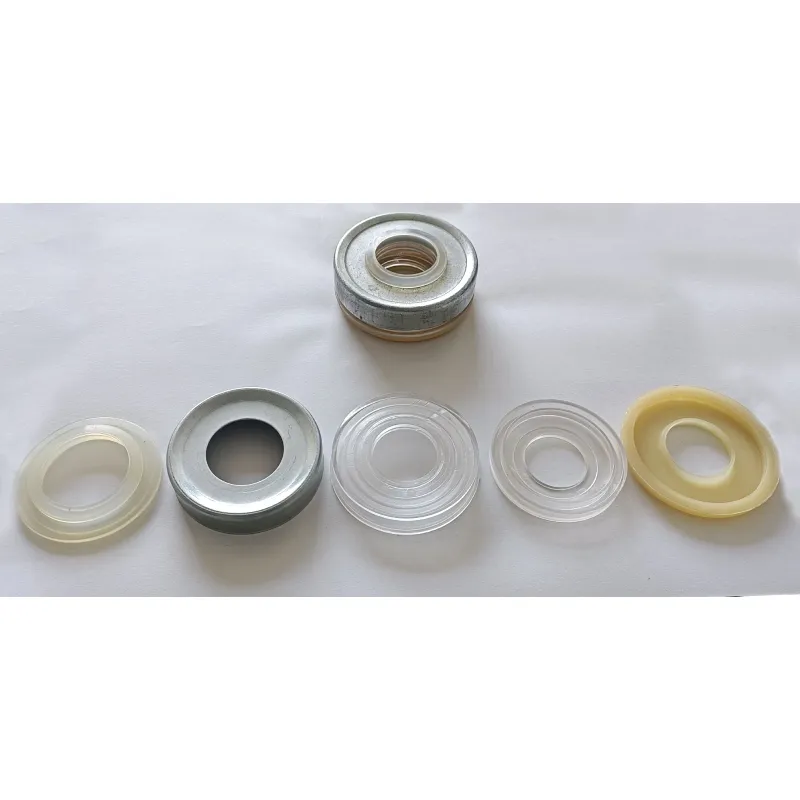


Top Bearing Housing Manufacturer for Industrial Equipment
Bearing Housing Manufacturer: Insights from the Field
After spending over a decade working closely with industrial equipment — from heavy-duty conveyors to precision CNC machines — I’ve come to appreciate the subtle but crucial role played by the bearing housing manufacturer. It’s one of those components that doesn’t often get front-page attention, yet when it falters, the whole operation can grind (quite literally) to a halt.
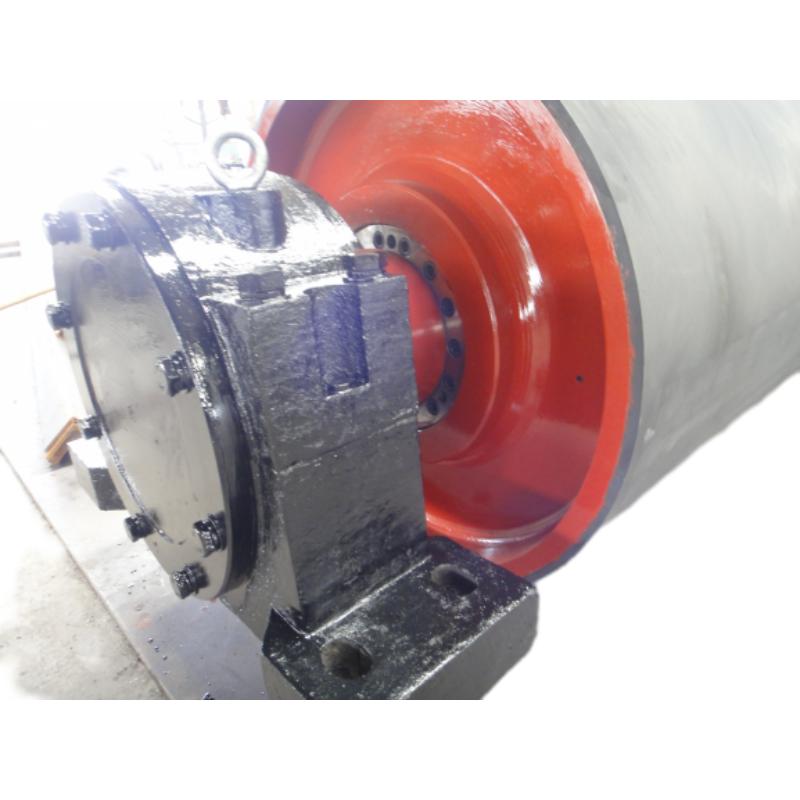
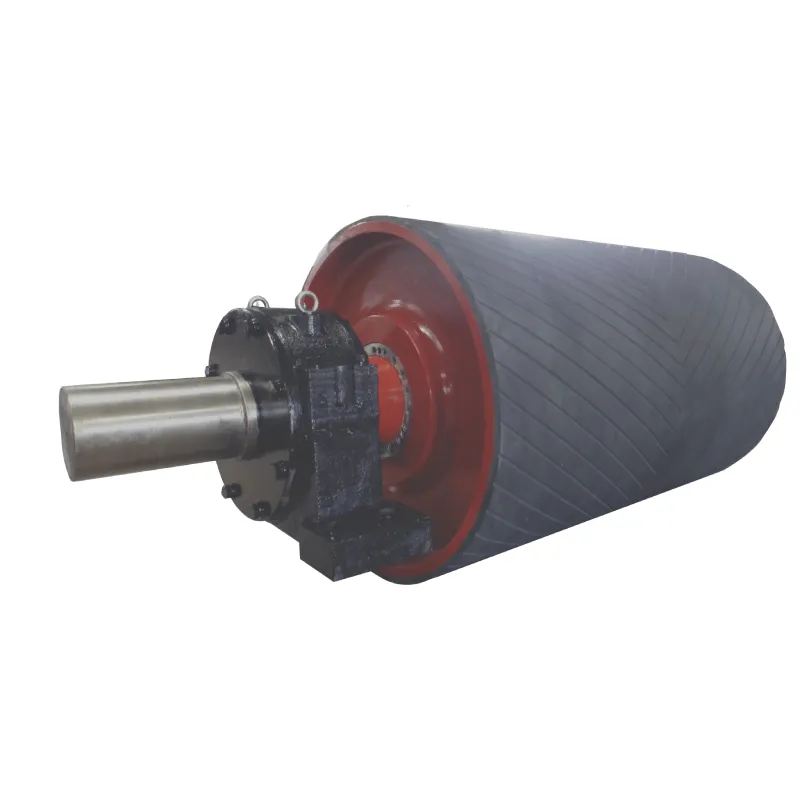
Oddly enough, not all bearing housings are created equal. The choice of manufacturer can make a tangible difference in durability, ease of maintenance, and overall equipment uptime — things every plant manager obsesses about. I suppose it’s because these housings provide the stable cradle for bearings that support rotating shafts under loads and harsh conditions. So precision in design and material quality matter a lot.
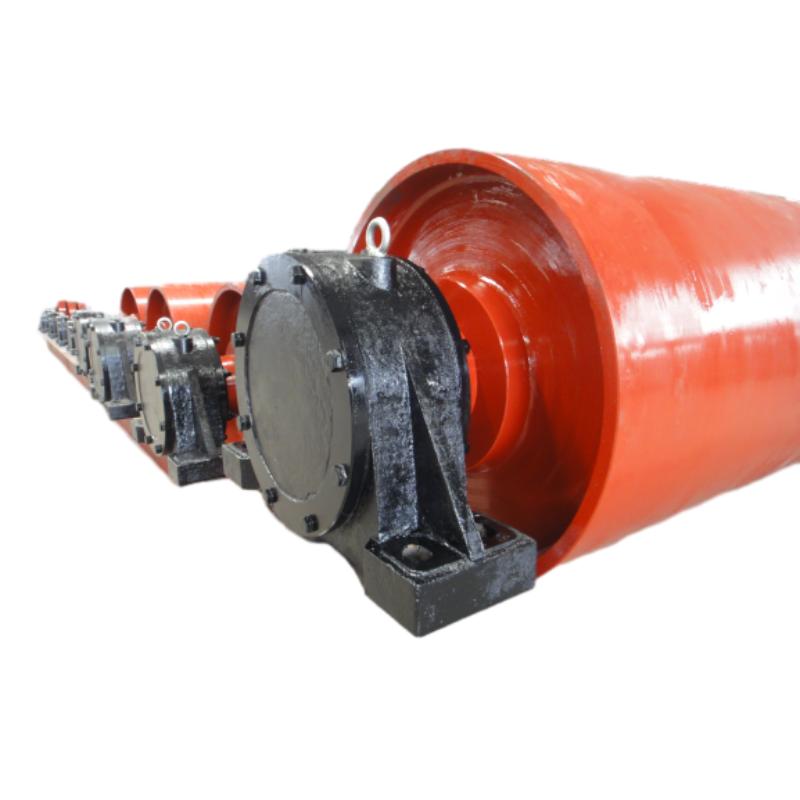
Modern bearing housings, in my experience, often come cast from high-grade cast iron or pressed steel — sometimes even specialty alloys — for corrosion resistance and strength. Some manufacturers add clever sealing solutions to keep contaminants out, which is hands-down one of the smartest upgrades you can get when your equipment runs dusty or in wet environments.
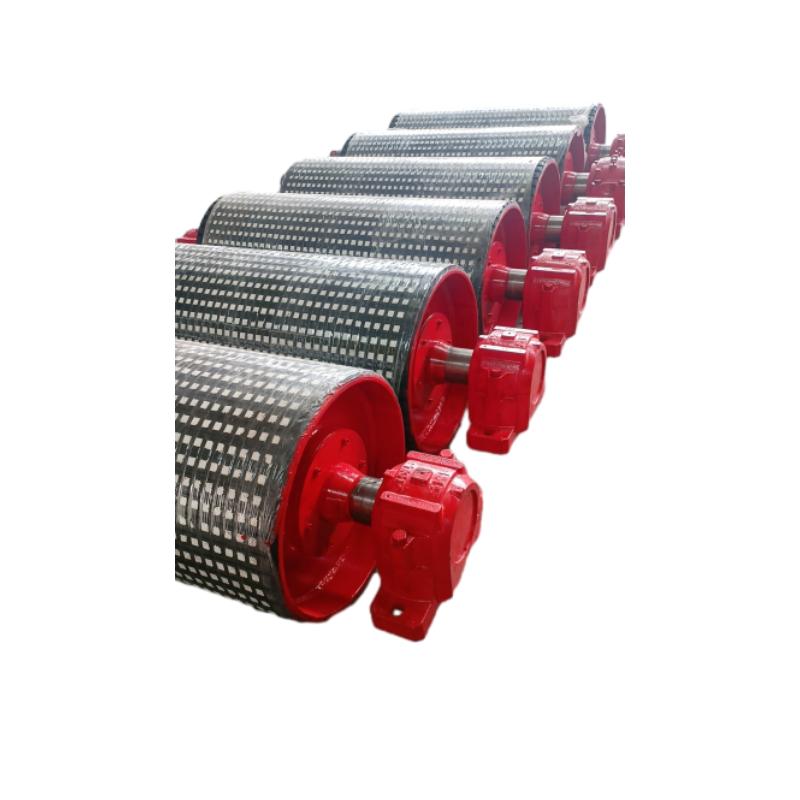
One manufacturer I keep hearing positive feedback about (and naturally linking to here) is IdlerAohua. Their housings are modular and designed to fit a broad range of bearing sizes, which frankly can turn a logistical headache into a simple parts swap. I remember a client who replaced their old housings with these and saw downtime reduced by weeks annually — that felt like a real win.
Typical Bearing Housing Specifications
| Specification | Details |
|---|---|
| Material | High-quality cast iron, pressed steel, or alloy steel |
| Mounting Type | Pillow block, flange mount, take-up, or split housing |
| Sealing | Labyrinth seals, rubber seals, or metal shields |
| Temperature Range | -30°C to +120°C (varies with model) |
| Bearing Diameter Accommodation | 20 mm to 120 mm (typical) |
How Do Leading Bearing Housing Manufacturers Stack Up?
| Feature | IdlerAohua | Competitor A | Competitor B |
|---|---|---|---|
| Material Quality | Premium Cast Iron | Standard Steel | Alloy Steel |
| Sealing Options | Multiple Custom Configs | Basic Rubber Seal | Metal Shield Only |
| Installation Ease | Modular, Interchangeable | Single-Use Design | Requires Modifications |
| Lead Time | 2–3 Weeks | 4–6 Weeks | 3–5 Weeks |
| Price Range | Mid-Range | Low | High |
Frankly, selecting a reliable bearing housing manufacturer boils down to balancing cost, lead time, and quality. But if you’re running any critical operation, I’d urge you to not skimp here. The last thing you want is a housing failure — it tends to damage the bearing and shaft, creating cascading downtime that’s costly to fix. And get this: in a recent project, swapping to a better-designed modular housing from IdlerAohua didn’t just improve uptime, but simplified future maintenance too.
If you’re dealing with dusty conveyor lines or high-moisture environments, keep an eye on sealing and corrosion resistance. Too often, dry specs don’t reveal how these parts handle real-world wear and tear. I noticed that the best manufacturers provide thorough testing data or certifications — that’s something to ask for.
In real terms, a good bearing housing means less vibration, lower noise, and longer bearing life. And while this might sound like typical engineering clichés, it’s the on-the-floor reality I’ve witnessed many times. You know, the kind of small reliability upgrades that save headaches down the line.
So, if you’re in the market for dependable bearing housings, I’d recommend starting with trusted names that focus on quality and flexibility. And yes, that includes checking out the offerings at bearing housing manufacturer specialists who cater to a broad industrial scope.
Just remember — it’s the parts behind the scenes that keep your operation humming smoothly.
References:
- "Standards for Bearing Housing Design," Industrial Equipment Journal, 2021.
- IdlerAohua Product Catalogue and FAQs, 2023.
- Case Study: Conveyor Reliability Improvements, ACME Engineering Reports, 2022.
-
Maximize Conveyor Life with a High Performance impact bedNewsApr.16,2026
-
Maximize Conveyor Efficiency Using a v plow belt scraperNewsApr.09,2026
-
Comprehensive Guide to Understanding Different Types of Belt CleanersNewsApr.07,2026
-
Enhancing Conveyor Efficiency with an Effective Scraper Belt CleanerNewsApr.04,2026
-
Optimizing Conveyor Systems with Advanced Cleaning Equipment SolutionsNewsMar.31,2026
-
Effective Conveyor Belt Scraper Adjustment for Optimal System PerformanceNewsMar.28,2026