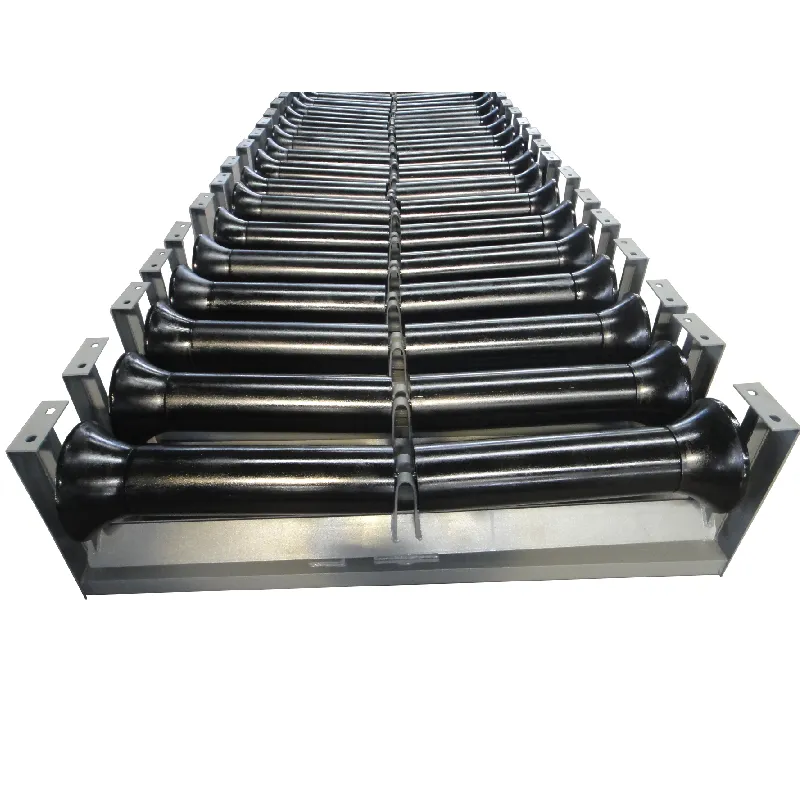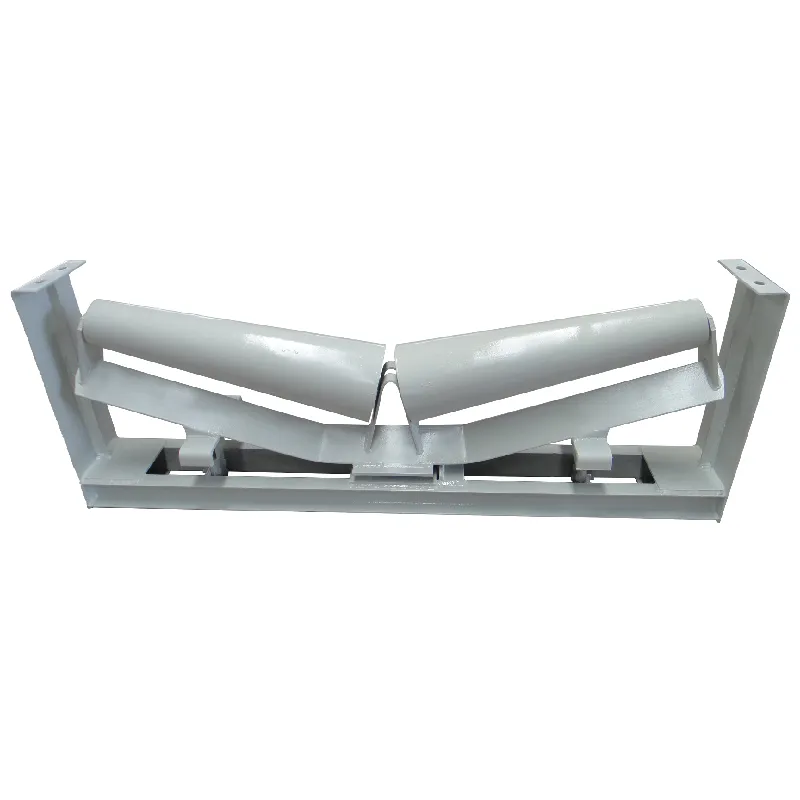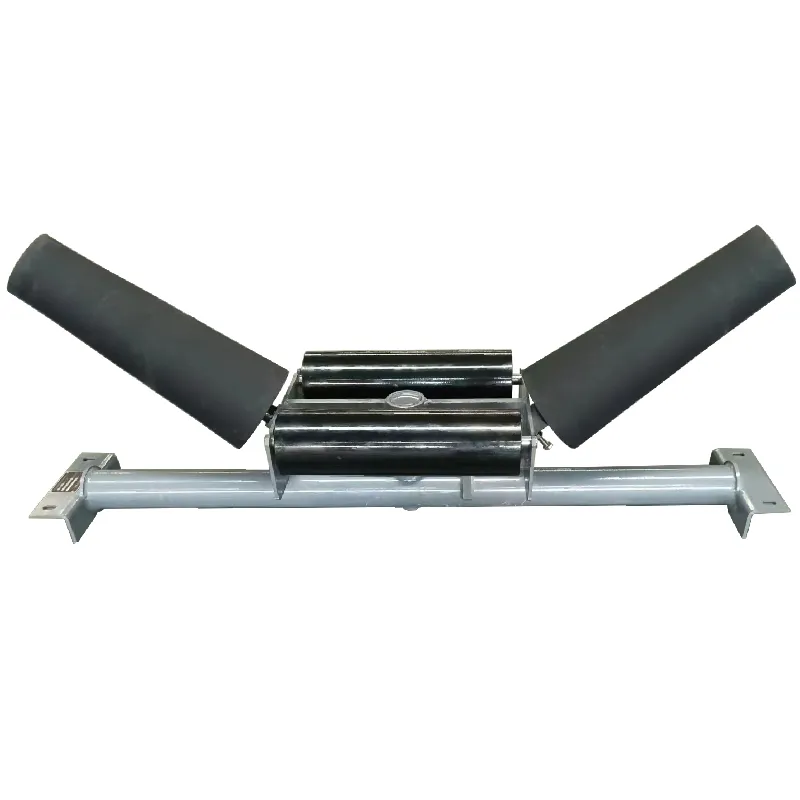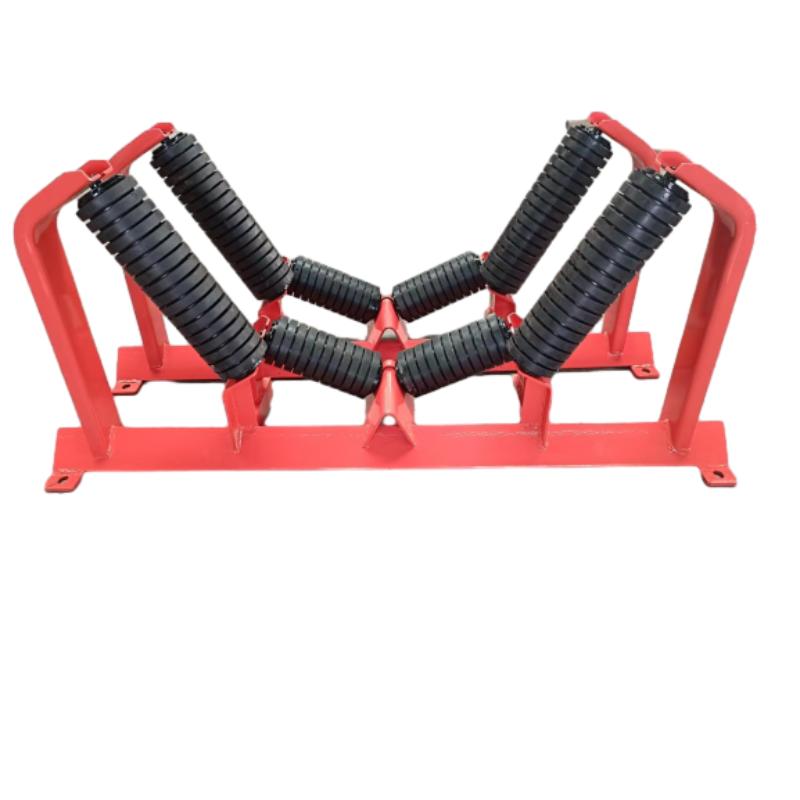


Comprehensive Guide to Polyurethane Roller — Durable, Efficient, and Innovative Industrial Rollers
Unlocking the Potential of the Polyurethane Roller: Why It Matters Worldwide
If you've ever marveled at the smooth motion of conveyor belts in factories or the rock-steady grip of printing presses, you might want to tip your hat to the humble polyurethane roller. At first blush, it sounds like some mundane industrial part, but peel back the layers, and you find it is central to major industries spanning manufacturing, logistics, and even humanitarian aid. Understanding what polyurethane rollers bring to the table is like recognizing the unsung hero of moving things efficiently – which, in today’s globalized world, matters quite a lot.
Why care? Well, these rollers affect productivity, reduce downtime, and, frankly, save costs and resources on a scale most folks don't consider daily. From Asia’s sprawling manufacturing hubs to Europe’s high-tech facilities, polyurethane rollers play a pivotal role in keeping everything running smoothly.
In this article, we’ll explore why these rollers matter globally, their core features, and how they’re shaping the future across industries.
Polyurethane Rollers in the Global Industry Context: More Than Just Parts
According to ISO reports and trade data, global demand for industrial components like polyurethane rollers is growing steadily, driven mainly by e-commerce, logistics, and automation sectors. The World Bank notes a surge in supply chain modernization, especially in emerging markets — which means better, more durable components are in heavy demand.
Yet, this boom doesn’t come without its set of challenges. Common problems like premature wear, maintenance costs, and performance inconsistencies hinder industrial growth. Enter polyurethane rollers, an innovation that addresses many such pain points by offering enhanced durability and adaptability to different industrial settings.
In real terms, the global push for leaner, safer, and more automated production lines has made these rollers indispensable.
What Exactly Is a Polyurethane Roller?
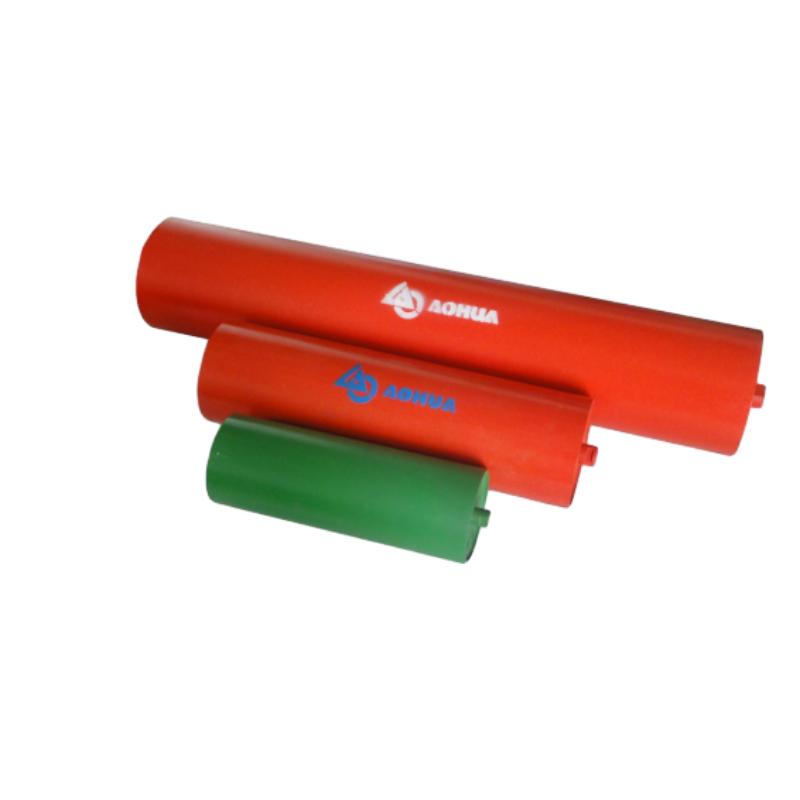
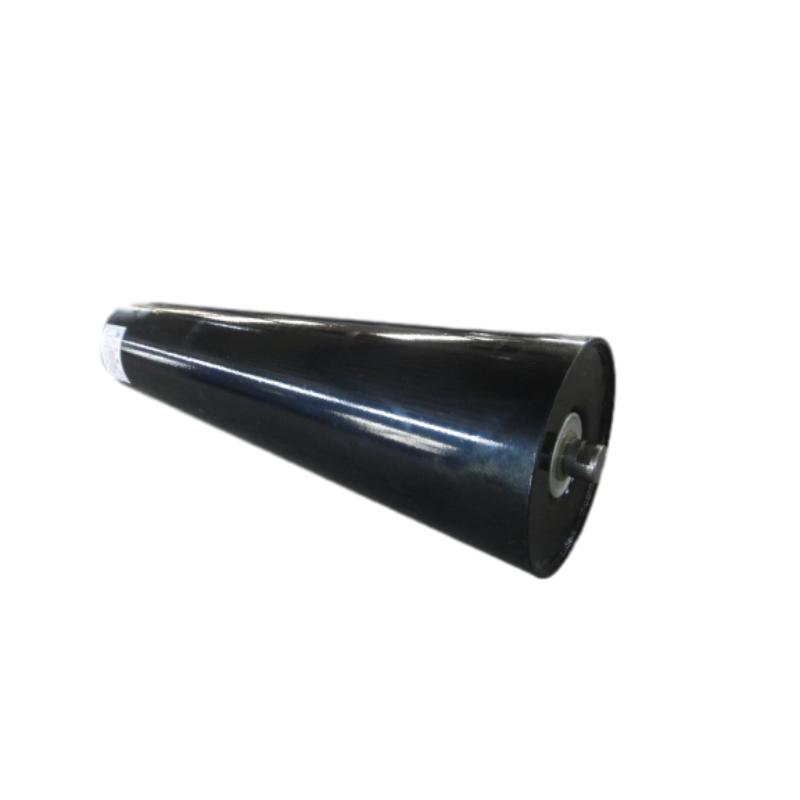
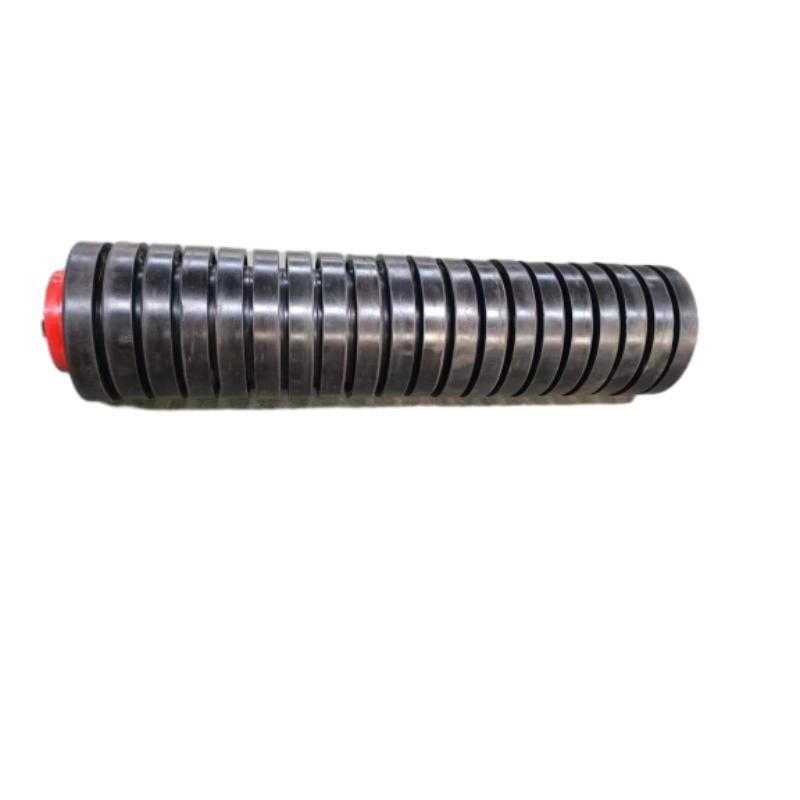
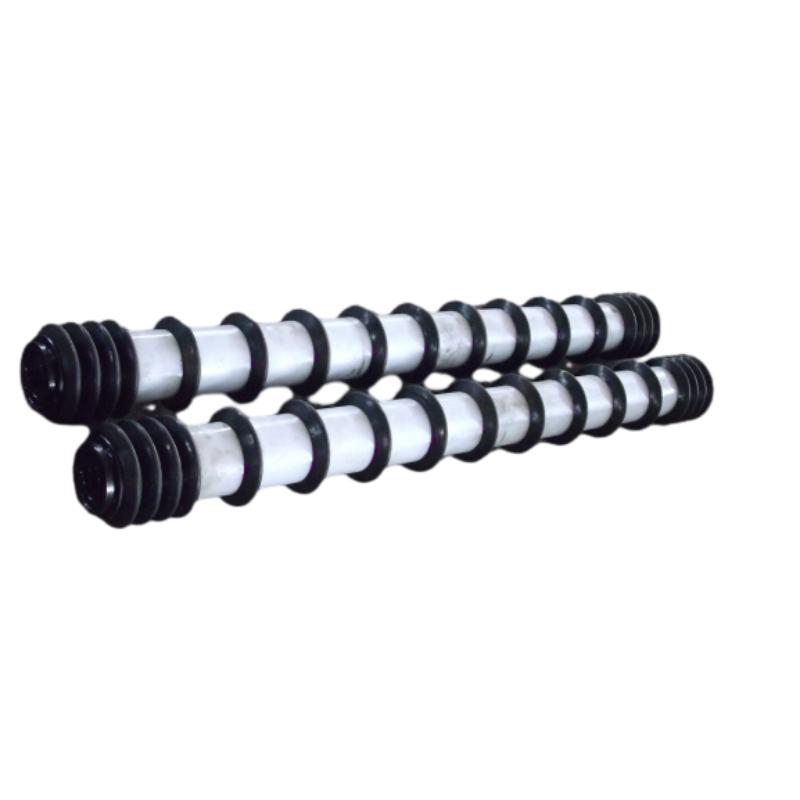
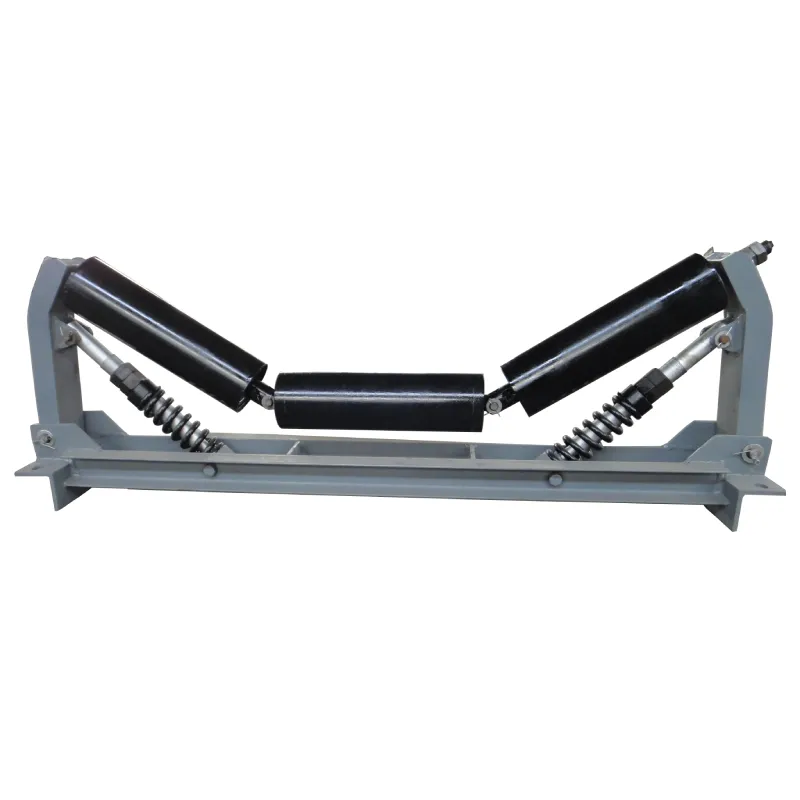
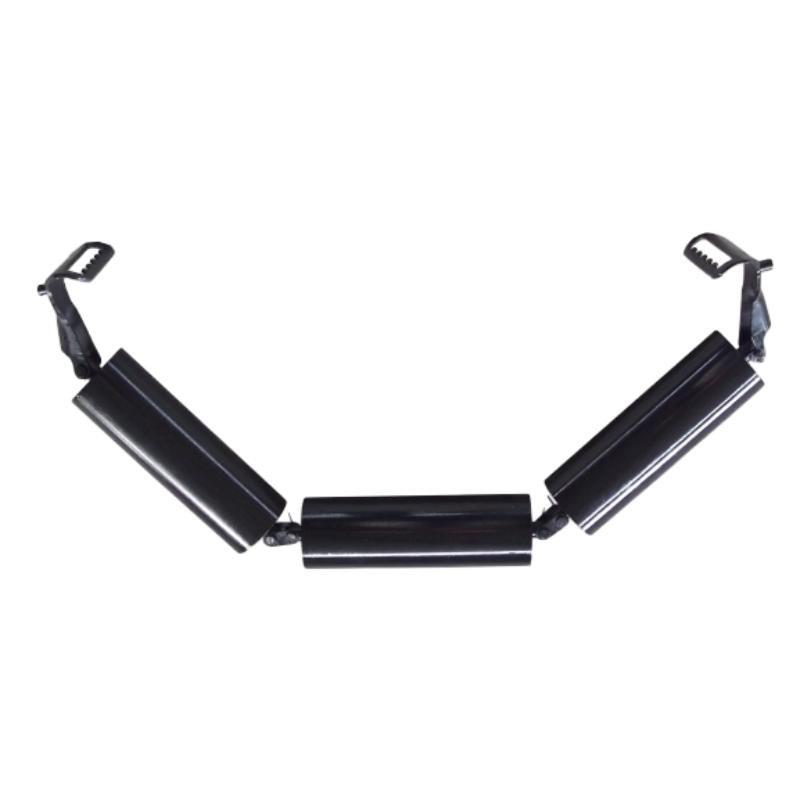
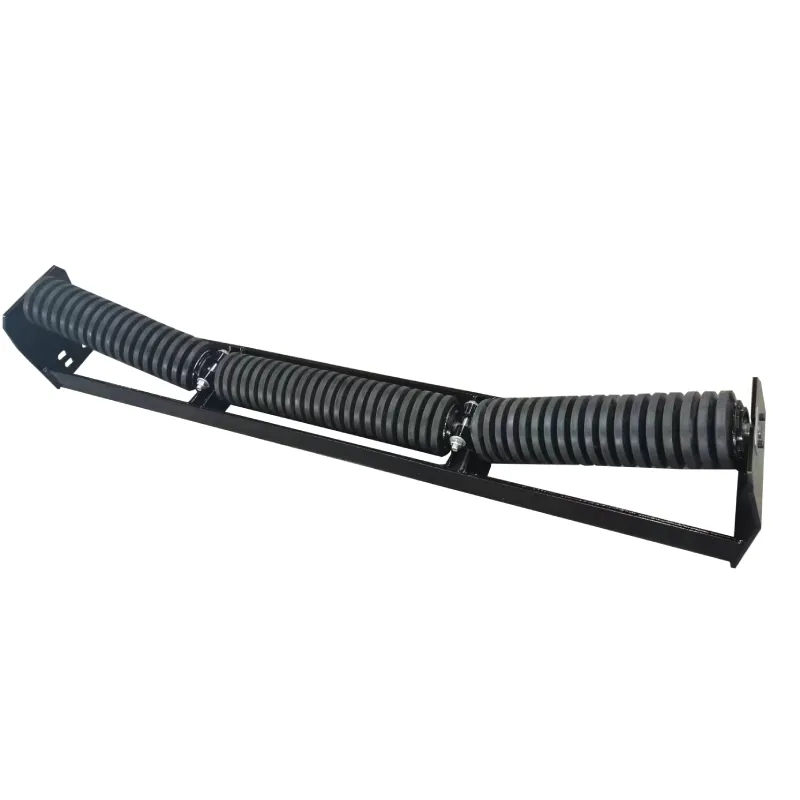
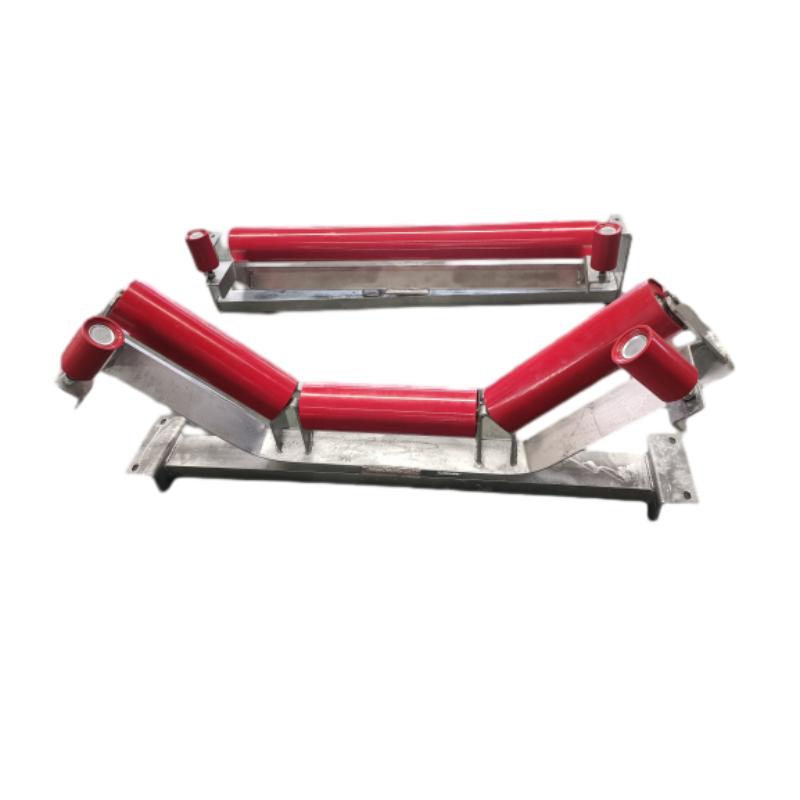
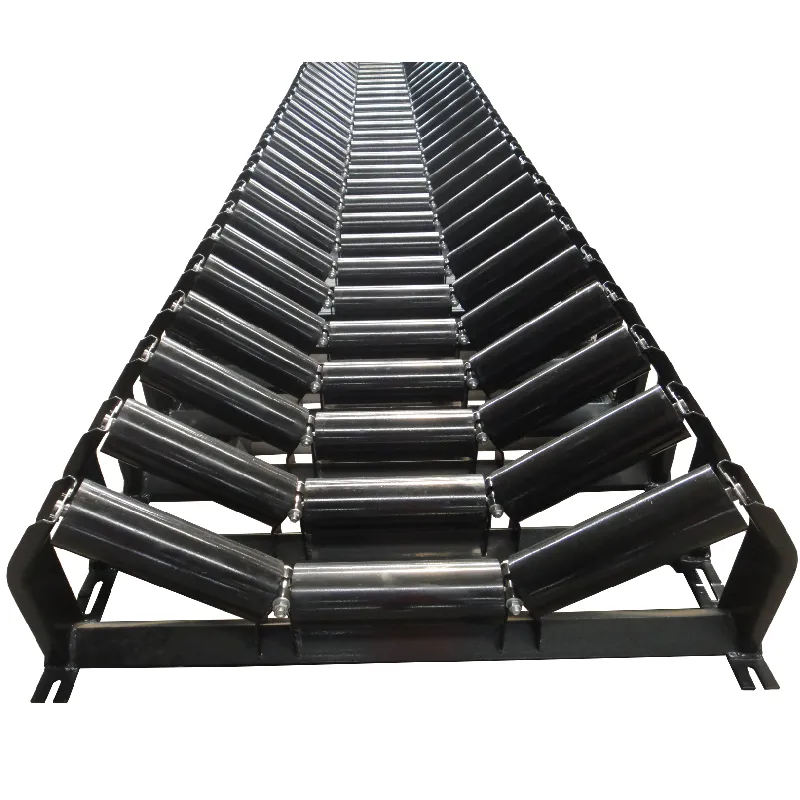
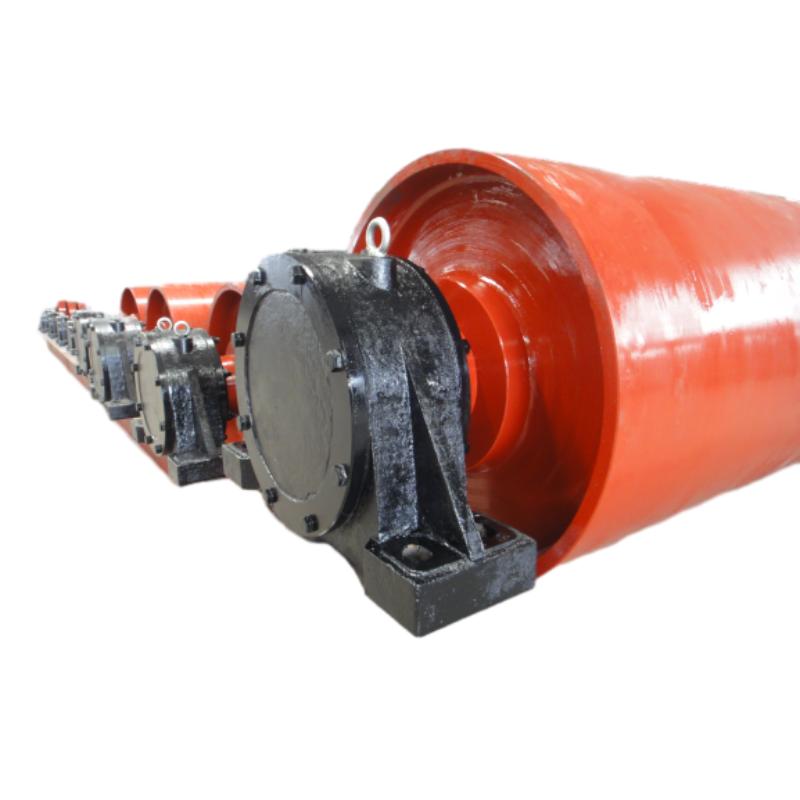
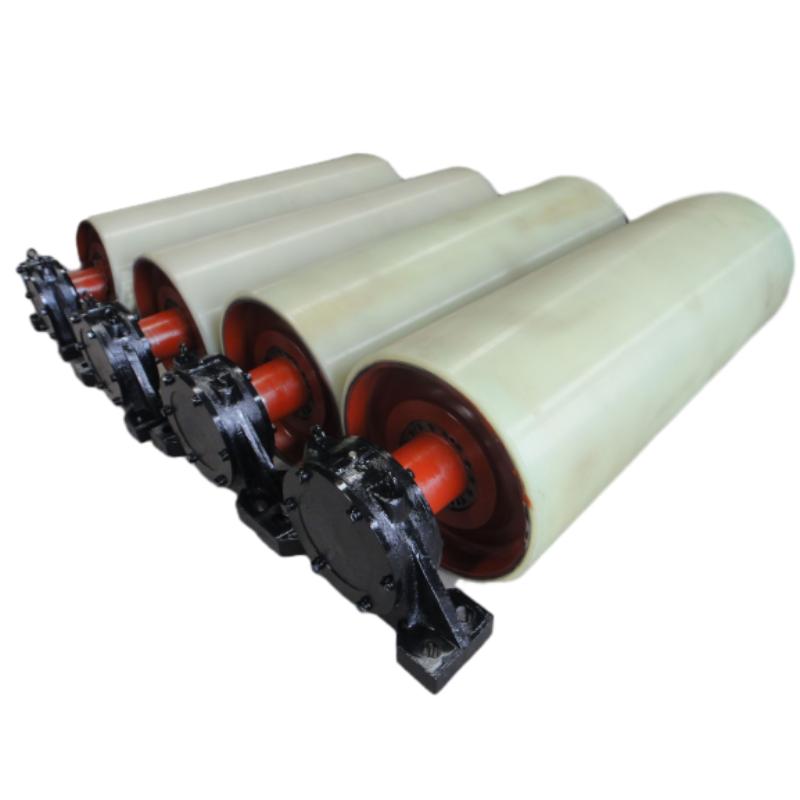
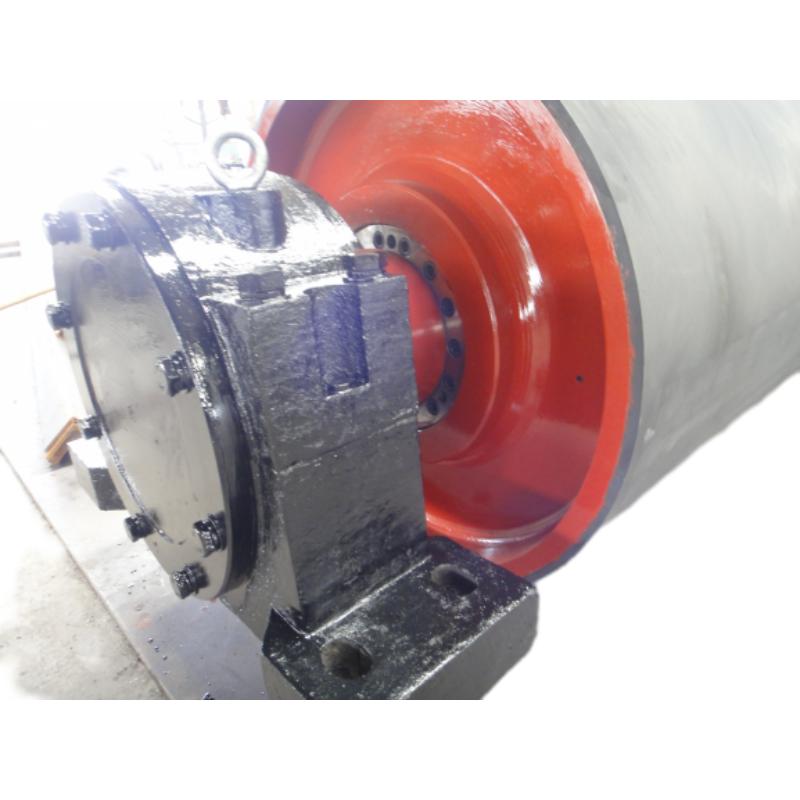
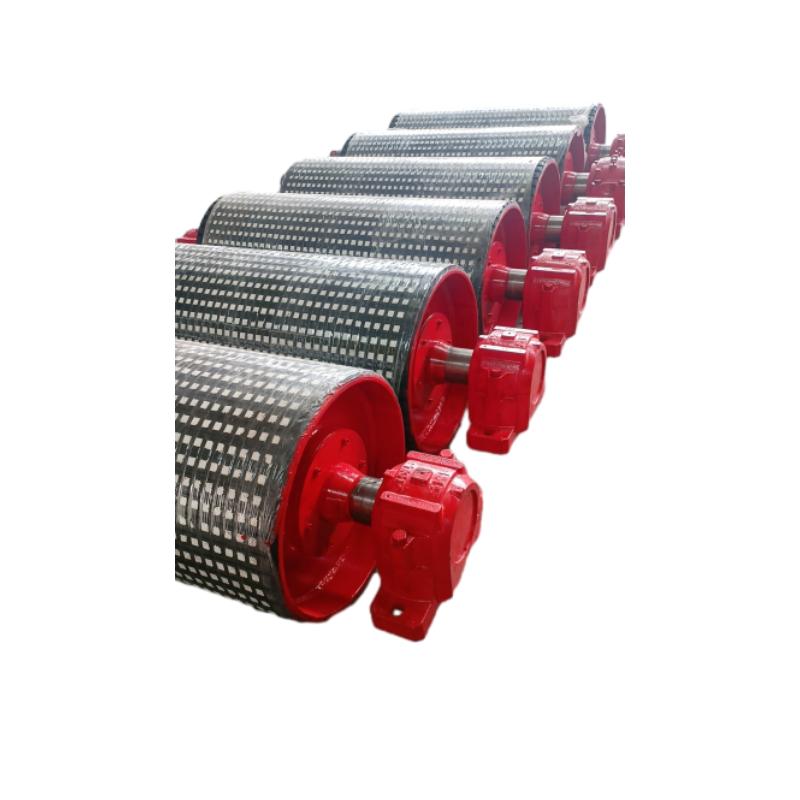
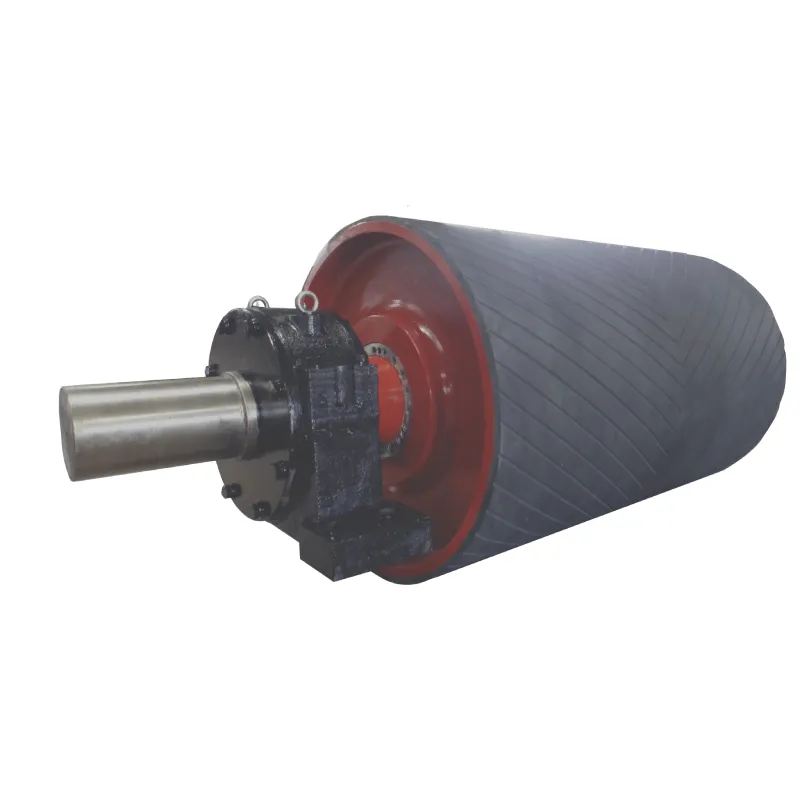
At its core, a polyurethane roller is an industrial roller with an outer layer made of polyurethane — a polymer known for its high resilience and elasticity. It’s used on conveyor belts, printing machines, packaging lines, and various other devices. The polyurethane coating safeguards the inner core (usually metal) while also providing excellent grip and wear resistance.
Think of it as the tough yet flexible wheel that keeps factory conveyors humming or printing plates rolling without a hitch. The material’s versatility — combining softness with strength — makes it ideal in situations requiring a delicate touch or sheer hardiness.
Oddly enough, this simple component connects deeply to humanitarian efforts like disaster response packaging, where reliable, damage-free transport of goods in rugged conditions is essential.
Core Components and Key Factors of Polyurethane Rollers
1. Durability: Lasting the Long Haul
Polyurethane rollers are known for their impressive wear resistance. Unlike rubber, they withstand oil, chemicals, and extreme temperatures better, which means less frequent replacements and lower maintenance costs — a big win for operation managers juggling sustainability and performance goals.
2. Load Capacity: Handling Tough Jobs
These rollers can carry heavy loads without significant deformation. That capability is vital in industries like automotive manufacturing or heavy logistics where conveyor lines transport bulky, uneven loads continuously.
3. Traction & Slip Resistance
The polyurethane coating provides excellent grip, reducing slippage compared to bare metal rollers. This feature protects delicate products during transit and boosts safety by minimizing accidents linked to conveyor failures.
4. Noise Reduction
Factories are noisy. Polyurethane helps lower operational noise thanks to its inherent cushioning properties — a subtle but appreciated advantage in environments where worker comfort and regulatory compliance matter.
5. Customization & Scalability
Manufacturers can tailor polyurethane rollers with different formulations or hardness ratings suited to specific applications, which means the same base design can flexibly serve varied industrial needs.
How Polyurethane Rollers Power Industry Around the Globe
From sprawling warehouses in Germany to textile mills in India, polyurethane rollers keep global production moving. Industries like food processing use them in conveyors that must meet stringent hygiene standards. Electronics companies rely on their precision and non-marking qualities, while mining operations count on their resistance to abrasion and harsh environments.
For instance, during post-disaster relief operations, quick deployment of supply chains is critical. Durable polyurethane rollers in mobile conveyor systems help rapidly move essential goods — whether water bottles, food packets, or medical kits — safely and reliably.
In remote industrial zones, especially in South America and Africa, reliance on ruggedized polyurethane rollers reduces equipment downtime and maintenance headaches, making them essential for continuous operations.
Advantages of Using Polyurethane Rollers: Beyond the Bottom Line
- Cost Efficiency: Though polyurethane rollers might be pricier upfront compared to generic rubber rollers, their lifespan and maintenance savings more than make up for it.
- Sustainability: Longer life and recyclability help reduce waste and environmental impact, aligning with ISO 14001 standards many manufacturers pursue.
- Reliability: Lower failure rates translate directly to smoother operations and less unplanned downtime — crucial when every second of delay costs money.
- Safety & Comfort: Noise reduction and slip resistance foster safer workplace environments, supporting Occupational Safety and Health Administration (OSHA) guidelines.
- Innovation & Trust: Deploying advanced materials like polyurethane signals a company's commitment to quality and modern engineering, often appreciated by clients and partners.
Product Specification Table: Typical Polyurethane Roller
| Specification | Detail |
|---|---|
| Core Material | Steel or Aluminum |
| Polyurethane Hardness (Shore A) | 70 - 95 (depending on application) |
| Diameter Range | 50 mm - 300 mm |
| Surface Finish | Smooth / Textured / Custom |
| Maximum Load Capacity | Up to 1000 kg per roller |
| Operating Temperature Range | -40°C to 85°C |
Comparing Leading Polyurethane Roller Vendors
| Vendor | Customization Options | Lead Time | Price Range | Customer Support |
|---|---|---|---|---|
| RollTech Inc. | Extensive (hardness, sizes, coatings) | 2-3 weeks | $$$ | 24/7 global support |
| PolyMax Solutions | Moderate | 1-2 weeks | $$ | Business hours only |
| EastRoll Technologies | Basic | 3-4 weeks | $ | Email support |
Emerging Trends and Innovations in Polyurethane Rollers
The conveyor and roller industries are buzzing with R&D. One big focus? Sustainability.
- Eco-Friendly Polyurethane: New bio-based polyurethanes reduce reliance on fossil fuels, shrinking carbon footprints.
- Smart Rollers: Embedded sensors can monitor wear and temperature, letting maintenance teams move from reactive fixes to predictive upkeep.
- Improved Coatings: Innovations like anti-bacterial and anti-static surfaces open doors to cleaner, safer transport in sensitive industries such as pharmaceuticals.
Combined with growing digital transformation worldwide, these advances mean polyurethane rollers won’t just roll – they’ll think, adapt, and even communicate soon enough.
Challenges and How Industry Experts Tackle Them
Manufacturers occasionally face issues like:
- Initial cost premiums that deter budget-conscious buyers,
- Compatibility issues with certain conveyor setups,
- Environmental impact of chemical processing in polyurethane production.
To overcome these, experts recommend:
- Design customization ensuring fit-for-purpose solutions,
- Collaborative supplier partnerships to streamline production and cut costs,
- Investment in greener chemistry and recycling programs.
Many companies report that transparent communication and close project management smooth out implementation bumps.
Frequently Asked Questions About Polyurethane Rollers
- What makes polyurethane rollers better than rubber rollers?
- Polyurethane rollers typically last longer, resist oils and chemicals better, provide superior grip, and operate quietly. They offer enhanced durability under heavy loads and in harsh conditions, which often translates to cost savings over time.
- Can polyurethane rollers be customized to fit unique machinery?
- Absolutely. Manufacturers often tailor hardness, diameter, coatings, and core materials to suit very specific industrial needs, from heavy-duty mining conveyors to delicate printing presses.
- How does maintenance differ between polyurethane and other roller types?
- Polyurethane rollers require less frequent replacement due to wear resistance, and their chemical resistance simplifies cleaning. Predictive monitoring with smart rollers can further reduce unexpected downtime.
- Are polyurethane rollers eco-friendly?
- While traditional polyurethane is petroleum-based, advances in bio-based formulations and recycling initiatives are making these rollers more environmentally sustainable.
- Where can I find reliable suppliers of polyurethane rollers?
- Many suppliers exist globally, but it’s wise to choose those offering customization, certified quality, and strong support. See our vendor comparison table above and check out polyurethane roller resources for trusted partners.
Wrapping Up: Why Polyurethane Rollers Are Worth Your Attention
Over the years, polyurethane rollers have shifted from a niche industrial part to a global staple enabling smoother, safer, and smarter production lines. Their blend of durability, versatility, and emerging smart technologies means they are more relevant than ever in an interconnected, efficiency-driven world.
If you’re seeking a way to boost operational reliability or cut costs, considering polyurethane rollers might just be a game-changer. For more detailed insights, product options, and expert support, visit us at: https://www.idleraohua.com and discover what polyurethane rollers can do for you.
1. ISO Standards on Industrial Components, ISO.org
2. World Bank Report on Global Supply Chains, worldbank.org
3. Polyurethane Industry Overview, Wikipedia [source]
-
Maximize Conveyor Life with a High Performance impact bedNewsApr.16,2026
-
Maximize Conveyor Efficiency Using a v plow belt scraperNewsApr.09,2026
-
Comprehensive Guide to Understanding Different Types of Belt CleanersNewsApr.07,2026
-
Enhancing Conveyor Efficiency with an Effective Scraper Belt CleanerNewsApr.04,2026
-
Optimizing Conveyor Systems with Advanced Cleaning Equipment SolutionsNewsMar.31,2026
-
Effective Conveyor Belt Scraper Adjustment for Optimal System PerformanceNewsMar.28,2026