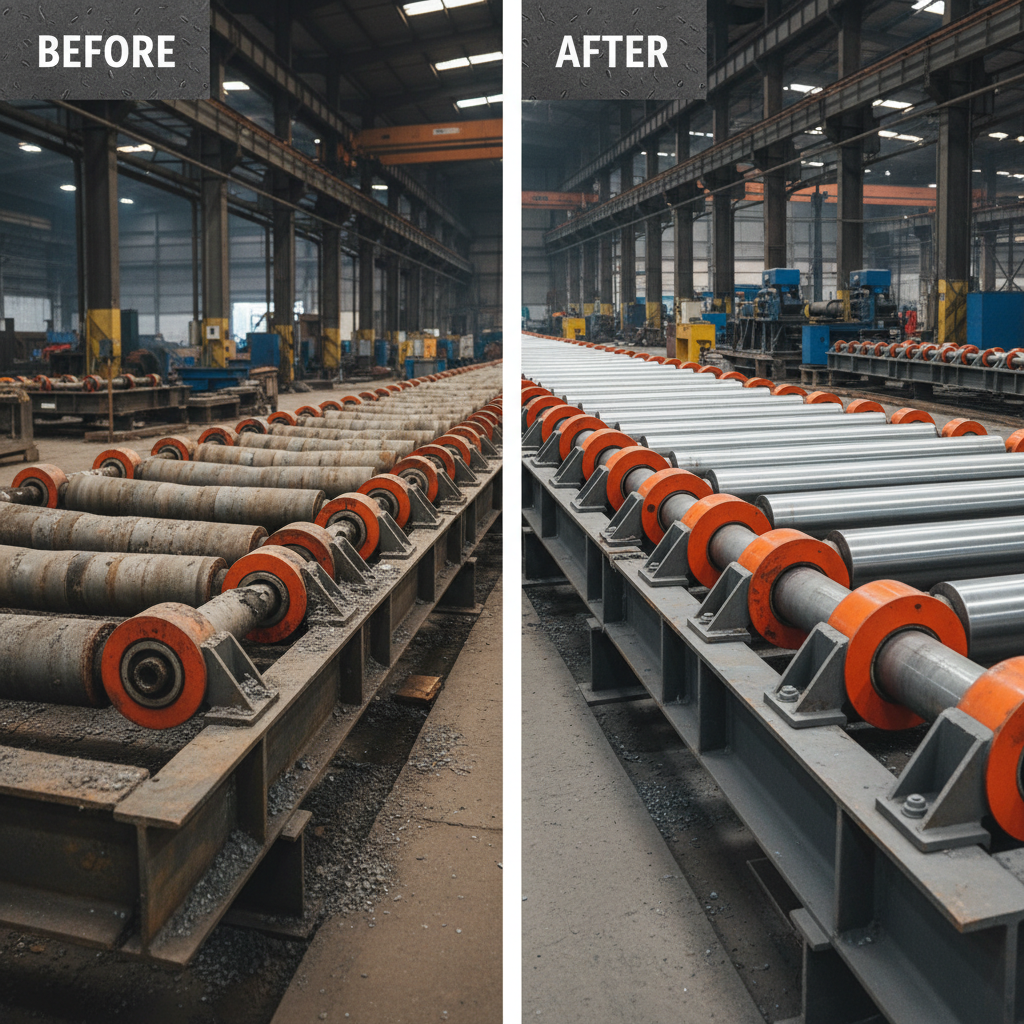
Steel idler rollers are essential components in conveyor systems across numerous industries, playing a vital role in the efficient and reliable transportation of materials. These rollers support the conveyor belt, reduce friction, and ensure smooth operation, ultimately contributing to increased productivity and reduced downtime. Understanding their design, application, and maintenance is crucial for optimizing conveyor system performance and minimizing operational costs.
Globally, the demand for steel idler rollers is driven by the continued growth of sectors like mining, manufacturing, agriculture, and logistics. According to industry reports, the conveyor system market is projected to reach \$60.8 billion by 2027, showcasing a significant reliance on components like steel idler rollers. The increasing need for automated material handling solutions further fuels this demand.
These rollers aren't merely mechanical parts; they’re key enablers of modern supply chains, contributing to everything from resource extraction to the delivery of consumer goods. Investing in high-quality steel idler rollers, and understanding their proper application, translates directly to greater efficiency, safety, and sustainability in material handling operations.
Introduction to Steel Idler Rollers
Steel idler rollers are fundamentally about reducing friction and supporting load in conveyor systems. Their design focuses on maximizing efficiency and minimizing wear and tear, extending the lifespan of both the rollers themselves and the conveyor belt. steel idler rollers are engineered to withstand harsh operating conditions, including heavy loads, impact, and varying temperatures.
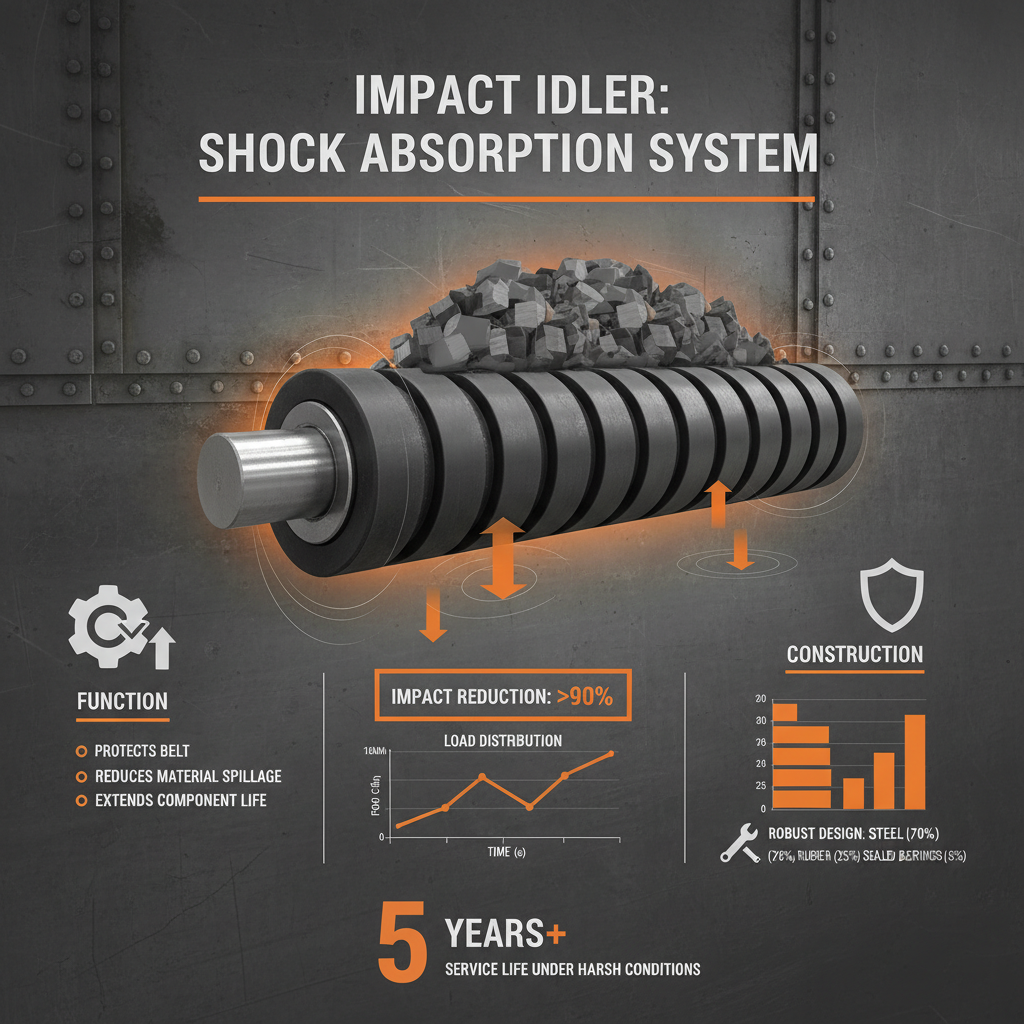
These rollers are not one-size-fits-all. Different types, such as carrying idlers, return idlers, and impact idlers, are selected based on the specific requirements of the application. Proper selection and maintenance are paramount for ensuring optimal conveyor system performance and minimizing costly downtime.
Defining Steel Idler Rollers
Steel idler rollers are cylindrical components, typically made from carbon steel, used to support and guide conveyor belts. They are positioned along the length of the conveyor system to ensure the belt remains stable and moves smoothly. They don't power the belt directly; instead, they facilitate its movement by minimizing friction between the belt and the supporting structure.
These rollers are integral to various material handling processes. From moving raw materials in mines to transporting finished products in warehouses, steel idler rollers are the silent workhorses of modern industry. Their design is a testament to simple, yet effective, engineering.
The connection to modern industry is direct. Without reliable material handling systems incorporating robust components like steel idler rollers, many industries would face significant bottlenecks and increased operational costs. They're a critical part of the infrastructure supporting global trade and manufacturing.
Key Characteristics of Steel Idler Rollers
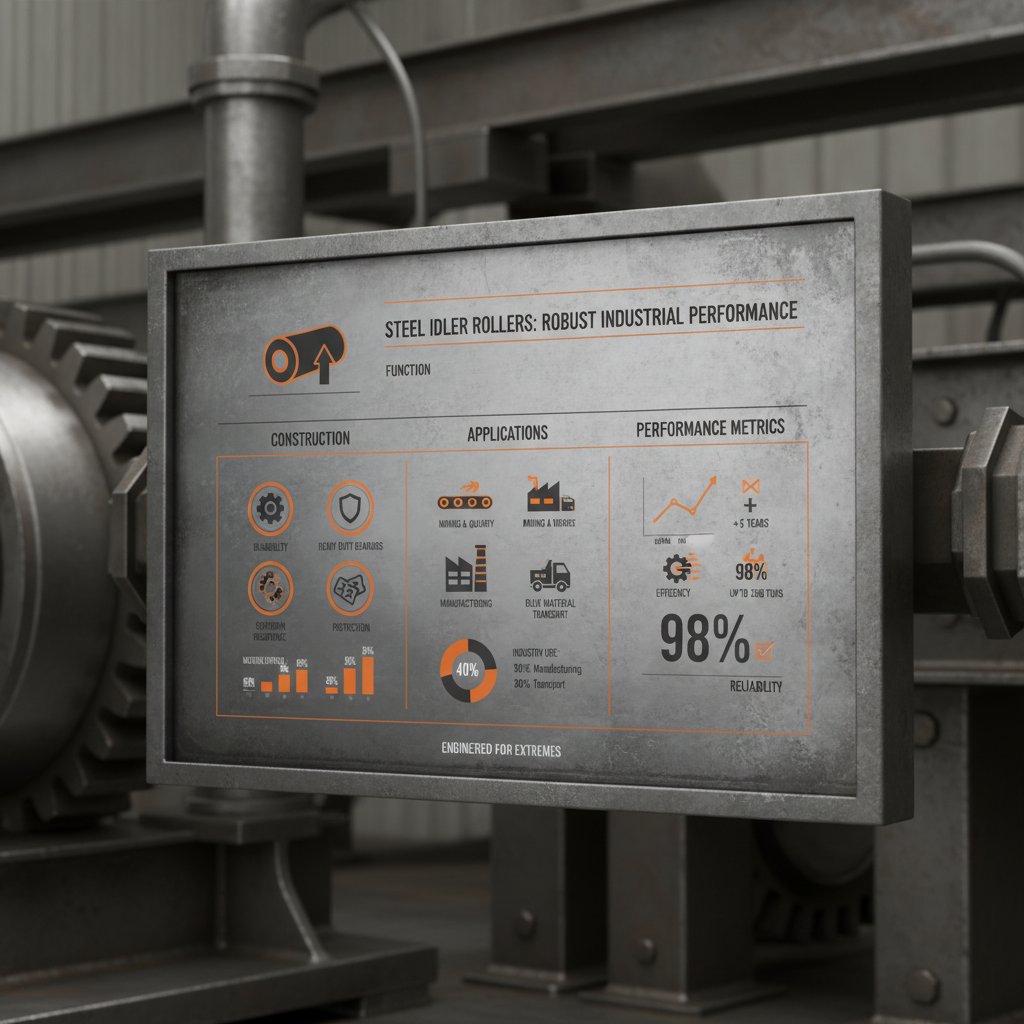
Durability is a cornerstone of steel idler roller design. Constructed from high-strength steel, these rollers are built to withstand the constant stress and impact associated with heavy loads and continuous operation. They're designed to resist deformation and breakage, ensuring long-term reliability.
Load Capacity is another key characteristic. Steel idler rollers are engineered to handle a wide range of load capacities, depending on the specific application. Choosing the appropriate roller with the correct load rating is essential for preventing premature failure and ensuring safe operation.
Smooth Rotation is vital for minimizing friction and maximizing energy efficiency. High-quality bearings are incorporated into the roller design to ensure smooth, consistent rotation, reducing wear and tear on both the rollers and the conveyor belt.
Performance Factors of Steel Idler Rollers
The bearing type significantly impacts the performance of steel idler rollers. Sealed bearings offer superior protection against contaminants, reducing maintenance requirements and extending roller life.
Shell thickness and material quality are also crucial. Thicker shells provide greater strength and resistance to deformation, while higher-quality steel alloys enhance durability and corrosion resistance.
Steel Idler Roller Performance Comparison
Global Applications and Industries
The mining industry is a major consumer of steel idler rollers, relying on them to transport vast quantities of ore, coal, and other materials. In remote mining locations, durability and reliability are paramount.
Manufacturing facilities also heavily utilize steel idler rollers in assembly lines and material handling systems. Efficient movement of components and finished products is essential for maintaining production schedules.
Benefits and Long-Term Value
Reduced downtime is a significant benefit of using high-quality steel idler rollers. Their robustness minimizes the risk of failure, preventing costly interruptions to production.
Increased efficiency translates to lower energy consumption and higher throughput. Smooth roller operation reduces friction, requiring less power to move materials.
Enhanced safety is another key advantage. Reliable rollers prevent belt slippage and misalignment, reducing the risk of accidents and injuries.
Future Trends and Innovations
Smart idler rollers, equipped with sensors to monitor performance and predict failures, are an emerging trend. These rollers provide real-time data, enabling proactive maintenance and minimizing downtime.
The development of lighter-weight, high-strength materials, such as advanced steel alloys and composites, is also driving innovation in steel idler roller design.
Integration with digital twin technology allows for virtual modeling and optimization of conveyor systems, further enhancing efficiency and reliability of the whole system, including steel idler rollers.
Summary of Steel Idler Roller Performance and Maintenance Strategies
| Roller Type |
Typical Application |
Maintenance Frequency |
Expected Lifespan (Months) |
| Carrying Idler |
Belt support under load |
Monthly inspection, lubrication every 6 months |
18-24 |
| Return Idler |
Belt support on return strand |
Bi-monthly inspection, lubrication yearly |
24-36 |
| Impact Idler |
Receiving high-impact loads |
Weekly inspection, replacement as needed |
6-12 |
| Wing Idler |
Preventing belt edge damage |
Monthly inspection, adjustment as needed |
12-18 |
| Self-Cleaning Idler |
Preventing material buildup |
Quarterly inspection |
36-48 |
| Training Idler |
Correcting belt misalignment |
Regular adjustment, bi-annual inspection |
24-36 |
FAQS
The lifespan of a steel idler roller varies depending on the application, load, operating environment, and maintenance practices. Generally, well-maintained rollers can last between 18-36 months, although impact idlers may require replacement more frequently (6-12 months). Regular inspections and lubrication are key to maximizing lifespan.
Lubrication frequency depends on the operating conditions. As a general guideline, lubricate carrying idlers every 6 months and return idlers annually. Harsh environments with dust or extreme temperatures may require more frequent lubrication. Always follow the manufacturer's recommendations.
Premature failure can be caused by several factors, including overloading, misalignment, improper lubrication, contamination, and impact damage. Regular inspections can help identify and address these issues before they lead to catastrophic failure.
Sealed bearings provide superior protection against dust, dirt, and moisture, reducing the risk of contamination and corrosion. This leads to smoother operation, longer bearing life, and reduced maintenance requirements.
Consider the load capacity, belt speed, material being conveyed, and operating environment. Select rollers with appropriate bearing types and shell thickness for the specific application. Consulting with a conveyor system expert can ensure you choose the optimal rollers for your needs.
Yes, smart idler rollers with built-in sensors are gaining traction. These rollers provide real-time data on performance, temperature, and vibration, allowing for predictive maintenance and optimized operation. Advancements in materials and coatings are also enhancing durability and efficiency.
Conclusion
Steel idler rollers are fundamental to efficient and reliable material handling across a broad spectrum of industries. Their durability, load capacity, and smooth rotation are key to minimizing downtime, maximizing throughput, and ensuring safe operation. Investing in quality rollers and implementing a proactive maintenance program is crucial for long-term cost savings and operational success.
Looking ahead, innovations like smart idler rollers and advanced materials promise to further enhance the performance and longevity of these essential components. By embracing these advancements, companies can optimize their conveyor systems, reduce their environmental impact, and strengthen their competitive advantage. For all your steel idler roller needs, visit our website: www.idleraohua.com.