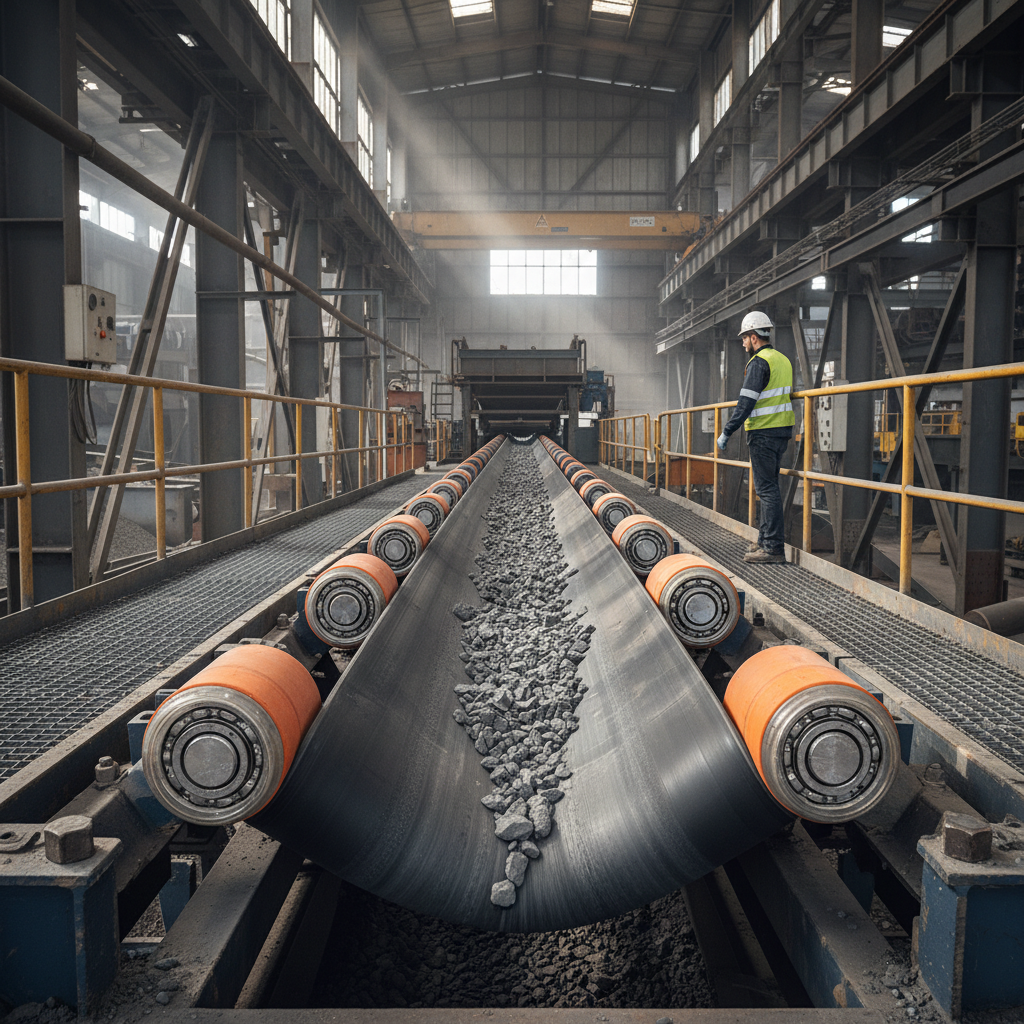
Rubber idler rollers are essential components across numerous industries, playing a crucial role in conveyor systems that underpin global logistics, mining, agriculture, and manufacturing. These seemingly simple devices facilitate the smooth and efficient movement of materials, significantly impacting productivity and cost-effectiveness. Understanding their function, durability, and maintenance is paramount for optimizing operational efficiency and minimizing downtime across diverse applications.
The global demand for rubber idler rollers is closely tied to industrial production and infrastructure development. A report by the World Bank indicates a consistent growth in global trade volumes, directly driving the need for enhanced material handling capabilities. Furthermore, the increasing focus on automation and efficiency within these industries necessitates high-performance idler rollers capable of withstanding heavy loads and continuous operation. This underscores the vital contribution these rollers make to a seamlessly functioning global supply chain.
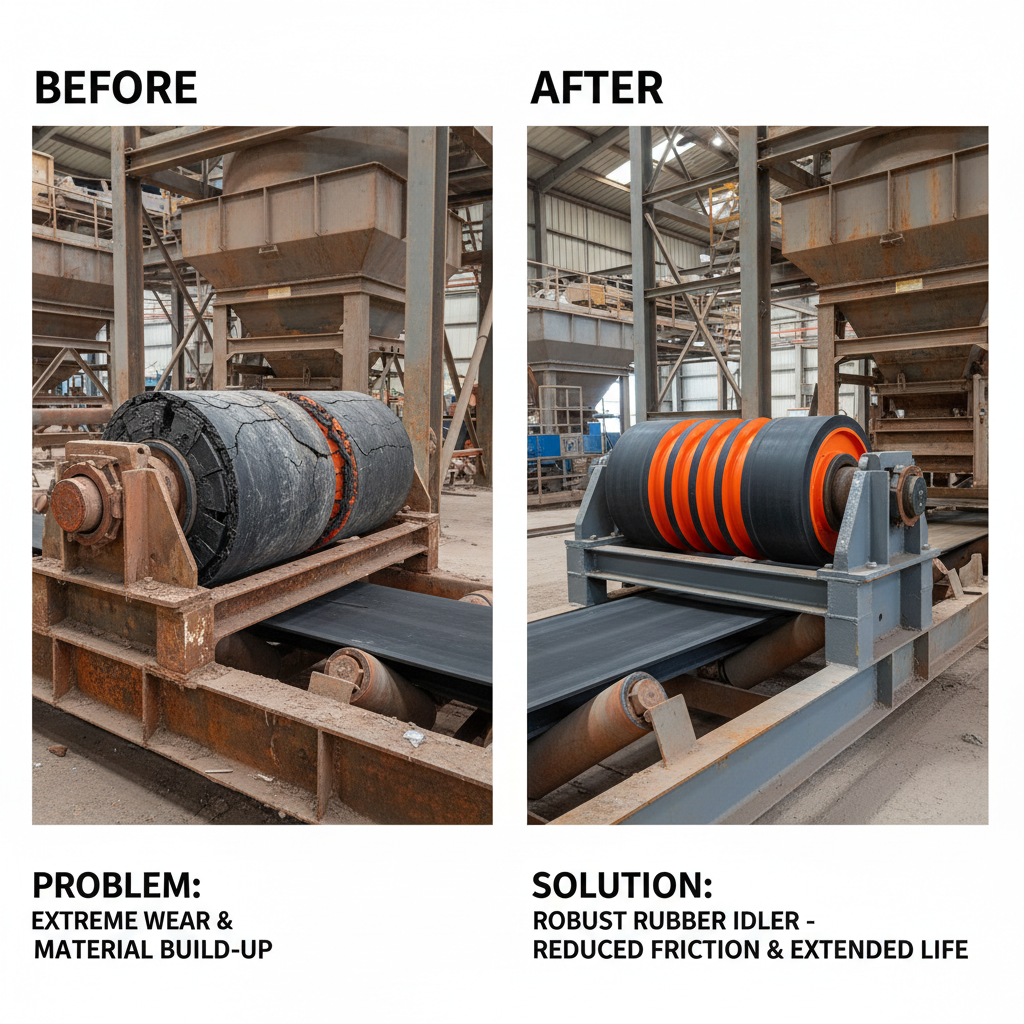
The significance of properly functioning rubber idler rollers extends beyond mere operational efficiency. Failing rollers lead to increased friction, belt wear, and potential system failures, resulting in costly repairs and disruptions. Investing in quality rollers and implementing proactive maintenance programs is therefore a critical business strategy for industries reliant on continuous material flow.
Introduction to Rubber Idler Rollers
Rubber idler rollers are fundamental to the operation of belt conveyor systems. They provide support for the conveyor belt and reduce friction, allowing for the efficient and reliable transport of materials. Their consistent performance is crucial in minimizing energy consumption and maximizing system throughput, especially in demanding industrial environments.
Proper selection and maintenance of rubber idler roller is paramount. Factors such as load capacity, operating environment, and material composition must be carefully considered to ensure optimal performance and longevity. Investing in high-quality rollers can significantly reduce the total cost of ownership by minimizing downtime and replacement frequency.
Defining Rubber Idler Rollers
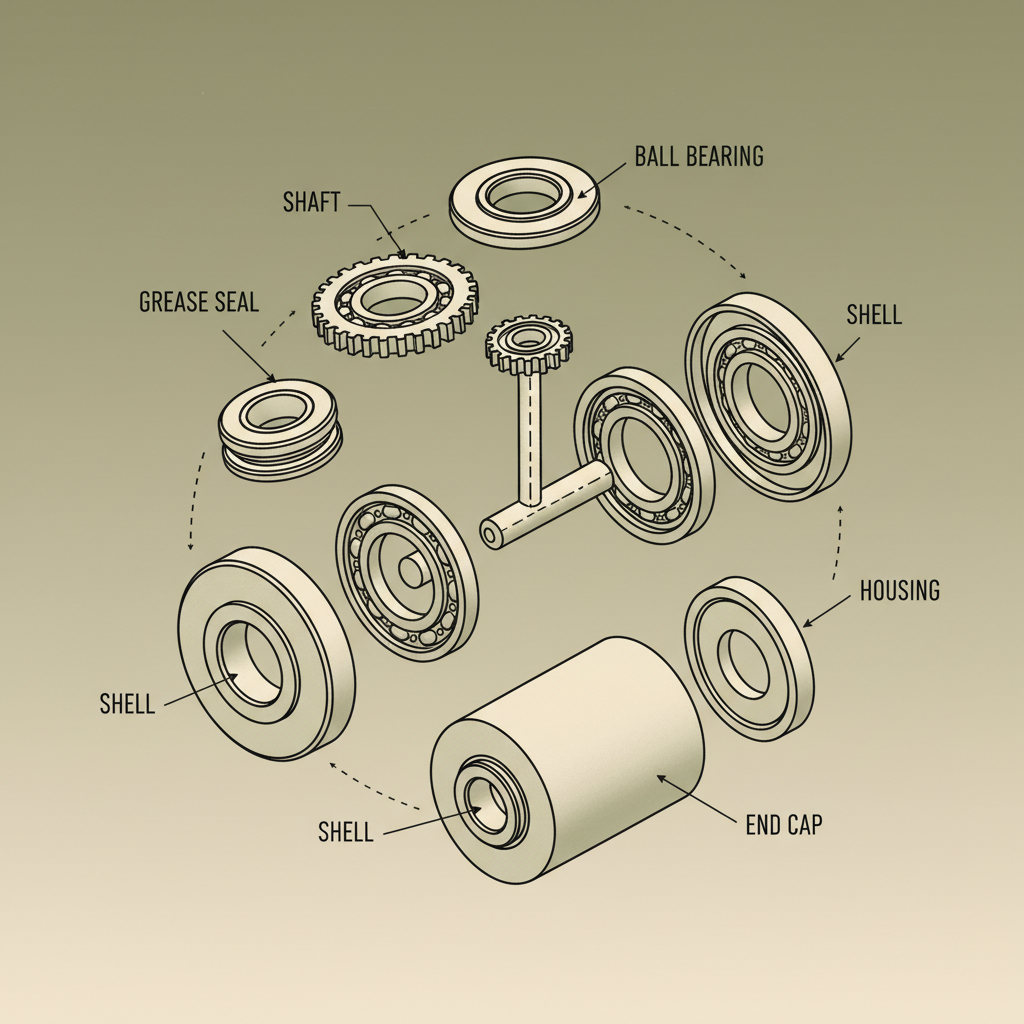
A rubber idler roller is a cylindrical component designed to support and guide a conveyor belt. Unlike powered pulleys, idler rollers are not driven by a motor; they rotate freely as the belt moves over them. They are typically constructed with a metal shell covered in a layer of rubber, providing cushioning and increased friction for better belt grip.
In modern industrial settings, these rollers are a crucial link in the supply chain, allowing for the efficient movement of raw materials, finished goods, and bulk materials. Their ability to withstand continuous operation and heavy loads makes them essential in industries such as mining, aggregates, cement, and logistics.
The primary function of a rubber idler roller is to minimize friction between the conveyor belt and its supporting structure. This reduces wear and tear on the belt, extends the lifespan of the conveyor system, and ultimately improves overall operational efficiency.
Key Characteristics of Rubber Idler Rollers
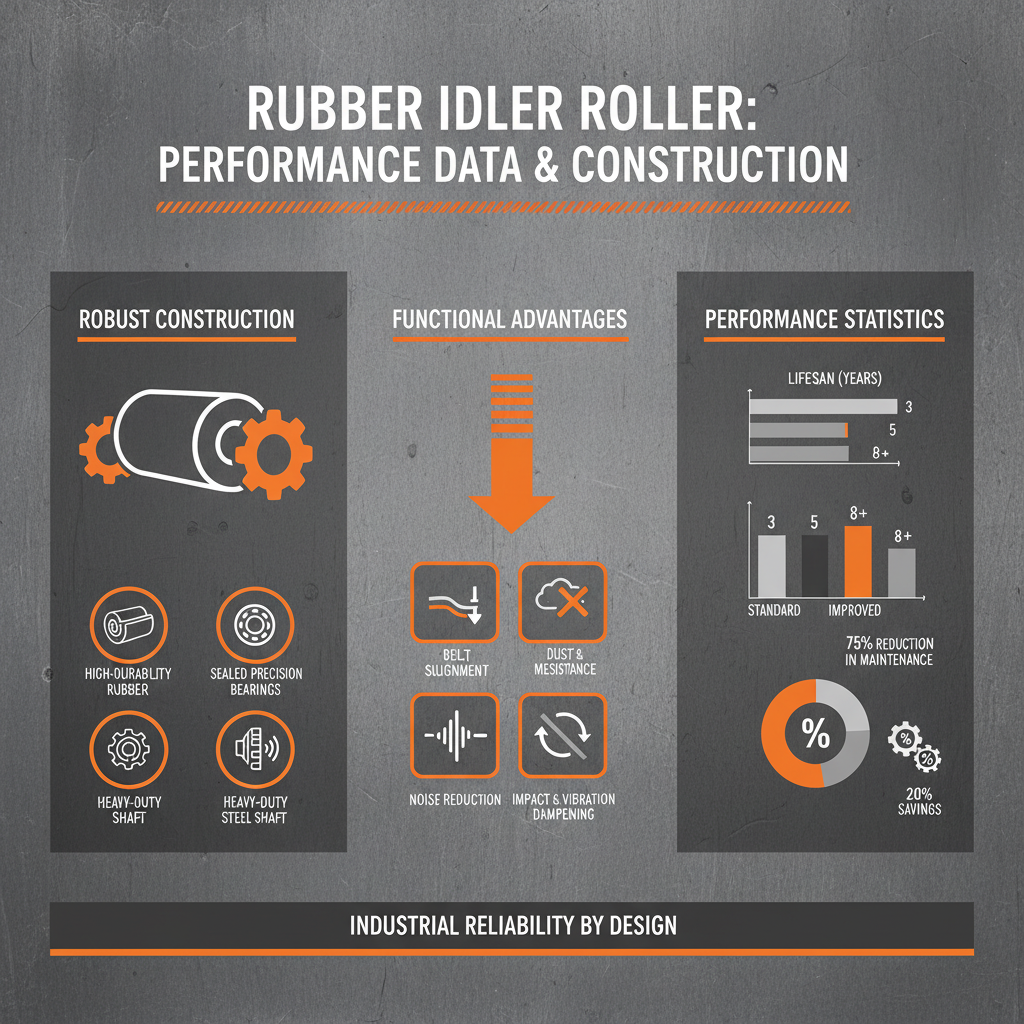
Durability is a cornerstone characteristic of effective rubber idler rollers. They must be able to withstand continuous operation, heavy loads, and exposure to harsh environmental conditions. The quality of the rubber compound and the robustness of the metal shell directly impact the roller’s lifespan and reliability.
Load Capacity is critical. Rollers are designed to handle specific weight limits, and exceeding these limits can lead to premature failure and potential system damage. Selecting rollers with the appropriate load capacity for the application is therefore essential for safe and efficient operation.
Friction Reduction is a primary function, and the rubber coating plays a vital role. The rubber’s composition influences the coefficient of friction, impacting energy efficiency and belt wear. Optimizing this friction coefficient is key to minimizing energy consumption and maximizing belt life.
Performance Factors in Rubber Idler Roller Application
The performance of rubber idler rollers is heavily influenced by several factors, including operating speed, material characteristics, and environmental conditions. Higher operating speeds require rollers with greater dynamic balance to prevent vibration and instability.
The type of material being conveyed also plays a significant role. Abrasive materials necessitate rollers with more wear-resistant rubber compounds, while sticky materials may require special coatings to prevent build-up and maintain grip.
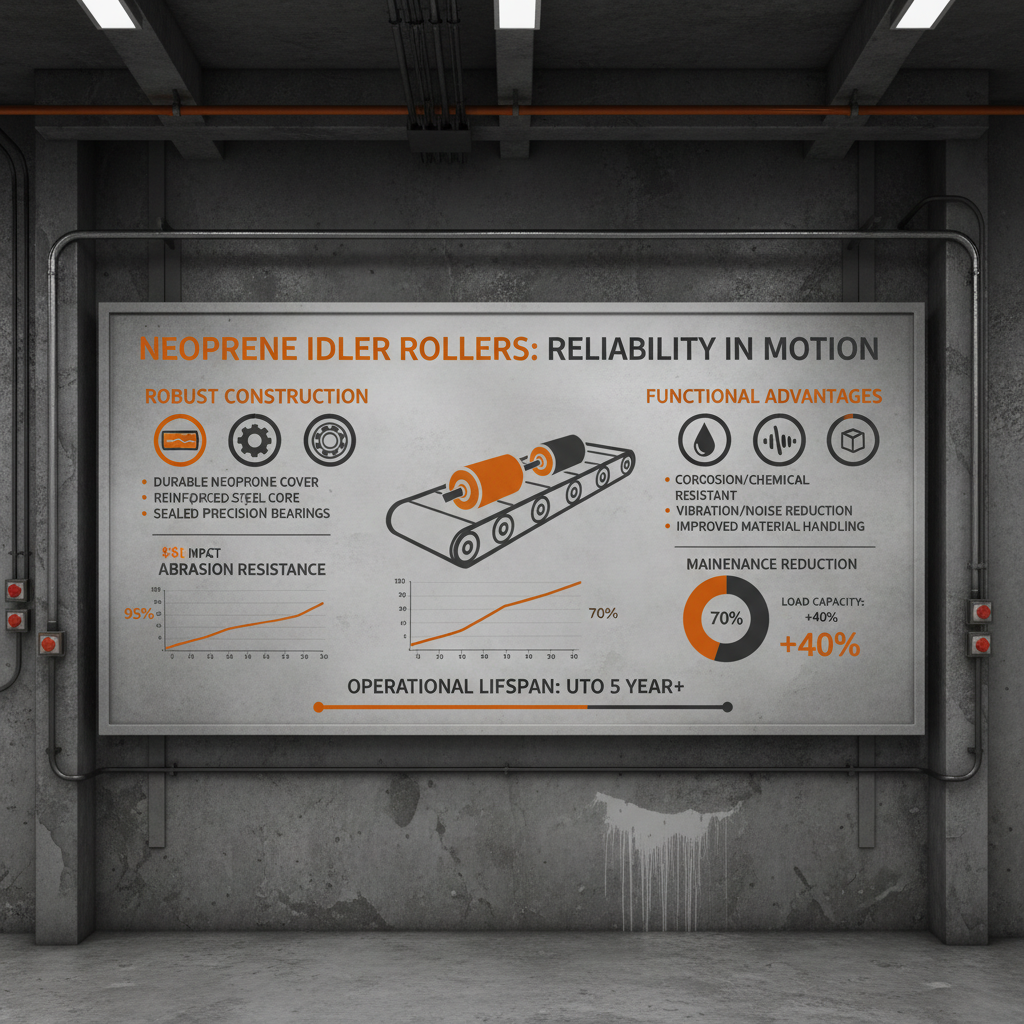
Rubber Idler Roller Performance Metrics
Global Applications and Industry Use
Rubber idler rollers find widespread application across a diverse range of industries globally. The mining sector utilizes these rollers extensively in conveying ore and minerals, often in harsh and abrasive environments. In the agricultural industry, they facilitate the transport of harvested crops and bulk fertilizers.
Logistics and distribution centers rely heavily on conveyor systems equipped with rubber idler rollers to manage the efficient movement of parcels and goods. From large-scale automated warehouses to smaller sorting facilities, these rollers play a vital role in maintaining smooth operations.
Advantages and Long-Term Value
Investing in high-quality rubber idler rollers translates to significant long-term cost savings. Reduced belt wear, minimized downtime, and increased energy efficiency all contribute to a lower total cost of ownership. This is especially critical in industries where continuous operation is paramount.
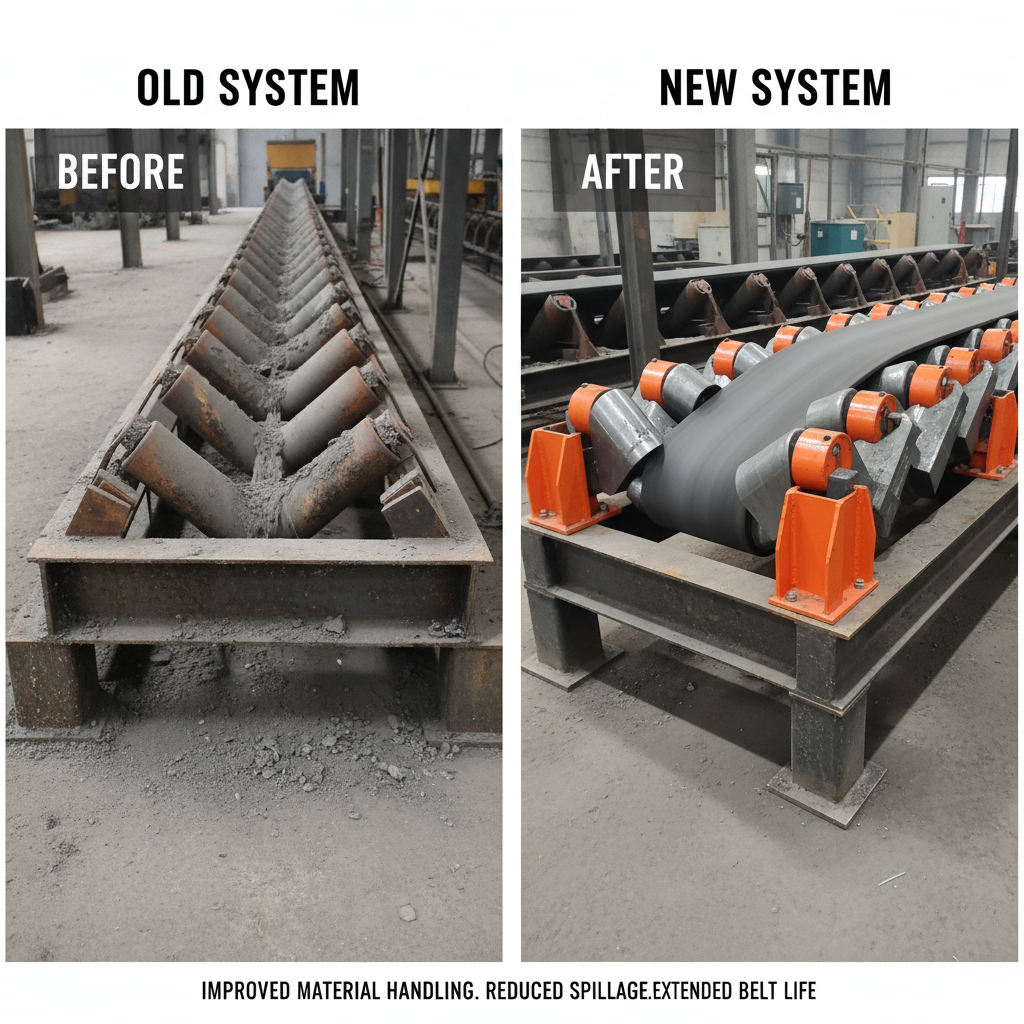
Beyond economic benefits, the use of durable and reliable rubber idler rollers enhances workplace safety by reducing the risk of system failures and material spills. Improved system reliability also contributes to a more sustainable operation, minimizing waste and resource consumption.
The trust and reliability these rollers provide are invaluable. Consistent performance reduces the stress on other conveyor components and ensures a smooth and uninterrupted flow of materials, bolstering overall productivity and confidence in the system.
Future Trends and Innovations
The future of rubber idler roller technology is focused on enhanced durability, reduced weight, and improved monitoring capabilities. Smart rollers equipped with sensors can provide real-time data on bearing temperature, vibration levels, and belt tension, enabling predictive maintenance and preventing costly failures.
Advancements in rubber compound technology are leading to the development of rollers that are more resistant to wear, abrasion, and chemical exposure. Furthermore, the integration of sustainable materials and manufacturing processes is gaining traction, aligning with the growing emphasis on environmental responsibility.
Automation and digital transformation are driving the demand for smarter, more integrated conveyor systems. Rubber idler rollers will increasingly become an integral part of these systems, contributing to greater efficiency, reliability, and sustainability.
Summary of Key Performance Indicators for Rubber Idler Roller Optimization
| Roller Type |
Operating Environment |
Maintenance Frequency |
Predicted Lifespan (Months) |
| Standard Rubber |
Dry, Moderate Temperature |
Monthly Inspection |
18 |
| Heat Resistant Rubber |
High Temperature |
Bi-Monthly Inspection |
12 |
| Oil Resistant Rubber |
Oily Environment |
Weekly Inspection |
10 |
| Abrasion Resistant Rubber |
Abrasive Material |
Monthly Inspection |
15 |
| Sealed Bearing Roller |
Dusty Environment |
Quarterly Inspection |
24 |
| Smart Roller (Sensor Equipped) |
All Environments |
Condition-Based |
36+ |
FAQS
The lifespan of a rubber idler roller varies depending on several factors, including the operating environment, load capacity, and maintenance schedule. Generally, standard rollers last between 12-24 months, while premium rollers with advanced features can last considerably longer, often exceeding 36 months. Regular inspection and proactive maintenance are key to maximizing their lifespan.
The recommended inspection frequency depends on the application. For standard applications, monthly inspections are generally sufficient. However, in harsh environments or with heavy loads, weekly or bi-weekly inspections are advisable. Key areas to check include rubber condition, bearing lubrication, and overall alignment.
Common signs of a failing roller include excessive noise, vibration, uneven belt wear, and visible damage to the rubber or bearing. If you notice any of these symptoms, it's crucial to inspect the roller immediately and replace it if necessary to prevent further damage to the conveyor system.
The best rubber type depends on the materials being conveyed and the operating environment. For abrasive materials, abrasion-resistant rubber is recommended. For oily environments, oil-resistant rubber is crucial. Heat-resistant rubber is essential in high-temperature applications. Choosing the right rubber compound is vital for maximizing roller lifespan and performance.
Proper lubrication is critical for maintaining bearing health and preventing premature failure. Use a high-quality grease specifically designed for conveyor roller bearings. Follow the manufacturer's recommendations for lubrication frequency and quantity. Ensure the bearings are clean before applying grease, and avoid over-lubrication.
Minor damage, such as superficial rubber wear, can sometimes be repaired. However, significant damage to the rubber or bearing generally necessitates replacement. Replacing worn rollers is often more cost-effective in the long run, as it prevents potential system failures and downtime.
Conclusion
In conclusion, rubber idler rollers are indispensable components of modern conveyor systems, playing a critical role in industries worldwide. Their durability, friction-reducing properties, and load-bearing capacity contribute significantly to operational efficiency, cost savings, and workplace safety. Understanding their characteristics, applications, and maintenance requirements is paramount for maximizing system performance.
Looking ahead, innovations in rubber compound technology, sensor integration, and sustainable manufacturing practices will continue to enhance the capabilities and value of rubber idler rollers. By embracing these advancements and prioritizing proactive maintenance, industries can ensure the reliable and efficient transport of materials for years to come. For high-quality rubber idler rollers and expert support, visit our website today.