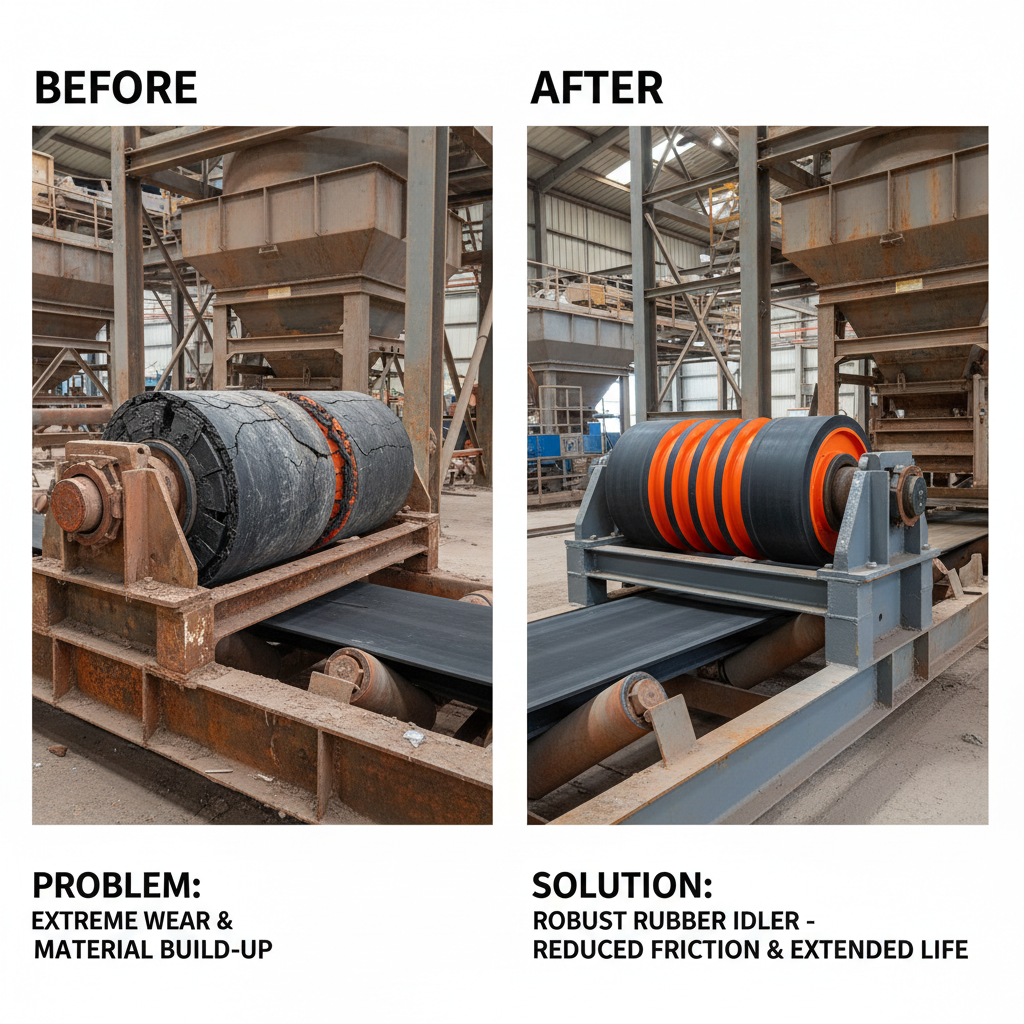
Honestly, things have been hectic. Been running around construction sites all year, and you really start to see what’s actually happening. Lately, everyone’s obsessed with “smart” conveyor idlers, you know? Sensors, remote monitoring… it’s all the rage. To be honest, a lot of it feels like over-engineering. But the demand is there, so we’re adapting. It’s funny, though - half the time, the guys on site just want something that’s reliable. Not flashing lights and data dashboards.
I’ve seen so many designs fall apart because people are too focused on the spec sheet and not enough on the real world. Have you noticed how many manufacturers skimp on the sealing? A little dust, a little water, and suddenly that “high-precision” bearing is toast. It seems simple, but it's a constant battle. And the weight! Too many folks try to make things lighter, sacrificing durability. I encountered this at a cement factory last time – they were bragging about their new lightweight idlers, and within a week, the rollers were cracked. Crushed.
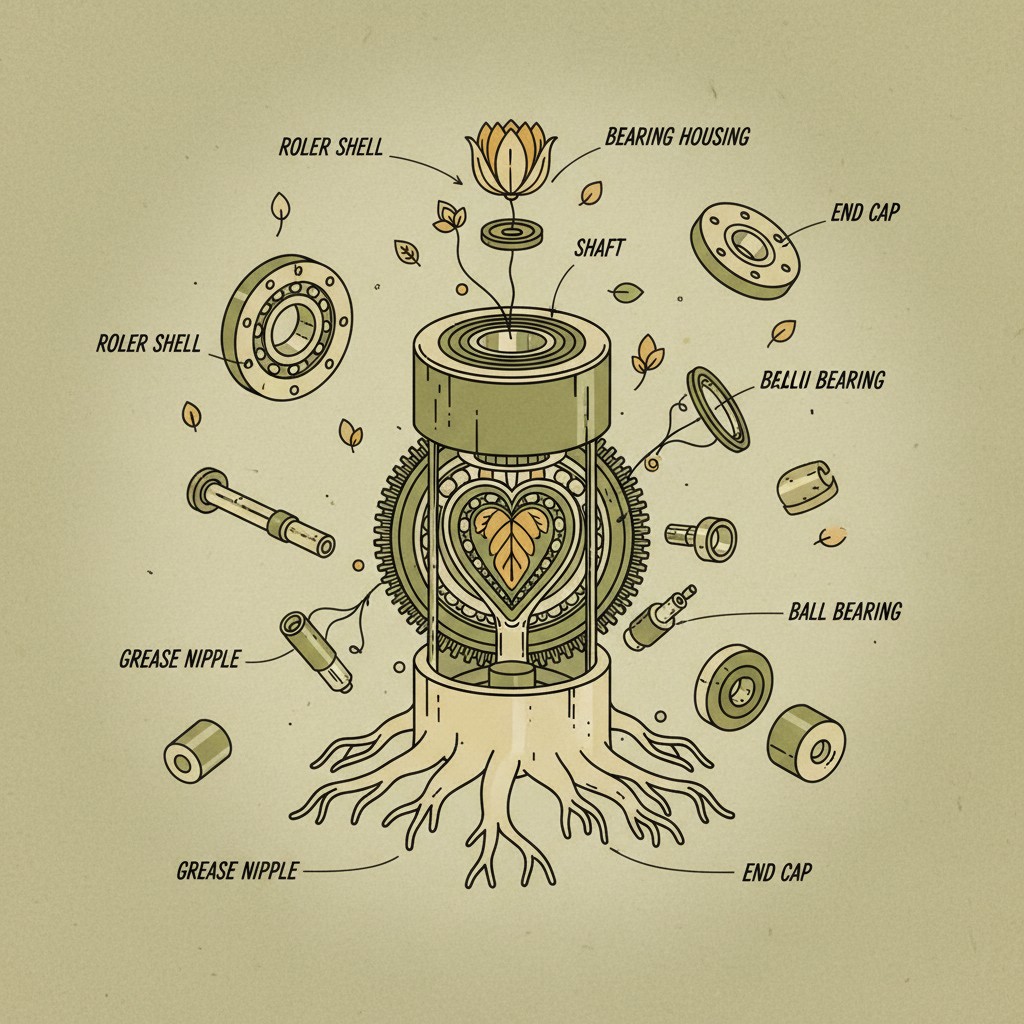
We mostly use 45 steel for the shell, it’s the standard. Feels solid in your hand, smells… well, like steel, you know? A bit oily if it’s new. For the bearings, we’ve been testing ceramic ones – they’re expensive, sure, but they hold up to the heat and the grit a lot better. It’s a strange feeling, actually, running your hand over a ceramic bearing, it’s so smooth. The rubber lagging, that's crucial too. We tried a cheaper compound a while back, and it started peeling after just a few weeks. Had to go back to a natural rubber blend. You can tell the difference just by the smell. It’s a weird skill, I know.
Industry Trends and Design Pitfalls
The big thing now is, like I said, sensors. Everyone wants to know how much load each idler is taking, the temperature, the vibration… Frankly, I think a lot of that data goes unused. It's nice to have, but the guys running the conveyors are still relying on their gut feeling. You know, “Sounds a bit rough, better grease it.” It’s the simpler things. The pitfall? Trying to be too clever, too fast. Ignoring the basics.
We’ve been working with several conveyor idler manufacturers to refine designs, and the common thread is always the same: overcomplication. They get so caught up in the tech, they forget the idler needs to work in a dusty, vibrating, relentlessly boring environment.
Materials and Their Real-World Handling
We've standardized on 45 steel for the core structure. It’s a workhorse. Solid. But even steel needs treatment, you know? We've experimented with different coatings – epoxy, polyurethane – and honestly, the cheap stuff just flakes off. You really need a good zinc phosphate primer and a decent topcoat. And the bearings… that's where things get interesting. We’re seeing a move towards ceramic, but the cost is a killer. The old double-row ball bearings are still reliable, but they wear out quicker, especially with abrasive materials.
The lagging – the rubber covering the roller – is surprisingly important. It affects grip, reduces build-up, and protects the steel. Natural rubber is still king, despite the higher price. Synthetic rubber just doesn’t hold up. Anyway, I think a good lagging should smell… faintly rubbery, not chemical. That’s a good sign.
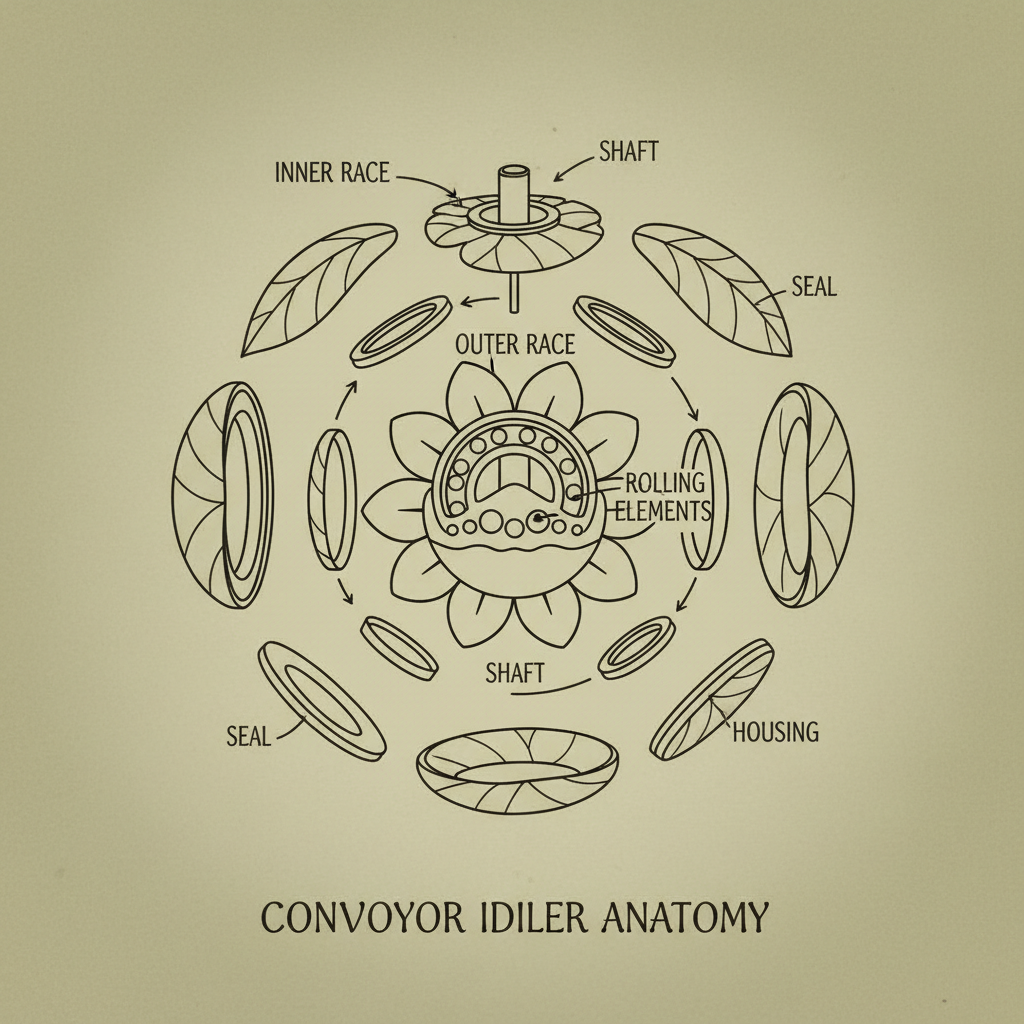
The seals, now those are critical. Nitrile rubber is standard, but you need a good lip seal, and it needs to be properly fitted. I've seen guys try to force them on with a hammer… don’t do that. You’ll damage the seal, and it’ll leak. It's a small detail, but it makes a huge difference.
Testing: Beyond the Lab
Labs are fine for basic stress tests, but they don’t replicate the real world. We actually take idlers to the mines, to the cement factories, to the ports. We put them through hell. We load them up, we run them in the rain, we cover them in dust. It’s messy, it’s expensive, but it’s the only way to really know if something will hold up.
We’ve got a test rig at our facility that simulates a conveyor belt – it’s a bit crude, but it gets the job done. We run the idlers for weeks, monitoring temperature, vibration, and bearing wear. The key is to push them to their limits. See when they break. How they break. It’s not pretty, but it's informative.
Strangely, the most insightful tests aren't the planned ones. It's when a worker calls up and says, “Hey, this thing just failed after a week!” That’s when you really learn something.
Actual User Applications
It's not always what you think. You design an idler for a specific application, but users always find new ways to use – or misuse – them. I saw a guy using them as rollers for a makeshift pallet jack once. It worked, surprisingly well, but it wasn’t what we intended.
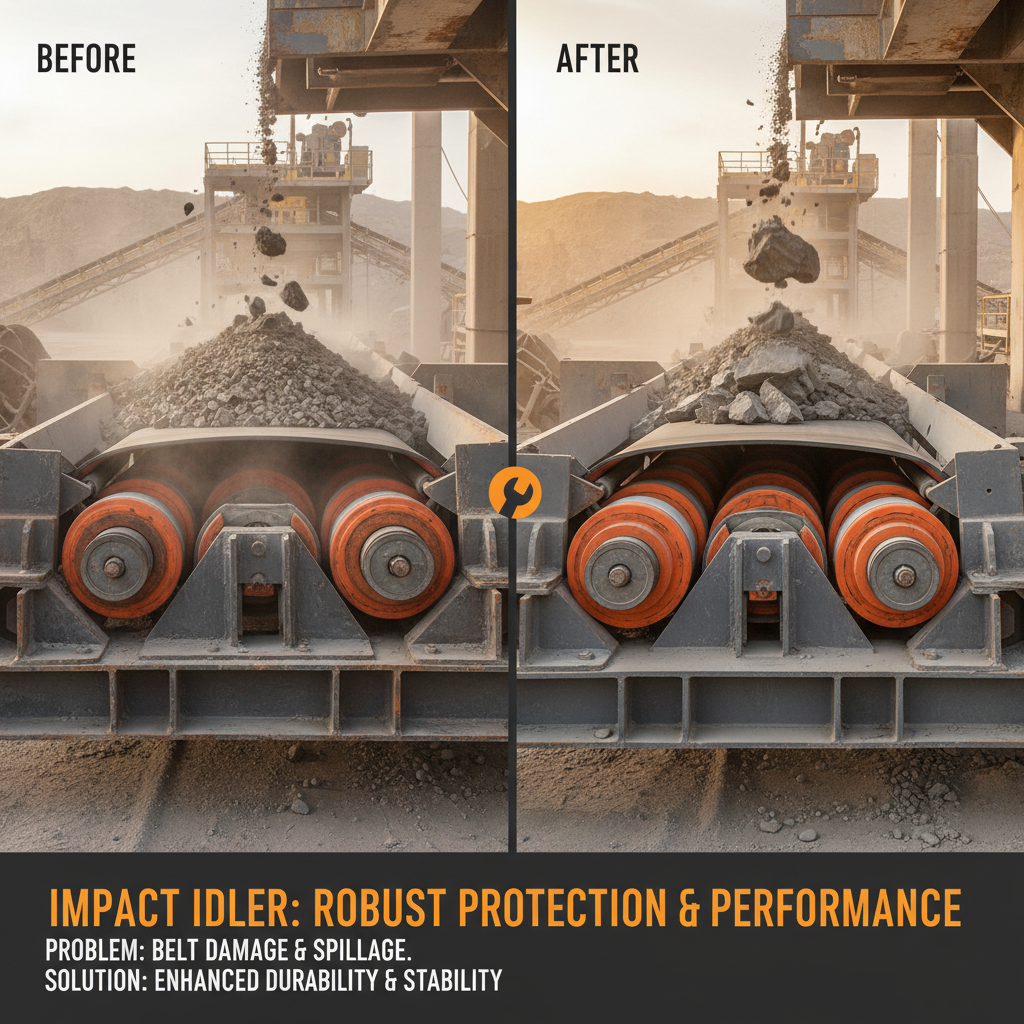
In coal mines, the biggest issue is dust and abrasion. Everything gets coated in black dust, and it wears down the bearings and lagging quickly. In aggregate quarries, it’s impact. Big rocks constantly slamming into the rollers. Different environments, different challenges. That's why there isn't one idler that fits all purposes.
Idler Performance Factors - Based on Real-World Feedback
Advantages and Disadvantages
The advantages are pretty straightforward: increased efficiency, reduced downtime, lower maintenance costs. A good idler just keeps running, and that saves money. But they're not perfect. They can be expensive, especially the high-end models. And they’re a wear item – they will eventually fail. You just have to minimize the frequency of those failures.
One disadvantage, especially with the smart idlers, is the complexity. More sensors mean more potential points of failure. More wiring means more opportunities for corrosion. It’s a trade-off. You get more data, but you also get more headaches.
Customization Capabilities
We can customize pretty much everything. Shaft diameter, roller length, bearing type, lagging material… you name it. Last year, a customer needed an idler with a special coating to prevent build-up of sticky resin. It was a pain to develop, but we got it done.
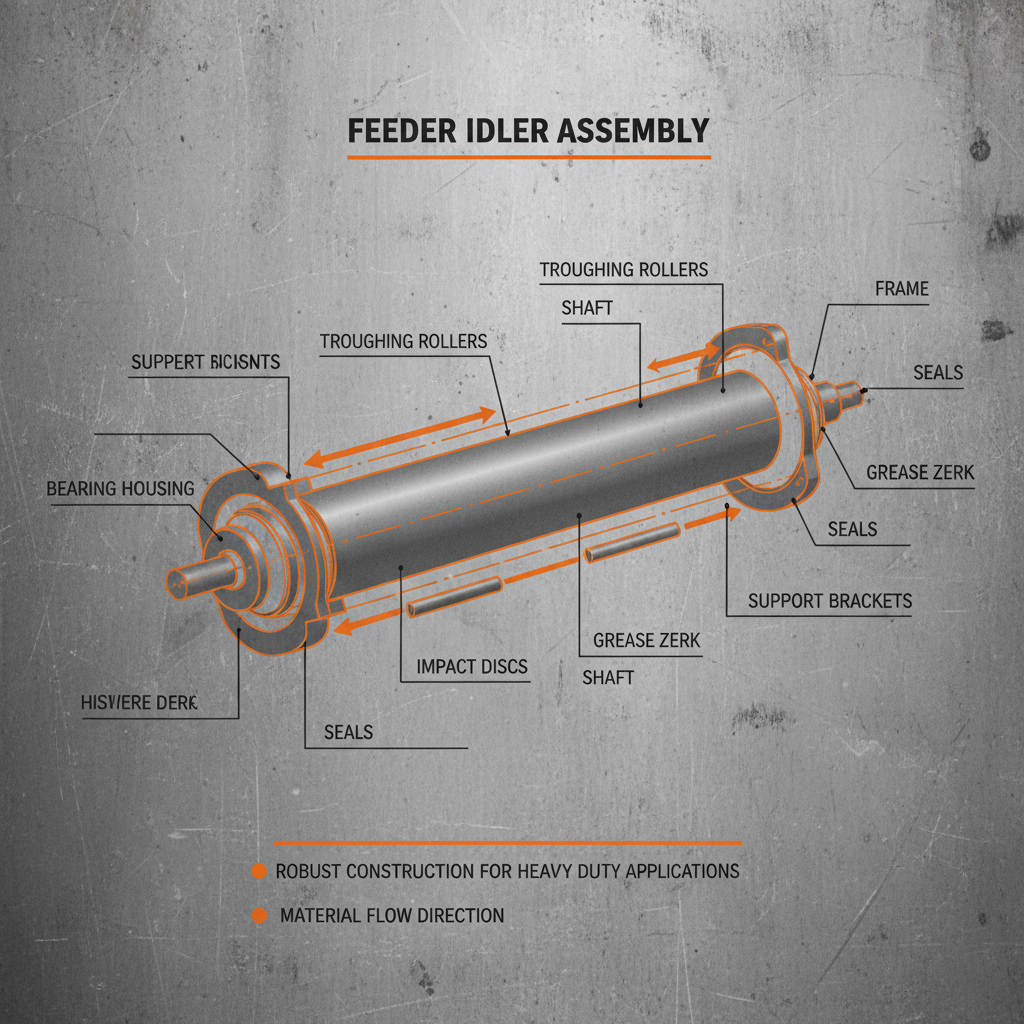
We can also modify the mounting brackets to fit specific conveyor frames. We even had a request for an idler with a built-in heating element to prevent freezing in a cold climate. It was a weird one, but we made it work. I’ve learned over the years that you never say “no” to a customer. You just figure out a way to make it happen.
A Customer Story and Final Thoughts
Last month, that small boss in Shenzhen who makes smart home devices insisted on changing the interface to on the idlers, said it was “more future-proof.” I tried to explain that it didn’t matter, the guys on site don’t care about , they just want something that works, but he wouldn’t listen. He wanted it, he got it. He ended up having to buy a whole bunch of adapters because nobody had the right cables. Cost him a fortune.
Anyway, I think the key takeaway is this: conveyor idlers are simple things, but they’re also incredibly important. They're the unsung heroes of the industrial world. They just keep turning, day after day, moving stuff from A to B.
Ultimately, whether this thing works or not, the worker will know the moment he tightens the screw. That's all that matters.
Idler Performance Summary - Key Considerations
| Application Environment |
Critical Failure Points |
Maintenance Frequency |
Recommended Material |
| Coal Mining |
Seal Failure, Bearing Wear |
High (Weekly) |
Ceramic Bearings, Nitrile Rubber Seal |
| Cement Production |
Impact Damage, Lagging Wear |
Moderate (Monthly) |
High-Grade Steel, Natural Rubber Lagging |
| Aggregate Quarry |
Shell Cracking, Bearing Failure |
Moderate (Bi-Weekly) |
Reinforced Steel, High-Density Rubber |
| Port Logistics |
Corrosion, Seal Degradation |
Low (Quarterly) |
Stainless Steel, Marine-Grade Seal |
| Food Processing |
Sanitation, Material Compatibility |
High (Daily) |
Food-Grade Stainless Steel, FDA-Approved Rubber |
| Recycling Plants |
Abrasion, Contamination |
Moderate (Weekly) |
Hardened Steel, Abrasion-Resistant Lagging |
FAQS
In a limestone quarry, you're dealing with incredibly abrasive material. A standard idler, if well-maintained, might last 6-12 months. But, honestly, it depends on the quality of the stone and how aggressively it’s being mined. We've seen some last only a month. Using hardened steel and a thick rubber lagging is crucial, and regular inspection for wear is essential.
Dust is the enemy. A good seal is paramount. We recommend nitrile rubber seals with a lip design that effectively keeps out debris. Regularly greasing the bearings is also critical. Some customers opt for enclosed idlers with a grease fitting, which makes maintenance easier. And honestly, a little preventative cleaning goes a long way.
A double-row bearing has, well, two rows of balls. This increases the load-carrying capacity and provides more stability. They’re more expensive, but they last longer, especially under heavy loads or in harsh environments. Single-row bearings are fine for lighter-duty applications, but they’re more prone to failure if overloaded.
Yes, but it’s not always easy. It depends on the idler design. Some idlers are designed with sensor mounting points, while others require modification. It's best to consult with a conveyor idler manufacturers to assess the feasibility and cost. You also need to consider the power supply and data transmission methods.
Keep them dry, preferably indoors. If they have to be stored outside, cover them with a tarp to protect them from the elements. And make sure they’re stored on a flat surface to prevent damage to the bearings. Rust is a killer, so a light coat of oil or grease isn’t a bad idea, especially if they’re going to be stored for a long time.
That's a growing concern. Using recycled steel is a good start. We’re also exploring biodegradable lagging materials, but they’re not quite ready for prime time yet. Reducing idler failure rates through better design and maintenance is also a form of sustainability – less waste, less energy used in manufacturing replacements.
Conclusion
So, there you have it. Conveyor idlers – seemingly simple components, but vital to the smooth operation of countless industries. From material selection and rigorous testing to understanding real-world applications and the occasional customer quirk, it’s a world of its own. The trend toward “smart” idlers is interesting, but don’t forget the basics. Durability, reliability, and ease of maintenance will always be key.
Looking ahead, I think we'll see more emphasis on predictive maintenance, using sensors and data analytics to identify potential failures before they happen. And, hopefully, a little more common sense in design. Ultimately, whether this thing works or not, the worker will know the moment he tightens the screw.