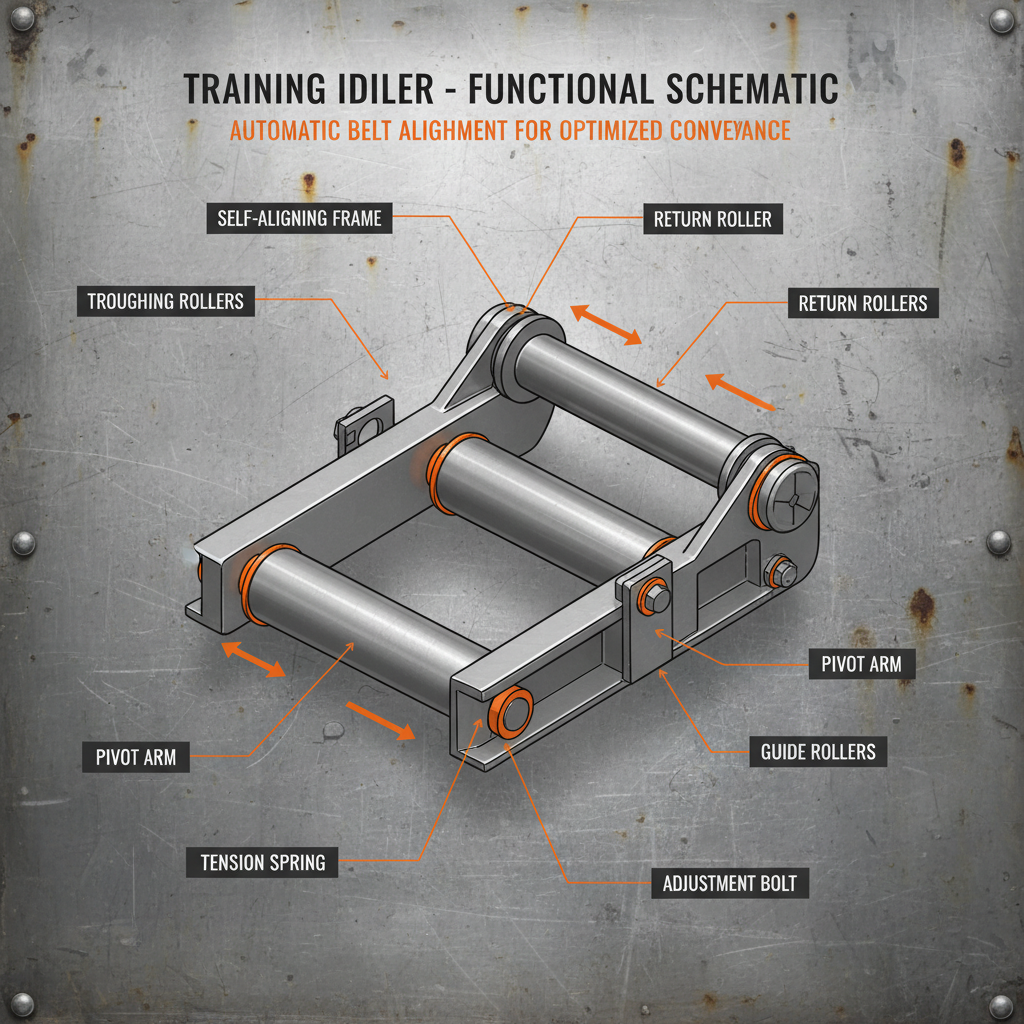
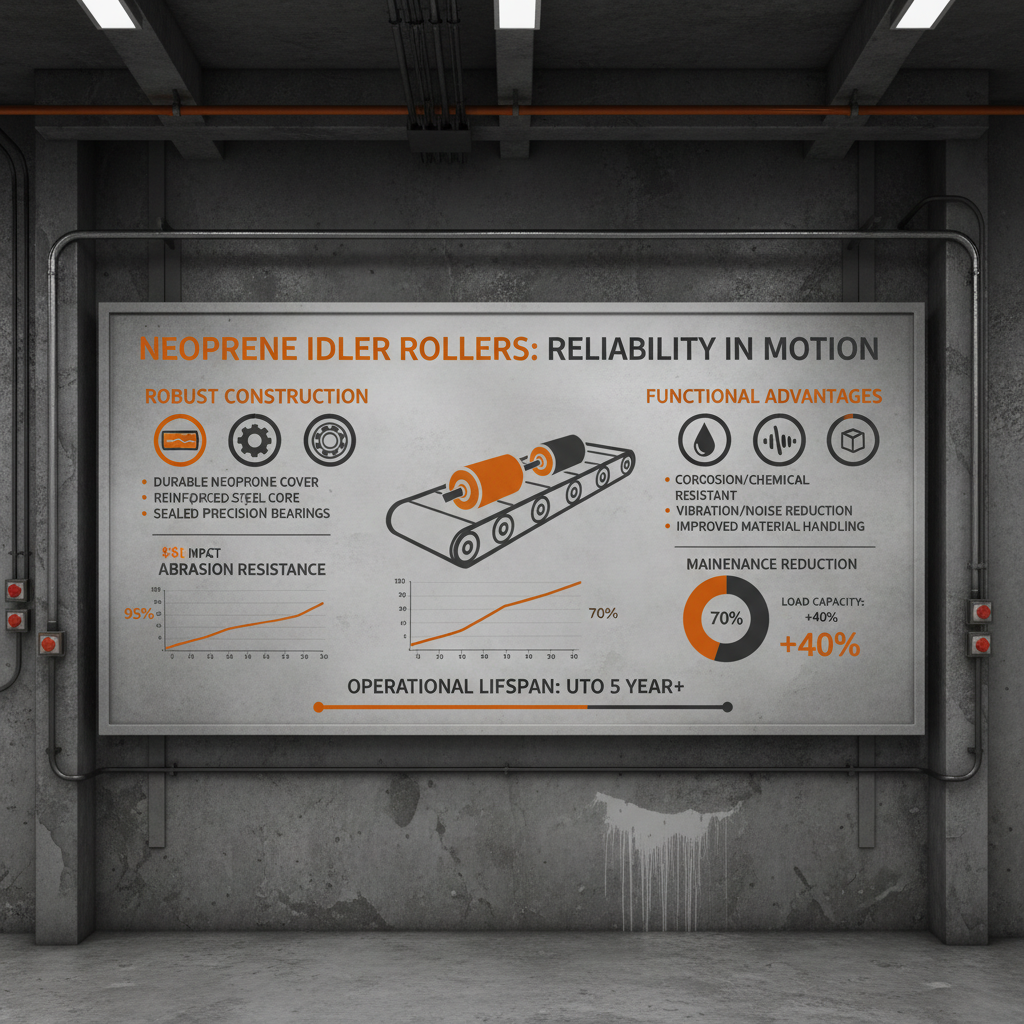
Picking idler systems are critical components in a wide array of industrial processes, from conveyor belts in manufacturing to material handling in logistics. Their proper selection, installation, and maintenance are paramount to operational efficiency and preventing costly downtime. Understanding the nuances of picking idler technology – encompassing design variations, material science, and predictive maintenance strategies – is increasingly vital in today’s competitive global landscape.
The global market for material handling equipment, including idlers, is substantial and growing, driven by expanding e-commerce, infrastructure development, and resource extraction activities. According to industry reports, the conveyor idler market alone is projected to reach billions of dollars in the coming years. Ignoring the importance of optimized picking idler performance can lead to significant losses in productivity, increased energy consumption, and even safety hazards.
This detailed exploration delves into the core aspects of picking idler systems, from their fundamental definition and key characteristics to their diverse applications, advantages, future trends, and potential challenges. We aim to provide a comprehensive understanding for engineers, maintenance personnel, procurement specialists, and anyone involved in industries relying on efficient material handling.
The Fundamentals of picking idler
Picking idler systems are essentially rollers that support the conveying surface of a belt, providing a low-friction pathway for materials to be transported. Their primary function is to reduce drag and prevent belt sagging, ensuring smooth and efficient material flow. Properly designed picking idlers minimize energy loss and extend belt life.
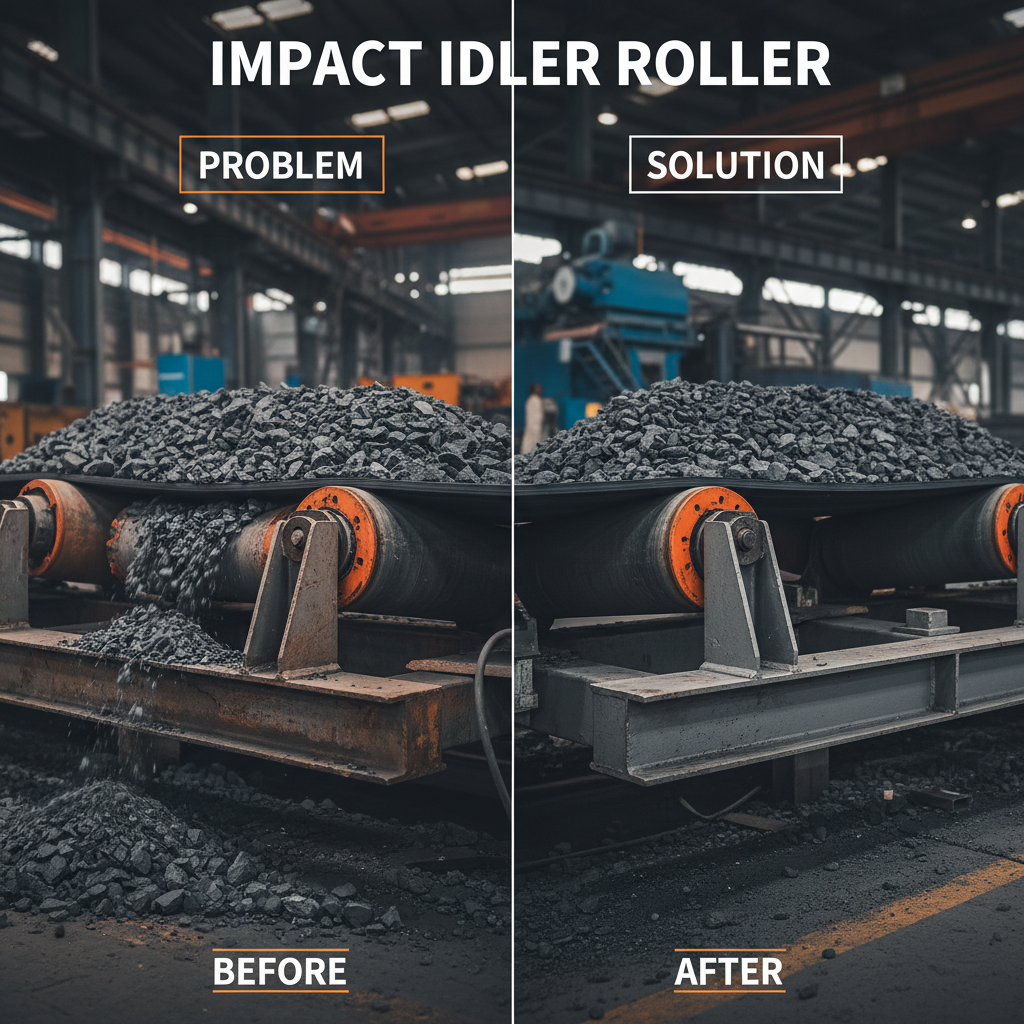
The selection of picking idler type—from tapered, self-cleaning, or impact idlers—depends heavily on the material being conveyed, the operating environment, and the specific application requirements. Considering factors like load capacity, speed, and potential for material build-up is crucial for optimal performance and longevity.
Global Industry Context for picking idler
The demand for efficient material handling solutions, and therefore advanced picking idler systems, is inextricably linked to global economic growth, particularly in developing nations. Industries such as mining, agriculture, construction, and manufacturing are consistently investing in optimizing their material flow processes.
The United Nations Industrial Development Organization (UNIDO) highlights the critical role of efficient logistics and material handling in supporting sustainable industrial development. Inefficiencies in these areas can significantly impede economic progress and contribute to higher operational costs. The ISO standards related to conveyor systems (e.g., ISO 50001 for energy management) are increasingly influencing the design and implementation of picking idler technology.
A significant challenge facing the industry is the need to reduce the environmental impact of material handling operations. This necessitates the development of picking idlers that are more energy-efficient, require less maintenance, and utilize sustainable materials. Companies are actively seeking solutions to minimize their carbon footprint and improve their overall sustainability performance.
Defining and Understanding picking idler
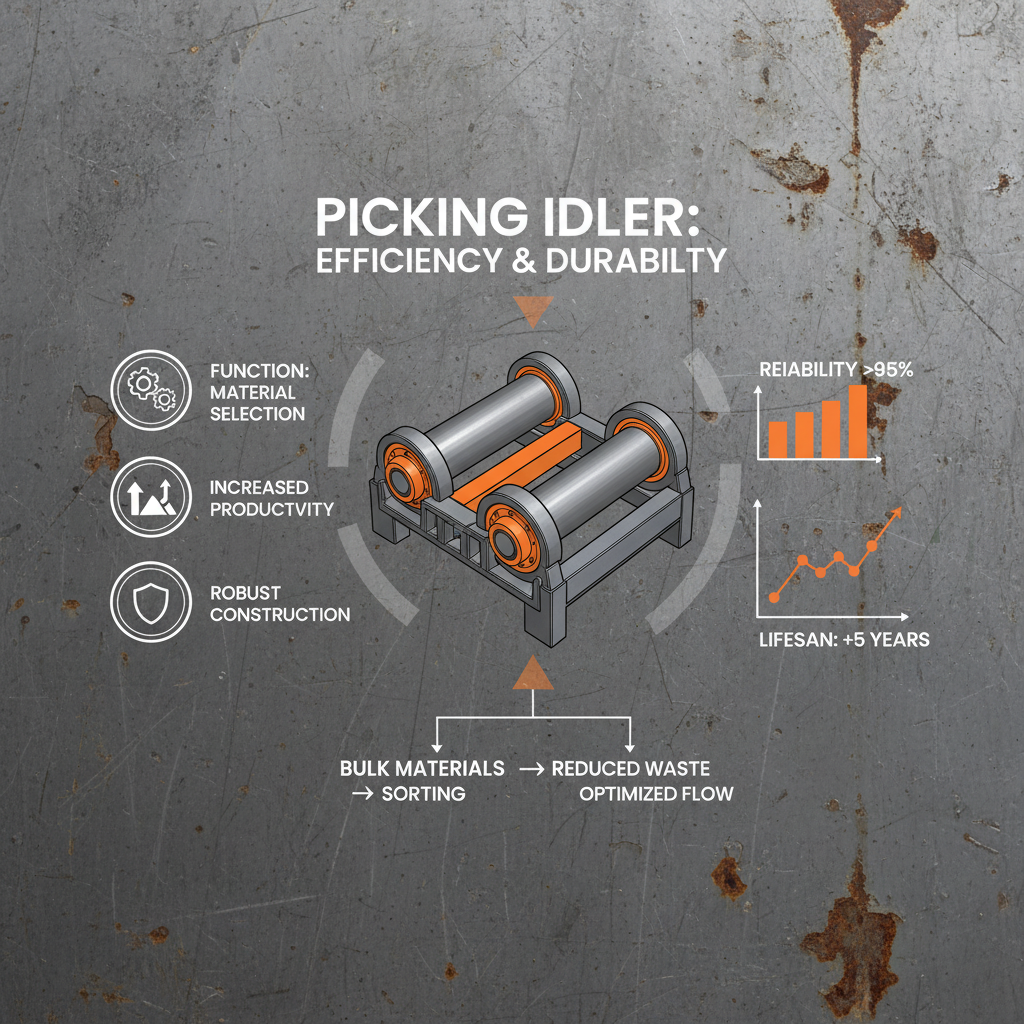
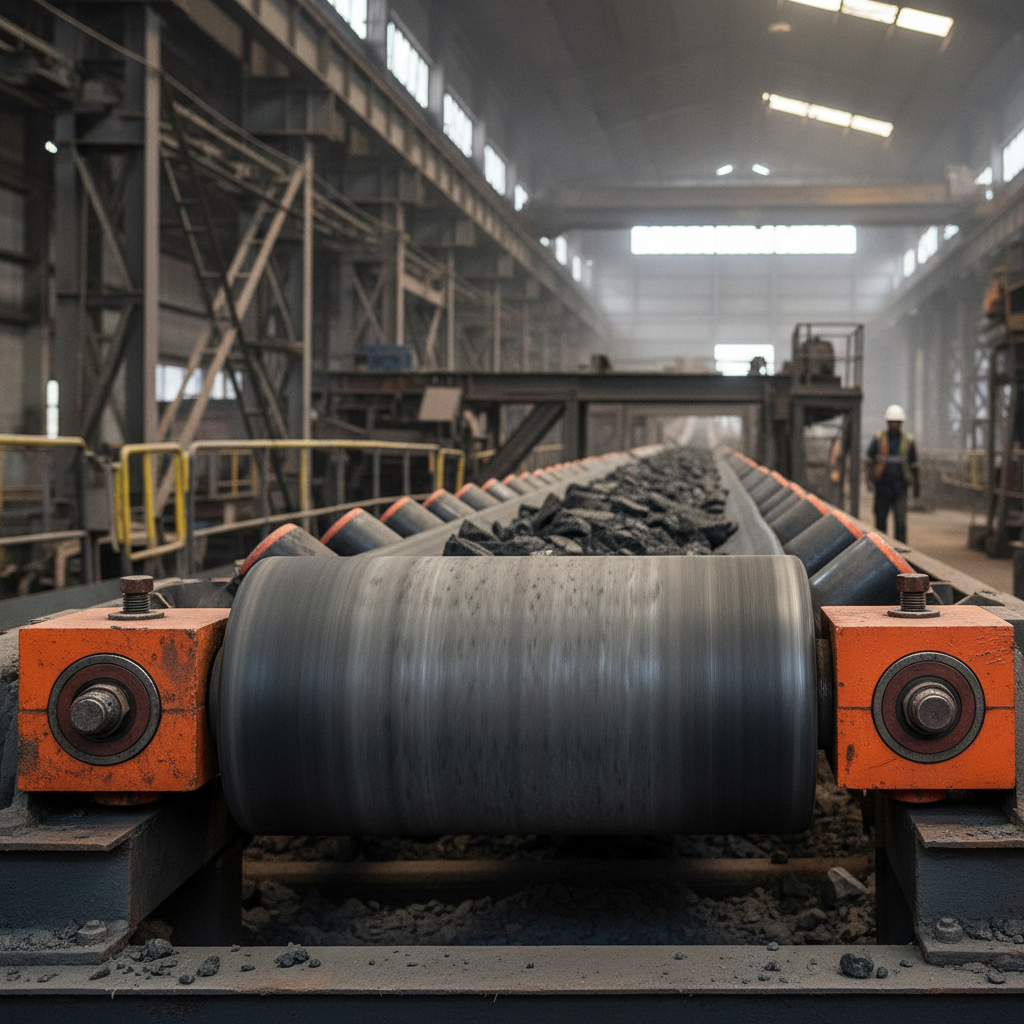
A picking idler is a cylindrical roller, typically constructed from steel, that supports a conveyor belt and facilitates the movement of materials. These idlers are strategically positioned along the length of the conveyor, preventing the belt from sagging and minimizing friction between the belt and its supporting structure.
The concept of the picking idler is directly tied to the principles of material science and mechanical engineering. Modern idlers are engineered for durability, load capacity, and resistance to wear and tear. Advanced designs incorporate sealed bearings to minimize friction and extend service life. Understanding the forces acting upon the idler – including tension, impact, and lateral loads – is critical for proper selection and application.
In modern industry, the picking idler isn't simply a commodity component; it's an integral part of a larger system. Their performance directly impacts the efficiency of the entire material handling process, contributing to reduced energy consumption, minimized downtime, and increased productivity.
Core Components and Key Factors of picking idler
Several key factors influence the performance and longevity of picking idler systems. Firstly, durability is paramount. Idlers are subjected to constant stress and abrasion, particularly in harsh operating environments. High-quality materials and robust construction are essential to withstand these conditions.
Secondly, bearing quality significantly impacts efficiency and maintenance requirements. Sealed, pre-lubricated bearings minimize friction, reduce wear, and extend the interval between re-lubrication or replacement. Thirdly, load capacity must be carefully considered. Selecting idlers with adequate load capacity prevents premature failure and ensures safe operation.
picking idler Performance Metrics
Global Applications and Use Cases for picking idler
Picking idler systems are ubiquitous across a vast range of industries. In the mining sector, they are crucial for transporting ore and extracted materials from the mine face to processing facilities. In logistics and warehousing, they form the backbone of automated sorting and distribution systems.
The agricultural industry utilizes picking idlers in grain handling, fertilizer distribution, and irrigation systems. Furthermore, in manufacturing facilities, they are essential for assembly lines, packaging processes, and material transfer. In post-disaster relief operations, portable conveyor systems equipped with durable picking idlers can rapidly deliver essential supplies to affected areas.
Even in remote industrial zones, where infrastructure is limited, robust picking idler systems are vital for maintaining continuous material flow. For example, in oil and gas operations in challenging environments, specialized idlers designed for extreme temperatures and corrosive conditions are commonly employed.
The Advantages and Long-Term Value of picking idler
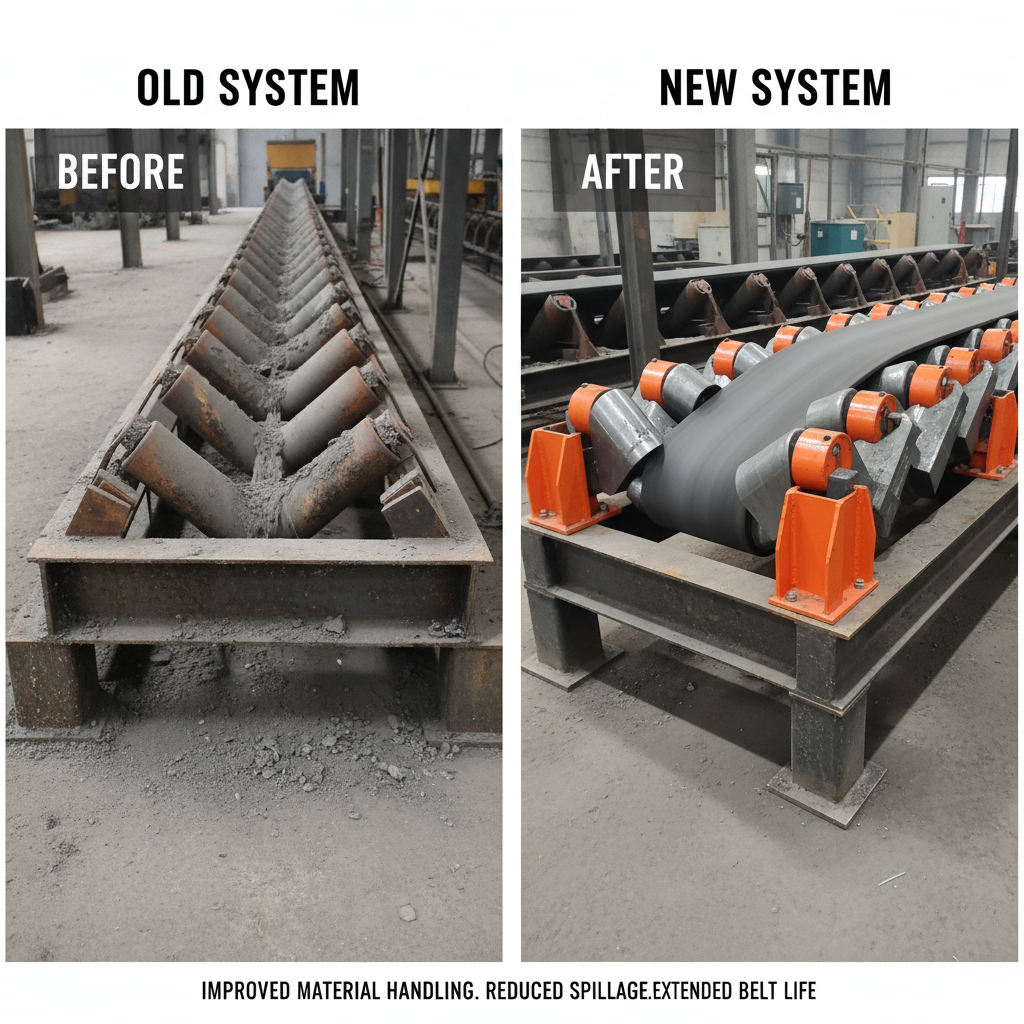
The tangible benefits of investing in high-quality picking idler systems are numerous. Cost savings are achieved through reduced energy consumption, minimized downtime, and extended belt life. Sustainability is enhanced by reducing waste and improving operational efficiency. Reliability is increased, leading to fewer production disruptions and improved overall performance.
From an emotional perspective, utilizing reliable picking idler systems provides peace of mind and builds trust with stakeholders. Knowing that materials are being transported safely and efficiently contributes to a positive work environment and enhances the company's reputation for quality and innovation. The long-term value extends beyond mere financial gains, encompassing improved safety, reduced environmental impact, and increased operational resilience.
Future Trends and Innovations in picking idler
Several exciting trends are shaping the future of picking idler technology. The integration of smart sensors and IoT connectivity enables real-time monitoring of idler performance, allowing for predictive maintenance and proactive problem-solving. The development of self-cleaning idlers reduces material build-up, minimizes friction, and extends service life.
Furthermore, research into advanced materials – such as lightweight composites and corrosion-resistant alloys – is leading to the creation of idlers that are more durable, energy-efficient, and environmentally friendly. The increasing focus on automation and digitalization is driving the demand for idlers that can seamlessly integrate into automated material handling systems.
Challenges and Solutions
A common limitation in current picking idler practice is the difficulty in accurately predicting bearing failure. Traditional preventative maintenance schedules often lead to unnecessary replacements, increasing costs and generating waste. A solution lies in implementing condition-based monitoring using vibration analysis and thermal imaging.
Another challenge is the buildup of sticky materials on idlers, particularly in industries such as coal and cement handling. Developing more effective self-cleaning mechanisms and utilizing specialized coatings can mitigate this issue. Furthermore, optimizing idler spacing and belt alignment can minimize wear and tear and improve overall system performance.
Expert insights suggest a shift towards a more holistic approach to picking idler management, encompassing not only the idlers themselves but also the entire conveyor system. This includes regular inspections, proper lubrication, and operator training.
Summary of Challenges and Solutions for Picking Idler Systems
| Challenge |
Impact |
Proposed Solution |
Implementation Cost (Scale 1-10) |
| Bearing Failure Prediction |
Unscheduled Downtime, Increased Maintenance Costs |
Condition-Based Monitoring (Vibration Analysis) |
6 |
| Material Buildup |
Increased Friction, Reduced Efficiency |
Self-Cleaning Idler Designs, Specialized Coatings |
7 |
| Uneven Load Distribution |
Premature Wear, Belt Damage |
Optimized Idler Spacing, Belt Alignment Checks |
4 |
| Corrosion in Harsh Environments |
Reduced Lifespan, Safety Hazards |
Corrosion-Resistant Materials, Protective Coatings |
8 |
| Lack of Operator Training |
Improper Maintenance, Reduced Efficiency |
Comprehensive Training Programs, Standard Operating Procedures |
5 |
| Inadequate Lubrication |
Increased Friction, Bearing Failure |
Automated Lubrication Systems, Scheduled Maintenance |
6 |
FAQS
Selecting the right picking idler requires careful consideration of several factors. These include the material being conveyed (its density, abrasiveness, and potential for build-up), the conveyor belt speed and load capacity, the operating environment (temperature, humidity, exposure to corrosive substances), and the overall system design. Choosing an idler that isn't adequately suited to these conditions can lead to premature failure, reduced efficiency, and increased maintenance costs.
Regular inspection and maintenance are crucial for ensuring the longevity and reliability of picking idler systems. A visual inspection should be conducted at least monthly, checking for signs of wear, damage, or material build-up. Bearing lubrication should be performed according to the manufacturer's recommendations, typically every 3-6 months. More frequent inspections are recommended for applications with high loads or harsh operating conditions.
Self-cleaning picking idlers are designed to minimize material build-up on the roller surface, reducing friction and improving conveying efficiency. They are particularly beneficial in applications where sticky or abrasive materials are conveyed, such as coal, cement, or agricultural products. By preventing material accumulation, self-cleaning idlers extend belt life and reduce the risk of blockages and downtime.
Early detection of bearing failure is critical for preventing catastrophic system downtime. Common signs include unusual noises (grinding, squealing), excessive vibration, and increased operating temperature. Implementing a condition-based monitoring program using vibration analysis and thermal imaging can provide early warnings of bearing deterioration, allowing for proactive maintenance and replacement.
Picking idlers are typically constructed from steel, although the specific grade and composition vary depending on the application. Carbon steel is commonly used for general-purpose applications, while stainless steel is preferred for corrosive environments. In some cases, lightweight materials such as aluminum or composite materials are used to reduce weight and improve energy efficiency.
Proper idler alignment is essential for ensuring smooth and efficient conveyor belt operation. Misaligned idlers can cause the belt to drift, leading to uneven wear, increased friction, and potential damage. Regular alignment checks and adjustments are crucial for maintaining optimal belt tracking and maximizing system performance. Utilizing laser alignment tools can improve the accuracy and efficiency of this process.
Conclusion
In conclusion, picking idler systems are foundational components in countless industrial processes, playing a vital role in efficient material handling. Their proper selection, maintenance, and integration into broader systems directly impact operational costs, sustainability efforts, and overall productivity. A deep understanding of the core principles of picking idler technology – encompassing material science, engineering design, and predictive maintenance – is critical for maximizing performance and minimizing downtime.
Looking ahead, the future of picking idler technology is poised for significant innovation, driven by the integration of smart sensors, advanced materials, and automation. By embracing these advancements, industries can unlock even greater efficiencies, reduce their environmental footprint, and build more resilient and sustainable material handling systems. For more information and to explore our range of picking idler solutions, visit our website at www.idleraohua.com.